Rovinj
🇭🇷 Croatia
The Venetian Dream on a Slow Clock
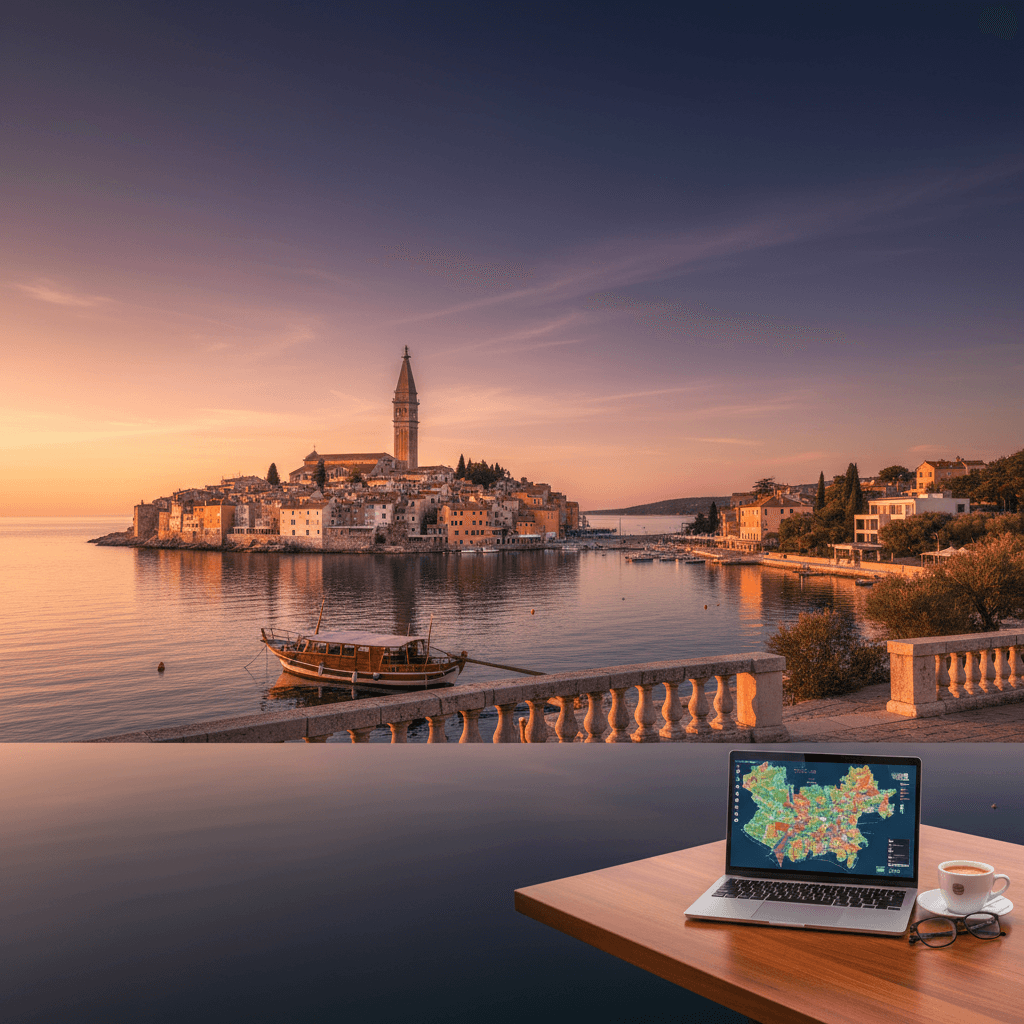
Stepping into Rovinj feels like falling into a Renaissance painting that someone accidentally left out in the Adriatic sun. It is a town of steep, polished limestone alleys and laundry lines strung between pastel shutters. While Split is chaotic and Zagreb is business-minded, Rovinj is unapologetically slow. It is the kind of place where your morning "quick coffee" at Batana Bar inevitably turns into a two hour session of watching the fishing boats return to the harbor.
The vibe here is Mediterranean soul mixed with Istrian grit. You will hear a blend of Croatian and Italian in the streets, a nod to the town's history as a Venetian stronghold. For nomads, the emotional pull is the sheer aesthetic inspiration of the Old Town, though the lack of a traditional "city" infrastructure means you have to be okay with a more DIY approach to your workday. You aren't here for high-tech hubs; you are here to work from a terrace with a view of the St. Euphemia bell tower before heading to the forest park for a sunset bike ride.
Living Costs & Budgeting
Rovinj isn't the cheapest corner of Croatia, but it provides a high quality of life if you time your stay correctly. Expect to spend significantly more if you insist on being in the heart of the Old Town during the peak heat of summer. Most long term travelers find that €2,000 to €3,000 per month allows for a very comfortable lifestyle, including a nice apartment and frequent dinners out.
- Budget (€1,200 to €1,800): You will likely stay in the outskirts like Cuvi, cook most meals with market produce, and rely on cafe Wi-Fi.
- Mid-range (€2,000 to €3,000): Covers a 1-bedroom apartment near the center and regular stops for truffle pasta and local Malvazija wine.
- Comfortable (€3,000+): This gets you a sea-view balcony in Stari Grad and daily dinners at upscale spots like Puntulina.
The Neighborhood Breakdown
Rovinj is compact enough that you can walk almost anywhere, but where you plant your flag changes your daily experience. There are no sprawling suburbs here, just distinct zones radiating from the harbor.
Old Town (Stari Grad)
- Best for: Short term stays and those who want to be in the thick of the history.
- The Draw: Living among the cobblestones and being steps away from every major cafe and market.
- The Drawback: It is loud in August, the hills are a workout for your calves, and rent stays high at €700 to €1,000.
Waterfront & Lonja
- Best for: Easy access to the ferries and the Zlatni Rt park.
- The Draw: Flatter terrain and proximity to the water.
- The Drawback: Very touristy; you will constantly be dodging tour groups during the day.
Cuvi & Outskirts
- Best for: Families and nomads staying for 3+ months.
- The Draw: Much quieter nights and better value for your money, with studios starting around €500.
- The Drawback: You will want a bike or a rental car to get into the center for social events.
The Remote Work Reality
Let's be clear: Rovinj has no dedicated coworking spaces. If you need a silent office with ergonomic chairs and a networking event every Tuesday, you might find it frustrating. However, the cafe culture is welcoming. In the off-season, spots like Tunarica are perfect for a few hours of deep work. Wi-Fi speeds average 55 Mbps, which is plenty for Zoom calls, though the networks can get sluggish when the town hits 100 percent occupancy in mid-summer.
For connectivity, skip the roaming charges and grab a local SIM from A1 or Hrvatski Telekom. You can get an unlimited data package for €10 to €20 at almost any newsstand. If the cafe noise gets to be too much, the lobbies of the higher-end hotels along the coast are reliable backups for a professional atmosphere.
When to Go
Timing is everything in Istria. July and August are beautiful but can feel like a theme park due to the crowds. The sweet spot is the shoulder season. May, June, and September offer temperatures around 20 to 25°C and a much more authentic local feel. Winters are mild but quiet; many restaurants close their doors from January to March, so be prepared for a very solitary, peaceful experience if you visit then.
The Price of the Venetian Dream
Living in Rovinj feels like stepping into a postcard, but that charm comes with a price tag slightly higher than other Croatian towns like Osijek or Zadar. You're paying for the view and the atmosphere. If you're coming from London or New York, you'll still find it remarkably affordable, with rent prices sitting about 60% lower than major US hubs. However, the town operates on a seasonal sliding scale. What costs €600 in November might double by July.
A single nomad can live comfortably here on a budget of €2,000 to €3,000 per month. This covers a nice one bedroom apartment, frequent dinners out at spots like Puntulina, and plenty of weekend trips around Istria. If you're on a tighter leash, sticking to a €1,200 to €1,800 budget is doable if you opt for a studio in the outskirts and cook most of your meals with fresh produce from the local markets.
Breaking Down the Monthly Spend
- Housing: Expect to pay €500 to €1,000 for a quality 1BR. The Old Town (Stari Grad) is the priciest and loudest, while the Cuvi area offers more space and quiet for your money.
- Dining: A quick street food lunch runs €5 to €10. A mid range dinner with a glass of local Malvazija wine averages €20 to €30.
- Groceries: Local markets are great for seasonal truffles and seafood, and basic staples are on par with the rest of the EU.
- Transport: You'll mostly walk, but bike rentals cost €10 to €20 per day. If you need a taxi, use the Cammeo app to avoid the "tourist tax" of street hails.
Work and Connectivity
Rovinj doesn't have a formal coworking space yet, which is the biggest hurdle for serious remote work. Most nomads treat Batana Bar or Tunarica as their makeshift offices. A coffee will set you back €2 to €4 and usually buys you a few hours of Wi-Fi and a front row seat to the Adriatic. Just be warned that in August, the noise levels in these cafes make Zoom calls nearly impossible.
National internet speeds average 55 Mbps, which is plenty for most tasks. For a backup, grab a SIM card from A1 or Hrvatski Telekom. You can get unlimited data for about €10 to €20 a month. If the cafe scene gets too hectic, the larger hotel lobbies are reliable backups for a quieter afternoon of deep work.
Location Guide: Where to Anchor
Old Town (Stari Grad)
- Best for: Short term stays and those who want to be in the thick of it.
- The Vibe: Cobblestones, steep hills, and immediate access to every cafe and bar.
- Cost: High. Expect €700 to €1,000 for a decent flat.
Lonja / Waterfront
- Best for: Families and people who want easy beach access.
- The Vibe: Relaxed and breezy, though the bars along the water can get rowdy on summer nights.
- Cost: Mid range, with a mix of modern apartments and older villas.
Cuvi / Outskirts
- Best for: Long term nomads and slow travelers.
- The Vibe: Much quieter and residential. You'll likely want a bike or a car to get into the center.
- Cost: Best value. You can find solid options starting around €500.
The Seasonal Strategy
Timing is everything in Rovinj. The "best" months are April, May, September, and October. The weather stays between 20 and 25°C, the crowds vanish, and landlords are much more willing to negotiate monthly rates. Avoid January if you hate the rain, and think twice about August if you value peace and quiet. Most travelers find that the shoulder season offers the perfect balance of local culture and working conditions without the premium price tag.
For Nomads and Solo Travelers: The Old Town (Stari Grad)
If you want to be in the thick of the action, the Old Town is the only place to be. It is a dense, walkable maze of cobblestone streets where your morning commute involves dodging laundry lines and cats on your way to a seaside cafe. Living here feels like being on a permanent film set, with the Adriatic visible from almost every corner. Most nomads gravitate toward the area around the Church of Saint Euphemia for the views or the streets near the Green Market for easy access to fresh Istrian truffles and local produce.
Since Rovinj lacks dedicated coworking spaces, your office will likely be Batana Bar or Tunarica. These spots are nomad favorites because the Wi-Fi is reliable and the staff won't kick you out for lingering over a €3 espresso. Just keep in mind that August is a different beast. The noise levels spike and the internet can crawl when the tourist crowds peak, so many solo travelers prefer the shoulder months of May, September, and October.
- Monthly Rent: Expect to pay between €700 and €1,000 for a studio or one bedroom apartment.
- The Vibe: High energy, incredibly social, and steep hills that will give your legs a serious workout.
- Connectivity: Great 4G/5G coverage, but thick stone walls in older buildings can sometimes mess with your router signal.
For Long-Term Expats: Cuvi and the Outskirts
Expats who plan to stay for the full duration of a digital nomad visa usually head south toward the Cuvi area. It is a much more residential, wooded part of town that feels like a proper neighborhood rather than a tourist hub. You trade the immediate charm of the harbor for silence, space, and much easier parking. It is a smart move if you want to avoid the "seasonal burnout" that comes with living in the center of a Mediterranean hotspot.
Life here is slower and more affordable. You are closer to the Cuvi Beach pine forests, which are perfect for morning runs or bike rides. Most expats here recommend renting a bike or a scooter for €10 to €20 a day to get into town, as the walk can take 20 to 30 minutes. If you have a car for exploring central Istria, this is the only area where you won't lose your mind trying to find a spot.
- Monthly Rent: Significantly cheaper, often starting around €500 for decent long term setups.
- The Vibe: Quiet, green, and authentic. You will be living next to locals rather than weekend trippers.
- Practicality: Close to larger supermarkets and the Ljekarna Rovinj pharmacies.
For Families: The Waterfront and Lonja Area
The area stretching toward Lonja Bay is the sweet spot for families who need a balance of convenience and leisure. It sits just south of the main marina, offering flat paths that are actually stroller friendly, unlike the slippery stairs of the Old Town. You are within walking distance of the Mulini Beach area, which has some of the cleanest water for kids to swim in and plenty of shade.
Parents often prefer this zone because it feels safer and more open. While the Old Town can feel claustrophobic during the summer heat, the waterfront area catches the breeze. You are also closer to the park forest Zlatni Rt, which is the best spot in the city for family picnics and easy rock climbing. Most family sized apartments here come with modern amenities that the ancient buildings in the center lack, like dishwashers and consistent air conditioning.
- Monthly Rent: Usually €900 to €1,200 for larger two bedroom units.
- The Vibe: Relaxed seaside living with easy access to ferries and boat rentals.
- Safety: Very high. Rovinj is generally safe, but this area feels particularly secure for kids playing outside.
A Note on Seasonal Living
Regardless of where you land, remember that Rovinj is a seasonal town. In January, the Old Town can feel like a ghost town with many cafes closing for renovation. If you are arriving in the winter, stick to the outskirts where the year round community lives. If you are coming for the summer, book your accommodation at least four months in advance or you will be stuck with €3,000 a month "luxury" rates that don't match the reality of the apartment.
Connectivity and Speed
Internet in Rovinj is a tale of two seasons. If you're here during the shoulder months of May or September, you'll find the Wi-Fi at most rentals and cafes surprisingly snappy. National averages exceed 80 Mbps download, which is plenty for video calls and heavy uploads. However, once the August crowds descend on the Istrian coast, the local infrastructure feels the strain. You might notice occasional lag or "spinning wheels" during peak evening hours when everyone is uploading their sunset photos at once.
The best way to stay productive is to skip the hotel Wi-Fi and grab a local SIM card immediately. Most nomads head to a Tisak kiosk or a dedicated mobile shop to pick up an A1 or Hrvatski Telekom card. You can get unlimited data packages for roughly €10 to €20 per month. 5G coverage is excellent within the town center, though it gets spotty if you head out to the rural vineyards or the Cuvi forest area.
Where to Work: The Cafe Culture
Rovinj has a dedicated coworking space: Coworking Rovinj-Rovigno at Augusta Ferri 37a-a. If you prefer a more casual "office," the local culture is very relaxed about people working from cafes, provided you keep the coffee flowing and avoid taking up a four top during the lunch rush.
- Batana Bar: Located right on the waterfront in the Old Town, this is the unofficial nomad hub. It's great for morning deep work while the town wakes up. A coffee will set you back about €2 to €4.
- Tunarica: Another solid choice for those who like a bit of background buzz. The Wi-Fi is generally reliable, but it gets loud in the late afternoon.
- Hotel Lobbies: When the summer heat or the tourist noise becomes too much, the larger hotels near the Lonja area offer air-conditioned lobbies with stable connections. They're a bit more formal but much quieter for important meetings.
Digital Nomad Logistics
Most expats and nomads connect through Facebook groups or by simply spotting a MacBook at a cafe. The community is small but welcoming, often organizing weekend trips to Pula or truffle hunting excursions in central Istria.
For banking and daily expenses, most nomads rely on Wise or Revolut. ATMs are everywhere, but stick to bank affiliated ones like Zagrebačka to avoid the high fees of independent tourist machines. If you're planning a long term stay, look for apartments in the Cuvi outskirts. You'll find studios starting around €500 per month off season, which is a steal compared to the €1,000 price tags in the heart of the Stari Grad.
Navigating the Summer Slump
If your work requires high focus and zero interruptions, August might be your least favorite month. The narrow cobblestone streets turn into a sea of tourists, and finding a quiet corner with a power outlet becomes a competitive sport. Experienced nomads suggest shifting your schedule to work early mornings or late nights during the peak season, leaving the midday hours for a swim or a siesta. By October, the town returns to its quiet, creative self, and you'll have your pick of the best Wi-Fi spots in town.
Staying Safe in the Old Town
Rovinj is remarkably safe, even by European standards. You can comfortably walk the dimly lit, winding alleys of the Stari Grad late at night without looking over your shoulder. Violent crime is almost non-existent here, making it a top tier choice for solo travelers and female nomads who prioritize peace of mind.
The only real concern is petty theft during the peak summer months of July and August. When the crowds thicken around the waterfront and Batana Bar, pickpockets occasionally look for easy targets. Keep your bag zipped and your phone off the table while you're enjoying a sunset drink. Most locals don't even lock their bikes, but as a visitor, it's smarter to use a basic lock if you're renting wheels for €10 to €20 a day.
In case of any immediate trouble, the emergency number is 112, which connects you to all services. For specific police matters, dial 192. The local station is small and the officers are generally helpful, though English proficiency can vary among the older staff.
Healthcare and Medical Services
If you come down with a cold or need basic supplies, look for a Ljekarna (pharmacy). There are several scattered around the town center, including Ljekarna Rovinj. These pharmacies are well stocked and the pharmacists usually speak excellent English. They can provide over the counter remedies for most minor ailments without a doctor's note.
For more serious medical issues, Rovinj has a local health center (Dom Zdravlja) for primary care. However, for emergencies or specialist visits, you'll likely head to the city of Pula. It's about a 30 to 45 minute drive away and houses a full scale hospital that meets high EU standards. Most expats recommend having private travel insurance like SafetyWing or World Nomads, though EU citizens can use their EHIC card for state provided care.
- Emergency Services: Dial 112 for general emergencies or 194 for an ambulance.
- Pharmacies: Open typically from 8:00 AM to 8:00 PM, with rotating 24 hour "duty" pharmacies available for emergencies.
- Hospital Access: Major facilities are located in Pula, roughly 40km from Rovinj.
Digital Nomad Wellness
Living in Rovinj encourages a healthy lifestyle by default. The town is almost entirely pedestrian, so you'll easily hit your step goals just by walking to a cafe for work. The air quality is superb, and the proximity to the Zlatni Rt (Golden Cape) forest park means you're never more than a few minutes from a shaded trail or a dip in the Adriatic.
Water quality is excellent throughout Istria. You can drink straight from the tap in your apartment, which saves money and reduces plastic waste. If you're sensitive to the sun, be wary of the 29°C July heat; the stone buildings in the Old Town trap warmth, and the reflection off the sea can lead to a quick sunburn if you're working from a terrace without an umbrella.
Most nomads find the pace of life here reduces stress significantly. While the lack of dedicated coworking spaces might be a minor hurdle, the "pomalo" (take it easy) culture ensures that your physical and mental well being takes center stage over the typical corporate grind.
The Daily Drift: Walking and Biking
In Rovinj, your own two feet are your most reliable asset. The Old Town is a dense, car free labyrinth of limestone streets that polished smooth over centuries. Because the historic center is so compact, you can cross from the waterfront to the Church of St. Euphemia in about 10 to 15 minutes. Most nomads find that living in the Stari Grad means they rarely think about transport at all, though those steep hills will definitely give your calves a workout.
If you are staying further out in quieter spots like Cuvi or the outskirts, a bicycle is the local gold standard. The terrain is mostly flat once you get away from the immediate harbor, and the coastal paths are stunning. You can pick up a rental for €10 to €20 per day at shops around the marina. For long term stays, expats often recommend buying a cheap second hand bike through local Facebook groups to save on daily fees.
Public Transit and Taxis
Public transport within the town limits is almost non existent because it simply isn't needed. There are local buses that connect the center to the surrounding residential areas for about €1 to €2 per ride, but schedules can be sparse, especially outside the summer peak. If you are heading to the grocery store for a big haul, this is a decent budget option.
Don't expect to find Uber or Bolt here. While those apps dominate in Zagreb or Split, Rovinj relies on local taxi firms and the Cammeo app. A short trip across town usually costs between €10 and €20. It is pricey for the distance, so most travelers save taxis for rainy days or late nights when they don't feel like trekking back up the hill.
Regional Exploration
To truly see the Istrian Peninsula, you will eventually want a car. While there are buses to Pula and Poreč, they don't allow for the spontaneous stops at hilltop wineries or truffle shops in Pazin that make this region so special. Renting a car for a weekend trip is the way to go. If you are flying in or out, the Pula Airport is about 45 minutes away; a private transfer typically runs €50 to €70, though a shuttle bus is a much cheaper alternative if your timing aligns.
- Walkability: High in the Old Town; no cars allowed.
- Bike Rentals: €10 to €20 daily; look for shops near the Lonja area.
- Ride-Hailing: Use the Cammeo app; no Uber available.
- Regional Bus: Arriva is the main carrier for trips to Pula or Rijeka.
- Ferries: Seasonal high speed catamarans run to Venice, perfect for a long weekend.
Practical Transit Tips
If you do bring a car, parking is the biggest headache you will face. The Old Town is restricted, and the large public lots nearby can cost a fortune during the July and August rush. Most long term nomads look for apartments in the Lamanova or Borik areas specifically because they offer free street parking or dedicated spots.
For those arriving from Italy, the ferry is a scenic and practical choice. It docks right at the waterfront, putting you steps away from the main cafe strip. Just keep in mind that these routes are highly seasonal and usually stop running once the weather turns cold in late October.
The Linguistic Landscape
You won't have much trouble getting your point across in Rovinj. Since the town depends heavily on tourism, English proficiency is remarkably high, especially among the younger generation and anyone working in the service industry. Whether you are ordering a truffle pasta at Puntulina or checking into an apartment in the Old Town, you can expect fluent, or at least very functional, communication. Most nomads find they can conduct their daily lives and even some local business entirely in English without hitting a wall.
That said, the linguistic history here is unique. Because of its Venetian past, Rovinj is officially bilingual. You will see street signs in both Croatian and Italian, and many locals, particularly the older generation, speak Italian as a first or second language. If you have a background in a Romance language, you might find the local dialect more familiar than you'd expect.
Going Beyond English
While you can survive on English alone, the social dynamic shifts when you make an effort. In the more rural parts of the Istrian peninsula or at the local markets, English levels drop off. Learning a few basics shows respect for the culture and usually results in better service or a friendlier conversation with the vendor selling you fresh olive oil. Expats recommend downloading the Google Translate offline Croatian pack, as it's a lifesaver when you're navigating grocery labels or government forms.
- Dobar dan: Good day (Use this for every shop entry)
- Hvala: Thank you
- Molim: Please
- Koliko košta?: How much does it cost?
- Bok: Hi or Bye (Informal)
Communication for Remote Work
For professional communication, the infrastructure is solid but has some quirks. Since Rovinj lacks a dedicated coworking space, your "office" will likely be a cafe like Batana Bar or Tunarica. In these settings, the staff is used to foreigners, but the "cafe culture" is slow. Don't expect a waiter to rush to your table every five minutes. It's a relaxed environment where you're expected to linger over a €3 coffee for an hour or two while you clear your inbox.
Cellular data is your best friend for staying connected. Most nomads skip the international roaming plans and head straight for a local SIM. You can pick these up at the airport or small kiosks (Tisak) around town. Hrvatski Telekom and A1 are the two big players. Tourist SIMs offer 50GB for ~€18/30 days; unlimited options ~€10-20 for shorter periods. This is vital during the July and August peak season when the town's public Wi-Fi can crawl due to the sheer number of tourists streaming video at the beach.
Social Etiquette and Networking
Communication in Istria is direct but warm. People appreciate a polite greeting before you dive into a request. If you're looking to meet people, don't expect structured networking events. Instead, the "language of the cafe" is how things get done. You'll meet other digital nomads and expats by frequenting the same waterfront spots or joining Facebook groups for Istria expats. It is a small town vibe, so once you've been to the same bakery three mornings in a row, you're no longer a stranger; you're a neighbor.
Timing the Istrian Sun
Rovinj follows the classic Mediterranean rhythm, but for those trying to get work done, the seasons dictate more than just your wardrobe. The town transforms from a sleepy artisan village in winter to a high energy tourist hub by mid summer. Choosing when to land here depends on whether you prioritize swimming weather or a stable internet connection and a quiet place to sit.
The Sweet Spot: Shoulder Season
Most nomads agree that April to May and September to October are the prime windows. During these months, temperatures hover comfortably between 18°C and 25°C. You get the best of both worlds: the Adriatic is often warm enough for a quick dip, yet the crushing crowds of August haven't arrived or have finally headed home.
Working from cafes like Batana Bar or Tunarica is much easier during these months. You won't have to fight for a seat near a power outlet, and the Wi-Fi doesn't buckle under the weight of thousands of tourists uploading vacation photos. Plus, apartment prices in the Old Town drop significantly from their summer peaks, often landing between €500 and €800 per month.
Summer: High Peaks and Heat
July and August are the hottest months, with highs rarely dipping below 29°C. While the turquoise water is tempting, this is the most challenging time for remote work. The town becomes incredibly loud, and the narrow cobblestone streets of Stari Grad can feel claustrophobic.
- Crowds: Expect heavy foot traffic and noise in the waterfront areas until late at night.
- Connectivity: Local networks can experience seasonal slowdowns during peak hours.
- Prices: Rent for a 1BR with a sea view can spike well over €1,000.
If you do visit in summer, expats recommend staying in the Cuvi area or the outskirts. It’s a bit further from the action, but you’ll get more peace and better value for your money.
Winter: The Quiet Season
From November to March, Rovinj enters a deep hibernation. Temperatures average between 5°C and 10°C, and the rain picks up, particularly in December. Many of the best restaurants and waterfront cafes close their doors for the season.
While it’s the cheapest time to live here, it can feel isolating. The social scene for nomads is already limited, and it shrinks further in the winter. However, if you have a big project to finish and want total silence with reliable 55 Mbps download speeds, the off season offers an unbeatable focus environment.
Monthly Weather Snapshot
- January: Cold and rainy. Highs of 9°C. Best for indoor deep work and low rent.
- April: Spring bloom. Highs of 18°C. Perfect for hiking in Central Istria.
- July: Peak summer. Highs of 29°C. Low rainfall but very high tourist volume.
- October: Mild and pleasant. Highs of 20°C. The sea is still warm, and the truffle season begins.
For the quintessential Rovinj experience, aim for September. The water is at its warmest, the evening air is crisp, and the town regains its authentic, slow paced charm as the summer families depart.
Getting Settled and Connected
Living in Rovinj means trading high speed urban chaos for a slower, Istrian pace. While the town doesn't have dedicated coworking spaces yet, the local cafe culture fills the gap. Most nomads set up at Batana Bar or Tunarica for a few hours. A coffee usually runs between €2 and €4, which is a fair price for a seat with a view. If you need absolute silence for a call, stick to your apartment or try a quiet hotel lobby like those near the Lonja area.
For internet, don't rely solely on cafe Wi-Fi during the peak of August when the crowds can throttle speeds. Pick up a local SIM card from A1 or Hrvatski Telekom. You can find these at most newsstands or small shops for about €10 to €20, often bundled with massive data packages. Most people find 4G and 5G coverage excellent in the town center, though it gets spotty if you head into the rural hills of central Istria.
Cost of Living and Neighborhoods
Your budget here depends heavily on the season. In the shoulder months of April, May, September, and October, you'll find the best balance of price and weather. A mid range lifestyle usually costs between €2,000 and €3,000 per month. If you're on a tighter budget of €1,200 to €1,800, you'll likely be sharing a space or staying further from the water.
Stari Grad (Old Town)
- Best for: Walkability and atmosphere.
- Monthly Rent: €700 to €1,000 for a studio or 1BR.
- The Vibe: Steep cobblestone streets and immediate access to markets, but it gets loud and crowded in summer.
Cuvi and Outskirts
- Best for: Long term stays and families.
- Monthly Rent: Starting around €500.
- The Vibe: Much quieter and greener. You'll want a bike or a car since it's a longer trek into the center.
Navigating the Town
Rovinj is tiny and incredibly walkable, especially within the historic core where cars aren't allowed. For trips further out, local buses are cheap at €1 to €2 per ride. There's no Uber here, so download the Cammeo app or keep a local taxi number handy for short trips, which usually cost €10 to €20. If you want to explore the Roman ruins in Pula or the wineries in Pazin, renting a car is the only way to go. Bike rentals are a popular middle ground, costing about €10 to €20 per day.
Food, Safety, and Health
Eating out is a highlight, but it can eat into your budget. A quick meal at a bakery or street food stall is €5 to €10, while a nice seafood dinner at Puntulina will run €30 or more. For groceries, the local markets are great for fresh produce, especially during truffle season. Most expats use Wise or Revolut to handle daily spending and avoid high bank fees at local ATMs.
The town is very safe, and solo travelers rarely report issues even late at night. For healthcare, there are plenty of pharmacies in town like Ljekarna Rovinj. If you need a specialist or a hospital, the city of Pula is just a 30 minute drive away and offers high quality, EU standard care. In any emergency, dial 112.
Language and Culture
English is widely spoken in shops and restaurants, so you won't struggle with the basics. Learning a few Croatian phrases like Dobar dan (good day) or Hvala (thank you) goes a long way with the locals. People here value a slow, respectful pace of life. Tipping about 10% at restaurants is standard practice. To meet people, check out Facebook groups for Istria nomads or just strike up a conversation at the waterfront bars; the community is small but welcoming.
Need visa and immigration info for Croatia?
🇭🇷 View Croatia Country GuideHidden Gem
Worth the effort
Monthly Budget Estimates
More cities in Croatia
Osijek
🇭🇷 Croatia
Zagreb
🇭🇷 Croatia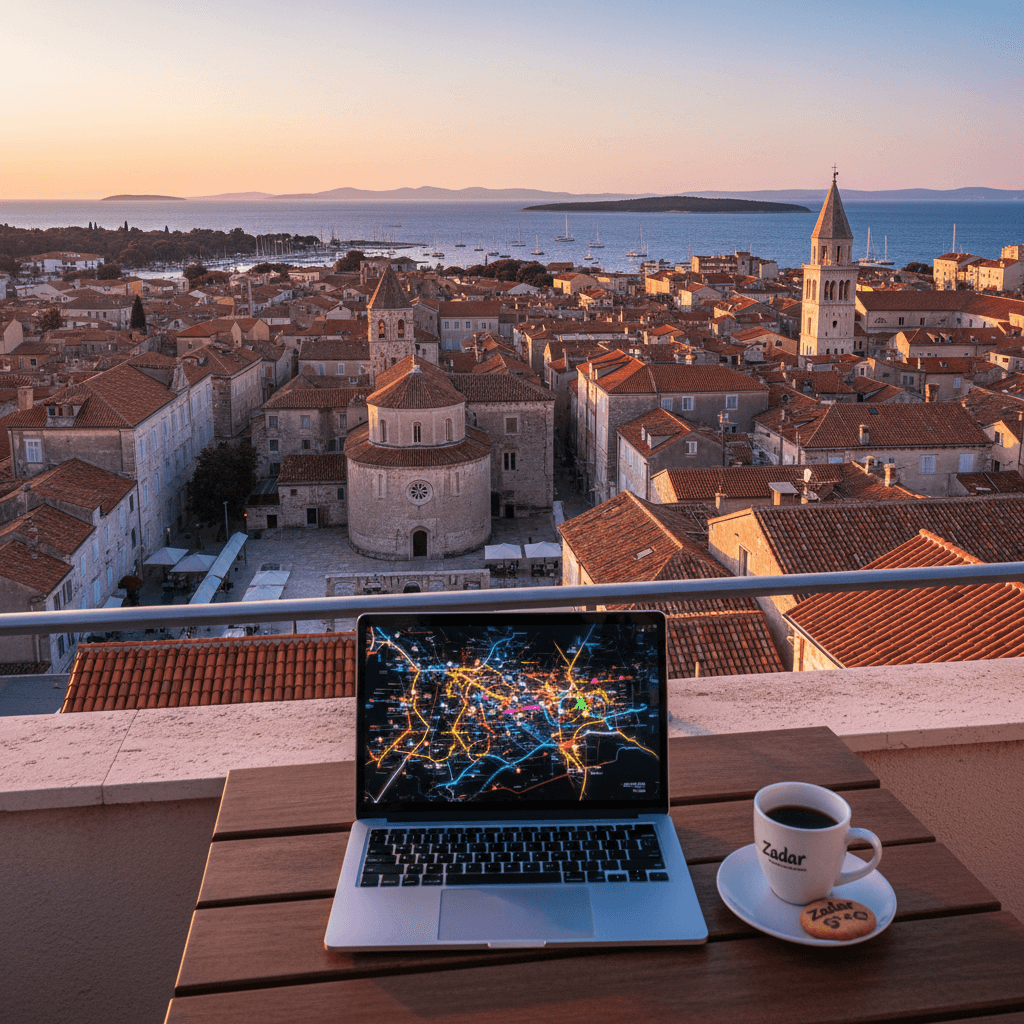
Zadar
🇭🇷 Croatia