Rosario
🇦🇷 Argentina
The River City Ethos
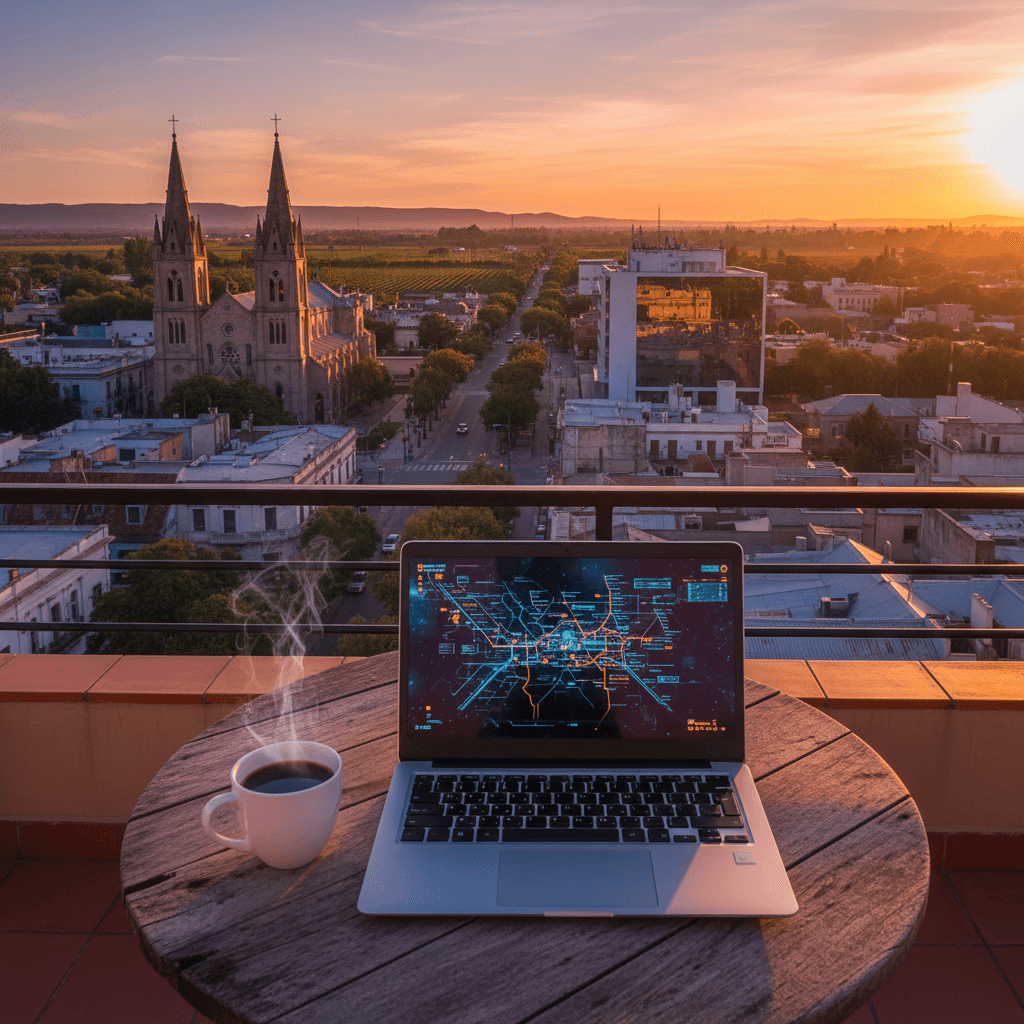
If Buenos Aires is the sophisticated, slightly frantic older sibling, Rosario is the creative middle child who skipped law school to open a riverfront art studio. It’s Argentina’s third largest city, but it breathes differently. Sitting on the banks of the massive Paraná River, the city trades the capital's European pretension for a gritty, industrial charm and a deep connection to the water. Most nomads find that the "vibe" here isn't something you see in a museum; it's something you feel during a three hour asado or while watching the sunset over the islands from the Costanera.
The personality of the city is defined by a strange, beautiful contrast. On one hand, it's a manufacturing powerhouse with a serious work ethic. On the other, it’s the birthplace of Che Guevara and Lionel Messi, possessing a rebellious, underdog spirit that shows up in its thriving indie music scene and street art. You’ll find 1.5 million people living here, yet the pace is distinctly slower. It’s the kind of place where the local barista remembers your name by the second day, and nobody is in a rush to finish their fernet and cola.
The Nomad Experience
Living here as a remote worker feels like being part of a well kept secret. While the nomad crowds flock to Palermo Soho, Rosario offers a more authentic "local" life at a fraction of the cost. You can comfortably get by on $800 to $1,200 USD per month, depending on how many steak dinners you indulge in. The internet is surprisingly reliable, often hitting speeds between 95 and 120 Mbps, which is plenty for video calls or uploading large files.
Expats often say the city's greatest asset is its green space. The riverfront is lined with parks where people gather to drink mate and exercise. It’s a literal breath of fresh air compared to the concrete canyons of other major hubs. However, it isn't perfect. Public transport can be a headache, and while the city is generally welcoming, you’ll need to keep your wits about you in certain areas at night. It’s a city that rewards the savvy traveler who knows how to blend in.
Where to Plant Your Flag
Choosing a neighborhood in Rosario changes your entire experience. Most nomads gravitate toward Centro (Downtown) for its walkability and proximity to the best cafes. If you want a more relaxed, suburban feel, the Riverfront areas are the way to go.
- Centro (Downtown): This is the heartbeat of the city. You’re steps away from historic theaters, galleries, and the best coworking spots. Rent for a furnished studio usually lands between $250 and $500 USD. The downside is the noise and the occasional risk of petty theft in crowded spots.
- Paraná Shore: Perfect for those who prioritize a morning run or a view of the water. It’s quieter and feels safer for families, but you’ll likely rely on Uber or the SUBE bus card more often to get into the thick of the action.
- Pichincha: Once the red light district, it’s now the coolest neighborhood for nightlife and craft beer. It’s becoming a favorite for younger nomads who want to be near the best bars and artisanal markets.
Practical Realities
The climate is generally mild, though summers from December to February can get sticky with temperatures hitting 35°C. Most travelers recommend Spring (September to November) as the sweet spot for weather. You’ll want to download WhatsApp and Instagram immediately, as they are the primary ways to book everything from a haircut to a coworking desk. While English is spoken in digital nomad circles, having basic Spanish phrases like "¿Dónde está...?" will make your life significantly easier and earn you some respect from the locals.
Ultimately, Rosario is for the nomad who is tired of the "tourist bubble." It’s for the person who wants fast internet and low rent, but also wants to live in a city that feels real, raw, and deeply Argentine.
The Bottom Line
Rosario is one of those rare spots where you can live a high-quality life without the Buenos Aires price tag. It’s significantly more affordable than the capital, making it a favorite for nomads who want the Argentine lifestyle on a tighter budget. Most people find they can live comfortably here for anywhere between $800 to $1,400 USD per month, depending on how much they prioritize luxury rentals and dining out.
The city operates on a cash-and-card hybrid system. While big retailers and upscale restaurants take plastic, you'll want to keep pesos on hand for smaller cafes and local markets. Many expats recommend using apps like Western Union or Uber to manage your finances and transport efficiently while keeping costs down.
Monthly Budget Breakdowns
Your lifestyle determines your burn rate. Here is how the monthly costs usually shake out for three different tiers of travelers:
- The Budget Nomad: This covers a room in a shared apartment, plenty of street food like empanadas or choripán, and using the local SUBE card for bus trips.
- The Mid-Range Resident: This is the sweet spot for most. It includes a private one-bedroom apartment in a good area, regular coworking memberships, and dining out at mid-range parrillas a few times a week.
- The Comfort Seeker ($2,000+): At this level, you’re looking at a prime riverfront apartment, daily meals at upscale spots like those in the Pichincha neighborhood, and frequent weekend trips.
Housing and Rent
Finding a place to stay is usually the biggest hurdle, mostly because the local rental market moves fast. Short-term furnished rentals for nomads usually start around $550 to $750 USD when booked through platforms like Booking.com or specialized Facebook groups. If you manage to find a local "alquiler temporario," you might see prices for a studio or 1BR drop as low as $300 to $500 USD in central areas.
Food and Dining
Eating out is a highlight of living in Rosario, and it won't break the bank. You can grab a quick street food meal for about $5 USD, while a full dinner at a mid-range restaurant typically runs between $10 and $15 USD. If you’re heading to a high-end steakhouse for a full asado experience with wine, expect to pay $20 USD or more. Travelers often say that cooking at home with fresh ingredients from local markets is an easy way to slash your food budget by half.
Transportation and Connectivity
Getting around is remarkably cheap. A single bus ride with your SUBE card costs roughly $0.85 USD. While the city isn't the most bike-friendly, Uber is widely available and very affordable for cross-town trips. For work, a dedicated desk at a coworking space will set you back between $100 and $300 USD per month. To stay connected on the go, most nomads suggest grabbing an eSIM from Holafly or a local SIM card to ensure they have data for WhatsApp and Google Maps.
Summary of Costs
- Studio Apartment (Central): $300 to $500 USD
- Short-term Furnished Rental: $550 to $750 USD
- Mid-range Dinner: $10 to $15 USD
- Coworking Membership: $100 to $300 USD
- Coffee or Latte: $2 to $3 USD
- Beer (Local Bar): $3 to $4 USD
For Nomads and Social Butterflies: Centro (Downtown)
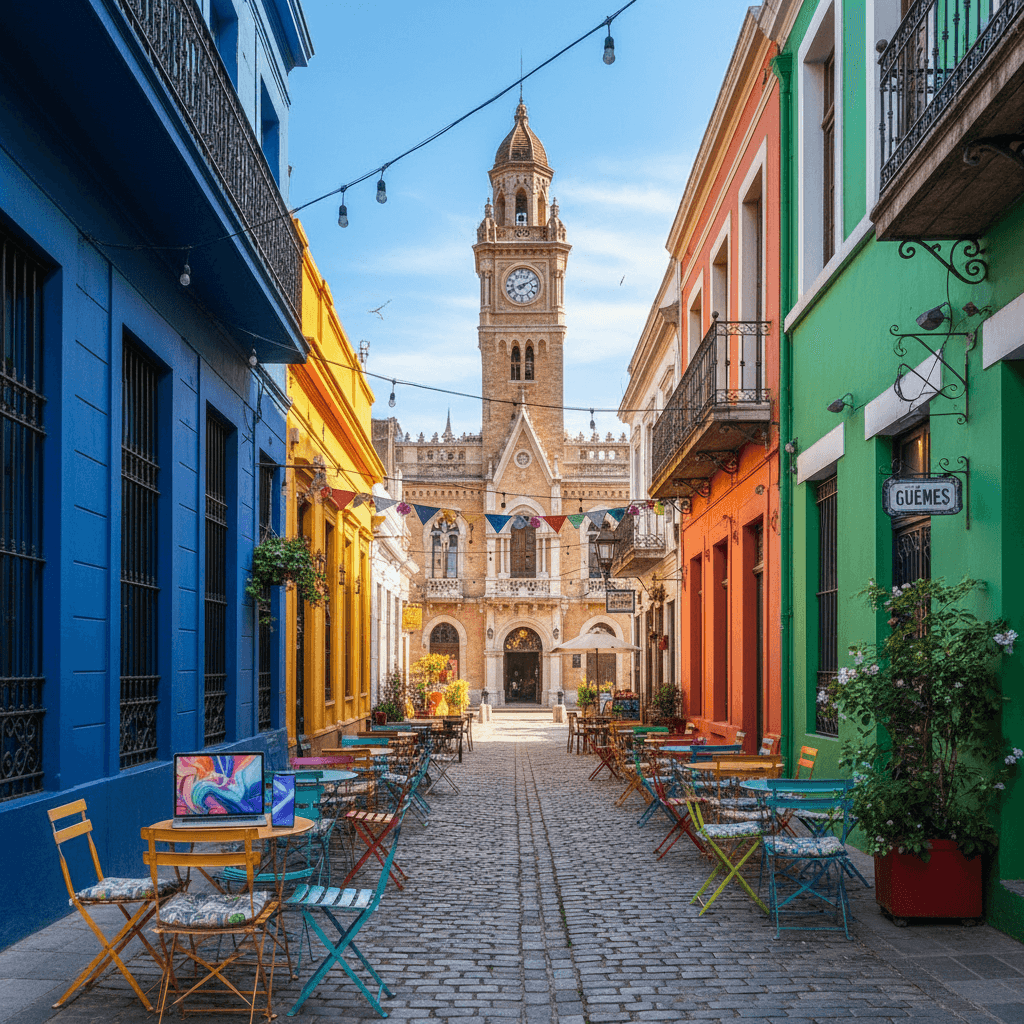
If you want to be in the thick of it, Centro is your best bet. This is where the city's grid system feels most alive, packed with the theaters and galleries that give Rosario its artistic reputation. Most nomads choose this area because it's the most walkable part of the city, meaning you won't have to rely on the somewhat spotty bus system for your morning coffee run.
The "galleries circuit" is a local favorite for afternoon strolls, and the area is dotted with cafes that are friendly to laptop workers. You'll find rent for furnished studios here starting around $300 to $500 USD per month when booking short term. The internet is generally reliable, hitting speeds up to 86 Mbps, which is plenty for video calls. Just keep your wits about you at night; like any dense city center, petty theft can happen, so stick to well lit streets.
For Expats and Long-Termers: The Paraná Riverfront
Expats who plan to stay for six months or more often gravitate toward the riverfront. It's a massive breath of fresh air compared to the concrete jungle of the center. This area is defined by its massive green spaces and parks that line the shore, making it the go to spot for morning jogs or sunset beers. The vibe here is significantly more relaxed and quiet.
Living here usually requires a bit more planning for transport. While you'll have great views, you might find yourself calling an Uber more often to get to the coworking hubs in the center. Expect to pay a premium for the view, with mid range apartments often landing around $500 USD or more for unfurnished long term stays. It's the perfect spot if you prioritize a balcony and a breeze over being next door to a nightclub.
For Families and Peace Seekers: Fisherton and North Suburbs
While the city center is energetic, families often look toward the quieter, leafier outskirts like Fisherton. It feels almost like a different world, with more houses and private gardens rather than high rise apartments. It’s closer to the Rosario-Islas Malvinas Airport, which is about a 30 to 45 minute drive from the city center.
Safety is a top priority for families here, and these neighborhoods generally feel more secure and suburban. You'll find larger grocery stores and easier parking, though you'll definitely want a car or a reliable taxi app. Prices for larger family homes vary wildly, but you get much more square footage for your dollar than you would in Buenos Aires.
For Solo Travelers and Budget Explorers: Near Paseo del Siglo
Solo travelers often find a sweet spot near Paseo del Siglo, a sub-section of the downtown area known for its shopping and historic architecture. It's incredibly convenient because everything is concentrated in a few blocks. You can grab $5 USD street food or empanadas for lunch and find a decent mid range dinner for about $15 USD without walking more than ten minutes.
This area is great for meeting people because of the high density of hostels and shared apartments. If you're on a tight budget, you can keep your total monthly spend around $910 USD by sharing a flat here. It’s also the best place to find community events and meetups, which are often organized through local Facebook groups or at the various cultural centers nearby.
Practical Neighborhood Tips
- The SUBE Card: No matter where you stay, pick up a SUBE card immediately. Bus rides are cheap at about $0.50, but you can't pay with cash.
- Connectivity: If you're moving into a new apartment, always ask for a speed test. While the city average is high, some older buildings in Centro have outdated wiring.
- Short-term Rentals: Use "alquiler temporario" as your search term on local sites or Facebook to find better deals than what's listed on international platforms.
- Seasonal Safety: If you're staying near the river during the warmer months from December to February, bring heavy duty mosquito repellent to guard against dengue.
Connectivity on the Paraná
Rosario isn't Buenos Aires, but that's exactly why nomads are starting to flock here. You get a surprisingly robust infrastructure without the capital's frantic energy. Internet speeds typically hover between 48 Mbps and 86 Mbps, which is more than enough for Zoom calls or uploading large files. Most apartments in the Centro or near the riverfront come equipped with fiber optic connections, though it's always smart to ask for a speed test screenshot before signing a short term lease.
Mobile data is your safety net here. While public WiFi exists in parks and plazas, it's often spotty and unsecured. Most expats recommend grabbing an eSIM via Holafly before you land to keep your WhatsApp and Instagram active immediately. If you're staying longer, a local SIM from Personal or Claro will give you better rates. Just remember to use a VPN like ExpressVPN when you're hopping between cafe networks to keep your data locked down.
Top Coworking Spots
The coworking scene in Rosario is growing, reflecting its status as a major industrial and tech hub. You'll find most of the action concentrated in the downtown area, where the commute is a simple walk from most nomad friendly rentals. Expect to pay anywhere from $100 to $300 USD per month for a dedicated desk.
- La Maquinita Co.: This is a staple across Argentina and their Rosario location doesn't disappoint. It's known for a professional atmosphere, high speed backup lines, and a community that actually talks to one another during coffee breaks.
The Cafe Office Culture
If you prefer the hum of a milk steamer to a quiet office, Rosario’s cafe culture is top tier. Locals spend hours lingering over a café con leche and a couple of medialunas, so you won't feel rushed. The riverfront area is particularly great for this, offering views of the water while you clear your inbox.
Most modern cafes expect people to work from their laptops, but it's polite to check for a "no computers" sign on weekends when they get crowded. Stick to the Centro or Pichincha neighborhoods for the best WiFi to coffee quality ratio. You'll usually find stable connections and plenty of power outlets in the newer specialty coffee shops.
Practical Tech Tips
- Power Outlets: Argentina uses Type I plugs (the three flat pins in a V shape). Bring a sturdy adapter because the local versions can be flimsy.
- Power Stability: While rare, occasional brownouts can happen during peak summer months when everyone cranks the air conditioning. Keep your laptop charged and consider a small power bank for your phone.
- Digital Tools: Download the SUBE app to manage your bus fares and keep Uber ready for late night trips back from the coworking space. Most locals use WhatsApp for everything from booking a haircut to ordering empanadas, so make sure your local number is linked.
While the city feels industrial, the digital nomad community is warm and welcoming. You'll likely meet others at La Maquinita or through local Facebook expat groups. The cost of a desk here is a fraction of what you'd pay in the States or Europe, leaving you with plenty of extra cash for those weekend trips up the river.
Staying Safe in the River City
Rosario has a reputation that often precedes it, but for most nomads, the daily reality is far more relaxed than the headlines suggest. Locals generally feel safe moving through the city, though you'll need to maintain the same level of street smarts you'd use in any major South American hub. Petty theft is the most common issue, particularly in the Centro (Downtown) area where crowds and tourists are more frequent.
Expats recommend keeping your phone tucked away while walking and avoiding flashy jewelry. If you're heading out after dark, stick to well lit streets or better yet, use Uber to get around. It's the primary app here and significantly safer than wandering into unfamiliar territory late at night. Avoid isolated areas along the riverfront or industrial outskirts once the sun goes down. Most travelers find that as long as they stay aware of their surroundings, the city's energy is easy to enjoy.
One specific health concern to keep on your radar is the risk of dengue fever. Because Rosario sits right on the Paraná River, mosquitoes can be a nuisance, especially during the humid summer months from December to February. Nomads suggest packing a high quality repellent and using it liberally if you're spending time in the riverfront parks or taking boat trips to the nearby islands.
Healthcare Infrastructure
The healthcare system in Rosario is functional but can feel a bit limited if you're used to the massive hospital networks of Buenos Aires. While there are public facilities, they are often crowded and wait times can be frustrating. For anything beyond a minor scrape, you'll want to head to a private clinic.
- Private Clinics: These offer much higher standards of care and shorter wait times. Most doctors in the private sector will have at least a basic grasp of English, though having Google Translate handy is always a smart move.
- Insurance: It is highly recommended to have a plan like the Complete Nomad Plan. This ensures you can access private checkups and emergency care without paying massive out of pocket fees.
- Pharmacies: You'll find pharmacies on almost every other block. They are well stocked and pharmacists can often give advice for minor ailments like stomach issues or seasonal allergies.
- Emergencies: In a serious situation, don't wait for an ambulance. They can be slow. Most residents find it much faster to take an Uber or taxi directly to the nearest private hospital.
Environmental Factors
On the bright side, the air quality in Rosario is generally good, thanks to the breeze coming off the river. Food safety is also high; you can usually eat at local parrilladas or street food stalls without worrying about "traveler's stomach." The tap water is technically drinkable, but most long term expats prefer buying bottled water or using a filter for a better taste and to avoid any potential mineral sensitivity.
If you need quick access to health info or emergency contacts while exploring, the local tourism app is a handy tool to keep on your phone. It provides a quick directory of services that can be a lifesaver if you're feeling overwhelmed in a new city.
The Daily Commute
Rosario is a tale of two cities when it comes to movement. If you're staying in Centro, you'll find it's a highly walkable grid where your feet do most of the heavy lifting. However, the city's sprawl means you'll eventually need to interface with the local transit system, which most nomads find functional but a bit basic compared to the sprawling subway of Buenos Aires.
The backbone of local travel is the bus system. To ride, you'll need a SUBE card, the same rechargeable smart card used in the capital. Rides are affordable, usually costing around $0.85 to $1.00 USD per ride (ARS equivalent varies). While the network covers most of the city, the lack of a dedicated rail system means traffic can occasionally turn a quick cross-town hop into a slow crawl during peak hours.
Ride-Hailing and Taxis
For late nights or when you're carrying a laptop, apps are the way to go. Uber is the primary player here and is widely used by the expat community for its transparency and safety. It's affordable enough that many nomads use it as their primary mode of transport, especially when heading to the Paraná Riverfront from downtown.
- Uber: Reliable, easy to track, and accepts linked cards to avoid carrying large amounts of cash.
- Taxis: You'll see the traditional black and yellow cabs everywhere. They're metered and generally safe, though having some Spanish skills helps for giving directions.
- Cabify: Another solid alternative that often competes with Uber on price and availability.
Cycling and Micro-mobility
Don't expect a cycling utopia here. While there are some scenic paths along the river, Rosario isn't particularly bike-friendly for daily commuting. Bike and scooter rentals are limited, and the local infrastructure doesn't always prioritize two-wheeled travelers. Most nomads recommend sticking to walking for short distances and sticking to ride-sharing for anything longer than ten blocks.
Getting to and from the City
If you're flying in, you'll likely land at Rosario-Islas Malvinas International Airport. It's located 20-25 km from city center. A 30-45 min by taxi/Uber trip is your best bet, depending on the notorious Rosario traffic. Expect to pay a bit more for airport pickups, but it's still a bargain by international standards.
For those arriving from Buenos Aires, the bus is a popular and comfortable choice. The Terminal de Ómnibus Mariano Moreno is the main hub. High-end "Coche Cama" buses feature seats that recline almost fully flat, making the four-hour journey from the capital a breeze. It's a great way to see the transition from the pampas to the industrial heart of the city.
Navigation Tips
Local travelers and expats swear by the city's official tourism app for checking bus routes and schedules. Because the city follows a fairly strict grid, it's hard to get truly lost, but having Google Maps or Moovit downloaded for offline use is a smart move. Mobile coverage is generally strong throughout the urban core, so you won't be left stranded without a signal.
- Peak Hours: Avoid the main arteries between 8:00 AM and 9:30 AM and again around 5:00 PM to 7:00 PM.
- Safety: Stick to well-lit main streets if walking at night, especially in the downtown area. If in doubt, just call an Uber.
- Connectivity: Ensure your eSIM or local SIM has plenty of data, as you'll rely on apps for almost every transport decision.
The Rosarino Accent and Local Slang
In Rosario, you aren't just speaking Spanish; you're speaking Rioplatense Spanish with a distinct local twist. If you've spent time in Buenos Aires, you'll recognize the "sh" sound for double Ls and Ys, but Rosarinos have a habit of aspirating or completely dropping the "s" at the end of words. It makes the speech feel fast and melodic, though it can be a bit of a curveball for intermediate learners.
Locals are incredibly proud of their dialect. You'll hear people referred to as comegatos, a self-deprecating piece of folklore that residents have turned into a badge of honor. When you're out with new friends, expect to hear che used in every other sentence. It's the ultimate linguistic Swiss Army knife, functioning as "hey," "dude," or just a way to fill space in a conversation.
English Proficiency and Daily Interactions
English proficiency in Rosario is moderate. In the downtown Centro area or among the younger crowd at riverfront bars, you'll find plenty of people eager to practice their English with you. However, for daily errands like buying a SUBE card for the bus or ordering a parrillada at a local steakhouse, knowing the basics is a lifesaver. Most nomads find that even a little effort goes a long way here; locals are generally patient and appreciative when you try to speak their language.
Expats recommend keeping a few phrases in your back pocket for the service industry:
- ¿Tenés cambio? (Do you have change?): Small bills are gold in Argentina.
- La cuenta, por favor: (The check, please): Servers won't bring it until you ask.
- ¿Aceptan tarjeta? (Do you accept cards?): While many places do, cash is still king in smaller shops.
The Digital Communication Standard
If you don't have WhatsApp, you basically don't exist in Rosario. It is the primary tool for everything from booking a table at a restaurant to chatting with your landlord or organizing a weekend football match. Instagram is the runner-up, serving as the city's unofficial yellow pages. If you want to see a cafe's menu or check the hours of a coworking space, their Instagram profile will almost always be more up to date than their website.
For data, travelers often grab an eSIM from Holafly to stay connected the moment they land. If you're staying longer than a month, it's worth getting a local physical SIM from Personal or Claro for better local rates. Just keep in mind that you'll need your passport to register a local line.
Communication Tips for Nomads
- Google Translate: Download the Spanish offline dictionary. It's a lifesaver when you're in a basement bar with zero signal.
- Voice Notes: Argentines love sending long voice notes on WhatsApp. Don't be surprised if your new friends skip texting entirely.
- Body Language: Expect a lot of gesturing and a closer physical proximity than you might be used to in North America or Northern Europe. A single kiss on the right cheek is the standard greeting for everyone, regardless of gender.
While the language barrier exists, the social nature of the city makes it easy to bridge. Between the growing nomad meetups and the welcoming nature of the Rosarinos, you'll likely find yourself picking up the local slang faster than you expected.
The Sweet Spot: Spring and Fall
If you want to experience Rosario at its best, aim for the shoulder seasons. September to November (Spring) and March to May (Fall) are the golden windows for digital nomads. During these months, the humidity is manageable and the temperatures hover comfortably between 18°C and 25°C.
Spring is particularly special because the city's massive green spaces, like Parque de la Independencia, come to life. It is the perfect weather for working from a cafe terrace in the Centro or taking your laptop to the riverfront without breaking a sweat. Most expats prefer these months because you can walk the city's architecture trails comfortably, and the "Costanera" (the riverfront walk) is lively but not suffocating.
Surviving the Summer Heat
Summer in Rosario runs from December through February, and it can be intense. Expect temperatures to spike between 25°C and 35°C, often accompanied by heavy humidity from the Paraná River. While the heat is real, this is also the high season for local tourism. The city takes on a vacation vibe, and the river beaches become the focal point of social life.
If you're here during the summer, you'll want to pack plenty of sunscreen and a swimsuit. Nomads often take the local boats across the river to the "paradores" (beach bars) on the islands to escape the concrete heat. Just be aware that this is also the peak time for mosquitoes. You'll need to keep a bottle of repellent handy to guard against the risk of dengue, which is a localized concern during the wetter, warmer months.
Winter Chill and the Work Routine
Winter, from June to August, is mild compared to North American or European standards, but it's damp. Temperatures usually sit between 10°C and 20°C. You won't see snow, but the wind coming off the river can make it feel much colder than the thermometer suggests. Most locals layer up and spend more time in the city's many cozy cafes.
For remote workers, winter is actually a very productive time. The distractions of the river beaches fade, and the city's cultural calendar stays busy with indoor festivals and theater. Since Rosario doesn't get the massive influx of international tourists that Buenos Aires does, you'll find the city feels very authentic and "local" during these months.
When to Book Your Stay
- Peak Season (December to February): Expect higher prices for short term rentals and more crowds at the riverfront. It's lively but sweaty.
- Best Value (April to June): The weather is cooling down, and you can often find better deals on "alquiler temporario" (short term rentals) through Facebook groups or local listings.
- Festival Season: Keep an eye on the local calendar for cultural festivals, which happen year round but peak in the spring.
Most travelers find that October is the absolute sweet spot. The air is fresh, the jacaranda trees start to bloom, and the city's energy is at its peak before the heavy summer lethargy sets in. Whenever you choose to visit, make sure your accommodation has air conditioning for the summer or decent heating for the damp winters, as Argentine insulation can be hit or miss.
Getting Connected and Staying Productive
Internet speeds in Rosario are surprisingly solid for South America, usually clocking in between 48 and 86 Mbps. You'll find reliable WiFi in most cafes downtown, but for a guaranteed setup, look into local coworking hubs. While there aren't massive international chains yet, the local scene is growing. Expect to pay between $100 and $300 USD per month for a dedicated desk.
For mobile data, don't rely on finding open signals. Most nomads grab an eSIM from Holafly before landing to avoid the hunt for a physical SIM card. If you prefer a local carrier, Personal or Claro are the go-to options. Just keep in mind that WhatsApp and Instagram are the primary ways locals communicate, so you'll want a steady data plan to book tables or message landlords.
Money and Budgeting
Rosario is significantly more affordable than Buenos Aires. A mid-range lifestyle typically costs around $1,526 USD per month, though budget travelers can get by on roughly $910 USD if they share housing and stick to street food. Here is how the monthly breakdown usually looks:
- Budget Tier: $910 USD (Shared housing, empanada shops, public buses)
- Mid-Range: $1,400 to $1,600 USD (Solo 1BR apartment, frequent dining out, Ubers)
- Comfortable: $2,000+ USD (Prime riverfront rentals, upscale steakhouse dinners)
Credit cards are widely accepted in shops and restaurants, but it's smart to keep some pesos for smaller kiosks. When paying for your apartment, many hosts on Facebook Groups or Booking.com might prefer cash or specific bank transfers, so clarify that early on.
Navigating the City
The downtown core, known as Centro, is very walkable. You can hit most galleries and cafes on foot. For longer trips, the bus system is your best bet, but you'll need a SUBE card to ride. They cost about $0.85 USD per trip. If you're out late or carrying gear, Uber is the primary ride-hailing app and is very affordable.
Getting from Rosario-Islas Malvinas Airport to the city center takes about 30 to 45 minutes. A taxi or Uber is the most painless way to handle the trip with luggage. While the city is flat, it isn't particularly bike-friendly, so stick to walking the riverfront paths rather than commuting by cycle through traffic.
Health and Safety
Safety in Rosario requires the same common sense you'd use in any large city. Stick to well-lit areas in Centro and the Paraná shore at night. Petty theft can happen, so keep your phone tucked away while walking. Local healthcare is decent for minor issues, but for anything serious, expats recommend having a Complete Nomad Plan or similar private insurance that covers private clinics.
If you're visiting during the warmer months from December to February, pack plenty of mosquito repellent. There is a known risk of dengue in the region. Also, the sun is intense during the 25 to 35°C summers, so high-SPF sunscreen is a must-have in your bag.
Timing Your Stay
The best weather hits during the spring months of September to November or the fall months of March to May. You'll avoid the oppressive humidity of peak summer and the chilly 10°C dampness of winter. Most travelers get a 90-day tourist visa on arrival. While there isn't a specific nomad visa for Rosario yet, the 90-day window is usually plenty of time to soak in the river culture and asado traditions.
Need visa and immigration info for Argentina?
🇦🇷 View Argentina Country GuideEasy Landing
Settle in, no stress
Monthly Budget Estimates
More cities in Argentina
San Martín de los Andes
🇦🇷 Argentina
Villa La Angostura
🇦🇷 Argentina
La Plata
🇦🇷 Argentina