Riyadh
🇸🇦 Saudi Arabia
The Pulse of the Kingdom
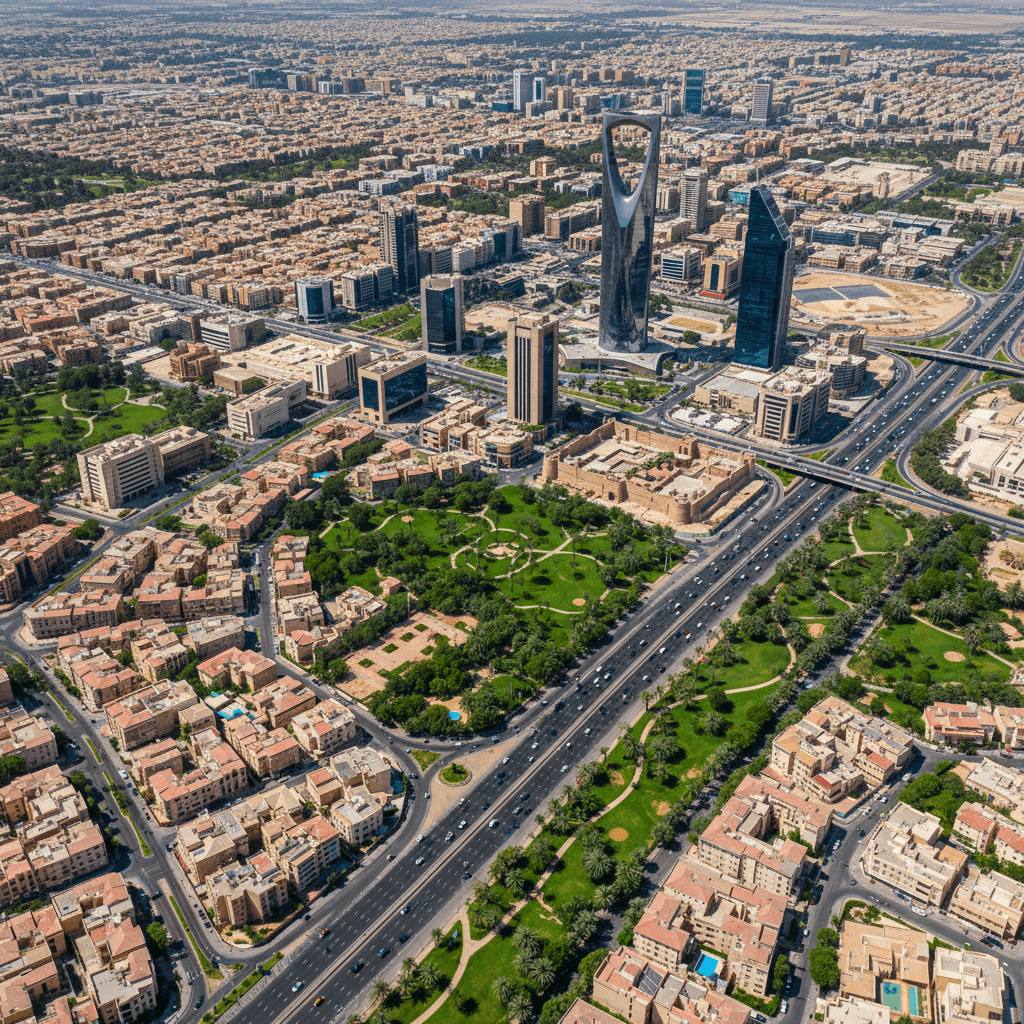
Riyadh is a city in the middle of a massive identity shift. It doesn't feel like the polished, tourist-ready streets of Dubai or the laid-back coastal vibe of Jeddah. Instead, it’s a high-energy, fast-paced capital where ancient mud-brick forts sit in the shadow of neon-lit skyscrapers like the Kingdom Centre. For a nomad, the experience is less about beach clubs and more about being on the ground floor of a country reinventing itself in real time.
The vibe is a paradox. On one hand, you have the ultra-modern Vision 2030 energy, seen in the glitzy Riyadh Season festivals and high-tech business districts. On the other, the city remains deeply rooted in tradition. You'll hear the call to prayer echoing through the canyons of Olaya while sipping a $6 specialty latte. It’s safe, family-oriented, and surprisingly welcoming once you understand the local rhythm. Just don't come looking for a bar scene; social life here revolves around world-class food, late-night coffee culture, and desert excursions.
Cost of Living Breakdown
Living here isn't exactly cheap, but it’s manageable if you’re smart about your neighborhood. Most nomads spend around $2,712 per month to live comfortably. Here is how the budget typically breaks down:
- Housing: Expect to pay $800 to $1,500 for a decent studio or one-bedroom in central areas. Use apps like Aqar or Bayut to find listings, but keep in mind that furnished short-term rentals often command a premium.
- Food: You can grab a street shawarma for $3 to $5 or drop $30 on a high-end dinner at IDAM. Most mid-range meals at local cafes will run you $10 to $20.
- Transport: Since the city isn't very walkable, you'll rely on Uber or Careem. A typical cross-town trip costs between $5 and $15. The Riyadh Metro is the big game-changer, with lines rolling out through 2025 to make the city more accessible.
- Coworking: Dedicated desks at spaces like Servcorp in the Al Faisaliah Tower range from $600+ a month.
Where to Plant Your Flag
Choosing the right base is the difference between a productive stay and being stuck in traffic for three hours a day. Travelers usually gravitate toward three main hubs:
Olaya and King Fahd
- Best For: Nomads who want to be in the thick of the action.
- The Vibe: Modern, fast, and full of skyscrapers. It’s the closest thing Riyadh has to a walkable business district.
- Pros: Home to the best coworking spaces and expat-friendly cafes.
- Cons: High rent and some of the worst traffic in the city.
Sulimaniyah
- Best For: Foodies and solo travelers.
- The Vibe: A bit more character than the glass-and-steel business districts. It’s packed with trendy restaurants and local boutiques.
- Pros: Great social energy and central location.
- Cons: Can get incredibly crowded on weekends when everyone heads out to eat.
Diriyah
- Best For: History buffs and those with a higher budget.
- The Vibe: This is the cultural heart of the country, featuring the At-Turaif UNESCO site. It feels more like a luxury village than a city.
- Pros: Stunning architecture and proximity to major festivals.
- Cons: Expensive and a bit removed from the main business hubs.
Connectivity and Remote Work
The internet in Riyadh is surprisingly snappy. You'll get reliable broadband and 5G coverage almost everywhere. STC is the gold standard for SIM cards; you can pick one up at King Khalid International Airport for about $27 with 50GB of data. If you prefer an eSIM, Airalo works perfectly here.
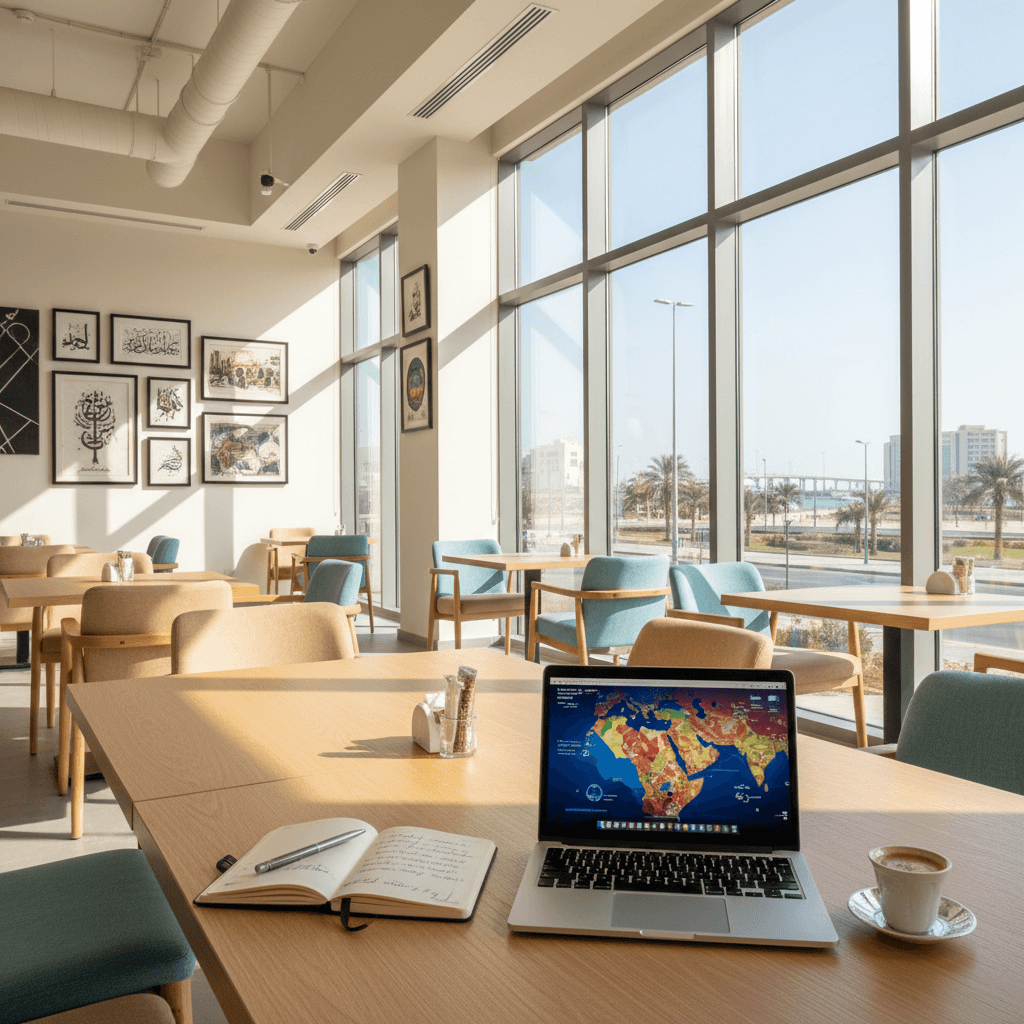
While the "laptop in a cafe" culture isn't as ubiquitous as in Bali, it's growing. Dose Cafe in Olaya is a solid spot for a quick session, but for serious work, head to WeWork Riyadh Park. Most nomads find that the $250 monthly fee for a professional space is worth it for the networking alone. Expats often gather at these hubs, and it's the easiest way to find your community in a city that can otherwise feel quite private.
The Real Talk: Safety and Culture
Riyadh is one of the safest cities you'll ever visit. Street crime is almost non-existent, and you can walk around at night without a second thought. However, the "rules" are different here. Respecting local customs is the price of entry. Dress modestly, keep public displays of affection to zero, and remember that Friday mornings are quiet for prayer. While an abaya isn't legally required for foreign women anymore, most expats still opt for loose, conservative clothing to blend in. It’s a city that rewards those who show respect with legendary Middle Eastern hospitality, often starting with a cup of Arabic coffee and a date.
The Reality of Your Monthly Budget
Living in Riyadh puts you in a mid to high range bracket for the region. Most digital nomads find themselves spending around $2,712 per month to maintain a comfortable lifestyle. While it isn't as pricey as Dubai, the costs can sneak up on you if you're frequently dining in the business districts or opting for high end compounds.
If you're on a tighter budget of $1,500 to $2,000, you'll likely be looking at shared housing and sticking to the incredible street food scene. Those with a $4,000 plus budget can live quite luxuriously in the northern suburbs or near the major towers, enjoying upscale dining and premium gym memberships.
Breaking Down the Big Expenses
Rent is your biggest hurdle. In central hubs like Olaya or Sulimaniyah, a decent studio or one bedroom apartment usually lands between $500 to $900. Expats often use apps like Aqar or Bayut to find listings, though keep in mind that many traditional rentals require payment in large chunks rather than monthly. If you're staying short term, look for "furnished apartments" specifically to avoid the headache of buying furniture.
- Coworking: A dedicated desk at a spot like RUH1 in the Al Faisaliah Tower or WeWork Riyadh Park costs between $150 and $350 a month.
- Connectivity: Grab a local SIM from STC or Mobily. You can get 50GB of data for about $27 (SAR 100). For a quick fix, Airalo eSIMs work well for the first few days.
- Transport: Since the city isn't very walkable, you'll rely on Uber or Careem. A typical trip across town costs $5 to $15. The new Riyadh Metro and SAPTCO buses are cheaper alternatives at around $1 per ride, but they don't cover every corner yet.
Dining and Socializing
Food is where you can really control your spending. You can grab a world class shawarma or kabsa at a local hole in the wall for $3 to $5. Mid range restaurants in Sulimaniyah usually charge $10 to $20 for a solid meal. If you're heading to the Kingdom Centre for fine dining at The Globe, expect to pay $30 or much more.
Since there's no alcohol, your social budget shifts toward "cafe culture" and events. During Riyadh Season, ticket prices for shows and festivals vary wildly, but it's the main way people spend their entertainment budget. Most nomads find that they save money on nightlife compared to Western cities, but spend more on high quality coffee and weekend desert excursions.
Neighborhood Cost Profiles
Where you park your laptop changes your daily burn rate significantly. Here is how the popular spots compare:
Olaya and King Fahd
- Vibe: Fast paced business district with skyscrapers.
- Rent: High. Expect $1,200 plus for modern units.
- Pros: You can actually walk to some cafes and offices.
Sulimaniyah
- Vibe: A bit more character, packed with restaurants.
- Rent: Moderate. $900 to $1,300 for a one bedroom.
- Pros: Great for solo travelers who want to be near the action.
North Riyadh (Al Rajhi)
- Vibe: Quiet, suburban, and full of green spaces.
- Rent: Higher for villas, but better value for space.
- Pros: Best for families or those who want a quieter retreat.
Practical Money Tips
Cash is becoming less common, but keep some for small souks. Most nomads use Wise or Revolut to handle currency conversion without getting hit by massive bank fees. If you're staying longer, the Al Rajhi banking app is the local standard for everything from paying bills to transferring money to friends.
The Nomad Hub: Olaya and King Fahd
If you want to be in the thick of Riyadh's transformation, Olaya is your home base. This is the city's commercial heartbeat, dominated by the iconic Kingdom Centre and the Al Faisaliah Tower. It feels like a high-speed business district, but for a digital nomad, it's the most practical place to stay because it's one of the few areas where you can actually walk between a cafe, your apartment, and a coworking space.
Most nomads gravitate here because of the infrastructure. You'll find RUH1 on the 18th floor of Al Faisaliah Tower, which is the go-to spot for high-speed fiber and networking. Expect to pay between $200 and $350 a month for a desk there. For a more casual vibe, Dose Cafe is a popular spot for quick emails, though don't expect to camp out all day with a laptop; local norms still favor social chatting over deep work in coffee shops.
- Rent: Studio apartments range from $800 to $1,500 depending on how modern the building is.
- Vibe: Fast-paced, professional, and very international.
- The Trade-off: Traffic is legendary here. If you need to cross the city during rush hour, double your estimated travel time.
The Social Solo Traveler: Sulimaniyah
Sulimaniyah is Olaya's slightly more relaxed neighbor. It’s the place to be if you care about food and want a sense of community without the stiff corporate energy. It’s packed with local eateries, mid-range shopping nearby, and a younger energy. Travelers often say this area feels the most "lived-in" and approachable for someone arriving without a massive local network.
The food scene here is a massive draw. You can grab a street shawarma for $3 to $5 or sit down for a proper meal for $15. It’s active late into the night, especially during Riyadh Season, when the city stays awake well past midnight. Since there’s no traditional "nightlife" in the Western sense, the social scene revolves around high-end dining and elaborate mocktail bars.
- Rent: Slightly more affordable than Olaya, with many furnished options for short-term stays.
- Best For: People who want to be near the action but prefer a neighborhood feel over a skyscraper view.
- Apps to Use: Download Careem or Uber immediately. Even in walkable Sulimaniyah, you’ll need them for anything more than four blocks away.
The Long-Term Expat: Al Rajhi and North Riyadh
As you move North, the city opens up. This is where you’ll find the expansive villa developments and the famous residential compounds. Expats who are staying for a year or more usually head this way. It’s quieter, the air feels a bit clearer, and there’s more greenery than you’ll find in the city center.
Living here usually requires a car. While the Riyadh Metro is rolling out its lines through 2025 and 2026, the North is still very much a driving culture. Many expats choose this area to be closer to Riyadh Park, which houses a WeWork that costs around $250 a month and offers a more familiar, Western-style office environment.
- Rent: 1BR apartments in modern complexes start around $1,200, but most people here rent larger villas.
- Safety: Riyadh is incredibly safe, but these northern neighborhoods are particularly family-friendly with low crime.
- Healthcare: You’re close to top-tier facilities like King Faisal Specialist Hospital and plenty of Nahdi pharmacies.
The Culture Seeker: Diriyah
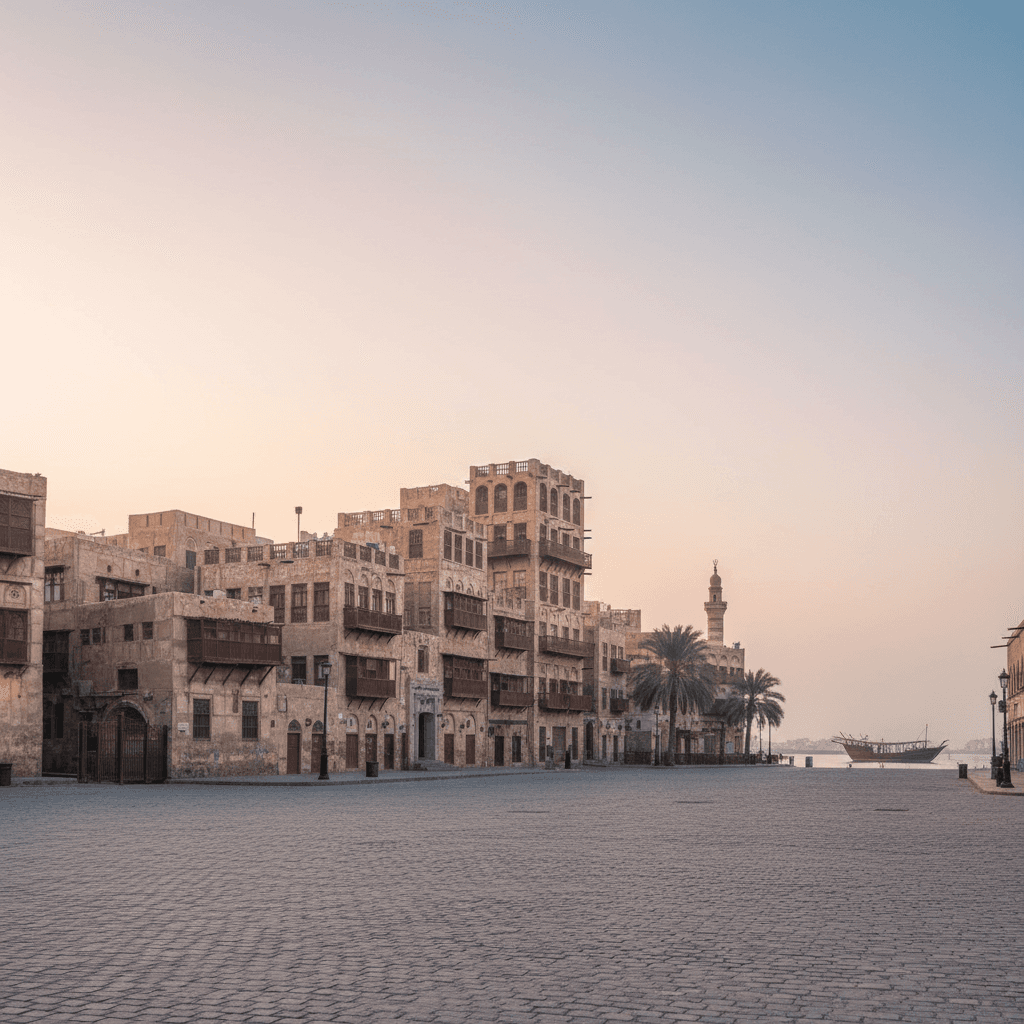
Diriyah is the historic soul of the region and is currently being transformed into a massive luxury and heritage destination. It’s home to the At-Turaif UNESCO World Heritage site. If you have a larger budget and want to be surrounded by traditional Najdi architecture rather than glass and steel, this is your spot. It’s more expensive and definitely more tourist-centric, but the atmosphere is unmatched.
- Cost: Expect to pay a premium for everything from coffee to short-term rentals.
- Atmosphere: High-end, historical, and heavily focused on the Vision 2030 arts and culture projects.
- Getting Around: It’s a bit of a trek to the main business hubs, so it’s better for those who don’t need to commute daily.
Connectivity and Speed
You won't have to worry about the internet in Riyadh. The city's infrastructure is built for a high speed business environment. Most fixed line connections in apartments and coworking spaces easily hit 100 Mbps or more. Mobile data is equally impressive. STC generally offers the best coverage across the city, though Mobily and Zain are solid contenders. You can pick up a physical SIM or an eSIM at King Khalid International Airport upon arrival.
Expect to pay around $27 (SAR 100) for a generous 50GB data package. If you prefer staying flexible, Airalo works perfectly here for short term data needs. Most nomads find that a local SIM is better for daily use, especially since you will need a local number to register for apps like Careem or Tawakkalna.
Top Coworking Spaces
The coworking scene in Riyadh is evolving fast, moving away from corporate serviced offices toward community focused hubs. Prices usually land between $150 and $350 per month depending on how much access you need.
- Servcorp on Level 18 of the Al Faisaliah Tower: Located on King Fahad Road, this is the gold standard for nomads who want a view with their WiFi. Monthly memberships range from $200 to $350. It is professional, high energy, and hosts frequent networking events.
- WeWork Riyadh Park: This is a favorite for those who want a familiar global standard. It costs roughly $250 per month. It is situated right by a major mall, which makes grabbing lunch or running errands between calls very easy.
- Local Hubs: Keep an eye out for smaller boutique spaces in Olaya. These often provide a quieter atmosphere if the big name spots feel too corporate for your taste.
The Cafe Culture Shift
Working from cafes is a bit different here than in Bali or Lisbon. While Riyadh has a massive coffee culture, many local spots are designed for social gatherings rather than eight hour laptop sessions. However, the Olaya district is changing that. You will find plenty of expats and locals working from their laptops in modern specialty coffee shops.
Dose Cafe is a reliable choice for a quick one or two hour session. If you are in Sulimaniyah, you will find a dense concentration of cafes where the staff are used to people staying for a while. Just be mindful of prayer times; many businesses close for about 20 to 30 minutes several times a day, though this is becoming less common in major commercial zones.
Practical Remote Work Tips
If you are planning to work from your apartment, check the provider before signing a lease. STC Fiber is the gold standard for stability. Many nomads recommend using a VPN for specific VOIP services, as some apps can be temperamental on local networks. For banking, most expats use Wise or Revolut to manage their international transfers without the high fees of local Saudi banks.
The work week in Saudi Arabia runs from Sunday to Thursday. If your clients are in Europe or North America, you will find yourself working late into the evening. The good news is that Riyadh truly comes alive after 8 PM. The cafes and restaurants stay open late, so you will have plenty of company if you are finishing a project at midnight.
Summary of Costs
- Monthly Coworking Desk: $150 to $350
- 50GB Mobile Data Plan: $27
- Specialty Coffee: $5 to $8
- Home Fiber Internet: $60 to $90 per month
Staying Safe in the Kingdom
Riyadh is consistently ranked as one of the safest cities for travelers and expats globally. Violent crime is extremely rare, and you'll often see people leaving their laptops on cafe tables or walking alone late at night without a second thought. The heavy police presence and strict local laws contribute to a very orderly environment where you can focus on your work rather than clutching your bag.
Most safety concerns for nomads aren't about crime, but about cultural etiquette. While the city has opened up significantly under Vision 2030, respect for local norms is still your best security policy. Avoid public displays of affection and dress modestly; for men, this means avoiding sleeveless shirts in public, and for women, while the abaya is no longer legally required for foreigners, loose fitting clothing that covers the shoulders and knees is the standard. If you find yourself in a bind, the emergency number for the police is 997.
One specific tip from long term expats: be cautious when exploring the desert outskirts like the Edge of the World. It is easy to lose cell service or get a vehicle stuck in the sand. Always go with a group or a licensed guide, and make sure you've finished your trek before total darkness hits.
World Class Medical Care
If you get sick in Riyadh, you're in good hands. The healthcare infrastructure is modern and sophisticated, often rivaling top tier facilities in Europe or North America. Most doctors are Western trained and speak fluent English, so there is rarely a communication barrier when explaining symptoms or history.
For serious issues or specialist consultations, nomads and expats typically head to King Faisal Specialist Hospital or Dr. Sulaiman Al Habib hospitals. These facilities are private, gleaming, and offer everything from advanced imaging to emergency surgery. You can expect to pay around $100 to $150 for a standard consultation at a high end private clinic if you are paying out of pocket.
- Pharmacies: You will find a Nahdi or Al Dawaa pharmacy on almost every major corner. They are well stocked and many pharmacists can provide over the counter advice for minor ailments.
- Health Insurance: While the 90 day tourist e-visa includes a basic insurance premium to cover emergencies, it's smart to have a dedicated nomad policy like SafetyWing or World Nomads that covers private hospital stays.
- Emergency Services: For an ambulance, dial 998. Response times in central districts like Olaya are generally fast, though traffic during rush hour can be a factor.
Practical Wellness Tips
The biggest health risk in Riyadh is the environment itself. The heat from June to September is intense, often hovering between 35°C and 45°C. Dehydration and heat exhaustion can sneak up on you even if you're just walking from a cafe to an Uber. Drink more water than you think you need and stay indoors during the peak afternoon sun.
Respiratory health is another factor to consider. The air can be quite dry, and occasional dust storms can irritate your throat or sinuses. Expats recommend keeping a good moisturizer and saline nasal spray handy. If a dust storm hits, stay inside and keep the windows tightly shut; the fine sand can get into everything.
Finally, keep an eye on your digital health. Since Riyadh is a car centric city with low walkability outside of specific zones like the King Abdullah Financial District, it's easy to become sedentary. Many nomads join gyms in the Sulimaniyah area or use hotel fitness centers to stay active since the outdoor climate isn't always conducive to a midday jog.
Navigating the Capital
Riyadh is a city built for cars. The layout is sprawling, and while the skyline is packed with futuristic glass towers, the spaces between them are vast. Walking from one neighborhood to another isn't really an option here, especially when summer temperatures regularly climb above 40°C. You'll spend most of your time in the back of a car or, increasingly, on the city's brand new public transit system.
The Rise of the Metro
The Riyadh Metro is the big story for 2025. After years of anticipation, the lines are coming online and changing how people move through the city. It's a massive, six line system that connects the airport to the business districts and residential hubs. A single ride on the bus or metro typically costs around $1 to $2. If you're staying near Olaya or King Fahd Road, the metro is a lifesaver for bypassing the legendary rush hour traffic.
Ride-Hailing and Apps
Until the metro is fully integrated into daily life, apps are the way to go. Uber is reliable, but many locals and expats prefer Careem, which is the dominant player in the region. Expect to pay between $5 and $15 for most trips across the central districts. If you're coming from King Khalid International Airport, a Careem into the city center will run you about $20 to $30. Most drivers are professional and the cars are modern and well air conditioned, which is a necessity, not a luxury.
The Walkability Reality
Riyadh is not a walkable city in the traditional sense. Outside of specific pockets like the Tahlia Street shopping area or the financial district, sidewalks can be inconsistent. Most residents treat malls like the Kingdom Centre or outdoor plazas like Boulevard City as their walking grounds. If you want to get some steps in, head to the public parks or the historic district of Diriyah, where the pedestrian experience is much more curated and pleasant.
Micromobility and Rentals
You'll see electric scooters from companies like Lime or Jahez popping up in specific zones, particularly around university campuses and major parks. They're fun for a quick zip around a park, but they aren't a viable way to commute. For longer trips outside the city, like a visit to the Edge of the World, you'll need to rent a car or book a tour. Renting a car gives you freedom, but be prepared for fast paced, aggressive driving styles on the main highways.
Practical Transport Tips
- Download the apps early: Get Careem and Uber set up with your payment info before you leave the airport.
- Avoid the peak: Traffic is heaviest between 7:30 AM to 9:00 AM and 4:30 PM to 7:00 PM. Plan your coworking sessions or meetings to avoid these windows.
- Dress for the destination: Even if you're just hopping in a car, keep local customs in mind. Most nomads find that dressing modestly makes their interactions with drivers and locals much smoother.
- SAPTCO Buses: For a budget friendly alternative, the SAPTCO bus network covers most major arteries for about $1 per ride.
Most expats recommend living as close to your primary workspace as possible. If you're working out of a spot like RUH1 in the Al Faisaliah Tower, staying in Olaya will save you hours of commuting time every week. Riyadh is moving fast, and while the infrastructure is catching up to the city's ambitions, a little bit of strategic planning goes a long way in keeping your stress levels low.
The Linguistic Landscape
While Arabic is the official language and the heartbeat of daily life in Riyadh, you won't struggle to find your way around if your skills are limited to a basic hello. English proficiency is decent in business districts and among younger professionals, though Arabic remains dominant. Most expats and nomads report that English is common enough within professional or service environments to handle complex requests.
The city is currently in a state of rapid transformation, which means the younger generation and the professional workforce in areas like Olaya are often fluent. You'll find that menus in mid range restaurants like those in Sulimaniyah or high end spots in the Kingdom Centre are almost always bilingual. If you're heading into the more traditional residential neighborhoods or local souks, the language gap might widen, but the legendary Saudi hospitality usually fills the silence.
Navigating Daily Life
Digital nomads often find that while they can survive on English alone, learning a few phrases goes a long way in building rapport. Using "Shukran" for thank you or "Min fadlak" for please isn't just practical; it's a sign of respect that locals genuinely appreciate. In a city that is family oriented and conservative, these small gestures of cultural effort can open doors to better service and warmer social interactions.
- Signage: Most road signs, airport directions, and mall directories are written in both Arabic and English scripts.
- Digital Tools: Google Translate is your best friend here. Download the Arabic offline pack so you can translate menus or street signs without burning through your data.
- Apps: Local apps like Careem for rides or Jahez for food delivery are fully localized in English, making the logistics of city living seamless.
Communication as a Nomad
Remote work requires more than just verbal communication; you need to stay connected. Riyadh has a modern infrastructure with reliable mobile networks. Most travelers recommend picking up a SIM card from STC for the most consistent coverage, though Mobily and Zain are solid alternatives. You can expect to pay around $27 (SAR 100) for a generous data package of 50GB, which is usually enough for a month of tethering if the cafe WiFi fails you.
If you prefer to have everything ready before you land, Airalo offers eSIMs that work perfectly within the city. For those days when you need to jump on a Zoom call, coworking spaces like RUH1 in the Al Faisaliah Tower provide high speed internet and a professional environment where English is the primary language of business. Most nomads find that the combination of high speed mobile data and the prevalence of English in the private sector makes Riyadh an surprisingly easy place to stay productive.
Social Etiquette and Nuance
Communication in Riyadh isn't just about the words you use; it's about the context. The culture is polite and formal. When meeting people for the first time, especially in a business or networking setting at a spot like Dose Cafe, expect a level of decorum. It's common for locals to offer tea or coffee; accepting this is a key part of the social "language" here. Even if you're in a rush, taking a moment to share a drink is how relationships are built.
While the city is modernizing, it's still wise to keep your communication style respectful. Avoid loud conversations in public spaces and be mindful of prayer times, as the city's rhythm shifts five times a day. If you're looking for a community of English speakers to help you find your footing, expats frequently gather through InterNations or Facebook groups, which are great resources for navigating the more subtle social norms of the capital.
The Sweet Spot: November to March
If you want to actually enjoy Riyadh without feeling like you are walking into a hair dryer, aim for the window between November and March. This is when the city truly comes alive. Daytime temperatures hover between a comfortable 15°C and 25°C (59°F to 77°F), making it the only time of year when walking between cafes in Olaya or Sulimaniyah is actually pleasant.
Expats usually treat these months as the "golden era" for socializing. You will find the terraces at Kingdom Centre packed, and the desert outskirts become a playground for weekend camping trips. This period also coincides with Riyadh Season, a massive city wide festival featuring concerts, pop up restaurants, and international events that make the usually quiet nights feel much more energetic.
Survival Mode: The Summer Heat
Between June and September, Riyadh becomes an oven. Temperatures regularly spike between 35°C and 45°C (95°F to 113°F). During these months, the city shifts its schedule entirely. Nomads often find themselves working from darkened apartments or high end coworking spaces like RUH1 during the day, only emerging after the sun goes down.
If you find yourself here in July or August, your life will revolve around the air conditioner. Most travelers recommend sticking to indoor activities like exploring the Kingdom Centre or the Boulevard World. Public life doesn't really kick off until after 8 PM when the heat breaks slightly, though even then, it remains quite warm. On the plus side, you might find better deals on short term rentals via Bayut or Aqar during this off peak season.
The Shoulder Seasons
April, May, and October are transition months. You can expect a mix of warm days and cooler evenings. While annual rainfall is low at around 110mm, a sudden downpour can occasionally disrupt traffic in the business districts. These months are manageable for digital nomads who don't mind a bit of heat but want to avoid the peak crowds of the winter festival season.
Packing and Practicalities
Regardless of when you visit, the desert climate means the air is incredibly dry. Pack heavy duty moisturizer and stay hydrated. Even in the dead of winter, the sun is intense, so high SPF is a requirement. If you are visiting in January or February, don't be fooled by the "desert" label; nights can get surprisingly chilly, sometimes dropping below 10°C (50°F), so a decent jacket is necessary for those late night coffee runs in Sulimaniyah.
- Best for outdoor vibes: December and January.
- Best for events: November to March (Riyadh Season).
- Highest humidity/heat: August.
- Budget friendly window: June to August (if you can handle the heat).
The Vibe and Daily Pace
Riyadh is a city in the middle of a massive transformation. You'll feel the energy of Vision 2030 everywhere, from the rising skyline of King Abdullah Financial District to the late night cafe culture. It's safe, fast paced in the office towers, and deeply traditional once you step into the residential neighborhoods. Most nomads find the lack of a traditional nightlife scene a bit of a shock, but the social life here just moves to high end coffee shops and massive festivals like Riyadh Season.
What You'll Spend
Living here isn't cheap, but it's manageable if you're smart about where you eat and sleep. Expect a monthly burn of around $2,700 for a comfortable lifestyle. Here is how the budget breaks down:
- Housing: A decent studio or one bedroom in a central spot like Olaya will run you between $800 and $1,500. Use apps like Aqar or Bayut to see what's currently on the market.
- Food: You can grab a street shawarma for $3 to $5, but a nice dinner in Sulimaniyah usually hits $15 to $25. If you're heading to the top of the Kingdom Centre for fine dining, prepare to spend $50 or more.
- Transport: Budget $5 to $10 per trip for ride hailing apps. The bus is only $1, but it's not always the most convenient way to get around.
Where to Plant Your Flag
Choosing the right neighborhood is the difference between a great stay and a frustrating one. Riyadh is car dependent, so being near your work or social hub is key.
Olaya and King Fahd
- The Draw: This is the heart of the city. It's packed with skyscrapers, expats, and walkable business zones.
- The Downside: Traffic is a nightmare during rush hour and rents are at a premium.
Sulimaniyah
- The Draw: It's the go to for solo travelers and nomads who want a high density of cafes and shopping centers like Kingdom Plaza.
- The Downside: It gets incredibly crowded on weekends when everyone flocks to the restaurants.
North Riyadh and Al Rajhi
- The Draw: Better for families or those who want a quiet life in a compound with green space.
- The Downside: You're far from the action and will spend a lot of time in an Uber.
Staying Connected
Internet speeds are excellent. Most nomads rely on STC or Mobily, where you can get a 50GB data pack for about $27. If you need a proper desk, RUH1 in the Al Faisaliah Tower is the premier spot, costing roughly $200 to $350 a month. WeWork Riyadh Park is another solid option for around $250. While cafe culture is huge, working from them all day isn't always common, so stick to nomad friendly spots like Dose Cafe for shorter sessions.
Getting Around the City
Forget walking unless you're inside a mall or a specific business park. The heat and the city layout make it impossible. Download Uber and Careem immediately; they're the lifeblood of transport here. While the Riyadh Metro is rolling out more lines through 2025, most people still rely on cars. For airport runs, a Careem from King Khalid International will cost you about $20 to $30.
Health and Safety
Riyadh is one of the safest cities you'll visit. Violent crime is extremely low, and you'll see people out with their families late into the night. Just respect the local laws. Public displays of affection are a no go, and while the abaya is no longer mandatory for foreign women, dressing modestly is still the standard. If you get sick, the healthcare is top tier. King Faisal Specialist Hospital is world class, and Nahdi pharmacies are on almost every corner. For emergencies, dial 997 for police or 998 for an ambulance.
Language and Local Customs
Arabic is the official language, but you'll get by fine with English in most business and tourist areas. Expats report about 70 percent English comprehension in the city center. Learn a few basics like "Shukran" for thank you. Hospitality is a huge deal here; if someone offers you tea, it's polite to accept. Also, keep in mind that Friday is a holy day, so many businesses will be closed during prayer times in the afternoon.
The Weather Factor
The desert climate is no joke. From June to September, temperatures regularly hit 45°C (113°F), meaning you'll be moving from one air conditioned building to another. The best time to visit is between November and March, when the weather sits at a perfect 15°C to 25°C and the city comes alive with outdoor events.
Need visa and immigration info for Saudi Arabia?
🇸🇦 View Saudi Arabia Country GuideHidden Gem
Worth the effort