Rennes
🇫🇷 France
The Breton Balance
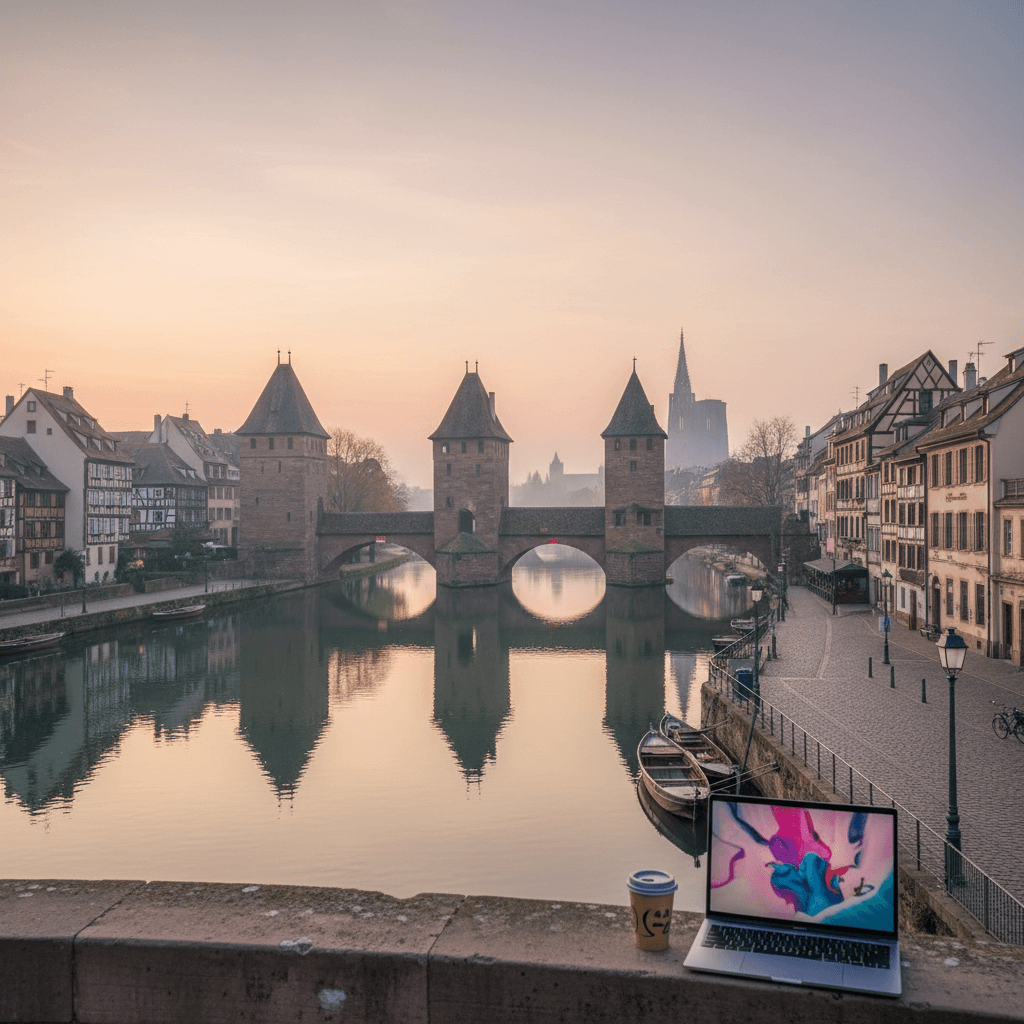
Rennes is the kind of city that catches you off guard. It doesn't have the frantic, self-important pace of Paris, yet it feels significantly more alive than the sleepy postcard towns dotting the rest of Brittany. As the second fastest growing metropolis in France, it’s currently in a sweet spot. You get the historic soul of a city founded by the Gauls mixed with the high-speed energy of a tech hub. It’s a place where 15th-century half-timbered houses sit just a few streets away from cybersecurity firms and modern transit lines.
The vibe here is defined by its massive student population. With over 60,000 students, the city stays young and socially active. You’ll feel this most in the afternoons when the terraces fill up with people nursing glasses of local cider. There’s a strong sense of civic pride and community engagement; locals are involved in thousands of different associations, which makes it easier to find a niche if you're staying for a few months. It's relaxed, but there’s an underlying pulse of innovation that keeps it from feeling stagnant.
Life in the Centre-Ville
For most nomads, the Centre-Ville is the only place to be. It’s incredibly walkable, packed with character, and puts you within striking distance of the best boulangeries and bars. Living here means navigating narrow, cobblestone streets and perhaps dealing with slightly slanted floors in a medieval building, but the atmosphere is worth the architectural quirks.
- Furnished Studio Rent: Expect to pay between €650 and €900 per month.
- One-Bedroom Apartment: Prices typically range from €850 to €1,200 depending on how modern the renovation is.
- Utilities: Budget around €80 to €150 for electricity and heating, which is necessary during the damp winters.
- Internet: A standard home connection costs about €30 and delivers reliable speeds for video calls and heavy uploads.
Expats recommend starting your apartment search at least two to three months in advance. The market gets incredibly tight during the academic intake periods in September and January. If you try to find a place then, you’ll be competing with thousands of students, so aim for a spring or early summer arrival if you can swing it.
The Nomad Experience
Working from Rennes feels seamless because the infrastructure is world-class. While you won't find a coworking space on every corner like in Lisbon, the café culture is welcoming to laptop users. The presence of major tech employers like Orange means the city is blanketed in high-speed fiber and 5G. Most nomads find that a mid-range lifestyle costs between €2,000 and €3,000 per month, which covers a nice central flat and plenty of dinners out.
The social scene revolves around the "apéro" and the legendary local markets. You haven't truly lived in Rennes until you've spent a Saturday morning at the Marché des Lices, the second largest market in France. It’s where you’ll pick up fresh oysters from the coast and the mandatory galette-saucisse, which is essentially a Breton hot dog wrapped in a buckwheat crepe. It’s the ultimate local equalizer, eaten by everyone from tech CEOs to art students.
Logistics and Connectivity
One of the biggest draws for remote workers is the TGV connection. You can be in the center of Paris in just 1 hour and 25 minutes, making it feasible to head to the capital for a day of meetings or a weekend of museum hopping while paying Rennes prices for your home base. Within the city, you don't need a car. The public transport system is excellent, and the central core is small enough that your own two feet are usually the fastest way to get around.
Safety is rarely a concern here. Like any urban center, you should keep an eye on your bag in crowded areas, but the city feels open and secure at night. The air quality is generally good, though the weather can be a bit moody. You’ll want to pack a high-quality raincoat; the Brittany region is famous for its "fine rain" that can settle in for a few days, giving the city a misty, cinematic feel that locals treat with a shrug and another round of coffee.
While there isn't a specific digital nomad visa for France yet, many long-term travelers utilize the Self-Employed or Entrepreneur visas to stay legally. Language-wise, you’ll want to learn the basics. While the tech sector is international, the heart of the city beats in French. A "bonjour" and a "merci" go a long way in the local shops, and showing an interest in Breton culture will win you friends quickly.
The Price of Breton Living
Rennes strikes a rare balance in France. It’s significantly more affordable than Paris, yet it carries a sophisticated, high-energy vibe thanks to its massive student population. You get the benefits of a major tech hub without the crushing capital city prices. Most nomads find that a monthly budget between €2,000 and €3,000 allows for a very comfortable lifestyle, including a central apartment and plenty of nights out at local creperies.
If you’re watching your wallet, you can get by on €1,500 to €2,000 by opting for a shared flat or living slightly outside the historic core. On the flip side, if you want a spacious one-bedroom and regular dinners at upscale spots like those found near Place Sainte-Anne, expect to budget €3,000 or more.
Housing and Neighborhoods
The local rental market is heavily influenced by the 60,000 students living here. This means furnished studios are in high demand, particularly during the peak intake months of September and January. Expats recommend starting your search at least two to three months in advance if you’re planning to arrive during these windows. Platforms like MorningCroissant are reliable for finding mid-term stays without the headache of traditional French leases.
Centre-Ville (City Center)
- Furnished Studio: €650 to €900 per month
- One-Bedroom Apartment: €850 to €1,200 per month
- Vibe: Historic, walkable, and packed with half-timbered houses. You’re steps away from the best bars and the République transport hub.
Daily Expenses
Your grocery bill will stay reasonable if you shop at local markets like the Marché des Lices on Saturday mornings. For utilities, including electricity and heating, plan for an extra €80 to €150 a month. High-speed home internet typically costs around €30, and with Orange being a major local employer, fiber coverage is generally excellent and reliable for video calls.
- Monthly Utilities: €80 to €150
- Home Internet: €30
- Coworking Desk: Prices vary, but expect standard French rates around €20 for a day pass.
- Public Transport: The city is highly walkable, but the metro and bus system is efficient for longer cross-town trips.
Connectivity and Remote Work
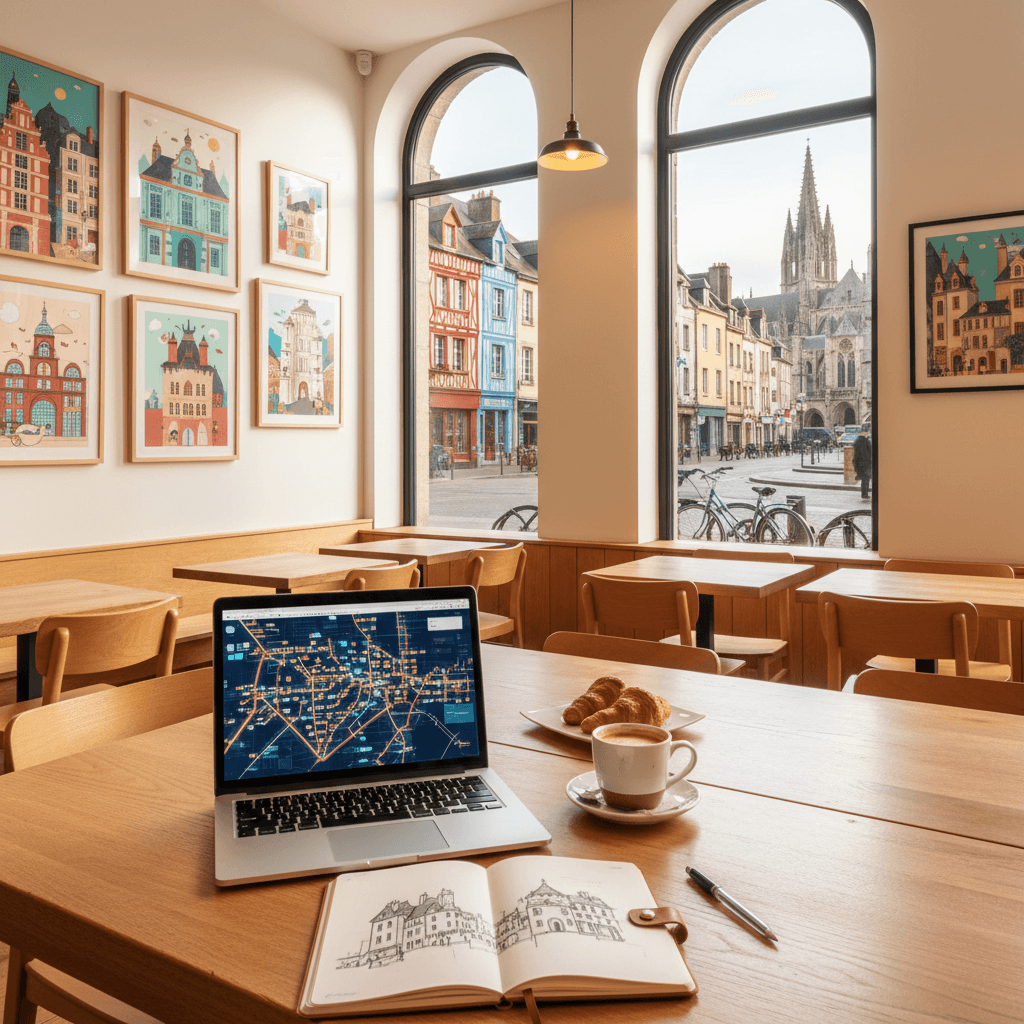
Rennes is a "French Tech" capital, so you won’t struggle for a signal. Average speeds sit between 25 and 33 Mbps, which handles most remote workflows with ease. While specific coworking brands aren’t as ubiquitous as in London or Berlin, the café culture is strong. You’ll find plenty of laptops open in the cafes around the city center, and the local "associations" often provide community spaces for networking.
Logistics and Visas
While France doesn't have a dedicated "Digital Nomad Visa" yet, most long-term remote workers look into the Self-Employed or Entrepreneur visas. These require a bit of paperwork but offer a legal path for those staying beyond the 90-day Schengen limit. For day-to-day spending, card payments are the norm everywhere from high-end boutiques to small bakeries. If you need a local SIM, stop by an Orange shop; they have a massive presence here and offer reliable data packages for your phone.
Getting out of town is surprisingly cheap too. The TGV high-speed train connects you to Paris in just 1 hour and 25 minutes, making it easy to head to the capital for a meeting or a weekend trip. For a change of pace, the rugged Breton coast and the cliffs of Plouha are just a short drive or train ride away, offering a perfect escape when the city humidity gets a bit high in the summer months.
Digital Nomads and Remote Workers
If you are landing in Rennes with a laptop in hand, the Centre-Ville is your primary base. It is the heartbeat of the city where 15th century half timbered houses sit right next to modern tech hubs. Living here means you are steps away from the best cafe working spots and the central metro lines. You will pay a premium for the convenience, with furnished studios typically running between €650 and €900 per month.
The internet is reliable, usually hovering around 25 to 33 Mbps, which handles video calls and heavy uploads without much fuss. While the city does not have a massive "nomad" scene compared to Lisbon or Berlin, the presence of major tech players like Orange means the infrastructure is professional grade. Most remote workers find the local cafe culture welcoming; just look for spots near the Place des Lices to set up for an afternoon. To save on costs, look for rentals outside the peak student intake months of September and January, when the market gets incredibly tight.
- Average Rent: €850 to €1,200 for a one bedroom apartment.
- Best Vibe: Historic streets with high speed fiber and easy access to the TGV station for quick trips to Paris.
- Top Tip: Use platforms like MorningCroissant to secure a place 2 or 3 months in advance.
Young Professionals and Expats
Expats moving for the burgeoning cybersecurity and digital sectors usually gravitate toward the northern and eastern edges of the Centre-Ville. These areas offer a slightly more polished feel than the student heavy districts while remaining walkable. You will find a community that is deeply engaged in local life, thanks to the city's 8,000 associations that cover everything from sports to Breton language classes.
Socializing often revolves around the city's famous food scene. Expats recommend the Saturday morning market at Place des Lices as the best place to integrate and sample local staples like galettes and fresh seafood. Since English is common in the tech sectors but less so in daily life, learning a few French phrases will go a long way in navigating the local bureaucracy and making friends outside the office.
- Cost of Living: Plan for a monthly budget of €2,000 to €3,000 for a comfortable mid range lifestyle.
- Connectivity: The 1 hour 25 minute train ride to Paris makes it easy to maintain international business ties.
- Healthcare: Access is excellent via central pharmacies and local hospitals, though you should register with a GP early.
Families and Long-Term Residents
For those staying longer or moving with children, the residential pockets just outside the immediate historic core provide more space and quieter nights. While the Centre-Ville is safe and walkable, the damp winters and high humidity mean you will want an apartment with modern heating and insulation. Families often prefer these areas for the proximity to green spaces and the ease of getting around via the efficient public transport system.
The quality of life here is high, with a focus on a relaxed Breton pace. You are only a short drive or train ride from the Plouha cliffs or the beaches of Quiberon, making weekend escapes to the coast a standard part of the routine. The city is growing fast, so investing time in finding a neighborhood with a local primary school and a nearby bakery is the best way to settle in.
- Transport: The airport is a quick 25 minute trip from the center, and the city itself is highly navigable without a car.
- Safety: Rennes is generally considered very safe for families, with high food safety standards and clean public areas.
- Budget: A family of four should expect costs to exceed €3,500 depending on school and housing choices.
Solo Travelers and Students
With over 60,000 students, the southern part of the city center and areas near the university campuses are the most energetic. Solo travelers will find it easy to meet people in the bars and creperies that line the narrow alleys of the old town. If you are on a budget, shared housing or "colocation" is the way to go, often bringing your monthly rent down to around €400 or €500.
The nightlife is youthful and stays active late into the night, especially on weekends. Solo travelers often find that the city's compact size makes it easy to explore on foot without ever feeling isolated. Card payments are accepted almost everywhere, so you won't need to carry much cash as you hop between galleries and cafes.
- Budget Tier: €1,500 to €2,000 per month for a modest, social lifestyle.
- Best Activity: Joining one of the many local associations to meet locals and other internationals.
- Navigation: Use the local metro and bus apps to find the fastest routes across the city.
Connectivity in the Breton Capital
Rennes may feel like a historic village at times, but its backbone is pure tech. As a major hub for cybersecurity and telecommunications, the city is wired for high performance. You can expect average speeds between 25 and 33 Mbps citywide, though many modern apartments in the center now come equipped with fiber optics reaching much higher thresholds. If you are setting up a home base, a standard internet package usually runs around €30 per month.
For those who prefer to work on the move, 4G and 5G coverage is excellent. Since Orange is one of the city's largest employers with nearly 5,000 staff locally, their network infrastructure is top tier. Most nomads grab a prepaid SIM from Orange or Free Mobile to stay connected while hopping between creperies and cafes.
Coworking Spaces and Hot Desks
The coworking scene in Rennes reflects its "French Tech" status. You won't find the massive, anonymous corporate hubs common in Paris; instead, the spaces here are community focused and often integrated into the city's innovative digital ecosystem. Most spots offer flexible daily rates or monthly memberships that fit a nomad budget.
- Wojo Rennes - Novotel Spa Centre Gare: Located right by the train station, this is the go-to for those who value aesthetics and a central location. It features high ceilings, plenty of natural light, and a mix of private offices and open lounge areas.
- Le Loft: A favorite for creative freelancers, this space in the city center offers a more intimate, "atelier" vibe. It is perfect if you want to network with local Breton entrepreneurs rather than just sitting in silence.
- Le Poool (French Tech Rennes St-Malo): While more of an incubator, this is the heart of the local startup scene. It is a great place to attend evening meetups or tech talks to get the pulse of the local economy.
The Cafe Culture
If you prefer the hum of a coffee machine to a dedicated desk, the Centre-Ville is your playground. The French "art de vivre" means you can generally linger over a cafe au lait for a couple of hours without getting the side-eye from staff. However, always check for "WiFi" signs before you get settled, as some of the older, more traditional bistros near the Place des Lices prioritize conversation over keyboards.
For a reliable workspace, look for the student-heavy spots near the university districts. These cafes are accustomed to laptops and usually have enough power outlets to get you through a afternoon session. Just keep in mind that during the peak academic months of September and January, these spots can get crowded with students prepping for exams.
Practical Tips for Remote Workers
Working from Rennes requires a bit of planning regarding the local schedule. Many smaller shops and some cafes might close for a couple of hours in the afternoon, though the larger coworking spaces stay open 24/7 for members. If you are planning a long term stay, start your apartment hunt two to three months in advance. The influx of 60,000 students makes the rental market for furnished studios very competitive, especially in the €650 to €900 price range.
- Peak Demand: Avoid looking for new housing in late August or early January when students flood the city.
- Data Backup: While 33 Mbps is the average, older timber framed buildings in the historic center can sometimes have thick walls that dampen WiFi signals. Always ask for a speed test if you are booking an Airbnb.
- Power: Standard European Type C and E plugs are used. Most coworking spaces have universal strips, but keep an adapter handy for cafe hopping.
General Safety in the Breton Capital
Rennes feels remarkably secure for a city of its size. Most nomads find the atmosphere relaxed and welcoming, largely thanks to the massive student population that keeps the streets lively well into the evening. You can comfortably walk through the Centre-Ville at night without the high-tension vibe you might encounter in larger hubs like Paris or Marseille.
Pickpocketing and petty theft are the primary concerns, particularly around high-traffic areas like Place Sainte-Anne or the main train station. Expats recommend keeping a close eye on your laptop bag when working in central cafés. While there aren't specific "no-go" zones for travelers, the areas immediately surrounding the Place de la République can get a bit rowdy on weekend nights when the bars spill out onto the pavement. Stick to well-lit main thoroughfares and you'll likely never have an issue.
For solo travelers, the city's compact nature is a major safety plus. Since the center is highly walkable and the metro runs until approximately 1:30 AM on weekends, you're rarely stranded in an isolated spot. If you're ever feeling uneasy, the local "Star" transport app is reliable for timing your bus or metro departures to minimize wait times on platforms.
Healthcare Infrastructure
The healthcare system in Rennes is top-tier, even by French standards. As a major regional hub for digital tech and innovation, the city hosts several high-capacity medical facilities. The CHU de Rennes (Pontchaillou) is the primary public hospital and is known for excellent emergency services and specialized care. For private options or shorter wait times for non-emergencies, many expats head to Hôpital Privé Sévigné.
You'll find a high density of pharmacies throughout the city center, easily identifiable by their neon green crosses. These are your first line of defense for minor ailments; French pharmacists are highly trained and can often provide consultations or suggest over-the-counter treatments that might require a prescription in other countries. If you need a doctor, the Doctolib app is the gold standard here. You can filter for English-speaking practitioners and book appointments online, often for the same or next day.
Quick Health & Safety Reference
- Emergency Services: Dial 112 for general emergencies or 15 for medical help (SAMU).
- Food Safety: Tap water is perfectly safe to drink and food hygiene standards are strictly enforced across all 8,000 local associations and businesses.
- Health Insurance: If you're staying long-term on a Self-Employed or Entrepreneur visa, you'll eventually transition into the PUMa (Protection Universelle Maladie) system. Short-term nomads should always carry private travel insurance.
- Air Quality: Generally good, though humidity levels often hover around 90% in the winter, which can be tough on those with respiratory sensitivities.
Practical Tips for Staying Well
The damp Breton climate is the most likely thing to affect your health. Winters are more grey and misty than freezing, so a high-quality waterproof jacket is a better investment than a heavy parka. If you find yourself feeling the "winter blues" due to the lack of sun, do what the locals do: head to the Marché des Lices on a Saturday morning for fresh produce and a dose of social energy.
For those working remotely, the city's walkability is its best health feature. It is easy to hit 10,000 steps just by navigating the cobblestone streets of the old town between coworking sessions. If you need a more formal workout, the city is dotted with "Keep Cool" or "Neoness" gyms where monthly memberships usually run between €30 and €50.
The Pulse of the City
Rennes is a rare breed of city where you can cross the entire historic center on foot in about twenty minutes, yet you never feel like you've run out of things to see. It is exceptionally walkable, especially around the Centre-Ville. Most nomads find they rarely need wheels for daily life, as the cobblestone streets and timber-framed buildings are best explored at a slow pace. If you're based near Place Sainte-Anne or the Place des Lices, your feet are your primary mode of transport.
When you need to cover more ground, the STAR network (Service des Transports en Commun de l'Agglomération Rennaise) is your best friend. It is remarkably efficient for a city of this size. Rennes is one of the smallest cities in the world with a metro system, and the smallest with two metro lines. There are two lines, Line A and Line B, which connect the major residential hubs and the university districts. It’s clean, fast, and stays busy late into the evening thanks to the massive student population.
Two Wheels and Open Roads
Cycling is a religion here, much like in the rest of Brittany. The city is relatively flat, making it perfect for the LE vélo STAR bike-sharing program. You'll see docking stations every few blocks. It is an affordable way to zip between a morning coffee session and an afternoon coworking stint. While the city doesn't have the same ride-hailing saturation as Paris, you can usually find local taxis near the main train station or use transit apps to time your bus arrivals perfectly.
- Single Metro/Bus Ticket: Around €1.70
- 24-Hour Pass: Approximately €4.50
- Bike Share: First 30 minutes are often free after a small registration fee
The Gateway to Paris and Beyond
The Gare de Rennes is the crown jewel of the city's infrastructure. Since the high speed TGV line was upgraded, you can reach Paris in just 1 hour and 25 minutes. This makes it entirely feasible to head to the capital for a day of meetings or a museum crawl and be back in Brittany by dinner. For digital nomads, this connectivity is a massive selling point; you get the lower cost of living in Rennes without sacrificing access to the major French business hub.
Getting in and out of the region is equally simple. The Rennes-Saint-Jacques Airport is located about 20-25 minutes by taxi or approximately 25-35 minutes by bus from the city center. While it isn't a massive international hub like Charles de Gaulle, it handles plenty of European flights. Most expats recommend taking the Bus Line C6 from the airport, which drops you right in the heart of the city for the price of a standard transit ticket, saving you a €25 taxi fare.
Regional Exploration
Living in Rennes means you're never far from the rugged Breton coast. Locals often spend their weekends taking the regional trains (TER) to places like Saint-Malo or the Plouha cliffs. These trains are frequent and reliable. If you plan on exploring the deeper countryside or the Quiberon beaches, you might want to rent a car for the weekend, but for day-to-day life within the city limits, a car is more of a headache than a help due to limited parking in the historic districts.
- Rennes to Saint-Malo: Roughly 55 minutes by train
- Rennes to Nantes: About 1 hour and 15 minutes
- Airport to Center: 20-30 minutes via Bus C6 or taxi
One thing to keep in mind is the "student rush" in September and January. During these months, the buses and metros are packed to the rafters. If you prefer a quiet commute, try to schedule your movements outside of the 8:00 AM and 5:00 PM windows. Otherwise, enjoy the youthful energy; it’s part of what makes the Rennes transit system feel so alive.
The French Connection
You'll find that French is the undisputed king in Rennes. While the city has a massive student population of over 60,000 and a thriving tech hub, don't expect everyone to jump into English the moment you walk into a boulangerie. The local culture is deeply rooted in Breton heritage, though you'll hear the French language far more often than the traditional Breton tongue. Most nomads find that a polite "Bonjour" or "Bonsoir" is the magic key that opens doors to better service and friendlier interactions.
In the professional sectors like cybersecurity and digital telecommunications, English proficiency is quite high. If you're working out of a café in the Centre-Ville or collaborating with teams at companies like Orange, you can get by with English for technical discussions. However, for daily life, grocery shopping, and navigating administrative tasks, having a translation app like Google Translate or DeepL downloaded for offline use is a smart move.
Social Nuances and Communication Styles
Rennais people are known for being civically active and welcoming, but they value formal social etiquette. When entering a shop or a small café, it's customary to greet the staff immediately. If you skip this, you might find the service feels a bit frosty. Expats often recommend learning a few phrases beyond the basics: "Je ne parle pas très bien français" (I don't speak French very well) usually prompts locals to try their English if they have any.
Digital nomads often congregate in the historic center, where the youthful energy makes for a more relaxed communication style. You'll find that younger residents are generally eager to practice their English, especially in the lively bars and crêperies around Place Sainte-Anne. If you're looking to integrate, joining one of the 8,000 local associations is a great way to bridge the language gap through shared interests.
Practical Tech and Connectivity
Staying connected is straightforward since Rennes is a major hub for telecommunications. You won't have trouble using international cards for most transactions, as card payments are the standard here. For your phone, picking up a local SIM is the most cost-effective route for a long stay.
- Top Providers: Orange has a massive presence here with nearly 5,000 staff, making their retail shops a reliable bet for high speed 5G SIMs. Free Mobile is another popular choice for nomads looking for high data caps at lower prices.
- Internet Speeds: Expect average speeds between 25 and 33 Mbps in most central apartments and cafés, which is plenty for video calls and remote server access.
- Digital Tools: Aside from translation apps, download Citymapper or local transport apps to navigate the metro and bus lines, though the city center is famously walkable.
Key Phrases for the Rennes Nomad
While you don't need to be fluent, memorizing these few bits of local flavor will help you settle into the Breton capital:
- "Une galette-saucisse, s'il vous plaît": You'll need this to order the iconic local street food at the Marché des Lices on Saturday mornings.
- "Degemer mat": This is Breton for "Welcome." You'll see it on signs around the city.
- "L'addition, s'il vous plaît": Use this to ask for the bill at the end of your meal; waiters in France generally won't bring it until you ask.
- "C'est combien?": "How much is it?" Essential for the various outdoor markets and independent boutiques in the Centre-Ville.
Most expats find that within two to three months of living in Rennes, their "passive" French improves significantly just by osmosis. The city isn't as touristy as Paris, so you get a much more authentic immersion experience that rewards any effort you put into learning the local tongue.
The Breton Climate Reality
If you're heading to Rennes, you've got to embrace the Atlantic influence. The weather here is famously changeable, often cycling through sun, clouds, and a light drizzle all in a single afternoon. Locals call it "fine weather several times a day." While the humidity often sits high around 90%, it keeps the city's parks lush and the air feeling fresh.
Winter months, particularly December through February, tend to be damp and grey. You'll see temperatures hovering between 7°C and 12°C (45°F to 54°F). It rarely gets bone-chillingly cold, but the moisture in the air can make it feel nippier than the thermometer suggests. Most nomads find this the best time to hunkering down in the city's many cozy cafes with a laptop and a hot cider.
When to Visit
The city really hits its stride from late May through September. This is when the student population thins out for summer break, the streets feel more spacious, and the outdoor terraces in the Place des Lices fill up. You'll get more consistent sunshine and much drier days, making it the prime window for exploring the nearby Breton coast on your weekends.
- High Season (June to August): The warmest weather and longest days. It's perfect for day trips to the Plouha cliffs or Quiberon beaches, though you'll pay a premium for short-term rentals.
- Shoulder Season (September and April/May): These are the sweet spots for atmosphere. September brings a massive surge of energy as 60,000 students return to the city, though finding a furnished studio during this month is notoriously difficult.
- Low Season (November to March): Best for those on a budget who don't mind the rain. You'll find better availability in the Centre-Ville, though you'll want a high-quality raincoat.
Seasonal Survival Tips
The humidity can be a bit of a shock to the system if you're used to dry climates. Air quality fluctuates between 53 and 89 US AQI, which is generally good, but the dampness is the real factor to dress for. Layers are your best friend here; a light, waterproof shell is more useful than a heavy wool coat most of the year.
Expats recommend timing your arrival for late spring. This gives you a few months to settle into a neighborhood like Centre-Ville and secure a lease before the September rush turns the rental market into a battlefield. If you're looking for a month-long stay to test the waters, aim for July. The weather is reliable, and the city feels like a relaxed version of itself while the locals head to the coast.
The Nomad Calendar
When planning your stay, keep these timing factors in mind for your budget and sanity:
- Rental Peaks: Avoid trying to land a new apartment in September or January. Demand for furnished spots between €650 and €1,200 spikes hard during these intake periods.
- Work-Life Balance: The summer months offer the best light for evening walks after work, with sunsets stretching past 10:00 PM in June.
- Connectivity: Since you're only 1 hour and 25 minutes from Paris by TGV, the winter months are a great time to use Rennes as a cheaper base for quick weekend strikes into the capital when the Breton rain gets too persistent.
Getting Settled and Finding Your Rhythm
Rennes is a city that grows on you quickly. It manages to feel like a cozy village in parts of the center while maintaining the energy of a major tech hub. Because of the massive student population, the city has a pulse that shifts with the academic calendar. If you are looking for a furnished place, try to avoid arriving in September or January. These are the peak intake months for the universities, and competition for studios is fierce. Most nomads find that starting their search two to three months in advance on platforms like MorningCroissant is the best way to snag a spot in the historic center.
The Centre-Ville is the place to be if you want everything within a ten minute walk. You will live among half timbered houses and cobblestone streets, though you will pay a premium for the charm. Expect to spend between €650 and €900 for a furnished studio, or up to €1,200 for a one bedroom apartment. Utilities usually add another €80 to €150 to your monthly overhead.
Connectivity and Remote Work
While Rennes is a major hub for companies like Orange, the internet speeds are reliable but not always record breaking. You can expect averages between 25 and 33 Mbps, which is plenty for video calls and daily uploads. A standard home fiber connection will run you about €30 per month.
The city has a strong café working culture, especially around the Place des Lices. You will see plenty of people with laptops tucked into corners of local bistros. For a more formal setup, there are several coworking spots scattered around the center and near the train station. If you need a local SIM card, Orange is the most visible provider in town and offers straightforward prepaid plans for short to medium stays.
Budgeting for the Breton Life
Your monthly burn rate in Rennes depends heavily on how much you lean into the local dining scene. While it is cheaper than Paris, it is not a budget destination. A comfortable lifestyle usually sits around €3,000 per month, though you can get by on €1,500 to €2,000 if you opt for shared housing and stick to the legendary local creperies for your meals.
- Shared Housing/Budget: €1,500 to €2,000 per month
- Mid-range Studio Lifestyle: €2,000 to €3,000 per month
- Upscale 1BR and Dining: €3,000+ per month
- Monthly Internet: €30
- Average Utilities: €80 to €150
Navigation and Logistics
The best way to see Rennes is on foot. The central core is highly walkable, and the public transport system is excellent for reaching the outskirts. For longer trips, the TGV train station is your best friend. You can be in the heart of Paris in just 1 hour and 25 minutes, making it easy to head to the capital for a meeting or a weekend away. The local airport is also accessible, usually a 23 to 30 minute trip from the center.
Card payments are the norm here. You will rarely need cash except perhaps for a small purchase at a traditional boulangerie. For healthcare, the city is well equipped with several high quality hospitals and pharmacies on almost every major corner. Most expats recommend having a basic grasp of French, as while the tech sector is international, daily life in Brittany still revolves around the local language.
Visas and Paperwork
France does not currently offer a specific digital nomad visa. Most remote workers look into the Self-Employed or Entrepreneur visas if they plan to stay long term. If you are from the EU, you are set to go. For everyone else, you will need to secure your residency permits before you settle in. The local civic culture is welcoming, but French bureaucracy is a real thing, so keep your documents organized and translated.
Need visa and immigration info for France?
🇫🇷 View France Country GuideHidden Gem
Worth the effort
Monthly Budget Estimates
More cities in France
Nice
🇫🇷 France
Bordeaux
🇫🇷 France
Paris
🇫🇷 France