Qui Nhon
🇻🇳 Vietnam
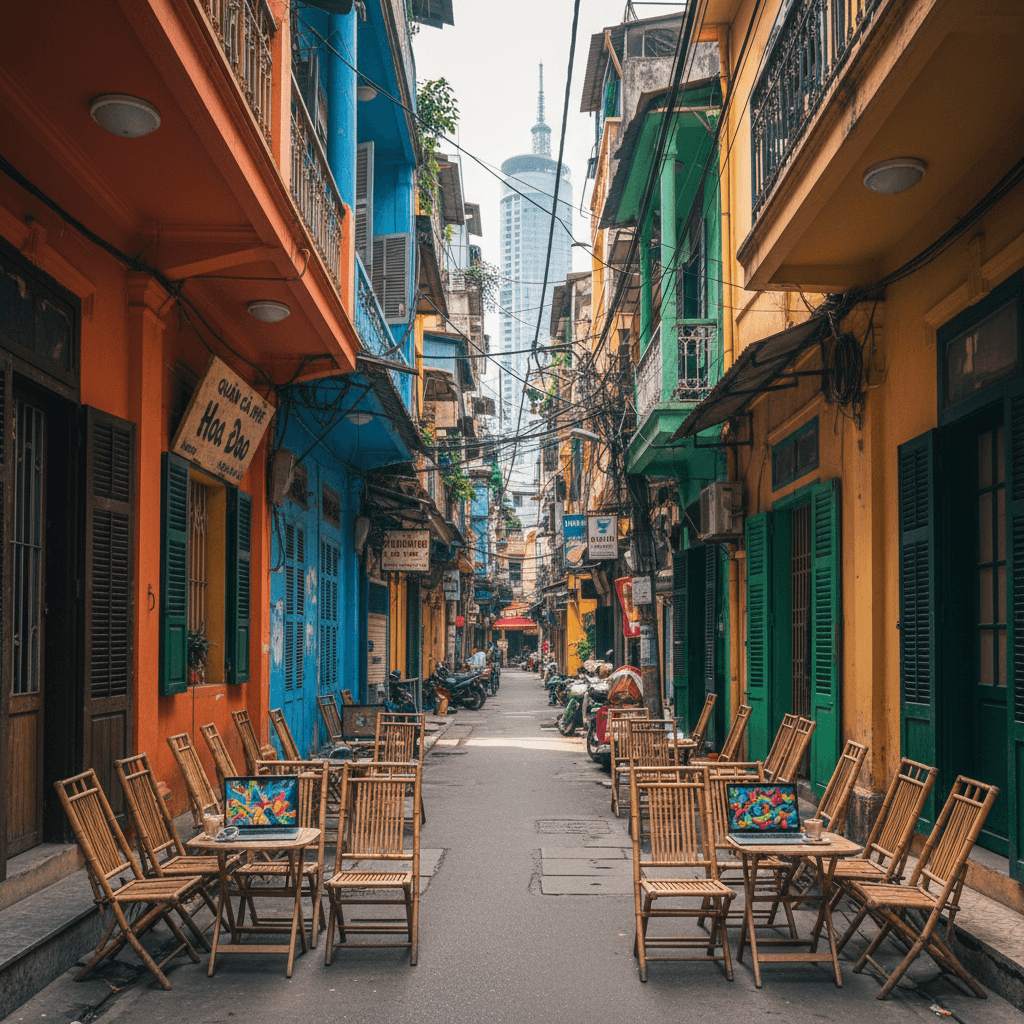
If you're looking for the high energy of Ho Chi Minh City or the digital nomad infrastructure of Da Nang, you won't find it here. Qui Nhon is the city for people who want to disappear into the local rhythm for a while. It's a place where the mornings start at 5:00 AM with hundreds of locals doing calisthenics on the beach, and the evenings end with cold beers and fresh snails at a roadside stall.
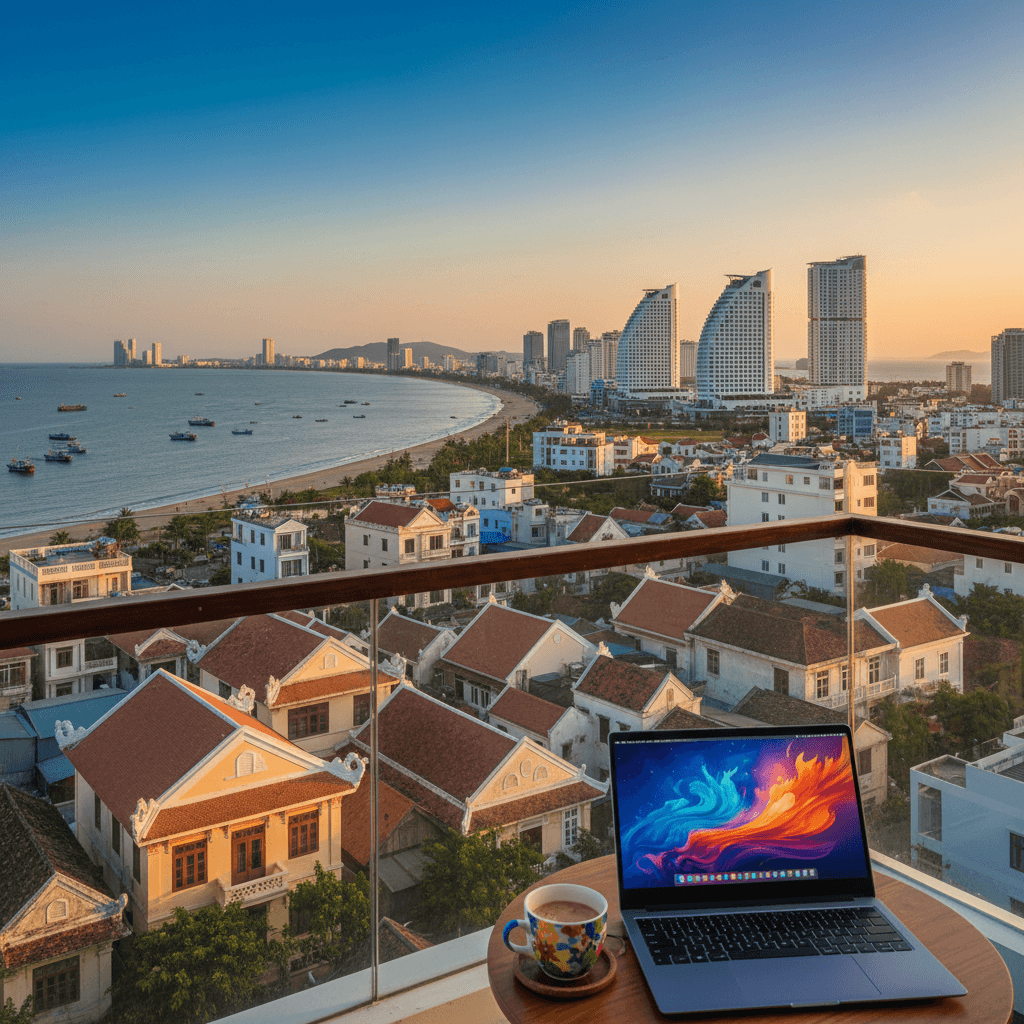
The vibe is distinctly industrial meets tropical. You'll see Art Deco colonial buildings sitting right next to sleek new resorts, but the heart of the city remains centered on fishing and family. It feels like a real Vietnamese town that happens to have a stunning coastline, rather than a resort town built for tourists. For nomads, the emotional draw is the lack of "hustle." You aren't just another laptop in a crowded cafe; you're often one of the few foreigners in the neighborhood.
What Makes It Different
Unlike the tourist bubbles in Hoi An, Qui Nhon lets you live an authentic life at a fraction of the cost. Most nomads find the internet speeds surprisingly fast, often hitting 100 Mbps in basic cafes. However, you'll need to trade your dedicated coworking spaces for plastic stools and local coffee shops. It's a trade-off: you lose the ergonomic chairs, but you gain a community that is genuinely curious and welcoming rather than weary of travelers.
- The Seafood Scene: This is arguably the seafood capital of the central coast. You can eat like a king for $10, or grab a massive bowl of Bun Cha Ca for under $2.
- The Quiet: Once you step away from the main thoroughfare of Xuan Dieu, the city gets incredibly peaceful. It’s perfect for deep work phases.
- The Landscape: The coastline here is rugged. Between the fishing village of Bai Xep and the dunes of Nhon Ly, the geography is more dramatic than the flat stretches of beach in the north.
The Living Costs
Your money goes incredibly far here. A comfortable mid-range life usually costs between $800 and $1,200 per month, and that includes plenty of dining out and a nice apartment. If you're on a strict budget, you can easily get by on $600 if you stick to local markets and street food.
Top Neighborhoods for Nomads
Tran Phu (City Center)
- Rent: $200 to $300 for a modern 1-bedroom.
- Vibe: The most convenient area for long stays. You're close to the Coop Market, plenty of cafes with strong WiFi, and the local gym scene.
- Pros: Everything is walkable; high density of "workable" cafes.
- Cons: Noisier than the beach areas; less of a vacation feel.
Xuan Dieu Waterfront
- Rent: $150 to $250 for apartments with a view.
- Vibe: This is the scenic heart of the city. It’s where the evening promenade happens and where you'll find the most Western-style restaurants.
- Pros: Immediate beach access; great for morning runs and evening social life.
- Cons: Can feel a bit more "touristy" and prices for coffee and food are slightly higher.
Bai Xep Fishing Village
- Rent: $150 to $250 for simpler, local-style guesthouses.
- Vibe: Located about 12km south of the city, this is a tiny enclave of expats and backpackers. It’s incredibly beautiful but very isolated.
- Pros: Total peace; a tight-knit small community; stunning rocky coves.
- Cons: Very limited grocery options; you’ll need a motorbike to do almost anything; internet can be less stable than the city center.
The biggest hurdle you'll face is the language barrier. Outside of the main hotels and the Quy Nhon Sports Bar, English isn't widely spoken. You'll rely on Google Translate and hand gestures, but the locals are patient. If you're willing to navigate a bit of friction, you'll find a city that feels like Vietnam's best-kept secret for the remote work crowd.
The Price of Paradise
Living in Qui Nhon feels like stepping back into a more affordable era of Vietnamese travel. While the secret is slowly getting out, the cost of living remains significantly lower than in Da Nang or Nha Trang. You can live a high quality life here for a fraction of what you would spend in Western hubs, provided you're willing to embrace local markets and the occasional language barrier.
Most nomads find that their money goes remarkably far, especially when it comes to housing and fresh food. It's the kind of place where you can treat yourself to a seafood feast on the beach without constantly checking your bank balance. Here is how the monthly budget breaks down for different lifestyles.
Monthly Budget Tiers
- Budget Lifestyle: $500 to $700. This covers a basic studio or a room in a shared house, eating almost exclusively at street stalls, and sticking to free activities like beach days and hiking.
- Mid-Range Lifestyle: $800 to $1,200. This is the sweet spot for most remote workers. You'll get a modern one bedroom apartment, eat at a mix of local spots and expat cafes, and have plenty left over for weekend trips and motorbike rentals.
- Comfortable Lifestyle: $1,500 to $2,000+. At this level, you're looking at a high end beachfront apartment, frequent dining at upscale restaurants like those along the Xuan Dieu waterfront, and perhaps a private trainer or frequent spa visits.
Housing Costs by Neighborhood
Rent is your biggest variable. Prices fluctuate based on how close you are to the water and whether the building offers modern amenities like elevators or gym access. Utilities usually add another $35 to $60 to your monthly bill depending on how much you blast the air conditioning.
Tran Phu (City Center)
- Average Rent: $200 to $300 per month.
- The Vibe: You're in the heart of the action, close to the Coop Market and the best coffee shops for working. It's noisier, but you save on transport.
Xuan Dieu Waterfront
- Average Rent: $150 to $250 per month.
- The Vibe: This area offers immediate beach access. While it's popular with tourists, you can still find great deals on older apartments or rooms in local guesthouses.
Bai Xep Fishing Village
- Average Rent: $150 to $220 per month.
- The Vibe: Located about 12km south of the city, this is for those who want a quiet, bohemian lifestyle. It's more isolated, so you'll need a motorbike for grocery runs.
Dining and Groceries
Food is where Qui Nhon truly shines. The city is famous for its seafood and Banh It La Gai (sticky rice cakes). If you stick to local spots, you'll find it hard to spend more than a few dollars per meal.
- Street Food: A bowl of Bun Cha Ca or a Banh Mi typically costs between 35,000 and 60,000 VND ($1.50 to $2.50).
- Mid-Range Restaurants: A full dinner with drinks at a place like Quy Nhon Sports Bar or a local BBQ joint runs about 150,000 to 300,000 VND ($6 to $12).
- Groceries: If you prefer cooking at home, a weekly haul of fresh produce and meat from the local markets will cost around $40 to $60.
Transportation and Extras
Getting around is cheap and easy. Most expats choose to rent their own wheels for maximum flexibility, but the Grab app works perfectly for those who don't want the responsibility of a bike.
- Motorbike Rental: Expect to pay around 100,000 VND ($4) per day, or you can negotiate a monthly rate of about $45 to $60.
- Grab Rides: A quick trip across town on a Grab motorbike usually costs less than 30,000 VND ($1.25).
- Fitness: A monthly gym membership at a decent local facility costs around $18.
- Connectivity: A 30GB high speed data plan from Viettel costs roughly $6 to $10 per month.
Overall, Qui Nhon offers a rare balance. It provides the infrastructure needed for remote work while maintaining a cost of living that allows you to save money or live a much more luxurious lifestyle than you could in more established digital nomad hubs.
For Digital Nomads: Tran Phu (City Center)
If you need to be within walking distance of a decent caffeine fix and a reliable internet connection, Tran Phu is your best bet. This is the heart of the city where the local energy is highest. Most nomads gravitate here because it balances affordability with accessibility. You aren't right on the sand, but the beach is usually just a five or ten minute stroll away.
The infrastructure here is the most developed in the city. You'll find the highest concentration of "work-friendly" cafes near the Coop Mart area. While there aren't dedicated coworking hubs yet, places like S.Blue Coffee or the local cafes along the main drag offer speeds often exceeding 100 Mbps. It is noisier than the outskirts, but the convenience of having pharmacies, grocery stores, and Grab drivers at your doorstep makes it the most practical choice for a productive stay.
- Rent: $200 to $300 per month for a modern one bedroom apartment.
- Vibe: Local, energetic, and convenient.
- Best for: Deep work sessions and being close to the best street food.
For Expats and Long-Termers: An Duong Vuong
Expats who plan on staying for more than a month often migrate toward An Duong Vuong. It sits just south of the main center and offers a more relaxed, residential feel while keeping the ocean in sight. The streets are wider, the air feels a bit fresher, and there is a growing community of foreigners who meet up at spots like the Quy Nhon Sports Bar.
This area strikes a middle ground between the chaotic city center and the isolated fishing villages. You get better apartment buildings here, many with balconies overlooking the water. It is quiet enough to sleep soundly but close enough to the action that you won't feel isolated. Most expats here rent a motorbike for about 100,000 VND ($4) a day to zip between the beach and the markets.
- Rent: $250 to $400 for higher end or sea view units.
- Vibe: Laid back, coastal, and community oriented.
- Best for: Those seeking a "home base" feel with a bit more Western comfort.
For Solo Travelers and Backpackers: Bai Xep
Located about 12 kilometers south of the city, Bai Xep is a tiny, car free fishing village tucked into a rocky cove. If your priority is meeting people and waking up to the sound of waves, this is the spot. It is famously authentic, with narrow alleys where locals mend nets right outside your hostel door. It is a favorite for solo travelers who want to escape the typical tourist trail.
The social scene centers around local guesthouses and hubs like Big Tree Backpackers. While the internet is generally fine for emails and basic tasks, it can be spotty during storms, and the village lacks the professional amenities found in the city. You'll spend more on food here since there are fewer local "com binh dan" (common rice) stalls, but the atmosphere is unbeatable.
- Rent: $150 to $250 for basic rooms or long term guesthouse stays.
- Vibe: Bohemian, rustic, and social.
- Best for: Socializing, swimming, and "off the grid" living.
For Families: Xuan Dieu Waterfront
Families usually prefer the Xuan Dieu area, which runs along the city's main crescent shaped bay. The wide promenade is perfect for evening walks with strollers, and the proximity to Quy Nhon Square means there is plenty of open space for kids to run around. It is the most scenic part of the city, lined with seafood restaurants and upscale hotels.
Safety is a big draw here. The area is well lit and stays active until late in the evening with families enjoying the sea breeze. While it is one of the pricier parts of town, the ease of access to the beach and the variety of dining options, from local snails to high end seafood, makes it the most stress free neighborhood for those traveling with children.
- Rent: $300 to $500 for larger, family sized apartments or hotel suites.
- Vibe: Breezy, scenic, and safe.
- Best for: Beach access and evening strolls.
Connectivity and Speed
You might expect a smaller coastal city to have spotty service, but Qui Nhon defies that. The internet infrastructure here is surprisingly robust, often outperforming what you'll find in Thailand or Bali. Most apartments and mid range hotels come equipped with dedicated fiber optic lines, frequently clocking speeds between 80 Mbps and 150 Mbps. It is rare to find a cafe that doesn't offer free, fast Wi-Fi as a standard amenity.
While the land based fiber is reliable, Vietnam's international undersea cables occasionally undergo maintenance which can slow down speeds to overseas servers. Most nomads handle this by using a VPN or simply switching to their mobile data. It is a good idea to check the router placement when touring apartments; having your own router in the room rather than a shared one in the hallway makes a massive difference for video calls.
The Coworking Scene
If you are looking for a sleek, corporate coworking space with ergonomic chairs and networking mixers, you are going to be disappointed. Qui Nhon does not have dedicated hubs like Dreamplex in Saigon or Enouvo in Da Nang yet. The city is still in that sweet spot where "working from home" actually means "working from a cafe."
The lack of formal offices is offset by a massive coffee culture. Locals spend hours in cafes, and nobody will give you a side eye for opening a laptop. Most spots are open air or use large fans, though you can find air conditioned "glass house" style cafes if the humidity gets too high. You won't pay a membership fee here; your "rent" is simply the price of a 25,000 VND to 45,000 VND ($1 to $1.80) salt coffee or fruit tea.
Top Cafes for Deep Work
- S.Blue Coffee: Located right on the beach near the main square. It is spacious, breezy, and has plenty of power outlets. It is perfect for morning sessions before the sun gets too intense.
- Marina Coffee: Situated near the Coop Mart, this spot is a favorite for locals and the small nomad community. The Wi-Fi is consistently strong and the seating is comfortable for longer stretches.
- Santorino Coffee & Tea: A more modern, aesthetically pleasing spot with reliable air conditioning. It is quieter than the beachfront spots, making it better for focus work.
- Surf Bar: While it is right on the sand and great for a casual email session, the salt air and wind can be tough on hardware. Save this for your "end of the day" light admin tasks with a beer in hand.
Mobile Data and SIM Cards
Do not rely solely on cafe Wi-Fi. Mobile data is incredibly cheap and serves as a vital backup. You can grab a SIM card at the airport or any small mobile shop in the city center. You will need your passport for registration at official carrier stores.
- Viettel: Generally considered the gold standard for coverage. Even if you head out to the remote cliffs of Bai Xep, you will likely still have a 4G or 5G signal. Expect to pay around 150,000 VND ($6) for a monthly plan with 2GB to 4GB of data per day.
- Vinaphone: A solid second choice with great speeds in the city center. Their "Big" data packages are very affordable for heavy users.
- Mobifone: Often has the cheapest promotional rates, but the signal can drop off once you leave the main urban grid.
For those staying long term, you can top up your balance using the Momo app or by buying scratch cards at any WinMart or Circle K convenience store. Most nomads find that a $10 monthly spend on mobile data provides more than enough bandwidth to hotspot through a power outage or a slow cafe connection.
Staying Safe on the Central Coast
Qui Nhon is refreshingly safe, especially compared to the high energy and occasional chaos of Ho Chi Minh City. Most nomads find the local atmosphere incredibly welcoming. Violent crime is extremely rare; you're more likely to be invited for a beer by a local fisherman than to encounter any real trouble.
That said, petty theft like phone snatching can happen in any growing city. Keep your phone tucked away when you're on the back of a motorbike and don't leave your bag unattended on the beach while you go for a swim. If you're staying in a lower floor apartment, make sure your windows are locked at night. These are standard precautions for anywhere in Southeast Asia, but in Qui Nhon, the stakes usually feel much lower.
The biggest safety risk is actually the traffic. While the roads are wider and less congested than in Hanoi, the driving habits are still unpredictable. If you're renting a scooter for 100,000 VND a day, wear a helmet and stay alert for trucks on the main highways. If you aren't confident on two wheels, stick to the Grab app. It's affordable, tracks your journey, and removes the need to haggle over prices.
Healthcare and Medical Facilities
For minor issues like a cold, stomach bug, or skin irritation, you'll find pharmacies on almost every corner. Major chains like Pharmacity and Long Chau are reliable and often have staff who speak a bit of English. They carry most Western brands, and you'll find that many medications that require a prescription back home are available over the counter here for just a few dollars.
If you need a doctor, there are two main options within the city limits:
- Binh Dinh General Hospital: Located at 106 Nguyen Hue. This is the largest facility in the area. It's a public hospital, so expect crowds and a bit of a language barrier. It's best for basic diagnostics or emergencies.
- Quy Nhon City Hospital: Located at 114 Tran Hung Dao. Another public option that handles general medical needs.
A standard doctor visit usually costs around $30 to $35. However, for anything serious, specialized surgeries, or complex imaging, most expats and long term travelers head north to Da Nang or south to Ho Chi Minh City. Those cities have international hospitals like Vinmec or FV Hospital where the standards and English proficiency are much higher.
Practical Health Tips for Nomads
Don't drink the tap water. Even locals boil it first, but as a visitor, you're better off sticking to bottled water or the large 20 liter jugs provided by most landlords. Ice in restaurants is generally safe as it's typically produced in factories using purified water.
Sun protection is another big one. The sun in Binh Dinh province is intense. If you're heading out to Ky Co Beach or Eo Gio, bring high SPF sunscreen, as the selection in local shops can be limited and often contains whitening agents. Also, keep an eye on air quality. While it's much better than the big metros, the humidity and occasional agricultural burning can affect those with sensitive respiratory systems.
Before you arrive, ensure your travel insurance covers motorbike accidents. Many policies are void if you don't have a valid local or international driving permit, so check the fine print before you start zipping around the coastline.
The Daily Commute: Motorbikes and Grab
In Qui Nhon, the motorbike is king. Unlike the chaotic swarms of Saigon, traffic here is manageable, making it a great place to practice your riding skills. Most nomads rent a scooter for around 100,000 VND ($4) per day, or roughly $45 to $60 per month for long term stays. It gives you the freedom to explore the coastal roads toward Bai Xep or Nhon Ly without waiting on a driver.
If you aren't comfortable on two wheels, the Grab app is your best friend. It’s the Southeast Asian equivalent of Uber and works seamlessly here. A quick trip across the city center on a GrabBike usually costs between 20,000 and 50,000 VND ($0.80 to $2). If you prefer air conditioning, GrabCars are available but slightly more expensive, typically charging 10,000 to 16,000 VND per km ($0.40 to $0.65). It’s a reliable way to get home after a few drinks at Quy Nhon Sports Bar without worrying about local police checkpoints.
Public Buses and Regional Travel
The local bus system is surprisingly decent for a city of this size. While it’s mostly used by students and locals, it’s a dirt cheap way to reach the outskirts. Fares range from 8,000 to 44,000 VND ($0.30 to $1.75) depending on how far you’re headed. It’s not the most intuitive system for English speakers, but the drivers are generally patient if you show them your destination on Google Maps.
For longer trips, the city is well connected to the rest of Vietnam. The Quy Nhon Railway Station is right in the center, but many travelers prefer the Dieu Tri Station, about 10km away, because it’s a major stop on the Reunification Express line. From there, you can catch a sleeper train to Da Nang or Nha Trang for a very reasonable price. If you’re in a rush, Phu Cat Airport (UIH) is about a 45 minute drive north, with daily flights to Hanoi and Ho Chi Minh City.
Walking and Cycling
The beachfront promenade along Xuan Dieu is one of the few places in the city where walking is actually enjoyable. It’s wide, well maintained, and offers great views of the South China Sea. During the early morning or late afternoon, you’ll see half the city out for a stroll or a jog.
Beyond the waterfront, walking becomes a bit of a sport. Sidewalks are often used as parking lots for motorbikes or extended dining rooms for street food stalls. If you’re staying in the Tran Phu area, most daily necessities like the Coop Market or local pharmacies are within a 15 minute walk, but for anything further, you’ll want wheels. Some guesthouses in Bai Xep provide bicycles for free, which is perfect for navigating the narrow, hilly alleys of the fishing village.
Practical Transport Tips
- Download Grab immediately: Even if you plan to rent a bike, having the app is vital for rainy days or airport runs.
- Check your tires: If you rent a bike long term, local mechanics can patch a flat for about 20,000 VND ($0.80) in five minutes. Look for signs that say "Sua Xe."
- Airport Shuttles: Don't pay for a private taxi from Phu Cat Airport if you're on a budget. There is a shuttle bus that drops you off at 01 Nguyen Tat Thanh for about 50,000 VND ($2).
- Parking: Always look for a "Giu Xe" (parking) sign at markets or busy beaches. It usually costs 5,000 VND and keeps your bike safe from theft or being moved by police.
The Language Barrier in Qui Nhon
Unlike the tourist bubbles of Hoi An or Da Nang, Qui Nhon remains a place where Vietnamese is the primary, and often only, language spoken. You won't find menus with English translations in every window, and the further you wander from the beachfront resorts, the more you'll rely on non-verbal communication. It's a city that rewards those who put in a little effort to learn the basics.
Most expats and nomads find that younger locals, especially university students and staff at modern specialty coffee shops, have a decent grasp of English. However, at the local markets or the family-run Banh Xeo stalls, communication usually involves a lot of pointing, smiling, and calculator-tapping. It's rarely a source of frustration; locals are famously patient and will often go out of their way to help you figure things out.
Digital Translation Tools
Since English isn't a given, your phone is your best friend. Most long-termers here consider these apps non-negotiable:
- Google Translate: Essential for its camera feature. You can point your phone at a menu or a sign at Coop Mart and get an instant, if slightly clunky, translation.
- Zalo: This is the WhatsApp of Vietnam. If you're renting an apartment or dealing with a local business, they'll likely ask for your Zalo. The app has a built-in translation feature for messages that makes communicating with landlords much easier.
- Grab: Even if you don't use it for rides, the app is great for seeing how food names are written and translated, which helps when you're ordering in person later.
Essential Phrases for Daily Life
Vietnamese is a tonal language, which means the same word can have six different meanings depending on your pitch. Don't let that intimidate you. Even if your tones are off, locals appreciate the gesture. Here are the basics you'll use every day:
- Xin chao (Seen chow): Hello.
- Cam on (Gahm un): Thank you.
- Bao nhieu? (Bow nyew): How much?
- Tinh tien (Tin tee-en): Check, please.
- Khong ot (Khong ote): No chili (vital if you aren't ready for Central Vietnam's spice levels).
- Mot, Hai, Ba, Yo!: One, two, three, cheers! You'll hear this constantly at the seafood joints along Xuan Dieu.
Communication Etiquette
In Qui Nhon, "face" and politeness matter. If there's a misunderstanding, stay calm and keep a smile on your face. Raising your voice or showing visible frustration is usually counterproductive and will likely cause the other person to shut down.
When paying, it's polite to hand over cash with both hands. This is a small gesture that shows respect and is noticed by older shop owners. Also, keep in mind that "Yes" doesn't always mean "I agree" or "I understand." Sometimes it's just a polite acknowledgment that they hear you speaking. If you're arranging something important, like a motorbike repair or a lease, it's always best to double-check via a translation app to ensure everyone is on the same page.
Connecting with the Community
Because the expat circle is smaller here, communication within the community often happens in specific hubs. Quy Nhon Sports Bar and Blue House are the unofficial headquarters for English speakers. If you're feeling isolated by the language barrier, heading to these spots is the fastest way to get the "offline" scoop on where to find specific Western amenities or English-speaking doctors.
For those staying longer than a month, consider hiring a local tutor. It's incredibly affordable, often costing around 150,000 to 250,000 VND ($6 to $10) per hour. Not only will you learn some functional Vietnamese, but you'll also gain a local friend who can explain the cultural nuances that Google Translate can't catch.
Timing Your Stay for Sun and Surf
Qui Nhon sits on Vietnam's south central coast, which means its weather patterns don't always align with the rainy seasons in the north or south. You'll experience two distinct seasons here: the dry season and the rainy season. Getting the timing right is the difference between spending your afternoons working from a breezy beach bar or being stuck inside while the streets flood.
The sweet spot for visiting is between January and August. During these months, the skies are consistently blue, the ocean is calm and turquoise, and the humidity hasn't reached its peak. It's the ideal window for exploring the coastal roads on a motorbike or taking a boat out to Ky Co Beach.
The Dry Season: January to August
This is when the city truly shines. From January to April, the weather is mild and pleasant, with temperatures averaging around 23°C to 28°C (73°F to 82°F). It's the most comfortable time for nomads who like to walk between cafes or take long evening strolls along the Xuan Dieu waterfront.
As you move into May, June, and July, the heat cranks up. Temperatures often soar to 35°C (95°F) or higher. While it's perfect for swimming, you'll want to make sure your apartment or workspace has high quality air conditioning. Most locals retreat indoors during the midday heat, emerging after 4:30 PM when the beach becomes a social hub for football games and swimming.
- Best for: Diving, island hopping, and outdoor photography.
- What to pack: Lightweight linen, high SPF sunscreen, and a good hat.
- Pro tip: If you're sensitive to heat, aim for the February to April window.
The Rainy Season: September to December
Things take a turn in September. This region is prone to typhoons and heavy tropical storms, particularly in October and November. During these months, it isn't just a light drizzle; you can expect torrential downpours that last for days and occasional flooding in lower lying areas of the city center.
The sea becomes rough and murky, making boat trips to the islands impossible. While accommodation prices might drop, many beachside businesses in areas like Bai Xep close up or scale back their hours. If you're planning to stay during this time, focus on the city center where infrastructure is better, and ensure your "home office" setup is cozy since you'll be spending a lot of time indoors.
- Peak Rain: October and November see the highest rainfall.
- Temperature: Stays relatively warm, usually between 22°C and 26°C (71°F to 79°F).
- Nomad perspective: It's a productive time for deep work, but the "beach life" vibe disappears completely.
Key Dates and Festivals
The Tet Holiday (Lunar New Year), which usually falls in late January or early February, is a massive event. The city transforms with flower displays and lights, but keep in mind that many local shops and smaller eateries will close for a week. Prices for transport and hotels often spike during this period.
Domestic tourism peaks in June and July. While Qui Nhon isn't as crowded as Da Nang, you'll notice more Vietnamese families on vacation. If you prefer a quieter experience, the shoulder months of March and August offer the best balance of great weather and manageable crowds.
Getting Around Town
Most expats and long term travelers find that renting a motorbike is the only way to truly enjoy the city. You'll pay around 100,000 VND ($4) per day for a basic scooter, though monthly rates can drop significantly if you negotiate. If you aren't comfortable on two wheels, the Grab app is your best friend. It works reliably for both cars and motorbikes, with a typical cross-town trip costing between 20,000 and 50,000 VND ($0.80 to $2).
The city is surprisingly walkable if you stay near the Xuan Dieu waterfront, but the heat can be brutal between 11:00 AM and 3:00 PM. For longer trips, like heading to the Phu Cat Airport, expect to pay around 250,000 to 350,000 VND ($10 to $14) for a private car. There is a shuttle bus from the old airport office in the city center that is much cheaper, usually under 50,000 VND, if you don't mind the fixed schedule.
Money and Budgeting
Cash is still king in Qui Nhon. While upscale hotels and some restaurants along the beach take cards, you'll need physical Vietnamese Dong (VND) for street food, markets, and local cafes. Most nomads recommend using ATMs from military banks like MB Bank or TP Bank, as they often have higher withdrawal limits and lower fees for foreign cards.
- Budget Daily Spend: $20 to $25 (Street food, local coffee, and a hostel or cheap guesthouse)
- Mid-Range Daily Spend: $40 to $60 (Nice studio apartment, a mix of seafood dinners and cafes, plus scooter rental)
- High-End Daily Spend: $100+ (Luxury beachfront resorts, frequent cocktails, and private tours)
Connectivity and Power
The internet in Qui Nhon is surprisingly robust. You'll often find speeds exceeding 100 Mbps in modern apartments and cafes. Since there aren't many formal coworking spaces, you'll likely be working from your rental or a coffee shop. Most cafes are happy to let you sit for hours as long as you buy a drink, which usually costs between 20,000 and 50,000 VND.
For mobile data, grab a Viettel SIM card. It has the most consistent coverage if you plan on exploring the coastal roads or heading up to the Eo Gio cliffs. A monthly data plan with 30GB of data will only set you back about 150,000 VND ($6). Power outages aren't common, but they do happen occasionally during the peak of the hot season when everyone is blasting their air conditioning.
Health and Wellness
For minor issues, pharmacies like Pharmacity or Long Chau are everywhere and carry most international brands over the counter. If you need a doctor, Binh Dinh General Hospital is the primary facility in town. It's functional and affordable, with a consultation costing around $30, but English speakers are rare. For anything serious or specialized, most expats take the four hour train or a quick flight to Da Nang or Ho Chi Minh City where international hospitals are more common.
When to Visit
The best window to visit is from January to August. This is when the seas are calm and blue, perfect for swimming at Ky Co Beach. The rainy season kicks in around September and lasts through December. During this time, the central coast can get hit by typhoons and heavy tropical downpours that might keep you indoors for days at a time. If you enjoy a moody, quiet atmosphere and lower rent prices, the shoulder season in January is a great time to arrive.
Local Etiquette
Qui Nhon isn't yet jaded by over-tourism, so a little politeness goes a long way. Dress modestly when visiting temples like the Thap Doi Cham Towers; covering your shoulders and knees is expected. When paying, it's polite to hand over money with both hands. You'll find the locals are incredibly curious and friendly, even if there's a language barrier, so having a translation app ready on your phone will make your daily interactions much smoother.
Need visa and immigration info for Vietnam?
🇻🇳 View Vietnam Country GuideHidden Gem
Worth the effort