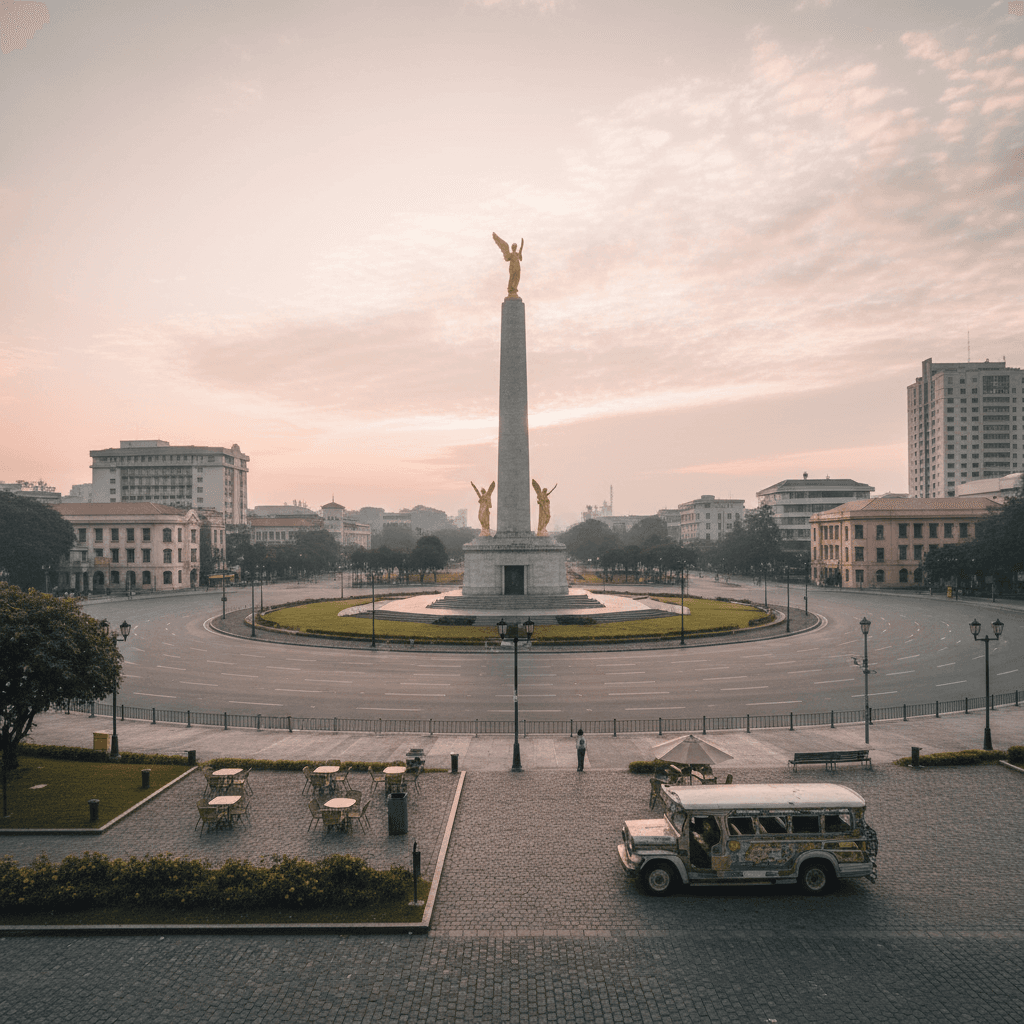
Quezon City
🇵🇭 Philippines
The Intellectual Heart of Metro Manila
Quezon City (or QC, as everyone calls it) isn't your typical high-octane business district. While Makati and BGC feel like polished corporate hubs, QC feels like a collection of lived-in neighborhoods with a serious academic backbone. Home to the country's top universities, the vibe here is decidedly younger, more creative, and far more affordable than the southern parts of the metro.
You'll find a rhythm here that is fast-paced during the morning rush but surprisingly laid-back once you settle into a neighborhood like Maginhawa or Eastwood. It's a place where street food carts sit right next to third-wave coffee shops, and where the local karaoke culture is a legitimate way to spend a Tuesday night. Nomads usually choose QC when they want to trade the sterile feel of a financial district for something that feels more like a community.
Breaking Down the Cost of Living
QC is one of the best value-for-money spots in Southeast Asia. Your dollar goes significantly further here than in neighboring business hubs, allowing for a comfortable lifestyle without the "expat tax" often found elsewhere.
- Budget Tier ($800 to $1,200 per month): Best for those staying in shared studios or local apartments. You'll be eating at Maginhawa street stalls for $1 to $2 a meal and using jeepneys or the MRT for transport.
- Mid-Range Tier ($1,500 to $2,000 per month): This covers a private 1BR condo in Eastwood, frequent Grab rides, and daily cafe hopping. You'll eat at mid-range restaurants where meals average $5 to $7.
- Comfortable Tier ($2,500+ per month): This buys you a premium condo, access to high-end fitness centers, and dining at upscale malls.
The Neighborhood Breakdown
Choosing where to plant your laptop is the most important decision you'll make here. Each pocket of the city has a distinct personality.
Eastwood City
- The Vibe: A "city within a city" that is highly walkable and safe. It feels like a mini-metropolis with everything in reach.
- Rent: $350 to $430 for a 1BR condo.
- Connectivity: Generally reliable fiber internet, though it can dip during peak evening hours.
Maginhawa & Teacher's Village
- The Vibe: The bohemian soul of QC. It's famous for its food circuit and student-driven energy. Expect quirky cafes and a more residential, leafy feel.
- Rent: $260 to $350 for local apartments or studios.
- Connectivity: Best for cafe hopping; you'll find plenty of "work-friendly" spots with decent WiFi.
The Digital Nomad Reality Check
The biggest draw for nomads is the social ease. English is spoken everywhere, so you won't struggle to order a sisig at a local eatery or negotiate a deal. However, the infrastructure can be a test of patience. Traffic in QC is legendary; a five-kilometer trip can easily take 45 minutes during rush hour. Most nomads learn to stay within their chosen "micro-neighborhood" during the day and only venture out late at night or on weekends.
Internet is another mixed bag. While local coworking spaces offer rock-solid fiber and unlimited coffee, residential WiFi can be spotty. Smart nomads always carry a backup Globe or Smart SIM card and a pocket WiFi device. If you're planning on heavy Zoom calls, don't rely on your Airbnb's "high-speed" claim without seeing a speed test first.
Safety and Social Life
QC is generally safe, especially in the pedestrian-friendly zones of Eastwood. Like any massive city, you should keep your wits about you in crowded markets and avoid poorly lit side streets at night. For healthcare, Quezon City General Hospital is the go-to for basics, and Mercury Drug pharmacies are on almost every corner.
Socializing happens over food. Whether it's a quick meal at a local eatery or a night of karaoke in the Cyberpark area, people are approachable. Joining local Facebook groups for Manila digital nomads is the fastest way to find meetups, but honestly, just sitting in a Maginhawa cafe for an afternoon is usually enough to strike up a conversation with a local creative or a fellow traveler.
The Price of the Nomad Life in Quezon City
If you've looked at the skyrocketing rents in BGC or the corporate polish of Makati and felt your wallet flinch, Quezon City is your sanctuary. It's the most populous city in Metro Manila, yet it feels significantly more grounded. You're trading high rise glass towers for a university driven energy and a cost of living that lets your dollars stretch much further without sacrificing the urban amenities you actually need.
Most nomads find they can live quite comfortably here on $1,500 to $2,000 a month. This mid range budget covers a modern one bedroom condo in a walkable area like Eastwood, plenty of Grab rides to avoid the humidity, and a mix of trendy cafe hopping and local dining. If you're on a tighter grind, a budget of $800 to $1,200 is doable if you opt for a shared studio and stick to the legendary street food scene in Maginhawa.
Monthly Budget Tiers
- Budget ($800 to $1,200): Best for those willing to live like a local. Expect to pay $260 to $350 for a modest studio, eat $5 to $10 worth of street food daily, and rely on public transport or free cafe WiFi.
- Mid-range ($1,500 to $2,000): The sweet spot for most. Rent for a nice 1BR in Eastwood or Maginhawa runs $350 to $430. You'll spend $10 to $20 on daily meals and have a dedicated budget for coworking memberships.
- Comfortable ($2,500+): For those who want the best. This covers upscale condos at $430+, high end dining at $20+ per meal, frequent Grab trips, and premium coworking spaces.
Housing and Neighborhoods
Your biggest expense will be rent, but the value here is hard to beat. Unlike the sterile feel of some business districts, Quezon City neighborhoods have distinct personalities. Expats recommend focusing on Eastwood or Maginhawa to keep your commute to a minimum and your walkability high.
Eastwood City
- Rent: $350 to $430 for a 1BR condo.
- Vibe: A self contained "city within a city" with malls, Cyberpark offices, and plenty of 24/7 dining.
- Pros: Very walkable, reliable fiber internet in most buildings, and a safe, residential feel.
Maginhawa
- Rent: $260 to $380 for local apartments or studios.
- Vibe: The bohemian heart of the city, famous for its food park history and proximity to the University of the Philippines.
- Pros: Incredible budget food, cozy work friendly cafes, and a laid back creative community.
Food and Drink
Eating out is a sport in Quezon City. You can grab a plate of sisig or lechon from a street cart for ₱50 to ₱100 ($0.85 to $1.70). If you prefer a sit down restaurant with air conditioning, expect to pay ₱200 to ₱400 ($3.45 to $6.90). For a fancy night out at one of the upscale mall restaurants, you'll likely spend ₱800 ($14) or more. Most nomads find that a mix of local carinderias and mid range cafes keeps their daily food cost around $15.
Connectivity and Coworking
While the Philippines has a reputation for spotty internet, Quezon City’s coworking scene is a reliable workaround. Residential WiFi can still be hit or miss, so travelers often say a backup SIM card is a requirement. Grab a Globe or Smart SIM at the airport for about ₱200 to ₱500 and load up an unlimited data plan for roughly ₱1,000 ($17) a month.
- Cafe Culture: Many spots in Eastwood offer free WiFi for customers, though it's polite to buy a fresh coffee every few hours.
Transport and Practicalities
Getting around can be a challenge due to the infamous Metro Manila traffic. Within your neighborhood, walking is your best bet. For longer trips, the Grab app is the gold standard for safety and transparency, with most rides within the city costing ₱100 to ₱300 ($1.70 to $5.20). If you're feeling adventurous, a jeepney or MRT ride will only set you back ₱13 to ₱50. For daily spending, download GCash or Maya; these digital wallets are used everywhere from high end boutiques to small local kiosks.
For Nomads and Creatives: Maginhawa
If you're looking for a bohemian atmosphere that prioritizes character over corporate polish, Maginhawa is the place to be. This neighborhood is the soul of Quezon City's creative scene, centered around a long stretch of homegrown cafes and experimental eateries. It's a favorite for solo travelers because the social barrier is low; you'll likely meet local artists or students from the nearby University of the Philippines while grabbing a coffee.
- Rent: $260 to $350 for a modest studio or room in a shared house.
- Vibe: Laid back, artistic, and very budget friendly.
- Best for: Deep work in quiet cafes and late night street food runs.
Most nomads here spend their afternoons at the various local cafes that offer affordable pasta and rice bowls. The internet in residential rentals can be hit or miss, so having a Globe or Smart SIM card for a backup hotspot is a smart move. When the sun goes down, the street food carts come out. You can snag a plate of sisig or lechon for as little as ₱50 to ₱100.
For Corporate Nomads and Expats: Eastwood City
Eastwood is a "city within a city" that feels like a more affordable, lived in version of BGC. It is a master planned township, which means everything is walkable. You can walk from your condo to a high end grocery store, a coworking space, and a dozen different restaurants without ever needing a Grab car. It’s particularly popular with expats who want reliable infrastructure and a bit of Western comfort.
- Rent: $350 to $430 for a modern 1BR condo in a high rise.
- Vibe: Professional yet lively, with a strong 24/7 culture due to the local BPO industry.
- Best for: Those who need high speed fiber internet and a "walk to work" lifestyle.
The neighborhood is very safe and features plenty of green spaces, weekend markets, and even pet friendly malls. It offers a stable connection that can handle Zoom calls without lagging, making it a reliable choice for remote work. It’s less "touristy" than Makati, giving you a more authentic look at modern Manila life.
For Families and Long Term Seekers: Diliman and Sikatuna
Families and those looking for more square footage usually gravitate toward the residential pockets near the major universities. These areas offer a slower pace of life and more traditional housing options, like townhomes or larger serviced apartments, rather than cramped high rise studios. You’ll be close to the Quezon Memorial Circle, which is one of the few large public parks in the metro where kids can run around.
- Rent: $450 to $700+ for larger multi bedroom units or houses.
- Vibe: Residential, leafy, and quiet at night.
- Best for: Families needing proximity to schools, hospitals like Quezon City General, and shopping malls.
The main trade off here is the traffic. While the neighborhoods themselves are peaceful, getting to other parts of Manila can be a slog. Most residents rely on Grab for transport, which usually costs between ₱100 and ₱300 for local trips. If you're staying here long term, downloading GCash or Maya is a requirement for paying utilities and buying groceries at Mercury Drug or local supermarkets.
Budget Breakdown by Area
Quezon City is significantly more affordable than the business districts of Makati or BGC, but your costs will shift depending on which pocket you choose. Travelers often find they can live a "middle class" lifestyle here for a fraction of the cost of other Asian hubs.
- Maginhawa (Budget): Monthly total of $800 to $1,200. Focuses on street food and local transport like jeepneys (₱13 per ride).
- Eastwood (Mid-range): Monthly total of $1,500 to $2,000. Includes a nice condo, frequent coworking memberships, and mid-range dining.
- Diliman/University Area (Comfortable): Monthly total of $2,500+. Covers larger housing, frequent ride hailing apps, and upscale mall dining.
The Connectivity Landscape
Internet in Quezon City is a bit of a mixed bag, but it's manageable if you're prepared. Most coworking spaces and high end cafes in Eastwood and Maginhawa now run on reliable fiber optics, offering speeds that handle Zoom calls and heavy uploads without breaking a sweat. However, residential WiFi in older condos can be spotty. Expats generally recommend having a backup plan; don't rely solely on your apartment's router.
To stay connected 24/7, pick up a local SIM card from Globe or Smart at any mall like SM North EDSA or Trinoma. You can get a starter pack for ₱200 to ₱500, and unlimited data promos usually cost around ₱1,000 per month. Many nomads use a dual SIM setup to switch between networks depending on which signal is stronger in their specific neighborhood. For local payments, download GCash or Maya, as these fintech apps are used everywhere from high end shops to smaller stalls.
Top Coworking Spaces
Quezon City has a distinct student and creative energy that has birthed some unique workspaces. You won't find as many corporate glass towers as you would in BGC, but the community vibe here is much stronger. Here are the spots nomads frequent most:
- Eastwood Cyberpark Cafes: While not dedicated coworking spaces, the cafes in Eastwood are accustomed to laptop users. The WiFi here is generally faster than in other parts of the city because of the surrounding tech infrastructure.
Cafe Culture and Laptop Spots
Maginhawa is the place to be if you prefer a bohemian, laid back atmosphere. It's a famous food street lined with quirky, independent cafes that are very welcoming to digital nomads. While the WiFi in these smaller shops might not always be enterprise grade, the "work from cafe" culture is deeply ingrained here. You can easily spend an afternoon working for the price of a ₱150 latte.
In contrast, Eastwood offers a more polished, walkable urban experience. It's effectively a "city within a city" where you can walk from your condo to a WiFi equipped food court or a ramen shop in five minutes. Most nomads find that Eastwood provides the most consistent internet speeds for those who don't want to commute to a dedicated office every day.
Practical Connectivity Costs
Budgeting for your digital setup in Quezon City is straightforward. Most of your costs will go toward mobile data and coworking memberships if you choose to use them.
- Monthly Coworking (Full Time): Expect to pay around $80 to $100 for a premium spot.
- Daily Cafe Spend: If you work from cafes, budget $5 to $10 per day for coffee and a light snack.
- Mobile Data: A robust 5G data plan will run you about $18 to $25 per month.
- Home Fiber (if not included in rent): Standard plans start at ₱1,500 ($26) for decent speeds, though most short term rentals include this in the price.
While Quezon City lacks the ultra premium infrastructure of Makati, it makes up for it with affordability and a massive variety of work friendly environments. Just remember to test your mobile hotspot coverage as soon as you check into your accommodation.
Staying Safe in the City
Quezon City is a sprawling metropolis, but for most nomads, life centers around Eastwood City and Maginhawa. These areas feel like self contained bubbles where you can comfortably walk to a cafe at 10:00 PM without looking over your shoulder. Eastwood, in particular, has a heavy security presence and a private township feel that makes it one of the safest spots in Metro Manila for expats.
Outside these hubs, you need to exercise standard urban caution. Stick to well lit main roads and avoid the quieter outskirts after dark. Petty crime like phone snatching can happen in crowded areas or near public transit terminals, so keep your tech tucked away while you are out on the street. Most travelers find that using Grab for door to door transport at night eliminates almost all safety concerns.
- Emergency Number: Dial 911 for immediate assistance.
- Local Tip: If you are exploring the university districts or Diliman, keep your bag in front of you in crowded markets.
- Traffic Risks: The biggest safety hazard is often the traffic. Pedestrian crossings aren't always respected, so wait for a clear gap or follow a group of locals when crossing major roads like Katipunan Avenue.
Healthcare and Medical Services
If you get sick, you are in one of the best places in the country for medical care. Quezon City is home to several top tier institutions that meet international standards. English is the primary language for all medical professionals, so explaining your symptoms is never an issue. For minor ailments, Mercury Drug or Watsons pharmacies are on almost every corner and are well stocked with familiar brands.
For more serious concerns or specialist consultations, nomads usually head to St. Luke’s Medical Center in Quezon City. It is widely considered the gold standard for healthcare in the Philippines. Quezon City General Hospital is another reliable option for middle of the road issues and diagnostics.
Recommended Facilities
- St. Luke’s Medical Center (QC): Best for specialized care and high end facilities. Expect to pay more here, but the service is excellent.
- Philippine Heart Center: A world class facility located in the Diliman area.
- Mercury Drug: Use this for 24/7 access to prescription and over the counter medications.
Insurance and Costs
Most private clinics and hospitals expect payment upfront unless you have a local HMO or a reputable international provider like SafetyWing or Genki. A standard consultation with a GP will usually set you back between ₱500 and ₱1,200 ($9 to $21 USD), while specialists might charge ₱1,500 to ₱2,500. Always keep your receipts, as most international insurers require them for reimbursement. Digital nomads living here long term often find that paying out of pocket for routine checkups is affordable enough to skip the insurance paperwork altogether.
Health Precautions
The tropical climate brings a few specific health considerations. Mosquito borne illnesses like Dengue can flare up during the rainy season from June to November, so keep some repellent handy if you are hanging out in the greener parts of the city like the UP Diliman campus. Stick to bottled or filtered water; while most locals use tap water for cooking, your stomach might not be used to the local mineral profile. Most condos and professional spaces provide large blue jugs of purified water for free or a tiny fee.
The Logistics of Movement
Moving through Quezon City is an exercise in patience and strategy. While it is the largest city in Metro Manila, your experience will vary wildly depending on whether you are staying within a self contained hub like Eastwood or trying to cross the city during rush hour. Most nomads find that the best way to keep their sanity is to live where they work and only venture out during off peak hours.
Ride Hailing and Apps
For most expats, Grab is the go to lifeline. It is the dominant ride hailing app and functions much like Uber or Lyft. It is safer and more predictable than flagging down a white taxi on the street. Expect to pay between ₱100 and ₱300 for most trips within the city. If you are heading to the airport (NAIA), the journey can take anywhere from 45 minutes to 2 hours depending on the notorious Manila traffic, so budget about ₱500 to ₱1,000 for the fare and leave early.
Public Transit Options
If you are on a budget or want to live like a local, the public system is extensive but can be overwhelming at first. The MRT and LRT train lines connect Quezon City to the rest of the metro area. Tickets are cheap, ranging from ₱13 to ₱50, but the stations get incredibly crowded during commute times.
- Jeepneys: These iconic, colorful vehicles follow set routes. A short hop usually costs around ₱13. You just tap the roof or say "para" when you want to get off.
- Tricycles: These are motorbikes with sidecars used for short distances within neighborhoods like Maginhawa. They are perfect for reaching a cafe that is just a bit too far to walk in the heat.
- Buses: Modern, air conditioned buses run along major arteries like EDSA. They are more comfortable than jeepneys but still subject to the same traffic jams.
Walking and Micromobility
Quezon City is not a walkable city in the traditional sense. Sidewalks can be narrow, uneven, or non existent in some areas. However, specific pockets are designed for pedestrians. Eastwood City is a private development where you can comfortably walk between your condo, your coworking space, and the mall without ever needing a car. Similarly, the UP Diliman campus and parts of Maginhawa are popular for walking and cycling due to the abundance of trees and slightly slower pace of life.
Practical Transit Tips
To make your life easier, travelers recommend a few specific habits:
- Avoid EDSA at 5:00 PM: This is the main highway and it becomes a parking lot during the evening rush. If you must travel, try to do it mid morning or late at night.
- Get a Beep Card: This is a stored value card you can use for the MRT, LRT, and some modern buses. It saves you from standing in long ticket lines every single time.
- Use GCash: Most Grab drivers and even some modern jeepneys accept GCash. It is the most common digital wallet in the Philippines and reduces the need to carry stacks of small change.
- Check the weather: During the rainy season from June to November, certain streets in Quezon City are prone to flash flooding, which can bring traffic to a total standstill for hours.
Quezon City is one of the easiest places in Southeast Asia to find your footing because, quite simply, almost everyone speaks English. As the former capital and a major educational hub housing the University of the Philippines, the city operates on a high level of English proficiency. You can expect menus, street signs, government forms, and banking apps to be entirely in English. Whether you are negotiating a monthly rate at a condo in Eastwood or ordering a bowl of ramen in Maginhawa, you will rarely face a hard language barrier.
The Local Lingo
While English is an official language used for business and tech, the heart of the city beats in Filipino, which is largely based on Tagalog. You will hear a blend often called Taglish. It is a seamless mix of both languages where locals might start a sentence in Tagalog and finish it in English. Most nomads find that picking up a few local words goes a long way in building rapport with security guards, Grab drivers, and market vendors.
- Salamat: Thank you. (Use this everywhere).
- Magkano?: How much? (Useful for street food carts or markets).
- Paumanhin: Sorry or excuse me.
- Para po: I am getting off here. (Say this when you want a jeepney driver to stop).
- Po and Opo: These are respect markers. Adding "po" to the end of a sentence when talking to elders or service staff shows you understand the local etiquette.
Digital Communication and Apps
Communication in Quezon City happens almost exclusively through a few key apps. If you are trying to book a service or talk to a local business, skip the email. Most people use Viber or Facebook Messenger for everything from dental appointments to inquiries about apartment rentals. WhatsApp is gaining some ground among the expat community, but Viber remains the king for local group chats and official announcements.
For daily logistics, Grab is the non-negotiable app for both transport and food delivery. It eliminates the need to explain directions to a driver in a foreign language. For payments, download GCash or Maya. These mobile wallets are used by everyone from high-end malls to small kiosks in Maginhawa. You can often pay for your meal just by scanning a QR code, which saves you the hassle of carrying around heavy coins.
Staying Connected
Reliable communication requires a local SIM. While your home roaming might work, it is expensive and often slower. Expats recommend getting both a Globe and a Smart SIM if you have a dual-SIM phone. Coverage can vary block by block; Smart might be lightning fast in an Eastwood high-rise while Globe dominates in a garden cafe near UP Village.
- Prepaid SIM Cost: ₱40 to ₱100 ($0.70 to $1.70).
- Data Promos: Most nomads spend about ₱1,000 ($17) per month for "Unli Data" plans.
- Registration: You are required by law to register your SIM card with your passport and address. You can do this easily at kiosks in SM North EDSA or Trinoma malls.
Social Etiquette and Nuance
Filipino culture is famously polite and indirect. You will notice that people rarely say a flat "no" to a request. Instead, they might say "maybe" or "we will try," which usually means "no" or "it is difficult." If you are working with local freelancers or assistants, being overly blunt can sometimes be taken as aggression. A relaxed, smiling approach usually gets much better results than being demanding.
In social settings like the Cyberpark karaoke bars or weekend markets, communication is loud and celebratory. Don't be surprised if locals strike up a conversation to ask where you are from. This isn't a "scam" or a sales pitch; Quezon City residents are genuinely curious and proud of their city. Using a translation app like Google Translate can help with complex Tagalog signs, but for 95% of your stay, your native English will serve you perfectly.
Climate Realities
Quezon City is unapologetically tropical, meaning you'll spend most of your time oscillating between heavy humidity and air-conditioned malls. Temperatures generally hover between 25°C and 33°C (77°F to 91°F) throughout the year. While the heat is constant, the moisture levels change drastically depending on the month.
The dry season runs from December to May, which is when the city is most manageable for walking around spots like Maginhawa or the UP Diliman campus. April and May are the peak of summer; it gets incredibly hot, and you'll find yourself relying heavily on Grab rides just to avoid the ten minute walk to a cafe. The rainy season takes over from June to November. This isn't just light afternoon showers. We're talking about heavy monsoon rains and occasional typhoons that can lead to localized flooding and even worse traffic than usual.
The Sweet Spot: December to February
If you have the flexibility, aim to arrive in December. The "Amihan" or cool northeast trade winds kick in, bringing slightly lower temperatures and much lower humidity. It's the most comfortable time to explore the outdoor food parks or take a walk through the Ninoy Aquino Parks and Wildlife Center. Plus, the Filipino Christmas season is legendary for its length and energy, though be prepared for malls to be packed and prices for short term rentals to tick upward.
Expats generally recommend the window between January and March for the best balance of clear skies and tolerable heat. You'll get the most out of the walkable pockets of Eastwood City during these months without melting before you reach your coworking space.
When to Stay Away
Most nomads try to avoid being in Quezon City from July to October. This is the heart of typhoon season. While the modern infrastructure in areas like Eastwood handles rain well, the rest of the city can struggle. Heavy downpours often turn a 20 minute commute into a two hour ordeal. If you're here during this time, make sure your accommodation has a solid backup power source, as the occasional storm can cause brief outages.
Seasonal Planning at a Glance
- Peak Season (December to April): Best weather, sunny days, and very little rain. Expect higher demand for popular Airbnbs.
- Shoulder Season (May and November): Transition months. May is sweltering, while November starts to see the rain taper off.
- Off-Peak Season (June to October): Frequent rain and typhoon risks. Great for snagging deals on long term stays, but you'll be stuck indoors often.
What to Pack
Light, breathable cotton is your best friend here. However, don't let the outdoor heat fool you. The malls and coworking spaces keep their thermostats low. Always carry a light hoodie or a denim jacket for indoor work sessions. A sturdy umbrella is a year round requirement, serving as a sunshade in April and a lifesaver in August.
Getting Settled and Staying Connected
Quezon City is the largest city in Metro Manila, giving it a spread-out, suburban energy that feels less claustrophobic than Makati or BGC. Most nomads gravitate toward Eastwood City or Maginhawa. Eastwood is a self-contained "cyberpark" where you can walk from your condo to a high-rise office or a ramen shop in five minutes. Maginhawa is the bohemian heart of the city, famous for street food and a younger, university-aligned crowd.
For internet, don't rely solely on your apartment's router. Residential connections can be finicky during tropical storms or peak hours. Locals and expats recommend a dual-SIM setup using Globe and Smart. You can pick up a SIM at the airport or any SM Mall for about ₱200 to ₱500. Load up on data promos via the GCash or Maya apps, which are the primary way people pay for everything from street food to utility bills. Expect to spend around ₱1,000 a month for a solid unlimited data plan.
When you need a professional environment, the city offers several dedicated coworking spaces equipped with high-speed fiber and unlimited coffee. If you prefer a more casual vibe, many local cafes serve as popular spots for nomads to settle in with a laptop and a rice bowl while they grind.
Cost of Living Breakdown
Quezon City is significantly more affordable than the southern business hubs. You get a lot of mileage out of your budget here, especially regarding food and rent.
Budget Tier
- Monthly Total: $800 to $1,200
- Rent: $260 to $350 for a studio or shared space near the universities.
- Meals: $5 to $10 daily, sticking to Maginhawa street carts for ₱50 to ₱100 sisig or lechon.
- Transport: Using jeepneys and the MRT for ₱13 to ₱50 per ride.
Mid-Range Tier
- Monthly Total: $1,500 to $2,000
- Rent: $350 to $430 for a modern 1BR condo in Eastwood.
- Meals: $10 to $20 daily, mixing cafe lunches with mid-range dinners.
- Transport: Frequent Grab rides costing ₱100 to ₱300 per trip.
Comfortable Tier
- Monthly Total: $2,500+
- Rent: $430+ for a premium serviced apartment or larger condo with a pool.
- Meals: $20+ daily, focusing on upscale mall dining and international cuisine.
- Coworking: Full-time desk at a dedicated coworking space.
Navigation and Safety
Traffic is the biggest hurdle in Quezon City. If you need to head to the airport or Makati, leave at least two hours early. Grab is the most reliable way to get around, but for short hops within neighborhoods like Diliman or Eastwood, walking is feasible and safe. The MRT and LRT lines are cheap but get extremely crowded during rush hour.
Safety is generally a non-issue in the main nomad hubs. Eastwood has heavy private security, and Maginhawa feels like a friendly residential village. Just use common sense in poorly lit areas at night. For healthcare, Quezon City General Hospital handles basics well, and Mercury Drug pharmacies are on almost every major corner for prescriptions or supplies.
Natural Socializing
The social scene is built around food and karaoke. Join the Manila Digital Nomads groups on Facebook or Reddit to find local meetups. If you are solo, head to the bars in Libis or the karaoke spots in the Cyberpark area. Filipinos are incredibly welcoming; a simple "Salamat" (thank you) or adding a respectful "po" to your sentences goes a long way in making friends.
Weather-wise, the best window is December to April. It is sunny and relatively dry. Avoid the peak typhoon months of July to October if you can, as heavy rain often leads to localized flooding and even slower traffic than usual.
Need visa and immigration info for Philippines?
🇵🇭 View Philippines Country GuideNomad Haven
Your home away from home