Quepos
🇨🇷 Costa Rica
Quepos is the gritty, authentic heart that beats just behind the polished curtain of Manuel Antonio. While most tourists fly through town on their way to the national park, nomads are increasingly sticking around to capture a slice of real Costa Rican life. It is a working port town where the smell of salt air mixes with diesel and roasting coffee, offering a grounded alternative to the high priced jungle villas up the hill.
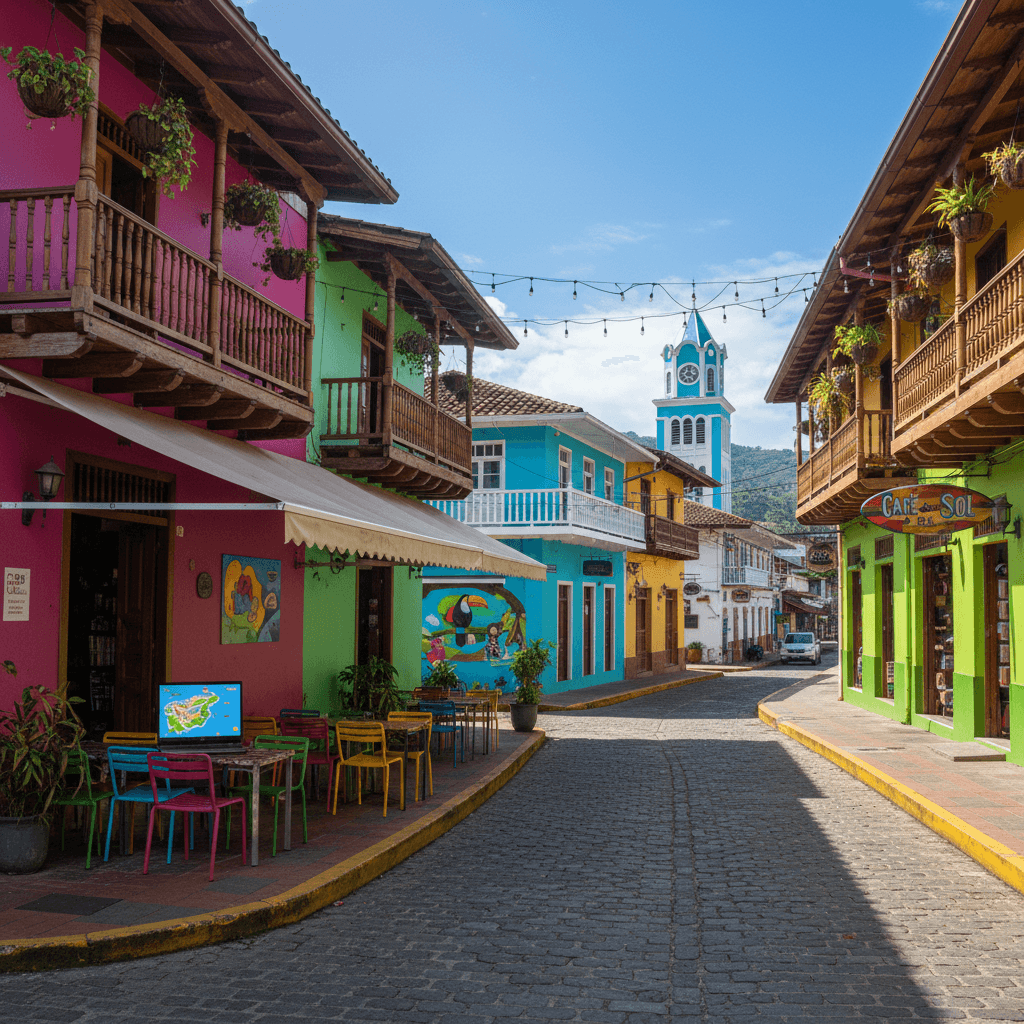
The vibe here is unapologetically local. You won't find the same manicured, yoga retreat energy that defines places like Nosara or Santa Teresa. Instead, you get a bustling marina, a lively central market, and a community that revolves around the tides and the fishing boats. It feels lived in. People here are friendly but busy, and the town lacks the pretentious "influencer" atmosphere that can sometimes drain the soul out of other coastal hubs.
The Local Layout
Living in Quepos means navigating a few distinct pockets, each with its own rhythm. Most of the action centers around the Marina Pez Vela and the few blocks surrounding the bus terminal.
- Downtown Quepos: This is where you'll find the best value for long term rentals. It is loud, colorful, and puts you within walking distance of the Super Mas supermarket and the local farmers market.
- The Marina: This is the upscale bubble. It is paved, clean, and feels like a little piece of Florida transplanted into the tropics. It is where you go for reliable air conditioning and high speed fiber optic internet.
- The Hill (Road to Manuel Antonio): As you climb the winding road toward the park, the humidity drops slightly and the prices rise. This area is better for those who want jungle views and don't mind a steep walk or a quick bus ride into town.
The Nomad Experience
The emotional pull of Quepos comes from its lack of filter. You'll spend your mornings working from a cafe like Café Milagro, watching the town wake up, and your afternoons watching the sunset at the seawall with a 1,500 colones beer in hand. There is a sense of belonging here that is hard to find in more transient towns. You become a regular at the soda (local diner) within a week, and the fruit vendors will start remembering your name.
Most digital nomads find that the cost of living is significantly lower than in the neighboring tourist zones. You can grab a hearty casado for about $7 to $9, while a similar meal up the hill might cost you $18. However, you have to be okay with the heat. Quepos is famously humid, and unless you are staying right on the water or higher up the mountain, you will likely be relying on a fan or paying a premium for a place with AC.
Why It Stands Out
What makes Quepos different is the infrastructure. Because it is a functional hub, the internet is generally more stable than in the remote beach towns. You have access to actual banks, hardware stores, and a major hospital, which provides a safety net that many nomads underestimate until they need it. It is the perfect home base for someone who wants the Pacific Ocean at their doorstep but still needs the functional perks of a real town.
The transition from "work mode" to "adventure mode" is seamless here. You can close your laptop at 4:00 PM and be at the Playa Espadilla shoreline by 4:20 PM via the local bus, which runs every 20 minutes and costs about 400 colones. It is a place for the nomad who prefers a cold Imperial at a local bar over a $15 green juice at a boutique hotel.
The Price of Pura Vida in Quepos
Living in Quepos offers a distinct financial advantage over its famous neighbor, Manuel Antonio. While the two are often lumped together, Quepos functions as the local hub where prices remain grounded in reality. You'll find that your dollar stretches significantly further here, especially if you avoid the tourist-heavy hotels on the hill and stick to the town center or the residential pockets nearby.
Most digital nomads find that a comfortable monthly budget sits between $1,800 and $2,500. This range covers a private apartment, frequent dining out, and a few weekend excursions. If you're living more like a local and cooking at home, you can certainly get by on less, but the humidity usually means you'll be paying a premium for air conditioning, which can spike your utility costs.
Typical Monthly Expenses
- One-Bedroom Apartment: $600 to $950 per month
- Utilities (Electricity and Water): $80 to $150 per month
- High-Speed Fiber Internet: $50 to $70 per month
- Groceries: $350 to $500 per month
- Dining Out (Per Meal): $8 to $25 per person
Neighborhood Breakdown
Where you choose to drop your bags will be the biggest factor in your monthly burn rate. The town is small, but the price variance between the waterfront and the outskirts is noticeable.
Quepos Centro
- Rent: $550 to $800
- Vibe: Local, convenient, and loud. You're walking distance to the bus station and the Marina Pez Vela.
- Best for: Nomads who want to skip the car rental and be near the action.
Boca Vieja
- Rent: $500 to $750
- Vibe: A coastal neighborhood with a more authentic Tico feel. It's quieter than centro but still very accessible.
- Best for: Long-term stays and those looking for a community atmosphere.
The Hill (Manuel Antonio Road)
- Rent: $1,200 to $2,500+
- Vibe: High-end villas, jungle views, and tourist prices. You're paying for the proximity to the national park and the beach.
- Best for: Short-term luxury stays or those with a much higher budget.
Eating and Drinking
To keep your food costs down, do what the locals do and head to the Feria on Friday afternoons or Saturday mornings. This farmers market near the seawall is where you'll get the best prices on tropical fruits, vegetables, and local cheeses. You can easily walk away with a week's worth of produce for under $30.
For a cheap and filling lunch, look for a Soda. These family-run spots serve a Casado, which is a massive plate of rice, beans, salad, and protein, for about $6 to $9. If you head to the Marina Pez Vela for dinner, expect to pay US prices, with entrees starting around $18 and cocktails hitting $10 or more.
Connectivity and Coworking
Quepos has improved its infrastructure significantly. Fiber optic internet is now common in most modern rentals. If you need a dedicated workspace, Marina Pez Vela offers some office setups and reliable Wi-Fi in their common areas, though it's more of a lifestyle hub than a traditional quiet coworking space. Day passes in the area generally run about $20 to $25 if you can find a formal desk, but many nomads prefer working from cafes like Café Milagro, provided you buy a few rounds of coffee.
For mobile data, grab a SIM card from Liberty or Kolbi. You can get a solid data package for about $20 per month, which is a lifesaver for those times the power flickers during a tropical storm and you need to hotspot for a Zoom call.
The Pulse of the Town: For Solo Nomads
If you want to be where the action is, staying right in the Quepos center is your best bet. It is a compact, walkable grid where you are never more than five minutes from the bus terminal or a strong cup of coffee. Most solo travelers gravitate here because it is the most affordable way to live near the coast without paying the Manuel Antonio premium. You will find plenty of small apartments above storefronts or tucked into side streets for around $700 to $900 a month.
For work, you will likely find yourself at Selina Manuel Antonio, which is just a short bus ride up the hill. It is the primary hub for the remote work crowd, offering hot desks for about $15 to $20 a day. When you are off the clock, the local vibe in town is authentic. Grab a $6 casado at Soda Sanchez or head to the marina to watch the sunset with a beer. It is easy to meet people here because the community is tight and everyone eventually crosses paths at the Saturday farmers market, known locally as the Feria.
The Jungle Canopy: For Expats
Expats who have been in the area for a while usually move away from the noise of the docks and head up the main road toward Manuel Antonio. This ridgeline area offers better breezes and much more privacy. You are looking at a higher price point here, with one bedroom villas starting at $1,200 and going up quickly if you want a Pacific view. It is quieter, greener, and you will definitely share your balcony with capuchin monkeys and scarlet macaws.
Living on the hill means you will likely want a scooter or a rugged 4x4, as the terrain is steep. Most expats frequent places like Falafel Bar or El Patio for a reliable meal that feels a bit more upscale than the town center. The internet reliability is surprisingly good on the ridge, with many rentals now offering fiber optic speeds of 100 Mbps or more, which is a massive upgrade from just a few years ago.
Peace and Space: For Families
Families often look toward the neighborhood of Valle Pura Vida. It is a residential valley tucked behind the main hill, offering a suburban feel that is rare in a tropical port town. It is much flatter than the ridgeline, making it safer for kids to bike around, and it is far enough from the bars that noise is rarely an issue. You can often find three bedroom homes here for $1,500 to $2,000 a month, often with a private pool.
The community in Valle Pura Vida is a mix of locals and long term international families. Since the town is small, the commute to the local private schools is under ten minutes. For groceries, families usually skip the smaller convenience stores and head to the Maxi Pali or Super Jordix at the edge of town to keep the weekly food budget around $150 to $200 for a family of four.
The High End: For Luxury Seekers
If budget is not a concern and you want the quintessential Costa Rican experience, the area surrounding Marina Pez Vela is the place to be. This is a gated, polished environment that feels worlds away from the dusty streets of central Quepos. The apartments here are modern, air conditioned, and come with high end amenities you won't find elsewhere in town. Expect to pay $3,000 or more for a monthly stay in this zone.
- Marina Pez Vela: Best for high speed fiber, luxury dining, and security.
- Central Quepos: Best for budget travelers, easy transport, and local culture.
- Valle Pura Vida: Best for long term stays, families, and quiet nights.
- The Ridgeline: Best for views, jungle surroundings, and expat communities.
Navigating these neighborhoods is simple once you understand the layout. The bus runs every 15 to 20 minutes between the town and the national park for about $0.60, so even if you choose a quiet residential spot, you are never truly isolated from the beach or the coworking hubs.
Connectivity in the Gateway to Manuel Antonio
Quepos serves as the functional hub for the Central Pacific coast. While most travelers head straight for the hills of Manuel Antonio, digital nomads often prefer the town center or the marina area for more reliable infrastructure. You'll find that fiber optic internet has become the standard here, especially in newer builds and professional spaces. Most rentals offer speeds ranging from 50 Mbps to 200 Mbps, which is plenty for video calls and heavy uploads.
The town doesn't suffer from the frequent power outages seen in more remote beach towns like Santa Teresa, but it's still smart to have a backup plan. Local nomads usually keep a Liberty or Claro SIM card ready for tethering. A prepaid data package costs around $10-$15 and provides a solid safety net if the local grid takes a localized hit during a heavy tropical downpour.
Top Coworking Spots
Quepos isn't overflowing with massive coworking chains, but the options available are high quality and cater to a professional crowd. Most of the action happens near the Marina Pez Vela or along the main road connecting Quepos to the national park.
- Selina Manuel Antonio: Located just five minutes up the hill from Quepos, this is the primary hub for the nomad community. The dedicated coworking space features ergonomic chairs, phone booths, and high speed fiber. A daily pass is around $15, while a weekly pass goes for $65. It's the best place to network if you're looking for community events or weekend surf trips.
- Marina Pez Vela: While not a traditional coworking space, the marina offers several air conditioned cafes with reliable Wi-Fi and plenty of outlets. It's a favorite for those who need a professional atmosphere for a few hours. The open air seating areas also have public Wi-Fi that is surprisingly fast, though it can get loud when the fishing charters return in the afternoon.
Work Friendly Cafes
If you prefer the "laptop cafe" lifestyle, Quepos has a few reliable spots where you won't be chased out for staying a couple of hours. The key is to look for places with air conditioning, as the humidity in town can make working outside a struggle by midday.
- Cafe Milagro: A staple for nomads. They roast their own beans and have a dedicated patio area with decent Wi-Fi. It gets busy during breakfast, so aim for a mid morning or early afternoon session. A large latte will run you about $4.50.
- Emilio's Cafe on the road to Manuel Antonio: This spot has some of the best views in the area. The internet is stable enough for emails and light browsing, though it might struggle with heavy video conferencing during peak lunch hours.
Data and SIM Cards
Buying a local SIM card is the first thing you should do upon arrival. You can find kiosks in the center of Quepos near the bus terminal. Liberty (formerly Movistar) generally has the best coverage within the town and along the beach road. Kolbi is the state owned provider and often has better signals if you plan on trekking deeper into the rainforest or visiting more remote waterfalls nearby. Expect to pay about $2 for the SIM card itself and another $15 to $20 for a month of generous data usage.
The Digital Nomad Visa
Costa Rica's "Rentista for Remote Workers" visa is a game changer for those staying in Quepos long term. To qualify, you need to prove a monthly income of $3,000 from a source outside of Costa Rica. If you're bringing a family, that requirement jumps to $5,000. The permit lasts for a year and can be renewed for a second year. The biggest perks are the exemption from local income tax and the ability to open a local bank account, which makes paying for high speed home internet much easier.
Staying Safe on the Pacific Coast
Quepos has a different energy than the sleepy surf towns further south. It is a busy port town and a gateway to the most visited national park in the country, which means it sees a high volume of foot traffic. For the most part, you can walk the main streets during the day without a second thought. Most nomads feel comfortable grabbing a coffee at Cafe Milagro or walking to the bus station alone.
Petty theft is the primary concern here, particularly "smash and grabs" from rental cars parked near Playa Espadilla or the entrance to Manuel Antonio National Park. Never leave a laptop, passport, or even a backpack in a car, even if it is locked and out of sight. Thieves look for the telltale stickers of rental agencies. If you are heading to the beach for a swim, don't leave your phone or wallet unattended on your towel. Locals recommend using a waterproof dry bag you can take into the water with you.
Walking between Quepos and Manuel Antonio at night isn't recommended. The road is winding, dark, and lacks consistent sidewalks in several sections. Stick to the local bus, which runs every 15 to 20 minutes until late, or use official red taxis. If you're using ride hailing apps, Uber works in the area, but the red taxis are often faster to flag down in the town center.
Healthcare Facilities and Emergencies
One of the biggest perks of basing yourself in Quepos rather than a remote beach village is the proximity to professional medical care. For minor issues like infections, rashes, or stomach bugs, the town has several farmacias where pharmacists can provide over the counter advice and basic medications. You will find several located near the Mercado Central.
For more serious concerns, you have two main options:
- Hospital Max Terán Valls: This is the public (CCSS) hospital located right at the entrance of Quepos. While it is excellent for emergencies, wait times for non-urgent care can be long.
- Medical Centers and Private Clinics: Many expats and nomads head to Quepos Urgent Care (Dr. Gannon) or Hospital Metropolitano. These facilities usually have English speaking staff and are accustomed to working with international travel insurance providers.
A standard consultation at a private clinic usually runs between $80 and $120. If you need specialized dental work, Drs. Chacón is a popular choice for expats in the area, offering high quality care at a fraction of North American prices.
Environmental Safety and Wildlife
The biggest "threats" in Quepos often come from nature rather than people. The riptides at Playa Espadilla can be incredibly strong. Always look for the red flags on the beach, which indicate dangerous swimming conditions. If you get caught in a rip, swim parallel to the shore rather than against the current.
Then there is the wildlife. The monkeys and coatis in this area are fearless. They have learned that backpacks contain snacks and will unzip bags or snatch food right out of your hand. Beyond the annoyance of losing your lunch, bites can require a trip to the clinic for a rabies series or antibiotics. Keep your distance and never feed them. Also, keep an eye out for "Manzanillo de Playa" trees near the coast; their sap and fruit are toxic and can cause severe skin blisters if you touch them or seek shelter under them during rain.
Water and Food Safety
You can generally drink the tap water in Quepos without any issues. The municipal supply is treated and safe for consumption, which saves you a fortune on plastic bottles. However, if you have a very sensitive stomach or are staying in a rural rental further up the mountain toward Villanueva, you might prefer using a filtered pitcher or buying five gallon jugs. Most nomads find the local soda restaurants, like Soda Sanchez, to be very clean and safe for daily meals.
The Bus Connection
The most iconic part of getting around Quepos is the public bus that runs between the town center and Manuel Antonio National Park. It is the lifeline of the area. These buses are bright, frequent, and incredibly cheap, costing around 300-400 colones (roughly $0.50-$0.75) per ride. They run every 15 to 20 minutes from early morning until late at night.
You can catch the bus at the main terminal in the heart of Quepos or at various marked stops along the winding hill toward the beach. It is a bumpy, scenic ride that takes about 15 minutes. Most nomads living in the hills or downtown rely on this daily. Just make sure you have small change or coins ready, as drivers usually won't break large bills like 10,000 colones.
Walking the Town and Hills
Quepos itself is a compact, grid like town that is very walkable. You can get from the Marina Pez Vela to the local farmers market in about 10 minutes on foot. The terrain is flat in the town center, making it easy to run errands or grab a coffee at places like Cafe Milagro without breaking a sweat.
However, once you leave the town limits and head toward the Manuel Antonio area, the topography changes drastically. The main road is steep and narrow with limited sidewalks. While the views are stunning, walking between these two areas is a legitimate workout and can be dangerous at night due to the lack of streetlights and tight curves. If your Airbnb is up on the ridge, you will want to rely on the bus or a taxi.
Taxis and Ride Sharing
Official taxis in Quepos are easy to spot because they are bright red and have a yellow triangle on the door. You can find them lined up near the bus station or the marina. They use meters, known locally as the maria, but for longer trips or rides into the hills, it is common to agree on a price beforehand. A typical ride within town or up the hill usually costs between $5 and $10.
Uber does operate in the area, though the availability can be hit or miss compared to San Jose. It is often slightly cheaper than the red taxis, but many locals and expats still prefer the official cabs for their reliability and abundance. If you are heading out for a nice dinner at a spot like El Lagarto, having a taxi driver's WhatsApp number is a pro move for a guaranteed ride back.
Renting Wheels
If you plan on exploring nearby spots like Playa Linda or the waterfalls in Dominical, renting a vehicle gives you the most freedom. You will find standard agencies like Alamo and National right in town. A small 4WD is highly recommended if you plan on venturing off the paved main roads, especially during the rainy season when mud becomes a factor. Expect to pay anywhere from $50 to $90 per day depending on the season and insurance coverage.
Scooters and motorbikes are also popular for solo travelers. They are great for zipping past traffic during the busy high season in January and February. Rental shops in town offer these for about $30 to $40 per day. Just be careful with the potholes and the occasional stray dog or iguana crossing the road.
The Marina and Water Taxis
For a different perspective, the Marina Pez Vela is the hub for all things water based. While there isn't a formal water taxi system for commuting, this is where you will board catamarans or small boats for coastal tours. If you are staying further down the coast, some private charters can be arranged, but for daily life, the road remains your primary route.
- Public Bus: 300-400 colones, runs every 20 minutes.
- Red Taxis: $5 to $10 for local trips.
- Car Rental: $60+ per day for a 4WD vehicle.
- Walking: Easy in downtown Quepos, difficult on the Manuel Antonio hill.
The Spanish Language Landscape
In Quepos, you'll find a linguistic mix that reflects its identity as both a working port town and the gateway to Manuel Antonio. Spanish is the primary language, and while the tourism industry is massive here, the local vibe remains authentically Tico. In the shops around the Quepos Central Market or when grabbing a 1,500 colones coffee at a local soda, you'll find that a little Spanish goes a long way. Locals are incredibly patient with learners, but they'll appreciate you leading with a friendly "Pura Vida" or "Buenos dias."
Most digital nomads find that while they can survive with English in the high end restaurants and tour agencies, daily life requires some basics. If you're heading to the Marina Pez Vela, English is almost universal. However, if you're taking the local bus up the hill toward the national park or trying to explain a specific grocery item at Super Mas, you'll want those Spanish verbs ready. The "Tico" accent is generally clear and slower than what you might hear in the Caribbean, making it a great place for beginners to practice.
Staying Connected
Reliable internet is the lifeblood of the nomad community here, and Quepos has seen significant upgrades recently. Most modern rentals and villas now offer fiber optic connections, often reaching speeds of 100 Mbps to 200 Mbps. If you're staying in the hills between Quepos and Manuel Antonio, just be aware that heavy tropical rain can occasionally cause brief flickers in service. It's always smart to have a backup plan for those high stakes Zoom calls.
For mobile data, you have three main choices. Most expats and long term travelers recommend Liberty (formerly Movistar) or Claro for the best coverage in the Quepos area. kölbi is the state owned provider and often has the best signal in remote jungle spots, but Liberty tends to offer more flexible prepaid packages for foreigners. You can pick up a SIM card for about $2 to $5 at the airport or at various small shops in the town center.
- Liberty: Great for data heavy users and easy app based refills.
- Claro: Reliable consistency and good regional roaming if you're heading to Panama.
- kölbi: The gold standard for signal strength if you plan on exploring deep into the rainforest.
Coworking and Community
While Quepos doesn't have a dozen massive coworking hubs like San José, the options available are high quality and focused on the community. Selina Manuel Antonio is the most popular spot for nomads, located just a short bus ride from the town center. They offer dedicated desks and private booths with air conditioning, which is a lifesaver in the humid coastal heat. Expect to pay around $15 to $20 for a day pass, or roughly $150 to $200 for a monthly hot desk membership.
Many nomads also set up shop in local cafes that have become unofficial workspaces. Café Milagro is a favorite for its strong local roasts and reliable Wi-Fi, though it can get busy during the breakfast rush. If you need a quieter environment with a view, several hotels along the main road offer "work from hotel" day rates that include pool access and a lunch credit. This is a common move for those who need a change of scenery from their Airbnb.
Practical Communication Tips
WhatsApp is the undisputed king of communication in Costa Rica. You'll use it for everything from booking a surf lesson to ordering delivery or messaging your landlord. If a business has a phone number listed, it's almost certain they prefer a WhatsApp message over a standard phone call or email. Most nomads find that setting up a local number via a prepaid SIM is the easiest way to integrate into this ecosystem.
For navigating and getting around, Waze is much more accurate than Google Maps in this region. It accounts for local traffic patterns and road conditions better than any other app. If you're using public transport, the bus between Quepos and Manuel Antonio runs every 15 to 30 minutes and costs around 400 colones. It's a great place to overhear local conversations and pick up some slang, just keep your coins handy as the drivers prefer exact change.
The Seasonal Rhythm
Quepos operates on a two season cycle that dictates everything from your monthly rent to how often you will need to dry out your laptop bag. The dry season, or summer, runs from December through April. This is when you will get those postcard perfect blue skies and consistent sunshine. It is also when the town fills up with tourists heading to Manuel Antonio, so expect to pay a premium for short term rentals and see higher prices at the local sodas.
The green season starts in May and stretches through November. Do not let the name fool you; it rains, and it rains hard. However, most days follow a predictable pattern where it is sunny in the morning and pours for a few hours in the late afternoon. If you are on a budget, this is the best time to negotiate long term stays. You can often find apartments for 30% to 40% less than the peak January rates.
When to Visit for the Best Experience
For most digital nomads, the sweet spot is the shoulder season during May, June, and November. During these months, the dust of the dry season has settled, the landscape is incredibly lush, and the crowds have thinned out. You will still get plenty of sunlight for morning surf sessions or jungle hikes before the clouds roll in around 3:00 PM. It is the ideal balance of manageable weather and lower cost of living.
September and October are the heavy hitters for rainfall. Many local businesses take their own vacations during this time, and some smaller cafes might close up shop for a few weeks. If you choose to stay through October, invest in a high quality waterproof backpack and a dehumidifier for your room. The humidity can reach 90%, which is tough on electronics and even tougher on your laundry.
Temperature and Humidity Realities
Quepos is hot year round, with temperatures consistently hovering between 80 and 90 degrees Fahrenheit. Unlike the Central Valley or the mountains of Monteverde, the humidity here is a constant companion. You will want to prioritize finding a place with good airflow or air conditioning if you plan on working through the midday heat.
- Hottest Months: February and March, where it rarely dips below 85 degrees during the day.
- Wettest Months: September and October, featuring intense tropical storms and high humidity.
- Best Visibility: January and February, perfect for diving or spotting sloths in the canopy.
Planning Your Work Schedule
Living in a tropical climate requires a bit of a schedule shift. Most nomads in Quepos start their day early, around 6:00 or 7:00 AM, to take advantage of the cooler morning air. By the time the midday sun hits, you will want to be tucked away in a cafe with a cold drink or a workspace with a strong fan. If you are visiting during the rainy season, try to front load your outdoor activities. There is nothing worse than planning a beach trip only to have a torrential downpour start exactly when you finish your last Zoom call.
Keep an eye on the local calendar for Festival del Mar in February. It is a week of parades, concerts, and sporting events that brings a lot of energy to the waterfront. While it is a great cultural experience, it also means the town is loud and crowded, so plan your deep work sessions accordingly.
Connectivity and Power
Internet reliability in Quepos has improved significantly, but it still varies by neighborhood. Most rentals near the marina or in the town center offer speeds between 50 Mbps and 100 Mbps via fiber optic. If you head up the hill toward Manuel Antonio, speeds can get spotty during heavy rainstorms. It is smart to have a backup plan for your data.
Pick up a prepaid SIM card at the airport or at the local Liberty or Claro shops in town. A 5GB data plan usually costs around $10 to $15. Most nomads find that Liberty has the most consistent coverage in this specific region. Power outages happen, especially during the green season from May to November, so a portable power bank is a non negotiable part of your kit.
Transportation and Getting Around
Quepos is small enough to walk, but the humidity and hills often make that a sweaty endeavor. The local bus is your best friend here. It runs every 15 to 20 minutes between the Quepos terminal and the Manuel Antonio beach. The fare is roughly $0.60 (380 colones), and it is the most efficient way to commute if you aren't renting a car.
- Taxis and Uber: Red taxis are official and use meters, called the maria. Uber also operates in the area, though drivers sometimes stay away from the main taxi stands to avoid friction. A ride within town usually costs $4 to $8.
- Car Rentals: Expect to pay $50 to $80 per day for a basic 4x4. You really only need one if you plan on exploring nearby waterfalls or remote beaches like Playa Linda.
- Walking: Stick to the sidewalks in the town center. If you are walking the main road to Manuel Antonio at night, be careful as it is narrow and lacks consistent lighting.
Money and Cost of Living
While the US Dollar is widely accepted, you will get a better exchange rate paying in Colones for small purchases like groceries or sodas. Use ATMs attached to banks like BCR or BNCR to avoid high fees and skimming risks. Most expats recommend carrying a mix of cash and a card like Revolut or Wise to avoid foreign transaction fees.
- Monthly Rent: A decent one bedroom apartment in town goes for $700 to $1,100. Prices double if you want an ocean view.
- Groceries: Shopping at the Pali or Super San Jose will keep your weekly bill around $60. The local farmers market, the Feria, happens on Friday afternoons and Saturday mornings. It is the cheapest place for fresh produce.
- Dining: A meal at a local soda costs about $7 to $10, while dinner at the marina will easily run you $30 or more.
Health and Safety
Quepos is generally safe, but petty theft is the most common issue. Never leave your bag unattended on the beach, even for a quick swim. Travelers often say that "out of sight, out of mind" is the best rule for electronics. If you are driving, do not leave anything visible in the car when you park near the national park.
For medical needs, the Max Teran Valls Hospital is located just outside of town. It provides emergency services and is well regarded for a rural facility. For routine issues, there are several private clinics in the area where a consultation costs roughly $60 to $100. Most doctors speak English, which makes things easier if your Spanish is still a work in progress.
Digital Nomad Logistics
Costa Rica has a specific Digital Nomad Visa that allows you to stay for a year if you earn at least $3,000 individual or $4,000 with family per month. However, many people still enter on a standard 180 day tourist stamp. Check your passport at immigration to ensure you received the full duration. If you need a quiet place to work, look for cafes with AC near the Marina Pez Vela, as the town center can get quite noisy with traffic and music during the day.
Need visa and immigration info for Costa Rica?
🇨🇷 View Costa Rica Country GuideEasy Landing
Settle in, no stress