Puerto Viejo de Talamanca
🇨🇷 Costa Rica
The Caribbean Soul of Costa Rica
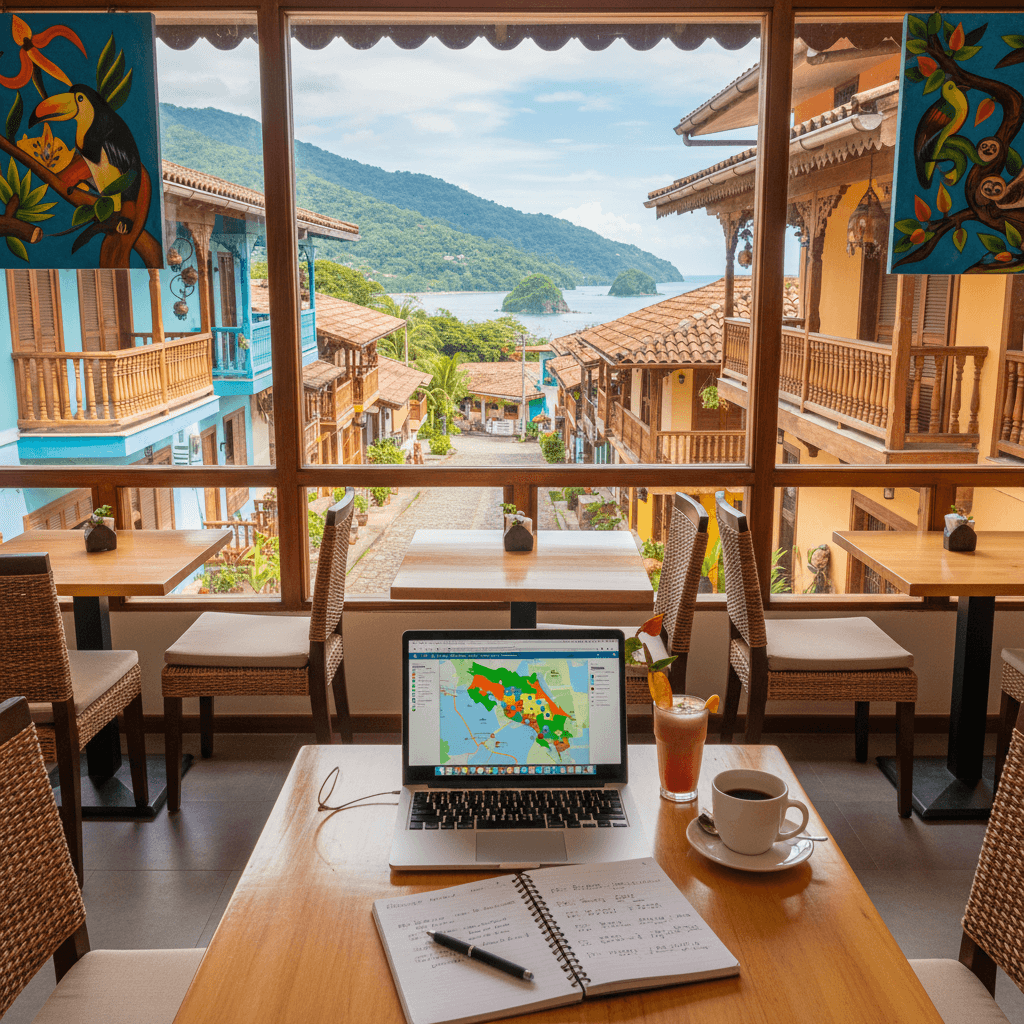
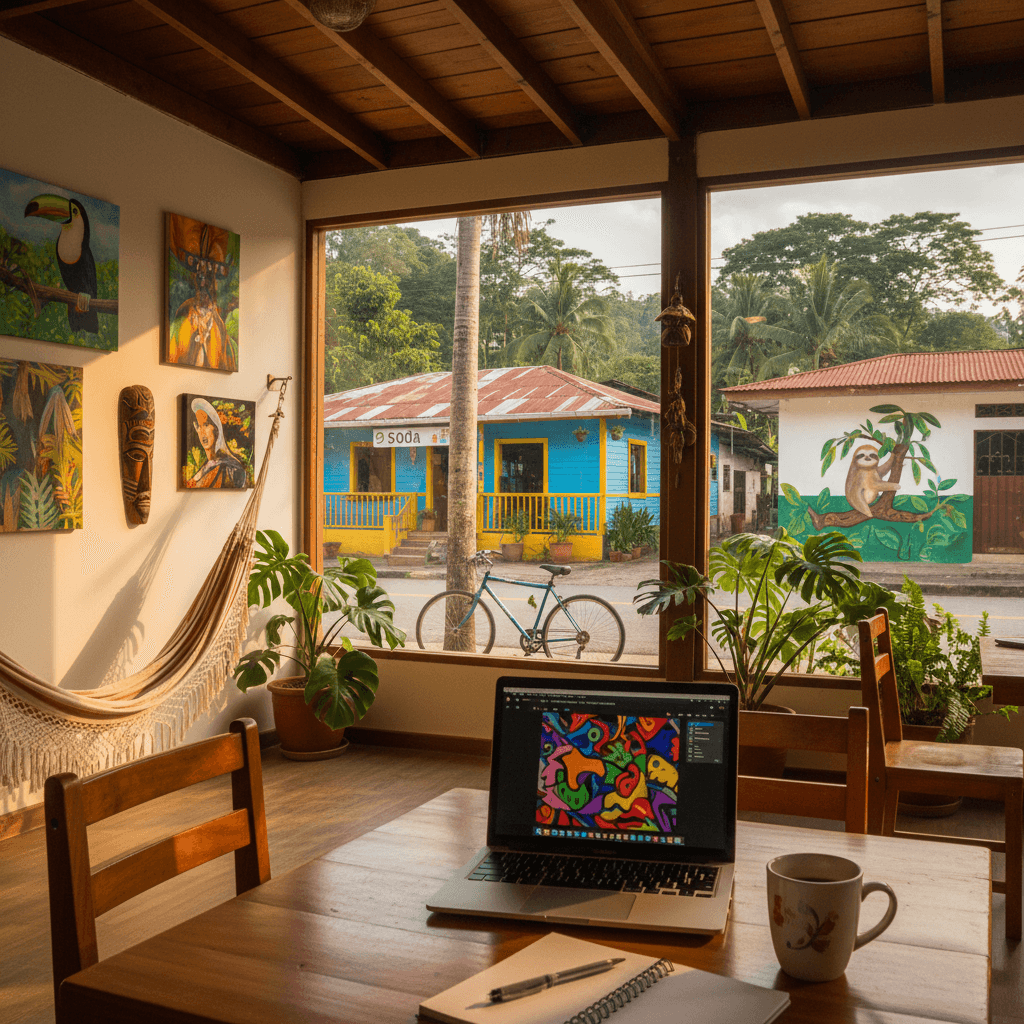
Puerto Viejo de Talamanca isn't your typical manicured resort town. It’s a gritty, beautiful, and unapologetically slow-paced corner of the Caribbean that feels worlds away from the high-rise developments of the Pacific coast. Here, the jungle literally meets the sea, and the soundtrack of your workday is a mix of crashing waves, distant reggae, and the guttural roar of howler monkeys. It’s a place where the Pura Vida lifestyle isn't just a marketing slogan; it’s a mandatory pace of life that forces even the most Type-A remote workers to downshift.
The vibe is a unique multicultural blend. You’ll find Afro-Caribbean roots, indigenous Bribri influences, and a tight-knit international expat community all sharing the same dusty bike paths. There are no traffic lights here, and most nomads find that shoes are entirely optional once they’ve settled in. It’s the kind of place where you’ll see a software engineer taking a Zoom call from a beachfront cafe before paddling out for a sunset surf session at Salsa Brava.
What Nomads Love (and Loathe)
The draw is the raw, immersive nature. You’re living in a biological corridor where sloths hang from power lines and toucans land in your backyard. The social scene is effortless; because the town is so compact, you’ll likely run into the same people at local cafes or while grabbing a $7 Caribbean chicken bowl. It’s easy to make friends, and the weekend party scene is legendary without feeling overly commercial.
However, the "jungle life" comes with trade-offs. The humidity is intense, and the rain can be relentless, especially outside the drier windows of February to May and September to October. Infrastructure is basic. While fiber optic internet has finally arrived, power outages happen, and the 4.5-hour bus ride from San José keeps the casual tourists at bay. Petty theft is also a reality here; travelers often warn against leaving bags unattended on the beach or walking alone on unlit paths at night.
The Cost of Living
Puerto Viejo is generally more affordable than Guanacaste or Manuel Antonio, but it’s not Southeast Asia. You’re paying for the privilege of being in a tropical paradise. Most nomads recommend a monthly budget of $2,000 to $2,500 to live comfortably, though you can scrape by on $1,200 if you’re staying in shared co-livings and cooking your own meals.
- Housing: A modest 1-bedroom flat or a studio in a co-living typically runs between $500 and $800 per month.
- Food: Local "sodas" serve hearty plates for $6 to $10, while a dinner at a trendy fusion spot will cost closer to $20.
- Transport: Almost everyone rents a beach cruiser bike for about $5 a day or $60 a month. It’s the primary way to get around.
The Neighborhood Breakdown
Choosing where to stay depends on how much "town" you want in your life. Most nomads gravitate toward these three main hubs:
Town Center
- Best for: Social butterflies and car-free nomads.
- The Vibe: Walkable, loud, and vibrant. You’re steps away from every bar, bank, and the main coworking hubs.
- The Downside: It can be noisy at night, and this is where petty crime is most concentrated.
Playa Cocles
- Best for: Surfers and nature lovers.
- The Vibe: Just a 10-minute bike ride south of town, Cocles feels more "jungle." It has a great surf break and a younger, athletic crowd.
- The Downside: You’ll need a bike to get into town for errands, and the jungle canopy can make the humidity feel even heavier.
Manzanillo
- Best for: Deep relaxation and long-term expats.
- The Vibe: Located at the end of the road, this is as quiet as it gets. It’s surrounded by a wildlife refuge and offers incredible snorkeling.
- The Downside: It’s a 20-minute drive or a long, sweaty bike ride from the main action. Amenities are very limited.
Ultimately, Puerto Viejo is for the nomad who values soul over shiny infrastructure. It’s for the person who doesn't mind a little mud on their sandals if it means watching the sunrise over a Caribbean reef before logging into Slack. It’s a place that demands you slow down, and if you fight that rhythm, the town will eventually spit you out. If you embrace it, you might find it very hard to leave.
The Price of Pura Vida
Puerto Viejo offers a softer blow to your wallet than the Pacific coast's high-end hubs like Nosara or Santa Teresa, but it's far from the rock-bottom prices you'll find in Southeast Asia. Here, you're paying for the Caribbean atmosphere and the ability to surf on your lunch break. Most nomads find that a monthly budget between $1,800 and $2,500 allows for a comfortable lifestyle without constant penny-pinching.
The local economy runs on a mix of Colones and U.S. Dollars. While you can use cards at larger supermarkets and established restaurants, the town still has a "cash is king" soul, especially for street food and bike rentals. Keep a stash of small bills for the fruit stands and local sodas.
Monthly Budget Breakdown
- Budget Nomad ($1,200 to $1,800): This tier involves staying in shared co-living spaces like The Lazy Loft or Casa Moabi, cooking most meals at home, and relying entirely on a rental bike for transport.
- Mid-Range Professional ($2,000 to $2,500): You'll likely opt for a private one-bedroom flat or a studio near Playa Cocles, eat out a few times a week at spots like Puerto&Co, and maintain a dedicated desk at a coworking space.
- Comfortable Living ($3,000+): This budget secures a private beachside villa with reliable fiber-optic internet, frequent dinners at upscale fusion restaurants, and perhaps a scooter rental to explore further down the coast toward Manzanillo.
Housing and Accommodation
Rent is your biggest variable. In the town center, you can find modest apartments for $500 to $800 per month. If you want to be closer to the surf at Cocles, expect those prices to climb closer to $1,000 for anything with modern amenities and a screened-in porch to keep the jungle bugs at bay. Expats often recommend scouring local Facebook groups or walking the neighborhoods in person, as the best long-term deals rarely make it onto Airbnb.
Food and Dining
Eating like a local is the best way to keep costs down. A "Casado" (a traditional plate with rice, beans, salad, and protein) at a local soda will set you back about $7 to $10. If you're craving international flavors or vegan bowls, expect to pay $12 to $18 for a main course.
- Street Food: Empanadas and Caribbean snacks for $3 to $6.
- Mid-range Dining: Dinner for two with drinks at a beachside spot usually lands around $40 to $50.
- Groceries: Expect to pay a premium for imported goods like peanut butter or specific cheeses. Stick to local tropical fruits and fresh fish to save.
Transport and Connectivity
One of the best parts about Puerto Viejo is that you don't need a car. The town is flat and incredibly bike-friendly. You can rent a cruiser for about $5 to $7 a day, or buy a used one for around $80 if you're staying for a few months. Shuttles to San José via services like Interbus cost roughly $50 to $60 and are much more convenient than the 5-hour public bus ride for those with heavy luggage.
For work, a day pass at a dedicated coworking space like Puerto&Co typically costs between $10 and $15. While many cafes offer free WiFi, the connection can be temperamental during heavy tropical downpours, making a paid backup plan a smart investment for anyone with frequent Zoom calls.
The Social Butterfly: Town Center (Puerto Viejo Proper)
If you want to be in the thick of the action, the town center is where you'll land. This is the heartbeat of the region, characterized by colorful street art, reggae echoing from beach bars, and a high concentration of shops and pharmacies. It's the most walkable area, making it a favorite for solo travelers and nomads who don't want to mess with a car or bike.
Living here means easy access to Puerto&Co, the go-to coworking hub with reliable fiber optic internet. You'll find a mix of budget hostels and mid-range apartments, with small flats typically renting for $500 to $800 a month. The community is tight-knit; you'll likely meet your neighbors over a $5 plate of street food or during a weekend party at a local bar.
- Best For: First-time visitors, social nomads, and those without transport.
- Pros: Immediate access to banks, laundry services, and the best nightlife.
- Cons: It gets noisy, and petty theft is more common here than in the outskirts, especially after dark.
The Remote Worker: Playa Cocles
Just a short bike ride south of town, Playa Cocles strikes the perfect balance between jungle immersion and functional living. It's the primary choice for digital nomads who prioritize surf sessions between Zoom calls. The waves at Salsa Brava are legendary, and the vibe is noticeably more laid-back than the town center.
Expats recommend this area for its high-quality housing options, including eco-lodges and private villas. While it's quieter, you aren't isolated; Work It Puerto Viejo provides an inspiring, quiet space for deep focus. Most nomads here rent a bike for around $5 a day to commute between their jungle bungalow and the beach.
- Best For: Surfers, long-term nomads, and those seeking a quieter "Pura Vida" pace.
- Pros: Stunning beaches, better quality rentals, and a strong sense of nature.
- Cons: You'll definitely need a bike or scooter to get around, as it's not truly walkable.
The Nature Enthusiast: Manzanillo
For those who find inspiration in silence and wildlife, Manzanillo is the end of the road, literally. Located at the edge of the Gandoca-Manzanillo Wildlife Refuge, this area is a sanctuary for families and travelers who want to wake up to the sound of howler monkeys and toucans. It's significantly more remote and retains a rugged, authentic Caribbean feel.
The pace here is slow, even by Costa Rican standards. You won't find many coworking spaces, so you'll need to verify your rental has a solid connection before booking. It's the best spot for snorkeling and hiking, though you'll be sacrificing the convenience of town. Expect higher humidity and more frequent rain showers due to the dense forest canopy.
- Best For: Families, couples, and nature photographers.
- Pros: Unbeatable wildlife access, serene environment, and incredible snorkeling.
- Cons: Very limited amenities, a 15-to-20 minute drive from the main town, and spotty internet in remote pockets.
The Settled Expat: Cahuita and Honey Hill
If you're looking for a semi-permanent base that feels a bit more "grown-up," the area toward Cahuita or the elevated Honey Hill is where many long-term expats gravitate. These neighborhoods are slightly more upscale and are often perceived as safer and more private than the bustling center. Honey Hill, in particular, offers cooling breezes and views that you won't get at sea level.
Living here usually requires a dedicated vehicle, as the hills can be a workout on a beach cruiser. It's a 10-to-15 minute trip into Puerto Viejo for social events, but the trade-off is a peaceful retreat with more space for your money. You'll find larger homes here that are better suited for those who aren't living out of a suitcase.
- Best For: Families, retirees, and expats staying six months or longer.
- Pros: Safer feel, more privacy, and larger property sizes.
- Cons: Requires a car or motorcycle; far from the main social hubs.
Connectivity in the Jungle
Puerto Viejo operates on Caribbean time, but your Zoom calls don't have to. While the town has historically struggled with shaky infrastructure, the arrival of reliable fiber optic lines has changed the game for remote workers. You can now find speeds sufficient for heavy uploads and video conferencing, provided you choose your base carefully.
Most nomads find that Kolbi or Claro offer the best local SIM card coverage. You can pick these up at small shops in the town center. If you prefer a digital-first approach, Holafly eSIMs work well for data, though having a local number is helpful for coordinating with landlords or booking shuttles. Just keep in mind that once you head south toward Manzanillo or deep into the jungle canopy, signal bars tend to drop off quickly.
The Cafe Culture
For those who prefer a "work from anywhere" vibe, the local cafe scene is welcoming. You'll see plenty of laptops at beachside spots, though the humidity and salt air can be tough on hardware. Expats recommend sticking to the town center for the most stable connections. Most cafes expect you to buy a coffee or a meal every couple of hours if you're taking up a table, which is a fair trade for the view.
A word of caution: always verify the internet speed before signing a monthly lease on an Airbnb or private rental. Ask the host for a screenshot of a speed test. While many places in Playa Cocles now have fiber, some older bungalows still rely on outdated copper lines or point-to-point wireless that crawls during the afternoon rain showers.
Power and Stability
Power outages are a reality here, especially during the peak of the rainy season from June to November. A heavy tropical storm can knock out the grid for an hour or two. Serious professionals often carry a portable power station or at least a high-capacity power bank to keep their laptops and routers running. If your job requires 100% uptime, having a backup hotspot on a different network than your home WiFi is a smart move.
Despite these minor hurdles, the trade-off is worth it. There is something uniquely rewarding about hitting "send" on a final project and being in the water at Salsa Brava five minutes later. The digital nomad community here is tight-knit and helpful; if you run into tech issues, the local Facebook groups are usually quick to offer advice or a spare charger.
Staying Safe in the Jungle
Puerto Viejo has a different safety profile than the Pacific side of Costa Rica. While the vibe is undeniably relaxed, the town has a reputation for higher petty crime rates. Most nomads feel perfectly safe during the day, but the community consensus is to stay hyper-vigilant after the sun goes down.
Theft is the most common issue, particularly "snatch and grab" incidents on the beach or from bicycle baskets. Expats recommend never leaving your bags unattended while you're swimming at Playa Cocles or Manzanillo. If you're biking between town and your rental at night, stick to the main paved road. Avoid the dark beach paths and unlit alleys after 8:00 PM, as these are known hotspots for opportunistic crime.
For solo travelers, the "buddy system" isn't just a suggestion here; it's the standard. If you're heading home from a reggae night at one of the beach bars, grab a taxi instead of walking alone. Even though the town is small and feels intimate, the dense jungle surroundings make it easy to lose your bearings in the dark.
Healthcare and Medical Services
You won't find a major hospital in Puerto Viejo. For minor ailments, stomach bugs, or surf rashes, there are several well-stocked pharmacies in the town center where pharmacists can provide basic medical advice and over-the-counter treatments. There are also local clinics that handle non-emergency consultations for a reasonable fee.
- Emergencies: Dial 911 for immediate assistance.
- Major Hospitals: The nearest high-quality facility is in Limón, which is about a one-hour drive north.
- Specialized Care: For serious procedures or specialized consultations, most expats head to San José, which is 4 to 5 hours away by shuttle.
Because of the distance to major medical hubs, comprehensive travel insurance is non-negotiable for nomads staying here. Make sure your policy covers medical evacuation just in case. If you're heading into the Gandoca-Manzanillo Refuge or hiking near Cahuita, keep in mind that help is further away than it looks on a map.
Practical Wellness Tips
The tropical humidity is no joke. Dehydration and heat exhaustion are more common than actual illness. Drink plenty of bottled or filtered water, as the tap water quality can be inconsistent depending on your specific rental's filtration system. Most long-termers buy the large 5-gallon jugs to be safe.
Mosquitoes are a constant presence, especially during the wetter months from June to November. While malaria isn't a primary concern, Dengue fever pops up occasionally. Use a strong repellent, especially at dawn and dusk, and ensure your accommodation has intact window screens or a mosquito net over the bed. It's a small price to pay for living in a place where sloths and toucans are your neighbors.
The Two-Wheeled Lifestyle
Puerto Viejo is one of those rare places where you can comfortably live without a car. The town is flat, compact, and built for a slow pace. Most nomads find that a bicycle isn't just a leisure choice; it's the primary mode of transport. You'll see everyone from local surfers to remote workers pedaling along the main coastal road with a board or a laptop bag strapped to the back.
Daily bike rentals typically cost around $5 to $7, but if you're staying for a month or more, it's worth buying a used "banana bike" for about $60 to $100 and selling it before you leave. For those staying further out in Playa Cocles or towards Manzanillo, electric bikes and scooters are becoming more common, usually renting for $15 to $25 per day. Just keep an eye on the road conditions, as potholes can be frequent after a heavy Caribbean downpour.
Getting Around Town and Beyond
While walking works perfectly within the town center, you'll want other options for exploring the coast. The local infrastructure is simple but functional.
- Walking: Ideal for the town center where the highest concentration of cafes and shops sit. Most essentials are within a 10 minute radius.
- Taxis: There is no Uber here. Taxis are informal and usually found near the bus station or the central park. Always negotiate the fare before you get in; a trip from town to Playa Cocles should run you roughly $4 to $8.
- Public Buses: The local bus runs between Puerto Viejo and Manzanillo roughly every hour. It's the most budget friendly way to reach the wildlife refuge, costing less than $2 per trip.
Arriving from San José
The journey from the capital is the biggest hurdle for new arrivals. Puerto Viejo is roughly 4.5 to 5 hours from San José, depending on the notorious traffic through Braulio Carrillo National Park. You have three main ways to make the trek:
- Shared Shuttles: Companies like Interbus or Caribe Shuttle are the gold standard for nomads. They offer door to door service from the airport or your hotel for about $55 to $65. They're reliable, have AC, and usually offer a halfway stop for coffee and snacks.
- Public Bus (MEPE): These depart from the Terminal Atlántico Norte in San José. At around $12, it's the cheapest route. The buses are basic but generally fine, though you'll need to watch your bags closely at the terminal and during stops.
- Flying: If you're short on time, you can take a domestic flight to Limón, which takes about 40 minutes. From Limón, you'll still need to grab a $40 to $50 taxi or a 1 hour bus to reach Puerto Viejo proper.
Navigation and Safety Tips
Expats recommend sticking to the main paved roads when biking at night. While the town is generally safe, the coastal road lacks streetlights in many sections. If you're cycling after dinner, ensure your bike has a working front light and a rear reflector. Petty theft can happen, so never leave your bike unlocked, even if you're just popping into a pulpería for a quick drink.
For navigating the jungle trails or finding specific vacation rentals tucked away in the trees, Google Maps is fairly accurate, but Waze is the preferred app for most drivers in Costa Rica. If you're heading to Cahuita National Park for a day trip, the bus is easy, but many nomads prefer the 10 mile bike ride for the scenery, just be prepared for the humidity.
The Caribbean Linguistic Blend
Puerto Viejo is a linguistic outlier in Costa Rica. While the rest of the country is firmly Spanish-speaking, this stretch of the Caribbean coast has a deep history of Jamaican migration. You'll hear a rhythmic, melodic English Creole spoken among the older Afro-Caribbean residents. It's a distinct dialect that gives the town its soul, making it one of the few places in Central America where English feels like a native tongue rather than just a tourist tool.
Most nomads find that they can get by with English in almost every interaction. From the surf instructors at Playa Cocles to the staff at local cafes, English proficiency is high. However, the town's recent growth has brought in more people from the Central Valley and other parts of Latin America. Spanish is still the official language for government business, most signage, and legal documents.
Mastering the "Pura Vida" Philosophy
You can't talk about communication here without mentioning Pura Vida. It literally translates to "pure life," but in Puerto Viejo, it's the answer to everything. It's a greeting, a goodbye, a way to say "no worries" when your coffee takes twenty minutes, and a general vibe check. If you want to connect with locals, use it often. It signals that you've dropped the frantic "big city" energy and are ready to embrace the slower Caribbean pace.
Expats recommend learning at least the basics of Spanish to show respect and build deeper connections. While you don't need to be fluent to order a $10 lunch or rent a bike, knowing how to ask for the bill (la cuenta, por favor) or greet your neighbors (buenos días) goes a long way. If you're looking to level up, check out local language meetups or informal exchanges often advertised in the Digital Nomads Costa Rica Facebook group.
Staying Connected
Communication isn't just about what you say, it's about staying online. For your phone, don't rely on your home roaming plan; it'll be slow and expensive. Most travelers pick up a local SIM card from Kölbi or Claro. You can find these at small shops in the town center or set up an eSIM via Holafly before you land to save the hassle.
- Kölbi: Usually has the best coverage in more remote jungle areas like Manzanillo.
- Claro: Reliable in the town center and Playa Cocles, often with competitive data packages for nomads.
- WiFi Reality: While fiber optic is becoming the standard at local coworking spaces, always ask for a speed test screenshot before booking an Airbnb. The thick jungle canopy and heavy rain can occasionally mess with satellite or older cable connections.
Key Phrases for Your Pocket
Beyond the standard Spanish 101, keep these local nuances in mind:
- Tico/Tica: What Costa Ricans call themselves. It's a term of pride.
- Con gusto: You'll hear this instead of "de nada" for "you're welcome." It means "with pleasure."
- Upe!: If you're visiting someone's house or a small shop and nobody is at the counter, shout this out. It's the local way of saying "is anyone home?"
Travelers often say that the best way to communicate here is with patience. Puerto Viejo operates on "island time." If someone tells you they'll meet you at 2:00 PM, they might mean 2:30 PM. Don't stress it; just grab a pipa fría (cold coconut) and enjoy the scenery while you wait.
Puerto Viejo operates on its own clock, and that clock is heavily dictated by the Caribbean sky. Unlike the Pacific coast, which follows a strict dry and rainy season, the Talamanca region is famously unpredictable. You should expect humidity to be your constant companion, with temperatures hovering between 75°F and 85°F year-round. It's a tropical sweatbox in the best way possible, keeping the jungle lush and the wildlife active.
The Best Windows for Deep Work
If you're planning a three-month stint to knock out a major project, aim for February through May or the surprise "veranillo" (little summer) in September and October. While the rest of Costa Rica is drowning in October rain, Puerto Viejo often enjoys some of its clearest, calmest days. This is the sweet spot for nomads who want to spend their lunch breaks snorkeling at Manzanillo or surfing the Salsa Brava break without a sudden downpour soaking their laptop bag.
- February to May: This is peak season for a reason. The days are sunny, the Caribbean Sea is like a swimming pool, and the biking trails are dry.
- September and October: This is the local secret. While Pacific hubs like Nosara are shuttering for the rain, Puerto Viejo stays relatively dry and significantly cheaper.
- March and April: These are arguably the top months. The greenery is still popping from the winter rains, but you'll get the most consistent sunshine for beach days.
Dealing with the Downpours
The "rainy" season here isn't a total washout, but it is intense. Between June and August, and again in November and December, you'll encounter heavy afternoon or overnight tropical storms. Just be aware that heavy rain can sometimes mess with power lines, though fiber optic internet in the town center is generally resilient.
Expats recommend always carrying a dry bag for your electronics, especially if you're commuting by bike. A sunny morning can turn into a torrential downpour in twenty minutes. If you're sensitive to mold or humidity, look for accommodations with good airflow or AC, as the dampness during these months can be tough on gear and clothing. Many find that the rain provides a great excuse to stay focused at a coworking space.
Seasonal Pricing and Crowds
Your budget will fluctuate based on the sky. During the peak sun months of December through April, expect to pay a premium. Short-term rentals can jump by 20% to 40%, and the town center gets lively with travelers from San José and abroad. If you're looking for a bargain and don't mind a few wet afternoons, the shoulder months offer a much more relaxed, affordable vibe.
- High Season (Dec-April): Expect 1BR flats to hit $800 or more. Book months in advance.
- Low Season (May-Nov): You can often negotiate better monthly rates at local guesthouses or find deals at The Lazy Loft.
- Holiday Peaks: Christmas, New Year, and Easter (Semana Santa) see prices spike and town become incredibly crowded. Most long-term nomads use these weeks to head to the mountains or stay tucked away in quieter spots like Playa Cocles.
Connectivity and Tech
Staying connected in Puerto Viejo is much easier than it used to be, but you still need to be selective about where you set up shop. Fiber optic internet has reached the coast, making high-speed video calls possible in the town center and parts of Playa Cocles. Most nomads recommend Puerto&Co for the most stable connection; it's a dedicated coworking space with a vegan cafe and day passes for around $10 to $15. If you prefer a quieter environment, Work It Puerto Viejo offers a peaceful, jungle-surrounded setting that helps with deep focus.
Don't rely on a rental's "high-speed WiFi" claim without proof. Ask for a speed test screenshot before booking, especially for properties further south toward Manzanillo. For backup, grab a local SIM card from Kolbi or Claro at one of the small shops in town. If you want to hit the ground running, an eSIM from Holafly works well, though local physical SIMs are usually cheaper for long-term stays.
Money and Budgeting
While Costa Rica isn't as cheap as Southeast Asia, Puerto Viejo is more affordable than Pacific coast hotspots like Nosara. A solo nomad can live modestly on $1,200 to $1,800 a month by staying in co-living spaces like The Lazy Loft or Casa Moabi and eating at local sodas. If you want a private one-bedroom flat and frequent mid-range restaurants, budget closer to $2,500.
- Daily Bike Rental: Around $5
- Street Food/Local Soda Meal: $5 to $8
- Mid-range Dinner: $10 to $15
- Monthly Rent (1BR): $500 to $800
ATMs are available in the town center, but they occasionally run out of cash on busy holiday weekends. Most restaurants and supermarkets accept cards, but you'll need colones for smaller vendors, bike rentals, and bus fares. Using a fintech card like Wise or Revolut is the best way to keep conversion fees low.
Getting Around
You won't need a car here. In fact, the "cruiser bike" is the unofficial mascot of Puerto Viejo. Most expats and travelers rent a bicycle for the duration of their stay to commute between town and the beaches at Cocles or Punta Uva. The terrain is flat, making it an easy ride, though you should always use a sturdy lock.
To get here from San José, the public bus takes about 4.5 hours and is very budget-friendly. For a more comfortable trip, book a shuttle service like Interbus, which offers door-to-door service. Once you're in town, taxis are available but informal; there is no Uber service in this part of the country.
Safety and Health
The vibe is relaxed, but petty theft is a reality. Don't leave your bag unattended on the beach while you swim, and avoid walking alone on dark beaches or unlit backroads after sunset. Stick to the main paved roads at night, and if you're staying further out, use a bike light or a headlamp.
For medical needs, there are several pharmacies in the center for minor ailments. For anything serious, you'll likely need to head to the hospital in Limón, which is about an hour away. It's always a good idea to have travel insurance that covers medical evacuations given the town's remote location.
Timing Your Stay
The Caribbean side has a different weather pattern than the rest of Costa Rica. While the Pacific coast is bone-dry in March, Puerto Viejo stays lush and tropical. The best windows for sunshine are February through May and a unique "dry" spell in September and October. Expect humidity year-round, usually hovering between 75°F and 85°F. If you hate rain, avoid November and December, when the tropical downpours are at their peak.
Need visa and immigration info for Costa Rica?
🇨🇷 View Costa Rica Country GuideEasy Landing
Settle in, no stress
Monthly Budget Estimates
More cities in Costa Rica
Liberia
🇨🇷 Costa Rica
Alajuela
🇨🇷 Costa Rica
Heredia
🇨🇷 Costa Rica