Puerto Plata
🇩🇴 Dominican Republic
The North Coast's Authentic Middle Ground
Puerto Plata occupies a unique space in the Dominican Republic. While Punta Cana is for tourists and Cabarete is for the kite-surfing crowd, Puerto Plata is for the nomad who wants a real city with a colonial heart and a beach in the backyard. It feels more lived-in and grounded than the resort towns. You'll find Victorian architecture and cobblestone streets in the center, but just a few minutes away, you're looking at the Atlantic from a shaded spot on Playa Dorada.
The vibe here is noticeably slower and more affordable than other Caribbean hubs. It’s the kind of place where you can spend your morning on a Zoom call with high-speed fiber internet and your afternoon taking the cable car up Mount Isabel de Torres for a view of the coast. It’s less of a "scene" and more of a community. You aren't just another tourist; you're part of a city that’s been a trade hub for centuries.
Living the Puerto Plata Lifestyle
Most expats and remote workers gravitate toward gated enclaves like Costambar or the more polished Playa Dorada area. These spots offer a "soft landing" with walkable beach access and security. If you’re looking for something more local and budget-friendly, Torre Alta is the neighborhood to watch. It’s perched a bit higher up, offering better breezes and a more authentic Dominican urban experience without the resort price tag.
The social life here isn't about massive networking events or neon-lit clubs. It’s about long lunches of rice, beans, and chicken (the classic comida corriente) and sunset drinks with a growing group of international residents. While the nomad community is smaller than what you'll find in Santo Domingo, it’s tight-knit and welcoming. You’ll likely meet more locals than you would in a typical expat bubble, which is exactly why people choose this city.
The Practical Reality
Life here is comfortable but requires a bit of common sense. The city carries a "Caution" safety rating, so while neighborhoods like Costambar have solid security infrastructure, you’ll want to stay aware of your surroundings as you would in any mid-sized city. The infrastructure is catching up fast, and the recent expansion of fiber-optic cables has been a game-changer for anyone relying on a stable connection.
Expect to spend between $1,200 and $2,000 USD per month to live well. This isn't the cheapest place on earth, but the value is undeniable when you consider you're living on the Caribbean coast with all the modern amenities of a provincial capital. It’s a place for the long-term traveler who values peace and authenticity over a 24/7 party vibe.
Cost of Living Breakdown
- Studio or 1BR Rent: $400 to $600 for budget spots; $700 to $1,000 for mid-range gated areas.
- Daily Meals: $3 to $5 for street food; $8 to $15 for a solid mid-range restaurant sit-down.
- Connectivity: $150 to $250 monthly for dedicated coworking or high-end residential fiber setups.
- Transportation: $0.50 to $1 for local transit options around the city center.
Ultimately, Puerto Plata feels like a city on the rise. It’s shaking off its reputation as just a cruise port and becoming a viable, quiet alternative for those who want the Dominican sun without the frantic energy of the bigger tourist hubs. If you can handle a slightly more "raw" experience than a manicured resort, you'll find a very rewarding home here.
The Monthly Bottom Line
Puerto Plata is one of the few spots left in the Caribbean where you can live well without a massive bankroll. Most nomads find they spend between $1,200 and $2,000 USD per month. It's significantly cheaper than Punta Cana or Santo Domingo, but you still get the infrastructure of a real city. If you're coming from a major US or European hub, the savings on daily life are the first thing you'll notice.
Housing and Neighborhoods
Your biggest variable is going to be how close you want to be to the sand. For a standard one bedroom apartment, expect to pay between $400 and $600 if you're okay with a local vibe, or up to $1,200 for something modern in a gated community.
- Costambar and Playa Dorada: These are the established expat favorites. They're gated, walkable, and have reliable security. Rents here usually hit the $700 to $1,000 range for a mid-range setup.
- Torre Alta: This is the up and coming pick for nomads who want an authentic Dominican feel. It's in the city center and offers lower prices than the beach zones without sacrificing urban conveniences.
- The Plantation (near Sosúa): If you don't mind a short commute, this area offers newer builds with modern finishes. You can often find luxury amenities here for 30% to 50% less than beachfront prices.
Eating and Drinking
The food scene is a mix of cheap local eats and more polished international spots. A typical local lunch, often called a comida corriente with rice, beans, and chicken, will set you back about $3 to $5 at a street stall or small cafeteria. It's the best way to keep your budget in check while eating like a local.
When you want a proper sit-down meal, a mid-range restaurant usually costs between $8 and $15. For the nights you want to splurge on upscale dining in Playa Dorada or the city center, expect to pay $20 to $40 per person. Groceries are affordable if you stick to local produce, though imported snacks and spirits carry a premium.
Connectivity and Workspace
Working remotely here has become much easier lately. High speed fiber internet is now common in the expat heavy neighborhoods like Costambar. While Puerto Plata doesn't have the massive coworking hubs you'll find in Cabarete, there are plenty of cafes with solid Wi-Fi. A monthly coworking membership in the region typically runs between $150 and $250.
Expats recommend having a backup plan. Even with fiber, power blips can happen. Most long termers invest in a local SIM card from Claro or Altice. Prepaid data plans are cheap, and having a portable hotspot can save your skin during a Zoom call if the power flickers.
Getting Around
If you aren't renting a car, you'll likely rely on local transport. It's incredibly cheap, often costing between $0.50 and $1 per trip. While the neighborhoods of Costambar and Playa Dorada are quite walkable for your daily errands, you'll want wheels or a taxi for exploring further out. The city is manageable, but the tropical heat means you probably won't want to walk long distances at midday.
Health and Wellness
Medical costs are another area where your dollar goes further. In the main expat areas, you'll find English speaking medical facilities that are used to dealing with international insurance. It's always smart to have a solid travel health policy, but out of pocket costs for basic visits or pharmacy runs are generally much lower than in North America.
For the Comfort-Seekers: Costambar and Playa Dorada
If you're looking for a soft landing, Costambar and Playa Dorada are the heavy hitters. These are established, gated communities where security is a priority and the lifestyle feels a bit more manicured. You'll find a high concentration of expats here, which means English is widely spoken and the medical facilities are top tier.
The biggest draw is the walkability. You can roll out of bed and be on the sand in minutes, or walk to an international restaurant for dinner without needing a car. However, that convenience comes with a premium. Rent for a solid 1BR or studio usually lands between $700 and $1,000, and you'll trade some of that raw Dominican grit for a more commercial, resort-style vibe.
- Rent: $700 to $1,200+ per month
- Vibe: Secure, relaxed, and internationally oriented
- Best for: Expats and families who want safety and easy beach access
For the Cultural Explorers: Torre Alta
Torre Alta is the neighborhood to watch right now. Located closer to the Puerto Plata city center, it's an up and coming area that offers a much more authentic slice of life than the gated communities. It's where you'll find local professionals and long term nomads who want to be near the urban action without the tourist price tag.
Living here means you're closer to the colonial charm of the historic center and local markets. While it lacks the immediate beachfront of Costambar, the prices are significantly lower, often starting around $400 to $600 for a decent apartment. It's a great spot if you're trying to improve your Spanish and want to feel like you actually live in the Dominican Republic rather than a vacation bubble.
- Rent: $400 to $800 per month
- Vibe: Authentic, urban, and residential
- Best for: Budget conscious nomads and cultural purists
For the Long-Term Remote Worker: The Plantation Area
If you have a car or don't mind a bit of a commute, look toward the Plantation area near Sosúa. This is a newer residential development that has become a favorite for serious remote workers. Since it's tucked away from the coast, you get much more bang for your buck. You can find modern, newly constructed apartments here for 30% to 50% less than what you'd pay for a beachfront unit.
The trade off is the distance. You'll be further from the main attractions and the beach, but in return, you get a quiet environment perfect for deep work. Most nomads here rely on the expanded fiber optic internet that has finally reached these residential pockets, making those Zoom calls much more reliable than they used to be.
- Rent: $500 to $900 per month
- Vibe: Quiet, modern, and suburban
- Best for: Solo travelers and nomads on a strict budget who need a home office
Which one should you choose?
Most travelers find that their choice depends on their tolerance for the "local experience." If you're new to the Caribbean, start in Costambar. The gated security and English speaking neighbors make the transition easy. If you've been around the block and want to save cash while soaking up the culture, Torre Alta is your best bet. For those planning to stay six months or more and who prioritize a modern kitchen and fast Wi-Fi over a sea view, the Plantation area is the smart financial move.
Regardless of where you land, keep your transport costs in mind. Local trips usually cost between $0.50 and $1, but if you're living in the outskirts, those costs can add up if you're heading to the beach every day.
Connectivity Realities
Puerto Plata has made massive strides in infrastructure over the last few years. While the city used to be a gamble for remote workers, fiber optic internet is now the standard in major expat hubs. If you are staying in Costambar, Torre Alta, or the Playa Dorada area, you can expect speeds reliable enough for back to back Zoom calls and heavy cloud uploads.
Most nomads find that while the main lines are fast, the local power grid can still be unpredictable. It is not uncommon to have a brief outage during a tropical storm. To stay online, expats recommend booking accommodations that specifically advertise a backup power source, often called an inverter or "planta." If your Airbnb doesn't have one, your workday might end abruptly when the lights flicker.
Coworking Spaces and Cafes
The coworking scene in Puerto Plata is still in its "growing" phase compared to the digital nomad hubs of Cabarete or Santo Domingo. You won't find a massive selection of dedicated desk spaces right in the city center, but the regional infrastructure is catching up. Most nomads here pay between $150 and $250 per month for dedicated access to reliable hubs.
- Regional Hubs: While Puerto Plata city has fewer formal offices, many nomads take the short trip to nearby Sosúa or Cabarete to use established coworking spaces with international communities.
- Resort Areas: In Playa Dorada, several high end cafes and resort business centers offer quiet corners with strong Wi-Fi for the price of a few espressos.
- Cafe Culture: The local "work from cafe" vibe is most prominent in the colonial zone and tourist areas. Just keep in mind that the midday sun is no joke; most people try to knock out their deep work between 8 AM and 1 PM before the heat makes focusing difficult.
Mobile Data and Backup Plans
A local SIM card is your best friend here. It is your primary fail-safe for when the home Wi-Fi dips. You should pick up a physical SIM or an eSIM immediately upon landing at the airport to avoid hunting for a shop later. The two main players are Claro and Altice. Both offer affordable prepaid plans that are easy to top up via their respective apps.
For a seamless experience, travelers often use this setup:
- Primary: Home fiber optic (verify this with your landlord before signing a lease).
- Secondary: A local Claro or Altice SIM with a generous data package.
- Emergency: A portable Wi-Fi hotspot device. This is a favorite tool for nomads who want to work from the beach at Costambar without relying on shaky public signals.
Practical Tips for Remote Workers
Since the nomad community here is smaller than in the capital, you won't find a networking event on every corner. If you are looking to connect with the tech and creative crowd, keep an eye on Santo Domingo events, specifically at places like Chez Space. They often host mixers that are worth the trip if you need a break from the quiet beach life of the north coast.
Always test the Wi-Fi speed before you commit to a long term rental. Ask the host for a screenshot of a speed test taken during peak hours. In neighborhoods like Torre Alta, you can get great deals on rent, but you need to be certain the fiber lines have reached that specific street before you move in.
Staying Safe in the Silver City
Puerto Plata carries a Caution rating on the Nomad Index, currently ranking #820 globally. While that might sound intimidating, the reality on the ground is more about being street smart than being in constant danger. Most expats find that safety here is largely determined by where you choose to lay your head and how you carry yourself in public.
The city is a bit of a patchwork. You have high-end, gated enclaves like Costambar and Playa Dorada that feel very secure. These neighborhoods have dedicated security infrastructure, including gated entries and private patrols, which is why they remain the top choice for families and solo female travelers. In contrast, the city center and up and coming spots like Torre Alta require a bit more awareness, especially after dark.
Common sense goes a long way here. Most petty crime is opportunistic; don't leave your phone on a cafe table or flash large stacks of pesos while paying for a local lunch. If you're heading out for the night, use a taxi or a trusted driver rather than walking through unlit areas. Nomads who've spent time in the North Coast generally feel that Puerto Plata is more relaxed than the capital, but it lacks the tight knit, "everyone knows everyone" bubble of nearby Cabarete.
- Stick to gated communities if security is your primary concern; Costambar is a favorite for its self contained feel.
- Avoid walking alone at night in the city center or on isolated stretches of beach.
- Keep a low profile regarding expensive electronics when you're outside of coworking spaces or your apartment.
Healthcare and Medical Services
The healthcare situation in Puerto Plata is surprisingly accessible for foreigners, provided you have the right insurance. If you're living in the expat hubs of Playa Dorada or Costambar, you'll find medical facilities with English speaking staff who are used to treating international patients. This is a massive relief for those whose Spanish is still a work in progress.
While the search results don't name every specific clinic, local expats generally point newcomers toward the private centers rather than public hospitals. Private clinics in the North Coast are modern and equipped for most routine issues, minor surgeries, and emergency care. For anything highly specialized or complex, many people still opt to head to Santiago or Santo Domingo, which house the country's top tier medical institutions.
Pharmacies (locally called farmacias) are everywhere and are remarkably well stocked. You can get many medications over the counter that would require a prescription back home, but it's always better to consult a local doctor first. Most pharmacies in the tourist areas will have someone on staff who speaks at least a little English.
Practical Health Tips for Nomads
- Get international health insurance before you land. Private care is excellent but can get expensive quickly if you're paying out of pocket.
- Stick to bottled water. Even locals don't drink the tap water here. Use bottled water for drinking and even for brushing your teeth if you have a sensitive stomach.
- Prepare for the sun. The Dominican sun is no joke, especially between 12 PM and 3 PM. Expats recommend getting your outdoor activities done early in the morning so your brain doesn't turn to mush by noon.
- Stock up on repellent. Mosquito borne illnesses like Dengue do pop up occasionally, so keep the bug spray handy, especially during the wetter months.
Overall, Puerto Plata offers a manageable environment for those who prioritize their well being. By choosing a neighborhood with established security and keeping the number of a local private clinic saved in your phone, you'll find it's a comfortable place to call home for a few months.
The Local Commute
Puerto Plata is a city where your transit style depends entirely on which pocket of the coast you call home. If you're staying in the gated enclaves of Costambar or Playa Dorada, you'll find these areas are surprisingly walkable. Most nomads here get by on foot for daily essentials, beach runs, and hitting local cafes. However, once you step outside these bubbles, the city’s transport system becomes a bit more chaotic and colorful.
The most common way to get around like a local is via the guagua (public minibus) or the motoconcho (motorcycle taxi). These are incredibly cheap, usually costing between $0.50 and $1 per trip. While they're efficient for short bursts, they aren't for the faint of heart. Motoconchos are the fastest way to weave through traffic, but most expats suggest saving these for quick daylight trips and always keeping a firm grip.
Ride-Hailing and Taxis
For those who prefer a bit more climate control and security, ride-hailing is the way to go. Uber does operate in Puerto Plata, though the fleet is smaller than what you'll find in Santo Domingo. It's a reliable choice for getting home after a late dinner or when you're carrying a laptop bag. If Uber is slow, local taxi stands are everywhere, but you'll need to agree on the price before you get in. Expect to pay a premium compared to the local buses, but it's still affordable by international standards.
Navigating the North Coast
If you're planning to explore beyond the city limits to spots like Sosúa or the surf vibes of Cabarete, you have a few solid options:
- Public Guaguas: These vans run constantly along the main highway connecting the coastal towns. They're cramped but dirt cheap.
- Car Rentals: If you're living in the Plantation area or other outskirts, a car is almost a necessity. Be prepared for aggressive local driving styles and keep an eye out for potholes on side roads.
- Private Shuttles: Many expats use pre-booked drivers for airport transfers or longer day trips to ensure a fixed price and a reliable vehicle.
Arrival and Airport Transfers
Most nomads fly into Gregorio Luperón International Airport (POP), which is conveniently located about 15 to 20 minutes from the main expat hubs. To avoid the stress of haggling after a long flight, it's a smart move to arrange a transfer through your accommodation or use a reputable taxi service at the arrivals gate. While some travelers try to catch a guagua from the main road outside the airport, it's a hassle with luggage and generally not recommended for your first arrival.
Practical Tips for Nomads
The sun in Puerto Plata is no joke. Most seasoned residents plan their movement for the early morning hours, roughly 8 AM to 1 PM. By noon, the humidity and heat make walking any significant distance a sweaty ordeal. If you're heading to a coworking session or a meeting, factor in a few extra minutes for a taxi rather than arriving drenched from a walk.
For long-term stays, many nomads eventually look into renting or buying a small scooter. It offers the ultimate freedom to hop between Torre Alta and the beach without waiting on a driver. Just make sure you're comfortable with the local traffic flow before you commit to two wheels.
The Spanish Reality and the Expat Bubble
In Puerto Plata, Spanish is the heartbeat of the city. While you can get by with English in the gated enclaves of Costambar and Playa Dorada, the vibe changes quickly once you head into the city center or neighborhoods like Torre Alta. Most locals you'll encounter at the colmados (small grocery stores) or riding motoconchos won't speak much English, so having a few phrases in your back pocket is more than just a courtesy, it's a survival skill.
Expats who've lived here for a while recommend focusing on "Dominicanisms." The local dialect is fast, often drops the "s" at the end of words, and is packed with slang. Learning to say "¿Qué lo qué?" instead of a standard "¿Cómo estás?" will immediately earn you a smile and a warmer reception from the community.
English Proficiency in Professional Settings
If you're worried about emergencies, the news is generally good. Because Puerto Plata has a long history of tourism, medical facilities in the expat-heavy areas usually have English-speaking staff. Many international restaurants and high-end hotels also employ staff who are fluent enough to handle complex requests. However, for anything involving government offices, local mechanics, or utility providers, you'll likely need a translator or a very reliable translation app.
- Medical Care: High English proficiency in Costambar and Playa Dorada clinics.
- Daily Errands: Low to moderate English; Spanish is expected at local markets.
- Business/Networking: Mostly Spanish, though the tech scene in nearby hubs often uses English as a bridge.
Digital Tools for Navigating the Gap
Most nomads find that Google Translate is their best friend here, especially the camera feature for translating menus or signs in Torre Alta. Since data is cheap, keep your phone loaded with a local SIM from Claro or Altice so you aren't stuck without a translation tool when you're away from your home fiber connection. Many travelers also suggest downloading the Spanish dictionary for offline use, just in case you hit a dead zone while exploring the North Coast.
The Social Language of Puerto Plata
The nomad community here is growing but still smaller than the crowds in Cabarete or Santo Domingo. This means social interactions are often more intimate and genuine. If you want to network with the local creative class, you might find yourself heading to Santo Domingo for events at spaces like Chez Space, where the crowd is bilingual and tech-focused. Locally, social life revolves around the beach and international eateries where English is the common denominator among the expat crowd.
To really integrate, try to join a local WhatsApp group for expats or nomads in the Plantation area or Costambar. These groups are the primary way information is shared, from water delivery tips to finding a Spanish tutor. While the city's safety rating sits at #2074 on the Nomad Index, being able to communicate clearly with your neighbors is one of the best ways to stay informed and secure.
The Tropical Rhythm
Puerto Plata serves up classic Caribbean warmth year round, but the experience changes significantly depending on when you touch down. Because the city sits on the North Coast, it has a slightly different weather pattern than the southern part of the island. You'll find it's generally lush and green, thanks to a healthy amount of rainfall that keeps the landscape from looking scorched.
The daily temperature usually hovers between 78°F and 85°F. While that sounds perfect, the humidity is the real factor for anyone planning to work remotely. Local nomads often suggest getting your deep work done between 8 AM and 1 PM. By noon, the sun is intense enough to turn your brain to mush, making those afternoon siestas or beach sessions a practical necessity rather than just a luxury.
Peak Season: December to April
This is widely considered the best time to visit if you want to dodge the rain and enjoy the most comfortable temperatures. The air is drier, the nights are slightly cooler, and the ocean is usually calm enough for swimming at Playa Dorada or Costambar. This is also when the expat community is most active, with more meetups and social events happening in the gated communities.
- Pros: Best weather for outdoor activities; vibrant social scene; lower humidity.
- Cons: Higher prices for short term rentals; more tourists in the city center; popular spots can feel crowded.
The Shoulder Season: May to August
If you don't mind a bit of sweat, the summer months offer a more authentic vibe. The temperatures climb into the low 90s, and the humidity kicks up a notch. This is a great time for budget conscious travelers to negotiate longer leases in neighborhoods like Torre Alta or the Plantation area, where prices can drop by 30% to 50% compared to the beachfront peak season rates.
Rainy Season and Hurricane Risks
The North Coast sees its heaviest rains from October through December. Unlike many tropical places where it rains for an hour and stops, Puerto Plata can experience grey, soggy days that might dampen your plans for a beach office. It's also important to remember that hurricane season officially runs from June through November. While direct hits are relatively rare, the storms can cause power outages and internet disruptions.
Expats living here long term recommend a few essentials for the wetter months:
- Choose a rental with a backup generator (inversor) to keep your Wi-Fi running during storms.
- Keep a local SIM card from Claro or Altice as a hotspot fail-safe.
- Avoid heavy travel or mountain excursions during weeks of predicted heavy rain due to potential road washouts.
The Verdict
For the best balance of work and play, aim for February or March. You'll get the best weather for exploring the colonial zone and the most reliable conditions for your morning coffee on the balcony. If you're on a tight budget and can handle the heat, June is a solid runner up before the peak of the Atlantic hurricane season kicks in.
Connectivity and Tech Setup
Puerto Plata has seen a major infrastructure boost lately. High speed fiber optic internet is now the standard in expat heavy pockets like Costambar and Playa Dorada. You can expect speeds reliable enough for back to back Zoom calls, though power outages can still happen occasionally. Most long term nomads recommend picking an apartment with a backup generator or investing in a portable Wi-Fi hotspot as a fail safe.
For mobile data, grab a SIM card from Claro or Altice. You can find kiosks at the airport, but you will get better rates at official stores in the city center. Prepaid plans are cheap and easy to top up. If your phone supports it, download an eSIM before you land so you have data the second you hit the tarmac.
While Puerto Plata does not have a massive dedicated coworking hub like you will find in Cabarete, there are plenty of laptop friendly cafes. If you need a more formal office environment, monthly hot desk rates usually land between $150 and $250. Many remote workers find that the quieter, residential vibe of the Plantation area near Sosúa provides the best environment for deep work, especially since rents there are 30% to 50% lower than beachfront spots.
Money and Budgeting
Your dollars go further here than in Punta Cana or Santo Domingo. A comfortable monthly budget for a single nomad usually sits between $1,200 and $2,000. Here is a quick breakdown of what to expect:
- Housing: A basic studio in Torre Alta goes for $400 to $600, while a modern 1BR in a gated community like Costambar ranges from $700 to $1,000. High end luxury spots will run you $1,200 and up.
- Food: Local street food or a comida corriente (rice, beans, and chicken) costs $3 to $5. A meal at a mid range international restaurant averages $8 to $15, while upscale dining hits $20 to $40 per person.
- Transport: Local commutes are incredibly cheap, often costing between $0.50 and $1 per trip.
Safety and Health
The city currently holds a caution rating for safety, which mostly means you need to use common sense. Stick to well lit areas at night and keep your valuables out of sight. Expats generally prefer gated communities like Costambar because they have dedicated security infrastructure and a more predictable environment.
If you get sick, you are in good hands in the tourist zones. Neighborhoods like Playa Dorada have medical facilities with English speaking staff. It is still smart to have a solid travel insurance policy that covers private hospital visits, as these are the preferred choice for the nomad community.
Getting Around
If you live in Costambar or Playa Dorada, you can get by on foot for your daily errands and beach trips. For everything else, local transport is the way to go. While the city is not as walkable as a European capital, the low cost of local transit makes it easy to hop between the colonial center and the coast. Always confirm your fare before getting into a vehicle to avoid the "tourist tax."
Cultural Nuances
Spanish is the heartbeat of the city. While you will find English speakers in medical clinics and high end restaurants, learning basic phrases will change your experience entirely. It helps with everything from negotiating rent to making friends at the local colmado.
The sun here is no joke. Most seasoned nomads follow a "split shift" schedule: work from 8 AM to 1 PM, take a long break when the heat peaks at noon, and finish up in the late afternoon. This keeps your brain from turning to mush and lets you enjoy the beach when the light is best.
Need visa and immigration info for Dominican Republic?
🇩🇴 View Dominican Republic Country GuideHidden Gem
Worth the effort
Monthly Budget Estimates
More cities in Dominican Republic
Cabarete
🇩🇴 Dominican Republic
Punta Cana
🇩🇴 Dominican Republic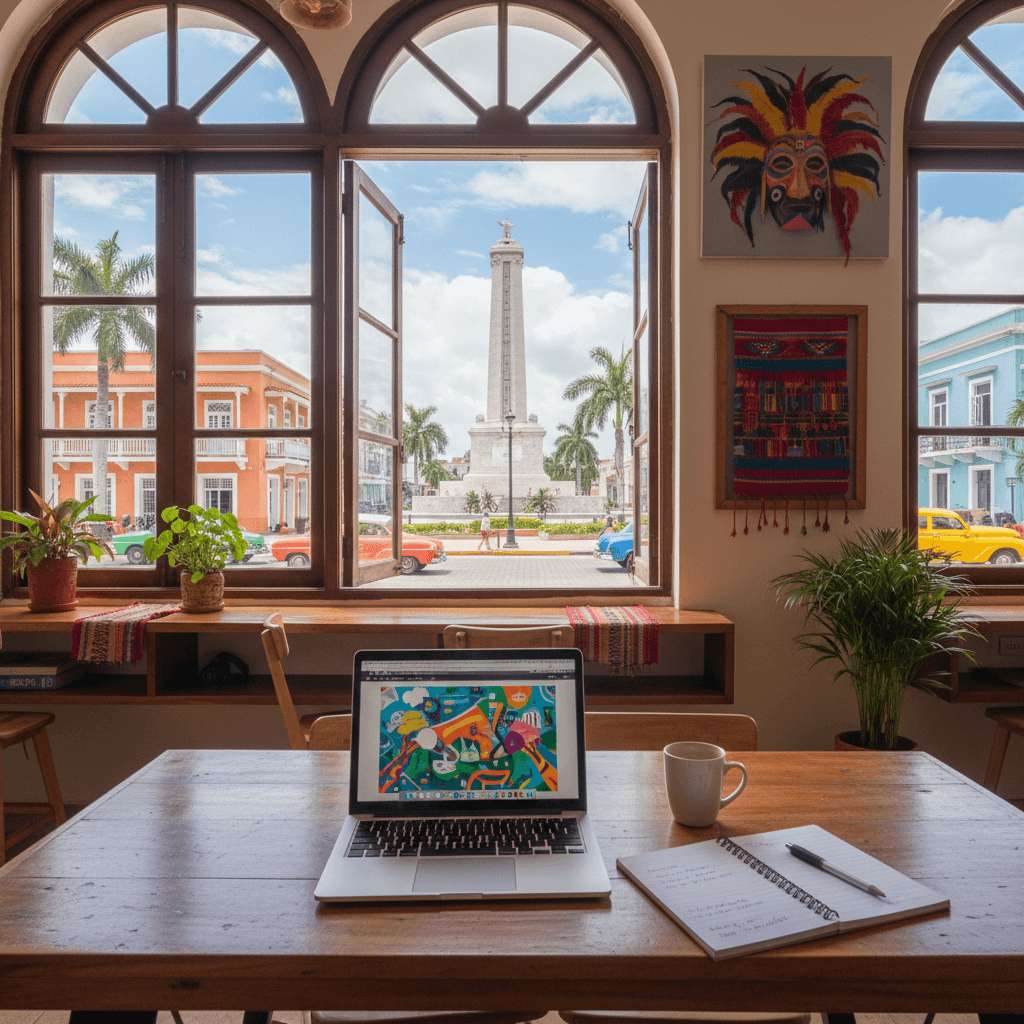
Santiago de los Caballeros
🇩🇴 Dominican Republic