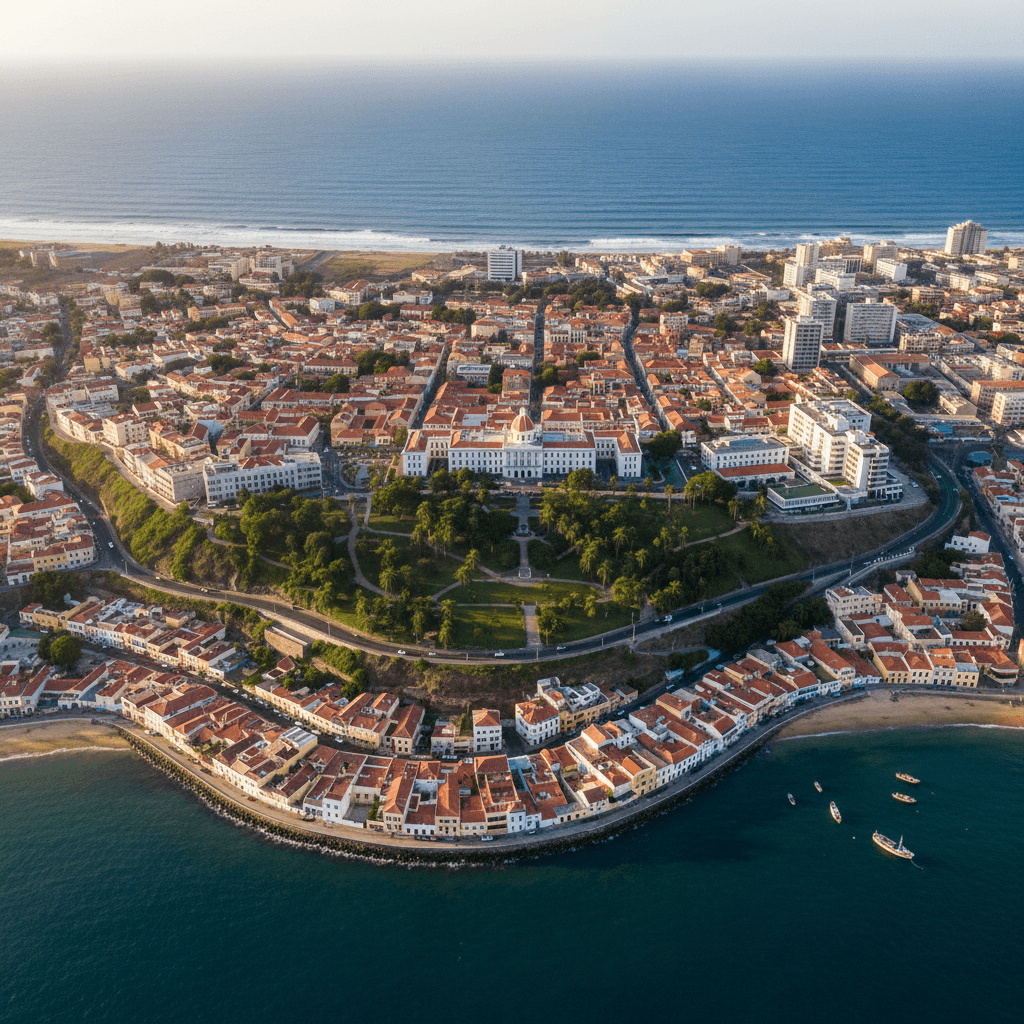
Praia
🇨🇻 Cape Verde
Praia isn't your typical polished digital nomad hub, and that is exactly why it works. As the capital of Cape Verde on Santiago Island, it sits at a fascinating crossroads where West African energy meets Portuguese colonial bones. It feels raw, rhythmic, and unpretentious. You aren't here for high-speed fiber optics at every street corner; you are here for the 11 Mbps reliable connection, the smell of fresh grilled fish in the morning air, and a community that treats you like a neighbor rather than a tourist.
The Local Vibe
Living here means embracing the "Morabeza" spirit, a local term for the island's legendary hospitality. The city is compact and gritty in the best way. Most nomads find themselves gravitating toward the Plateau, the historic heart of the city perched on a cliff. By day, it is a hive of activity with street vendors and business meetings; by night, it mellows into a breezy spot for a cold Strela beer. It is a place where work-life balance isn't a goal but a default setting, especially if you time your stay for the Gamboa Festival in May.
Cost of Living Breakdown
Your money goes a long way here, though you will pay a premium for anything imported from Europe. A total monthly budget of around $2,089 covers a comfortable lifestyle, but savvy travelers can easily live on $1,200 to $1,500 by eating local. Prices are generally quoted in Cape Verdean Escudos (CVE).
- Housing: A studio in the center runs between 25,000 and 40,000 CVE ($250 to $400). If you want to be near the water in Prainha, expect to pay 40,000 to 60,000 CVE ($400 to $600).
- Dining: Street food like a bowl of cachupa stew costs about 300 to 500 CVE ($3 to $5), while a nice dinner at a spot like Ouzo Restaurant will be closer to 2,000 CVE ($20).
- Coworking: Dedicated desks at hubs like SoLuz or GoHub cost roughly 5,000 to 10,000 CVE ($50 to $100) per month.
Where to Plant Your Roots
Plateau is the go-to for solo nomads who want to be able to walk everywhere. It is vibrant and packed with cafes, though expats recommend being cautious with your phone after dark. If you prefer a quieter, more residential feel, Achada Santo António is where many long-termers land. It is close to the beaches and has a more family-friendly atmosphere.
For those who need the ocean in sight, Gamboa and Prainha offer beachfront access and some of the best seafood spots in the city. It is a bit more isolated from the main markets, so you will likely rely on taxis or the local "aluguer" minibuses to get around. Budget-conscious travelers sometimes look at Vila Nova, but the rougher edges mean it is better suited for those who already know the city well.
Remote Work Essentials
The internet is surprisingly stable for an island nation. Most nomads rely on CV Telecom or Unitel for mobile data, which costs about 1,000 CVE ($10) for 10GB. You can pick up a SIM card right at the airport. For a focused work environment, GoHub Coworking is a favorite for its modern design and community events that make it easy to meet people.
Cape Verde also offers one of the most accessible Remote Working Visas in the world. It costs about $65, lasts for six months, and requires a minimum income of roughly $21,000 per year. The application is done entirely online, making it a seamless choice for 2025 and 2026 stays.
Navigating the City
Praia is a walkable city, particularly if you stay in the central districts. When you need to go further, skip the search for Uber; it doesn't exist here. Use local taxi apps or hail one on the street for 200 to 500 CVE. For a true local experience, hop in an aluguer for 100 CVE. The weather is tropical and warm year-round, with the best months being December through April when it is dry and sunny. Even during the rainy season from August to October, showers are usually brief, leaving plenty of time for a sunset walk on the beach.
The Monthly Budget Breakdown
Living in Praia strikes a balance between island affordability and the reality of being in a capital city where many goods are shipped in. Most solo nomads find that a monthly budget of $1,800 to $2,200 allows for a comfortable lifestyle, covering a private apartment in a good area, regular dining out, and a dedicated desk at a coworking space. If you are on a tighter budget, you can scrape by on $1,000 to $1,500 by sharing a flat and sticking to local markets, while a luxury setup with a high end apartment and frequent upscale meals will push you past $2,500.
Rent is your biggest variable. In central hubs like Plateau, a studio or one-bedroom typically runs between 25,000 and 40,000 CVE ($250 to $400 USD). If you want to be near the water in Prainha or find a modern expat focused building in Achada Santo António, expect to pay 40,000 to 60,000 CVE ($400 to $600 USD). Local food is a steal; a plate of cachupa or street food costs about 300 to 500 CVE ($3 to $5 USD), while a nice dinner at a spot like Ouzo Restaurant will likely land between 1,000 and 2,000 CVE ($10 to $20 USD).
Neighborhoods for Nomads
- Plateau: This is the historical heart of the city. It is highly walkable and puts you right next to the best markets and coworking spots. Most nomads love the energy here during the day, though you should stay alert for petty theft after the sun goes down.
- Achada Santo António: A favorite for expats and families. It is quieter and feels more residential than Plateau. You will find mid range rents here and a more relaxed pace, though it is a bit of a trek from the nightlife.
- Prainha and Gamboa: These areas are for the beach lovers. You get direct access to the sand and plenty of fresh seafood joints. It feels like a true island escape, though public transport is a little less frequent here.
- Vila Nova: This is where you will find the cheapest housing in the city. It is great for those on a shoestring budget who want to shop at local markets, but the edges are a bit rougher and most travelers recommend avoiding it at night.
Connectivity and Workspace
While the island vibe is laid back, the infrastructure for remote work is surprisingly solid. Average WiFi speeds hover around 11 Mbps. It is reliable enough for Zoom calls, though you might deal with the occasional afternoon dip in speed. For a guaranteed connection, nomads head to SoLuz Coworking in the city center or GoHub, which has multiple locations and a more modern, community focused feel. Monthly memberships at these spaces cost between 5,000 and 10,000 CVE ($50 to $100 USD).
For mobile data, grab a SIM card from CV Telecom or Unitel at the airport or in Plateau. A starter pack with 10GB of data costs about 1,000 CVE ($10 USD). Coverage is generally excellent across the city.
Getting Around and Staying Safe
Praia is very walkable if you stay in Plateau or Sucupira. For longer trips, look for aluguers, the local shared minibuses that cost 50 to 150 CVE ($0.50 to $1.50 USD) per ride. Taxis are everywhere and a short cross town trip usually costs between 200 and 500 CVE ($2 to $5 USD). There is no Uber here, but local taxi apps are starting to pop up in the market.
Safety is rarely a major concern, and the city is generally welcoming to women and LGBTQ+ travelers. The main rule is to keep your wits about you after dark, especially in unlit areas. For healthcare, the Agostinho Neto University Hospital handles emergencies, and you will find plenty of pharmacies like Farmácia Central in the Plateau district for routine needs.
Practical Essentials
- Remote Work Visa: Cape Verde offers a specific visa for nomads. It costs $65 USD, lasts for six months, and requires a minimum monthly income of roughly $900 USD.
- Banking: Use Wise or Revolut to avoid high exchange fees. Local ATMs like Ecobank are reliable for Visa and Mastercard users.
- Language: Portuguese is the official tongue, but you will hear Creole everywhere. English isn't widely spoken outside of nomad hubs, so keep a translation app handy.
- Best Time to Visit: Aim for December through April for dry, sunny weather. The rainy season hits from August to October, which can get quite humid.
The Digital Nomad Hub: Plateau
If you want to be in the thick of things, Plateau is the place to settle. It's the historic heart of the city, sitting on a literal ridge overlooking the ocean. Most nomads choose this area because it's the most walkable part of Praia. You can wander from your apartment to a morning meeting at SoLuz Coworking or GoHub without ever needing a taxi.
The energy here is infectious during the day. You'll find local markets, street food vendors selling 300 CVE snacks, and plenty of cafes with decent WiFi. While it's generally safe, travelers often mention staying alert after dark, as the quiet streets can attract petty theft. Expect to pay between 25,000 and 40,000 CVE for a decent studio or one bedroom apartment.
- Rent: $250 to $400 USD monthly
- Vibe: Fast paced, historic, and central
- Best Coworking: SoLuz Coworking (approx. $50 to $80 USD per month)
The Expat and Family Choice: Achada Santo António
Often just called "ASA" by locals, Achada Santo António is where you'll find a more established residential feel. It's a favorite for expats and families who want a bit more breathing room than the city center provides. The streets are wider, and there's a good mix of mid range housing that feels a bit more modern.
This neighborhood is close to many embassies and international schools, making it feel very secure. It's quieter at night than Plateau, though you'll have to rely on aluguers or taxis to get to the main coworking hubs. Rent here is slightly higher for better quality builds, usually ranging from 40,000 to 60,000 CVE.
- Rent: $400 to $600 USD monthly
- Vibe: Quiet, residential, and safe
- Perks: Proximity to schools and local grocery stores
Solo Travelers and Beach Lovers: Gamboa & Prainha
If your version of "work from home" involves a view of the Atlantic, look toward Gamboa or Prainha. These beachside zones are perfect for solo travelers who want to balance their laptop time with a quick dip in the ocean. Prainha is particularly upscale, home to some of the city's best seafood spots like Ouzo.
The lifestyle here is laid back, though the wind can get a bit intense during certain months. It's the best spot for social butterflies, as the beach bars are where most people congregate to unwind. You'll pay a premium for the location, with prices often hitting the 60,000 CVE mark for private apartments with views.
- Rent: $600+ USD for premium spots
- Vibe: Coastal, social, and relaxed
- Social Scene: Best for beach bars and the Gamboa Festival in May
Budget Conscious Stays: Vila Nova
For those watching every dollar, Vila Nova offers the lowest rents in the city. It's a raw, local experience that puts you right in the middle of Cape Verdean daily life. You'll find the cheapest local markets here, which is great if you're planning on cooking your own cachupa stew to save money.
However, it comes with trade offs. The neighborhood has rougher edges, and nomads generally advise against walking alone here at night. It's not the typical "expat bubble," so you'll need a bit of Portuguese or Creole to get by comfortably. If you're on a strict $1,000 USD monthly budget, this area makes that goal much more achievable.
- Rent: Starting around $200 USD
- Vibe: Authentic, gritty, and very affordable
- Caution: Stick to well lit areas and take taxis after sunset
Connectivity and Speeds
Praia is surprisingly reliable for a remote work base, though it requires a bit of strategy. The city averages about 24 Mbps for WiFi. While that is plenty for Zoom calls and standard workflows, the island infrastructure can occasionally flicker. Most nomads find that the key to a stress-free workday is having a local backup.
You should pick up a local SIM card immediately upon arrival. CV Telecom and Unitel are the primary providers. You can grab a starter pack at the airport or at branded shops in the Plateau for about 1,000 CVE ($10 USD). This usually gets you 10GB of data with solid coverage across the city. Using your phone as a hotspot during those rare WiFi dips will keep your Slack status green.
Top Coworking Spots
If you need a professional environment to stay productive, Praia offers spaces that serve as local nomad hubs. These environments are more than just desks; they are where you will actually meet other people working remotely in Cape Verde and find the infrastructure needed for a full workday.
Work-Friendly Cafes
For those who prefer a change of scenery or the sound of the ocean while they type, the beachfront areas are your best bet. Several cafes in Prainha and Gamboa offer free WiFi for customers. While the speeds might not handle heavy video editing, they are perfect for clearing out your inbox with a view of the Atlantic.
Expats recommend the spots along the Prainha cliffs for a late afternoon session. Just keep in mind that the "island pace" applies to service too. Don't expect a high-speed turnaround on your espresso, but do expect a friendly atmosphere where nobody will rush you out of your seat.
Digital Nomad Visa and Logistics
Cape Verde has made it significantly easier to stay long-term with their Remote Working Cabo Verde program. This digital nomad visa is a great move if you plan to stay for up to six months. The application is handled online for a fee of about $65 USD. You will need to prove an average monthly income of at least $21,000 USD annually to qualify.
Regarding your finances, skip the local bank accounts for short stays. Most nomads use Wise or Revolut to avoid heavy conversion fees. Local ATMs like Ecobank or Caixa generally accept Visa and Mastercard without issues. Just remember that Cape Verde does not tax foreign income for those on the nomad visa, making it a very wallet-friendly base for 2025 and 2026.
Practical Work Tips
- Power: Power outages are rare but possible. A small power bank for your phone and keeping your laptop charged is standard practice.
- Hardware: If you break a MacBook charger or need a specific dongle, you might struggle. Electronics are heavily taxed and often imported, so bring backups of your essential gear.
- Time Zone: At GMT-1, Praia is perfectly positioned for those working with European teams and manageable for East Coast US hours.
Stay Aware and Street Smart
Praia feels significantly safer than many other West African capitals, and most nomads find the atmosphere relaxed and welcoming. It is generally safe for solo female travelers and the LGBTQ+ community, as the local culture is famously tolerant. However, the city is not without its quirks. Petty theft like bag snatching can happen, particularly in crowded areas or markets like Plateau after the sun goes down.
Expats recommend keeping your phone tucked away while walking and avoiding unlit streets at night. While Plateau and Achada Santo António are well-traversed, areas like Vila Nova or the outskirts of Gamboa can get sketchy after dark. If you are heading home late from a beach bar or a club, skip the walk and grab a taxi. It will only cost you about 200 to 500 CVE, which is a small price for peace of mind.
If you run into trouble, the emergency numbers are easy to remember. Dial 132 for the police or 112 for general emergencies. Travelers often say that just being aware of your surroundings and not flashing expensive gear is enough to stay out of trouble here. There is very little civil unrest, and the overall vibe is one of "morabeza," the local word for hospitality and kindness.
Healthcare Basics
The healthcare system in Praia is decent for routine checkups and minor ailments, but it is not equipped for complex surgeries or specialized long term care. For anything urgent, the Agostinho Neto University Hospital in central Praia is the primary facility. It is the best option for emergencies, though wait times can be long and the facilities are basic compared to European or North American standards.
For day to day needs, pharmacies are easy to find. Farmácia Central in the Plateau district is a reliable spot for picking up prescriptions or over the counter meds. Most pharmacists speak some Portuguese and occasionally English, but having a translation app ready is a smart move. Prices for imported medicine can be a bit higher than you might expect, so if you have a specific brand you rely on, try to bring a supply with you.
Insurance and Evacuation
Because the local medical infrastructure has its limits, most nomads carry international health insurance that includes medical evacuation. If something serious happens, you will likely be flown to Lisbon or the Canary Islands for treatment. It is a standard precaution for living on the islands. Before you arrive, make sure your policy covers these "worst case" scenarios so you aren't stuck with a massive bill.
- Emergency Police: Dial 132
- General Emergency: Dial 112
- Main Hospital: Agostinho Neto University Hospital
- Top Pharmacy: Farmácia Central (Plateau)
Digital Nomad Visa Requirements
Safety also means staying legal. Cape Verde makes it easy with its Remote Working Cabo Verde program. This $65 USD visa is valid for 6 months and requires applicants to meet the program's financial means criteria. It is a straightforward online application that gives you the legal right to work from the islands without looking over your shoulder at immigration.
The Layout of the Land
Praia is a compact capital, so you won't spend half your day commuting. Most nomads find that the city center, known as Plateau, is the most walkable part of town. It sits on a literal plateau overlooking the Atlantic, and you can easily cross the entire district on foot in about 15 minutes. If you're staying in Achada Santo António or Prainha, you'll still be within a 20 to 30 minute walk of the main hubs, though the island sun might make you reach for a taxi during the midday heat.
Taxis and Apps
While you won't find Uber or Lyft here, the local taxi scene is reliable and surprisingly affordable. You can flag down the distinct beige cars almost anywhere in the central districts. A short hop within the city usually costs between 200 and 500 CVE, which is roughly $2 to $5 USD. For those who prefer a digital interface, local taxi apps are starting to gain traction, though most nomads still find it faster to just whistle one down on the street.
If you're arriving at Nelson Mandela International Airport (RAI), expect to pay between 1,000 and 2,000 CVE for the 15 minute ride into the city. It's a flat rate system, so it's always smart to confirm the price with the driver before you throw your bags in the trunk.
Mastering the Aluguer
To move like a local and keep your budget tight, you'll want to get comfortable with the aluguer. These are shared minibuses or "collectivos" that follow set routes but don't have a formal timetable. They're the backbone of Santiago Island's transport. You'll recognize them by the destination signs in the window and the driver's helper hanging out the door calling out stops.
- Cost: Expect to pay 50 to 150 CVE per ride within the city.
- How to catch one: Head to the main hubs near the Sucupira Market or just wave one down on a main road.
- The Vibe: They can get crowded, and they generally won't leave until they're full, but they're a great way to soak in the local atmosphere.
Two Wheels and Day Trips
For more freedom, some expats recommend renting a scooter or bike, especially if you're based near the beaches of Prainha. You can find rental shops charging around 1,000 CVE per day. It's a fun way to explore the coastline, but be wary of the cobblestone streets in Plateau, which can be slippery when dusty or wet.
When the weekend hits and you want to escape the city, the aluguers are again your best friend. You can catch a larger van from the terminal near Vila Nova for the one hour trip to Cidade Velha, a UNESCO World Heritage site, or the two hour trek north to the palm fringed beaches of Tarrafal. These longer trips usually cost around 500 to 700 CVE. If you prefer more comfort, a private taxi for a full day excursion will likely run you 5,000 to 8,000 CVE, depending on your haggling skills.
Safety After Dark
While Praia is generally safe, the "getting around" rules change slightly once the sun goes down. Most travelers suggest avoiding walking between neighborhoods at night, particularly in unlit areas around Vila Nova or the outskirts of Gamboa. Taxis are plentiful and cheap enough that there's no reason to risk a long walk home in the dark. Stick to the well lit main squares and you'll find the city is quite welcoming.
The Language Landscape
In Praia, you'll find yourself at a fascinating linguistic crossroads. While Portuguese is the official language used in government, schools, and formal business, the heart of the city beats in Kriolu (Cape Verdean Creole). It's a soulful, melodic blend of Portuguese and West African influences that locals use for everything from haggling at the Sucupira market to catching up at a beach bar in Prainha.
If you speak Portuguese, you'll navigate the city with ease. If you don't, expect a bit of a learning curve. English proficiency is relatively low outside of high end hotels or specific nomad hubs. Most digital nomads find that while younger residents and staff at places like GoHub Coworking speak some English, a basic grasp of Portuguese or Kriolu goes a long way in daily life.
Communication Strategies for Nomads
Don't let the language barrier intimidate you. The local culture is famously welcoming, and people are generally patient with foreigners. Here is how most expats handle the daily chatter:
- Translation Apps: Download the Portuguese offline pack on Google Translate. While Kriolu isn't fully supported as a standalone language in most apps, the Portuguese translation will get you through 90% of interactions.
- Language Learning: Use Duolingo for European Portuguese basics before you arrive. Once you're on the ground, picking up a few Kriolu phrases will earn you immediate respect and brighter smiles from vendors and taxi drivers.
- Digital Communities: Join the Digital Nomads Cape Verde or Expats in Praia Facebook groups. These are lifesavers for asking specific questions about local services where English might be needed.
Essential Phrases to Know
Starting a conversation with a local greeting changes the entire vibe of an interaction. Even if you switch to English or heavy gesturing immediately after, use these basics:
- Bom dia: Good morning (Standard Portuguese, widely used)
- Tudo dretu?: Everything good? (A common Kriolu greeting)
- Obrigado (m) / Obrigada (f): Thank you
- Quanto custa?: How much does it cost?
- Favor: Please
- Na dretu: It's cool / It's fine (Kriolu)
Staying Connected
Communication isn't just about what you say; it's about staying online. When you land at Nelson Mandela International Airport (RAI), your first stop should be a mobile kiosk. You'll want a local SIM to avoid massive roaming charges and to use local taxi apps as they emerge.
- Provider Options: CV Telecom (Alô) and Unitel T+ are the two main players. Both offer solid coverage across Praia and the Plateau area.
- Costs: Expect to pay around 1,000 CVE ($10 USD) for a starter pack with 10GB of data. Topping up is easy at small shops (lojas) found on almost every street corner.
- Data Speeds: You'll generally see speeds around 11 Mbps. It's reliable enough for Zoom calls and Slack, though having a backup hotspot via your phone is a smart move for those occasional island wide fluctuations.
Most nomads find that a mix of basic Portuguese and a friendly attitude is the best way to communicate. In the Plateau district, you'll find more multilingual locals, while residential areas like Achada Santo António require a bit more creative gesturing and translation app usage. It's all part of the island's charm.
The Island Rhythm
Praia is a city of eternal spring. You can pack light because the temperature rarely dips below 20°C (68°F), even in the dead of winter. It stays warm and dry most of the year, making it a reliable spot for those who want to escape the northern hemisphere's gray skies without dealing with the stifling humidity found in mainland West Africa.
The climate follows a simple pattern: dry and breezy from November to June, and a bit stickier from July through October. While it's technically a tropical zone, the surrounding Atlantic keeps the air moving. You'll rarely find yourself drenched in sweat while walking up the hills of Plateau.
Peak Season: December to April
Most nomads aim for the window between December and April. This is when the weather is at its most cooperative, with highs around 25°C or 26°C. It’s perfect for working from a beachfront cafe in Prainha or taking the hour-long aluguer ride to Tarrafal on the weekends. The breeze is constant during these months, which is a lifesaver for those who prefer to live without cranking the AC all day.
If you're looking for the best social atmosphere, aim to be in town by May. This is when the Gamboa Festival takes over the city. It’s a massive celebration of music and culture that brings the community together and offers the best chance to meet locals and other travelers outside of the usual coworking hubs like GoHub.
The Humidity Spike: August to October
Things shift in August. This is the start of the brief rainy season, though "rainy" is a generous term for Praia; it usually means short, intense bursts of water followed by sunshine. Temperatures peak at about 30°C (86°F), and the humidity climbs significantly. While the landscape turns a beautiful, rare green, the air can feel heavy. If you struggle with heat, you might find these months a bit draining for deep focus work.
Best Time for Your Wallet
Since Praia isn't as heavily dominated by mass tourism as Sal or Boa Vista, price fluctuations aren't as extreme. However, you'll find better leverage on short-term apartment rentals during the shoulder months of May, June, and November. During the peak winter months, the most popular nomad-friendly studios in Plateau or Achada Santo António tend to book up fast.
- Hottest months: August and September (avg 30°C)
- Coolest months: January and February (avg 25°C)
- Rainy window: August through October
- Digital Nomad Visa: Valid for 6 months, making it easy to cover an entire dry season.
Expats who stay year-round suggest investing in a good mosquito net or repellent during the wetter months of September and October. For the rest of the year, your biggest weather concern will likely be nothing more than a bit of dust carried by the trade winds. If you're planning a three-month stint, the sweet spot is January through March. You'll get clear skies, manageable temperatures for hiking near Cidade Velha, and the most comfortable environment for a productive remote work setup.
Budgeting for the Island Life
Living in Praia won't break the bank, but your spending depends heavily on whether you stick to local flavors or crave imported comforts. Most nomads find that a monthly budget of around $2,089 covers a comfortable lifestyle including a private apartment and frequent dining out. If you're keeping things lean, you can get by on $1,000 to $1,500 by opting for shared housing and hitting the local markets.
Expect to pay between 25,000 and 40,000 CVE ($250 to $400 USD) for a solid one bedroom in the city center. If you want to wake up near the water in Prainha, those prices jump closer to 40,000 to 60,000 CVE ($400 to $600 USD). For food, a quick plate of street food or a local lunch usually costs under 500 CVE ($5 USD), while a nice dinner at a spot like Ouzo Restaurant will run you about 2,000 CVE ($20 USD).
Where to Set Up Base
Praia is compact, so choosing a neighborhood is more about the vibe than the commute. Most remote workers gravitate toward these three areas:
Plateau (The City Center)
- The Vibe: This is the historical heart of the city. It's walkable, filled with colonial architecture, and puts you right next to the best coworking spaces.
- The Trade-off: It gets busy during the day, and you'll want to be cautious walking alone late at night.
Achada Santo António
- The Vibe: A favorite for expats and families. It's a bit quieter and more residential, located conveniently between the center and the beaches.
- The Trade-off: You won't find much nightlife here, and it's a longer trek to the airport.
Prainha and Gamboa
- The Vibe: Perfect for beach lovers. You'll find fresh seafood spots and a more relaxed, vacation like atmosphere.
- The Trade-off: Public transport is a bit thinner here, and the wind can get surprisingly strong.
Connectivity and Workspace
Internet speeds average around 11 Mbps. While that's plenty for video calls and standard workflows, occasional fluctuations are part of island life. Most nomads grab a SIM card from CV Telecom or Unitel at the airport; 1,000 CVE ($10 USD) usually gets you 10GB of data to use as a backup.
For a dedicated desk, check out SoLuz Coworking in the center or GoHub, which has a few locations. Monthly memberships at these hubs range from 5,000 to 10,000 CVE ($50 to $100 USD). If you prefer working with a view, several beachfront cafes in Prainha offer free WiFi, though they're better for light tasks than deep work.
Getting Around
You'll do a lot of walking in Plateau and Sucupira. For longer distances, catch an aluguer. These shared minibuses are the lifeblood of Cape Verdean transport and cost between 50 and 150 CVE ($0.50 to $1.50 USD) per ride. Taxis are everywhere and affordable, usually charging between 200 and 500 CVE for short city hops. If you're heading to the airport, expect to pay around 1,000 to 2,000 CVE for the 15 minute drive.
Safety and Health
Praia is generally safe, and travelers often remark on the welcoming, "No Stress" attitude of the locals. Petty crime does happen, so keep your wits about you after dark, especially in areas like Vila Nova. For medical needs, Agostinho Neto University Hospital in Plateau handles emergencies, and Farmácia Central is the go to for prescriptions. If you have a serious health issue, you'll likely need to be evacuated, so travel insurance is a must.
The Nomad Visa and Logistics
Cape Verde offers a Remote Working Cabo Verde program for $65 USD. It's valid for six months and requires proof of a $21,000 annual income. You can apply online, making it one of the easier nomad visas to secure for 2025.
When it comes to money, use apps like Wise or Revolut to avoid high fees. Local ATMs like Ecobank or Caixa work well with international cards. While Portuguese is the official language, learning a few phrases in Creole will go a long way in making friends. Download an offline Portuguese pack on Google Translate, as English isn't widely spoken outside the main nomad hubs.
Need visa and immigration info for Cape Verde?
🇨🇻 View Cape Verde Country GuideHidden Gem
Worth the effort