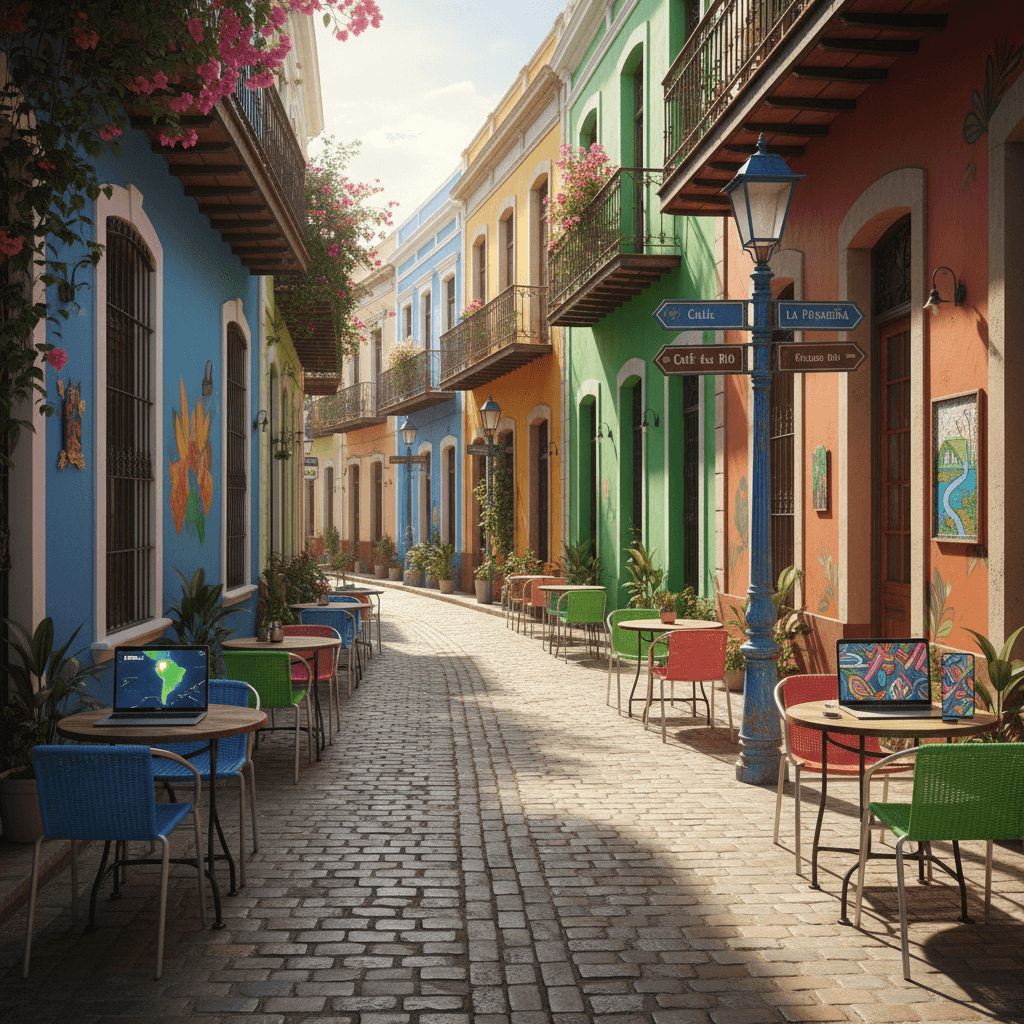
Posadas
🇦🇷 Argentina
The Riverside Slow Burn
If Buenos Aires is a high-octane tango, Posadas is the steady, rhythmic sipping of mate by the water. Located in the far northeast corner of Argentina, this city trades the European grandeur of the capital for a subtropical, red-earth grit that feels deeply authentic. It is a place where the Paraná River dictates the pace of life, and the border with Paraguay is just a bridge away. You won't find the polished nomad infrastructure of Palermo here, but you will find a city that hasn't been "discovered" yet, offering a raw look at provincial Argentine life at a fraction of the cost.
The vibe is undeniably relaxed. In the afternoons, the city often goes quiet for the siesta, only to come alive after sunset when the humidity breaks. Most nomads find the Costanera, a massive riverside promenade, to be the heart of the experience. It is where everyone heads to exercise, socialize, and watch the sun drop behind the Encarnación skyline across the river. It is less about "networking" and more about integration; you are more likely to be invited to a backyard asado than a tech meetup.
Cost of Living Breakdown
Living here is significantly more affordable than in Argentina's major hubs. While inflation is a constant conversation piece, your dollars or euros go a long way. Expats recommend budgeting based on these tiers:
- Budget ($800 to $1,200/month): Perfect for those staying in modest apartments in the suburbs or simple studios in the Centro. You will be eating plenty of $2 empanadas and using the local bus system.
- Mid-range ($1,200 to $1,800/month): This gets you a comfortable 1-bedroom in a modern building, frequent dinners at parrilladas where a full steak meal runs about $15, and regular rideshare trips.
- Comfortable ($1,800+): At this level, you are living in the best riverside real estate, frequenting the city's top dining spots, and likely taking weekend trips to Iguazú Falls.
Where to Plant Your Flag
Since there isn't a dedicated "expat neighborhood," your choice depends on how much you value walking over quiet nights.
- Centro: This is the functional heart of the city. You are close to the markets, the main plazas, and the few cafes that offer reliable Wi-Fi. It can be noisy during the day, but everything you need is within a ten minute walk.
- The Costanera: The most desirable strip for solo travelers and nomads. It offers the best views and immediate access to the city's best bars and running paths. Expect to pay a premium for apartments with a river view.
- Barrio Young: A quieter, more residential choice. It is greener and feels more like a traditional neighborhood, making it a favorite for those staying long term who want to escape the downtown concrete.
Connectivity and Work Life
Internet in Posadas is generally reliable fiber, with speeds often hitting 50 to 100Mbps in the city center. However, dedicated coworking spaces are almost non-existent. You will be relying on your home setup or the local cafe culture. Working from a cafe is common, though you should look for places with air conditioning, as the summer heat is no joke. Grab a local SIM from Claro for about $1-5 to ensure you have a backup hotspot; the 4G coverage is surprisingly solid throughout the urban core.
The Practical Realities
Safety here is a major selling point. While you should always watch your phone in crowded areas, Posadas lacks the edge of Buenos Aires or Rosario. It feels like a large town where people still look each other in the eye. The biggest hurdle is the language; English is rare. You will need at least basic Spanish to navigate the grocery store or explain where you want to go to a driver. Download the Posadas Cómo Llego app to figure out the bus routes, as it is the most reliable way to get around without a car.
The weather is the other main character in your stay. From October to April, it is hot and humid, often hitting 35°C (95°F). The "sweet spot" for a visit is May through September, when the air is crisp, the rain lets up, and you can actually enjoy the outdoor lifestyle without melting. During these months, the city feels like one of the best kept secrets in South America.
The Price of Riverside Living
If you're coming from Buenos Aires or North America, your bank account is going to feel a lot heavier in Posadas. This isn't the flashy, high priced world of Palermo Soho. It's a provincial capital where the cost of living reflects a much slower, more authentic pace of life. You're trading high end cocktail bars for riverside sunsets and some of the most affordable steak and chipá in the country.
Most nomads find they can live quite well here on $1,200 to $1,800 a month. If you're on a strict budget, you can easily get by on $800 if you're willing to live like a local in a modest apartment and stick to the incredible street food scene. Because Posadas hasn't been "discovered" by the global nomad trail yet, you won't find the "gringo tax" that inflates prices in places like Mendoza or Bariloche.
Monthly Budget Breakdowns
To give you a better idea of how your money stretches here, we've broken down three common lifestyle tiers. Keep in mind that Argentina's economy fluctuates, so prices are approximate in USD.
The Budget Nomad
- Total Monthly: $800 to $1,200
- Housing: $150 to $250 for a simple studio in the suburbs or a basic room in the Centro.
- Food: $2 to $4 for street food like empanadas or chipá; $8 for a local lunch special.
- Transport: $20 to $40 using the local bus system.
- Workspace: Working from local cafes for the price of a coffee.
The Mid Range Professional
- Total Monthly: $1,200 to $1,800
- Housing: $300 to $450 for a modern 1BR in Centro or the greener Barrio Young.
- Food: $10 to $15 for mid range dinners; $20 for a nice steakhouse meal with wine.
- Transport: $40 to $60 using local ride hailing apps and occasional taxis.
- Workspace: $100 to $150 for a dedicated desk or a consistent cafe budget.
The High Comfort Expat
- Total Monthly: $1,850+
- Housing: $450 to $700 for a premium apartment near the Costanera with river views.
- Food: $25+ for upscale dining and frequent nights out at riverside bars.
- Transport: $60+ primarily using private rides and taxis.
- Lifestyle: Includes a high end gym membership, frequent weekend trips to Iguazú Falls, and private healthcare.
Everyday Expenses
Local prices are refreshingly low compared to the capital. A quick snack of empanadas will usually run you about $2, while a full parrillada (barbecue) feast at a mid range spot sits around $12. If you're looking to splurge, the city's top steakhouses rarely cross the $25 mark for a massive meal and drinks.
Getting around is equally cheap. Local bus rides are roughly $0.50, and while Uber isn't a mainstay here, the local app Posadas Cómo Llego is the go to for navigating routes. For longer trips, a taxi from the Posadas Airport (PSS) to the city center usually costs between $10 and $15.
Connectivity and Utilities
Internet reliability is surprisingly solid for a city of this size. You can expect fiber speeds between 50 and 100Mbps in the central areas. Since there aren't established coworking hubs like Buenos Aires' Área Tres, most nomads set up shop in cafes. The cafe culture is strong, and many stay open late, making them great makeshift offices. For mobile data, a Claro SIM card with a starter pack costs about $3 to $7 USD for starter with data and offers reliable 4G coverage throughout the city.
One thing to watch out for is the summer heat. From January to March, temperatures often hit 35°C (95°F) with high humidity. You'll want to make sure your rental includes a high quality air conditioning unit, or your electricity bill and comfort levels might take a hit during the peak of the subtropical summer.
For Digital Nomads: The Centro
If you need to be within walking distance of a decent caffeine fix and reliable Wi-Fi, the Centro is your best bet. It lacks the curated "laptop-friendly cafe" scene you'll find in Palermo, Buenos Aires, but it makes up for it with authentic Argentine cafe culture. Places like the local Havanna outlets serve as unofficial offices for the few remote workers in town.
- The Vibe: Busy, functional, and surprisingly walkable. You'll find the main banks, pharmacies, and the best 4G signal here.
- Internet: Most apartments in the core offer fiber connections ranging from 50 to 100Mbps.
- Cost: Expect to pay between $250 and $400 for a furnished mid-range studio or one bedroom apartment (check current listings as prices fluctuate with exchange).
For Solo Travelers: The Costanera
The Costanera is the city's pride and joy. It's a massive riverside promenade where the city comes alive at sunset. Solo travelers usually prefer staying within a few blocks of the river because it's where the social action happens. You'll find people sharing mate, jogging, or hitting the riverside bars like The Temple Bar or local craft beer spots.
It's the safest part of the city for a late night stroll, though the nightlife is more about relaxed drinks than thumping clubs. Living here means you're sacrificing some of the Centro's convenience for better views and immediate access to the Paraná River breeze, which is a lifesaver during the humid January heat.
- Rent: Riverside views come at a premium, usually $450 to $700 for modern units.
- Social Scene: High. This is the easiest place to meet locals, though you'll need some Spanish to get beyond a "hola."
For Families: Barrio Young and Villa Sarita
Expats moving with kids often look toward Villa Sarita or Barrio Young. Villa Sarita is particularly charming; it's an older, more traditional neighborhood that sits right between the downtown core and the river. It's quieter, greener, and feels more like a community than the high rise center.
These areas offer more "house" style rentals rather than cramped apartments. You'll be closer to the better private schools and parks. Since Posadas is significantly cheaper than Buenos Aires, a family can live a very comfortable life here on $1,800 to $2,200 a month, covering a large house, access to public healthcare at SAMIC Posadas, and regular dining out.
- Housing: Larger 2 or 3 bedroom homes range from $400 to $600.
- Pros: Low noise levels, backyard space, and proximity to the Parque de la Ciudad.
For Budget Expats: The Suburbs and Aguacates
If you're looking to stretch a tight budget or a pension, moving a few kilometers away from the San Ignacio bridge area into neighborhoods like Aguacates can slash your rent by half. You'll find basic houses or older apartments for $150 to $250 a month.
The trade off is a heavy reliance on the local bus system. While the "Posadas Cómo Llego" app makes it manageable, the buses can get crowded and hot during the October to April rainy season. It's a more "local" experience, meaning fewer people speak English and you'll be buying your groceries at neighborhood markets rather than the larger Libertad supermarket. It's perfect for those who want to disappear into the provincial Argentine lifestyle without the price tag of the bigger hubs.
Connectivity in the Subtropics
Working from Posadas requires a bit more self reliance than you might need in Buenos Aires. While the city doesn't have a massive, purpose built nomad hub like Palermo, the infrastructure is surprisingly solid for a provincial capital. You'll find reliable fiber optic connections in most modern apartments in the Centro and Costanera areas, typically ranging from 50 to 100Mbps. It's stable enough for Zoom calls, though the occasional tropical thunderstorm might cause a brief flicker in service.
Mobile data is your best backup. Claro and Movistar have the best coverage here. You can pick up a SIM card at most "kioscos" or official stores for about $0.20 to $1 USD, which usually covers a month of decent data. Most locals use WhatsApp for everything from booking a dentist appointment to ordering empanadas, so having a local number makes life significantly easier.
Where to Get Work Done
Since dedicated coworking spaces are thin on the ground, the city's thriving cafe culture becomes your de facto office. The Argentine "merienda" tradition means cafes stay open late and rarely mind if you linger over a "café con leche" for a few hours. Just keep in mind that many places still observe the siesta, closing between 1:00 PM and 5:00 PM, so plan your deep work sessions for the morning or late evening.
Most nomads gravitate toward the Costanera (the riverfront) where the breeze makes the humidity more bearable. There are several modern spots along the water with decent Wi-Fi and plenty of power outlets. If you need a more professional vibe, look for hotels in the Centro district; many have business centers or quiet lobby lounges that you can use for the price of a few coffees.
Budgeting for Your Stay
Your dollars go significantly further here than they would in the capital. While inflation is a constant conversation piece in Argentina, Posadas remains very affordable for those earning in USD. Here is a breakdown of what you can expect to spend monthly:
- Budget Tier ($800 to $1,200): This covers a basic apartment in the suburbs, plenty of street food like $2 empanadas or $3 chipá, and using the local bus system which costs about $0.50 per ride.
- Mid-Range Tier ($1,200 to $1,800): This gets you a nice 1BR in the Centro or near the Costanera for $300 to $450, regular meals at mid-range parrillas for $12, and frequent use of ride hailing apps.
- Comfortable Tier ($1,800+): You'll be living in the best parts of town, likely in a high rise with a pool for $600+, dining at upscale steakhouses where a full meal runs $25, and taking weekend trips to Iguazú Falls.
Practical Tech Tips
Banking can be a headache due to high ATM fees and fluctuating exchange rates. Most expats recommend using Wise or Revolut for digital transactions, but cash is still king for smaller shops. For navigating the city, download Posadas Cómo Llego. It's the local version of a transit app and is much more accurate than Google Maps for the city's bus routes.
If you're looking for a community, don't expect to find a "Nomad Brunch" advertised on a chalkboard. You'll need to be proactive. Join the Digital Nomads Argentina Facebook groups or head to the riverside bars on a Friday night. The locals are incredibly friendly, and while English isn't widely spoken, they're usually happy to help you practice your Spanish over a round of mate.
A Provincial Peace of Mind
If you're coming from the high energy of Buenos Aires, Posadas feels like a deep exhale. It lacks the frantic "keep your head on a swivel" vibe of the capital. Most travelers find the city remarkably safe, especially along the Costanera, the riverside promenade where families and joggers gather until late at night. It's the kind of place where you can carry your laptop to a cafe without the same level of anxiety you'd feel in a major global hub.
That said, it's still an Argentine border city. Petty theft exists, particularly in the darker corners of the Centro or near the bus terminal after midnight. Expats recommend sticking to well lit areas and using common sense with your phone. The proximity to Paraguay via the San Ignacio bridge brings a lot of transit through the city, so stay aware of your surroundings in crowded market areas where pickpockets occasionally operate.
Navigating the Healthcare System
Argentina has a dual healthcare system that's surprisingly high quality if you know where to go. Public hospitals are free, even for foreigners, but they're often crowded and underfunded. For anything beyond a minor scrape, nomads usually opt for private care. It's affordable by Western standards, and the service is much faster.
The Hospital Escuela de Agudos Dr. Ramón Madariaga is the main public facility, part of a modern "Health Park" complex that's actually quite impressive for a provincial city. For private consultations, most expats head to Sanatorio Boratti or Sanatorio Nosiglia. Doctors here are highly trained, though English proficiency is hit or miss. You'll want a translation app handy if your Spanish is rusty.
- Private Consultation: Expect to pay between $20 and $40 for a specialist visit without insurance.
- Pharmacies: You'll find a Farmacity or a local apothecary on almost every other block in the Centro. Many are open 24/7.
- Emergency Numbers: Dial 107 for an ambulance or 101 for the police.
Insurance and Staying Healthy
While you can pay out of pocket for almost everything, having a dedicated nomad insurance plan like SafetyWing or World Nomads is a smart move for emergencies or medical evacuations. If you're staying long term, look into a local "prepaga" (private health plan) like OSDE or Swiss Medical. These plans give you access to the best clinics in the city with very little paperwork.
The subtropical climate brings a few specific health considerations. Mosquitoes are common, especially during the rainy season from October to April. Dengue fever pops up periodically in the Misiones province, so keep the bug spray close. The sun is also incredibly strong here; locals stay indoors during the 2:00 PM to 5:00 PM heat for a reason. Follow the siesta culture to avoid heat exhaustion, and always carry a bottle of water when walking the riverfront.
Water and Food Safety
The tap water in Posadas is generally considered safe to drink, though many long term residents prefer a filter or bottled water for the taste. Food hygiene is high. You can eat street empanadas or chipá from a sidewalk vendor without much fear of a stomach bug. Just make sure the food is served hot. If you're heading across the bridge to Encarnación, Paraguay for a day trip, it's usually better to stick to bottled water there just to be safe.
The Logistics of Life in Posadas
Navigating Posadas is a far cry from the frantic pace of Buenos Aires. It is a city designed for a slower rhythm, where the layout makes sense and the heat often dictates when people are actually on the move. You will find that the city center is remarkably walkable, especially if you snag an apartment near the Costanera. This riverside boulevard is the heart of local life, stretching for miles along the Paraná River. It is where everyone heads at sunset with a mate gourd in hand.
Most nomads find that while the city is spread out, the central grid is manageable on foot. If you are staying in the Centro or near the Barrio Young area, you can reach most pharmacies, cafes, and markets within fifteen minutes. Just keep in mind that the subtropical sun is no joke. Between 1:00 PM and 4:00 PM, the streets often empty out as the city takes a collective siesta to avoid the midday humidity.
Public Transit and Apps
The local bus system is the backbone of transport here. While there is no subway, the buses cover almost every corner of the city and even run out to the farther residential suburbs. To figure out your route, locals swear by the Posadas Cómo Llego app. It is the digital bible for bus schedules and stop locations, though you should expect a few minutes of "Argentine time" variance in the arrival estimates.
If you are looking for ride sharing, do not expect to open Uber or Cabify. They haven't really taken root here like they have in the capital. Instead, you will rely on Remises. These are radio taxis that you can call or hail. They are slightly more formal than a standard cab and often more reliable. A trip from the Posadas Airport (PSS) to the city center typically runs between $10 and $15, depending on how much luggage you are hauling.
Crossing the Border
One of the unique quirks of living in Posadas is the proximity to Encarnación, Paraguay. The San Roque González de Santa Cruz Bridge connects the two cities. You can cross via a dedicated international train or a bus. The train is a favorite for expats because it avoids the notorious car traffic on the bridge, usually taking about 10 minutes to cross. It is a popular weekend move for cheaper shopping or just a change of scenery, but always remember to bring your passport and check your visa entry stamps when coming back into Argentina.
Cycling and Two Wheels
Biking is growing in popularity, particularly along the riverside. You can find local rentals for about $5 a day, which is a great way to scout neighborhoods without committing to a long term lease. The terrain is relatively flat near the water, making it easy to cruise. However, once you move inland toward the hills of Misiones, you will want some gears. Most travelers recommend sticking to the Costanera paths for leisure and using remises for longer cross town treks when the humidity spikes.
Practical Transport Breakdown
- Local Bus: Roughly $1.40 USD per trip (with SUBE). Use the SUBE card, which works in most major Argentine cities.
- Remises (Taxis): Expect to pay $3 to $7 for most trips within the city limits.
- International Train: Approximately $2 to $3 for a one way trip to Paraguay.
- Airport Transfer: Budget $10 to $15 for a private car from PSS to Centro.
- Bicycle Rental: Around $5 for a full day of riding.
Overall, your transport budget in Posadas will likely stay under $60 a month if you are a mix of a walker and an occasional taxi taker. It is an affordable, low stress environment where you rarely feel the need to own a vehicle.
Getting by in the Misiones Province
In Posadas, Spanish isn't just the official language; it's the only language for about 95% of your daily interactions. Unlike the tourist bubbles of Palermo in Buenos Aires, this is a provincial capital where life moves to a local rhythm. You won't find many English menus or bilingual shopkeepers here. If you arrive with zero Spanish, you'll likely find the first week a bit of a scramble, especially when dealing with landlords or bus drivers.
The local dialect has a distinct flavor influenced by its proximity to Paraguay. You'll hear the standard Argentine "sh" sound for double Ls and Ys, but the cadence is softer and slower than the rapid fire speech of the capital. It's actually a great place to learn because people are generally patient and curious about foreigners. Most nomads find that a basic grasp of Spanish is enough to navigate, but you'll definitely want Google Translate downloaded for offline use.
Key Communication Tips
- The Mate Icebreaker: Communication in Posadas often revolves around mate. If someone offers you a sip, it's a social invitation. Say "gracias" only when you are finished and don't want any more; otherwise, just nod and hand the gourd back.
- Language Apps: While Duolingo helps with basics, SpanishDict is better for regional Argentine slang. If you're staying long term, look for private tutors on Facebook groups like "Digital Nomads Argentina" rather than formal schools, which are scarce in town.
- Digital Translation: Since English proficiency is low, use the camera feature on your phone to translate menus. Most locals are tech savvy and happy to wait while you type out a question.
Staying Connected
Internet reliability in Posadas has improved significantly. Most modern apartments in the Centro or near the Costanera offer fiber optic connections with speeds ranging from 50Mbps to 100Mbps. It's stable enough for Zoom calls, though it's always smart to have a backup mobile hotspot during the occasional subtropical summer storm.
For mobile data, don't rely on international roaming; it’s overpriced and sluggish. Pick up a local SIM card as soon as you arrive. Claro and Personal have the best coverage in the Misiones region. You can buy a SIM at any "kiosco" (small convenience store) for about $0.20 to $0.50 USD, but you'll need to visit an official flagship store with your passport to get it properly registered and activated.
Essential Local Phrases
Beyond the standard "Hola" and "Gracias," a few local tweaks will make your life easier. Argentines use "vos" instead of "tu" for "you." Instead of "¿Cómo estás?", you'll often hear "¿Todo bien?". When you're at a parrilla and want the bill, just catch the waiter's eye and make a writing motion in the air; they'll know you're ready for "la cuenta."
If you're heading across the bridge to Encarnación, Paraguay, for a day trip, you might hear snippets of Guaraní. You don't need to speak it, but knowing that "Chipa" (the local cheese bread staple) is a Guaraní word will earn you some smiles at the bakery. Expect to pay around $1 to $2 for a bag of fresh chipa, a perfect snack while you practice your verbs at a riverside cafe.
The Subtropical Rhythm
Living in Posadas means embracing the humidity of the Upper Paraná. Unlike the temperate breeze of Buenos Aires, this city sits deep in Argentina's subtropical northeast. You'll find the climate defines the daily schedule here. Most locals retreat indoors during the peak afternoon heat, emerging only when the sun begins to dip toward the river. If you're coming from a northern climate, the intensity of the "Misionero" sun can be a shock, so plan your deep-focus work blocks for the air-conditioned mornings.
Summer: The Humidity Test (January to March)
Summers are heavy, thick, and undeniably hot. Temperatures frequently climb between 25°C and 35°C (77°F to 95°F), but the humidity makes it feel significantly higher. This is also the heart of the rainy season. Expect sudden, dramatic tropical downpours that clear the air for an hour before the steam rises again. Most nomads find January and February the most challenging months to stay productive unless they have a rock-solid AC setup. On the plus side, the Costanera comes alive at night during these months, with everyone grabbing a cold beer or tereré (iced mate) to catch the river breeze.
Winter: Mild and Manageable (June to August)
Winter in Posadas isn't really winter by international standards. It's more of a long, pleasant autumn. Highs usually hover around 20°C (68°F), while nights might dip to 10°C (50°F). You'll rarely need more than a light jacket. This is the best time for exploring the nearby Jesuit ruins of San Ignacio or taking the bus up to Iguazú Falls, as you won't be battling the oppressive heat of the jungle interior. It’s the peak season for outdoor enthusiasts and those who want to walk the city's parks without breaking a sweat.
The Sweet Spot: When to Visit
If you want the best balance of weather and local life, aim for May through September. The air is drier, the skies are often a crisp blue, and the mosquito count drops significantly. This window avoids the drenching rains of late spring and the furnace-like heat of mid-summer. It's the ideal time to settle into a riverside cafe with your laptop. Travelers often say this period feels like a permanent spring, making it easy to stay active and social.
Seasonal Packing and Prep
- Sun Protection: The UV index here is brutal. Bring high-quality sunscreen and a hat; you'll need them even on overcast days.
- Insect Repellent: Being near the river and the jungle, mosquitoes are a fact of life, especially during the wetter months from October to April.
- Light Fabrics: Stick to linen or moisture-wicking tech gear. Heavy denim is your enemy in the Posadas summer.
- Adaptability: While May to September is drier, always keep a light rain shell in your bag for those unpredictable subtropical shifts.
The "Veranito de San Juan"
Keep an eye out for a local phenomenon in late June known as the "Veranito de San Juan." Just when you think winter has settled in, the region often experiences a week of sudden, unseasonable heat. It's a quirk of the local geography that usually coincides with the San Juan festivities, where you might see locals jumping over bonfires or walking on hot coals. It’s a reminder that in Posadas, the heat is never truly gone for long.
Settling In
Posadas isn't your typical digital nomad hub. You won't find the hipster saturation of Palermo Soho here. Instead, you get an authentic slice of the Argentine Northeast. Life revolves around the Parana River, and the pace is noticeably slower than in the capital. It's a place where people still take siestas and the heat dictates the schedule.
Most travelers find the Centro the easiest place to start. It's walkable, filled with local markets, and keeps you close to the main services. If you want a view, look for apartments near the Costanera. This riverside stretch is the city's pride, perfect for evening runs or joining locals for a round of mate. For a quieter, more residential feel, Barrio Young is a solid choice for longer stays, though you'll rely more on local buses or taxis to get around.
The Cost of Living
Your dollars go significantly further here than in Buenos Aires. While inflation is a constant conversation piece in Argentina, Posadas remains remarkably affordable for those earning in stronger currencies.
- Budget Living: Expect to spend $800 to $1,200 per month. This covers a basic studio in the suburbs for around $150 to $250, street food like empanadas for $2, and bus fares.
- Mid-range Comfort: Most nomads land in the $1,200 to $1,800 bracket. This gets you a nice central apartment for $300 to $450, regular meals at mid-range parrilladas for about $12, and frequent rideshare trips.
- High End: For $1,800+, you're living very well. Upscale rentals top out around $700, leaving plenty for $25 steak dinners and premium gym memberships.
Connectivity and Workspace
Don't expect a dedicated coworking scene with community managers and networking events. You'll likely be working from your rental or a local cafe. Fiber internet is standard in the city center, usually ranging from 50 to 100Mbps. It's reliable enough for video calls, but always confirm the specific speed with your host before booking.
For a change of scenery, the cafe culture is strong. Locals often spend hours over a single coffee. Grab a Claro SIM card for about $15 to ensure you have a backup hotspot. Mobile data is generally stable and cheap.
Getting Around and Safety
The city core is very walkable, but the subtropical humidity might make you rethink a long trek in January. Local buses are the backbone of transit, costing roughly $0.50 per ride. Download the Posadas Cómo Llego app to figure out the routes. While Uber isn't a mainstay, local taxi apps and radio taxis are plentiful and safe.
Safety wise, Posadas feels like a sleepy provincial capital. Petty crime exists, but it lacks the edge of larger metro areas. Use common sense at night and keep your phone tucked away on the street. For healthcare, SAMIC Posadas is the go-to for reliable treatment, and pharmacies are on almost every corner.
Local Flavor and Logistics
The food here has a heavy Paraguayan influence. You have to try chipá, a cheesy bread snack sold everywhere on the street for a few cents. Dinner starts late, rarely before 9:00 PM or 10:00 PM. If you show up at a restaurant at 7:00 PM, you'll likely find the staff still setting the tables.
Spanish is the only language that matters here. English proficiency is low, so brush up on your basics or keep Google Translate handy. For banking, skip the ATMs if possible due to high fees. Many nomads use Wise or Revolut for digital transactions and bring some physical USD to exchange locally for the best rates.
When you need a break from the screen, the San Ignacio ruins are an easy day trip. If you have a weekend, the Iguazú Falls are only a few hours away by bus, making Posadas a strategic base for exploring the deeper Misiones jungle.
Need visa and immigration info for Argentina?
🇦🇷 View Argentina Country GuideEasy Landing
Settle in, no stress