Porto
🇵🇹 Portugal
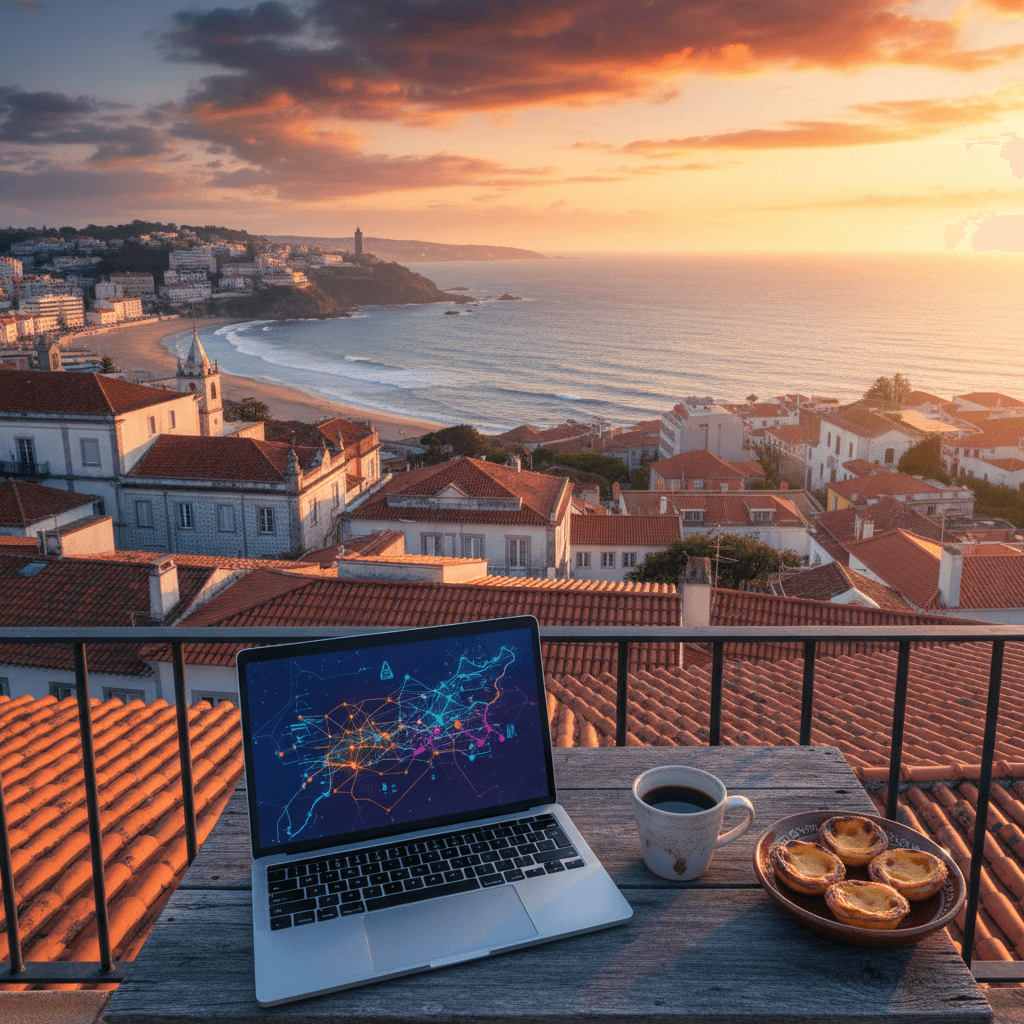
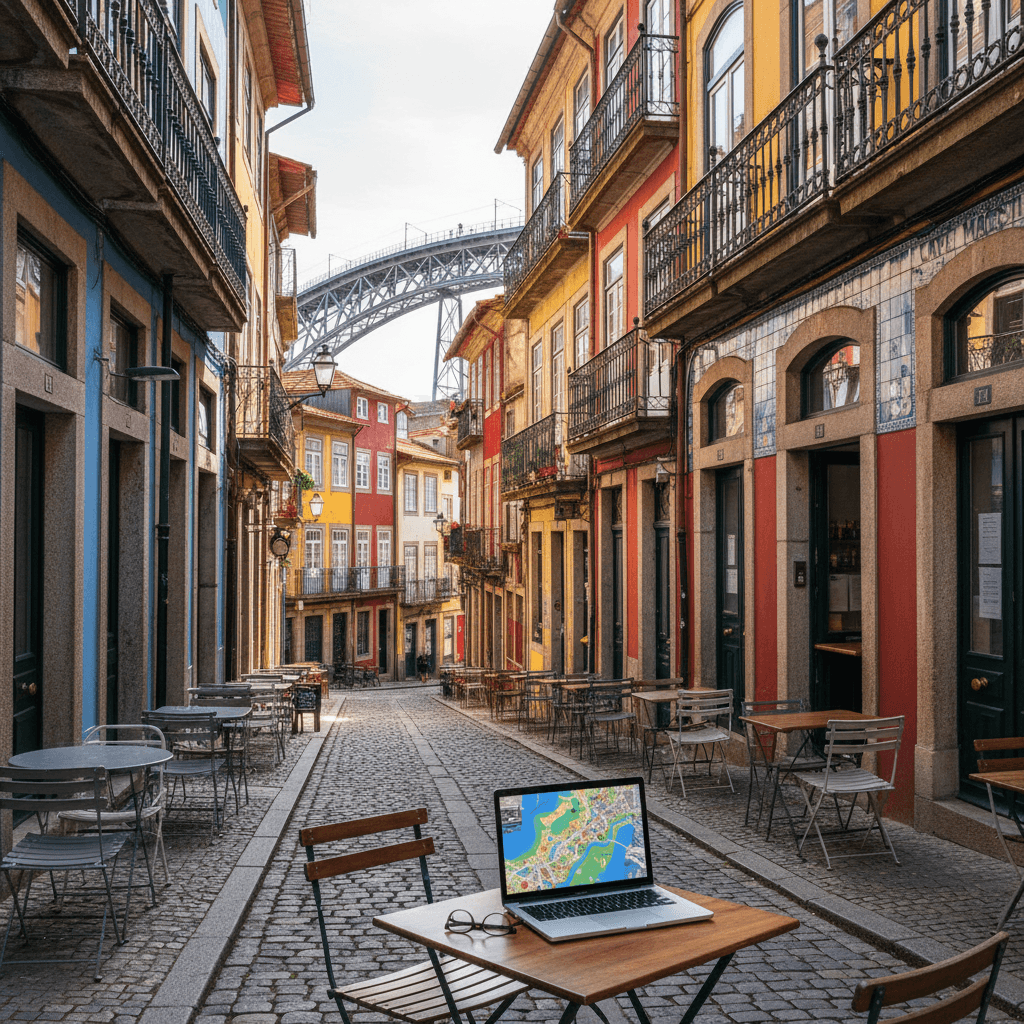
Porto feels like a deep exhale. While Lisbon is the loud, energetic older sibling constantly on the move, Porto is the artistic middle child who prefers a sketchbook, a glass of port, and a sunset over the Douro. It’s a city where the granite architecture and blue azulejo tiles create a moody, poetic backdrop that feels more intimate than almost any other European hub.
For nomads arriving in 2025, the vibe is decidedly "slow-tech." You’ll find high-speed fiber internet and sleek coworking spaces tucked inside centuries-old buildings. The creative energy here is palpable but quiet. Instead of high-pressure networking events, you’re more likely to meet fellow remote workers over a €5 glass of wine at a riverside bar or while browsing an indie bookstore in the Cedofeita district. It’s a place for those who want to actually hear themselves think.
The Living Costs
Porto remains one of the more affordable Western European entries, though prices have crept up. Most nomads find they can live comfortably on €1,800 to €2,200 per month. If you’re sticking to a tighter budget, €1,200 to €1,500 is doable if you opt for a shared apartment or live slightly outside the historic core.
- Studio/1BR Rent: Expect to pay €900 to €1,200 in central areas like Baixa. You can find better deals in Matosinhos for €700 to €850.
- Daily Sustenance: A mid-range dinner with wine usually runs €15 to €20. Street food like the legendary Francesinha sandwich costs about €8.
- Transport: An Andante monthly pass is a steal at €30 to €40, covering the metro and buses.
- Coworking: Dedicated desks at spots like Porto i/o or CRU Cowork typically cost around €200 per month.
The Neighborhood Personality
Where you plant your laptop changes your entire experience. Baixa and Ribeira are the tourist heart. It’s beautiful, walkable, and noisy. You’ll be steps away from the best cafes, but you’ll also pay a premium for the view and the constant hum of crowds. Expats recommend this area for short stays of a month or two.
Matosinhos is the choice for the surf-and-work crowd. It’s a 20-minute metro ride from the center, right on the Atlantic. It’s saltier, more industrial, and significantly more relaxed. You get wider streets, better seafood, and oceanfront coworking at Seaside Cowork. For families or those seeking a quiet, upscale residential feel, Foz do Douro offers beautiful bike paths and a supportive, established expat community.
Work and Play
The infrastructure is rock solid. Portugal’s fiber networks consistently deliver 200 to 500 Mbps, so video calls aren't an issue. When you need to get out of the house, the café culture is welcoming to laptops. Most nomads gravitate toward Mouco Hotel + Cowork for its trendy atmosphere or The Social Hub for a more corporate-meets-creative environment.
Socializing here happens through tight-knit groups rather than massive conventions. Look for the Porto Digital Nomads group on Facebook or Meetup. Travelers often say the Free Co-working Thursdays and the Outside Mouco After-Work Drinks are the best ways to break the ice. If you’re a founder, the Female Founders Breakfast is a staple of the local scene.
The Reality Check
Porto isn't all sunshine and tiles. The hills are brutal on the calves, and the city is notoriously vertical. If you aren't a fan of steep climbs, you’ll be relying heavily on the Bolt or Uber apps. The weather is also a factor; while summers are a perfect 25°C, the winters from October to March are grey, damp, and surprisingly chilly. Many older apartments lack central heating, so a good space heater and a solid raincoat are non-negotiable for the off-season.
Despite the rain, there’s a grit and authenticity to Porto that Lisbon has lost to heavy gentrification. It’s a city that feels lived-in. Whether you’re watching the fog roll off the Douro or grabbing a €1 espresso at a corner bakery, Porto invites you to stop rushing and stay a while.
The Price of the Porto Lifestyle
While Lisbon often grabs the headlines, Porto remains the smarter choice for nomads who want their Euros to stretch a little further without sacrificing that classic European charm. You can live well here for significantly less than in Paris or London, though prices have crept up as the city's popularity grows. Most remote workers find that a monthly budget between €1,800 and €2,200 allows for a comfortable mid-range lifestyle, including a private apartment in a decent area and plenty of dinners out.
If you are sticking to a tighter budget, it is still possible to get by on €1,200 to €1,500. This usually means living slightly further from the Douro River, cooking more at home, and sticking to the city's excellent street food like the iconic francesinha. For those who want the high-end experience, €2,500+ unlocks luxury apartments in Foz do Douro and upscale dining along the Ribeira.
Monthly Budget Breakdowns
To give you a better idea of what to expect for the 2025-2026 season, here is how the costs generally shake out across different tiers.
Budget Tier
- Rent (Studio/1BR): €600 to €800. You will likely be looking at areas like Matosinhos or slightly outside the city center.
- Food: €300. Focuses on local markets and affordable seafood.
- Transport: €50. Mostly using the metro and walking.
- Coworking: €100. Using day passes or working from laptop friendly cafes.
- Total: €1,200 to €1,500.
Mid-Range Tier
- Rent (Studio/1BR): €900 to €1,200. This gets you into central Baixa or Ribeira.
- Food: €450. Includes regular dinners at mid-range spots and plenty of wine.
- Transport: €80. A monthly Andante pass plus a few Bolt rides.
- Coworking: €200. A dedicated desk at a spot like Porto i/o.
- Total: €1,800 to €2,200.
Comfortable Tier
- Rent (Studio/1BR): €1,300+. High end finishes, often with a river or ocean view.
- Food: €600+. Frequent dining at upscale riverside restaurants.
- Transport: €100+. Heavy reliance on rideshares and private transport.
- Coworking: €300+. Premium memberships at The Social Hub or Seaside Cowork.
- Total: €2,500+.
Key Expenses and Local Hacks
Housing is your biggest variable. Expats often recommend using Flatio for furnished monthly rentals to avoid the headache of long term local contracts. If you want to save on rent, look toward Matosinhos. It is only 20 minutes away by metro, offers a relaxed beach vibe, and the seafood is often fresher and cheaper than in the tourist center.
Transportation is a bargain if you do it right. A monthly Andante pass costs between €30 and €40 and covers the metro, buses, and trains. For quick trips, apps like Bolt and Uber are widely available and much cheaper than what you would pay in North America or Northern Europe. If you are feeling active, Bird and Bolt scooters are everywhere, costing about €1 to €2 just to unlock.
Groceries and dining are where Porto really shines. You can grab a pastel de nata for about €1.20 or a full street food meal for under €8. Digital nomads often congregate at Free Co-working Thursdays or the Female Founders Breakfast to network without spending a fortune. For your phone, grab a local SIM from MEO or Vodafone for about €15, or use an eSIM like Amigo for instant data when you land.
If you are planning to stay long term, keep the D8 Digital Nomad Visa in mind. You will need to show a minimum monthly income of €3,680 to qualify, which is higher than the local cost of living but standard for Portuguese immigration requirements.
For Solo Nomads and Creative Souls: Baixa and Ribeira
If you want to step out of your front door and immediately feel the pulse of the city, the historic center is your home base. Baixa and Ribeira are where the iconic tiled facades and steep, winding alleys create that poetic atmosphere Porto is famous for. It is the most walkable part of the city for those who don't mind a serious calf workout on the hills.
Most nomads here gravitate toward Porto i/o for its community meetups or the Mouco Hotel coworking space, which has a trendy, musical edge. You will pay a premium for the location, with studio rents typically ranging from €900 to €1,200. While it is the most convenient area for hitting up nomad meetups like the Thursday after-work drinks, it can get loud and touristy during the summer months.
- Daily Vibe: Grab a €1.50 pastel de nata, work from an indie cafe, and catch the sunset by the Douro River.
- Best For: Short-term stays, networking, and those who want to be in the middle of the action.
- The Trade-off: Higher noise levels and steeper rents compared to the coast.
For Long-Term Expats: Matosinhos
Many digital nomads eventually migrate toward Matosinhos once the novelty of the historic center wears off. This coastal hub offers a much more relaxed, local feel without sacrificing infrastructure. It is famous for having some of the best seafood in the country, and the air just feels fresher here.
The work-life balance in Matosinhos is hard to beat. You can spend your morning at Seaside Cowork or Workin Porto, and your afternoon surfing or walking along the oceanfront. Rents are generally more affordable, often falling between €600 and €800 for a decent apartment if you look slightly inland. The 20-minute metro ride into the city center is a small price to pay for the extra space and quiet.
- Local Perks: Incredible grilled fish restaurants and a thriving surf culture.
- Logistics: Very flat and bike-friendly compared to the city center.
- Commute: Reliable metro and bus connections into Baixa.
For Families and Slow Travelers: Foz do Douro
Foz is where the river meets the sea, and it is arguably the most upscale, peaceful pocket of Porto. Expats with children often choose this area for its safety, proximity to international schools, and the abundance of green spaces. It feels like a sophisticated village within the city.
You won't find a rowdy nightlife scene here, but you will find wide promenades perfect for strollers and morning runs. The community is tight-knit, and you will see many familiar faces at the local markets. While there are fewer dedicated coworking hubs, the cafes are spacious and welcoming. You will likely need a car or a ride-hailing app like Bolt to get around comfortably, as the metro doesn't reach the heart of Foz.
- Atmosphere: Calm, affluent, and breezy.
- Activities: Weekend bike rides along the Atlantic and sunset picnics at the Pergola da Foz.
- Cost: Prices can be high, but the quality of life is considered the best in the city for families.
For the Budget-Conscious and Community Seekers: Bonfim
Bonfim has recently emerged as the hipster capital of Porto. It is just east of the main tourist drag, meaning it stays authentic and significantly cheaper. This is where you will find the indie bookstores, vegan cafes, and art studios that give Porto its creative reputation.
Nomads on a budget find that their €1,500 monthly allowance goes much further here. You are close enough to walk to the Campanhã train station for day trips to the Douro Valley, and the neighborhood itself is full of hidden gardens and quiet squares. It is less about the "sights" and more about the actual lifestyle of living in Portugal.
- Coworking: CRU Cowork is a staple for the local creative community.
- Social Life: Check out the Porto Startup Coffee meetups or the Female Founders Breakfast which often host events in this area.
- Rent: Expect to find mid-range options starting around €800.
Porto hits a sweet spot for connectivity that many other European cities miss. While the cobblestone streets look centuries old, the infrastructure underneath is modern; fiber optic networks are the standard here, generally delivering speeds between 200 and 500 Mbps. You won't struggle with video calls or heavy uploads, even if you're working from a renovated apartment in the historic center.
Top Coworking Spaces
The coworking scene is smaller than Lisbon's, but it's arguably more tight knit. Most spaces double as community hubs where you'll actually meet the person sitting next to you. Expect to pay around €200 per month for a hot desk at the top tier spots.
- Porto i/o: This is the local heavyweight. They have multiple locations, including a stunning spot in Ribeira with Douro River views and another in the creative Douro district. It's the go-to for nomad meetups and networking, with monthly plans starting around €200.
- CRU Cowork: Located in the Bombarda art district, this space draws a more creative, design focused crowd. It feels less like a corporate office and more like a shared studio.
- The Social Hub: A modern, high energy option that combines a hotel, student housing, and coworking. It's great if you want a polished environment with a gym and onsite cafe.
- Seaside Cowork: If you're staying out in Matosinhos to be near the surf, this is your base. It's relaxed, professional, and lets you hit the beach the second you log off.
- Mouco Hotel + Cowork: A trendy, music centric spot that nomads recommend for its aesthetic environment and free cafe access for members.
The Cafe Office Culture
Porto has a strong culture of working from cafes, though it's polite to check for a "no laptops" sign on weekends. In the Baixa area, you'll find plenty of indie spots with reliable Wi-Fi and power outlets. Most nomads gravitate toward hipster leaning cafes where the staff won't mind if you linger for a couple of hours over a specialty coffee. If you need a break from the desk, the Mouco area is a frequent recommendation for its relaxed, work friendly atmosphere.
Getting Connected
Don't rely on roaming from home; local SIM cards are cheap and the coverage is excellent. You can pick up a prepaid card from MEO, Vodafone, or NOS at the airport or any shopping center. A data heavy plan for 30 days usually costs between €10 and €15. If your phone supports it, the Amigo eSIM is a favorite for instant connectivity the moment you land. For those staying long term, Wise or N26 are the standard banking apps expats use to manage local expenses without getting hit by exchange fees.
Community and Networking
Since the community is smaller than in the capital, people tend to be more proactive about meeting up. Most of the social life happens on the Porto Digital Nomads Facebook group or through the Meetup app. Look for Free Co-working Thursdays if you want to test out a space for free, or head to the Outside Mouco After-Work Drinks on Thursdays. For women in the city, the Female Founders Breakfast is a recurring favorite for professional networking. If you want to keep a pulse on what's happening weekly, follow @themindfulstep or @portoemagenda on social media to see which cafes or galleries are hosting nomad friendly events.
A Safe Haven for Remote Workers
Porto consistently ranks as one of the safest cities in Europe, which is a major draw for the digital nomad community. You'll generally feel comfortable walking the tiled streets of Baixa or Ribeira at any hour. Violent crime is extremely rare here; the most common issues are minor petty thefts in heavy tourist zones, like the area around the Luís I Bridge or crowded metro cars.
Expats and solo travelers suggest keeping a close eye on your belongings in these high traffic spots, but otherwise, the city feels incredibly secure. While the central zones are well lit and active, it is still smart to avoid poorly lit, isolated alleys in the older parts of town late at night. If you're staying in Matosinhos or Foz do Douro, you'll find a quiet, family friendly atmosphere where safety concerns are almost non-existent.
In the event of an emergency, the universal number to dial is 112. This connects you to police, fire, and ambulance services across Portugal. Most operators speak enough English to help you through a crisis, especially in a major hub like Porto.
Navigating the Healthcare System
Portugal has a robust healthcare infrastructure, and Porto is home to some of the best facilities in the country. As a nomad or expat, you'll have two main paths for medical care: the public Serviço Nacional de Saúde (SNS) and the private sector.
The public system is high quality but often plagued by long wait times for non-emergencies. Most nomads prefer using private insurance to access private hospitals like Hospital CUF Porto or Hospital da Luz. These facilities feel more like modern hotels, and the staff almost always speaks fluent English. You can usually book an appointment within a day or two rather than waiting weeks.
Practical Health Tips for Nomads
- Pharmacies: Look for the illuminated green crosses. Pharmacies (Farmácias) are everywhere in Porto and pharmacists can often provide medical advice or over the counter remedies for minor ailments without a doctor's visit.
- Insurance Requirements: If you are applying for the D8 Digital Nomad Visa, you must show proof of private health insurance that covers you in Portugal. Expect to pay between €50 and €150 per month depending on your age and coverage level.
- Health Centers: For routine issues, look for a Centro de Saúde. If you have a residency permit, you can register here to get your Utente number, which grants you access to the public system at a significantly reduced cost.
- Water Quality: The tap water in Porto is perfectly safe to drink. It might have a slightly different mineral taste than what you're used to, but it meets high safety standards. Save your money and skip the plastic bottles.
Emergency and Specialist Care
If you need urgent but non-life-threatening care, the private hospitals mentioned above have 24/7 urgent care clinics (Atendimento Urgente). For dental work, Porto is surprisingly affordable compared to North America or Northern Europe. Many expats recommend Clínica Médica Dentária for routine cleanings or more complex work, with standard checkups often costing around €50 to €80.
Most nomads find that having a mix of a solid international insurance policy and a local private plan offers the best peace of mind. This allows you to skip the queues at public clinics while still being covered for major emergencies at Centro Hospitalar de São João, the city's primary public teaching hospital.
The Daily Commute and Hilly Reality
Porto is a city that demands a good pair of sneakers. If you're staying in Baixa or Ribeira, you'll find most of your life happens within a fifteen minute walk. However, those walks aren't always flat. Travelers often joke that every destination in Porto is uphill both ways. The terrain is steep, especially when climbing from the riverside up to the city center, so keep that in mind before booking an apartment on a high ridge.
When your legs need a break, the Andante card is your best friend. It's a rechargeable system that works across the metro, buses, and suburban trains. Most nomads find the monthly pass, which costs between €30 and €40, to be the most cost effective way to bridge the gap between the beach and the old town. You can buy and top up these cards at any metro station kiosk or via the Andante app.
Mastering the Metro and Buses
The Porto Metro is clean, modern, and incredibly easy to use. It's not a traditional underground subway for the most part; many lines run above ground, giving you a scenic view of the outskirts. It’s the most reliable way to get from the city center to Matosinhos or the airport.
- Metro Line E (Violet): This is the direct link from Francisco Sá Carneiro Airport (OPO) to the city center. It takes about 25 to 30 minutes and costs roughly €2.15 for a one way trip.
- STCP Buses: While the metro is faster, the bus network is more extensive. It’s great for reaching the Foz do Douro area where the metro doesn't quite reach.
- The Funicular dos Guindais: A steep cable railway that saves you from the grueling climb from the Ribeira quayside to the Batalha area. It’s a bit touristy but saves a lot of sweat for about €4.
Ride-Hailing and Micromobility
If you're out late or carrying groceries, Uber and Bolt are the dominant players here. Prices are very reasonable compared to North American or Northern European standards. A cross-town trip usually lands between €5 and €10, while a ride from the airport into the center typically ranges from €12 to €20 depending on the time of day.
For shorter bursts, electric scooters and bikes from Bird and Bolt are scattered throughout the flatter parts of the city. You'll usually pay about €1 to €2 to unlock them and a few cents per minute. Expats recommend sticking to the bike paths along the Douro River or the Matosinhos coastline, as the cobblestones in the historic center can make for a bone-rattling ride.
Getting Out of Town
Porto is a fantastic base for exploring Northern Portugal. The São Bento Train Station isn't just a place to catch a ride; it's a destination itself thanks to the massive tile murals. From here, you can hop on a regional train to Braga or Guimarães for a few euros. If you're heading to the Douro Valley for wine tasting, the train ride from Campanhã Station offers some of the most beautiful rail views in Europe for under €15.
- Trains: Use the CP (Comboios de Portugal) app to book tickets in advance for discounts on longer trips to Lisbon.
- Car Rentals: Only recommended if you're heading into the remote mountains. Driving inside Porto is a headache due to narrow streets and limited parking.
- Walking: Still the gold standard for daily life. Just remember to pace yourself on those Ribeira stairs.
The Linguistic Landscape
Porto has a high level of English proficiency, especially within the creative and tech circles that frequent the Baixa and Ribeira districts. You'll find that most baristas at indie coffee shops and staff at coworking spaces like Porto i/o speak excellent English. It's easy to get by without knowing much Portuguese, but relying solely on English can keep you in a bit of a "nomad bubble."
The local accent in the north is distinct, often described as more guttural and faster than what you'll hear in Lisbon. While younger locals and those in the tourism industry are fluent in English, older residents in residential neighborhoods or traditional markets might only speak Portuguese. Even a small effort goes a long way here; locals genuinely appreciate it when you try to use their language, even if you stumble through it.
Essential Phrases for Daily Life
If you're staying for more than a few weeks, memorize these basics to smooth over your daily interactions at the padaria or when asking for the bill. It changes the dynamic from being a tourist to being a neighbor.
- Olá: Hello
- Bom dia: Good morning (used until lunch)
- Boa tarde: Good afternoon
- Obrigado (male) / Obrigada (female): Thank you
- Quanto custa?: How much does it cost?
- A conta, por favor: The bill, please
- Fala inglês?: Do you speak English?
Digital Tools and Translation
While Google Translate is the standard for quick menu scans or signs, many expats recommend using the DeepL app for more accurate translations of Portuguese syntax. It tends to handle the nuances of the language better than other platforms. For real-time communication, most service providers, landlords, and local groups use WhatsApp. It's the primary way to book a table at a busy seafood spot in Matosinhos or coordinate with a local seller.
If you're looking to dive deeper into the language, nomads often suggest the Practice Portuguese app, which focuses specifically on the European dialect rather than Brazilian Portuguese. This is a common pitfall for newcomers; using Brazilian terms can sometimes be met with a polite correction, as the vocabulary and pronunciation differ significantly.
Socializing and Networking
The nomad community in Porto is smaller and more tight-knit than the one in the capital, making it easier to find your footing. Language is rarely a barrier at organized meetups. You'll find that English is the unofficial language of the Porto Digital Nomads Facebook group and the Free Co-working Thursdays events.
For more specific networking, keep an eye on these groups where English is the primary medium:
- Porto Startup Coffee: Great for founders and developers.
- Female Founders Breakfast: A supportive space for women in business.
- Outside Mouco After-Work Drinks: Held on Thursdays, these are perfect for casual networking.
- Look Sharp Events: Known for board game nights and social mixers.
Most expats find that while English gets you through the workday, learning the basics of Portuguese is the key to feeling truly at home. Whether you're ordering a francesinha or chatting with a vendor at a local market, those few words of Portuguese act as a bridge to the authentic Porto experience.
The Seasonal Sweet Spot
Timing your stay in Porto is all about how much you prioritize sunshine over savings. Most nomads and remote workers agree that May through September is the gold standard. During these months, you'll get those iconic Douro River sunsets and temperatures that hover comfortably between 20°C and 28°C. It’s perfect for working from a riverside café in Ribeira or taking your laptop to the beach in Matosinhos.
The city truly comes alive in June, especially during the Festa de São João on June 23rd. If you're in town then, expect street parties, grilled sardines, and plastic hammers. Just keep in mind that short-term rental prices on platforms like Flatio or Airbnb peak during this window, so booking a few months ahead is a smart move.
Navigating the Rainy Season
Porto has a distinct Atlantic personality, which means it gets significantly more rain than Lisbon or the Algarve. The wet season kicks off in October and stretches through March. While the temperatures aren't freezing, usually staying between 10°C and 15°C, the humidity and grey skies can make the city feel much colder than the thermostat suggests.
Expats often mention that traditional Portuguese apartments aren't always well-insulated. If you're visiting in December or January, make sure your rental has a reliable heating system or a powerful AC unit with a heat pump. On the plus side, this is the best time to find deals on long-term housing, and the coworking spaces like Porto i/o or The Social Hub stay cozy and active even when it's pouring outside.
Best Times for Specific Lifestyles
Your ideal arrival date depends on what you want to do when you're off the clock. Porto’s microclimates and seasonal shifts offer different perks for different types of travelers.
- For Surfers: Hit Matosinhos between September and November. The water is still relatively manageable, the summer crowds have thinned out, and the Atlantic swells start to get consistent.
- For Wine Lovers: September is harvest season in the nearby Douro Valley. It’s a spectacular time for a weekend trip away from your desk to see the vineyards in action.
- For Budget-Conscious Nomads: Aim for the shoulder seasons in April or October. You’ll dodge the €1,200+ peak rents of mid-summer while still catching enough sunny days to enjoy a €5 glass of port on a terrace.
Monthly Climate Breakdown
If you're planning your 2025 or 2026 itinerary, use this quick reference for what to expect weather-wise:
- January to March: Expect highs of 15°C and frequent rain. This is the quietest time in the city, great for deep work and low living costs.
- April to June: Temperatures climb to 20-25°C. Rainfall drops significantly, making it the best time for walking the hilly streets of Baixa.
- July to September: The driest months with peaks around 28°C. It rarely gets "heatwave" hot thanks to the ocean breeze, but tourist traffic is at its highest.
- October to December: Highs drop back toward 18°C and the rain returns. November is often cited by locals as one of the wettest months.
Most long-termers find that the "real" Porto reveals itself in the spring. You get the benefit of the lush, green landscapes and the outdoor social scene without the sweltering heat or the inflated "high season" prices for everything from coffee to coworking desks.
Connectivity and Tech Setup
Staying connected in Porto is generally seamless. You can pick up a local SIM from MEO or Vodafone for about €10 to €15, which usually covers enough data for a month of heavy map usage and social media. If you prefer to hit the ground running, download the Amigo or Saily eSIM apps before you land. Most nomads find the local fiber optic speeds impressive, often hitting 200 to 500 Mbps, which is plenty for high definition video calls.
For banking, skip the traditional Portuguese banks if you're only staying a few months. Expats recommend using Wise or N26 to avoid hefty currency conversion fees. These digital banks work perfectly for paying rent or tapping your phone at the local pastelaria.
Getting Around the Hills
Porto is beautiful but steep. You'll get a serious leg workout just walking to lunch. While the central Ribeira and Baixa districts are walkable, the hills can be a challenge after a long workday. For longer distances, the Andante card is your best friend. A monthly pass costs between €30 and €40 and covers the metro, buses, and suburban trains.
- Ride-hailing: Bolt and Uber are widely available and very affordable. A cross city trip usually costs between €5 and €10.
- Scooters: Bird and Bolt scooters are scattered around the city. Expect to pay €1 to €2 for the unlock fee plus a small per minute charge.
- Airport Transfer: The metro is the cheapest way to get from OPO Airport to the center for about €2.50. If you have heavy luggage, a taxi or Uber will set you back €12 to €20.
The Digital Nomad Budget
Your monthly burn rate depends heavily on your neighborhood choice. Living in the heart of the city is convenient but comes with a premium. Many long termers are moving toward Matosinhos for better value and proximity to the beach.
Mid-Range Monthly Estimates
- Studio Apartment: €900 to €1,200 in central areas; slightly less if you head toward the coast.
- Coworking Desk: €200 for a dedicated spot at Porto i/o or CRU Cowork.
- Dining and Groceries: €450. This covers plenty of €15 mid-range dinners and the occasional €5 francesinha sandwich.
- Total for a Solo Nomad: Expect to spend €1,800 to €2,200 for a comfortable, social lifestyle.
Health and Safety
Porto is remarkably safe. You can walk through most central neighborhoods at night without worry, though it's smart to stay aware in isolated spots. If you need medical care, the public system is reliable, but most nomads opt for private insurance like SafetyWing or PassportCard to access private hospitals where wait times are shorter and English is more common. In an emergency, dial 112.
Visa Logistics
If you're planning to stay longer than 90 days, you'll likely look into the D8 Digital Nomad Visa. To qualify, you generally need to prove a monthly income of at least €3,680. It's a popular route for those wanting to make Porto a semi-permanent home. For shorter stays, Flatio is the go-to platform for finding furnished, nomad friendly apartments without the stress of local rental contracts.
Social Etiquette
The vibe here is relaxed and polite. A simple "Bom dia" (good morning) goes a long way when entering a shop. While English is widely spoken in the tech and tourism sectors, learning a few phrases shows respect. Tipping isn't mandatory, but rounding up the bill or leaving 5% to 10% at a nice restaurant is appreciated. To meet people, join the Porto Digital Nomads Facebook group or head to The Social Hub for their weekly meetup events.
Need visa and immigration info for Portugal?
🇵🇹 View Portugal Country GuideNomad Haven
Your home away from home
Monthly Budget Estimates
More cities in Portugal
Tavira
🇵🇹 Portugal
Albufeira
🇵🇹 Portugal
Sagres
🇵🇹 Portugal