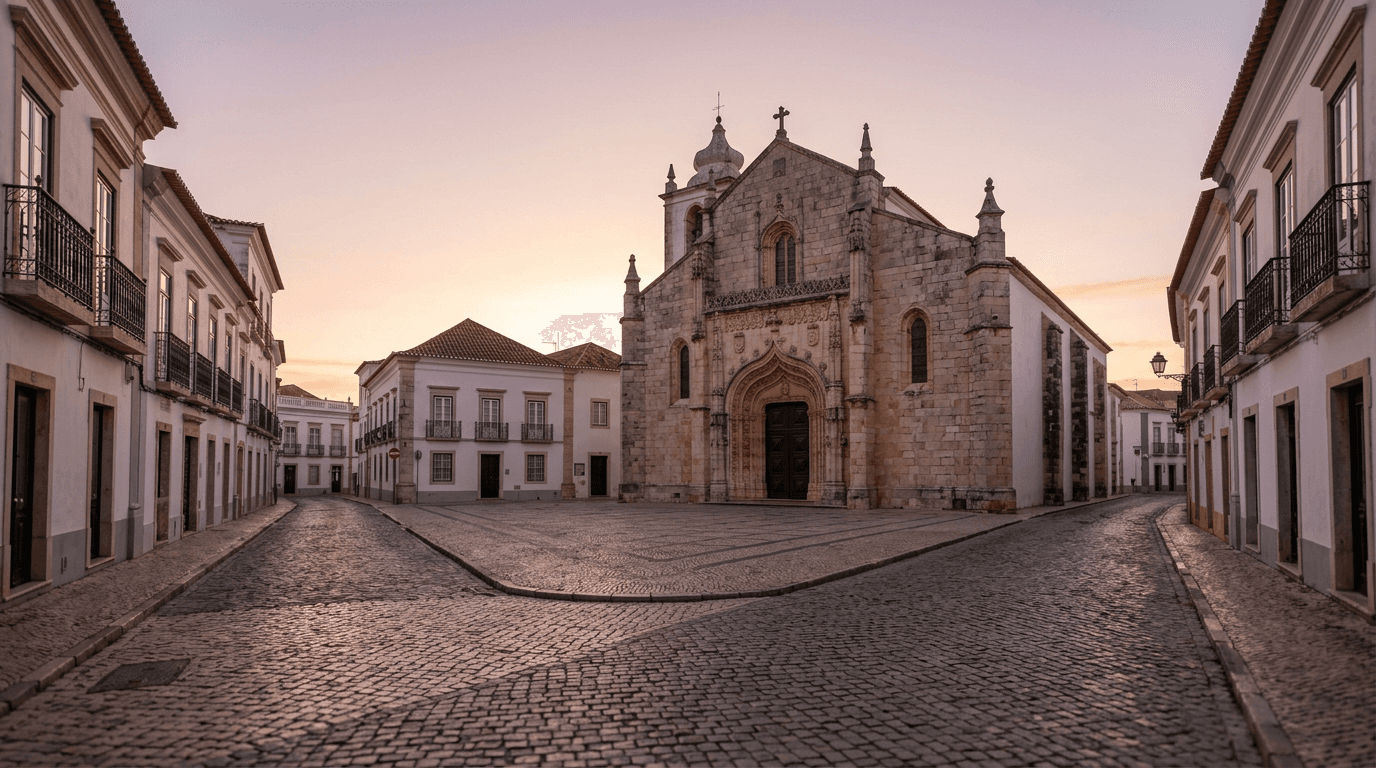
Portimão
🇵🇹 Portugal
Portimão feels like a small resort city that still has a working-guy core. The center is local and a little scruffy, with apartment blocks, bakeries, traffic on the waterfront and the smell of grilled sardines drifting out of tascas. Then you hit Praia da Rocha and the tone flips fast, cliff views, sunburned tourists, music from beach bars and the low roar of scooters and rental cars in summer.
That split is the city’s personality. Winter is calm, sometimes almost sleepy, with quiet promenades and plenty of blue sky, while June through September gets loud, crowded and a bit chaotic, especially around the marina and the beach strip. Nomads tend to like it because the weather is easy, the costs are lower than Lisbon and you can live with your sandals on for most of the year. People who hate seasonal places may get irritated fast, because some cafés, coworking spots and bars simply don’t bother staying busy off-season.
For long stays, most people sort themselves into a few clear pockets:
Praia da Rocha
- Best for: beach-first nomads, short stays and social types
- Feel: lively, touristy, noisy after dark in summer
- Typical rent: Studio €600 to €850, 1BR €700 to €1,000 off-season
Central Portimão
- Best for: longer stays, budget-minded expats and people who want a local feel
- Feel: more everyday Portugal, less resort gloss, easy to find cheap lunch
- Typical rent: Studio €500 to €750, 1BR €600 to €850
Alvor
- Best for: quieter couples and slower travelers
- Feel: prettier, calmer and still touristy in season
- Typical rent: Studio €550 to €800, 1BR €650 to €900
Portimão isn’t the place for a totally car-free life unless you stay close to the center or the beach. Buses exist, Uber and Bolt are handy and Faro Airport is manageable, but day-to-day convenience drops once you move inland. Still, for people who want sun, swimmable water and a cheaper base than the bigger Portuguese cities, it’s hard to beat.
Portimão sits in that awkward middle zone: cheaper than Lisbon, pricier than inland towns and very sensitive to season. If you land in winter, rents and dinner bills can feel reasonable. Show up in July or August and the same place can suddenly cost 30% to 70% more, with louder streets, harder parking and more competition for anything near Praia da Rocha.
For long stays, most nomads end up paying roughly €500 to €900 for a simple 1-bedroom outside peak season, depending on location and how polished the apartment is. Praia da Rocha is the priciest, especially near the beach and marina, where summer studios can jump to €900 to €1,300 or more. Central Portimão is the better-value bet, while Alvor is calm but not exactly cheap once tourists fill the village.
Typical monthly rent
- Praia da Rocha: Studio €600 to €850 off-season, €900 to €1,300+ in summer. 1-bedroom €700 to €1,000 off-season, €1,200 to €1,700 in summer.
- Central Portimão: Studio €500 to €750. 1-bedroom €600 to €850.
- Alvor: Studio €550 to €800. 1-bedroom €650 to €900.
- Outskirts and villages: Annexes and 1-bed units €450 to €700, more if they’re in newer villa complexes.
Food costs are still manageable if you cook at home. A single person spending most meals in gets by on about €170 to €230 a month in groceries and a local breakfast, coffee and pastry, usually runs €2 to €4. A prato do dia at a tasca is still one of the best deals in town at €8 to €12, though seafood on the marina can easily hit €35 to €60 a head with wine.
Transport is cheap enough, but Portimão can feel car-dependent once you move away from the center and beachfront. Local buses usually cost €1.50 to €3 a ride, Uber or Bolt around town often lands between €3 and €8 and utilities for a 1-bedroom tend to run €90 to €140 a month if you use air-conditioning. Internet and mobile bundles usually add another €30 to €50.
Monthly budget
- Lean: €800 to €1,200, usually a room in a shared flat, home cooking and a few low-key nights out.
- Mid-range: €1,200 to €1,700, enough for a plain 1-bedroom and regular café and restaurant meals.
- Comfortable: €1,700 to €2,400, if you want a nicer place near the beach and don’t want to watch every bill.
If you want Portimão to feel affordable, timing matters more than almost anything else. Book outside summer, stay inland from Praia da Rocha if you can and don’t assume the beachside price tag is the baseline. It isn’t.
Portimão is really a few different places glued together by heat, traffic and beach weather. If you want cafés, easy social life and a short walk to the sand, Praia da Rocha is the obvious pick. If you want lower rent and a more local rhythm, central Portimão makes more sense. It’s quieter, cheaper and less glossy, though you’ll hear scooters buzzing past tiled apartment blocks and smell grilled sardines drifting out of lunch spots at noon.
Nomads
Most digital nomads end up around Praia da Rocha because that’s where the social energy is. You’ve got beachfront cafés, easy access to the marina and the strongest chance of finding other remote workers, especially around meetups tied to the Portimão digital nomad crowd. The tradeoff is noise. July and August can be rough, with party groups, late-night music and parking that turns into a minor sport.
- Praia da Rocha: Best for beach-first nomads and short stays. Rents for a 1BR often start around €700 off-season and climb fast in summer.
- Central Portimão: Better for longer stays and lower budgets. A 1BR is often €600 to €850 and you’re closer to year-round shops and services.
Expats
Long-stay expats usually prefer central Portimão or Alvor. Central Portimão feels lived-in, with bakeries, local tascas and a busier year-round core, while Alvor is calmer and prettier, with a fishing-village feel and less of the summer chaos. Alvor can still get touristy, but it’s easier on the nerves than the Rocha strip when the bars are full and the sidewalks smell like sunscreen and spilled beer.
- Alvor: Good for couples and quieter expats. Expect €650 to €900 for a 1BR, depending on season and distance from the center.
- Outskirts: Better value if you’ve got a car. Places like Mexilhoeira Grande are cheaper, but you’ll rely on driving for almost everything.
Families
Families tend to do best in Alvor or on the edges of town where there’s more space and less late-night noise. Praia da Rocha looks tempting on paper, but peak-season crowds, traffic and thin walls get old fast with kids. Winter is calmer, though some places feel half asleep once the tourists leave.
- Alvor: Strong choice for beach access, walks and a slower pace.
- Mexilhoeira Grande and nearby villages: Better for bigger homes and outdoor space, but you’ll need a car.
Solo travelers
Solo travelers who want easy company should stay near Praia da Rocha. Solo travelers who want cheaper nights and less noise should pick central Portimão and walk or bus to the beach. Skip the flashiest seafront bars unless you enjoy overpriced cocktails and thumping music at 1 a.m.; the local cafés inland are friendlier and far less annoying.
Portimão’s internet is good enough for real work, but don’t expect Lisbon-level coworking density. In Praia da Rocha and central Portimão, fiber is common in apartments and cafés and most nomads can get by fine with a portable hotspot as backup. Outside the center, especially toward Mexilhoeira Grande or the villa pockets inland, internet quality can swing a bit more, so always test before you sign a long lease.
The city feels built for beach time first and remote work second. That means you’ll find plenty of cafés with plugs and usable Wi-Fi near the marina and Praia da Rocha, but the scene gets thin fast once you move away from the waterfront. In summer, the noise is the bigger issue, scooters buzzing past, music from bars drifting up late and street traffic that makes a Zoom call annoying if your windows face the wrong side.
Best places to work
- Portimão Digital Nomads meetups: Good for meeting other remote workers, especially if you want a social circle fast. Events are usually centered around Praia da Rocha.
- Praia da Rocha cafés: Best for daytime laptop work, though some get crowded and slow when the beach crowd rolls in.
- Central Portimão: Quieter, more local and easier for longer stays. You’ll often get better rent here than near the beach.
- Alvor: Calmer and prettier, but the coworking and laptop-café scene is smaller and can feel sleepy off-season.
There aren’t many big-name coworking spaces in town, so most nomads piece things together with cafés, apartment internet and occasional meetups. That works if you’re flexible. It’s less ideal if you need a proper office, phone booth or daily desk booking, because Portimão is still a beach city with a seasonal rhythm, not a full-time tech hub.
Practical internet and work setup
- Home internet: Budget around €30 to €50 ($32 to $54) a month for a decent bundle.
- Backup mobile data: Handy for outages and train rides, especially if you work with clients in other time zones.
- Power cuts: Rare, but summer A/C use can strain older flats, so ask about electrical capacity.
- Noisy zones: Skip a beachfront apartment if you’re sensitive to bass, traffic and late-night voices.
Most expats recommend living close to your routine, not just the beach. If you work long hours, central Portimão usually makes more sense than Praia da Rocha. You’ll still get the sun, the river breeze and the smell of grilled sardines from nearby tascas, just with fewer drunk holidaymakers shouting under your window at 2 a.m.
Portimão feels safe by Portuguese standards and most visitors stick to the same simple habits they’d use in any beach town. The usual annoyances are petty theft near crowded bars, beach parking lots and busy summer streets, not serious street crime. Praia da Rocha gets louder and messier after dark in July and August, with drunk groups, scooter buzz and the odd shout bouncing off apartment blocks.
Day to day, the bigger headache is nuisance, not danger. In peak season, traffic crawls, parking disappears and the nightlife strip can keep you awake long after midnight if your apartment faces the wrong way. Winter is the opposite problem, with quieter streets, fewer people around and some businesses shut or running reduced hours.
Health care basics
Portimão has good access to everyday care and expats usually end up at a private clinic for routine issues and the public system for anything more serious. Pharmacies are easy to find in the center and along the main roads and staff generally speak enough English for straightforward prescriptions and minor ailments. For specialist treatment, many residents head to private hospitals or larger facilities in Faro or Lagos.
- Emergency number: 112
- Urgent care: Use the local hospital emergency department for after-hours problems, though waits can be long on busy summer nights.
- Pharmacies: Widely available, often with rotating late-night service, so check the posted schedule on the door.
- Private care: Common for faster appointments, simple tests and English-speaking doctors.
The practical issue isn’t quality, it’s pace. Public appointments can be slow, especially if you need a referral or a non-urgent specialist, so long-stay travelers usually keep private insurance or enough savings to pay out of pocket for checkups.
What nomads should do
- Carry insurance: Bring private travel or expat coverage that includes outpatient visits and hospital care.
- Save local contacts: Keep the nearest pharmacy, clinic and taxi app on your phone before you actually need them.
- Mind the sun: Summer heat is no joke and the humidity off the sea can leave you drained by midafternoon.
- Stay beach-smart: Watch bags on crowded sand and never leave passports, laptops or phones visible in cars.
For most people, the medical setup is perfectly workable. The place gets sleepy in winter, loud in summer and occasionally chaotic around Praia da Rocha, but you’re unlikely to run into real trouble if you keep your guard up and avoid obvious tourist mistakes.
Portimão is easy to get around if you stay near the center, Praia da Rocha or Alvor. Outside those pockets, the city gets car-heavy fast and in summer the roads fill with rental cars, scooters and the usual honking near the beach.
Walkability depends a lot on where you base yourself. Praia da Rocha is the simplest for beach life, cafés and late dinners, while central Portimão works better for errands, buses and a more local day-to-day rhythm. Alvor is pleasant on foot, but if you live in the outskirts, expect to drive for almost everything.
Walking and biking
Most nomads walk to coffee shops, supermarkets and the riverfront in central Portimão, then use a taxi or app ride for the beach if they’re not staying nearby. The heat can be brutal in July and August, especially on exposed streets where the pavement throws warmth back at you.
Biking is possible, but not always pleasant. Traffic can be messy and some roads feel built for cars first, bikes second. A folding bike or e-bike makes more sense than relying on a standard commuter setup.
- Best for walking: Praia da Rocha, central Portimão and Alvor village center
- Less walkable: Mexilhoeira Grande, Monte Canelas and most villa-style outskirts
- Good to know: Sidewalks can get patchy and crossing bigger roads often means waiting longer than you’d like
Public transport
Local buses are cheap and fine for short hops, but they’re not the kind of system you plan a full day around. They’re useful for getting between central Portimão, Praia da Rocha and some nearby residential areas, though evening frequency can be thin.
The train station is handy for trips to Faro, Lagos and other Algarve stops and the intercity bus network is better than locals sometimes admit. If you’re arriving from Faro Airport, FlixBus and Vamus shuttle options are usually the simplest budget move.
- Local buses: roughly €1.50 to €3 a ride
- Regional buses: about €4 to €12 depending on distance
- Train to Faro: usually €3 to €19
- Airport transfer: budget shuttle options often start around €6.98 one way
Taxis, rideshares and driving
Uber and Bolt work well enough in town and most short trips cost €3 to €8. That’s usually cheaper and less annoying than hunting for parking near the beach in high season, where spots vanish early and tempers rise with the afternoon heat.
If you plan to live in Alvor, the outskirts or anywhere rural, a car gets much more useful. For short stays near Praia da Rocha, skip the car unless you’re taking frequent day trips. It’ll save you money, headaches and a lot of sweaty parking-lot circling.
Portuguese is the official language and in Portimão you’ll hear it everywhere, from the fish counters near the market to the late-night chatter around Praia da Rocha. The local accent is Algarvean Portuguese, quick and clipped in parts and first-time visitors sometimes miss half of it, especially when someone’s speaking over traffic or café noise. Most people in tourism, hospitality and property can handle basic English, but don’t assume that outside those circles.
Simple Portuguese goes a long way here. A greeting at the bakery, a polite bom dia or obrigado, usually gets a warmer response than launching straight into English. Locals are friendly, but they do notice effort and it helps in small everyday moments like asking for a bill, finding the right bus stop or dealing with a landlord who’d rather text in Portuguese than email in English.
For day-to-day life, the practical mix is Portuguese first, English second and a bit of Spanish in a pinch. You’ll get by with English in many restaurants, hotels and rental chats near the beach, though the farther you get from Praia da Rocha and the town center, the more you’ll lean on translation apps. Google Translate and DeepL are the usual fallback when a repair person, utility office or older shopkeeper doesn’t switch languages.
How communication feels on the ground
- Texting matters: WhatsApp is the default for everything from apartment viewings to last-minute table changes.
- Email can be slow: Some smaller businesses still prefer phone calls or WhatsApp voice notes.
- Expect some friction: Bureaucratic errands can drag if your Portuguese is weak, especially with contracts and utility setup.
- Street-level English is uneven: Better in hotels, newer cafés and coworking-friendly spots than in older, local-only businesses.
If you’re staying longer, learning a little Portuguese pays off fast. Basic phrases help with utilities, rentals and repairs and they make you less dependent on whoever happens to speak English that day. That matters in Portimão, where summer crowds can make service rushed, voices get lost in the hum of scooters and exhaust and nobody wants to repeat themselves five times while the queue grows behind you.
Most nomads and expats settle into a bilingual routine: Portuguese for greetings, simple errands and taxi drivers, English for work and social life. It’s workable, just not effortless. If you want smoother conversations, a few weeks of daily language practice will do more here than in many bigger European cities, because people are used to visitors, but they’re not rearranging life around them.
Portimão has one of the best weather bets in the Algarve. It gets more than 3,000 hours of sun a year, winters stay mild and the sea is swimmable for a good stretch of summer. The tradeoff is that July and Aug. can feel packed, hot and a little chaotic, especially around Praia da Rocha, where scooters, delivery bikes and late-night voices bounce off the apartment blocks.
Spring is the sweet spot for most long-stay travelers. March through May brings warm days, cooler nights and fewer crowds, so you can actually find a table at a beachfront café without hearing five different sets of music at once. Autumn is close behind, with September and October often staying beach-friendly while the worst of the summer noise starts to fade.
Winter is mild, but don’t expect sleepy perfection. January and February can be gray, windy and damp for a few days at a time and some bars and coworking-adjacent spots scale back hard. The upside is lower rents, easier parking and a calmer rhythm in the old town, where the smell of coffee, grilled sardines and exhaust hangs in the air on market mornings.
Best time to visit by travel style
- For beach time: June to September, though the beaches get crowded and parking can be a pain.
- For remote work: April to June and September to early November, when the weather is steady and the town isn’t roaring.
- For lower costs: November to March, when long-stay rent is easier to negotiate and the city feels more local.
- For nightlife: July and August, if you don’t mind noise near Praia da Rocha.
Digital nomads usually prefer the shoulder seasons because the internet’s fine, cafés are less frantic and the heat doesn’t glue you to your chair. Alvor stays a bit calmer than Praia da Rocha, while central Portimão gives you a more lived-in winter base with proper shops and services close by.
If you’re planning around comfort, skip the peak summer crush unless you really want the full resort experience. Portimão is at its best when the sun’s out, the wind’s light and the town still feels like a place people live in, not just somewhere they check into for a week.
Portimão is easy to like and occasionally annoying in ways that matter. The beach weather is excellent, the town feels safe and rents are still lower than Lisbon, but summer traffic, noisy nights around Praia da Rocha and a car-heavy layout can wear you down fast.
If you’re staying more than a few weeks, pick your base carefully. Praia da Rocha is the social, beach-first choice, but you’ll hear scooters, bass from bars and the drag of suitcase wheels at odd hours. Central Portimão is quieter and more practical for year-round living, with cheaper apartments and better access to buses, shops and the old town.
Where to stay
- Praia da Rocha: Best for short stays, beach time and meeting other travelers. Rent is higher, parking is a pain and summer noise can run late.
- Central Portimão: Best for longer stays and lower costs. You’ll get more local life, easier grocery runs and less of the resort chaos.
- Alvor: Calm, pretty and popular with couples and slower travelers. It’s nicer for evenings, though the café and cowork scene is thinner.
- Outskirts: Cheaper and roomier, but you’ll want a car. Public transport gets patchy fast once you leave the center.
Cash-flow-wise, Portimão sits in a comfortable middle ground. A basic grocery budget is about €170 to €230 ($184 to $249) a month, a prato do dia usually lands at €8 to €12 ($9 to $13) and a casual dinner out is often €18 to €30 ($19 to $33) a head. Marina seafood spots can jump past €35 ($38) without trying very hard.
Transport is manageable if you plan ahead, less so if you improvise. Bolt and Uber are handy for short hops, local buses are cheap but not frequent enough to build a day around and rides to Faro Airport can sting, especially late at night. If you’re living outside the center, a car makes life easier, not nicer.
- Local buses: Usually €1.50 to €3 ($1.62 to $3.25) per ride.
- Bolt or Uber: Commonly €3 to €8 ($3.25 to $8.65) inside town.
- Utilities: About €90 to €140 ($97 to $152) a month for a 1BR, more if you run A/C all day.
- Internet and mobile: Usually €30 to €50 ($32 to $54) combined.
Most nomads end up in the €1,200 to €1,700 ($1,302 to $1,846) monthly range for a simple 1BR, food and day-to-day costs. Comfortable beachside living can push closer to €1,700 to €2,400 ($1,846 to $2,606) and peak summer can blow past both if you wait too long to book.
Frequently asked questions
Which neighborhood is best for digital nomads in Portimão?
How much does rent cost in Portimão for nomads?
How much more expensive is Portimão in summer?
Is Portimão good for remote work?
How expensive is food in Portimão?
Is Portimão safe for long-term stays?
Do you need a car in Portimão?
Need visa and immigration info for Portugal?
🇵🇹 View Portugal Country GuideEasy Landing
Settle in, no stress