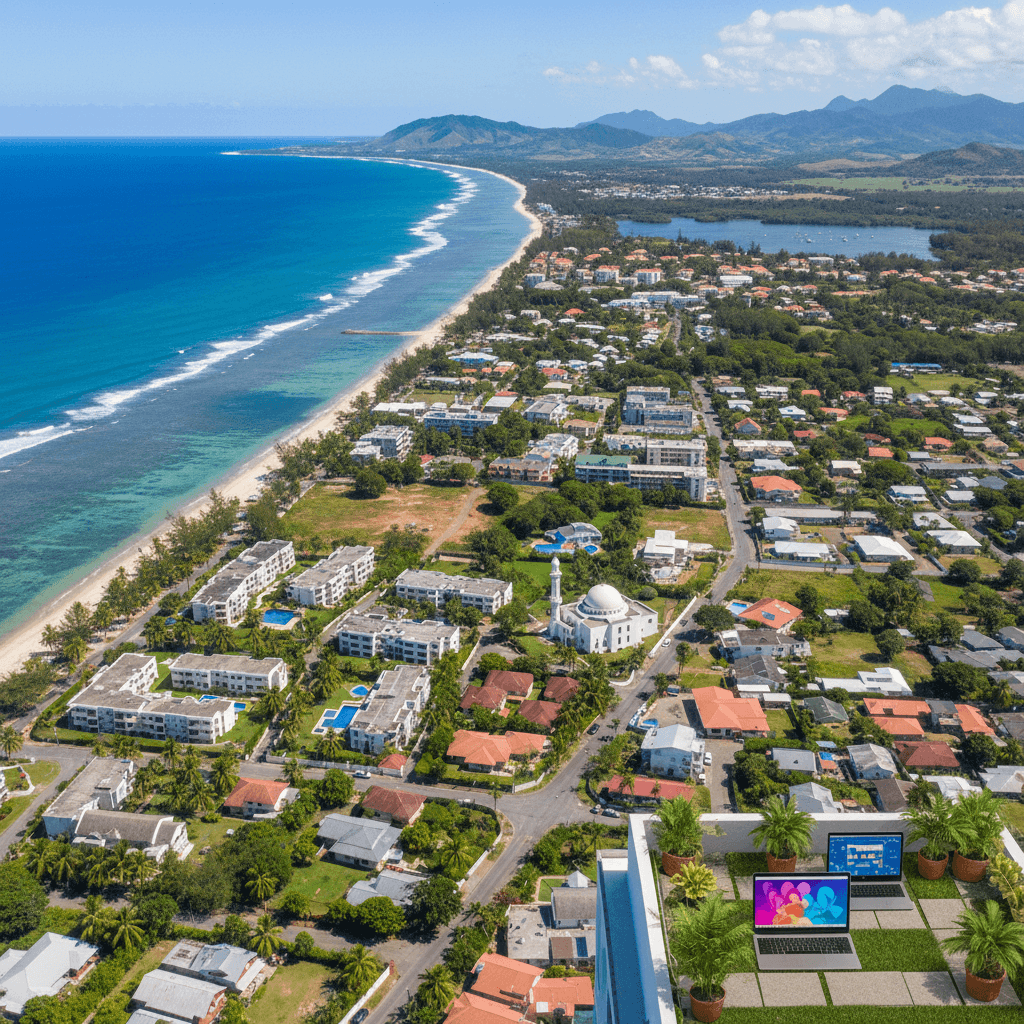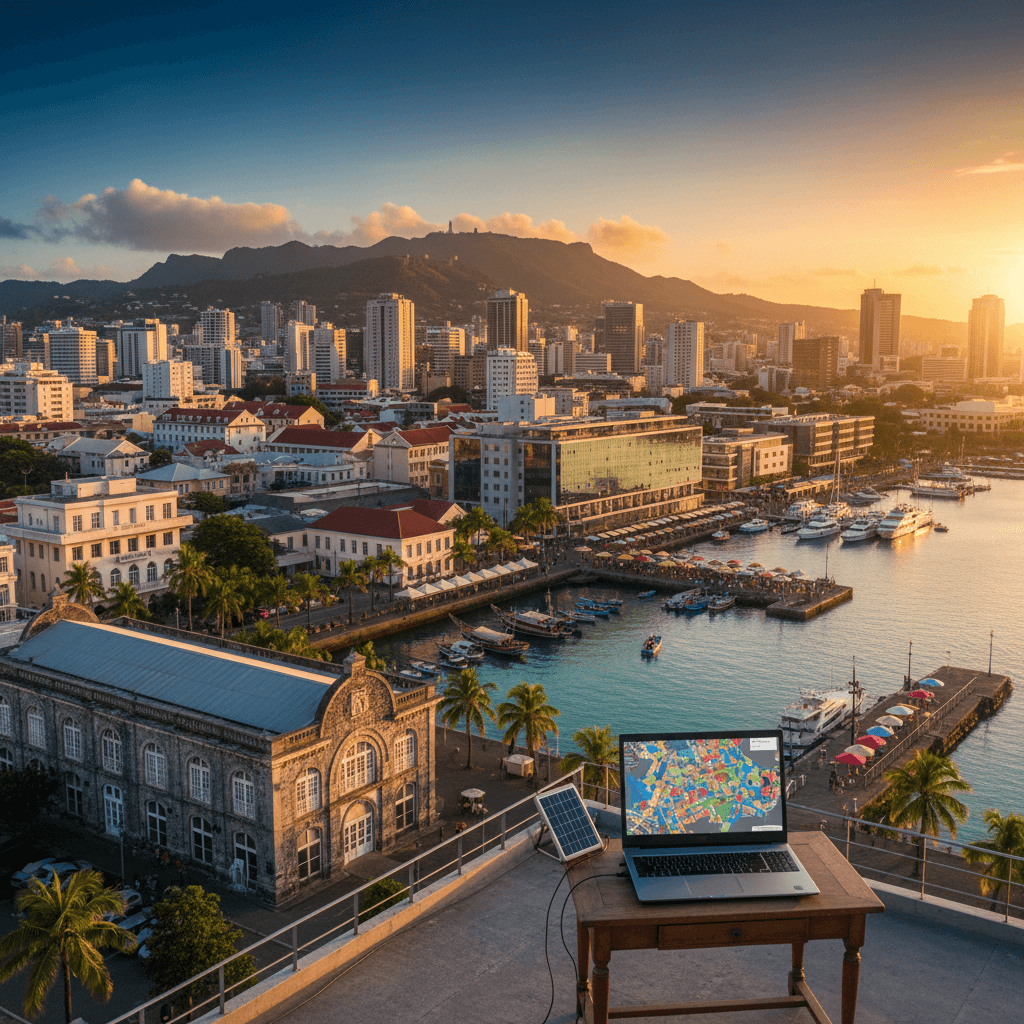
Port Louis
🇲🇺 Mauritius
Port Louis is a city that moves to its own rhythm. It isn't the sanitized, resort-heavy version of Mauritius you see in honeymoon brochures. Instead, it is a gritty, beautiful mix of 18th-century French colonial architecture, incense-heavy Indian shrines, and modern glass towers. You'll feel the energy most at the Central Market, where the scent of fresh coriander and vanilla pods mingles with the salty breeze from the harbor. It is a place where you can grab a $2 dholl puri from a street stall for lunch and be sitting in a high-end French bistro by dinner.
Most nomads find the vibe here to be a productive middle ground. It has the urban hustle needed to stay motivated, but the island's "island time" philosophy keeps things from feeling stressful. You aren't just here to work; you're here to live. On a Tuesday afternoon, you might be grinding through emails at a cafe, and by sunset, you could be watching the masts bob at the Caudan Waterfront. It’s that balance of multicultural chaos and tropical ease that sets it apart from more sterile nomad hubs.
The Living Costs
Living here is remarkably affordable if you avoid the tourist traps. A typical monthly budget ranges from $1,182 to $2,500 depending on how much you value air conditioning and imported cheese. While rent in the capital remains higher than inland towns, the proximity to coworking spaces and the social scene usually makes the trade-off worth it.
- Budget Tier ($1,200): You'll likely share a studio for around $400, rely on the excellent street food scene for $150 a month, and use the local bus system.
- Mid-range ($1,800): This gets you a private 1BR apartment for $700, a mix of cafe meals and home cooking, and a dedicated desk at a coworking space like The Hive.
- Comfortable ($2,500): Expect an upscale 1BR near the waterfront for $1,000, frequent dinners at spots like Le Bistrot de la Poste, and plenty of weekend trips.
Where to Plant Your Flag
Choosing a neighborhood depends entirely on your tolerance for noise and your love for the ocean. Port Louis is the heart of the action, but many expats prefer the suburbs for a quieter night's sleep.
- Port Louis (Central): Best for those who want to walk to work. You're steps away from The Hive and Café de la Presse. It’s lively during the day but can feel a bit quiet after the offices close.
- Grand Baie: Located to the north, this is the expat capital. It’s beachy and social with a great community, though you'll be about 30 to 45 minutes from the city center.
- Tamarin: The go-to for the active crowd. If you want to surf or hike the Black River Gorges before your first Zoom call, this is your spot.
- Curepipe: High in the central plateau, it’s cooler and much cheaper. It’s perfect for deep-work phases where you don't want the distraction of the beach.
Internet and Productivity
The infrastructure is generally solid, though it can be temperamental during the rainy season from November to April. Fixed broadband usually hits around 19 Mbps, while mobile speeds often outperform landlines at 23 Mbps. Expats recommend grabbing a local SIM from My.t or Emtel at the airport for about $10 to ensure you have a backup hotspot.
For a professional environment, The Hive in Port Louis is the gold standard for nomads, costing roughly $150 a month. If you prefer the "laptop and a latte" approach, Mabuti Coffee Lounge and Tout De Sweet offer reliable WiFi and a steady supply of caffeine. Just keep in mind that outside of these hubs, public WiFi can be hit or miss.
Getting Around and Staying Safe
You don't need a car if you stay central. The city is walkable, and the bus system is surprisingly efficient, costing between $0.50 and $2 per ride. For longer trips or late nights, skip Uber and download Yugo, the local ride-hailing favorite. Taxis are everywhere, but always agree on the price before the wheels start turning.
Safety is rarely a major concern here. Mauritius is consistently ranked as one of the safest spots in Africa. Use common sense in crowded markets to avoid pickpockets and stick to well-lit areas at night. The local community is famously welcoming, and with English and French being widely spoken, you'll rarely find yourself struggling to communicate. It's a place that makes it very easy to stay for a while, especially with the Premium Visa allowing for long-term tropical residency.
The Bottom Line on Port Louis
Living in Port Louis means balancing the grit of a working port city with the undeniable perks of a tropical island. While it isn't as polished as the resort towns in the north, it's where the real Mauritian life happens. You'll find a mix of colonial history and modern high rises, all set against a backdrop of dramatic volcanic peaks. Most nomads find they can live comfortably here for a fraction of what they'd spend in Europe or North America, provided they embrace the local rhythm.
The cost of entry is surprisingly low for such a high quality of life. Monthly expenses generally fall between $1,200 and $2,600 USD. If you're on a budget, you'll be leaning heavily on the legendary street food scene and shared housing. If you've got more to spend, you can snag a high end apartment at the Caudan Waterfront and spend your afternoons at premium coworking spaces.
Monthly Budget Breakdowns
- The Budget Nomad ($1,200): You're likely sharing a studio for around $400, eating $3 dholl puri from the Central Market, and using the public bus system for $50 a month. You'll rely on home WiFi rather than a dedicated office space.
- The Mid-Range Professional ($1,800): This gets you a private 1BR apartment for $700, a mix of cafe lunches at Mabuti Coffee Lounge, and a hot desk at The Hive for $150. You'll likely use ride hailing apps like Yugo for convenience.
- The Comfortable Expat ($2,500+): You'll secure an upscale 1BR for $1,000, dine at spots like Frenchie regularly, and maintain a premium coworking membership with all the bells and whistles.
Where to Plant Your Flag
Port Louis is the logical choice if you want to be in the thick of things. It's walkable, social, and packed with the best street food on the island. However, the rent is higher here than in the interior. If you need a more coastal vibe, Grand Baie is the expat favorite. It's quieter and beach focused, though it can feel a bit touristy and is a trek from the capital's amenities.
For those who prefer mountains and surf over city streets, Tamarin on the west coast is the go to. It's remote, so you'll need a car, but the community is active and welcoming. If you're strictly focused on deep work and want to save money, Curepipe offers a cooler climate and much lower rents, though it lacks the social spark of the coast or the capital.
Connectivity and Workspace
Internet in Mauritius is a bit of a mixed bag. Fixed broadband averages around 19 Mbps, which is fine for emails and standard calls but might struggle with heavy video editing. Mobile data is often faster and more reliable. Expats recommend grabbing a local SIM from My.t or Emtel at the airport for about $10 with unlimited data, or using an eSIM like Holafly for immediate backup.
When your home WiFi fails, the coworking scene is solid. The Hive in Port Louis is the gold standard, costing roughly $150 a month. For a more casual vibe, you can work from Café de la Presse or Lea Cafe, both of which have reliable signals and excellent coffee. If you find yourself in the business hubs of Ebene or Moka, look for Regus or Oficea.
Daily Essentials
- Groceries: Expect to spend $200 to $300 a month. Local produce at the markets is cheap, but imported cheeses and wines will spike your bill quickly.
- Transport: Public buses are a steal at under $2 per ride. For late nights or rainy days, Yugo is the local answer to Uber. Scooter rentals run about $20 a day if you want total independence.
- Health: The city is safe and healthcare is accessible. Quality private hospitals are located right in Port Louis, and pharmacies are on almost every major corner.
One thing to keep in mind is the currency. The Mauritian Rupee sits at around 46 MUR to 1 USD. While most places take cards, you'll want cash for the markets. Digital nomads often use Wise or Revolut for better exchange rates, though sticking with the local MCB bank is common for those on the long term Premium Visa.
For Digital Nomads: Port Louis (Central Hub)
If you need to be in the thick of the action, the capital is your best bet. It is the only place in Mauritius that feels like a proper city, blending colonial architecture with a gritty, functional port energy. Most nomads gravitate toward the Caudan Waterfront area for its mix of modern amenities and proximity to work hubs.
You will find the best infrastructure here, specifically at The Hive, which is the go-to coworking space for about $150 a month. When you aren't at a dedicated desk, spots like Café de la Presse or Mabuti Coffee Lounge offer reliable WiFi and a solid caffeine fix. The trade-off for this convenience is the noise and the slightly higher rent, which usually sits between $700 and $1,000 for a decent one-bedroom apartment.
- Rent: $700 to $1,000 for a central 1BR apartment.
- Food: Street food like dholl puri for $2 to $5; mid-range cafes for $15.
- Commute: Highly walkable core; use the Yugo app for taxis when leaving the center.
For Long-Term Expats: Grand Baie
Located in the north, Grand Baie is where most expats end up if they want a beach lifestyle without feeling isolated. It has a more established international community than the capital. It is quieter and feels more like a resort town, which is a welcome relief if you find the energy of Port Louis too intense. You are looking at a 45-minute commute to the capital, so it is better suited for those who don't need to be in the city every day.
The lifestyle here is centered around social clubs and coastal cafes. While it can feel a bit touristy during peak season, the infrastructure is solid. Expats often recommend this area for its safety and the ease of meeting people at spots like Sunset Cafe. Rent is comparable to the capital, but you often get more space or better views for your money.
- Rent: $600 to $900 for a comfortable studio or small house.
- Vibe: Relaxed, coastal, and very social.
- Connectivity: Good home fiber options; ConnectPls or Holafly eSIMs work well here.
For Active Nomads and Families: Tamarin
Tamarin, on the west coast, is the choice for anyone who prioritizes the outdoors over urban convenience. It is the rugged sibling to Grand Baie, famous for its surfing and proximity to the Black River Gorges. Families love it here because of the access to nature and a slightly slower, more wholesome pace of life. It feels less like a tourist trap and more like a local community.
The main drawback is the distance. It feels remote if you are used to city living, and you will definitely want to rent a car or a scooter for about $20 to $50 a day to get around. For work, you can head to Le Bistrot de la Poste in Black River for a professional atmosphere and good food. It is a favorite for those on the Premium Visa who want a "work-from-paradise" setup that actually includes a surfboard.
- Rent: $800 to $1,200 for larger family-style homes.
- Activities: Surfing, hiking, and mountain biking.
- Top Spot: Frenchie for upscale dining and networking.
For Solo Travelers and Focused Workers: Curepipe
If you are on a tighter budget or simply need to put your head down and finish a project, look inland to Curepipe. It is significantly more affordable than the coastal hubs and offers a cooler climate, which is a blessing during the humid months from January to March. It lacks the "tropical dream" aesthetic of the beaches, but it makes up for it with peace and quiet.
Solo travelers who want an authentic Mauritian experience rather than an expat bubble often prefer the central plateau. You can find apartments here for as low as $400 a month. While the social scene is quieter, the local markets are fantastic, and you are well-connected to the rest of the island by the bus network, which costs only about $0.50 to $2 per ride.
- Rent: $400 to $800 for a 1BR apartment.
- Pros: Affordable, cooler weather, less distracted environment.
- Cons: Limited nightlife and no immediate beach access.
Connectivity Realities
Internet in Port Louis is a bit of a mixed bag. While the government has pushed for better infrastructure, don't expect the blistering fiber speeds you might find in Singapore or Seoul. Average fixed broadband around 50-60 Mbps, while mobile data often performs at 30 Mbps. It's plenty for emails, Slack, and the occasional Zoom call, but heavy video editors might find the upload speeds a little sluggish.
Most nomads recommend skipping the hunt for public hotspots, which can be spotty at best. Instead, grab a local SIM card immediately. Providers like My.t and Emtel offer unlimited data plans for roughly $10 to $20. If you want to hit the ground running, an eSIM from Holafly or ConnectPls works well, though you'll pay a premium for the convenience. For a stable home setup, look for rentals that specifically mention fiber connections, as older buildings in the city center often rely on copper lines that struggle during tropical rainstorms.
Top Coworking Spaces
If you need a professional environment to stay productive, Port Louis and its outskirts have several reliable options. These spaces are the best way to meet the local expat community and escape the midday humidity.
- The Hive: A multi-site network including nearby locations, with hot desks around 5,750 MUR (~$125) per month. It offers a reliable community vibe with decent coffee and ergonomic chairs.
- Regus: Situated in nearby Ebene (the "Cybercity"), this is a more corporate, polished option. It's great if you need private meeting rooms or a strictly professional atmosphere, with memberships starting around $200.
- Oficea: Located in Moka, just a short drive from the capital, this space is favored by those who want a modern, airy feel. Prices range from $100 to $200 depending on your desk needs.
Laptop-Friendly Cafes
When you don't want to commit to a coworking membership, the cafe scene in Port Louis is surprisingly accommodating. You'll find a mix of colonial charm and modern aesthetics, though it's always polite to buy a meal if you plan on staying for more than an hour.
- Mabuti Coffee Lounge: A favorite for its relaxed atmosphere and reliable WiFi. It's a solid spot for a morning work session followed by a $12 lunch.
- Café de la Presse: This spot has a great urban energy. It’s often frequented by local professionals, making it a good place to blend in while you clear your inbox.
- Tout De Sweet: Known for its pastries, it also offers a quiet corner for those who need to focus. The WiFi is usually stable enough for basic tasks.
- Lea Cafe: A dependable choice with a straightforward menu and enough power outlets to keep you going through the afternoon.
Practical Tech Tips
Power outages aren't common, but they can happen during the peak of the rainy season from January to March. Most nomads keep a portable power bank and a mobile hotspot as a backup. If you're planning a long stay on the Premium Visa, you can actually open a local bank account with MCB to handle your monthly bills more easily, though Wise and Revolut are widely accepted for daily transactions.
For getting around between your apartment and your workspace, skip the search for Uber. Download Yugo instead; it's the local ride-hailing app that works much more reliably in the capital. If you're on a budget, the buses are incredibly cheap at under $2 a ride, but they don't offer WiFi, so use that time to enjoy the view rather than trying to work on the move.
Peace of Mind in the Capital
Mauritius is consistently ranked as one of the safest countries in Africa, and Port Louis generally lives up to that reputation. Most nomads find the city welcoming and low-stress, especially compared to other major urban hubs. You'll notice a strong sense of community here, where people look out for one another, and violent crime targeting foreigners is rare.
That said, Port Louis is a working port city that gets quite quiet after dark once the office crowds head home. While areas like the Caudan Waterfront are well-lit and monitored, it's smart to avoid wandering through unlit side streets or deserted alleys late at night. Expats recommend sticking to registered taxis or using local ride-hailing apps like Yugo if you're heading back to your apartment after a late dinner.
Petty theft like pickpocketing can happen in crowded spots, specifically around the Central Market or busy bus terminals. Keep your phone and wallet secure in these areas, and you likely won't have any issues. If you do run into trouble, the local police are generally helpful and professional. You can reach them by dialing 999.
Healthcare Standards
The healthcare system in Port Louis is a mix of public facilities and high-quality private clinics. For anything beyond a minor check-up, most digital nomads and expats head to private hospitals. These facilities offer modern equipment and specialists who usually speak fluent English and French. You'll find that wait times are shorter and the standard of care is comparable to what you'd find in Europe.
In the event of a medical emergency, dial 114 for an ambulance. For routine issues, pharmacies are easy to find throughout the city center and are well-stocked with international brands. Many pharmacists can provide over-the-counter advice for minor ailments, which is handy if you're just dealing with a quick bout of "traveler's tummy" or a mild sunburn.
Practical Health Tips
- Insurance: Even though healthcare is relatively affordable, most nomads carry international health insurance to cover private hospital stays or medical evacuation if needed.
- Water: While the tap water in Mauritius is generally safe for locals, many travelers prefer to stick to filtered or bottled water to avoid any digestive upsets during their first few weeks.
- Sun Protection: The Mauritian sun is deceptively strong, even on cloudy days. Keep high-SPF sunscreen on hand, as prices for imported brands in tourist shops can be steep.
- Mosquitoes: While malaria isn't a concern here, dengue fever can occasionally pop up during the wetter months from November to April. Use repellent if you're spending time outdoors at dusk.
Emergency Contacts for Your Phone
- Police: 999 or 112
- Ambulance: 114
- Fire: 115
- Directory Inquiries: 150
Overall, your biggest safety concern in Port Louis will likely be the erratic driving and narrow sidewalks rather than anything more sinister. If you stay aware of your surroundings and use common sense, you'll find it a very comfortable place to set up your mobile office for a few months.
The Local Commute
Port Louis is a dense, walkable hub where your own two feet are often the best way to get between a morning coffee at Mabuti Coffee Lounge and a deep-work session at The Hive. The city center is compact, but the tropical heat can be intense. If you're moving between the central markets and the Caudan Waterfront, you'll find the streets are easy to navigate, though the sidewalks can be uneven in the older colonial quarters.
For longer trips across the city or into the suburbs, the public bus system is the backbone of local transit. It's incredibly cheap, with rides typically costing between $0.50 and $2.00. While the buses are reliable and frequent, they can get cramped during the afternoon rush when offices clear out. Most expats use them for the novelty or short hops, but for a daily commute, you might want something more private.
Ride-Hailing and Taxis
You won't find Uber or Lyft on the island. Instead, the local go-to app is Yugo. It works similarly to the big global apps and saves you the hassle of haggling over prices. If you hail a traditional taxi on the street, make sure to agree on the fare before you get in. A typical trip from the airport to Port Louis usually runs between $20 and $40 and takes about 45 minutes depending on the notorious entrance traffic.
- Yugo App: The most reliable way to book fixed-price rides.
- Taxis: Plentiful near hotels and the waterfront; always negotiate first.
- Airport Transfers: Expect to pay around $30 for a private car to the city center.
Wheels for the Weekend
If you're planning to explore the surf breaks in Tamarin or the beaches in Grand Baie, renting your own transport is the move. Many nomads opt for a scooter or bike rental to bypass the city's traffic jams. You can expect to pay anywhere from $20 to $50 per day for a decent rental. If you're staying for a few months, most long-termers negotiate a monthly rate with local shops to bring that cost down significantly.
Driving is on the left side of the road here, a lingering influence from British rule. Traffic within Port Louis can be frustratingly slow during peak hours, so if you're renting a car, try to time your departures for early morning or after the evening rush. Parking in the city center is scarce and often paid, so check if your apartment or coworking space provides a spot.
Monthly Transport Budget
Your transport costs will stay low if you stick to the city core. Most digital nomads find they spend between $50 and $100 per month on a mix of bus fares and the occasional ride-hailing app. If you decide to keep a dedicated car or scooter for island exploration, factor in an extra couple hundred dollars for fuel and rental fees.
- Budget Commuter: $50/month using mostly buses and walking.
- Mid-range Nomad: $80/month with frequent Yugo rides.
- Active Explorer: $150+ /month including weekend scooter or car rentals.
The Linguistic Landscape
You won't have much trouble getting your point across in Port Louis. The city is a fascinating linguistic melting pot where most locals flip between three or four languages without thinking twice. While English is the official language used in government, the courts, and business dealings, you'll rarely hear it spoken as a first language on the street. Instead, it serves as the professional backbone of the island, meaning almost everyone you meet in a professional setting or a tourist hub like the Caudan Waterfront will be highly proficient.
In daily life, French and Mauritian Creole take center stage. French is the dominant language of the media and high end dining, while Creole is the heartbeat of the city. It's a French based language with influences from African and South Asian dialects. If you speak some French, you'll find it much easier to read signs and menus, but don't be surprised if the local Creole sounds like a completely different world at first. Most nomads find that a friendly "Bonjour" or "Bonsoir" goes a long way, but learning a few Creole basics will instantly endear you to the vendors at the Central Market.
Key Phrases to Know
- Ki manyer? (How are you?): A standard greeting to start a conversation.
- Kuma? (How much?): Use this when haggling for a taxi or at the markets.
- Merçi (Thanks): The French version is used universally.
- Mari bon (Very good): Use this after finishing a plate of dholl puri to show your appreciation.
Digital Communication and Connectivity
Staying connected is relatively straightforward, though the speeds can be a bit of a mixed bag depending on your exact spot in the city. Fixed broadband in Port Louis typically averages around 50-60 Mbps for downloads. While that's plenty for emails and basic browsing, heavy video editors or those running constant Zoom calls might find it a bit tight. Mobile data often around 30 Mbps, which makes tethering a viable backup plan.
For a reliable setup, expats recommend grabbing a local SIM card immediately. You can find My.t or Emtel booths right at the airport or in the city center. Expect to pay around $10 to $20 for an unlimited data package. If you prefer to have everything sorted before you land, Holafly or ConnectPls eSIMs are popular choices among the nomad community for their ease of use, even if they cost a bit more than local options.
Where to Work
If your home WiFi is acting up, Port Louis has a solid selection of places to set up shop. The cafe culture is surprisingly friendly to remote workers, provided you keep the coffee flowing. Café de la Presse and Mabuti Coffee Lounge are local favorites because they offer reliable WiFi and a relaxed atmosphere. For a more structured environment, The Hive is the go to coworking space in the capital, with hot desks running around $150 per month. It’s also one of the best places to meet other expats and find out about weekend meetups.
If you find yourself outside the immediate city center, the nearby business hub of Ebene has a Regus, and Oficea in Moka is another great high end option. Most of these professional spaces offer much more stable connections than your average apartment rental, usually sitting in the $100 to $200 a month range for a dedicated spot. For quick translations or navigating the bus system, keep Google Translate and the Yugo app downloaded; they're the standard toolkit for anyone living in the city.
The Sweet Spot: May to October
If you're looking for the goldilocks zone of Mauritian weather, aim for the dry season between May and October. This is when the island sheds its humidity and settles into a comfortable rhythm. Temperatures usually hover between 24°C and 27°C (75°F to 80°F), making it the perfect window to work from the outdoor terrace at Café de la Presse or wander the Central Market without breaking a sweat.
Nomads often prefer this period because the air is crisp and the rainfall is minimal. It's the best time for hiking the nearby Le Pouce mountain or taking weekend trips to Tamarin for some surfing. While the southern parts of the island can get a bit windy, Port Louis remains sheltered and pleasant. You'll find the most consistent "work-from-anywhere" conditions during these months, as you won't be battling tropical storms that can occasionally mess with local infrastructure.
The Tropical Summer: November to April
From November through April, the heat cranks up. You'll see the mercury climb to 30°C or 31°C (86°F to 88°F), and the humidity follows suit. This is the rainy season, and while the mornings are often sunny, afternoon downpours are a regular occurrence. If you're staying in central Port Louis, make sure your accommodation has reliable air conditioning; the city's concrete can trap heat, making the nights feel quite heavy.
The peak of the wet season hits between January and March. This is also cyclone season. While major storms don't hit every year, they can cause temporary lockdowns where businesses close and internet stability fluctuates. If you're planning to be here during the first quarter of the year, it's smart to have a backup data plan like a My.t or Emtel SIM card, just in case the fixed broadband takes a hit during a storm.
Best Times for Your Budget
Because Mauritius is a major holiday destination, timing your stay can impact your wallet. December and January are the most expensive months due to the holiday rush. Rent for short term apartments near the Caudan Waterfront can spike, and popular coworking spots like The Hive tend to be busier.
For the best balance of weather and value, many expats recommend arriving in September or October. You'll catch the end of the cool season, avoid the peak holiday prices, and get settled before the summer humidity peaks. Plus, the street food scene is at its best during these shoulder months, with plenty of fresh tropical fruits hitting the stalls at the markets.
Seasonal Checklist for Nomads
- May to October: Pack a light sweater or hoodie for the evenings, especially if you're heading to the cooler inland areas like Curepipe or Moka.
- November to April: Prioritize housing with AC and check if your building has a generator or backup power for storm season.
- Year-round: The sun is intense. Even on cloudy days in Port Louis, you'll want high SPF sunscreen if you're working from a sunny cafe window.
- Water Temperatures: The ocean stays warm enough for swimming year-round, rarely dipping below 23°C (73°F), even in the "winter" months.
Ultimately, Port Louis is a 365 day destination if you don't mind a bit of rain. Most long term travelers find that the lifestyle benefits, like the Premium Visa flexibility and the affordable $2 to $5 street food lunches, far outweigh the occasional tropical shower.
Getting Connected and Staying Productive
Internet speeds in Port Louis aren't going to break any world records, but they're reliable enough for most remote work. You can expect fixed broadband to hover around 19 Mbps, while mobile data often performs slightly better at 23 Mbps. For a seamless setup, grab a local SIM from My.t or Emtel at the airport for about $10 to $20 for unlimited data. If you prefer hitting the ground running, Holafly or ConnectPls eSIMs are popular choices among the nomad community.
When you need a professional environment, The Hive in Port Louis is the go-to coworking spot, costing roughly $150 a month. If you're based further out, Oficea in Moka or Regus in Ebene are solid alternatives. For a more casual vibe, Café de la Presse and Mabuti Coffee Lounge have dependable WiFi and great caffeine. Just keep in mind that while the city has over 2,000 public hotspots, they can be hit or miss for video calls.
Cost of Living Breakdown
Living in Port Louis is surprisingly affordable compared to European capitals, though prices creep up in the tourist heavy areas. Most nomads find they spend between $1,200 and $2,500 USD per month depending on how much they lean into the local lifestyle.
- Budget ($1,200): You'll likely be in a shared studio for $400, eating mostly street food like dholl puri for $2 to $5, and using the bus system to get around.
- Mid-range ($1,800): This covers a private 1BR apartment for $700, a mix of cooking at home and cafe meals, and a dedicated desk at a coworking space.
- Comfortable ($2,500): At this level, you're looking at upscale housing near the Caudan Waterfront for $1,000, frequent dinners at spots like Frenchie, and regular ride-hailing services.
Choosing Your Neighborhood
Where you park your laptop depends on your priorities. Port Louis is the heartbeat of the island, but it isn't the only option for a long stay.
Port Louis (Central)
- Best for: Networking and social nomads.
- The Vibe: High energy, walkable, and packed with street food.
- Trade-off: It gets noisy and rent is higher than inland towns.
Grand Baie (North)
- Best for: Beach lovers and expats.
- The Vibe: A laid back coastal community with plenty of bars.
- Trade-off: It feels quite touristy and it's a trek to the capital.
Tamarin (West)
- Best for: Active types and families.
- The Vibe: Famous for surfing, mountains, and nature access.
- Trade-off: It’s a bit remote if you don't have your own wheels.
Navigating the City
Public buses are the most authentic and cheapest way to travel, with rides costing between $0.50 and $2. They're generally reliable, though they stop running early in the evening. For late nights or convenience, download the Yugo app. It’s the local answer to Uber, as the global giants don't operate here. If you're staying for a while, renting a scooter for $20 to $50 a day gives you the freedom to explore the coast on your own schedule.
Safety and Health
Mauritius is one of the safest spots in the region. You'll find the local community incredibly welcoming, especially if you're on the long term Premium Visa. Use common sense and avoid unlit alleys at night, but otherwise, the crime rate is very low. If you get sick, the hospitals in Port Louis are high quality. For any emergencies, dial 999 for police or 114 for an ambulance. Pharmacies are easy to find and well stocked with familiar brands.
The Social Scene
Most nomads connect through Facebook groups or at The Hive. The street food markets in Port Louis are the social soul of the city; it's where you'll meet locals and other travelers over snacks. While English is the official language and proficiency is high, learning a few Mauritian Creole phrases like "Kuma?" (how much?) will go a long way in the markets. Remember to dress modestly when visiting temples and always remove your shoes before entering someone's home.
Weather Windows
The best time to visit is between May and October. The weather is dry and pleasant, usually staying between 24 and 27°C. The rainy season runs from November to April; it’s much more humid then, and you'll want to keep an eye on the forecast for cyclones during January and March.
Need visa and immigration info for Mauritius?
🇲🇺 View Mauritius Country GuideHidden Gem
Worth the effort
Monthly Budget Estimates
More cities in Mauritius
Saint-Denis
🇲🇺 Mauritius
Le Morne
🇲🇺 Mauritius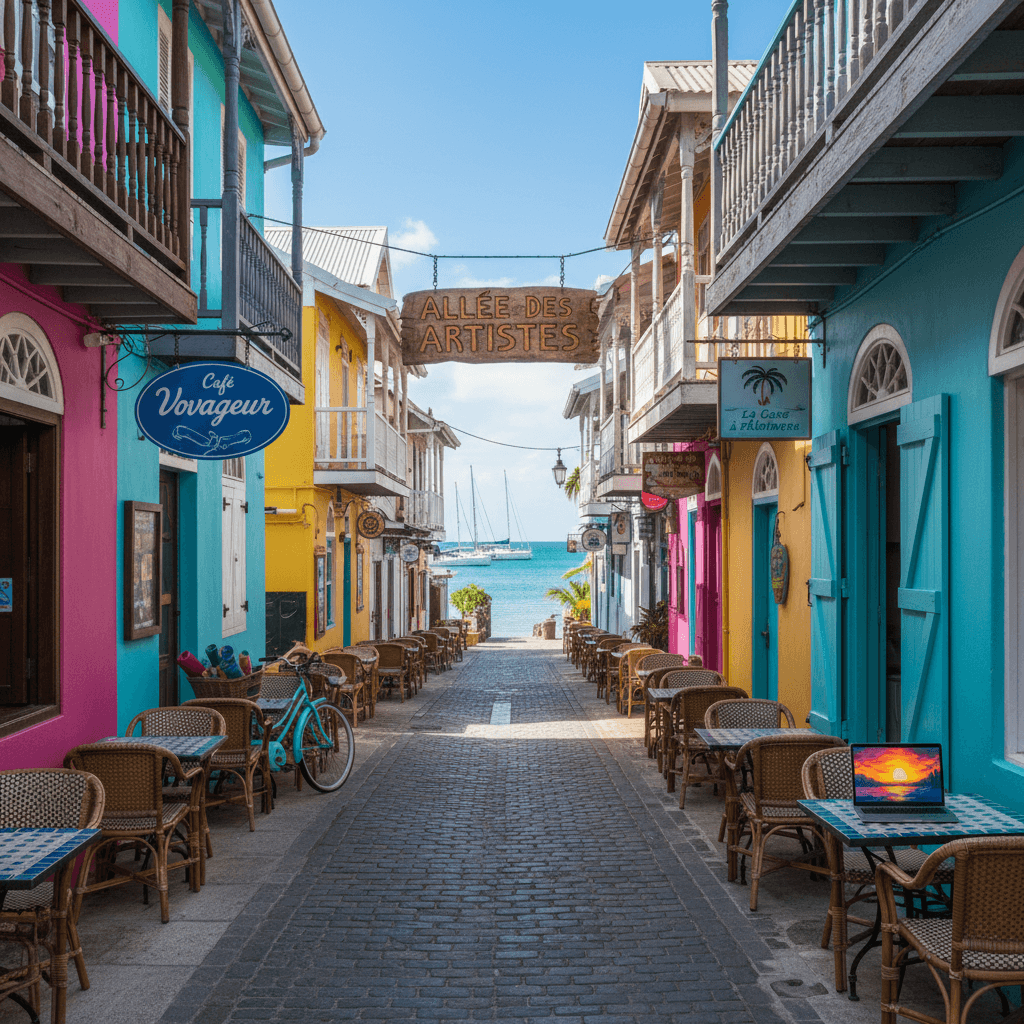
Grand Baie
🇲🇺 Mauritius