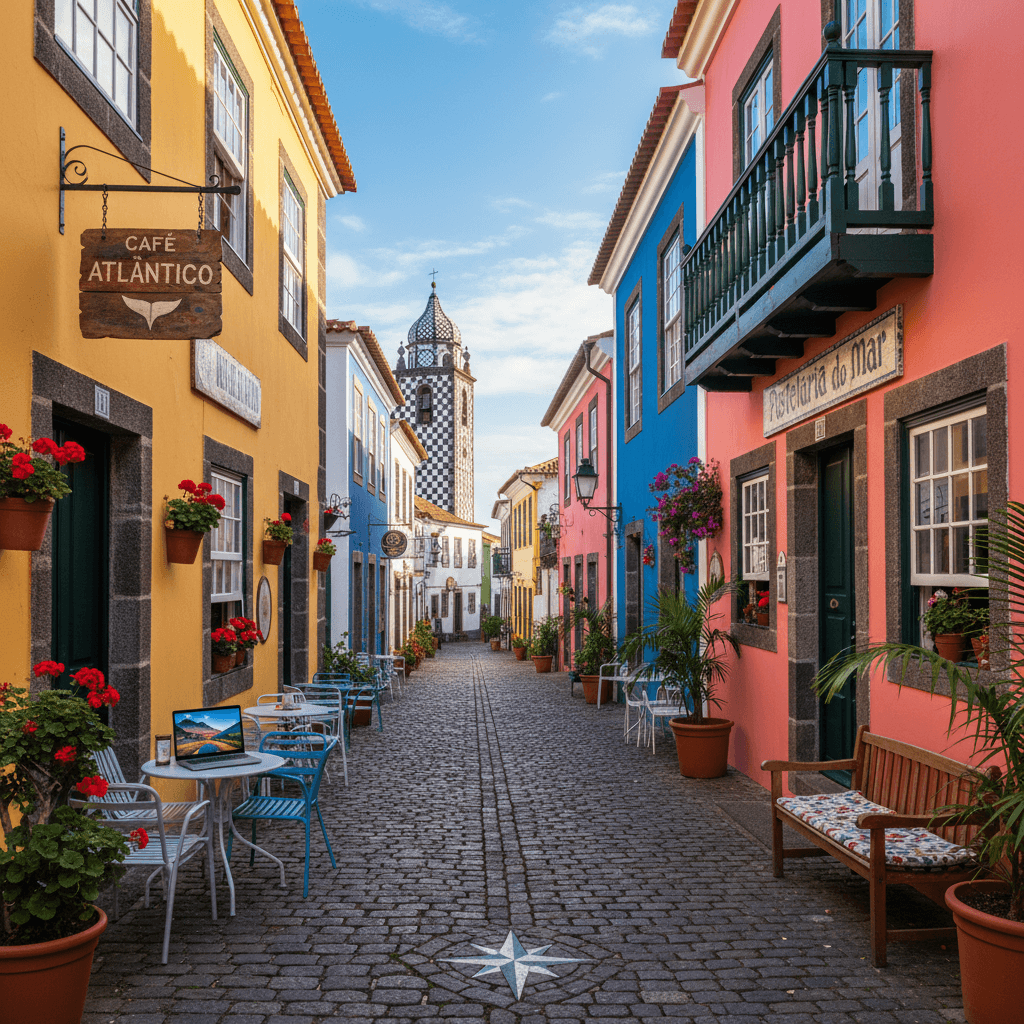
Ponta Delgada
🇵🇹 Portugal
Ponta Delgada isn't your typical digital nomad hub. While Lisbon feels like a frantic tech campus and Porto like a moody art gallery, the Azorean capital feels like a deep breath. It is a mid-Atlantic sanctuary where volcanic peaks meet the sea, offering a pace of life that forces you to slow down whether you want to or not. For nomads who prioritize nature over networking events, it is a rare find.
The vibe is distinctly island-casual. You'll see locals gathering for festivals like Santo Cristo dos Milagres in May, and the air frequently smells of salt spray and woodfire. It is a place where your morning "commute" might involve watching the mist roll off a crater lake rather than fighting for a seat on a subway. While the isolation is part of the charm, the community is growing; you'll find a welcoming mix of expats and locals who value a quiet Tuesday night over a club scene.
The Financial Reality
Living here is generally more affordable than on mainland Portugal, though prices have crept up as the island's popularity grows. A budget lifestyle usually runs between €1,500 and €2,000 a month if you're sharing housing. For a mid-range experience with your own apartment and regular meals out, plan for €2,000 to €3,000. If you want a comfortable setup with a high-end studio and frequent excursions, you’ll likely spend €3,000 or more.
- Rent: A central 1BR apartment in the historic district costs €600 to €900. On the west coast, prices for nomad-friendly spots hit €700 to €1,100.
- Food: You can grab a bifana or pastel de nata for €3 to €6. A solid dinner at a place like O Galego will set you back about €15 to €25 per person.
- Connectivity: Coworking memberships at spots like Novovento range from €150 to €250 per month.
The Daily Grind and the Weather
The emotional experience of Ponta Delgada is tied heavily to the sky. Travelers often joke that you can experience four seasons in an hour. Between May and September, it is a paradise of 20°C to 25°C days, perfect for hiking Sete Cidades. However, from December to February, the wind and rain can be persistent. Most nomads find the "gray" season is the best time to buckle down on deep work, provided they have a cozy apartment with good heating.
Work-life balance here isn't just a buzzword; it’s the default setting. You might spend your morning hitting 100 to 500Mbps speeds at a cafe in the Centro Histórico, but by 4:00 PM, you’re likely headed to a black-sand beach or a natural hot spring in Furnas. The internet is rock solid in the city center, but expats recommend staying away from deep rural areas if you have back-to-back Zoom calls, as the infrastructure there hasn't quite caught up to the urban core.
Why Nomads Choose It
What sets Ponta Delgada apart is the accessibility of adventure. Unlike mainland cities where you have to drive hours to escape the concrete, here you are never more than 20 minutes from a dramatic cliffside or a pineapple plantation. It suits the "slow nomad" profile, those who are tired of the hustle and want to trade nightlife for whale watching and high-quality seafood.
If you're looking for the Portugal Digital Nomad Visa (D8), keep in mind the minimum income requirement of €3,680 per month. This amount goes quite far here, allowing for a high quality of life that includes car rentals for weekend island exploration and plenty of fresh Atlantic tuna. Just don't expect a wild party scene; the nightlife is low-key, centered around quiet bars like Bar do Fundo and the occasional live Fado performance.
Cost of Living in the Azorean Capital
Living in Ponta Delgada feels like a steal compared to the skyrocketing prices of Lisbon or Porto. You get the benefits of the Eurozone infrastructure and safety, but with a price tag that reflects the island's slower, more traditional pace. Most nomads find they can live quite well here on a budget that would barely cover a studio apartment in London or New York.
Your monthly burn rate depends heavily on how much "island life" you want to indulge in. A budget-conscious nomad sticking to shared housing and local snacks can get by on €1,500 to €2,000. If you want your own one-bedroom apartment and regular dinners out, expect to spend between €2,000 and €3,000. For those seeking high-end sea views and upscale dining, €3,000+ is the baseline for a comfortable, premium lifestyle.
Housing and Neighborhoods
Rent is your biggest variable. While prices have ticked up as the Azores gain popularity, they remain grounded. Most expats recommend staying central if you don't plan on renting a car immediately.
- Centro Histórico: A studio or one-bedroom in the heart of downtown typically runs between €600 and €900. You'll be within walking distance of everything, though it can get a bit loud during the Santo Cristo dos Milagres festival in May.
- West Coast (Mosteiros/Novovento): This area is a favorite for the digital nomad crowd. You'll pay a premium for the views, with rentals ranging from €700 to €1,100, but the proximity to coworking hubs is a major plus.
- Suburbs (Fajã de Baixo): Families often head here for more space. You can find larger homes for €500 to €800, but you'll definitely need a car and a dedicated mobile hotspot as backup for the spotty WiFi.
Food and Dining
The cost of food is one of the best parts of living in São Miguel. Local produce, especially the famous Azorean pineapples and fresh cheese, is incredibly affordable at Mercado da Graça. If you're eating out, the prices are just as friendly.
- Quick Bites: A bifana or a pastel de nata at a local bakery will only set you back €3 to €6.
- Casual Dining: A solid meal at a mid-range spot like O Galego costs between €10 and €25 per person, including a glass of local wine.
- Upscale Meals: Dinner at a high-end restaurant with ocean views generally falls in the €30 to €50 range.
Connectivity and Transport
Working remotely requires reliable infrastructure. In the city center, you'll find speeds between 100 and 500Mbps, which is the urban gold standard here. Coworking spaces like Novovento charge about €15 to €20 for a day pass or €150 to €250 for a monthly desk.
Getting around is cheap if you stay in the city. A monthly bus pass is only €30 to €40, and rideshare apps like Uber or Bolt usually cost €5 to €10 for trips within the city. However, to see the lagoons and volcanic craters, you'll want a car. Rentals start around €30 per day, though prices spike significantly during the peak summer months of July and August.
Visa Financial Requirements
If you're applying for the Portugal Digital Nomad Visa (D8), keep in mind that the government has specific income thresholds. You'll need to prove a minimum monthly income of €3,680. While this is much higher than the actual cost of living in Ponta Delgada, it ensures you'll live very comfortably while meeting the legal requirements for residency.
Solo Travelers and Social Nomads: Centro Histórico
If you want to be in the heart of the action, the Centro Histórico is your best bet. This is the most walkable part of Ponta Delgada, filled with black and white basalt pavements, historic churches, and the city's best cafe culture. You'll be steps away from Mercado da Graça for fresh local produce and Padaria Central, a favorite spot for nomads to grab a coffee and use the reliable free WiFi.
- Rent: Expect to pay between €600 and €900 for a studio or one bedroom apartment.
- Internet: This is the urban gold standard for the island, with speeds reaching 100 to 500Mbps.
- Vibe: Vibrant and convenient, though it gets a bit noisy during the Santo Cristo dos Milagres festival in May.
Most solo travelers find this area ideal because you don't need a car for daily life. Everything from the airport bus to the oceanfront swimming arches is within a twenty minute walk. It's the easiest place to meet people, especially if you hang out at low key bars like Raiz Bar in the evenings.
Digital Nomads and Remote Workers: The West Coast
For those who moved to the Azores for the "island office" dream, the western coastline near Mosteiros and Ginetes is the top choice. This area is home to Novovento, a standout coworking and coliving space that serves as the hub for the local nomad community. You get the dramatic volcanic scenery and sea views that São Miguel is famous for without feeling completely isolated.
- Rent: Slightly higher for short term stays, ranging from €700 to €1,100 for modern setups.
- Coworking: Monthly passes at Novovento run about €150 to €250 and include community events.
- Transport: You will definitely need a car here, as it is a 20 to 30 minute drive into the city center.
Expats recommend this area for the work life balance. You can finish a Zoom call and be at a black sand beach or a natural thermal pool in ten minutes. Just keep in mind that while the coworking spaces have great fiber, some older rentals in this area might still rely on slower connections, so always ask for a speed test before booking.
Families and Long Term Expats: Fajã de Baixo and Suburbs
If you're moving with kids or looking for a more "local" residential feel, look toward Fajã de Baixo. Known for its famous pineapple greenhouses, this suburb offers more space for your money. It's quieter than downtown but close enough that you aren't cut off from schools or the main hospital, Hospital do Divino Espírito Santo.
- Rent: Larger family homes or apartments typically range from €500 to €800.
- Amenities: Easy access to larger supermarkets and local schools.
- Pros: Much easier parking and less tourist foot traffic.
Families often appreciate the proximity to green spaces and the lower cost of living compared to the tourist heavy center. It feels like a genuine Azorean neighborhood where neighbors actually know each other. You'll likely use Bolt or Uber for quick trips into town, which usually costs between €5 and €10.
Adventurers and Nature Lovers: Sete Cidades and Rural Outskirts
For those who want to wake up inside a volcanic crater, the area around Sete Cidades is unmatched. This is strictly for people who prioritize hiking and photography over a fast paced social life. It's a world of hydrangea lined roads and twin lakes, but it comes with practical trade offs.
- Rent: Variable, but often cheaper for long term leases if you can find them, around €500.
- Internet: Often unreliable or limited to 4G/5G hotspots; not recommended for heavy video conferencing.
- Climate: Noticeably wetter and cooler than the coast, especially from December to February.
Travelers often say this is the most beautiful place they've ever lived, but the isolation is real. You'll be relying on small local grocery stores and will need to drive into Ponta Delgada for almost everything else. If you're on the D8 Digital Nomad Visa, make sure your specific rental has a stable enough connection to meet your work requirements before committing to a year here.
Connectivity in the City and Beyond
If you're staying within the historic center of Ponta Delgada, you'll find the internet speeds surprisingly competitive with mainland Europe. Most urban rentals and cafes offer fiber connections ranging from 100Mbps to 500Mbps. It's the kind of reliability that handles video calls and heavy uploads without breaking a sweat. However, the island's volcanic geography plays tricks on signal strength once you head into the hills.
Expats generally warn against trying to work from deep rural areas like Sete Cidades or the smaller villages on the north coast. While the views are world class, the infrastructure often relies on older copper lines or spotty 4G. If your job depends on being online, stick to the downtown core or the established nomad hubs on the west coast where the "urban gold standard" of connectivity is guaranteed.
Top Coworking Spaces
The coworking scene in Ponta Delgada is intimate rather than corporate. You won't find massive WeWork style complexes here, but you will find community focused spaces that lean into the island's slower pace. Novovento Cowork & Coliving is a popular choice for the nomad community. Located on the west coast of São Miguel, it feels more like an upscale guesthouse than an office.
- Novovento: Expect to pay €150 to €250 for a monthly membership, or €15 to €20 for a day pass. It features high speed internet, air conditioning, and a terrace with sweeping sea views.
- Public Libraries: For a quiet, budget friendly afternoon, the local library in the center offers free WiFi, though you'll need to keep your voice down.
Mobile Data and SIM Cards
Don't rely solely on your home roaming plan, as the local carriers offer much better value for long term stays. The big three providers are MEO, NOS, and Vodafone. You can pick up a physical SIM at the airport (PDL) upon arrival or at one of the branded shops in the Parque Atlântico shopping mall.
- Prepaid Plans: Most nomads opt for packages offering 20GB to 50GB of data for roughly €10 to €20 per month.
- eSIMs: If your phone is compatible, apps like Airalo or Holafly work well for immediate connectivity, though they're usually pricier than a local contract.
- Coverage: MEO generally has the most robust coverage across the more rugged parts of the island, which is helpful if you're using your phone for GPS while hiking.
Remote Work Culture and Cafes
Ponta Delgada has a growing "laptop culture," but it's still polite to check the vibe before settling in for a four hour session. Most traditional Portuguese snack bars expect a quicker turnover. However, contemporary spots like Padaria Central are very welcoming to remote workers. They offer reliable free WiFi and plenty of power outlets if you arrive early.
The local nomad community is tight knit. Most people coordinate meetups through Facebook groups like Digital Nomads Azores. You'll find that work life balance isn't just a buzzword here; it's the standard. It's common for coworkers to head out for a surf or a dip in the ocean immediately after closing their laptops at 5:00 PM. If you're looking for a high pressure, 24/7 hustle environment, this isn't it. Ponta Delgada is for the worker who wants to get their tasks done efficiently so they can spend the rest of the day outside.
Staying Safe on the Island
Ponta Delgada is one of those rare places where you can truly let your guard down. It is remarkably safe, even for solo travelers and nomads who like to wander the historic center late at night. You won't find specific "no go" zones or dangerous neighborhoods here. The vibe is community oriented, and locals generally look out for one another.
While violent crime is almost non existent, common sense still applies. Most nomads recommend keeping an eye on your belongings at busy spots like Mercado da Graça or during major festivals like Santo Cristo dos Milagres in May. If you are exploring the island by car, don't leave expensive camera gear or laptops visible in the seat while you're off hiking. Small opportunistic thefts are rare but not impossible in tourist parking lots.
The real safety concerns in the Azores are usually nature related. The weather changes fast, and those beautiful volcanic trails can get slippery. Expats suggest avoiding isolated rural roads after dark, mostly because lighting is poor and wandering livestock can be a genuine road hazard. If you're heading out for a trek near Sete Cidades, check the weather apps first; the fog rolls in quickly and can turn a simple walk into a confusing ordeal.
Healthcare Infrastructure
If you get sick or twisted an ankle on a black sand beach, you're in good hands. The main hub for medical care is the Hospital do Divino Espírito Santo. It's a quality public facility with modern equipment. You'll find that many doctors and senior staff speak excellent English, though administrative staff might rely more on Portuguese. For minor issues, the city is dotted with pharmacies like Farmácia São Pedro, where pharmacists can often provide advice and over the counter remedies for basic ailments.
- Emergency Services: Dial 112 for immediate police, fire, or medical assistance. This is the standard number across the EU.
- Public Healthcare: While the quality is high, wait times for non emergencies at the public hospital can be long. EU citizens should carry their EHIC card for easier processing.
- Private Insurance: Most digital nomads here use providers like SafetyWing or World Nomads. Having private coverage allows you to access smaller private clinics where wait times are shorter.
- Pharmacies: Look for the illuminated green cross. They usually operate on a rotation system for 24/7 service, which is posted on their doors.
Health Requirements for Nomads
If you're applying for the D8 Digital Nomad Visa, you'll need to prove you have health coverage that meets Portuguese requirements. This usually means a policy that covers at least €30,000 and includes repatriation. Once you have your residency permit, you can register at the local Centro de Saúde (health center) to get your Utente number, which grants you access to the public system at the same subsidized rates as locals.
Expect to pay around €5 to €15 for a standard consultation at a public health center, while private GP visits usually run between €40 and €70. Most expats recommend keeping a digital folder with your vaccination records and any prescriptions, as it makes the initial registration process much smoother with the local authorities.
Safety and Health Quick Reference
- Hospital: Hospital do Divino Espírito Santo (Ponta Delgada)
- Pharmacy Cost: Most basic prescriptions range from €5 to €20
- Tap Water: Perfectly safe to drink, though it can have a slightly different mineral taste due to the volcanic soil.
- Emergency Number: 112
- Tourist Police: Located in the city center and very helpful with lost documents or minor reports.
The Walkability Factor
If you're staying in the Centro Histórico, your own two feet are your best asset. The downtown core is compact and filled with charming, basalt-paved streets that are easy to navigate. Most nomads find they only need a vehicle when they're headed out of town to chase waterfalls or volcanic craters.
For those quick trips across the city, bike and scooter rentals are becoming a staple. You can grab a ride through local providers like Azores Bike Shop or visit one of the other shops for a daily rate between €10 and €20. It's a great way to zip between a morning coffee at Padaria Central and an afternoon deep-work session.
Public Transit and Ridesharing
Ponta Delgada's public bus system, operated by ATA, is reliable and surprisingly affordable. A single ride typically costs between €1.50 and €2.50. If you're planning to stick around for a month or more, expats recommend picking up a monthly pass for about €40. It’s a solid budget-friendly option for getting around the immediate urban area.
When you're carrying groceries or heading home after a late dinner, rideshare apps like Uber and Bolt are active and efficient. Most trips within the city limits will run you between €5 and €10. It’s a convenient safety net for those rainy Azorean afternoons when walking isn't appealing.
Island Exploration: The Rental Car Rule
While the city itself is manageable without a car, the rest of São Miguel is a different story. To see the iconic twin lakes of Sete Cidades or the steaming caldeiras in Furnas, you'll want your own wheels. Public transport to rural areas is sparse and doesn't always align with a nomad's schedule.
Car rentals usually start around €30 per day, though prices can spike during the peak season from May to September. Many long-termers choose to bundle their errands and sightseeing into a few days a week to save on rental costs. If you’re staying out toward the west coast near Novovento, having a car is almost a requirement for getting into the city center, which is about a 20 to 30 minute drive.
Getting to and From PDL
The Joao Paulo II Airport (PDL) is incredibly close to the action, sitting just 5km from the city center. You have three main ways to make the trek:
- Taxis: The most straightforward option, costing between €15 and €20 depending on your luggage and exact drop-off point.
- Airport Bus: A budget-friendly shuttle service that runs frequently throughout the day.
- Rideshare: Often slightly cheaper than a standard taxi, though availability can fluctuate during peak flight arrival times.
Key Transport Costs at a Glance
- Monthly Bus Pass: €40
- Standard Taxi (Airport to Center): €15 to €20
- Daily Car Rental: €30+
- Bike/Scooter Rental: €10 to €20 per day
- Average Rideshare Trip: €7
Most travelers find that a hybrid approach works best. Walk the historic center, use the occasional Bolt for convenience, and rent a car for those weekend adventures into the volcanic wilderness.
Breaking the Language Barrier
You'll find that getting by in Ponta Delgada is surprisingly easy if you're coming from an English speaking background. In the urban center and tourist hubs, English proficiency is high, with over 80% of locals in the service industry speaking it well enough to handle everything from lease negotiations to ordering a round of drinks. Most nomads find they can navigate daily life in the city center without much friction.
That said, the Azorean accent is famously distinct from the European Portuguese you might hear in Lisbon or Porto. It's thicker and more melodic, which can sometimes trip up those who have been practicing on Duolingo. While the younger generation and business owners in downtown Ponta Delgada are fluent, older residents or those in rural spots like Sete Cidades might only speak Portuguese. In those cases, a friendly "Olá" and a bit of patience go a long way.
Practical Tools for Communication
While you won't need to be fluent to survive, having a few digital tools on your phone makes the transition smoother. Expats recommend keeping these ready:
- Google Translate: Use the camera feature for translating menus at local spots like O Galego or reading utility bills.
- DeepL: This is generally more accurate for Portuguese nuances and is the go-to for drafting emails to landlords or government offices.
- WhatsApp: This is the universal communication tool here. Whether you're booking a whale watching tour or chatting with a local coworking group, everyone uses it.
Key Phrases to Know
Locals deeply appreciate it when you make an effort. Even if you switch to English immediately after, starting a conversation in Portuguese changes the vibe of the interaction. Start with these basics:
- Bom dia / Boa tarde: Good morning / Good afternoon. Use these constantly; it's polite to greet shopkeepers when you walk in.
- Obrigado (m) / Obrigada (f): Thank you. Match the ending to your own gender.
- A conta, por favor: The bill, please.
- WiFi senha?: What is the WiFi password? (A must at cafes like Padaria Central).
- Fala inglês?: Do you speak English?
Staying Connected
Communication isn't just about what you say, it's about the tech that keeps you online. In the heart of Ponta Delgada, you'll enjoy speeds between 100 and 500Mbps, which is the gold standard for remote work. However, if you venture into the rural outskirts or the west coast, connectivity can become spotty. Digital nomads often suggest staying in the city center if your job requires constant video calls.
For mobile data, don't rely on roaming fees from back home. You can grab a local SIM card from providers like MEO, NOS, or Vodafone for about €10 to €20, which usually nets you 20GB to 50GB of data. If you want to hit the ground running the moment you land at PDL airport, download an eSIM via Airalo before you fly. It’s slightly pricier than a local physical SIM but saves you the hassle of finding a shop on day one.
Social Circles and Networking
The nomad community in the Azores is smaller than the mainland, but it's exceptionally tight knit. Most communication for meetups happens in Facebook groups like Digital Nomads Azores or Expats in Ponta Delgada. If you're looking for face to face networking, head to Novovento on the west coast. They host regular events where the primary language is English, making it the easiest place to find your tribe and get the inside scoop on island life.
The Four Seasons in One Day
Living in Ponta Delgada means embracing the oceanic climate of the Azores. Locals often joke that you can experience every season before lunch. The weather is mild year round, with temperatures rarely dipping below 14°C or climbing above 25°C. While it never gets truly freezing, the humidity and wind can make the winter air feel sharper than the thermometer suggests.
Expats and nomads quickly learn the "Azorean Layer" strategy. Even on a sunny morning, a rain shower can roll in from the Atlantic within minutes. You'll want a light, waterproof shell and breathable fabrics. If you're planning to work from a terrace at Novovento or hike near Sete Cidades, always check the clouds rather than just the forecast.
When to Visit: The Sweet Spot
The prime window for digital nomads is May through September. During these months, the island is at its most vibrant. The hydrangeas are in full bloom, and the sun stays out long enough for post-work swims at the black-sand beaches. Average highs sit comfortably around 20-25°C, making it the perfect climate for those who find the mainland Portuguese summers too stifling.
- May: This is a favorite for many because of the Santo Cristo dos Milagres festival. The city comes alive with decorations and tradition, though short-term rentals can get booked up fast.
- July and August: These are the driest months. It's the best time for whale watching and clear views of the volcanic craters, though you'll share the downtown cafes with more tourists than usual.
- September: The ocean is at its warmest, often reaching 23°C. The crowds thin out, but the weather remains stable enough for outdoor adventures.
The Rainy Season Reality
From October to April, the archipelago enters its "green" season. You can expect frequent rain and gray skies, particularly from December to February. While it doesn't rain all day every day, the dampness is persistent. Most nomads who stay through the winter recommend finding an apartment with a dehumidifier, as many older buildings in the historic center aren't built for modern climate control.
Winter isn't all gloom, though. The thermal pools in Furnas are actually better when the air is chilly, and the cost of living feels even lower as off-season rates kick in for car rentals and long-term stays. If your work requires high-speed internet and you don't mind a few stormy afternoons with a book in a cozy cafe like Padaria Central, the winter months offer a peaceful, productive solitude.
Practical Forecast Tips
Don't rely on standard weather apps; they often struggle with the island's microclimates. Most residents use SpotAzores. It provides live webcam feeds from across São Miguel so you can see if it's sunny on the west coast before you make the 30 minute drive from downtown. If it's raining in Ponta Delgada, there's a good chance the sun is shining just a few kilometers away in Mosteiros.
For those planning a move, keep in mind that the wind can occasionally disrupt travel. Flights into PDL airport are generally reliable, but heavy gusts in the winter can sometimes cause delays. If you have a tight deadline or a vital meeting, it's a good idea to arrive a few days early during the peak of the windy season.
Connectivity and Tech Setup
In the heart of Ponta Delgada, you'll find internet speeds that rival mainland Europe. Urban areas typically clock in between 100 and 500Mbps, which is plenty for video calls and heavy uploads. If you venture into the rural outskirts or the interior of São Miguel, however, that connection can drop off fast. Most nomads find sticking to the city center or established hubs like the west coast ensures they aren't left staring at a loading screen.
For a dedicated workspace, Novovento Cowork and Coliving on the west coast is the gold standard. It feels more like a upscale guesthouse than a sterile office, featuring a terrace with sea views and a community atmosphere. They offer day passes for €15 to €20, while monthly desks run between €200 and €300. If you prefer a cafe vibe, Padaria Central is a reliable spot with decent WiFi and great pastries.
When you land, grab a local SIM card from MEO, NOS, or Vodafone. You can expect to pay €10 to €20 for a prepaid plan with 20 to 50GB of data. If your phone supports it, setting up an eSIM via Airalo before you arrive is the smoothest way to stay connected from the moment you touch down at PDL airport.
The Cost of Remote Life
Living in the Azores is generally more affordable than Lisbon or Porto, but prices are rising as more people discover the islands. A comfortable lifestyle here usually requires at least €3,000 a month, which aligns well with the Digital Nomad Visa (D8) requirement of €3,680 in monthly income. If you're on a tighter budget, you can get by on €1,500 to €2,000 by sharing housing and sticking to local tascas.
Neighborhood Estimates
- Centro Histórico: The most convenient spot for solo travelers. You're steps away from the Mercado da Graça and the harbor. Rent for a 1BR here averages €600 to €900.
- West Coast (Mosteiros): Popular with the expat crowd for its sunsets and proximity to Novovento. It's quieter and pricier, with rentals ranging from €700 to €1,100. You'll definitely want a car if you stay out here.
- Faja de Baixo: A suburban choice that works well for families. It's more residential with houses starting around €500 to €800, though you might need to upgrade the home WiFi.
Getting Around the Island
Ponta Delgada's center is highly walkable, but the real magic of São Miguel is found in the volcanic craters and hot springs. For daily errands, Uber and Bolt are available and cheap, usually €5 to €10 per trip. The local ATA buses are reliable for short hops at €1.50 a ride, and a monthly pass costs about €40.
To really explore, you'll need a car. Rentals start around €30 a day. If you prefer two wheels, BikeAzores offers rentals for €10 to €20 a day. For those arriving from the airport, a taxi to the center is a flat €15 to €20, or you can take the airport bus for €2.50.
Health and Safety
Safety is rarely a concern here. Violent crime is almost non-existent, and walking home at night is common practice. The main thing to watch out for is the weather; driving on isolated rural roads during a heavy downpour can be tricky. For medical needs, Hospital do Divino Espírito Santo provides quality public care, and many doctors speak excellent English. If you just need a quick consultation or meds, Farmácia São Pedro is a central and helpful pharmacy. In any emergency, dial 112.
Money and Language
While Portuguese is the language of the land, English proficiency is high in the city, especially among younger locals and those in the tourism industry. Most nomads find they can get by easily, though learning a few phrases like "bom dia" goes a long way. For banking, stick to Wise or Revolut to avoid high conversion fees at ATMs. When dining out, a tip of 5 to 10% is appreciated but not mandatory. If you're heading to a local spot like O Galego for fresh seafood, expect to pay €15 to €25 for a solid meal.
Need visa and immigration info for Portugal?
🇵🇹 View Portugal Country GuideEasy Landing
Settle in, no stress