Pisac
🇵🇪 Peru
The Andean Slow-Burn
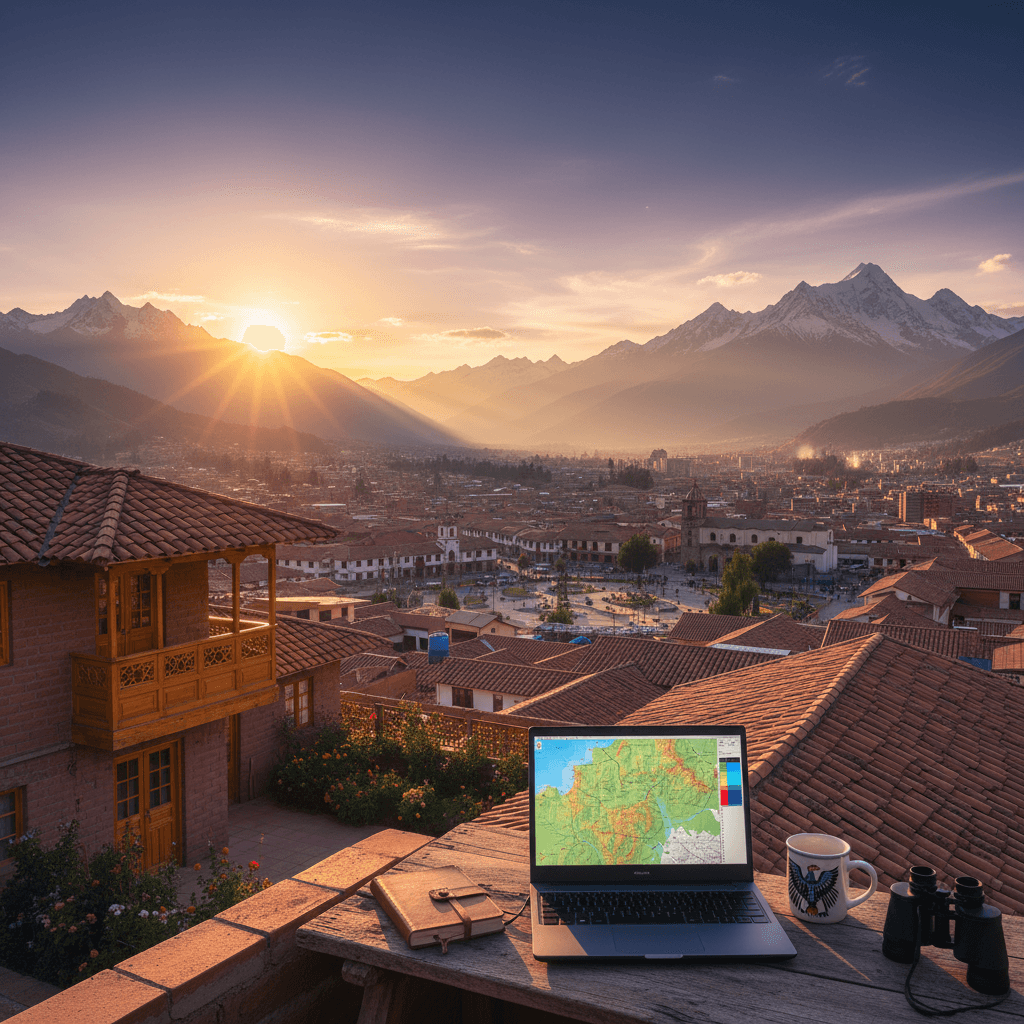
If Cusco is the high-energy heart of the Peruvian Andes, Pisac is its soulful, deep-breathing lungs. Located just an hour from the city, this town has evolved from a sleepy market stop into a dedicated sanctuary for digital nomads who find the urban grit of Cusco a bit too intense. It is a place defined by the shadows of Inca terraces and the scent of wood-fired ovens, where the morning alarm is often just the sound of wind moving through the valley.
Living here feels like stepping into a slower timeline. The vibe is decidedly spiritual and grounded, attracting a mix of creative professionals, wellness seekers, and long-term expats who value silence over nightlife. Most nomads describe the experience as a "dream" for deep work, provided you can handle the 2,970 meters (9,750 feet) altitude. It is not uncommon to spend your Tuesday morning on a Zoom call and your afternoon hiking up to the Pisac ruins to sit among ancient stone agricultural terraces.
What Makes It Different
Pisac stands apart because it hasn't sacrificed its Quechua roots for the sake of tourism. While the Sunday market brings in crowds for handmade textiles and silver, the weekdays belong to the locals and the small community of remote workers. You are more likely to spend your time discussing potato diversity at Parque de las Papas than navigating a crowded club scene. It is a town of empanadas pulled from colonial clay ovens and slow conversations in sun-drenched plazas.
The emotional payoff of Pisac is the sense of belonging to a valley. There is a specific peace that comes with being surrounded by green peaks that feel close enough to touch. However, it is not all mystical sunsets. You have to be okay with a bit of "mountain ruggedness." Infrastructure can be temperamental, and the local pace of life means things happen when they happen, not necessarily when your calendar says they should.
The Nomad Reality
Expats and travelers generally fall in love with the affordability, often finding they can live comfortably on $1,100 to $1,300 a month. That said, the "love-hate" relationship with Pisac usually centers on two things: the thin air and the WiFi. While fiber optic internet has finally reached many town-center cafes and boutique rentals, it is still wise to keep a Claro or Entel SIM card as a backup.
The social scene is intimate. Instead of big networking events, you'll find your tribe in the Digital Nomads Peru Facebook group or through WhatsApp threads that organize weekend trips to the Taray Mirador. It is easy to meet people because the town is so compact, most people naturally congregate at the same three or four fiber-equipped cafes every morning.
Cost of Living Breakdown
- Budget Lifestyle ($800 to $1,000): This covers a basic flat in the town center, eating primarily at the local markets where meals cost $2 to $4, and using colectivos for transport.
- Mid-Range Lifestyle ($1,100 to $1,300): You can afford a modern apartment with a valley view, frequent visits to mid-range cafes for $5 to $10 meals, and occasional private taxis.
- Comfortable Lifestyle ($1,400+): This gets you a boutique stay near the ruins, high-end Andean fusion dining, and private transfers to the airport or Cusco.
The Neighborhood Feel
- Town Center: This is the functional hub. It is walkable, social, and puts you right next to the markets and the trailhead. It is the best spot for solo nomads who want to be near the action, even if it gets a bit noisy on market days.
- The Outskirts and Valleys: Areas toward the Taray side or higher up near the ruins are quieter and more scenic. These are the preferred spots for families or those who really want to disappear into nature, though you will likely need a bike or a regular mototaxi driver to get into town.
Ultimately, Pisac is for the nomad who wants to trade the "hustle" for a bit of Andean magic. It is a place to recalibrate, where the cost of living is low but the quality of life, measured in fresh air and ancient views, is exceptionally high.
The Price of Andean Peace
Living in Pisac is significantly more affordable than basing yourself in Lima or even the popular San Blas neighborhood in Cusco. Most digital nomads find they can maintain a comfortable, high quality lifestyle here for between $1,100 and $1,300 per month. If you are on a strict budget and stick to market food and basic local apartments, you can easily get by on $800 to $1,000.
The town is small and lacks the complex neighborhood divisions of larger cities. Your costs will largely depend on how close you want to be to the town center and whether you prioritize modern amenities like fiber optic internet and western style kitchens. While prices are rising as more remote workers discover the Sacred Valley, it remains one of the best value destinations in South America for 2025 and 2026.
Monthly Budget Breakdown
- Budget Tier: $800 to $1,000 per month. This covers a basic studio in the town center, cooking most meals at home with market produce, and using colectivos for transport.
- Mid-Range: $1,100 to $1,300 per month. This is the sweet spot for most nomads. It includes a modern one bedroom apartment with valley views, daily cafe visits, and frequent weekend trips around the Sacred Valley.
- Comfortable: $1,400+ per month. This allows for boutique housing near the ruins, dining at upscale Andean fusion restaurants, and hiring private transfers to Cusco or the airport.
Housing and Rent
Rent is your biggest variable. Most travelers use Airbnb for short stays, but for a month or longer, it is better to look on local Facebook groups or Urbania. The town center is the most convenient for walking to the market and finding reliable WiFi, while the outskirts toward the Taray Mirador offer more space and better views for a slight premium.
- Basic Studio/1BR: $300 to $400. Usually located in the town center; expect traditional architecture and basic furnishings.
- Modern Apartment: $400 to $600. These often feature better insulation, larger windows with views, and more reliable kitchen setups.
- Boutique or Luxury Stays: $600 to $800. These are often located on the quieter outskirts near the Pisac Ruins trailhead and cater to those wanting a retreat like environment.
Food and Dining
You can eat very well in Pisac without spending much. The local market is a staple for everyone living here, offering fresh produce and incredibly cheap prepared meals. For a more social vibe, the town has a growing number of cafes that cater specifically to the nomad community.
- Local Markets and Street Food: $2 to $4. You will find empanadas, fresh fruit, and traditional potato dishes for just a few soles.
- Mid-Range Cafes: $5 to $10. Expect to pay this at popular nomad spots where you can also sit and work for a few hours.
- Upscale Dining: $15+. These are rarer in Pisac than in Cusco, but a few high end Andean fusion spots exist for a nice night out.
Connectivity and Workspace
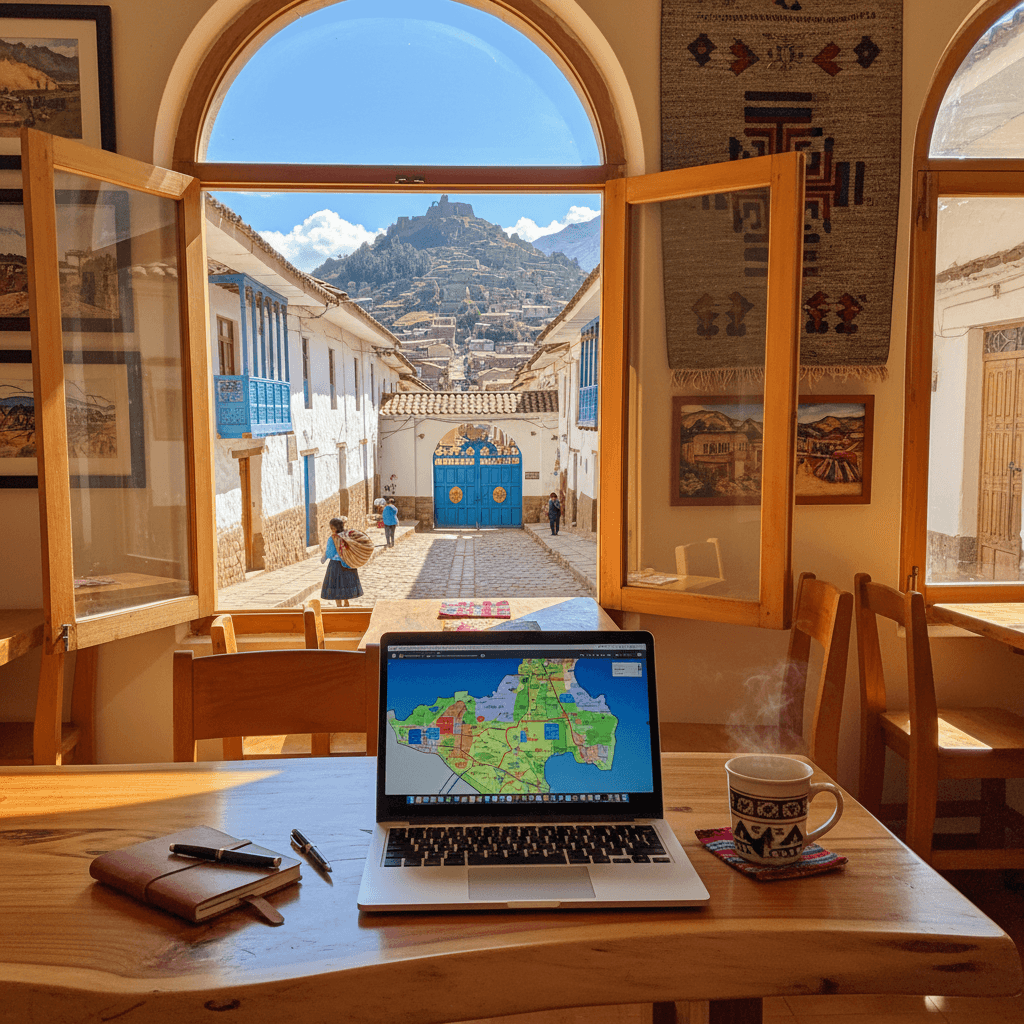
Since there are no dedicated, large scale coworking spaces in Pisac yet, most people work from their rentals or local cafes. Fiber optic internet is becoming the standard in the town center, but it is always smart to have a backup. Travelers recommend picking up a SIM card from Claro or Entel in Cusco for about $10 to $20 for a month of data.
- Daily Cafe Spend: $5 to $10. This usually covers a couple of coffees and a light lunch while you use their fiber connection.
- Remote Work Setup: $100 to $200 per month. If you prefer a dedicated space, some boutique hotels offer day passes or monthly rates for their communal areas.
Transportation
Pisac is an extremely walkable town, so you likely won't spend much on daily transport. When you need to leave town, the local colectivo system is efficient and very cheap. Taxis are available for local trips, and apps like InDrive or Uber work if you are heading toward Cusco.
- Colectivos to Cusco: $1 to $2 per trip. This is the standard way to move between towns in the valley.
- Taxis and Ride-Hailing: $5 to $10 for short trips or getting home with groceries.
- Private Transfers: $20 to $40. This is the typical rate for a private car to the Cusco airport, which takes about an hour.
The Town Center
Most digital nomads and solo travelers settle in the town center, and for good reason. It is the heartbeat of Pisac, where you can walk out of your door and be at the famous Sunday market or a fiber-optic equipped cafe in under five minutes. The vibe here is social and convenient, making it the easiest place to meet others through local WhatsApp groups or the frequent nomad meetups at central spots.
Living here means you are steps away from the trailhead to the Pisac Ruins and the best empanada ovens in the valley. While the infrastructure can feel a bit basic compared to Lima, this is where you will find the most reliable internet connections and the highest density of English-speaking expats. Expect to pay between $300 and $400 for a basic studio, though more modern apartments with mountain views can reach $600.
- Best for: Digital nomads, solo travelers, and short-term visitors.
- Pros: Maximum walkability, easy access to colectivos for $1 or $2, and the best social scene.
- Cons: Market days get loud and crowded with tourists; some areas lack privacy.
The Valley Outskirts and Taray
If you are a solo adventurer or a writer looking for deep focus, the outskirts toward the Taray Mirador or the road leading to the Potato Park are your best bet. These areas offer stunning, uninterrupted views of the Andean terraces and a much quieter atmosphere than the town core. It is the kind of place where you wake up to the sound of the river rather than a mototaxi.
You will need to be more self-sufficient here. Services are sparse, so you will likely be cooking at home with market finds or taking a 15-minute walk into town for a meal. Many nomads who choose this area rely on Claro or Entel SIM cards as a backup for their home WiFi, as the distance from the center can occasionally impact signal stability. Rent stays affordable, often landing in the $400 to $500 range for a house with a garden.
- Best for: Solo adventurers and creative professionals seeking solitude.
- Pros: Unbeatable scenery, proximity to the Parque de las Papas, and a peaceful environment.
- Cons: Requires more walking or private transport; fewer dining options nearby.
Near the Pisac Ruins
Families and those with a higher budget often gravitate toward the boutique properties and larger homes tucked into the foothills near the ruins. This area feels more like a retreat than a neighborhood. It offers a sense of space and security that is hard to find in the cramped streets of the center, with many properties featuring gated gardens and modern Andean architecture.
Living here is about the lifestyle. You are paying for the proximity to high-altitude hikes and the cleaner air found above the valley floor. Comfortable stays in this area usually start around $600 and can go well over $800 for boutique-style accommodations. While it is less walkable, the peace and quiet make it the preferred choice for those traveling with children or anyone looking for a "slow life" experience away from the market bustle.
- Best for: Families and travelers seeking a luxury or boutique experience.
- Pros: Spacious properties, quiet nights, and easy access to scenic trails.
- Cons: Higher price point; usually requires a taxi or private transfer for errands.
Which Area Should You Choose?
If it is your first time in the Sacred Valley, start in the Town Center. Most nomads find that being close to the cafes and the colectivo station makes the transition to 9,500 feet much easier. You can always scout the outskirts for a long-term rental once you have acclimated to the altitude and the local pace. For those staying a month or more, a mid-range budget of $1,100 to $1,300 will allow you to live comfortably in almost any part of town, covering rent, frequent cafe visits, and weekend trips to Cusco.
The Connectivity Reality
Working from Pisac is a study in contrasts. You'll likely spend your morning staring at Inca terraces from a cafe window while hopscotching between fiber optic signals. While the town is small, the infrastructure has seen a significant upgrade recently. Fiber optic internet is now widely available in the town center, with some properties and cafes clocking speeds up to 200Mbps. This makes video calls and heavy uploads entirely possible, a massive shift from the flaky satellite connections of years past.
That said, Pisac is still a mountain town at 2,900 meters. Power outages happen, especially during the rainy season from November to April. You shouldn't rely solely on your Airbnb's router. Most nomads find that having a local backup is the only way to work with peace of mind. Grab a SIM card from Claro or Entel in the Cusco markets or local Pisac shops before you settle in. A plan with unlimited data usually runs between $10 and $20 and provides a solid hotspot when the town's grid decides to take a siesta.
Where to Work: Cafes and Alternatives
You won't find a dedicated, big-brand coworking space with ergonomic chairs and soundproof booths in Pisac. Instead, the "office" here is a collection of nomad-friendly cafes and boutique hostels. The culture is incredibly welcoming to laptops, provided you're buying coffee and food throughout the day. Expect to pay about $5 to $10 per day in "consumption" to keep your seat.
- Town Center Cafes: Most of the action happens around the main square and the side streets leading toward the ruins. Look for spots advertising "Fibra Optica." These are the unofficial hubs where you'll find other remote workers tucked into corners with their MacBooks.
- Digital Nomad Hostels: Several properties in the center have pivoted to cater to the remote crowd, offering dedicated work tables and reinforced WiFi. They often sell day passes if you aren't staying on-site.
- Cusco Day Trips: If you have a massive project or a week of heavy meetings, many nomads take a $1 to $2 colectivo into Cusco. It's a one-hour trip, but it gives you access to professional coworking spaces and the stability of a larger city's infrastructure.
Practical Tech Tips
If you're planning a long-term stay, don't just take the host's word for "good internet." Ask for a Speedtest screenshot before booking. Travelers often recommend staying in the Town Center if connectivity is your priority. While the outskirts and the road toward the Taray Mirador offer stunning valley views and silence, the internet signal there can be significantly weaker or non-existent.
For those who need to sync with North American time zones, Pisac is a dream. It stays on PET (Peru Time), which aligns closely with EST or CST depending on the time of year. You won't be waking up at 3:00 AM for meetings like you would in Southeast Asia. This alignment, combined with the low cost of living, is exactly why the nomad community here is growing so quickly. Just remember to pack a high-quality power bank and a universal adapter; the Andean power grid can be as unpredictable as the mountain weather.
Staying Safe in the Sacred Valley
Pisac is widely considered one of the safest hubs for nomads in Peru. Unlike the more frantic energy of Lima or the tourist-heavy streets of Cusco's San Blas, Pisac maintains a small-town atmosphere where people generally look out for one another. You'll find that walking home after a late dinner at a local cafe feels relaxed and secure.
The primary concern here isn't violent crime; it's petty theft. The Sunday market is the town's busiest event, drawing crowds from all over the valley. This is when you need to be most vigilant. Travelers often recommend keeping your phone and wallet in front pockets or using a cross-body bag. Professional pickpockets occasionally operate in these dense crowds, but a little common sense goes a long way. If you're heading out to the Pisac Ruins or hiking toward the Taray Mirador, the trails are generally safe, though it's always smarter to hike with a friend or let someone know your route.
- Emergency Contacts: Dial 105 for the police or 116 for fire and medical emergencies.
- Local Tip: Stick to well-lit paths in the town center at night. While the outskirts are beautiful, they can be very dark and isolated after sunset.
- Apps: Use InDrive or Uber if you need to head into Cusco after dark. It's safer and more reliable than hailing a random car on the road.
Managing the Altitude
The biggest threat to your health in Pisac isn't a virus; it's the 2,900-meter (9,500-foot) elevation. Even if you've spent time in other high-altitude cities, the Andean air hits differently. Most nomads find that taking it easy for the first 2 to 3 days is non-negotiable. Pushing yourself too hard on the ruins trail the day you arrive is a recipe for a week of headaches and fatigue.
Locals swear by coca tea to help with the transition, and you'll find it served in almost every cafe and hostel. Stay hydrated, avoid heavy meals and alcohol for the first 48 hours, and listen to your body. If you experience persistent shortness of breath or severe headaches, don't ignore it. Soroche (altitude sickness) can escalate, and the best cure is often descending to a lower elevation or seeking medical oxygen.
Healthcare Facilities and Pharmacies
For minor issues like stomach bugs or altitude headaches, Pisac has several well-stocked pharmacies (boticas) around the main plaza and town center. Pharmacists here are often very helpful and can provide over-the-counter remedies for common traveler ailments. Prices are low, usually just a few dollars for basic supplies.
If you need more serious medical attention, you'll likely need to head to Cusco, which is about one hour away by colectivo or taxi. Cusco has high-quality private clinics that cater to expats and travelers. Most nomads recommend Clinica Peruano Suiza or Clinica Pardo for reliable, modern care and English-speaking staff.
- Insurance: Carrying a policy like SafetyWing is standard practice here. It covers the unexpected and is widely accepted for reimbursement.
- Water Safety: Never drink the tap water. Even for brushing your teeth, many expats prefer using filtered or bottled water. Most long-term rentals provide large 20-liter jugs (bidones) for a few dollars.
- Sun Protection: The Andean sun is incredibly strong due to the altitude. Wear high-SPF sunscreen even on cloudy days to avoid nasty burns.
Vaccinations and General Wellness
No specific vaccinations are required to enter Pisac, but being up to date on Hepatitis A and Typhoid is recommended since you'll likely be eating plenty of fresh market food. If you plan on venturing from the Sacred Valley into the Amazon basin after your stay, you'll need a Yellow Fever shot, which you can often get in Cusco if you didn't get it at home.
Overall, the lifestyle in Pisac is incredibly healthy. The abundance of fresh, organic produce at the markets and the constant opportunities for hiking mean most nomads leave feeling better than when they arrived. Just respect the altitude, watch your belongings in the market, and you'll find Pisac to be a peaceful, low-stress home base.
The Walkability Factor
Pisac is a dream for anyone who hates a long commute. The town center is incredibly compact, meaning you can walk from your apartment to the central market, a fiber-equipped cafe, or the trailhead of the Pisac Ruins in under 15 minutes. Most nomads find they rarely need wheels for daily life; your own two feet are the primary mode of transport here. The streets are cobblestoned and narrow, so wear sturdy shoes and watch your step after a rain shower.
Mastering the Colectivo
When you need to venture beyond the town limits, the colectivo is the lifeblood of the Sacred Valley. These shared vans or small buses are the most authentic and affordable way to travel. You'll find them gathered near the bridge or the main road heading toward Cusco. A ride to Cusco typically costs between $1 and $2 (about 4 to 7 Soles) and takes about 1 hour.
There is no fixed schedule; they simply leave when they're full. If you're heading to other valley towns like Urubamba or Calca, just look for the destination sign in the front window or listen for the driver shouting the town name. It's a tight squeeze, but it's the best way to save your budget for weekend trips to Machu Picchu.
Taxis and Ride-Hailing
While Pisac doesn't have a massive fleet of cars, you can usually find taxis hanging around the main plaza or the bridge. For a private ride into Cusco or a direct drop-off at the airport, expect to pay between $20 and $40 depending on your negotiation skills and the time of day. Travelers often recommend booking these through your guesthouse to ensure a fair price.
As for apps, don't expect a quick pickup from Uber or InDrive within Pisac itself. While these apps are dominant in Cusco, the GPS and driver availability in the valley can be spotty. If you're using an app to get from Cusco back to Pisac, it works well, but for the return trip, a local taxi or colectivo is much more reliable.
Two-Wheeled Exploration
If you want more freedom to explore the potato parks or the backroads toward Taray, renting a bike or a scooter is a solid move. Several small shops near the town center offer rentals for approximately $5 to $10 per day. It's a fantastic way to see the agricultural terraces at your own pace without the steep hike. Just be mindful of the altitude; even a slight incline can leave you winded if you haven't fully acclimatized to the 2,900-meter elevation yet.
Getting to and from the Airport
Most nomads arrive via Alejandro Velasco Astete International Airport in Cusco. From there, you have three main choices to reach Pisac:
- Private Transfer: The most stress-free option. A driver meets you at arrivals and whisks you straight to your door in Pisac for about $30.
- The Hybrid Route: Take a quick taxi from the airport to the Calle Puputi colectivo station in Cusco for about $3, then hop on a colectivo to Pisac for $1.50.
- Street Taxi: Grab a cab directly from the airport curb. You'll likely pay a premium, often $35 or more, so always agree on the price before the luggage goes in the trunk.
Expats recommend leaving plenty of buffer time if you're heading back to the airport for a flight. While the drive is usually an hour, occasional mudslides in the rainy season or local festivals can turn the main road into a parking lot.
The Linguistic Landscape
In Pisac, your communication experience depends entirely on your proximity to the plaza. Spanish is the functional language for almost everything, from negotiating rent to ordering a $3 menu del dia. However, Pisac is a unique pocket of the Sacred Valley where indigenous Quechua isn't just a historical relic; it's the primary language for many locals, especially the older generation and vendors coming down from the mountain communities like the Parque de las Papas.
Most nomads find they can get by with basic Spanish, but you'll notice a distinct linguistic divide. In the boutique cafes and the high-end shops near the market, English is common. Once you step into the local vegetable stalls or flag down a $1 colectivo to Cusco, you'll need at least a working knowledge of numbers and directional phrases. Expats living here long-term often say that learning even five or six Quechua greetings, like "Allianchu" (How are you?), goes a long way in building rapport with the community.
Spanish Learning and Language Schools
While Pisac doesn't have the massive commercial language academies you'll find in Cusco's San Blas neighborhood, it offers a more intimate learning environment. Most travelers opt for private tutors who meet in local cafes like SolSeed or Lily of the Valley. Prices for private 1-on-1 lessons usually range from $10 to $15 per hour. It's a slower, more conversational way to learn that fits the town's relaxed pace.
- Private Tutors: Often found through community WhatsApp groups or bulletin boards at the organic market.
- Language Exchange: Informal "intercambios" happen at local hostel bars, where you can practice Spanish with locals looking to improve their English.
- Cusco Commute: For intensive, accredited courses, many nomads take the 1-hour colectivo ride into Cusco for morning classes before returning to Pisac for a quiet afternoon of work.
Digital Communication and Connectivity
Staying connected in the valley is easier than it used to be, but it still requires a bit of strategy. Fiber optic internet has reached the town center, giving some rentals and cafes speeds up to 200Mbps. However, power outages or service blips aren't uncommon during the rainy season. You shouldn't rely solely on your Airbnb's WiFi for important Zoom calls.
A local SIM card is a non-negotiable backup. Most nomads recommend Claro or Entel for the best coverage in the Sacred Valley. You can pick up a SIM at small shops near the plaza for about $5, and data packages are incredibly cheap. Expect to pay around $10 to $20 for a month of generous or unlimited data. If you plan on hiking up to the Pisac Ruins or exploring the back trails, Entel generally maintains a stronger signal in the higher elevations.
Key Apps for Local Life
Technology helps bridge the gap when your Spanish fails you. While Pisac is small enough to navigate by pointing and nodding, a few apps make life significantly smoother for remote workers.
- WhatsApp: This is the lifeblood of Pisac. You'll use it to book massages, order water delivery, talk to your landlord, and join the "Digital Nomads Pisac" groups.
- InDrive or Uber: While you won't find many drivers circling Pisac's narrow streets, these are useful for booking rides back from Cusco or arranging $20 to $40 private transfers to the airport.
- Google Translate: Essential for the camera feature, which helps when reading menus or local municipality notices posted around town.
- SafetyWing: Most travelers keep their digital insurance documents handy on their phones, as you'll need to show proof of coverage if you visit the local clinics for altitude issues.
Ultimately, communication here is about patience. Whether you're waiting for a slow reply on WhatsApp or trying to understand a Quechua-accented Spanish explanation of potato varieties, the "slow-paced" vibe of the town applies to conversation too. Don't rush it, and you'll find the locals are incredibly accommodating to those making a genuine effort.
The High-Altitude Rhythm
Living in Pisac means trading the chaotic energy of Cusco for a slower, more intentional pace. Sitting at roughly 2,970 meters (9,750 feet), it's slightly lower than its famous neighbor, which makes it a strategic base for acclimatization. However, the thin Andean air is still a factor you'll feel on every uphill walk to the ruins. The climate here is defined by two distinct seasons rather than four, and your daily life will revolve around the movement of the sun.
Most nomads find that the weather dictates their productivity. When the sun is out, the valley feels like a Mediterranean spring. The moment it drops behind the peaks, the temperature plummets. It's the kind of place where you'll be in a t-shirt at noon and a heavy alpaca wool sweater by 6:00 PM. If you're working from a cafe or a basic rental, keep in mind that central heating is almost non-existent; local expats recommend investing in a high-quality space heater or a thick "manta" blanket for those chilly nights.
Dry Season: The Peak Window (May to October)
This is widely considered the best time to visit and the most popular window for remote workers. You can expect crisp, blue-sky days with almost zero rainfall. It's the ideal time for hiking the agricultural terraces at the Pisac Ruins or exploring the potato diversity at Parque de las Papas without worrying about mud or landslides.
- Daytime Highs: 18°C to 21°C (64°F to 70°F)
- Nighttime Lows: 0°C to 5°C (32°F to 41°F)
- Perks: Incredible visibility for photography, reliable trail conditions, and the liveliest social scene at the Sunday markets.
- Trade-offs: This is peak tourist season. Prices for boutique stays near the town center can spike, and the main plaza gets crowded with day-trippers from Cusco.
Rainy Season: The Lush Alternative (November to April)
Don't let the "rainy" label scare you off. It rarely rains all day; instead, you'll usually see heavy downpours in the afternoon followed by clear patches. Travelers who stay during these months are rewarded with a valley that turns an electric, vibrant green. It's a much quieter time in town, perfect if you're looking for deep focus and fewer crowds.
- Daytime Highs: 17°C to 20°C (62°F to 68°F)
- Nighttime Lows: 6°C to 8°C (43°F to 46°F)
- Perks: Lower accommodation costs, fewer tourists at the ruins, and warmer nights compared to the dry season.
- Trade-offs: Cloud cover can occasionally mess with satellite-based internet if your rental doesn't have fiber optics. Trails can become slippery, making the hike to the ruins more of a challenge.
What to Pack and When to Arrive
If you're planning a stint here, aim to arrive in late April or May. You'll catch the tail end of the green season while enjoying the start of the clear skies. This period also lets you secure a long-term rental before the June rush when the Inti Raymi festival draws thousands to the region.
Regardless of when you come, the "Andean onion" style of dressing is mandatory. You'll want layers you can peel off as the sun warms the valley floor. Sunscreen is also a non-negotiable; at this altitude, the UV index is consistently high, even on overcast days. Most nomads suggest bringing a dedicated pair of sturdy walking shoes or boots, as the cobblestone streets and mountain paths will eat through flimsy sneakers in a matter of weeks.
For those sensitive to the cold, the months of June and July are the coldest. While the days are stunning, the nights can drop below freezing. If you're booking an Airbnb, specifically ask if they provide "estufas" (heaters) or if the property has been built with modern insulation, which is a rare but valuable luxury in the Sacred Valley.
Connectivity and the Remote Work Reality
While Pisac is famous for its ancient terraces, the digital infrastructure is surprisingly modern if you know where to look. Fiber optic internet has reached the valley, meaning you can find speeds up to 200Mbps in certain cafes and newer rentals. However, the town's mountainous geography makes a backup essential. Most nomads pick up a local SIM from Claro or Entel in Cusco before arriving. A monthly unlimited data plan usually runs between $10 and $20, giving you peace of mind when the occasional valley power flicker hits.
You won't find a traditional corporate coworking space here. Instead, Pisac has a thriving cafe working culture. Places like SolSeed - School & Cafe or the various cafes around the Plaza de Armas are popular spots where you can grab a coffee for a few dollars and settle in for the afternoon. If you need a dedicated office environment, many nomads take the $1 colectivo into Cusco for a day to use established hubs like Pariwana or Selina.
Budgeting for the Sacred Valley
Pisac is notably more affordable than Lima or the San Blas neighborhood in Cusco. A comfortable monthly budget usually sits between $1,100 and $1,300, though you can easily live on $800 if you stick to market stalls and basic housing.
- Housing: A basic studio in the town center costs roughly $300 to $400. If you want a modern apartment with valley views or a boutique setup near the ruins, expect to pay between $600 and $800.
- Dining: You can grab local empanadas or a market lunch for $2 to $4. Mid-range cafes typically charge $5 to $10 for a meal, while a high-end Andean fusion dinner will start at $15.
- Transportation: Getting around town is free since it's entirely walkable. A colectivo to Cusco is about $1 to $2, while a private taxi to the airport costs around $20 to $40.
Health, Safety, and the Altitude
The biggest hurdle for most newcomers isn't crime, it's the 2,900 meter (9,500 feet) elevation. Most expats recommend taking at least two to three days to acclimatize before attempting the hike to the Pisac Ruins. Pharmacies are easy to find in the town center and carry altitude medication, but for anything serious, you'll need to head an hour away to the larger hospitals in Cusco. It's standard practice for nomads here to carry SafetyWing or similar travel insurance.
Safety-wise, Pisac is a sleepy town where people look out for one another. You should still keep an eye on your phone and wallet during the busy Sunday markets when crowds are thick, but the general vibe is very secure for solo travelers. If you ever need emergency assistance, the local police can be reached at 105.
Getting Around and Staying Social
You won't need a car here. The town is compact and best explored on foot. For local trips to the Taray Mirador or the Parque de las Papas, you can rent a bike or scooter for $5 to $10 a day. For anything further, use the InDrive or Uber apps, though they are more active in nearby Cusco than in Pisac itself.
The social scene is centered around wellness, hiking, and the market. While there isn't a rowdy nightlife, hostel bars provide a steady stream of new faces. To find the long-term community, join the Digital Nomads Peru Facebook group or look for local WhatsApp chats. Small workshops at the potato park or group hikes to the ruins are the most common ways to meet people. Most nomads find the community here to be more intentional and less transient than the backpacker crowds in Cusco.
Need visa and immigration info for Peru?
🇵🇪 View Peru Country GuideHidden Gem
Worth the effort
Monthly Budget Estimates
More cities in Peru
Lima
🇵🇪 Peru
Huanchaco
🇵🇪 Peru
Trujillo
🇵🇪 Peru