Phan Thiet
🇻🇳 Vietnam
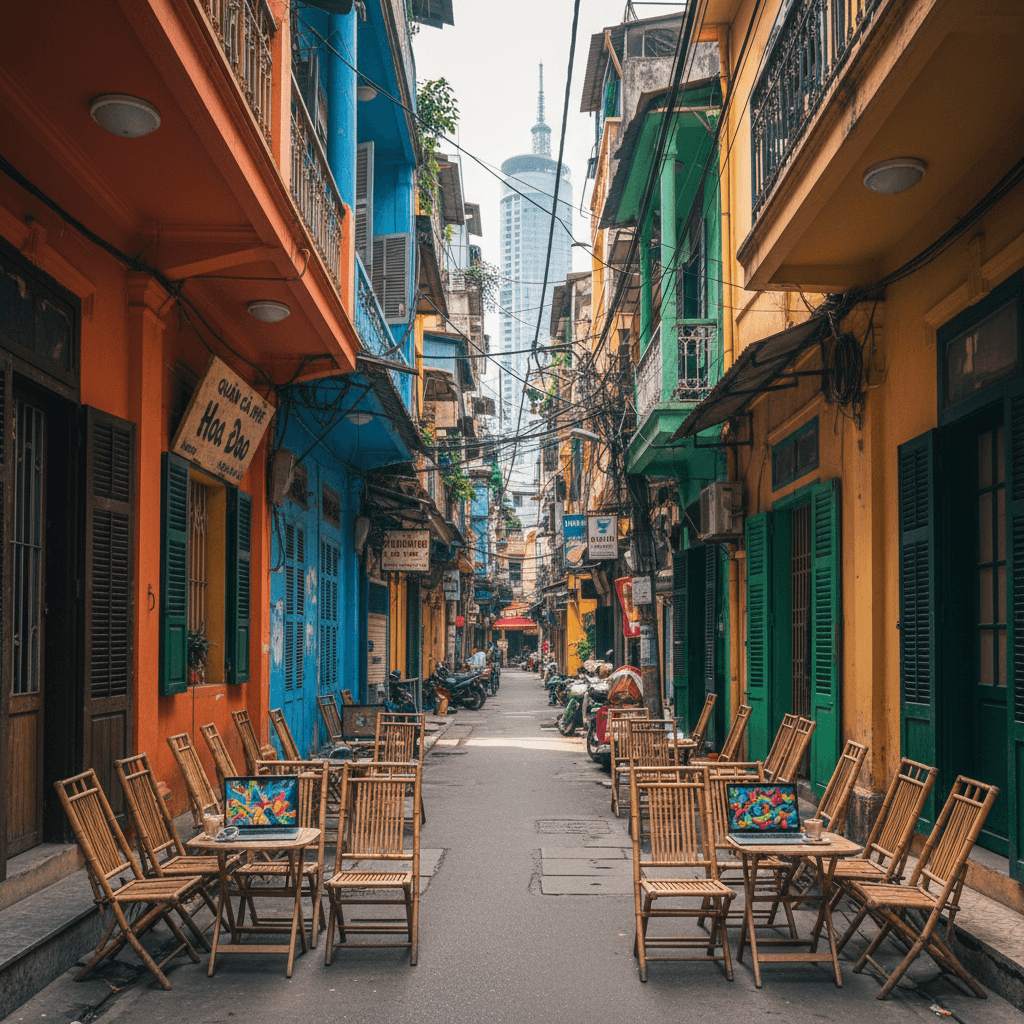
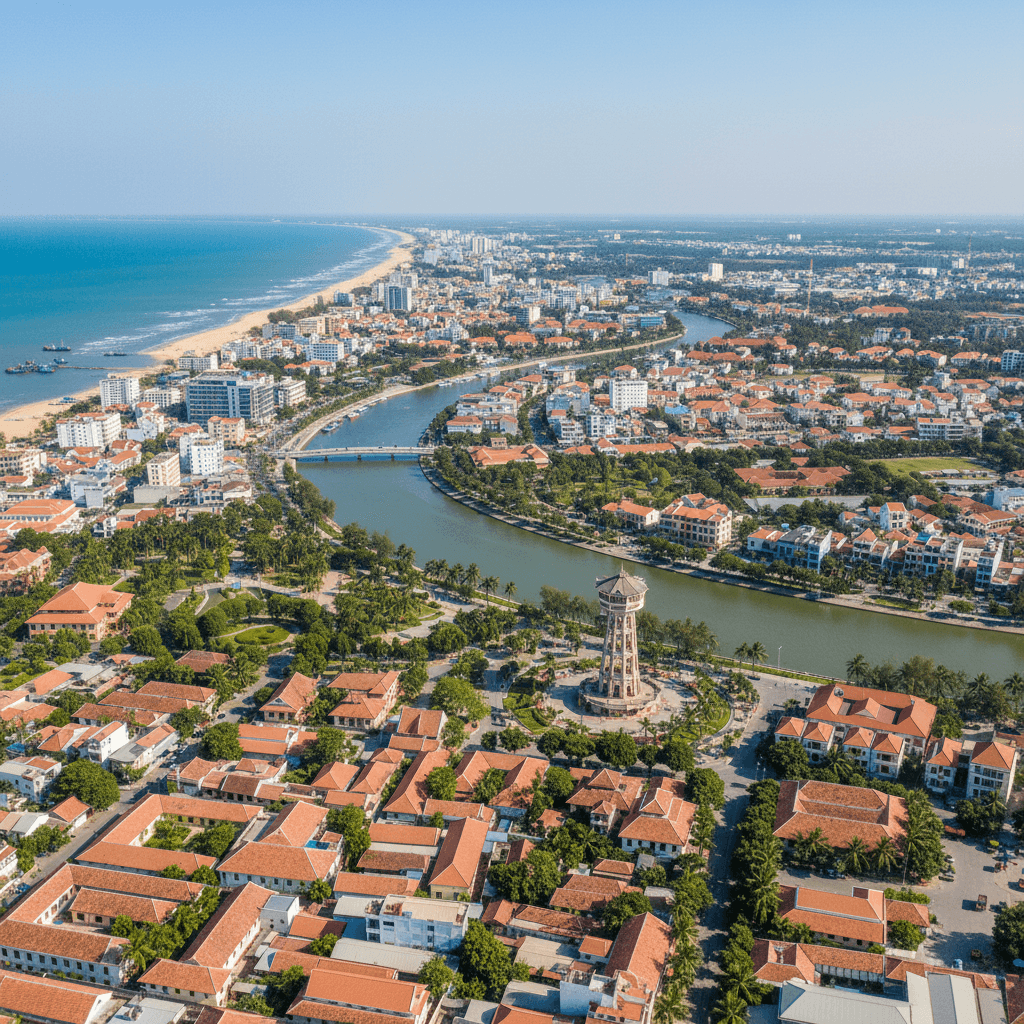
Phan Thiet is the kind of place that catches you off guard. While most nomads flock to the digital intensity of Ho Chi Minh City or the established expat bubble of Da Nang, this coastal stretch offers a rare middle ground. It is a working fishing port fused with a world class kitesurfing hub, maintainting a gritty, salt of the earth soul that hasn't been polished away by tourism.
The vibe here is dictated by the wind and the tides. In the mornings, you'll see local fishermen hauling in the night's catch in traditional round basket boats. By the afternoon, the sky fills with the colorful sails of kitesurfers taking advantage of the famous Mui Ne winds. It’s a place where your workday is naturally punctuated by the elements, making it perfect if you're tired of the neon lights and exhaust fumes of the bigger metros.
What Makes It Different
Unlike the manicured resort towns in other parts of Southeast Asia, Phan Thiet feels lived in. You’ll find high end Mediterranean bistros sitting right next to family run garages and open air seafood stalls. The landscape is surreal; you can spend your morning answering emails and your sunset sliding down massive red and white sand dunes that feel more like the Sahara than coastal Vietnam.
The emotional experience of living here is one of decompression. There is a distinct lack of "hustle culture." You aren't competing for a seat at a coworking space, and you aren't stuck in traffic for an hour to get across town. It’s a low stress environment where the cost of living is roughly $480 to $800 a month, allowing you to breathe a little easier while building your business or freelance career.
The Nomad Perspective
Most remote workers find themselves gravitating toward the Ham Tien or Mui Ne strips rather than the actual city center. This is where the community gathers. You’ll meet a mix of professional kitesurfers, Russian expats who have been here for decades, and a growing wave of slow travelers. It’s a small, tight knit scene where you’ll start recognizing faces at the coffee shops within forty eight hours.
- The Pros: The air is clean, the seafood is straight off the boat, and your dollar stretches further here than almost anywhere else in the country. A local beer costs about $0.60, and a private one bedroom apartment can be found for under $300.
- The Cons: It’s not a tech hub. English isn't as common once you step away from the beach, and the internet, while generally reliable at 50 to 80 Mbps, can occasionally flicker during heavy storms.
- The Reality: If you need a high energy networking scene with weekly tech meetups, you'll be disappointed. If you want a place where you can work six hours a day and spend the rest of your time in the ocean or exploring red canyons, it’s paradise.
Ultimately, Phan Thiet is for the nomad who has graduated from the "party every night" phase. It’s for the person who wants a $1.00 cappuccino, a motorbike with a surfboard rack, and a quiet place to actually get things done. It’s unpretentious, slightly dusty, and incredibly welcoming.
Phan Thiet is one of those rare spots where your bank account finally gets to exhale. It is arguably one of the most affordable coastal cities in Southeast Asia, with a total monthly burn rate that often sits under $500 for solo travelers living a simple life. While prices in neighboring Mui Ne can lean higher due to the tourist crowd, the general cost of living remains low enough that even a modest remote salary goes a long way.
Monthly Rent & Neighborhoods
Your biggest variable will be how close you want to be to the kite-surfing action. Most nomads find that $250 to $400 a month secures a comfortable, air-conditioned studio or a small house. If you are looking for modern luxury, the newer developments like NovaWorld offer higher end villas, but you will pay a premium for the infrastructure.
- Phan Thiet City Center: This is where you get the most local experience. A one bedroom apartment here typically runs between $200 and $300. It is authentic, but expect a steeper language barrier.
- Mui Ne & Ham Tien: This is the expat heartland. Rent for a nice one bedroom averages $350 to $500. You are paying for proximity to the beach, Western cafes, and the social scene.
- Outside the Center: If you don't mind a scooter commute, you can find basic local houses for as little as $180 a month.
Food & Drink
Eating out is often cheaper than cooking for yourself here, especially if you stick to the local markets. Street food is the backbone of the city, with meals like Banh Mi or Com Tam costing around $2. If you want a sit down dinner at a mid range restaurant in Mui Ne, expect to pay between $10 and $20 for two people, including a couple of drinks.
- Local Meal: $2 to $3
- Cappuccino at a nomad cafe: $1.50
- Local Beer (Bia Hoi or bottled): $0.60 to $1.00
- Upscale Dinner for two: $30+
Connectivity & Utilities
Digital nomads usually find the utility costs a pleasant surprise. High speed internet is remarkably cheap at roughly $9 a month, and it is generally stable enough for Zoom calls. Electricity is your main variable; if you blast the air conditioning 24/7, your bill will spike. Expect to pay around $30 to $45 for a standard month of power and water.
Transport & Lifestyle
Most expats rent a scooter for about $45 to $60 a month. It is the most efficient way to get between the city and the beach. If you prefer apps, Grab is available and a short taxi ride across town usually costs under $5. For fitness, a local gym membership is a steal at around $15 a month, though higher end resorts sometimes offer day passes for their pools and facilities.
Budget Tiers
- The Scrappy Nomad ($600 to $800): You are living in a local neighborhood, eating mostly street food, and keeping the AC off during the day.
- The Balanced Professional ($1,000 to $1,500): A nice apartment in Ham Tien, daily cafe visits, a few Western meals a week, and a dedicated coworking spot.
- The Coastal High Life ($2,000+): A multi bedroom villa or resort apartment, frequent seafood dinners, weekend trips, and zero budget tracking.
For Digital Nomads: Mui Ne & Ham Tien
If you're moving here to work, you'll likely end up in the Mui Ne strip or the adjacent Ham Tien area. This is where the infrastructure for remote work actually exists. Most nomads gravitate toward the stretch of Nguyen Dinh Chieu Street because it's packed with cafes that don't mind you sitting with a laptop for four hours for the price of a $1.50 coconut coffee.
Ham Tien is the sweet spot for many. It's slightly quieter than the main tourist drag but houses Impresso Co-working Space, which offers 500 Mbps speeds for those days when the hotel Wi-Fi inevitably dips. You'll find plenty of one bedroom apartments here for $250 to $400 a month. It's the best place to find a community of people who are also balancing Zoom calls with afternoon kite surfing sessions.
- Vibe: Social, coastal, and convenient.
- Internet: Strongest in the city, with dedicated coworking hubs.
- Cost: Expect to pay a "foreigner premium," but it's still incredibly cheap by global standards.
For Long-Term Expats: NovaWorld Phan Thiet
Expats who aren't as concerned with "authentic" street life and want modern comforts usually look toward NovaWorld. This is a massive, master-planned development that feels more like a Florida resort town than a Vietnamese fishing village. It’s perfect if you want paved sidewalks, reliable electricity, and a Bikini Beach club within walking distance.
While some find it a bit sterile, the infrastructure is brand new. You can snag a high end villa or a modern apartment here for $500 to $700. It’s further away from the city center, so you'll definitely need a motorbike or a Grab account to get around. Most expats here value the quiet nights and the western style amenities that are harder to find in the old town.
- Vibe: Organized, quiet, and upscale.
- Housing: Modern villas and new builds.
- Access: Great for those with their own transport; otherwise, it can feel isolated.
For Budget Travelers: Phan Thiet City Center
If you want to live like a local and keep your monthly burn under $600, the city center is your best bet. This is the real Phan Thiet, centered around Tran Phu Street and the local markets. You won't find many English menus here, but you will find the best $2 seafood noodles in the province. Rent for a basic studio can drop as low as $180.
The downside is the lack of a "scene." There aren't many bars where travelers congregate, and you'll be relying on your own mobile data most of the time. However, for those looking for deep cultural immersion and the lowest possible prices, it’s unbeatable. You're also closer to An Phuoc Hospital and the main shopping malls like Lotte Mart.
- Vibe: Authentic, busy, and local.
- Prices: The lowest in the region for food and rent.
- Language: You'll need a translation app; English is rare here.
For Solo Travelers & Peace Seekers: Hon Rom
Located at the far end of the coastal road past Mui Ne, Hon Rom is for the person who wants to disappear. It’s a small fishing village with a few hundred residents and a handful of guesthouses. There isn't much to do here besides watch the sunrise and eat whatever the boats brought in that morning. It’s extremely affordable, but the isolation means you’ll be making frequent 20 minute trips into Mui Ne for supplies or social interaction.
- Vibe: Total solitude and rustic charm.
- Food: Incredible, cheap seafood directly from the source.
- Connectivity: Limited; stick to Viettel 4G for the most reliable signal.
Internet Speeds and Reliability
Vietnam has made massive leaps in connectivity over the last couple of years, and Phan Thiet is no exception. You can generally expect speeds around 50 to 90 Mbps in most modern apartments and hotels. While it isn't quite the fiber-optic powerhouse you'll find in Saigon or Da Nang, it's more than enough for Zoom calls, streaming, and heavy uploads.
The main thing to watch out for is the occasional undersea cable disruption, which can slow down international traffic. Local nomads usually handle this by keeping a Viettel or Vinaphone SIM card as a backup. Mobile data is incredibly cheap and surprisingly fast, often hitting 40 Mbps on a 4G connection.
Top Coworking Spots
While the coworking scene is still maturing compared to Bali or Chiang Mai, there are a few solid spots where you can actually get things done without the distraction of beach music.
- Impresso Co-working Space: Located at 109b Nguyen Dinh Chieu, this is the current gold standard in town. It features a sleek European design, ergonomic seating, and a massive 500 Mbps connection. They have about 40 workstations, an outdoor terrace for breaks, and a kitchen that keeps the caffeine flowing.
- The International Coworking Hub: Often found within the larger resort complexes in Ham Tien, these spots cater to "workation" travelers. They offer reliable air conditioning and a quieter environment than the local cafes.
- Linh Chi Coffee: Not a formal coworking space, but a favorite for those who like the "laptop cafe" vibe. The Wi-Fi is stable, the chairs are comfortable enough for a few hours, and a coffee will only set you back about $1.50.
The Cafe Working Culture
Most nomads in Phan Thiet skip the formal offices and lean into the cafe culture. In the Mui Ne and Ham Tien strips, you'll find dozens of spots where it's perfectly acceptable to camp out for three or four hours with a laptop. Most places won't mind as long as you're ordering the occasional coconut or iced coffee.
The "digital nomad" vibe is strongest in Ham Tien, where the cafes are more accustomed to foreigners working remotely. Just keep in mind that many local cafes are open-air. If you need a climate-controlled environment to keep your laptop from overheating, look for spots with glass fronts and "May Lanh" (air conditioning) signs.
SIM Cards and Mobile Data
Setting up your mobile data is the first thing you should do after dropping your bags. It’s your safety net for when the power blinks or the cafe Wi-Fi gets moody. You can pick up a SIM card at the airport or any small phone shop in the city center for less than $1.
- Viettel: Generally considered to have the best coverage if you plan on exploring the sand dunes or more remote coastal spots.
- Vinaphone: A solid second choice with very competitive data packages.
- Pricing: Expect to pay between $5 and $10 per month for a heavy data plan. Most nomads opt for the 4GB to 6GB per day packages, which are overkill for most but provide total peace of mind for hot-spotting.
To top up your credit, download the Momo app or just look for a "The Cao" sign at any convenience store. It's a simple process of entering a code from a scratch card, and you're back online in seconds.
Keeping Safe on the Coast
Phan Thiet is remarkably laid back, and you'll likely feel more at ease here than in the hectic streets of Ho Chi Minh City. Most nomads find the local community incredibly welcoming, and serious crime is almost unheard of. That said, common sense goes a long way. The biggest annoyance is usually petty theft, specifically phone or bag snatching, which can happen if you're careless on a motorbike or walking in crowded night markets.
Traffic is your most realistic safety concern. If you're renting a scooter to get between Mui Ne and the city center, be aware that the coastal road sees heavy truck and bus traffic. Expats recommend wearing a high quality helmet rather than the cheap plastic ones sold on the street. If you aren't confident on two wheels, Grab is active here and incredibly cheap, usually costing around $5 for an 8 km trip.
- Emergency Numbers: Dial 113 for police, 114 for fire, and 115 for an ambulance.
- Solo Travel: It is generally very safe for solo female travelers, though it's best to stick to well lit areas in the Ham Tien strip after dark.
- Common Scams: Be wary of "parking attendants" at the Sand Dunes who demand $1 to $2 for spots that are actually free. Just keep moving or use the official lots.
Medical Care and Facilities
For minor issues like "Belly Phan Thiet" or heat exhaustion, there are plenty of pharmacies along Nguyen Dinh Chieu. Pharmacists often speak basic English in the tourist areas and can provide most medications over the counter. If things get more serious, you'll need to head into the city center rather than staying in the beach zones.
An Phuoc Hospital is the most common choice for expats and travelers. Located at 235 Tran Phu Street in Phan Thiet city, it is a private facility that handles emergencies and general consultations. While it's one of the best in the province, keep in mind that for major surgeries or specialized care, most nomads head back to Saigon, which is about a three hour drive or train ride away.
- An Phuoc Hospital: Best for general emergencies and English speaking staff.
- Binh Thuan General Hospital: The largest public facility, though language barriers are much higher here.
- Vita Clinic: A reliable option in the Ham Tien area for less urgent skin or wellness issues.
Health Tips for Nomads
The sun in Binh Thuan province is brutal. It's not uncommon for newcomers to end up in a clinic with heatstroke after a day at the dunes. Drink more water than you think you need; a large bottle of water at a local shop is only about $0.50. Stick to bottled water for drinking and brushing your teeth to avoid any stomach issues.
Since the city is surrounded by wetlands and agriculture, mosquitoes can be an issue, especially at dusk. Dengue fever pops up occasionally, so using repellent with DEET is a smart move if you're staying in garden villas or near the Fairy Stream. Most digital nomads find that a basic international insurance plan like SafetyWing or World Nomads covers them sufficiently for the local private clinics.
Recommended Apps for Safety
- Grab: Essential for safe, tracked transport at transparent prices.
- Google Translate: Use the camera feature for reading medical forms or ingredient labels.
- Zalo: The local messaging app used by many clinics and doctors for quick communication.
Getting Around the Coastal Hub
Phan Thiet isn't a single walkable block; it is a sprawling stretch of coastline that connects the main city center to the tourist strip of Ham Tien and the dunes of Mui Ne. Because everything is spread out along the main coastal road, Nguyen Dinh Chieu, your choice of wheels will define your daily rhythm. If you are staying long term, you can negotiate a monthly rate between $180 and $240 (approximately 4.5-6 million VND).
- Viettel and Vinaphone: Use these networks for reliable GPS while riding.
- Gas Prices: Expect to pay around $1 for a liter of fuel.
- Safety: Be wary of the "sand traps" on the road to the White Sand Dunes and always wear a helmet to avoid local police fines, which can be unpredictable for foreigners.
Ride Hailing and Taxis
If you aren't comfortable on two wheels, Grab is your best friend. While the car options are available, the GrabBike service is faster and significantly cheaper for solo travelers. A quick trip across town usually costs less than $2. For longer hauls or when it is raining, traditional taxi companies like Mai Linh are reliable and use meters.
A typical taxi ride of 8 km will set you back about $5. Most expats recommend downloading the Grab app immediately upon arrival to avoid haggling over prices with independent drivers at the bus station.
Local Bus System
The public bus system is surprisingly decent for a city of this size. The Bus No. 1 and No. 9 are the most popular routes for nomads because they run frequently between Phan Thiet city and the Mui Ne resort strip. It is a great way to save money if you are on a strict budget.
- Ticket Price: A single journey is roughly $0.32.
- Monthly Pass: Available for around $8.20 if you are a frequent commuter.
- Operating Hours: Buses generally run from 5:30 AM to 6:00 PM, so don't rely on them for late night outings.
Walking and Cycling
Walking is only practical if you stay right in the heart of Ham Tien, where many restaurants and shops are clustered together. However, the heat and lack of consistent sidewalks make long walks a chore. Bicycles are a charming alternative for morning trips to the local markets. Many beachfront resorts offer them for free, or you can rent one for about $2 to $3 a day. Just keep in mind that the coastal wind can be surprisingly strong when you are pedaling against it.
Getting In and Out
Since there is no commercial airport in Phan Thiet yet, most travelers arrive via Ho Chi Minh City. The most comfortable way to reach the city is the limousine van, which is a luxury shared shuttle with reclining seats and Wi-Fi. These cost about $12 to $15 and take roughly 2.5 to 3 hours thanks to the new expressway. The train is another scenic option, with the SPT2 train running daily from Saigon. Tickets for a soft seat are around $8 to $10, and it is a much more relaxing experience than the public buses.
Getting By Without Vietnamese
In Phan Thiet, you'll notice a sharp divide in how people communicate. In the city center, English is rare. Most locals speak only Vietnamese, and you'll rely heavily on gestures and translation apps to buy groceries or order at a local com tam stall. It is a different story once you head toward the Mui Ne strip. Because of the long history of tourism there, staff at hotels, kite surfing schools, and Western style restaurants usually speak functional English.
One unique quirk of the area is the prevalence of Russian. For years, Mui Ne was a massive hub for Russian tourists, so you'll still see many menus and signs written in Cyrillic. Some older shop owners might actually know more Russian than English. As a nomad, you won't need to be fluent, but the "language barrier" is one of the most cited downsides for those living here long term. It can feel a bit isolating if you don't make an effort to learn the basics.
Essential Phrases for Daily Life
While you can survive with a smile and Google Translate, learning a few tones will go a long way in earning respect from the locals. Vietnamese is a tonal language, so the way you say a word changes its meaning entirely. Don't worry about being perfect; locals usually appreciate the effort.
- Xin chao (Seen chow): Hello.
- Cam on (Gahm un): Thank you.
- Bao nhieu? (Bow nyew): How much?
- Tinh tien (Tin teen): Check, please (essential for cafes).
- Khong duong (Khong deu-ung): No sugar (crucial if you don't want your coffee or juice syrup-sweet).
- Mot, Hai, Ba, Yo! (Moat, Hi, Ba, Yo!): One, two, three, cheers!
Digital Tools & Translation Apps
You shouldn't try to navigate Phan Thiet without a few specific apps on your phone. They make the difference between a smooth afternoon and a frustrating one.
- Google Translate: Use the camera feature to read menus and the conversation mode for talking to landlords or mechanics. Download the Vietnamese dictionary for offline use because cell signals can be spotty in the dunes.
- Grab: This is the go to for transport and food delivery. The app has a built in translation feature in the chat, so you can message your driver in English and they will see it in Vietnamese.
- Zalo: This is the WhatsApp of Vietnam. If you're renting an apartment or dealing with a local business, they will almost certainly ask for your Zalo. It is the primary way people communicate here.
- Facebook Groups: Join "Mui Ne Info & Events" or "Phan Thiet Expats." Since there isn't a massive centralized nomad website for the city, these groups are where you'll find English speaking help for everything from finding a vet to fixing a laptop.
Communication Etiquette
Vietnamese culture places a high value on "saving face." If there is a misunderstanding about a bill or a scooter rental, staying calm and smiling will get you much further than raising your voice. Getting angry or aggressive is considered a major social failure and will usually cause the other person to shut down entirely.
Most nomads find that physical touch is less common here than in the West. A polite nod or a slight bow is a standard greeting. When you're paying for something, it is a nice gesture to hand over your cash or card with both hands. It is a small sign of respect that locals definitely notice.
Phan Thiet is one of the driest spots in Vietnam, which is a massive plus if you are trying to avoid the relentless humidity of the north or the daily deluges of the south. It sits in a unique microclimate that keeps it sunny for about 300 days a year. You can generally expect warm, tropical weather regardless of when you show up, but there are distinct shifts in wind and rain that will dictate your experience.
The Peak Season: November to April
This is the sweet spot for most digital nomads and travelers. The air is slightly cooler and the humidity drops, making those midday walks to the cafe much more manageable. Daytime temperatures usually hover around 28°C to 30°C (82°F to 86°F). This period is also the prime time for kite surfing and windsurfing in Mui Ne, as the winds pick up significantly from December through February.
- The Upside: Perfect beach weather, clear blue skies, and the best conditions for water sports.
- The Downside: This is when prices for short term rentals and guesthouses peak. You will also see more crowds during the Tet Lunar New Year (usually late January or February), when the city fills up with domestic tourists.
- Pro Tip: If you are planning to stay through Tet, book your accommodation months in advance and expect many local shops to close for a few days.
The Transition Months: May and June
As the spring ends, the heat starts to crank up. These are often the hottest months of the year, with temperatures frequently hitting 33°C to 35°C (91°F to 95°F). It is the best time for those who want a quiet experience before the summer rush. The sea is calm and crystal clear, making it ideal for swimming rather than surfing.
The Wet Season: July to October
Unlike the intense monsoon seasons you might find in Da Nang or Hanoi, the rain in Phan Thiet is usually brief. You will typically see a heavy downpour in the late afternoon that lasts an hour, followed by clear evening skies. Temperatures stay around 29°C to 31°C (84°F to 88°F).
- The Sand Dune Factor: If you are visiting the White or Red Sand Dunes, the wet season can actually be better. The rain packs the sand down, making it easier to walk on and giving the dunes a deeper, more dramatic color for photos.
- Cost Savings: This is the "low season" for international travelers. You can often negotiate monthly rent discounts of 20% to 30% at local guesthouses if you are staying for a month or more.
What to Pack
Since the sun is incredibly strong here, you will need more than just a swimsuit. Locals generally cover up completely to avoid the sun, and you will quickly understand why. Most nomads recommend bringing:
- Lightweight linen or cotton clothing: Synthetic fabrics will feel like a sauna in the May heat.
- A light windbreaker: If you are riding a scooter in the evenings during December or January, the coastal breeze can actually feel quite chilly.
- High SPF Sunscreen: Western brands can be expensive or hard to find in the smaller shops around Ham Tien, often costing $15 to $20 for a small bottle.
- Sturdy sandals: Essential for the Fairy Stream and navigating the sandy streets of Mui Ne.
The "Best" Time Verdict
For the absolute best balance of weather and social life, aim for November or March. You avoid the peak holiday crowds of December and the sweltering heat of May, but you still get those crisp, sunny days that make the South Central Coast famous. If you are on a tight budget and don't mind a bit of rain, September offers the best value for long term stays.
Getting Around
You can rent a scooter for about $180 to $240 a month (approximately 4.5-6 million VND), which is the most efficient way to hop between the city center and the Mui Ne strip. If you aren't comfortable on two wheels, download the Grab app. It works reliably for both cars and motorbikes, though you might wait a few extra minutes during peak times compared to Ho Chi Minh City.
For longer trips, the local blue buses run frequently between Phan Thiet and Mui Ne for about $0.32. If you're coming from the airport in Saigon, the new expressway has cut the drive down to about 2.5 to 3 hours. Most expats prefer the private limo vans, which cost around $12 to $18 and offer door to door service with decent Wi-Fi.
Visas and Paperwork
Vietnam currently offers a 90 day e-visa for most nationalities, which you can apply for online. It allows for multiple entries, making it easy to do a quick "visa run" to Cambodia or Thailand if you want to stay longer. Ensure your passport has at least six months of validity left and two blank pages.
When you check into an apartment or villa, the landlord is legally required to register your stay with the local police. Don't be surprised if they ask for a photo of your passport and visa page on your first night. It's a standard procedure and helps avoid any issues with the authorities later on.
Healthcare and Wellness
For minor ailments or routine checks, An Phuoc Hospital in the city center is the standard choice. It's cleaner and more modern than the older public facilities. However, for anything serious or specialized, most expats head back to Ho Chi Minh City to visit international hospitals like FV or Family Medical Practice.
Pharmacies are everywhere. You can find them by looking for "Nha Thuoc" signs. Most common medications are available over the counter without a prescription and are very inexpensive. For fitness, a gym membership at a local spot will run you about $15 a month, though many nomads prefer the free workout of kitesurfing or swimming at the beach.
Money and Connectivity
Cash is still king in local markets and small seafood stalls. Keep a stash of 100,000 and 200,000 VND notes handy. For larger restaurants and supermarkets like Lotte Mart, credit cards are widely accepted. ATMs are plentiful, but look for Vietcombank or TPBank to get higher withdrawal limits and lower fees.
Grab a Viettel or Vinaphone SIM card at the airport or a local shop for about $5 to $10. The 4G coverage is surprisingly strong, even on the sand dunes. It's a smart move to have a hotspot ready as a backup, because while the fiber internet in cafes like Impresso is fast, the occasional power flicker can happen during the rainy season.
Local Etiquette
Phan Thiet is more conservative than the tourist bubbles of Bali or Phuket. While swimwear is fine on the sand, toss on a shirt or a dress when you're walking through the village or heading into a shop. If you visit a temple or a local home, remember to take your shoes off at the door. A little bit of "Xin Chao" (hello) and "Cam On" (thank you) goes a long way with the local vendors.
Need visa and immigration info for Vietnam?
🇻🇳 View Vietnam Country GuideHidden Gem
Worth the effort