Petaling Jaya
🇲🇾 Malaysia
The Local Soul of the Klang Valley
If Kuala Lumpur is the flashy older sibling with the designer suits and the skyline views, Petaling Jaya (locally known as PJ) is the grounded, creative cousin who knows where to find the best coffee and the cheapest rent. Originally built as a satellite town to ease the pressure on KL, it has evolved into a massive, sprawling city in its own right. It feels lived-in, authentic, and unapologetically suburban. You won't find the polished, tourist-trap energy of KLCC here; instead, you get leafy streets, rows of terrace houses, and some of the most competitive food scenes in Malaysia.
For digital nomads and expats, PJ is the ultimate "slow travel" base. It is a city of neighborhoods, each with its own micro-culture. You can spend your morning in a high-tech coworking space in Bandar Utama and your afternoon eating RM10 laksa in a gritty, open-air hawker center in Section 17. It’s a place where life happens at a more human pace, even if the traffic during rush hour suggests otherwise.
The Daily Vibe
Living in PJ feels like being part of a real community rather than a transient hub. You'll see retirees practicing Tai Chi in the parks alongside young professionals grabbing an iced Americano before heading to a startup hub. The emotional experience of being here is one of comfort. It’s easy to find your "usual" spot, whether that’s a specific stall at the SS2 night market or a quiet corner in a Damansara Utama cafe.
The city doesn't try too hard to impress you, and that’s its charm. It is functional, convenient, and surprisingly green. While the lack of a central "downtown" can be confusing at first, you'll soon realize that PJ is actually a collection of small villages that have grown together. Most nomads find that once they settle into a specific area like Tropicana or Kota Damansara, they rarely feel the need to trek into central KL for anything other than a major night out.
Cost of Daily Life
Your ringgit goes significantly further here than in the high-end expat enclaves of Mont Kiara or Bangsar. A single person can live a very high-quality life on $1,500 to $3,000 per month. If you are on a tighter budget, $1,000 is doable if you stick to local housing and street food.
- One-Bedroom Apartment (City Center): Around $477 (RM1,669)
- One-Bedroom Apartment (Budget): Around $353
- Street Food Meal: $1 to $3 (RM5 to RM15)
- Mid-range Restaurant Meal: $4 to $11 (RM20 to RM50)
- Monthly Gym Membership: Roughly $38
- Private Doctor Visit: Approximately $15
What to Expect
The trade-off for the lower prices and better space is the infrastructure. While the LRT and MRT lines are excellent and connect you to KL in about 20 minutes, PJ is still very much a car-dependent city. If you aren't living right on top of a station, you'll be using Grab constantly. It is cheap and reliable, but you will spend a fair amount of time looking at brake lights during tropical downpours.
Safety is a common topic of conversation among locals. While violent crime is rare, petty theft and snatch-and-grab incidents do happen. Most expats recommend staying vigilant with your phone and bag when walking near busy roads. That said, the gated communities and modern condo complexes offer high-level security that makes families and solo female travelers feel very much at ease.
Ultimately, PJ is for the nomad who wants to see the "real" Malaysia. It’s for the person who prefers a neighborhood park over a rooftop bar and a messy, delicious plate of Hokkien Mee over a five-star hotel brunch. It’s a city that grows on you slowly until one day you realize you don't want to leave.
The Bottom Line on PJ Budgets
Petaling Jaya hits a sweet spot for nomads who want the convenience of a major metropolitan area without the steep price tag of Kuala Lumpur City Centre. You can live a high-quality life here for significantly less than you'd spend in Singapore or even Bangkok. Most expats find that a monthly budget between $1,500 and $2,000 provides a very comfortable lifestyle, covering a modern condo, plenty of dining out, and a dedicated coworking desk.
If you're on a tighter budget, it's entirely possible to get by on $800 to $1,200 per month by opting for a room in a shared landed house in areas like SS2 and sticking to the legendary local hawker stalls. On the flip side, $3,000 a month puts you in the luxury bracket, allowing for a high-end three-bedroom apartment in a place like Tropicana and frequent visits to upscale cocktail bars and bistros.
Monthly Rent by Neighborhood
Housing will be your biggest expense, but the variety is huge. Whether you want a high-rise with an infinity pool or a quiet house with a garden, PJ has it. Keep in mind that prices fluctuate based on proximity to the LRT or MRT stations.
Tropicana & Damansara Utama
- One-bedroom condo: $450 to $550
- Three-bedroom family apartment: $850 to $1,100
- Vibe: Modern, upscale, and popular with western expats.
SS2 & Section 17
- One-bedroom (often in older buildings): $350 to $450
- Three-bedroom landed house: $600 to $800
- Vibe: Authentic, food-centric, and very "local" suburban.
Daily Sustenance: Food & Drink
Food is where your budget can really breathe. PJ is a culinary heavyweight, and you can eat like royalty for pennies if you follow the crowds to the coffee shops (kopitiams). Most nomads mix it up, hitting a hawker stall for lunch and a trendy cafe for dinner.
- Street food (Nasi Lemak or Char Kway Teow): $1 to $3 (RM5 to RM15)
- Mid-range cafe meal (Pasta or Avocado Toast): $5 to $12 (RM20 to RM55)
- Fine dining or steakhouse: $20+ (RM90+)
- Craft beer or cocktail: $6 to $10 (Alcohol is heavily taxed in Malaysia, so this adds up fast).
- Monthly grocery bill for one: $250 to $300
Connectivity and Utilities
Digital nomads usually find the utility costs in PJ a pleasant surprise, though your electricity bill depends entirely on how much you blast the air conditioning. It's the one "hidden" cost that can jump from $30 to $100 if you keep the unit running 24/7.
- High-speed Home Internet (100Mbps+): $25 to $35
- Mobile Data Plan: $10 to $20 (Look at Maxis or Digi for the best coverage).
- Basic Utilities (Water/Electric): $30 to $60
- Coworking Hot Desk: $100 to $180 per month (Spaces like WORQ or Common Ground are the gold standard here).
Getting Around
While PJ isn't the most walkable city, transport is incredibly cheap. Most expats rely on Grab for almost everything. It's reliable, safe, and usually arrives in under five minutes. If you're commuting to KL, the LRT is your best friend to avoid the notorious peak-hour traffic jams.
- Average Grab ride (15 mins): $3 to $5
- Monthly Public Transport Pass: $33
- Gym Membership: $35 to $50
- Private Doctor Visit: $15 to $25
For the Social Nomad: SS2 and Section 17
If you want to be in the heart of the action, these are the neighborhoods where local life actually happens. Both areas are famous for their food scenes, specifically the massive open air food courts and the legendary durian stalls in SS2. It feels like a proper Malaysian suburb rather than a sterile condo development.
Nomads love this area because you can walk out of your door and find ten different cafes with fast WiFi within five minutes. Rent is affordable here, usually around $350 to $500 for a decent one bedroom setup. You’ll mostly find older landed houses and a few mid rise apartments. It is a bit gritty in parts, but the energy is unbeatable if you want to feel like a local.
For the Modern Digital Nomad: Kota Damansara
Kota Damansara is the go to for anyone who wants a "plug and play" lifestyle. It is a newer, more built up part of PJ where everything feels fresh and organized. You have Sunway Giza Mall and Strand Mall right there, which means groceries, gyms, and cinemas are all within walking distance of the main condo blocks.
The biggest draw here is the MRT access. You can hop on a train and be in downtown KL in about 20 to 30 minutes. Most nomads here gravitate toward the newer high rise condos which offer great pools and gyms for about $450 to $600 a month. It is efficient, convenient, and has a very low barrier to entry for newcomers.
For Expats and Professionals: Damansara Utama and Jaya
These twin neighborhoods are the "refined" side of Petaling Jaya. They are leafy, quiet, and feel significantly more upscale than the surrounding areas. Damansara Utama is home to Uptown, a massive commercial hub that houses some of the best coworking spaces in the country, including Common Ground and WORQ.
Expats recommend this area because it balances work and leisure perfectly. You have the Starling Mall for high end shopping and a massive variety of boutique fitness studios. Expect to pay a bit of a premium for the location, with modern apartments often starting at $600 and going well over $1,000 for luxury units. It is the best choice if you have a higher budget and want a polished environment.
For Families and Long Termers: Bandar Utama and Tropicana
If you are moving with kids or just want some breathing room, these areas are the gold standard. Bandar Utama is essentially a self contained city built around 1 Utama, one of the largest shopping malls in the world. It is incredibly safe, has wide sidewalks, and is close to top tier international schools like BSKL.
Tropicana is slightly more exclusive, known for its sprawling golf course and gated communities. It feels like a resort tucked away from the city chaos. While you will definitely need a car or a Grab account to get around here, the peace and quiet are worth the trade off.
- Bandar Utama Rent: $700 to $900 for a 3 bedroom family home.
- Tropicana Rent: $850 to $1,500 for luxury condos or gated villas.
- Vibe: Suburban, green, and very secure.
For Budget Travelers and Solo Explorers: Kelana Jaya
Kelana Jaya is often overlooked, but it is a fantastic spot for solo travelers who want to save money without being isolated. It is a major transit hub, meaning you have direct access to the LRT line that runs straight through the city. You get the benefit of lower prices, with meals often costing as little as $2 to $3 at local stalls.
The area is home to Paradigm Mall and plenty of public parks like Taman Bandaran Kelana Jaya, which is great for a morning run. It is a bit more industrial and less "scenic" than Tropicana, but for a solo traveler on a budget of $1,200 a month, it is one of the most practical places to plant your flag.
Connectivity and Speeds
Petaling Jaya is arguably better connected than parts of central KL because the infrastructure has grown to support a massive population of tech-savvy locals and remote workers. You can expect home fiber connections to hit 100 Mbps to 500 Mbps easily. Most modern condos include high-speed internet in the rent, but if you're setting up your own, expect to pay around $26 (RM115) monthly for a solid plan.
Mobile data is cheap and reliable. Grab a local SIM from Maxis (Hotlink) or CelcomDigi as soon as you land. You'll need it for the Grab app and Touch 'n Go e-wallet, which are the lifeblood of the city. A decent prepaid data plan usually costs between $10 and $20 a month. 5G coverage is now standard across most of PJ, so you can comfortably tether your laptop at a park or a mamak stall if the shop WiFi fails.
Top Coworking Spots
The coworking scene in PJ is less about "see and be seen" and more about actual productivity. Spaces here are generally more spacious and affordable than their counterparts in the city center.
- WORQ Bandar Utama: This is a favorite for many because it's right on the MRT line. It’s open 24/7 for members and has everything from napping pods to free-flow snacks. Day passes start around $10 (RM40-50), but it's the community events that make it worth the price.
- Common Ground (Jaya One): Located in a popular retail hub, this spot is perfect if you want to walk out of your office and immediately have fifty lunch options. It’s professional, polished, and has high-end business facilities.
- Threecords Space: If you prefer a quieter, more "boutique" feel, this spot in Section 13 is excellent. It has plenty of natural light and ergonomic furniture that won't kill your back during an eight-hour shift.
- Sandbox Coworking: While technically in Sri Petaling, it's a short hop for many PJ residents. They've invested heavily in WiFi 7 technology and 1Gbps speeds, making it the go-to for video editors or anyone moving massive files.
The Café Office Culture
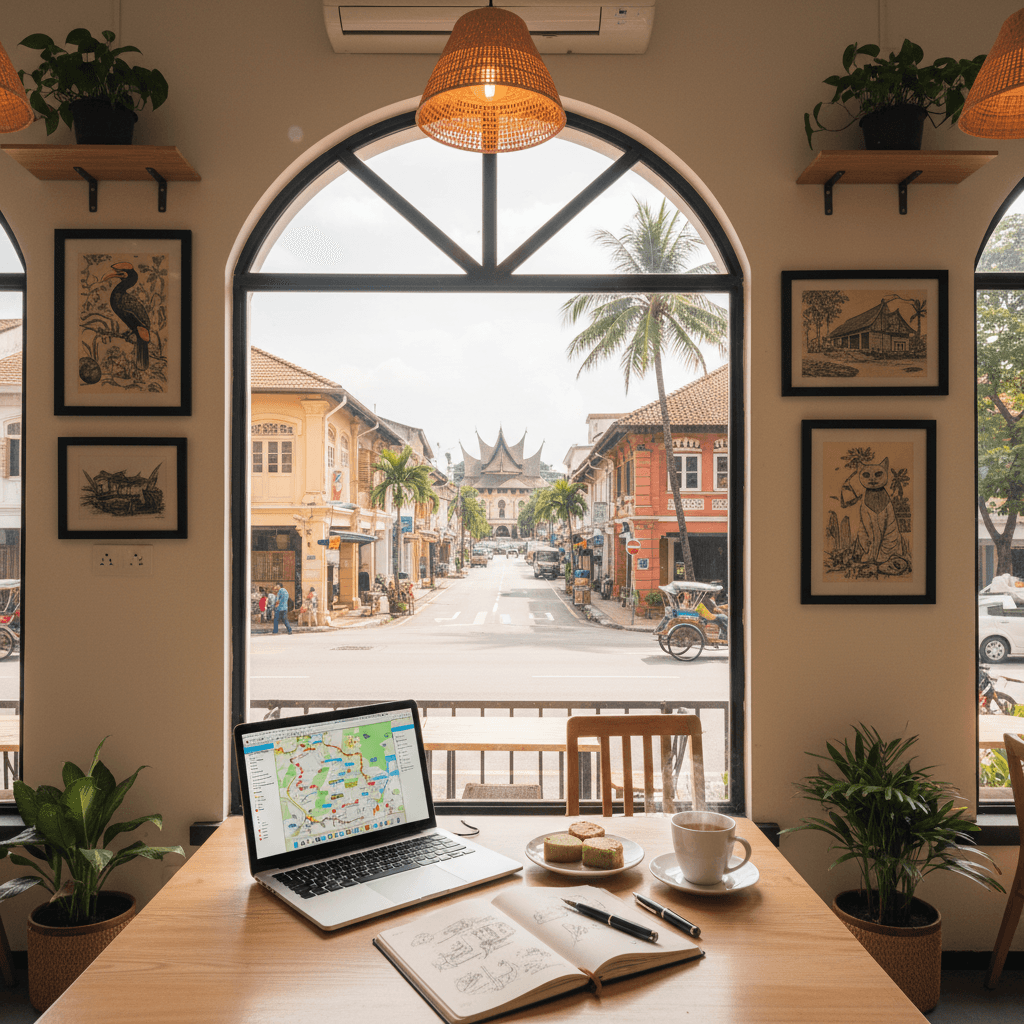
PJ residents have turned "café hopping" into a professional sport. You'll see people with MacBooks in almost every third shop in neighborhoods like SS2 or Section 17. Most owners are cool with you staying for a few hours as long as you keep the coffee and cake orders coming.
For a reliable "work-from-café" day, many nomads use the Remote Work Malaysia pass. It’s a credit-based system that gives you access to various participating cafés, usually covering your WiFi and providing food vouchers. If you're flying solo, look for spots in The Starling Mall or Tropicana Gardens Mall; these areas are packed with air-conditioned cafés that have dedicated power outlets and stable 200 Mbps speeds.
Practical Tips for Digital Nomads
- Power Plugs: Malaysia uses the Type G (UK-style) three-pin plug. Bring an adapter, though most modern coworking spaces now have universal sockets and USB ports built into the desks.
- Peak Hours: WiFi in public malls can crawl during lunch hours (12:00 PM to 2:00 PM) when the office crowds descend. If you have a big meeting, stay at your coworking space or home base during this window.
- The "Mamak" Backup: If the power goes out (rare but possible during heavy monsoons), head to a large 24-hour mamak like Original Penang Kayu Nasi Kandar. They usually have decent basic WiFi and plenty of fans to keep you cool while you finish that last email.
Safety & Security
Petaling Jaya is generally safe for nomads and expats, but it has a different energy than the hyper-polished centers of Singapore or even parts of KLCC. Locals and long-term residents describe the crime risk as medium. You won't feel constant danger, but you do need to keep your wits about you, especially regarding petty theft.
Bag snatching by thieves on motorbikes is the most common issue. Most expats recommend walking against the flow of traffic and keeping your bag on the side away from the road. If you're dining at a sidewalk cafe in SS2 or Section 17, don't leave your phone or wallet on the table. It's a simple habit that prevents 90% of potential headaches.
While the city is active at night, some of the older, less developed sections can feel isolated. Stick to well-lit areas like The Curve or 1 Utama if you're out late. If you ever feel uneasy, just call a Grab. It's so cheap and reliable that there's rarely a reason to walk long distances through unfamiliar residential blocks after dark.
In case of any serious trouble, the national emergency number is 999. For non-emergencies, the police stations (Balai Polis) in Sea Park or Damansara are responsive and used to dealing with the international community.
Healthcare Infrastructure
This is one area where Petaling Jaya truly shines. Malaysia is a global hub for medical tourism, and PJ sits right at the heart of that infrastructure. You'll find world-class facilities here that often put Western hospitals to shame in terms of efficiency and wait times.
For major issues or specialist consultations, these are the top-tier options:
- Thomson Hospital Kota Damansara: Modern, highly efficient, and popular with the expat crowd for its streamlined services.
- KPJ Damansara Specialist Hospital: Known for excellent specialists and high-end equipment.
- Sime Darby Medical Centre (Subang Jaya): Just a short drive from PJ, this is often cited as one of the best hospitals in the country.
A standard consultation with a GP will usually set you back about $15 (RM65), and you can often walk in without an appointment. Even specialist visits are surprisingly affordable, typically ranging from $40 to $80 before procedures. Most doctors speak perfect English, having trained in the UK, Australia, or the US.
Pharmacies & Everyday Health
You'll find a pharmacy on almost every corner in PJ. Major chains like Guardian, Watsons, and Caring Pharmacy are the go-to spots. They are well-stocked with international brands, and the pharmacists are generally very knowledgeable.
Many medications that require a prescription in Europe or North America are available over-the-counter here after a quick chat with the pharmacist. However, always bring your original prescriptions for chronic conditions to avoid any hiccups at the border or the clinic.
For minor ailments like "Bali Belly" or seasonal sniffles, locals often head to 24-hour clinics (Klinik) found in most commercial squares. They are affordable, fast, and can dispense basic antibiotics or painkillers on the spot. Just remember to bring your passport or a digital copy of it, as you'll need to register as a patient the first time you visit.
Making Your Way Around PJ
Petaling Jaya is a sprawling collection of townships rather than a single walkable hub. Because it was designed as a satellite city, the layout favors cars, but the public transport infrastructure has seen massive upgrades recently. Most nomads find they can get by without a car if they pick their neighborhood strategically, though you will definitely become a power user of local apps.
The Train Network
The rail system is the most reliable way to beat the notorious Klang Valley traffic. Between the Kelana Jaya LRT line and the newer MRT Kajang line, most major commercial hubs are covered. If you are heading into Kuala Lumpur for a night out, the train from a PJ station like Taman Bahagia or Mutiara Damansara usually takes about 20 to 30 minutes to reach the city center.
- LRT (Light Rail Transit): The Kelana Jaya Line (Red Line) is the workhorse of PJ. It cuts through areas like SS2, Asia Jaya, and Kelana Jaya.
- MRT (Mass Rapid Transit): This is the newer, shinier cousin. It serves the northern parts of PJ like Kota Damansara, Surian, and Bandar Utama. The stations are huge, air-conditioned, and usually integrated with malls.
- Payment: Don't bother with single tickets. Buy a Touch 'n Go card at any station or Watsons pharmacy. You can tap in and out of all trains and buses, and even use it to pay for parking or at some convenience stores.
Ride-Hailing and Apps
When the rain starts or you are carrying groceries, Grab is the undisputed king. It is incredibly cheap by Western standards, with a 15 minute ride often costing between RM10 and RM20 ($2 to $4). During peak hours or heavy storms, prices can double and wait times can spike, so it is smart to have AirAsia Move or Maxim as backup apps on your phone.
For those who want to drive themselves without the commitment of a lease, SOCAR is a popular car-sharing app. You can rent cars by the hour or day from designated parking spots in malls and near train stations. It's a great option for weekend trips to the Batu Caves or Genting Highlands.
Walking and Micromobility
Walking in PJ is a mixed bag. In modern areas like Bandar Utama or around The Curve, there are decent pedestrian bridges and paved walkways. However, in older sections like Section 17, sidewalks can be uneven or disappear entirely. Expats recommend being extra cautious of motorbikes when crossing the street, as they often ignore traffic signals.
Electric scooters have popped up in high-traffic areas like Tropicana and Damansara Utama. They are fun for "last mile" travel from the MRT station to your condo, but stick to the side streets. The main roads are far too chaotic for anything on two wheels.
Getting to the Airport
Getting to KLIA or KLIA2 from PJ is straightforward. A Grab will usually set you back RM65 to RM80 ($14 to $17) including tolls. The trip takes about 45 to 60 minutes depending on where in PJ you are staying. If you are traveling solo and on a budget, you can take the LRT to KL Sentral and then catch the KLIA Ekspres train, though for most people in PJ, a direct car is much more convenient.
Transport Costs at a Glance
- Monthly Transport Budget: $30 to $50 for a mix of trains and occasional Grabs.
- Short Grab Ride: RM8 to RM12 ($2 to $3).
- LRT/MRT Fare: RM2 to RM5 ($0.50 to $1.10) per trip.
- Airport Transfer: RM75 ($16) average via ride-hailing.
The Language Mix
You won't have much trouble getting by in Petaling Jaya using only English. Because PJ is a major professional hub and a favorite for the expat crowd, English is the unofficial bridge language between the city's diverse Malay, Chinese, and Indian populations. Most locals in service industries, malls, and hospitals speak it fluently; you'll find that many PJ residents actually prefer English for business and social media.
That said, the "official" tongue is Bahasa Malaysia (Malay). While you can survive without it, learning a few basics goes a long way in building rapport, especially when you're ordering at a local mamak stall in SS2 or chatting with a Grab driver. It's a phonetic language with no complex conjugations, making it one of the easier languages for nomads to pick up.
Manglish: The Local Flavor
To truly fit in, you'll need to get used to Manglish. This is the local English dialect that blends grammar and vocabulary from Malay, Cantonese, and Tamil. You'll hear the famous suffix "lah" added to the end of almost every sentence for emphasis. If someone says "Can lah," they mean "Yes, definitely." If they say "Wait ah," they're asking for a second of your time.
Expats often find the local shorthand efficient. Instead of saying "I am not quite sure," a local might just say "Blur lah." Mastering the "lah," "leh," and "meh" nuances is a rite of passage for anyone staying in PJ for more than a month.
Key Phrases for Your Pocket
- Terima Kasih: Thank you (Response: Sama-sama).
- Makan: Eat. You'll hear "Sudah makan?" which means "Have you eaten?" It's a common greeting, similar to "How are you?"
- Berapa?: How much? (Useful at the night markets).
- Kurang manis: Less sugar. Most Malaysian drinks are incredibly sweet by default, so use this at cafes if you value your teeth.
- Boss: A universal term of respect used to address shop owners, waiters, or taxi drivers, regardless of their actual job title.
Digital Communication and Connectivity
Communication in PJ happens almost entirely on WhatsApp. Whether you're booking a hair appointment in Damansara Utama, joining a neighborhood watch group in Section 17, or talking to your landlord, don't expect many people to use email or standard SMS. It's the standard for everything.
For data, you'll want a local SIM immediately. The "Big Three" providers are Maxis (Hotlink), CelcomDigi, and U Mobile. Most nomads recommend Maxis for the most consistent coverage in high-rise condos, though U Mobile often has the cheapest unlimited data deals. Expect to pay between RM35 and RM60 ($8 to $14) per month for a solid prepaid plan with plenty of 5G data.
Social Etiquette and Non-Verbal Cues
Malaysians are generally polite and non-confrontational. Saving "face" is important, so try to keep your cool even if a Grab driver gets lost or your fiber internet installation is running late. A smile and a soft tone of voice will solve problems much faster than raising your voice.
When meeting someone for the first time, a simple nod or a handshake is fine, though some Muslim locals may prefer a "salam" (a light touch of palms followed by bringing your hand to your chest). If you see someone decline a handshake by placing their hand over their heart, just mirror the gesture. It's a sign of respect that locals deeply appreciate from visitors.
Petaling Jaya doesn't really have "seasons" in the traditional sense. It’s a tropical city where the thermostat stays glued to about 27°C to 33°C (80°F to 91°F) year round. Humidity is the real factor here. You'll find that the air feels thickest right before a downpour, which happens frequently. Most nomads find that the best time to visit is during the drier months of June, July, and August, or from December to February.
The Monsoon Factor
You need to plan around the rain if you want to enjoy the outdoor café culture in SS2 or the parks in Bandar Utama. PJ experiences two monsoon seasons. The Southwest Monsoon runs from May to September and is generally drier. The Northeast Monsoon hits between November and March, bringing heavier, more frequent afternoon thunderstorms. These aren't all day drizzles; they're intense tropical deluges that can cause flash flooding and grind traffic to a halt for an hour or two.
- Dry Season (June to August): This is the peak window for outdoor activities. The skies are clearer, making it the best time for weekend trips to nearby hiking spots like Bukit Gasing.
- Wet Season (October to December): This is the rainiest period. Expect a heavy downpour almost every afternoon around 3:00 PM or 4:00 PM. It’s the perfect time to hunker down in a coworking space like WORQ or Common Ground.
- The Haze: Occasionally, usually between July and September, smoke from agricultural burning in the region can drift over. Air quality can dip during these weeks, so expats often stay indoors or use air purifiers.
Key Holidays and Events
Timing your stay around Malaysia's massive festivals can be a double edged sword. During Chinese New Year (January or February) and Hari Raya (dates vary annually), PJ becomes strangely quiet. Many locals head back to their hometowns, which means the usually congested roads are empty, but many of your favorite family run stalls in Section 17 might close for a week.
Thaipusam (January or February) is a spectacle worth seeing. While the main events happen at Batu Caves, the energy vibrates throughout the entire Klang Valley. If you're a food lover, visiting during Ramadan is a treat. The evening "Bazar Ramadan" markets in areas like Kelana Jaya offer some of the best street food you'll find all year, usually starting around 4:00 PM daily.
What to Pack
The dress code in PJ is relaxed but practical. Most travelers stick to lightweight, breathable cotton or linen. However, don't let the 32°C outdoor heat fool you. Malaysian malls, cinemas, and coworking spaces take their air conditioning very seriously. You'll want a light hoodie or sweater if you plan on working from a café for four hours. A sturdy umbrella is a requirement, not an option, regardless of what the morning sky looks like.
The "Sweet Spot" for Nomads
If you want the best balance of weather and social activity, aim to arrive in late June. You'll catch the drier weather, avoid the year end holiday price spikes in short term rentals, and have a solid three month window of clear skies to explore the city's food scene and surrounding nature before the heavy November rains arrive.
Getting Around
Petaling Jaya is a transit hub, but your experience depends heavily on where you plant your feet. Most nomads rely on the Kelana Jaya LRT Line, which is the gold standard for avoiding the notorious gridlock. It takes about 15 to 25 minutes to get into the heart of Kuala Lumpur from stations like Taman Bahagia or Asia Jaya.
For everything else, Grab is the undisputed king. It is remarkably cheap, often costing between RM10 and RM25 for most trips within the city. If you are staying in Bandar Utama or Tropicana, you might find yourself using the MRT, which is newer, cleaner, and connects you to the massive 1 Utama shopping complex.
- Touch 'n Go: Pick up this reloadable card at any LRT station or Watsons pharmacy. You will need it for trains, buses, and even some parking lots.
- Walking: PJ is not a walkable city in the traditional sense. While neighborhoods like SS2 are great for exploring on foot once you are there, the heat and lack of continuous sidewalks make long treks a bad idea.
- Airport Runs: A Grab from KLIA to PJ usually runs between RM65 and RM85 including tolls. It is much easier than hauling luggage through the transit system.
Safety and Health
PJ is generally safe, but it has a bit more grit than the polished corridors of KLCC. Expats generally recommend staying alert for snatch thefts, especially if you are walking near the road with a shoulder bag. Keep your phone tucked away while waiting for a ride-hail on the curb.
The healthcare here is world class and often the reason people choose Malaysia over neighboring countries. If you need a doctor, a consultation at a local clinic usually costs around $15. For anything serious, KPJ Damansara Specialist Hospital and Sime Darby Medical Centre are the go-to spots for high-end care and English-speaking staff.
- Pharmacies: Look for Guardian or Watsons. They are everywhere and carry most Western brands.
- Emergency: Dial 999 for police or ambulance services.
- Water: Do not drink the tap water. Most expats use a Coway or Cuckoo filter at home, or just buy large 5L jugs from the supermarket.
Connectivity and Banking
The internet in PJ is blistering. Most coworking spaces and modern condos offer speeds between 100 Mbps and 500 Mbps. If you are working from cafes, look for spots in Section 17 or Damansara Utama; they are used to the laptop crowd and usually provide stable WiFi and plenty of outlets.
For your phone, grab a SIM card from Maxis (Hotlink) or Celcom at the airport or any mall. You can get a solid data plan for about $10 to $20 a month. You will need a local number to use apps like MAE or Touch 'n Go eWallet, which are how almost everyone pays for food and groceries now.
Budgeting for PJ
Your money goes a long way here. A single person can live a very comfortable life on $1,500 to $2,500 a month. If you are on a tighter budget, sticking to local "kopitiams" (coffee shops) for meals will keep your daily food spend under $10.
- Coworking: A hot desk at WORQ or Common Ground typically starts around RM500 to RM700 per month.
- Gyms: A membership at a commercial gym like Anytime Fitness costs about $35 to $45 monthly.
- Utilities: Expect to pay around $30 for water and electricity, though this can double if you run the air conditioning 24/7.
Need visa and immigration info for Malaysia?
🇲🇾 View Malaysia Country GuideEasy Landing
Settle in, no stress
Monthly Budget Estimates
More cities in Malaysia
Miri
🇲🇾 Malaysia
Canggu (Batu Ferringhi/Penang)
🇲🇾 Malaysia
Putrajaya
🇲🇾 Malaysia