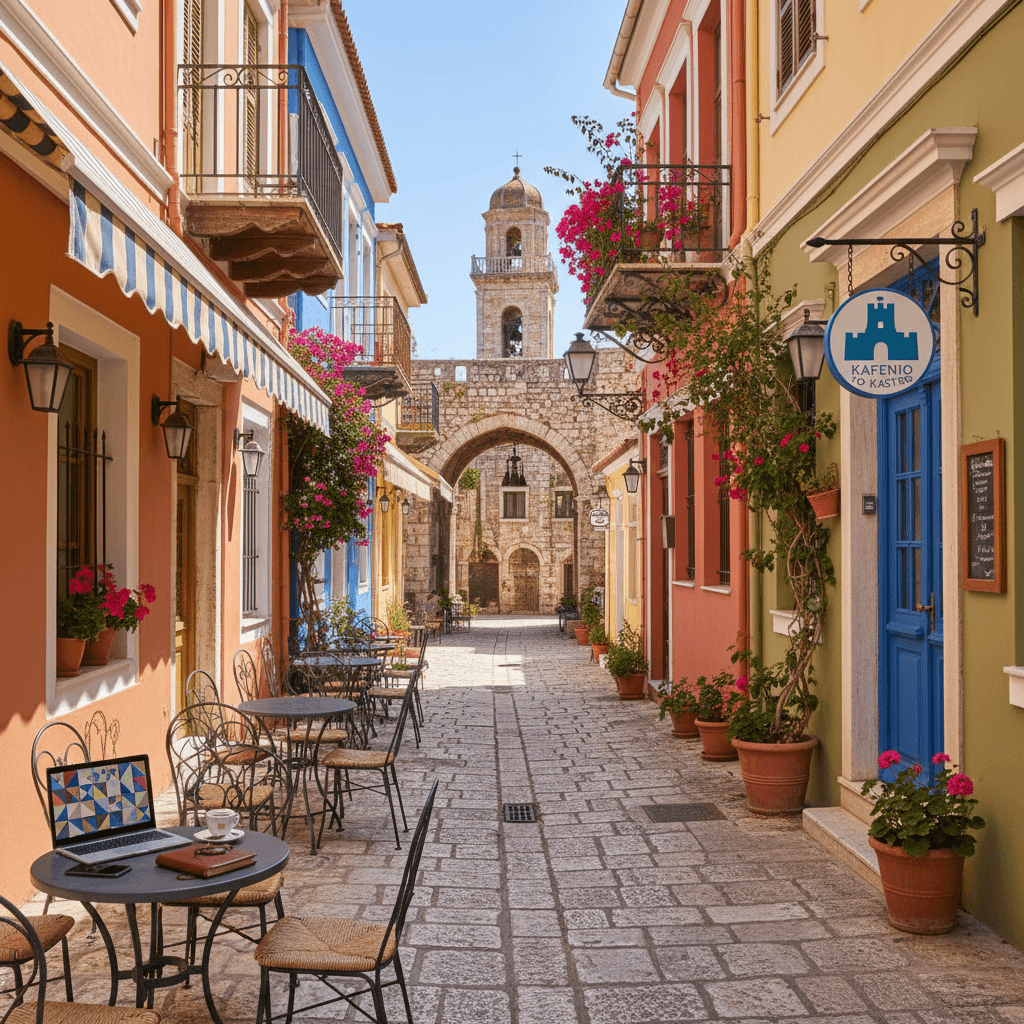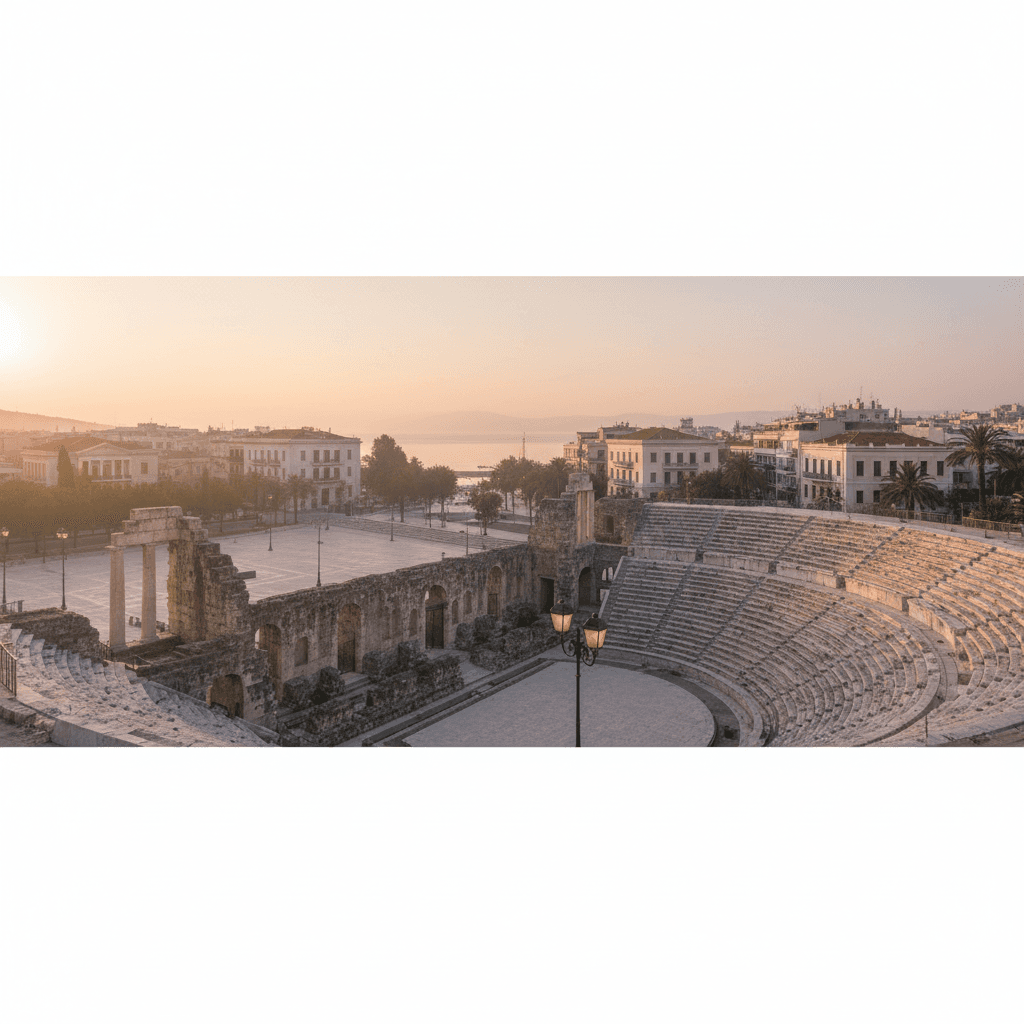
Patras
🇬🇷 Greece
The Greek Gateway With a Local Soul
Patras isn't your typical postcard Greece. You won't find the white-washed blue domes of the Cyclades here. Instead, you get the raw, authentic energy of the country's third-largest city, a place that feels lived-in rather than curated for tourists. It is a gritty, beautiful port city where the massive Rio-Antirrio Bridge glitters on the horizon and the scent of salt air mixes with roasted coffee. For nomads, it offers a sweet spot: the infrastructure of a major urban center at a price point that makes Athens look expensive.
The city's personality is defined by its massive student population and its status as Greece's "Carnival Capital." From mid-January through early Lent, the streets explode with parades and floats. It is one of the few times you will actually need to book your stay months in advance. The rest of the year, Patras is wonderfully chill. You will spend your mornings working from a seaside cafe and your afternoons wandering the Upper Town (Ano Poli), where the Byzantine castle looks out over the Gulf of Patras.
The Financial Breakdown
Living here is remarkably affordable, especially if you are coming from Western Europe or North America. You can maintain a high quality of life without the "tourist tax" found on the islands.
- The Budget Tier: If you're sticking to hostels or shared flats and eating €4 gyros, you can get by on €1,200 to €1,500 per month.
- The Mid-Range Tier: Most nomads land here, spending €1,800 to €2,200. This covers a private one-bedroom apartment, daily cafe sessions, and frequent dinners at local tavernas.
- The Comfortable Tier: For €2,500+, you are looking at a premium apartment with sea views and high-end seafood dinners in the port area.
Rent for a central studio usually sits between €400 and €700. When it comes to food, a solid meal at a mid-range taverna will run you about €15, while a fancy seafood spread near the water might hit €40. Use Spitogatos.gr to scout apartments, but local Facebook groups are often where the best deals hide.
Where to Plant Your Flag
Choosing a neighborhood depends on whether you want the city's pulse or a quiet morning view of the water.
- The City Center: This is the heartbeat of Patras. It is walkable, packed with shops, and puts you right near the port. It is the best spot for solo travelers who want to be steps away from the nightlife, though traffic can be noisy and petty theft is a minor thing to watch for in crowded spots.
- Bozarika & Beachfront: If you want to wake up and see the water, head north. It is more social in the summer and offers direct beach access, though prices can spike during the warmer months.
- Agios Dionysios: Located near the university, this area is greener and quieter. It is a favorite for families or nomads who prefer a residential feel over the constant hum of the center.
The Remote Work Reality
Internet reliability is solid here. While the city averages about 24 Mbps, many modern apartments and cafes offer much faster speeds. You won't find a massive list of dedicated coworking spaces like you would in Lisbon, but the cafe culture more than makes up for it. Locals are used to people lingering over an iced coffee for hours. Look for spots along the Agiou Nikolaou stairs or the waterfront where the WiFi is free and the views are better than any office.
For connectivity, grab an eSIM Prime plan or hit up a Cosmote shop for a physical SIM. Expect to pay around €20 for a generous monthly data package. When you need to get around, the city is very walkable, but the KTEL Achaias buses are reliable for longer hauls at €1.40 a ride. For quick trips, the TaxiBeat app is the local standard.
The Social Vibe
People in Patras are famously welcoming. Because it isn't a massive tourist hub, locals are often genuinely curious about why you've chosen their city. English is widely spoken, especially by the younger crowd, but learning a simple "Efharisto" (thank you) goes a long way. The social life revolves around the "volta", a sunset stroll along the pier, followed by late-night drinks that often stretch into the early morning. It is a city that encourages you to slow down, close the laptop, and actually enjoy the Mediterranean pace.
The Mediterranean Sweet Spot
Patras hits a rare middle ground for digital nomads in Greece. It provides the infrastructure of a major city without the "capital city" price tag you'll find in Athens. Most remote workers find they can live a high-quality lifestyle here for significantly less than they would in Western Europe or North America, with the added bonus of being steps away from the Gulf of Patras.
A typical monthly budget for a single nomad usually falls between €1,500 and €2,200. This range covers a private apartment, frequent meals out at local tavernas, and plenty of iced coffees. If you're on a tighter budget, you can scrape by on €1,200 by sticking to gyros and shared housing, while €2,500 buys a very comfortable, upscale experience with a view of the water.
Housing and Neighborhoods
Rent is your biggest variable. Unlike the competitive markets in the islands, Patras has a steady supply of apartments thanks to its large student population. Expect to pay between €400 and €700 for a modern one bedroom or studio in a good area. Local experts suggest using Spitogatos.gr or scouring Facebook Marketplace rather than relying on international rental sites which often inflate prices for foreigners.
- Central/Port Area: This is the heartbeat of the city. It is walkable, packed with cafes, and perfect for those who want to be near the nightlife. It can get busy, but the convenience is hard to beat.
- Bozarika and Beachfront: If you want to wake up to sea breezes, look here. It feels more like a resort town, though rents can tick upward during the summer months.
- Agios Dionysios: A quieter, more residential choice. It is popular with families and long term expats who want a bit more peace while remaining close to the university vibe.
Eating and Socializing
Food is where your budget goes the furthest. You can grab a filling gyro or street food for €3 to €5. A sit down dinner at a mid range taverna, including wine and a few appetizers, usually lands between €10 and €15 per person. If you're heading to the waterfront for high end seafood, prepare to spend €25 to €40.
Coffee culture is a major part of the social fabric. A Freddo Espresso will cost you about €3 to €4. The best part for nomads is that most cafes are incredibly welcoming to people working on laptops for a few hours, provided you keep the coffee coming. You won't find many dedicated coworking spaces like you would in Athens, but the city's cafe scene effectively serves the same purpose for the price of a latte.
Transport and Connectivity
The city center is remarkably walkable, so you might not spend much on transport at all. When you do need to move, the local KTEL Achaias buses are reliable and cheap at €1.20 to €1.40 per ride. A monthly pass costs around €30. For late nights, apps like TaxiBeat are the standard, with most cross city trips costing between €5 and €15.
Internet speeds average around 24 Mbps, which is plenty for video calls and standard remote work. For the best mobile data, pick up a local SIM from Cosmote or Vodafone, or grab an eSIM Prime plan for around €10 to €30 per month to stay connected while you're exploring the Peloponnese.
A Note on the Carnival
If you're planning to stay between mid-January and early Lent, throw your normal budget out the window. The Patras Carnival is one of the biggest in Europe. Accommodations book up months in advance and prices triple. It's an incredible experience, but it's the one time of year when Patras stops being a budget friendly secret.
For Digital Nomads: The Central Core
If you are moving to Patras to work, you will want to stay close to the historic center and the port area. This is where the city feels most alive, putting you within walking distance of the best laptop friendly cafes and the social scene. Most nomads gravitate toward the streets surrounding King George I Square or the pedestrianized Riga Fereou Street. You can expect to pay between €400 and €700 for a decent one bedroom apartment here, which is a steal compared to Athens prices.
The WiFi in central cafes is reliable, often hitting speeds around 24 Mbps, which handles video calls without much fuss. You will find yourself working from spots like Talks or small espresso bars where a coffee keeps your seat all afternoon. The downside is the urban noise and occasional petty theft typical of port cities, so keep an eye on your gear in crowded spots. It is the best choice if you want to skip the car and rely on your own two feet or the local €1.40 bus rides.
For Solo Travelers: Bozarika and the Beachfront
For those who prioritize a social life and the sea, the northern beachfront areas like Bozarika are the place to be. This neighborhood has a younger, more energetic vibe, especially during the warmer months from April to June. It is packed with beach bars and tavernas where you can grab a gyro for €4 or a fresh seafood dinner for about €15.
Living here means you are steps away from the water, which is a massive perk for your morning routine. However, be aware that rents can spike during the summer or during the massive Patras Carnival season in early spring. If you are staying here, download TaxiBeat for late night trips back from the city center, which usually cost between €5 and €15 depending on the distance. It is the perfect spot if you want that classic Greek coastal lifestyle without being stuck on a remote island.
For Families: Agios Dionysios and the University District
Agios Dionysios and the areas closer to the University of Patras offer a much slower pace of life. These neighborhoods are more residential and green, making them ideal for families who need a bit of quiet and proximity to schools or parks. You will find more spacious homes here, and the atmosphere is far less chaotic than the port area.
The trade off is that you are further from the nightlife and the main nomad hubs. You will likely want to rent a car or use the KTEL Achaias bus system to get around, as walkability isn't as high as it is downtown. Monthly bus passes are affordable at around €30, making the commute manageable. Expats moving with children often find these areas safer and more community oriented, providing a "local" feel that the touristy center lacks.
For Long Term Expats: Psichiko and the Outskirts
If you are planning to stay for a year or more and have a higher budget, look toward the outskirts like Psichiko or Peri. These areas are strictly residential and offer the most "suburban" experience in Patras. The homes are often newer and come with more amenities, though you will definitely need a vehicle to handle grocery runs and school drops.
While these neighborhoods lack the "nomad vibe," they offer the best security and peace of mind. You won't find many coworking spaces or trendy cafes here, but if you have a dedicated home office, the quiet is unbeatable. Use platforms like Spitogatos.gr to find listings, but be ready to use Google Translate or a local friend to help, as many landlords in these quieter areas may not speak fluent English.
Connectivity and Speed
Patras strikes a reliable balance for remote work, even if it lacks the high-tech sheen of Athens. You can expect average download speeds around 19 Mbps, though many modern apartments and central cafes now offer fiber connections that push much higher. It is stable enough for video calls and heavy uploads, making it a safe bet for most digital professions.
For your mobile data, don't rely on roaming. Most nomads pick up a local SIM from providers like Cosmote or Vodafone at shops around the city center. If you prefer to hit the ground running, eSIM Prime is a popular choice for travelers, with data plans typically ranging between €10 and €30 per month depending on your usage. Having a local number also helps when you're coordinating with landlords or using local delivery apps.
The Coworking Scene
Interestingly, Patras does not have a massive inventory of dedicated, branded coworking spaces like you would find in London or Berlin. Instead, the city relies on a deep-rooted cafe culture that is incredibly welcoming to laptop users. You will find that most nomads treat the local coffee shops as their unofficial offices.
- Cafe-Working: This is the standard here. Most spots offer free, fast WiFi with the purchase of a coffee. A Freddo Espresso will usually set you back about €3 to €5 and buys you a few hours of table time.
- Dedicated Spaces: While Patras is still catching up on the formal coworking front, you can find flexible desks in the city center for roughly €10 to €20 per day. For those needing a more corporate environment, some nomads take the bus to Athens for a day or two to use premium spaces like ViOS.
- University Influence: Because Patras is a major student hub, there are plenty of quiet libraries and study-friendly zones near the University of Patras, though these are better for deep focus than for taking loud client calls.
Best Neighborhoods for Working
Where you stay determines how easy it is to find a good signal and a comfortable chair. The city is quite walkable, but some areas definitely cater more to the digital lifestyle than others.
The City Center & Port
- Vibe: The heart of the action, close to the water and the major squares.
- Rent: Expect to pay between €400 and €700 for a decent one-bedroom apartment.
- Pros: You are steps away from the best cafes, the fastest WiFi, and the liveliest social spots.
- Cons: It can get noisy, especially during the massive Carnival season from mid-January to Lent, and traffic is a bit chaotic.
Bozarika & Beachfront
- Vibe: Relaxed, coastal, and social.
- Rent: Prices fluctuate, often spiking in the summer months.
- Pros: Working with a sea breeze is the big sell here. It is perfect for nomads who want to swim between meetings.
- Cons: It is further from the main business services and can feel a bit "seasonal" during the winter months.
Practical Workflow Tips
The Greek "Siga-Siga" (slowly-slowly) pace of life is great for your mental health, but it can be a challenge if you are on a tight deadline. Many shops and smaller services close for a few hours in the afternoon, though most work-friendly cafes stay open. If you need to find long-term housing with guaranteed high-speed internet, skip the generic booking sites and check Spitogatos.gr or local Facebook Marketplace groups. Always ask for a speed test screenshot before signing a lease, as older buildings in the historic district can sometimes have spotty wiring.
For getting around between your "office" and home, the local KTEL Achaias buses are reliable and cheap at about €1.40 per ride. If you are staying central, you'll likely just walk everywhere or use a ride-hailing app like TaxiBeat for longer trips, which usually costs under €15 across town.
Peace of Mind in the Peloponnese
Patras is a breath of fresh air for nomads who are tired of the high-alert energy of Athens or Thessaloniki. Most residents describe the city as exceptionally safe, where the biggest "danger" is usually getting talked into another round of Tentura, the local cinnamon liqueur. You'll find a relaxed, communal atmosphere where people look out for one another, especially in the tight-knit central neighborhoods.
That being said, Patras is an urban port city, which brings some typical city quirks. Petty theft and pickpocketing can happen in crowded areas, particularly around the central port and the busiest nightlife strips after dark. Most expats recommend keeping your bag zipped and your phone off the table when you're working at a sidewalk cafe. If you're walking home late, stick to well-lit streets like Agios Nikolaos or the beachfront, which usually stay active well into the night.
Healthcare Infrastructure
The healthcare standard in Patras is high, largely because it hosts one of the country's leading medical schools. The University General Hospital of Patras, located in the Rio district, is the primary hub for serious medical needs. It's a massive facility that handles everything from emergencies to specialist consultations. For more central, immediate care, the Saint Andrew General Hospital is the go-to for residents in the city core.
Expats and digital nomads generally find the quality of care reliable and the doctors well-trained, with many speaking excellent English. If you have a minor ailment, look for the green cross of a pharmacy. Greek pharmacists are highly qualified and can often provide over-the-counter solutions for things that might require a prescription in the US or UK. They also rotate "on-call" shifts, so there is always at least one 24-hour pharmacy open in the city; you can check the schedule posted on any pharmacy door.
Emergency Contacts and Safety Tips
Knowing who to call can take the stress out of an unexpected situation. Keep these numbers and tips in your phone to stay prepared:
- General Emergency: Dial 112. This is the EU-wide emergency number and will connect you to operators who speak English.
- Police: Dial 100 for local police assistance.
- Ambulance: Dial 166 for the National Center for Emergency Care (EKAV).
- Travel Insurance: While public hospitals provide emergency care, nomads often prefer private clinics for faster service. Ensure your policy covers international healthcare to avoid out-of-pocket costs at private facilities.
- Water Safety: The tap water in Patras is generally safe to drink, though many locals prefer the taste of bottled water. If you're staying in an older building in the historic center, it's worth asking your landlord about the pipe quality.
A Worry-Free Hub
Ultimately, Patras ranks as a "low-stress" destination on the safety scale. Women traveling solo often report feeling comfortable walking the central streets at night, and the local community is famously welcoming to foreigners. As long as you use the same common sense you'd use in any European city, you'll find Patras to be a secure base for your remote work stint. The presence of a large student population keeps the city feeling youthful and active at all hours, which naturally adds an extra layer of "eyes on the street" safety.
Getting Around Patras
Patras is a city that feels surprisingly manageable once you get your bearings. Most nomads find the city center highly walkable, especially the areas between the port and the historic upper town. The grid like layout makes it hard to get lost, though the steep steps leading up to the Old Town will give your legs a serious workout. For longer distances or a break from the heat, the local infrastructure is reliable and easy on the wallet.
Public Buses
The blue city buses, operated by KTEL Achaias, are the backbone of local transit. They are generally punctual and cover the main arteries of the city, including the route to the University of Patras and the Rio area. Tickets usually cost €1.40 per ride, and you can pick them up at kiosks (periptera) or vending machines near major stops. If you plan on staying for a few months, a monthly pass for around €30 is a smart move for your budget.
Ride-Hailing and Taxis
While global giants like Uber haven't fully taken over here, the local taxi scene is efficient. Most expats recommend using the Beat or TaxiBeat apps to summon a ride. It removes the language barrier and ensures a fair price. A typical trip within the city center will run you between €5 and €15. If you are arriving from Araxos Airport, which is about 40km away, expect to pay roughly €50 for a private transfer, though bus options are available for a fraction of that price.
Biking and Scooters
The flat coastal stretch of Patras is perfect for two wheels. You will see plenty of locals and students zip around on bikes or electric scooters. Apps like Lime and Bolt operate in the central areas, typically charging €1 to unlock and €0.20 per minute. It is a great way to cruise the beachfront near Bozarika without hunting for a parking spot, which can be a nightmare in the city core.
Regional Connections
One of the best perks of living in Patras is how easy it is to escape for a weekend. The city is a major transportation hub, connecting the Peloponnese to the Ionian Islands and Italy via the port. For land travel, the KTEL long distance buses are your best friend. They are modern, have decent WiFi, and can get you to Athens in about 2.5 to 3 hours for roughly €20.
- Walkability: High in the city center and along the waterfront.
- Best App for Taxis: Beat or TaxiBeat.
- Commute to Athens: 2.5 hours via KTEL bus.
- Bike Friendliness: Excellent along the coast; challenging in the hilly Old Town.
Most travelers find that they don't need a car unless they plan on exploring the remote mountain villages of Achaia. Between the cheap bus fares and the compact nature of the downtown districts, your feet and the occasional taxi will get you everywhere you need to go.
The Linguistic Landscape
You won't have much trouble getting by in Patras with just English. Since it is home to one of Greece's largest universities, the city has a massive student population that is generally fluent and eager to practice their language skills. In the central cafes, shops, and restaurants around Riga Fereou or the port, English is the standard second language.
That said, Patras doesn't feel like a sterilized tourist bubble. It is a working city, and once you step away from the digital nomad hubs, the signs and menus will lean heavily into the Greek alphabet. Most nomads find that while they can survive on English, learning the Cyrillic-adjacent script helps immensely when reading street signs or bus schedules. Locals are famously welcoming and will appreciate even a butchered attempt at a greeting.
Key Phrases for Your Daily Routine
Greeks are incredibly social, and a little effort goes a long way in your neighborhood taverna. Here are the basics you will actually use:
- Yia sou: Hello (informal) or Goodbye. You will hear this constantly.
- Efharisto: Thank you.
- Parakalo: Please or "You're welcome."
- Nai / Ochi: Yes / No. (Careful here: Nai sounds like "nay" but means yes).
- Poso kani?: How much does it cost?
- Logariasmo, parakalo: The bill, please.
Digital Communication and Connectivity
Reliable internet is the backbone of the Patras nomad experience. While the city average sits around 24 Mbps, many modern apartments and dedicated workspaces offer much higher speeds. If you are working from a cafe, which is the local preference, you will find that WiFi is almost always free with your purchase of a €3 to €5 freddo espresso.
For mobile data, don't rely on roaming. Expats recommend grabbing a local SIM or setting up an eSIM before you arrive. It makes life easier when using local apps or calling a taxi.
- eSIM Prime: Best for a quick digital setup with data plans ranging from €10 to €30 per month.
- Cosmote or Vodafone: Head to a physical shop in the city center for a prepaid Greek SIM. Cosmote generally has the best coverage if you plan on taking weekend trips into the Peloponnese mountains.
- Google Translate: The camera feature is a lifesaver for translating grocery labels or government documents.
Social Etiquette and Networking
Communication in Patras is about more than just words; it is about the "siga-siga" (slowly-slowly) lifestyle. Meetings often start 15 minutes late, and coffee dates can easily stretch into three-hour sessions. If you are looking to meet other remote workers, Facebook groups for expats in Greece are helpful for networking and navigating bureaucracy.
During the Patras Carnival, which runs from mid-January to late February, the city's communication style shifts into high gear. It is loud, chaotic, and incredibly social. If you are in town during this window, expect to meet more people in a week than you would in a year elsewhere. Just remember to book your stay early, as the city reaches full capacity during the final parade weekend.
The Sweet Spot: Shoulder Season
If you want to nail the perfect work-life balance in Patras, aim for April through June or September and October. During these months, the Peloponnese weather is at its best, with temperatures hovering between 20°C and 28°C. You can comfortably set up your laptop on a cafe terrace without melting or needing a heavy coat. The humidity remains low, and the rain mostly stays away, making it easy to transition from a morning Zoom call to an afternoon swim at a nearby beach.
Most nomads find the shoulder season ideal because the city feels alive but not overwhelmed. You'll get those crisp Mediterranean blues and plenty of Vitamin D, which is exactly what you're looking for when escaping the grey skies of Northern Europe or North America. It is also the best time to snag reasonable mid-range apartment prices before the summer rush or the winter student influx.
Chasing the Sun: Summer in Patras
July and August are for the heat-seekers. Temperatures regularly climb above 35°C, and the city takes on a slower, sun-drenched pace. While the coastal breeze helps, the midday sun can be intense. If you're here during the peak of summer, you'll likely find yourself adopting the local "siesta" schedule: working early in the morning, retreating to an air-conditioned space during the afternoon heat, and heading out for seafood and cold beers after 8:00 PM.
Expats recommend staying near the Bozarika or beachfront areas during these months. You'll pay a bit more for rent due to seasonal demand, but having the water within walking distance makes the heatwaves much more manageable. Just be prepared for the crowds; Patras is a major port city, and summer brings a lot of transit energy.
Winter and the Carnival Craze
Winter in Patras is mild compared to most of Europe, with highs around 14°C. However, November through March serves as the rainy season. You can expect about 12 days of rain in January. While it isn't freezing, the dampness can make the city feel a bit grey. This is the time when nomad life shifts indoors to cozy coffee spots and the few dedicated coworking spaces like those found near the University area.
The massive exception to the winter lull is the Patras Carnival. Running from mid-January to early Lent, it is one of the largest celebrations in Europe. If you're planning to be in town for the parades and floats, you need to book your accommodation months in advance. Prices for short-term rentals skyrocket during the final weekend, but the social networking opportunities and sheer energy of the city are unmatched during this period.
A Quick Climate Snapshot
- Best for Outdoor Work: May, June, and September (22 to 26°C).
- Hottest Months: July and August (32°C+).
- Rainiest Period: November to February (10 to 12 rainy days per month).
- Budget Travelers Choice: October and November offer the lowest accommodation rates.
Travelers often say that Patras feels like a "real" city rather than a tourist resort, and the weather reflects that. It is a place where you can enjoy the seasons without the extreme isolation of the smaller islands. Whether you're here for the €3 gyros in the spring sun or the massive street parties in February, timing your arrival can change your entire experience of the city.
Making the Move
Patras is Greece's third largest city and serves as a gateway to Western Europe, but it stays surprisingly under the radar for most travelers. For digital nomads, this means you get the perks of an urban center, think fast internet and reliable infrastructure, without the inflated price tags of Athens or the tourist traps of the islands. It is a city that moves at its own pace, blending a gritty port energy with a laid back Mediterranean lifestyle.
Cost of Living
Your money goes further here than in most European coastal cities. While a comfortable lifestyle usually sits around €2,200 per month, you can easily get by on €1,500 if you are mindful of your spending. Rent for a central one bedroom apartment typically ranges between €400 and €700, which is a steal compared to the capital. For local listings, expats suggest checking Spitogatos or joining local Facebook Marketplace groups.
- Daily Meals: A quick gyro on the street costs about €3 to €5. A sit down meal at a mid range taverna will run you €10 to €15 per person, while upscale seafood dinners near the water can reach €40.
- Transportation: Local bus fares are roughly €1.40, and a monthly pass is a solid investment at €30. Taxis and apps like TaxiBeat usually cost between €5 and €15 for trips within the city.
- Coffee and Workspace: Budget about €4 for a Freddo Espresso. Most nomads work from cafes for the price of a coffee, though dedicated coworking desk rates across Greece average €10 to €20 per day.
Where to Set Up Base
Choosing the right neighborhood depends on whether you want the salt air or the university energy. Most nomads stick to the center for ease of access.
The City Center
- Best For: First timers and solo travelers.
- Pros: Totally walkable, packed with cafes, and close to the port and nightlife.
- Cons: It can be noisy and has the typical urban issues like petty theft or heavy traffic.
Bozarika and Beachfront
- Best For: Those who want a vacation vibe while they work.
- Pros: Immediate beach access and a high concentration of social spots.
- Cons: Prices can spike in the summer, and it gets very crowded during peak season.
Agios Dionysios
- Best For: Long term stays and families.
- Pros: Much quieter and greener with a more residential feel.
- Cons: You will be further away from the main nomad hangouts and nightlife.
Connectivity and Remote Work
Internet reliability is high in Patras. While the city averages about 24 Mbps, many modern apartments and cafes offer much faster speeds. You won't find a massive list of dedicated coworking hubs like you would in Lisbon, but the cafe culture is incredibly welcoming to laptops. Look for spots along the waterfront or near the university for the best WiFi and plenty of power outlets.
For mobile data, grab an eSIM from providers like eSIM Prime before you land, or visit a Cosmote or Vodafone shop in town. A solid data plan usually costs between €10 and €30 per month. Banking is easy with Revolut or N26, which are widely used by the local expat community.
Health and Safety
Patras is generally a safe place to live. You should use common sense in crowded areas like the port or busy nightlife districts at night to avoid pickpockets. If you need medical care, the University General Hospital of Patras provides high quality service that meets EU standards. Pharmacies are everywhere and are a great first stop for minor issues, as pharmacists in Greece are highly trained and often speak excellent English.
Timing Your Stay
The sweet spot for Patras is April through June or September and October. During these months, temperatures hover between 20°C and 28°C, making it perfect for outdoor working. July and August can be punishingly hot, often topping 35°C. If you visit between mid January and late February, you will hit the Patras Carnival. It is one of the biggest in Europe, but you must book your accommodation months in advance as the city completely fills up.
Need visa and immigration info for Greece?
🇬🇷 View Greece Country GuideEasy Landing
Settle in, no stress
Monthly Budget Estimates
More cities in Greece
Thessaloniki
🇬🇷 Greece
Ermoupoli
🇬🇷 Greece
Chania
🇬🇷 Greece