Pasig (Ortigas)
🇵🇭 Philippines
The High-Rise Heart with a Neighborhood Soul
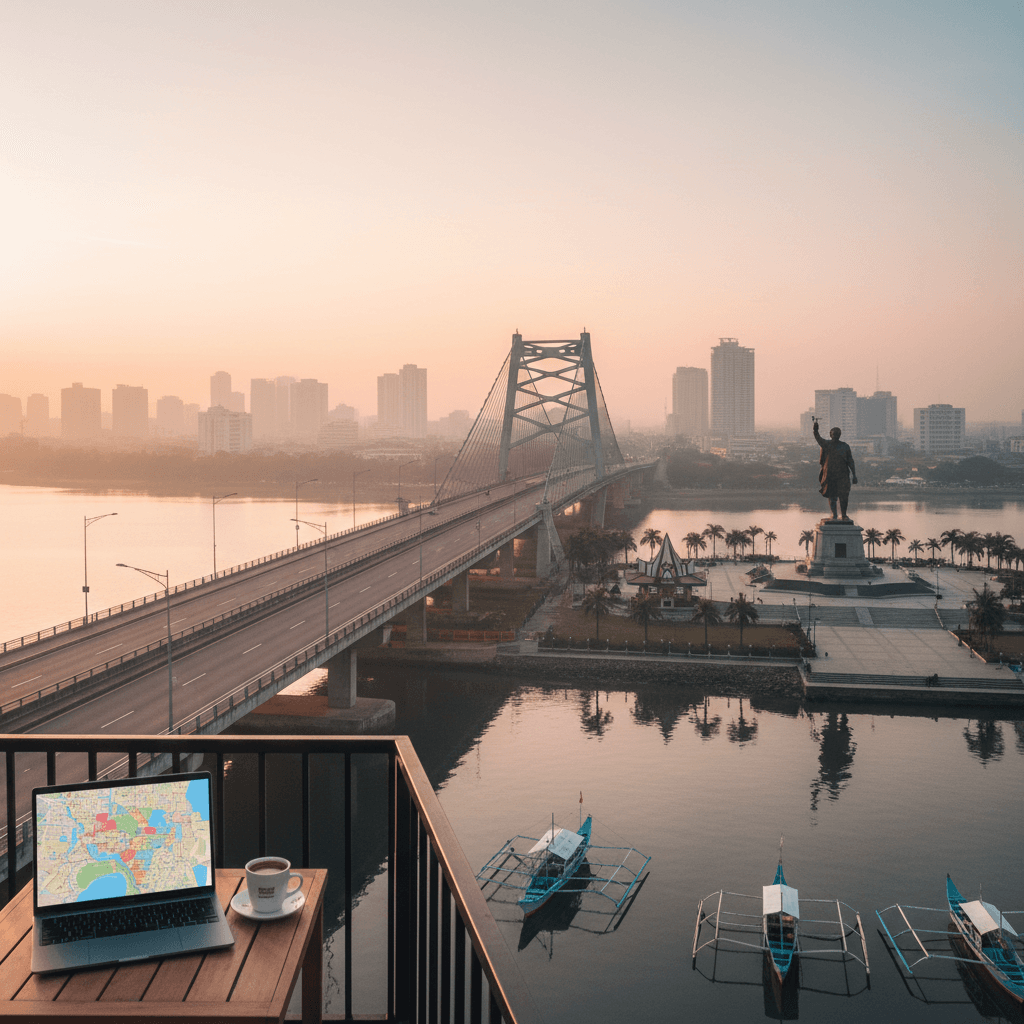
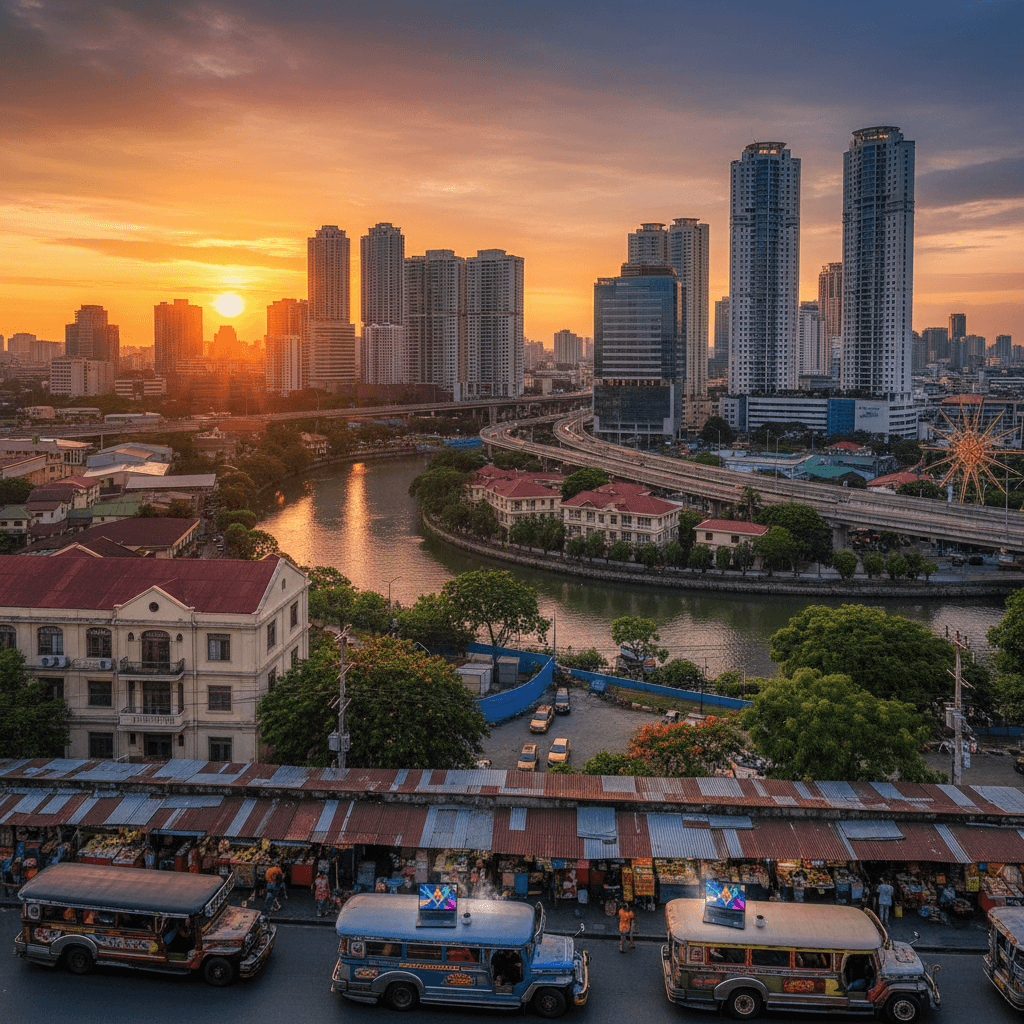
If Makati is the polished corporate elder and BGC is the flashy newcomer, Ortigas in Pasig is the industrious middle sibling that actually knows how to have a good time. It sits at a strategic crossroads in Metro Manila, offering a gritty, high-energy skyline that melts into leafy foodie enclaves like Kapitolyo. For nomads, it represents a sweet spot of hyper-modern infrastructure without the eye-watering price tags of its neighbors.
Living here feels like being plugged into a giant circuit board. You'll spend your mornings in high-speed coworking spaces and your evenings navigating the massive, multi-level labyrinths of SM Megamall or Robinsons Galleria. It is a place of contrasts where sleek glass towers overlook the winding Pasig River, and the intense humidity is quickly forgotten the moment you step into the aggressive air conditioning of a local cafe. Most travelers find that while the pace is fast, the local "Pasigueño" hospitality keeps the experience grounded and welcoming.
What You'll Spend
Your budget will stretch further here than in Manila's primary business districts, though prices are creeping up as more expats discover the area. Most solo nomads find they can live a comfortable, middle-class life on PHP 60,000 to 90,000 (roughly USD 1,050 to 1,575) per month.
- Housing: A modern studio in Ortigas Center usually runs between PHP 20,000 and 35,000 (USD 350 to 610). If you need more space, a 1BR condo averages PHP 30,000 to 50,000 (USD 525 to 875).
- Food: You can grab street food skewers for PHP 50 to 150 (USD 1 to 3) or enjoy a mid-range meal at a mall for PHP 300 to 600 (USD 5 to 10). High-end dining in Kapitolyo can reach PHP 2,000 (USD 35) or more.
- Connectivity: A month of coworking costs between PHP 5,000 and 10,000 (USD 90 to 175), while a 30GB data SIM is around PHP 500 to 1,000.
The Neighborhood Breakdown
Choosing where to plant your laptop depends on whether you want convenience or character. Ortigas isn't a monolith; each pocket has a distinct personality.
Ortigas Center
- Best for: Corporate nomads and mall lovers.
- The Vibe: High-density living with everything in walking distance. It is home to the best WiFi and the Pasig River Ferry.
- The Catch: It can feel a bit like a concrete jungle and traffic is notorious during rush hour.
Kapitolyo
- Best for: Foodies and solo travelers.
- The Vibe: A trendy, walkable residential area filled with independent cafes and famous spots like Toyo Eatery.
- The Catch: It gets loud on weekend nights and the apartments are generally older or smaller.
Ugong and Santolan
- Best for: Budget-conscious nomads and families.
- The Vibe: Quieter, more suburban, and close to Greenhills Mall.
- The Catch: You'll rely more on Grab or motorcycle taxis as it is less walkable than the central hub.
The Digital Nomad Experience
Internet reliability is the biggest draw. Fiber connections in modern condos regularly hit 50 to 500 Mbps, making Zoom calls a breeze. When you need a change of scenery, spaces like Clock In or WeRemote offer professional environments for about PHP 300 to 450 a day. If you prefer the cafe route, Wildflour in Kapitolyo is a favorite for productive mornings, though it gets crowded by lunch.
The biggest hurdle is undoubtedly the traffic. Expats often joke that "traffic eats time," and a three-kilometer trip can take forty minutes in a downpour. Smart nomads use the Grab app for cars or JoyRide and Angkas for motorcycle taxis to weave through the gridlock. For a unique commute, the Pasig River Ferry is a scenic, traffic-free alternative that is currently free to use.
Socially, it's an easy place to plug in. Between Facebook groups like "Digital Nomads Manila" and weekly mixers at local bars, you'll find a community of people who are equally obsessed with finding the best sisig and the fastest upload speeds. It's a city that rewards those who look past the skyscrapers to find the small, family-run eateries and riverside paths hidden in between.
The Price of Living in the Ortigas Hub
Pasig, specifically the Ortigas Center area, strikes a sweet spot for nomads who want the skyscraper lifestyle without the eye watering price tag of neighboring BGC or Makati. You can live quite well here on a budget of PHP 60,000 to 90,000 (roughly $1,050 to $1,575) per month. This mid range tier covers a modern studio, frequent Grab rides, and plenty of dinners out in Kapitolyo.
If you're keeping things lean, a solo nomad can scrape by on PHP 40,000 to 60,000 ($700 to $1,050) by choosing a condo further out in Ugong or Rosario and sticking to local carinderias for lunch. On the flip side, couples or families looking for a high end three bedroom setup and premium gym memberships should budget PHP 90,000 ($1,575) and up.
Breaking Down the Monthly Budget
- Rent (Studio or 1BR): Expect to pay between PHP 20,000 and 35,000 ($350 to $610) for a decent studio. If you want a proper one bedroom in a newer tower near SM Megamall, prices climb toward PHP 50,000 ($875).
- Dining Out: Street food like isaw or fish balls costs pennies, usually PHP 50 to 150 ($1 to $3). A standard meal at a mall food court or a mid range spot in Kapitolyo runs PHP 300 to 600 ($5 to $10). Upscale nights at places like Toyo Eatery can hit PHP 2,000 ($35) or more per person.
- Connectivity: A 30GB data plan from Globe or Smart costs around PHP 500 to 1,000 ($9 to $18). Most nomads recommend getting an eSIM from both providers to ensure you're never offline during a service hiccup.
- Coworking: Dedicated desks at spots like Clock In or WeRemote average PHP 300 to 500 ($5 to $9) for a day pass, or roughly PHP 6,000 to 10,000 ($105 to $175) for a monthly membership.
Neighborhood Comparison
Ortigas Center is the default choice for most expats. It's the most expensive for rent, but you're within walking distance of the Pasig River Ferry and major malls. It's the most convenient for those who prioritize fast fiber internet and proximity to coworking hubs.
Kapitolyo is the local favorite for solo travelers. It's a foodie district where modern cafes like Wildflour sit alongside traditional bars. It's more walkable and has a younger, creative energy, though the nightlife can get noisy on weekends.
Ugong and Santolan are where you'll find the value. These areas are quieter and offer larger condo units for the same price as an Ortigas studio. The trade off is that you'll be more dependent on Grab or Angkas to get to the central business district.
Transport and Infrastructure
Public transport is cheap but requires patience. A jeepney ride is only PHP 13 to 30, while the Pasig River Ferry is a scenic, traffic free steal at PHP 20 to 50. Most nomads rely on Grab for daily commutes, which typically costs PHP 100 to 300 per trip depending on the rain and the hour.
One major cost of living in Pasig isn't financial, it's time. Local nomads often warn that traffic eats your schedule, so it's smart to live within walking distance of your primary coworking space or grocery store. If you're coming from the airport, a Grab will set you back PHP 500 to 1,000 and can take anywhere from 45 to 90 minutes depending on the infamous Manila congestion.
Health and Wellness
Healthcare is world class in this pocket of the city. The Medical City in Ortigas Center is the primary choice for expats, featuring English speaking staff and modern equipment. Pharmacies like Mercury Drug and Watsons are on almost every corner, many of which stay open 24/7. While petty crime is low, especially inside the heavily guarded condos and malls, travelers usually stick to well lit main roads and use ride hailing apps after dark to stay safe.
For Digital Nomads: Ortigas Center
If your priority is high speed fiber and proximity to your desk, Ortigas Center is the logical choice. It functions as the central nervous system of Pasig, packed with high rise condos and massive shopping hubs like SM Megamall and Robinsons Galleria. Most nomads find the convenience here hard to beat; you can walk from your apartment to a coworking space like Clock In or WeRemote without ever leaving the air conditioning for long.
- Rent: Expect to pay PHP 20,000 to PHP 35,000 for a modern studio, or up to PHP 50,000 for a premium one bedroom.
- Vibe: Corporate, fast paced, and extremely convenient.
- Connectivity: This is where you will find the most stable 50 to 500 Mbps connections.
The major downside is the traffic. While the neighborhood itself is walkable, getting in or out during rush hour can be a nightmare. Many residents use the Pasig River Ferry at the nearby station to bypass the gridlock when heading toward Makati or Manila.
For Foodies and Solo Travelers: Kapitolyo
Kapitolyo is the soul of Pasig. It has transitioned from a quiet residential area into the city's premier culinary destination. Solo travelers often prefer this neighborhood because it feels more "lived in" and less like a concrete jungle. You will find a mix of trendy cafes like Wildflour and a diverse range of local dining options.
- Rent: Slightly more varied than the center, with older apartments starting around PHP 18,000 and newer units hitting PHP 40,000.
- Best For: People who want a neighborhood feel and a local social scene.
- Atmosphere: Vibrant and creative, though the nightlife can get a bit loud on weekends.
Expats recommend Kapitolyo if you don't mind a slightly smaller living space in exchange for being within walking distance of the best bars and restaurants in the city. Just keep in mind that public transport options are a bit thinner here, so you will likely rely on Grab or JoyRide for most trips.
For Families and Long Term Expats: Rosario
If you are moving with a family or just want to escape the urban heat, Rosario offers a more suburban pace. This area is known for its secure, gated communities and proximity to reputable schools. It feels significantly safer for kids, and you get much more square footage for your money compared to the high rises in the business district.
- Rent: Family sized houses or large condos typically range from PHP 45,000 to PHP 90,000.
- Pros: Quiet streets, gated security, and a community oriented atmosphere.
- Cons: It is farther from the coworking hubs and the main nightlife.
Most families here suggest owning a car or having a reliable driver, as the suburban layout makes walking to amenities less practical than in the city center. You are still close enough to The Medical City for top tier healthcare, which is a major relief for those with children.
For Budget Conscious Travelers: Ugong and Santolan
For those who want to stay near the action without the Ortigas Center price tag, Ugong and Santolan are the best bets. These areas are home to many mid range condo developments that cater to young professionals. You are still close to Greenhills Mall for shopping and cheap eats, but your monthly overhead will be significantly lower.
- Rent: You can often find decent studios for PHP 15,000 to PHP 22,000.
- Food: Plenty of local "carinderias" and food stalls where a meal costs PHP 150 or less.
- Trade off: These areas are less "walkable" in the traditional sense and you will spend more time in Grab rides to get to the main social hubs.
Travelers often say these neighborhoods provide the best balance of "local life" and modern comfort. You get the reliable electricity and water of a developed city but at a price point that allows for more frequent weekend trips out of town.
Ortigas is widely considered the sweet spot for digital nomads in Manila. While BGC gets the hype for being ultra-modern, Pasig provides the same high-speed fiber infrastructure at a more digestible price point. You can expect fiber speeds between 50 and 500 Mbps in most modern condos and dedicated workspaces, making it one of the most reliable hubs in the Philippines for video calls and heavy uploads.
Top Coworking Spaces
The coworking scene here is professional and corporate-leaning, catering to a mix of remote tech workers and local startups. Most spaces offer flexible day passes if you are just passing through, or monthly memberships for those settling in for a while.
- Clock In: Located right in the heart of Ortigas Center, this is a favorite for its sleek design and rock-solid connection. Day passes run between PHP 300 and 450, while a monthly hot desk costs around PHP 6,000.
- WeRemote: Situated near SM Megamall, this spot is known for a slightly more relaxed community vibe. It is great for networking with other expats and costs about PHP 350 for a full day.
- KMC Solutions: They have multiple floors in high-rise buildings across Pasig. It feels more like a traditional office, but the amenities and backup power systems are top-tier.
The Cafe Culture
If you prefer the hum of a coffee shop, Pasig has plenty of options, though they can get crowded during the afternoon rush. Most nomads stick to the Kapitolyo area for a more relaxed "work-from-cafe" vibe compared to the frantic pace of the malls.
Wildflour in Kapitolyo is a staple for a reason. The WiFi is strong, the coffee is excellent, and they are generally welcoming to laptop users during the morning hours. Just be prepared to move on or order a second round when the lunch crowd arrives. For a more local feel, try the various cafes tucked away in The 30th mall or Estancia; they tend to be quieter than the massive SM Megamall food courts.
Mobile Data and Connectivity
Never rely solely on one connection in Manila. While fiber is generally stable, local outages happen. Most nomads carry a backup mobile router or use their phone as a hotspot. You should pick up a local SIM from either Globe or Smart. Both offer eSIM options now, which makes the setup process much faster.
- Data Costs: Expect to pay between PHP 500 and 1,000 for 30GB or more of data. Many promos now include "unlimited" data for specific apps or sites.
- Coverage: Smart often tests slightly faster in the Ortigas business district, but Globe has excellent coverage inside the major malls and condos. Carrying one of each is a common pro-tip for power users.
- Registration: Remember that the Philippines requires SIM registration by law. You will need your passport and a digital photo to activate your card via the provider's app.
Practical Tips for Productivity
The biggest threat to your productivity in Pasig isn't the internet speed; it is the traffic. If you plan to meet a client or visit a coworking space across town, always check Grab or Waze first. Most successful nomads here live within walking distance of their preferred workspace to avoid losing two hours of their day to the commute. If the power does go out during a tropical storm, the larger coworking spaces and malls have massive industrial generators that kick in immediately, so keep a membership card handy as a backup plan.
Safety in the City
Pasig, particularly the Ortigas Center business district, is one of the more secure pockets of Metro Manila. It has a reputation for being safer than the older parts of central Manila, with many digital nomads and families finding the environment surprisingly relaxed. Most of the action happens within well lit, high traffic areas like SM Megamall or Robinsons Galleria, where security presence is constant and professional.
Petty crime like pickpocketing can happen in crowded transit hubs or markets, so keep your phone and wallet tucked away. Stick to the main thoroughfares in Kapitolyo and Ortigas Center. While there aren't any specific "no go" zones to worry about, it's best to avoid poorly lit side streets after dark. Most expats recommend using Grab for door to door transport at night rather than walking long distances, mostly to avoid the heat and unpredictable sidewalk quality.
The biggest safety concern for most isn't crime, but the traffic and air quality. The streets are chaotic, and pedestrians don't always have the right of way. If you're sensitive to smog, you might want to wear a mask during peak commute hours or stick to the indoor walkways and malls that connect much of the district.
Healthcare Standards
If you get sick in Pasig, you're in good hands. The city is home to The Medical City on Ortigas Avenue, which is widely considered one of the top hospitals in the country. It's an expat favorite because the staff is fluent in English, the equipment is state of the art, and they're used to dealing with international insurance providers.
For minor issues or routine checkups, you'll find smaller clinics inside the major malls. These are convenient for quick consultations without the hospital wait times. If you're looking for world class specialized care, St. Luke’s Medical Center is just a short 15 to 20 minute Grab ride away in neighboring BGC, depending on the legendary Manila traffic.
Pharmacies and Medication
You won't have to look far for supplies. Mercury Drug and Watsons are on almost every corner and inside every mall. Many Mercury Drug branches operate 24/7, which is a lifesaver if you need something in the middle of the night. Most common medications are available over the counter, but you'll need a local prescription for antibiotics or specialized maintenance drugs.
Emergency Contacts
In case of a serious emergency, the national hotline is 911. This connects you to police, fire, and ambulance services. For more localized assistance, many malls have dedicated tourist police desks. It's also smart to keep the direct landline for The Medical City saved in your phone, as private hospital ambulances are often faster than public ones in a crisis.
- Emergency Services: Dial 911
- The Medical City (Ortigas): High end private care, preferred by expats
- St. Luke’s Medical Center (BGC): Nearby alternative for specialized surgery
- Mercury Drug: Most reliable 24/7 pharmacy chain
- Watsons: Best for toiletries and basic over the counter meds
Staying Healthy
The tropical heat is no joke, with temperatures regularly hitting 33°C (91°F). Dehydration and heat exhaustion are common for newcomers. Stick to bottled or filtered water; while locals might drink the tap water, most nomads find it irritates their stomach. Every condo building and coworking space will have a "water station" where you can refill your bottle for a few pesos.
Moving through Pasig, specifically the Ortigas Center hub, requires a bit of strategy. While the district is more compact than the sprawling chaos of Quezon City, the traffic here is legendary. Most nomads quickly learn that your choice of transport can make or break your productivity for the day. If you're staying within Ortigas Center or the foodie enclave of Kapitolyo, your own two feet are often your best asset, as these areas are relatively walkable compared to the rest of Metro Manila.
Ride-Hailing and Apps
For most expats and nomads, Grab is the non-negotiable lifeline. It's the dominant ride-hailing app and generally costs between PHP 100 to PHP 300 for trips within the city. It's safer and more predictable than flagging a white taxi, though you'll face long wait times during the 5:00 PM rush or when a tropical downpour hits.
- JoyRide: A solid budget alternative to Grab that often has better availability during peak hours.
- Angkas: If you're brave enough to hop on the back of a motorcycle, this is the ultimate traffic buster. It's cheap, fast, and uses a professionalized booking system via an app.
The Scenic Route: Pasig River Ferry
One of the best kept secrets for avoiding the gridlock on EDSA is the Pasig River Ferry. It's an underutilized gem that connects Pasig to Makati and Manila. Currently, the service is free, allowing you to skip the exhaust fumes and enjoy a breeze while traveling to stops like Guadalupe or Escolta. It's a favorite for nomads who want a scenic, stress-free way to reach the historic parts of Manila without sitting in a car for two hours.
Public Transit: Trains and Jeepneys
The MRT-3 stops at the Ortigas station, which is incredibly convenient for reaching Makati or North Avenue. However, be warned: the trains are packed to the rafters during commute hours. If you aren't a fan of tight crowds, save the train for mid-day trips.
Jeepneys remain the backbone of local travel, costing only PHP 13 to PHP 30. They're great for short hops, like getting from the malls in Ortigas Center to the residential pockets of Rosario or Ugong. Just look for the destination painted on the side of the vehicle and pass your fare forward with a polite "bayad po."
Walking and Micromobility
Within the core of Ortigas Center, you'll find elevated walkways and decent sidewalks connecting major spots like SM Megamall and Robinsons Galleria. Many nomads choose to live in condos directly adjacent to their coworking spaces, like Clock In or WeRemote, specifically to eliminate the need for a daily commute.
If you're heading to Kapitolyo for a meal at Toyo Eatery, be prepared for narrower streets. It's a vibrant, walkable neighborhood, but the lack of dedicated bike lanes means you should stay alert when navigating the side streets on a scooter or bicycle.
Getting to and from the Airport
Ninoy Aquino International Airport (NAIA) is technically only about 10 to 12 kilometers away, but in Manila time, that's a 45 to 90 minute journey. A Grab ride will typically set you back PHP 500 to PHP 1,000 depending on the surge pricing. For a more budget-friendly option, the Victory Liner bus services run routes that can get you close to the district, but most travelers find the door-to-door convenience of a car worth the extra few dollars.
The English Advantage
If you're worried about a language barrier in Ortigas, breathe easy. The Philippines is one of the largest English speaking nations in the world, with a high English proficiency that sits around 70-80% nationally. You can walk into any office in Ortigas Center or a cafe in Kapitolyo and expect the staff to speak fluent English. All business transactions, legal documents, and street signs are in English, making it one of the easiest transitions for Western nomads in Southeast Asia.
Most expats find they don't need to learn the local language to navigate daily life. Whether you're negotiating a lease for a condo in Ugong or explaining a technical issue to a technician from Globe or Smart, you'll be understood perfectly. That said, the local tongue is Tagalog, often blended with English in a casual style known as Taglish.
Navigating Taglish and Local Nuance
While English is the official language of instruction and business, Tagalog is what you'll hear on the streets and in the markets. In social settings, locals often switch back and forth between the two. If you hear a group of coworkers at SM Megamall speaking what sounds like English mixed with something else, that's the natural rhythm of Manila life.
Nomads often notice that Filipinos are incredibly polite. You'll frequently be addressed as "Sir" or "Ma'am," even in casual settings like a Grab ride or a quick stop at Mercury Drug. It's part of the local hospitality that makes the city feel welcoming rather than cold and corporate.
Useful Phrases for the Street
While you can get by on English alone, tossing out a few Tagalog words goes a long way in building rapport with locals. It shows you're not just passing through. Here are a few basics to keep in your back pocket:
- Salamat: Thank you. You'll use this a dozen times a day.
- Magkano?: How much? Use this at small stalls or when asking for a jeepney fare.
- Paumanhin: Sorry or excuse me. Useful when navigating a crowded sidewalk in Ortigas.
- Ingat: Take care. Locals say this frequently when saying goodbye.
- Para: Stop. Shout this when you want to get off a jeepney.
Digital Communication and Apps
For everything else, technology fills the gaps. Most nomads recommend downloading the Google Translate app with the Tagalog offline pack just in case you wander into more residential areas like Rosario where English might be slightly less common.
For daily coordination, WhatsApp is used, but Viber and Facebook Messenger are actually more dominant for local businesses and community groups. If you're joining a local nomad meetup or contacting a landlord, they'll likely ask for your Viber number or Facebook profile. Staying connected is rarely an issue; just ensure you have a local SIM from Globe or Smart for about 500 to 1,000 PHP a month to keep your translation apps and maps running while you're out and about.
The Social Connection
Communication in Pasig isn't just about words; it's about where you meet. If you're looking to practice your Tagalog or just meet English speaking expats, head to the food courts at Robinsons Galleria or join the Digital Nomads Manila Facebook group. They host regular mixers in Ortigas where the conversation flows easily in English, making it simple to build a professional and social network within weeks of arriving.
The Tropical Rhythm
Pasig follows the standard tropical heartbeat of the Philippines, meaning you'll spend most of your time in a light t-shirt and shorts. Temperatures generally hover between 25°C and 33°C (77°F to 91°F) year round. While the warmth is constant, the humidity is what usually catches newcomers off guard. In the concrete canyons of Ortigas Center, the heat can feel amplified by the glass buildings, making those air conditioned malls like SM Megamall feel like a sanctuary.
The year is split into two main acts: the dry season and the rainy season. Most nomads find the sweet spot for visiting is between December and May. During these months, the skies stay mostly clear, and the humidity sits at a manageable level. It's the perfect window for exploring the Kapitolyo food scene on foot or taking the Pasig River Ferry without worrying about a sudden downpour.
Dry Season: November to April
This is peak season for a reason. From late November through February, the weather is actually quite pleasant, often referred to as the "cool" dry season. You might even see locals wearing light sweaters in the early mornings when it dips to 24°C. This is the best time for outdoor activities, like walking between meetings in Ortigas or grabbing a coffee at an outdoor table in Estancia.
March and April see the heat crank up significantly. This is the height of the Philippine summer. Expect temperatures to hit 34°C regularly. If you're sensitive to heat, you'll want to ensure your condo has a high quality air conditioning unit and that you've budgeted for a slightly higher electricity bill during these months.
Rainy Season: June to October
The rains typically arrive in June and stick around through October. This isn't just a light drizzle; we're talking about heavy tropical deluges that can turn streets into small rivers in minutes. August and September are usually the wettest months, with rainfall averaging around 250-350mm in wettest months. This is also typhoon season, which can occasionally lead to power outages or internet disruptions, though the infrastructure in Ortigas is more resilient than in provincial areas.
Nomads living here during the wet season quickly learn two things: always have the Grab app ready to go and keep a sturdy umbrella in your bag. Traffic in Pasig is already legendary, but it grinds to a halt during a rainstorm. If you're working from a cafe like Wildflour in Kapitolyo, you might find yourself stuck there for an extra hour waiting for the rain to subside, which isn't the worst way to spend an afternoon.
Best Times for Your Budget
- Peak Season (December to May): Expect to pay full price for short term rentals. January and February are popular for digital nomads fleeing the northern winter.
- Shoulder Season (May and November): These are transition months. You might catch some rain, but you can often find better deals on monthly condo stays in buildings like The Exchange Regency or Sapphire Bloc.
- Low Season (June to September): Rent prices are most negotiable now, but you'll be spending a lot more time indoors. It's a great time for deep work and focusing on projects while the rain drums on the window.
The Verdict
If you want the quintessential Manila experience with clear blue skies, aim for January through March. The weather is at its most cooperative, and the city feels energized. If you're looking to save money and don't mind the occasional tropical storm, the rainy season offers a much more affordable entry point into the Ortigas lifestyle, provided you stay close to your favorite coworking space or mall to avoid the traffic chaos that rain brings.
Making the Move to Pasig
Living in the Ortigas area of Pasig feels like a smarter, more grounded version of the Manila experience. It has the high rise energy of BGC but without the sterile, overly manicured price tag. You get a mix of corporate polish and neighborhood charm, especially once you wander into the foodie streets of Kapitolyo. Most nomads find that while the traffic is a legitimate hurdle, the convenience of having world class malls and fiber internet within a ten minute walk makes it an easy place to settle for a month or two.
Cost of Living Breakdown
Your budget here goes significantly further than in Makati or BGC, though prices are creeping up as more remote workers discover the area. Expect to spend between PHP 40,000 and 60,000 for a solo budget lifestyle, while PHP 90,000+ gets a couple a very comfortable setup in a modern high rise.
- Housing: A studio in Ortigas Center typically runs PHP 20,000 to 35,000 per month. If you need more space, 1BR units average PHP 30,000 to 50,000.
- Dining: Street skewers like isaw cost around PHP 50 to 150. A solid mid range meal at SM Megamall is PHP 300 to 600, while high end spots like Toyo Eatery can hit PHP 2,000.
- Coworking: Day passes usually fall between PHP 300 and 500, with monthly desks averaging PHP 5,000 to 10,000.
Where to Set Up Base
Choosing a neighborhood in Pasig depends on whether you value being steps from your desk or steps from a craft beer bar. Expats generally stick to these four pockets.
Ortigas Center
This is the central business district. It is the best spot for reliable WiFi and proximity to malls like Robinsons Galleria. It is very walkable, though the traffic on the perimeter is legendary. Rent is higher here, but you save on transport.
Kapitolyo
The culinary heart of the city. It is a favorite for solo nomads who want a more residential, community feel. You will find trendy cafes like Wildflour and plenty of nightlife, though it can get a bit noisy on weekends.
Ugong and Santolan
Best for those on a tighter budget or families needing more square footage. It is quieter and close to Greenhills Mall, though you will likely need to rely on Grab rides to get into the central action.
Rosario
A safe, suburban choice dominated by gated communities. It is great for long term stays if you have a family, but it feels a bit removed from the nomad social scene.
Internet and Productive Spaces
Reliability is high in Pasig. Most modern condos offer fiber connections ranging from 50 to 500 Mbps. However, the local tip is to always have a backup. Pick up a Globe or Smart eSIM for about PHP 500 to 1,000; it provides a necessary safety net during the occasional city wide service flicker.
For a dedicated office environment, Clock In in Ortigas Center is a top pick for its community vibe and PHP 300 day rate. WeRemote near SM Megamall is another solid choice. If you prefer the cafe route, mornings at Wildflour are productive, but the afternoon rush makes it better for social meetings than deep work.
Getting Around the City
The golden rule of Pasig is to avoid the roads between 5:00 PM and 8:00 PM. If you must move during rush hour, the Pasig River Ferry is a brilliant, scenic hack that costs only PHP 20 to 50 and bypasses the gridlock entirely. For daily trips, Grab is the primary app you will use, with rides typically costing PHP 100 to 300.
For a faster, more adventurous commute, motorcycle taxis like Angkas or JoyRide are the local way to weave through stationary cars. If you are coming from the airport, a Grab will take anywhere from 45 to 90 minutes depending on the time of day, costing roughly PHP 500 to 1,000.
Safety, Health, and Language
Pasig is generally safe, especially within the well lit corridors of Ortigas Center and the major malls. Use common sense at night and stick to Grab rather than walking through unfamiliar, dimly lit side streets. If you get sick, The Medical City is a top tier hospital where the staff speaks perfect English. For minor needs, Mercury Drug and Watsons pharmacies are on almost every corner and many stay open 24/7.
Language is rarely a barrier. English proficiency is incredibly high, especially in business settings. You will get a warm response if you use a few Tagalog basics: Salamat for thank you and Magkano? when asking for a price. Most locals are happy to help if you look lost; just ask.
Weather and Timing
It is tropical and humid year round, usually hovering between 25 and 33 degrees Celsius. The best window to visit is December through May when the skies are clear. The rainy season kicks in from June to October. During these months, heavy downpours can cause localized flooding, so keep an eye on the forecast and maybe invest in a sturdy umbrella.
Need visa and immigration info for Philippines?
🇵🇭 View Philippines Country GuideNomad Haven
Your home away from home
Monthly Budget Estimates
More cities in Philippines
Legazpi City
🇵🇭 Philippines
Naga City
🇵🇭 Philippines
Cagayan de Oro
🇵🇭 Philippines