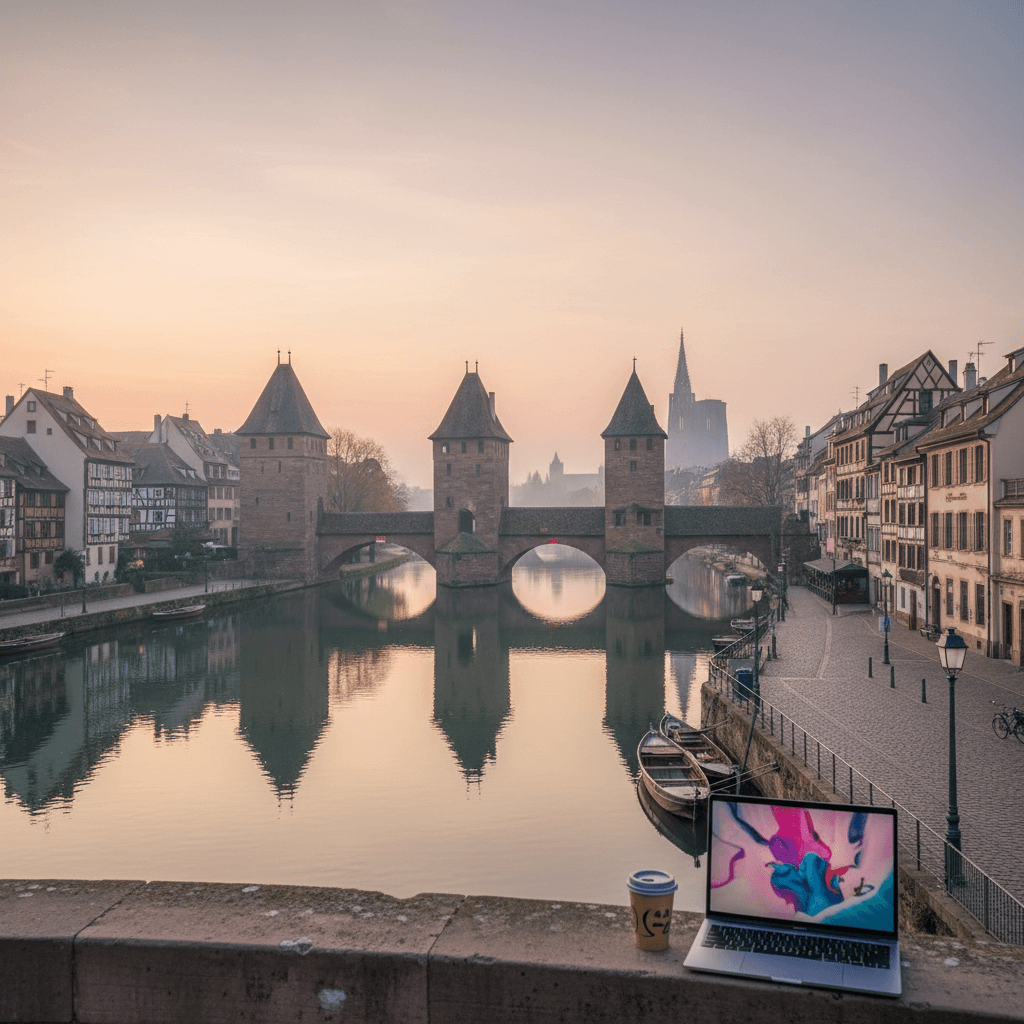
Paris
🇫🇷 France
The Parisian Paradox
Paris isn't just a city; it's a mood that shifts depending on which arrondissement you call home. For digital nomads, the experience is a blend of high-speed productivity and a stubborn, beautiful refusal to rush. You might spend your morning powering through emails at a WeWork in the 9th, but by 4:00 PM, the city expects you to close the laptop for a glass of wine and some people-watching. It's this friction between a hectic global capital and a slow-paced café culture that makes Paris feel different from nomad hubs like Lisbon or Bali.
The city is undeniably expensive, but it offers a level of cultural density that's hard to match. You're never more than a few blocks from a world-class museum or a bakery that's been perfecting the baguette for a century. Most remote workers find that while the bureaucracy and high rents are a headache, the inspiration gained from just walking the streets of Le Marais or Montmartre makes the trade-off worth it.
The Cost of Staying Connected
Living here requires a realistic budget. While you can scrape by on €2,000 a month if you're frugal, most nomads aim for €3,000 to €3,500 to actually enjoy what the city provides. Rent is your biggest hurdle; a decent studio in a central spot like Bastille will run you €1,500 to €2,500, though you can find better deals in Belleville starting around €1,200+.
- Daily Metro Pass: €12
- Monthly Navigo Pass: ~€91
- Mid-range Bistro Dinner: €20 to €40
- Street Food (Falafel or Crepes): €5 to €10
- Coworking Desk: €200 to €500 per month
Where to Plant Your Roots
Choosing a neighborhood is less about proximity to an office and more about the "vibe" you want to wake up to. Expats and younger nomads often gravitate toward Canal Saint-Martin for its hip, less-touristy energy and the ability to work outdoors by the water. If you want the classic postcard experience, Montmartre offers artistic inspiration and slightly lower rents, though you'll be sharing your morning walk with crowds of tourists and navigating steep hills.
For those who want an authentic local life without the "museum city" feel, Bastille is a top recommendation. It's a mix of young professionals and old-school Parisians, with plenty of coworking options like La Cordée nearby. If you're on a tighter budget, Belleville offers a grittier, diverse atmosphere with some of the best affordable food in the city.
Work Culture and Connectivity
The city offers average fixed broadband speeds around 300 Mbps, and fiber is common in most apartments and coworking spaces. Most nomads skip the hassle of local SIM cards and use eSIMs like ConnectPls or RAPIDeSIM for instant data. If you prefer a physical card, Free Mobile offers some of the best prepaid deals for about €20 a month.
The social scene for remote workers is somewhat decentralized. You won't find one massive nomad "hub." Instead, you'll find clusters of people at Digital Nomad Meetup Paris events or tucked away in the Latin Quarter. Networking often happens organically in the city's many "laptop-friendly" cafés, though it's polite to keep your voice down and order a fresh coffee every hour or two.
Safety and Practicalities
Paris is generally safe, but big-city rules apply. Pickpocketing is a genuine profession in the Metro and around the Eiffel Tower. Travelers recommend staying alert in the northern suburbs and avoiding Belleville late at night. For health, the quality of care is exceptional. If you need a doctor, look for a Pharmacie (the green neon signs are everywhere) or head to Pitié-Salpêtrière for emergencies.
The best time to be here is May to June or September, when the weather is mild and the light is perfect for afternoon strolls. Winters can be grey and damp, with temperatures hovering between 3°C and 8°C, which is when the city's cozy interior spaces and museums become your best friends.
The Cost of Being a Parisian Nomad
Paris carries a reputation for being one of the world's most expensive cities, and while that's true for luxury travelers, digital nomads can make it work with a bit of strategy. You'll need at least €2,000 to €2,500 per month to cover the basics on a budget. If you're looking for a more comfortable lifestyle with frequent dinners out and a central apartment, plan to budget closer to €3,500 or more.
The city's pace is a mix of frantic metro commutes and long, slow afternoons at sidewalk cafés. Most nomads find that while the overhead is high, the quality of life, infrastructure, and sheer inspiration of the city often justify the price tag.
Housing and Neighborhoods
Rent is your biggest hurdle. A standard studio or one bedroom in the city center usually runs between €1,500 and €2,500. If you head toward the outer arrondissements or up-and-coming areas, you can find spots for €900 to €1,500.
- Le Marais: This is the expat favorite for its trendy vibe and coworking access. Expect to pay at least €1,800 for a small apartment.
- Montmartre: Famous for its artistic history and views. It's hilly and tourist-heavy, but studios are more reasonable at €1,000 to €1,500.
- Belleville: The go-to for budget-conscious nomads. It's a bit grittier and further out, but you can find studios starting around €900.
- Bastille: Young expats recommend this area for an authentic feel without the heavy tourist crowds. Prices here are mid-range and the restaurant scene is excellent.
Dining and Social Life
You can eat well in Paris without a Michelin-star budget. A quick crepe or street falafel in the Marais will cost about €5 to €10. A meal at a solid mid-range bistro like Chez Gladines usually lands between €20 and €40 per person. For high-end experiences like Le Jules Verne, you're looking at €100 and up.
Socializing often revolves around evening drinks in Bastille or Oberkampf. If you're looking to meet other remote workers, join the Digital Nomad Meetup Paris or the Paris Solopreneurs Facebook group. Most nomads find that the community is somewhat scattered, but making one solid connection at a coworking space usually opens the door to the wider network.
Connectivity and Coworking
Internet speeds average around 28 Mbps, which is plenty for video calls. Café culture is massive here, and many spots in the 5th Arrondissement or Canal Saint-Martin are nomad-friendly. To avoid the hassle of local contracts, many travelers use eSIMs like ConnectPls or RAPIDeSIM for unlimited data.
- WeWork: Multiple locations across the city. Expect to pay €250 to €450 for a monthly pass.
- La Cordée: A popular local alternative with a community focus, costing around €300 per month.
- Prepaid SIMs: If you want a local number, Free Mobile or Orange offer prepaid plans for €10 to €30.
Transportation
The Metro is the lifeblood of the city. A single ticket is €2.55, but most long-term visitors opt for the Navigo monthly pass, which costs between €75 and €100 and covers all zones. Paris is also incredibly walkable, and the Vélib' bike-share system is a steal at about €5 for a day of unlimited short rides.
For airport transfers, the RER B train from CDG or Orly is the most efficient choice at €10 to €13. If you prefer ride-hailing, Uber and Bolt are active, but a trip from the airport to the center will easily cost €50 or more depending on traffic.
Safety and Practicalities
Paris is generally safe, though pickpocketing is a constant reality in the Metro and near the Eiffel Tower. Local nomads suggest avoiding the northern suburbs and being cautious in Belleville late at night. The healthcare system is top-tier, with the Pitié-Salpêtrière hospital being a major hub. If you need a doctor, the Doctolib app is the standard for booking appointments quickly.
Regarding the language, while many younger Parisians speak English, starting every interaction with a polite "Bonjour" is a non-negotiable cultural rule. It changes the entire tone of your stay.
For Digital Nomads & Solo Travelers
If you are looking for that specific mix of laptop friendly cafés and a high energy social scene, Le Marais is the primary choice. It is undeniably pricey, with one bedroom apartments often starting at €1,800, but you are paying for the convenience of being in the heart of the city. You will find plenty of other remote workers at WeWork locations or local spots like La Cordée, where a monthly desk goes for about €300. It is touristy, but the density of coworking spaces and late night bars makes it easy to meet people quickly.
For a more local, "cool" vibe, head to Canal Saint-Martin. It is a favorite for solo travelers because of the relaxed atmosphere along the water. Nomads often grab a coffee and work in the nearby parks during the week, though it gets packed with locals on weekends. The food scene here is more affordable than the center, with plenty of quick bites and trendy bistros that won't break your budget.
If you are on a tighter budget but still want the classic Parisian aesthetic, Montmartre is the go to. You can find studios here for €1,000 to €1,500, which is a steal compared to the 1st or 2nd arrondissements. The hills are a workout and the main square is a tourist trap, but the backstreets offer incredible artistic inspiration. Just be prepared for a bit of a commute if you need to head into the city center frequently.
For Expats & Long Term Residents
The 5th Arrondissement, also known as the Latin Quarter, is the traditional hub for international residents. Because of the historic university presence, the community is naturally inclusive and English is widely spoken. It is busy, but it feels more like a neighborhood than a tourist attraction once you step off the main boulevards. It is an excellent spot if you want to be surrounded by bookstores, cinemas, and a diverse range of expats.
Bastille is increasingly popular with young expats who want an authentic experience without the "museum" feel of the more famous districts. The rent is reasonable for Paris, and the nightlife around Rue de Lappe is legendary. Most expats here praise the area for its mix of traditional markets and modern, grit meets glam restaurants. It is less central, but the metro connections are so good that it rarely feels isolated.
For Budget Conscious Nomads
Belleville is the best bet for those trying to keep their monthly spend under €2,500. You can find studios starting around €900, which allows for more breathing room in your budget for dining out. The area is diverse and a bit grittier than the postcard version of Paris, but the food scene is one of the best in the city. Just keep your wits about you at night, as some parts can feel a little less polished than the posh western suburbs.
- Le Marais: Best for networking and high end living (€1,800+ rent).
- Belleville: Best for saving money and diverse food (€900+ rent).
- Bastille: Best for an authentic, local atmosphere.
For Families
While the central arrondissements are great for a weekend, most families find them too cramped and noisy for long term stays. The 15th Arrondissement is the standard recommendation for those moving with kids. It is quiet, residential, and full of parks and reputable schools. You won't find many nomad meetups here, but you will find the space and safety that the more "hip" neighborhoods lack. It feels like a real city where people actually live, rather than a transit point for travelers.
Connectivity and Speed
Paris is a high speed city in every sense. You can expect average fixed broadband speeds around 300 Mbps, but fiber optic connections in most coworking spaces and modern apartments easily push that much higher. Public Wi-Fi is surprisingly reliable; you will find it in city parks, libraries, and even some Metro stations, though it is better for checking emails than hopping on a video call.
To stay connected while wandering between arrondissements, skip the hunt for a physical SIM shop at the airport. Most nomads now use eSIM providers like ConnectPls or RAPIDeSIM for unlimited data plans. If you prefer a local carrier, head to a Free Mobile or Orange kiosk. You can snag a prepaid plan with plenty of data for €10 to €30 per month, which is a steal compared to other Parisian living costs.
Top Coworking Spaces
The coworking scene in Paris is professional and polished. While the community is somewhat decentralized compared to nomad hubs like Lisbon or Bali, these spaces serve as the primary anchors for networking.
- WeWork: With multiple locations across the city, including prime spots in the 9th and 8th Arrondissements, a hot desk usually runs between €250 and €450 per month. It is the go-to for those who need a familiar, high end environment and reliable phone booths.
- La Cordée: Located near Gare de Lyon, this space has a more community focused, local vibe. It costs from ~€229 for 65 hours/month and is excellent if you want to mingle with French entrepreneurs rather than just other expats.
- Station F: While primarily a startup incubator in the 13th, it is the heart of the French tech scene. Even if you aren't based there, the surrounding area is packed with remote workers and tech talent.
The Café Office Culture
Working from cafés is a Parisian rite of passage, but there is a specific etiquette to follow. Don't try to camp out for four hours in a tiny, traditional bistro during the lunch rush with a single espresso. Instead, head to the Le Marais or Bastille neighborhoods, where "laptop friendly" spots are more common.
Expats often recommend Anticafé, a hybrid concept where you pay for the time spent (around €5 to €7 per hour) rather than the coffee. It includes snacks and high speed Wi-Fi, making it a guilt free place to grind through a project. For a more traditional feel with a modern twist, the Canal Saint-Martin area is full of hip spots where seeing a MacBook on a wooden table is the norm rather than the exception.
Community and Networking
Finding your tribe in Paris takes a little more effort than in smaller nomad towns. Most connections happen through specialized groups. The Digital Nomad Meetup Paris holds monthly gatherings, and the Digital Nomads Club often organizes weekly coworking sessions at different spots around the city. If you are working solo, the Paris Solopreneurs Facebook group is an active resource for troubleshooting everything from tax questions to finding the best quiet corners in the 5th Arrondissement. Travelers often say that once you make that first connection at a coworking event, the rest of the city's professional network opens up quickly.
Keeping Your Cool in the City of Light
Paris is generally a safe and welcoming home base, but like any major global capital, it demands a bit of street smarts. Most nomads find that as long as they keep their wits about them, the biggest threat they'll face is a slightly overpriced espresso. That said, it's a city of contrasts where one street feels like a movie set and the next feels a little too quiet for comfort.
The primary concern for expats and travelers is petty theft. Professional pickpockets operate with impressive efficiency in high traffic areas. You'll want to be especially vigilant at the Eiffel Tower, the Champs-Élysées, and inside the Metro. Keep your phone in an inside pocket rather than on the table at a sidewalk café, as "grab and dash" thefts are common in the tourist heavy 1st and 2nd Arrondissements.
While most neighborhoods are perfectly fine to wander, nomads usually recommend avoiding Belleville late at night if you're alone. Northern suburbs like Seine-Saint-Denis are best skipped entirely unless you have a specific reason to be there. If you're staying in Montmartre, be wary of the "string trick" or "bracelet" scammers near the Sacré-Cœur who try to tie cords around your wrist to demand money. A firm "Non, merci" and a steady pace are usually all you need to move past them.
World Class Care and Pharmacies
If you do fall ill, you're in good hands. The French healthcare system is frequently ranked among the best in the world. For urgent but non-life-threatening issues, look for a Pharmacie. They are everywhere, marked by bright green neon crosses. Unlike in many other countries, French pharmacists are highly trained and can offer medical advice or suggest over the counter treatments for minor ailments that would usually require a doctor's visit elsewhere.
For more serious medical needs, the Pitié-Salpêtrière hospital is world renowned and centrally located. If you need a doctor but don't speak much French, the Doctolib app is a lifesaver. It allows you to book appointments online and filter for English speaking practitioners. Most consultations for a general practitioner will cost around €25 to €30, though specialists will be higher.
Emergency Contacts and Essentials
It's smart to have the local emergency numbers saved before you arrive. While 112 works as the universal EU emergency line, there are specific numbers for faster response times in France:
- 15: SAMU (Medical emergencies and ambulances)
- 17: Police
- 18: Fire department (Sapeurs-Pompiers, who often handle medical emergencies too)
- 3624: SOS Médecins (For a doctor to visit your home/Airbnb 24/7)
Expats recommend keeping a digital copy of your insurance policy and passport on your phone. If you're a nomad from outside the EU, make sure your travel insurance specifically covers private hospitals. While the public system is great, having the option to use private facilities like the American Hospital of Paris in Neuilly-sur-Seine can be a comfort if you prefer a more familiar, English-first environment.
Overall, the vibe in Paris is one of "standard big city caution." Use common sense, keep your bag zipped, and don't let the occasional protest or strike rattle you; they're a part of the local culture. Most nomads find that once they settle into a rhythm in neighborhoods like Le Marais or Bastille, they feel perfectly at home.
The Pulse of the Metro
Navigating Paris is a rite of passage for any nomad. The city's transport network is legendary for its density and efficiency, meaning you're rarely more than a five minute walk from a Metro station. With its extensive network of stations, the system can feel like a labyrinth at first, but it's the fastest way to hop between a morning meeting in Le Marais and an afternoon work session in the 5th Arrondissement.
A single ticket costs €2.55, but if you're staying for more than a few days, skip the paper stubs. Most locals and long term visitors use the Navigo system. A monthly pass runs between €75 and €100 and covers all zones, including the RER trains that head out to the suburbs. If you're just here for a week, grab a €12.30 day pass to save your feet during heavy sightseeing days.
Two Wheels and Open Air
If you prefer to see the sky while you move, the Vélib' bike share system is your best friend. It's incredibly cheap at €5 for a day pass, which gives you unlimited 30 minute rides. Paris has invested heavily in bike lanes lately, particularly along the Rue de Rivoli, making cycling much less intimidating than it used to be. For a faster zip, Lime and Free Now electric scooters are scattered everywhere, though they're pricier than the bikes.
Walking remains the gold standard for getting the true Parisian experience. The central arrondissements are compact enough that you can cross several neighborhoods in an hour. Expats often suggest walking between the 1st and 4th districts to stumble upon the best street food and quiet squares that the Metro maps completely miss.
Ride-Hailing and Late Nights
When the Metro shuts down around 1:15 AM (or 2:15 AM on weekends), you'll need a backup plan. Uber and Bolt are the dominant players here. A typical cross city ride late at night will set you back €15 to €25. While traditional taxis exist, they're often harder to flag down than just tapping an app. For those living in further out spots like Belleville or Bastille, ride-hailing is often the safest and most convenient way home after a late dinner.
Airport Transfers
Getting in from Charles de Gaulle (CDG) or Orly doesn't have to be a headache. The RER B train is the most reliable budget option, costing about ~€11.80 and taking roughly 30 to 60 minutes depending on your stop. It drops you at major hubs like Gare du Nord or Châtelet les Halles. If you've got heavy luggage or just want door to door service, an Uber from CDG usually starts at €50, but be prepared for unpredictable traffic on the peripherique ring road.
The Commuter's Toolkit
- Citymapper: This is the holy grail app for Paris transport. It’s significantly more accurate than Google Maps for real time Metro delays and bus arrivals.
- Bonjour RATP: The official app for topped up Navigo passes and checking service disruptions.
- RER Trains: Use these for faster north-south or east-west travel across the city; they have fewer stops than the Metro.
- The Peripherique: Avoid this ring road during rush hour at all costs if you're in a car; traffic jams here are world class.
Transport Cost Breakdown
- Single Metro Ticket: €2.55
- Day Pass (Mobilis): €12.30
- Monthly Navigo Pass: €75 to €100
- Vélib' Day Pass: €5
- RER Airport Ticket: ~€11.80
- Uber to Airport: €50+
Communication Culture
In Paris, language is more than just a tool; it's a mark of respect. While you'll find that 50% to 70% of people in central areas like Le Marais or the Latin Quarter speak conversational English, starting every interaction in French is the golden rule. Even a simple "Bonjour" before asking a question in English changes the entire tone of your interaction. Most nomads find that skipping this greeting is the fastest way to get a cold shoulder from a waiter or shopkeeper.
The pace of communication is fast but formal. While youth and tech-focused crowds in the 11th Arrondissement are quick to switch to English to keep things moving, older Parisians or those in the outer suburbs may be less comfortable doing so. Expats frequently recommend learning the "service" vocabulary early on. If you're working from a cafe in Canal Saint-Martin, knowing how to ask for the bill or the Wi-Fi password in French will earn you much better service over the long term.
Staying Connected
The internet infrastructure in Paris is top-tier, with average fixed broadband speeds around 300 Mbps, though fiber in most apartments and coworking spaces easily hits much higher. If you're just landing, skip the hunt for a physical store and use an eSIM like ConnectPls or RAPIDeSIM for immediate data. It saves you the headache of French bureaucracy and the "RIB" (bank account requirement) often needed for long-term contracts.
For those staying a month or longer, local providers offer incredible value. You can find prepaid SIMs or monthly "sans engagement" (contract-free) plans that are very affordable:
- Free Mobile: Known for the best value, often around €10-€20 for 110-350GB. You can find their automated kiosks at "Maison Free" stores or various newsstands.
- Orange: The premium choice with the most reliable coverage across France. It is recommended to verify their current tourist plans upon arrival for the most up-to-date data allowances.
- Bouygues Telecom: A solid middle ground with competitive prepaid "My European SIM" cards starting around €20.
Key Phrases for the Nomad Life
You don't need to be fluent to thrive, but you should have a few phrases tucked away for daily life. Apps like DeepL or Google Translate are great for reading menus at a bistro or navigating the fine print on a Navigo transit pass, but for spoken word, focus on these:
- "Bonjour, monsieur/madame": Use this the second you walk into any establishment. It is the mandatory entry fee for a polite conversation.
- "Parlez-vous anglais?": Do you speak English? Always ask this rather than assuming.
- "Je voudrais un café, s'il vous plaît": I would like a coffee, please.
- "L'addition, s'il vous plaît": The bill, please. Parisians won't bring it until you ask; they consider it rude to rush you.
- "Où est le métro?": Where is the metro?
Social Media and Networking
Because the nomad scene in Paris is more fragmented than in hubs like Lisbon or Bali, digital communication is how you'll find your tribe. Networking happens in specific pockets rather than one central "nomad village." Travelers often say that joining the Digital Nomad Meetup Paris Facebook group is the best way to find weekly coworking sessions or evening drinks.
For professional networking, the Paris Solopreneurs group on Meetup is active and welcoming. If you're looking for a more international crowd, the 5th Arrondissement is the go-to neighborhood for English-speaking expat meetups. Most nomads find that once they make one solid connection at a space like WeWork or La Cordée, the rest of the social network starts to open up quickly.
When to Land in the City of Light
Paris is a city of distinct moods. While the movies sell a permanent spring, the reality of the 10th Arrondissement or the backstreets of Montmartre changes drastically with the thermometer. Most nomads find that timing their arrival is the difference between a productive, sun-drenched stint and a grey, damp slog through the metro.
The sweet spot for a remote work stint is May to June or September. During these windows, temperatures hover between 15°C and 22°C, making it comfortable to work from a terrace in Le Marais without needing a heavy coat or a fan. You'll get the best of the outdoor café culture, and the light stays out late enough for a post-work stroll along the Seine.
Seasonal Breakdown for Nomads
- Spring (March to May): You'll see the city wake up. April is iconic but can be fickle with rain, averaging 100mm. Expect highs of 15°C. It is a great time for inspiration in the Latin Quarter before the heavy summer crowds arrive.
- Summer (June to August): July is the peak, reaching 25°C or higher. While the vibe is high, many locals flee in August, and some smaller boulangeries or boutiques might close. Be warned: air conditioning is rare in older Parisian apartments, which can make deep work difficult during a heatwave.
- Autumn (September to November): September is arguably the best month. The "Rentrée" brings an academic energy back to the city. By October, things get wetter with about 120mm of rain, and temperatures drop toward 10°C.
- Winter (December to February): This is the "low" season. January is the coldest month, averaging 3°C to 8°C. It is grey, damp, and the sun sets early. If you're on a budget, this is when you'll find the best deals on long-term Airbnb stays or rentals in Belleville.
Monthly Climate Expectations
Paris has a temperate oceanic climate. This means it rarely gets truly Arctic, but the dampness can make the cold feel sharper than it is. Here is what to expect for your monthly planning:
January (The Deep Chill)
- Average High: 8°C
- Average Low: 3°C
- Rainfall: 150mm
- Nomad Tip: Best for hunkering down in cozy coworking spaces like La Cordée.
April (The Transition)
- Average High: 15°C
- Average Low: 7°C
- Rainfall: 100mm
- Nomad Tip: Keep an umbrella in your laptop bag; showers are frequent and sudden.
July (Peak Sun)
- Average High: 25°C
- Average Low: 15°C
- Rainfall: 60mm
- Nomad Tip: Head to Canal Saint-Martin in the evenings to work by the water where it's cooler.
October (The Cooling)
- Average High: 16°C
- Average Low: 10°C
- Rainfall: 120mm
- Nomad Tip: The city is beautiful in autumn colors, but the grey skies start becoming permanent.
Strategic Timing for Your Stay
If you hate crowds and high prices, avoid Paris during Fashion Week (usually late September and late February) and the Christmas season. Prices for short-term studios can double during these windows. Conversely, the "shoulder" months of late October and November offer the most "local" feel. You'll find it easier to snag a table at a popular bistro in Bastille without a reservation, and the lines at the post office or the bank won't be quite as daunting.
Expats recommend arriving in early September if you want to join social groups or networking circles. This is when the Digital Nomad Meetup Paris and other solopreneur groups kick off their autumn calendars, making it the easiest time to build a social circle from scratch.
Getting Settled and Staying Connected
Paris is a dream for remote work, but it demands a bit of strategy. Most nomads find that the city's networking scene is scattered across individual coworking spaces rather than one central hub. To find your community, join the Digital Nomads Club for weekly coworking sessions or the Paris Solopreneurs group on Facebook. It's the best way to bypass the famous French bureaucracy and get the inside track on apartment leads.
For internet, you won't struggle to find decent speeds, usually averaging around 28 Mbps. While the café culture is legendary, some traditional spots aren't fond of laptops during the lunch rush. Stick to nomad-friendly areas like Le Marais or Bastille where WiFi is expected. For a more professional setup, WeWork has several locations with hot desks ranging from €250 to €450 per month, or try La Cordée for a more local, community-focused vibe at €300 per month.
Skip the hassle of local SIM cards if you're only staying a month or two. Expats recommend using an eSIM like ConnectPls or RAPIDeSIM for instant data. If you're staying longer, head to a Free Mobile kiosk for an unlimited plan around €20 to €30. For banking, stick with Revolut or N26 to avoid hefty exchange fees at the ATM.
Cost of Living and Neighborhoods
Paris is pricey, so your budget dictates your lifestyle. A comfortable month here usually starts around €3,500, though budget-conscious nomads can make it work on €2,000 to €2,500 by staying further out. Rent is your biggest hurdle. Expect to pay €1,500 to €2,500 for a one-bedroom in trendy spots like Le Marais or Canal Saint-Martin. If you want more space for your money, look at Belleville or Montmartre where studios can be found for €900 to €1,500.
- Le Marais: High-end, very central, and full of nightlife. Expect to pay €1,800+ for rent.
- Canal Saint-Martin: The hipster heart of the city. Great for solo travelers and picnic-style working by the water.
- Bastille: An upcoming favorite for young expats. It feels authentic and less touristy than the center.
- 5th Arrondissement (Latin Quarter): Student-heavy and very international, making it easy to meet people quickly.
Navigation and Safety
The Metro is your lifeline. With over 300 stations, you're never more than a few minutes from a train. A single ticket is €2.55, but if you're staying a month, grab a Navigo pass for about €75 to €100. For shorter trips, the Vélib' bike-share system is fantastic at €5 per day, just watch out for the cobblestones in Montmartre.
Safety is standard for a major capital. Keep your phone and wallet secure in the Metro and around the Eiffel Tower, as pickpockets are quick. Most travelers suggest avoiding the northern suburbs like Seine-Saint-Denis and being cautious in Belleville late at night. If you need medical help, the quality is world-class. Pitié-Salpêtrière is a top-tier hospital, and you'll find a pharmacy on almost every corner, look for the glowing green neon crosses.
Food, Language, and Local Manners
Dining out can be a major expense or a bargain. You can grab a world-famous falafel in Le Marais for €8 or a crepe for €5. A mid-range bistro meal at a spot like Chez Gladines usually runs about €25 per person. If you're celebrating, upscale icons like Le Jules Verne will cost €100+.
While many younger Parisians speak English well, leading with a "Bonjour" is a non-negotiable social rule. It's considered rude to start a conversation without it. Don't eat your lunch on the go while walking down the street, the local culture values sitting down and taking a proper break. If you're planning a visit, aim for May, June, or September. The weather is mild, around 15°C to 22°C, and you'll avoid the bone-chilling rain and 3°C lows of January.
Monthly Climate Outlook
- January: High 8°C, Low 3°C, 150mm rain. Cold and damp.
- April: High 15°C, Low 7°C, 100mm rain. Crisp spring days.
- July: High 25°C, Low 15°C, 60mm rain. Peak summer heat.
- October: High 16°C, Low 10°C, 120mm rain. Beautiful fall colors.
Need visa and immigration info for France?
🇫🇷 View France Country GuideEasy Landing
Settle in, no stress
Monthly Budget Estimates
More cities in France
Rennes
🇫🇷 France
Nice
🇫🇷 France
Bordeaux
🇫🇷 France