Paphos
🇨🇾 Cyprus
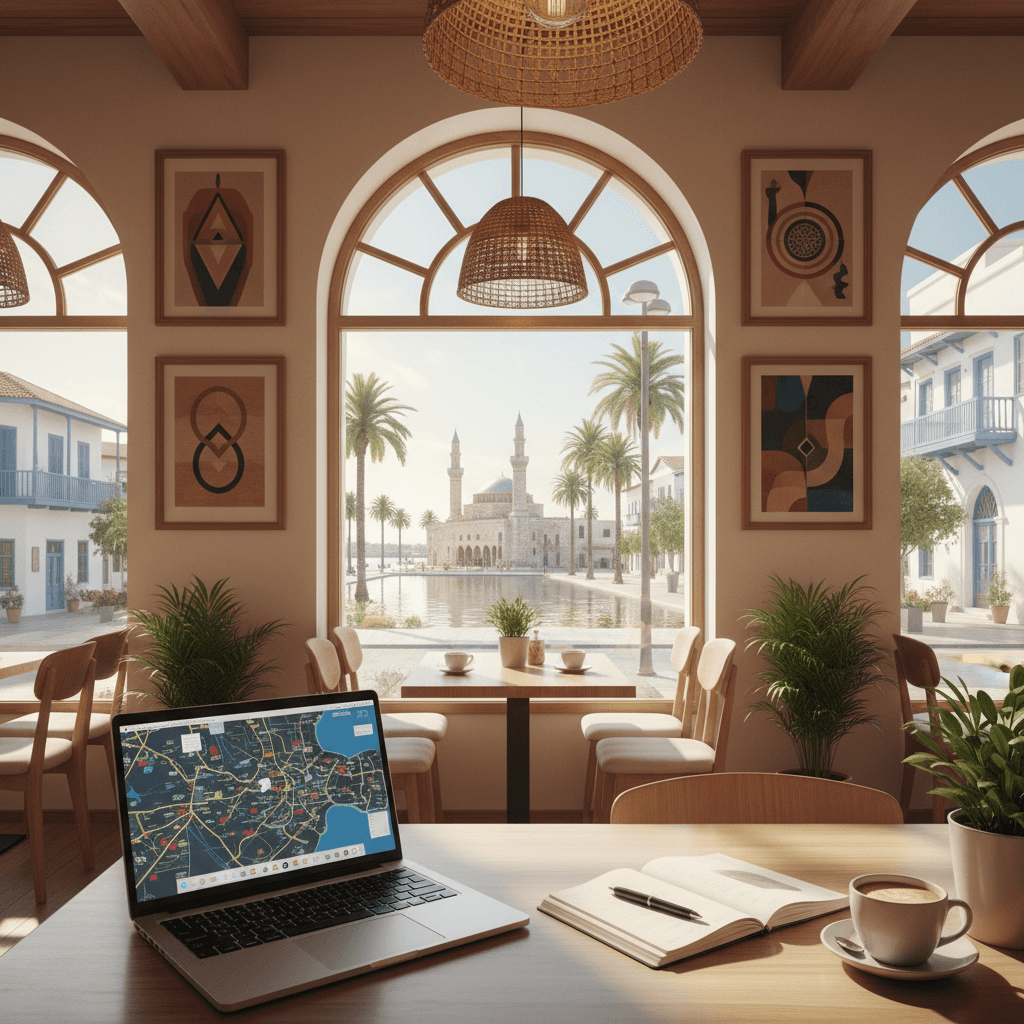
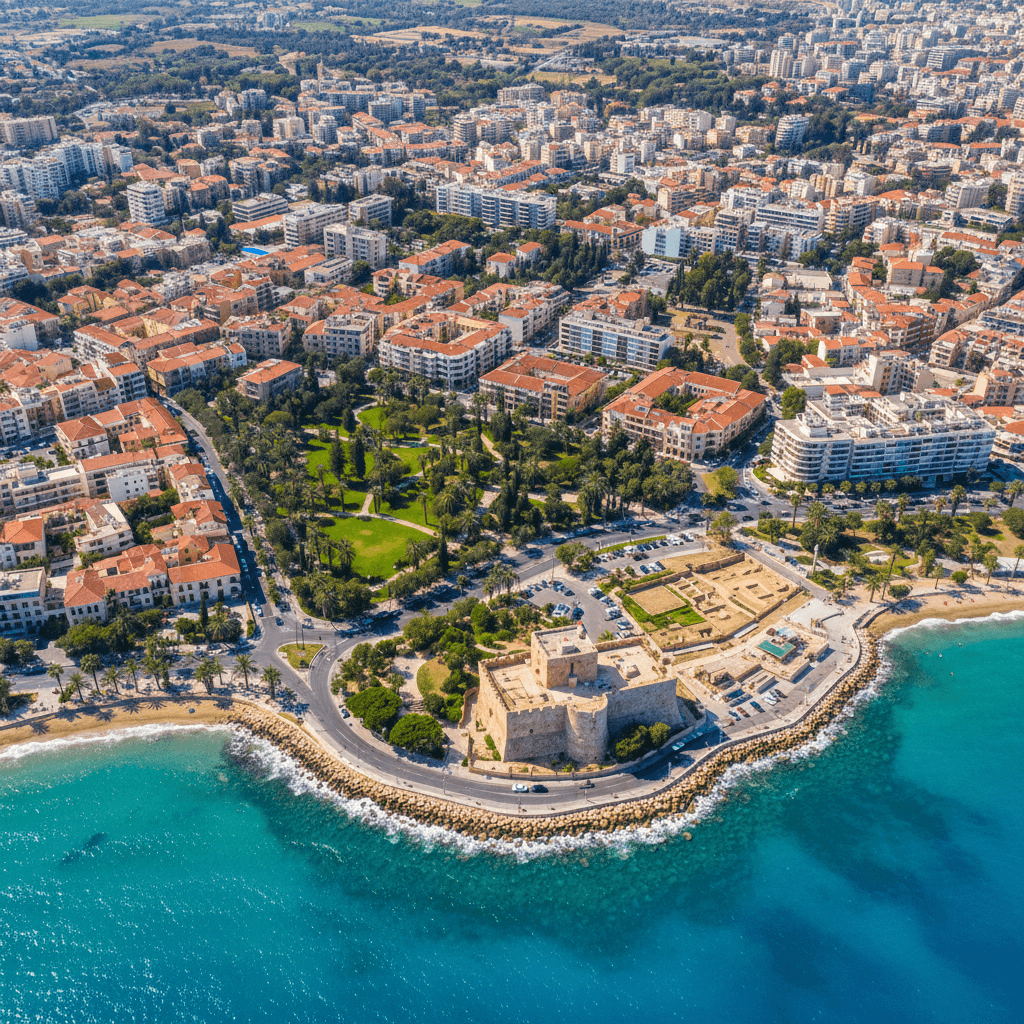
Paphos moves slowly and that’s the point. You get sea air, Roman ruins, low-rise apartments, retirees on the promenade and a pace that feels almost sleepy after Limassol, which, frankly, is why some nomads love it and others get bored fast.
The city has a soft coastal charm, with hot stone sidewalks, salt in the air near the harbor and evenings that drift into taverna chatter and scooter hum. The flip side is real, younger social life can feel thin, internet quality can be annoyingly uneven once you leave the main strips and the expat-heavy crowd skews older than most nomads expect.
What it feels like: quiet, sunny and a little retired. What it isn’t: a high-energy party base.
Cost and daily life
- Monthly spend: €1,800 to €2,600 for a single nomad, excluding rent, with budget setups closer to €1,200 to €1,800 if you keep things simple.
- Rent: studios and 1BRs usually run €600 to €1,000 outside the center, while Kato Paphos can push €900 to €1,300 for something decent.
- Food: a cheap meal is around €15, a mid-range dinner for two is about €60 and upscale spots start around €75 and climb quickly.
- Transport: buses are cheap at about €2 a ride or €50 monthly, though a car makes life easier if you’re living outside the core.
Universal Area and Chloraka are the practical picks, with more space, quieter streets and easier prices than the waterfront. Kato Paphos is better if you want to walk to the sea and cafés, but it’s pricier and touristier, so expect more foot traffic, more noise and the occasional whiff of grill smoke and exhaust near the harbor.
Work, internet and getting around
- Internet: fiber usually lands between 150 and 1,000 Mbps and mobile data from Cyta, MTN or Epic is fine in town, weaker in rural spots.
- Coworking: BO.KA Workspace in the Old Town is a solid local choice for those needing a dedicated desk.
- Transit: OSYPA buses cover the airport, harbor and Coral Bay and Bolt or nTaxi help when you’re done waiting in the sun.
Safety is one of Paphos’s nicest surprises, because you can walk around most areas without that constant urban edge, though petty theft still happens around beaches and busy tourist zones. Healthcare is decent too, with Paphos General Hospital handling emergencies and private clinics filling the gaps, so you’re not stuck if something goes wrong.
If you like hiking in Akamas, beach mornings and calm evenings, Paphos fits. If you want constant social churn and flawless infrastructure, it’ll test your patience and honestly, that’s the trade here.
Paphos isn’t cheap, but it’s also not Limassol. A single nomad usually spends about €1,800 to €2,600 a month before rent and that number climbs fast once you stop living on souvlaki, buses and a folding chair in a café with weak air-con.
Rent is where the mood shifts. A studio or one-bedroom outside the center often runs €600 to €1,000, while Kato Paphos can hit €900 to €1,300 for the same kind of place and the difference is obvious the moment you walk home past traffic, sea air and tour buses honking near the harbor.
Typical Monthly Budget
- Budget: €1,200 to €1,800, shared housing, street food, buses and very little fuss.
- Mid-range: €2,000 to €2,500, a one-bedroom outside the center, mixed dining and the odd coworking day.
- Comfortable: €3,000+, central apartment, taxis or a car, nicer meals and less price anxiety.
Food costs are pretty manageable if you eat like a local and skip the glossy marina spots. Expect about €15 for cheap eats or street food, around €60 for two at a mid-range place and €75+ when you go upscale, where the wine list suddenly looks more expensive than your lunch.
Transport is simple, though not glamorous. Buses are €2 per ride or €50 for a monthly pass and that’s fine if you’re staying near Kato Paphos or the main routes, but outside that bubble you’ll feel the gaps, especially on hot afternoons when the pavement shimmers and waiting at the stop gets old fast.
What Costs What
- Coworking: €90 to €250 a month, depending on the desk and the address.
- Fiber internet: about €32 to €40 a month, usually fast enough when it behaves.
- Mobile data: €5 to €20 for small to large SIM packs, with Epic holiday deals sometimes giving 100GB for €20.
Neighborhood choice changes everything. Kato Paphos is walkable and convenient, but pricier and tourist-heavy, while Universal Area and Chloraka are the smarter pick for most expats because you get calmer streets, better value and a more lived-in feel, with jasmine in the evenings and less of the endless restaurant noise.
Geroskipou and Coral Bay suit people who want space and beaches, though you’ll probably need a car. Honestly, that’s the trade-off in Paphos, cheaper rent often means less walkability and once you factor in taxis, fuel at about €1.39 per liter and the occasional coworking day, the budget fills up quickly.
Paphos is relaxed, a little sleepy and honestly not for people who need constant buzz. The sea air, the salt, the jasmine, the occasional diesel whiff near the harbor, it all makes the city feel slow in a way that some nomads love and others find maddening.
Solo travelers
Kato Paphos is the easy pick if you want to walk to the beach, grab dinner and end up in a bar without thinking too hard. It’s touristy and pricier, with 1BRs often starting around €900 to €1,300, but you get English-friendly cafes, history on your doorstep and enough foot traffic that you won’t feel stranded.
- Best for: first-timers, solo nomads, short stays
- Pros: waterfront, restaurants, nightlife, easy to walk around
- Cons: noisy, expensive, lots of package-tour energy
Skip the glossy seafront if you hate crowds, because the harbor area can feel a bit overfed with cruise-day noise, camera clicks and souvenir shops. Still, it’s the most convenient base for people who want a simple life and don’t mind paying for it.
Expats
Universal Area and Chloraka are where a lot of longer-term residents land. Rents are much friendlier, often around €700 to €900 for a 2BR and you’ll get parks, supermarkets, schools and a steady expat scene, though you’ll probably want a car because getting into the center on foot gets old fast.
- Best for: expats, remote workers, couples
- Pros: quieter streets, better value, community feel
- Cons: less walkable, more dependence on buses or a car
The area feels practical rather than pretty, with apartment blocks, parked cars and the low hum of traffic outside, but that’s exactly why people stay. Internet tends to be better here than in more remote spots, which, surprisingly, matters more than beach views when you’re on calls all day.
Families
Geroskipou and Coral Bay suit families who want space, beaches and a calmer pace. Coral Bay is the prettier choice, Geroskipou is often more convenient and both are less walkable than Kato Paphos, so you’ll likely be driving to school runs, grocery shops and dinner.
- Best for: families, long stays, people with a car
- Pros: roomier homes, beach access, quieter streets
- Cons: isolated pockets, slower transport, fewer spontaneous options
If you’ve got kids, this is the part of Paphos that feels less cramped and less noisy, with more sky, more parking and fewer late-night bar sounds drifting in through the window. Don’t pick a remote rural place just for cheap rent, because patchy internet gets old fast and the bus won’t save you.
Best overall pick
If you want the cleanest balance, I’d choose Universal Area. It’s not glamorous, but it’s sensible and in Paphos that matters more than it should.
Internet & Coworking
Paphos internet is decent, though it can feel oddly uneven for a place with so many expats and remote workers. Fiber plans usually run 150 to 1,000 Mbps for about €32 to €40 a month and in town the speeds are fine for calls, uploads and normal work, but rural corners can get flaky, honestly and one weak router can wreck your afternoon.
5G is widespread. Cafes usually have free WiFi, though it’s often shared with half the street, so don’t expect quiet, private bandwidth while the espresso machine hisses and the harbor traffic drifts in through an open window.
The coworking scene, turns out, is pretty small but usable. BO.KA Workspace in the Old Town is the place most nomads mention first, with €10 day passes, €90 monthly memberships and dedicated desks around €145.
BO.KA feels more like a proper nomad room, people actually work there instead of just nursing one coffee for four hours. Meraki Market Café is the better coffee-shop fallback, weirdly enough, because the vibe is relaxed enough for laptop work without the dead-silent tension you get in some “productive” cafes.
Where to Work
- BO.KA Workspace, Old Town: Best all-around option, good for focused work and meeting other nomads.
- Meraki Market Café: Handy for lighter workdays, calls and an easy coffee stop.
SIMs and Backup Internet
- Cyta: Solid local network, good if you want a mainstream provider.
- MTN: Another reliable option in town and along the coast.
- Epic: Often the easiest value play, with packages from €5 to €20 for 1 to 100GB, including a 100GB holiday SIM for €20.
Most nomads keep one café, one coworking pass and a local SIM, because that combo covers the usual headaches. If you’re staying outside Kato Paphos or Universal, test the apartment WiFi before you sign anything, since a pretty balcony doesn’t help when your Zoom call drops every ten minutes.
Frankly, Paphos works best for people who don’t need a giant coworking scene. The internet’s good enough, the prices aren’t amazing for what you get and the best setup is usually a mix of home internet, a backup SIM and a desk at BO.KA when you need to get serious.
Paphos feels calm in a way that can fool first-timers. The center and the tourist strip are generally safe, violent crime is low and you’ll see plenty of older couples, solo travelers and expats out late without much fuss. Still, petty theft does happen around beaches, the harbor and parked scooters, so don’t leave a phone, laptop or beach bag sitting out while you grab a coffee.
Honestly, the main risk here isn’t crime, it’s carelessness. The promenade gets busy, the sea breeze distracts you and then someone lifts a bag off a chair while you’re watching the waves, which, surprisingly, is the kind of annoying little theft locals complain about most.
What feels safe
- Best area for peace of mind: Kato Paphos, especially around the main tourist streets and seafront
- Low-drama neighborhoods: Universal and Chloraka, where things are quieter and more residential
- Night walks: Fine in lit central areas, though empty side streets can feel dead and a bit eerie
No, you don’t need to be paranoid. You do need to use the same common sense you’d use anywhere with sunburned tourists, rental bikes and a few distracted people carrying too much cash, because that mix invites opportunists.
Healthcare basics
- Public option: Paphos General Hospital has a 24/7 A&E and handles emergencies reliably
- Private care: Iasis usually gets better reviews for speed and comfort
- Pharmacies: Easy to find and the staff are often the quickest source of advice for minor issues
- Emergency numbers: 112 or 199
The system is decent for a small city, though waiting times can be tedious if you use public care for something minor. Private clinics are faster, more polished and frankly less stressful, especially when you’ve got a fever, a bad cut or your stomach’s gone sideways after too much grilled halloumi and wine.
Pharmacies are everywhere and that matters. You can usually sort out painkillers, antiseptic, allergy meds and basic triage without dragging yourself across town and the pharmacist often knows more about local coughs, allergies and insect bites than a hurried walk-in doctor. For anything serious, though, go straight to hospital and don’t mess around.
The air, the heat, the stone streets, all of it can wear you down in summer, so keep water, sunscreen and your insurance details on hand. If you’re staying a while, register with a local doctor, save your emergency contacts in your phone and keep a copy of your passport on you, because that tiny bit of prep saves a lot of panic later.
Paphos is easy to live in if you keep your expectations modest. The city moves at a slow clip, buses are cheap and most day-to-day trips don’t need much planning, though the sprawl can get annoying once you’re outside the center.
OSYPA buses are the main public option and they’re fine for the harbor, Coral Bay, the airport and a few key neighborhoods. A one-way ride costs about €2, monthly passes run around €50 and the airport bus 612 is cheap at €2 for the 30-minute hop, which is decent value when you’re hauling a backpack and sweating through your shirt.
If you’re staying in Kato Paphos, you can get by on foot. Everywhere else, honestly, you’ll probably want wheels. The streets can be noisy with engine hum and the occasional honk and in summer the heat presses down hard, so a short bus ride starts looking better than a long walk.
- Best for walking: Kato Paphos, especially near the waterfront and harbor
- Best for buses: Airport, harbor, Coral Bay, central routes
- Best for flexibility: Universal, Chloraka, Geroskipou and anything farther inland
Ride-hailing exists through Bolt and nTaxi and it’s handy late at night or when the bus schedule gets weirdly unhelpful. Airport taxis usually land around €20 to €30, so if you’re arriving with luggage or landing after a long flight, that’s often the least painful choice.
Bikes and scooters are common rentals, with daily rates usually around €20 to €50, but I’d only use them for short runs or seaside exploring. The roads can feel exposed, traffic moves awkwardly around tourist zones and the midday sun can turn a simple ride into a miserable, sticky slog.
Gasoline sits around €1.55 per liter, so a car makes sense if you’re based in Universal, Chloraka or near Coral Bay and plan to bounce between beaches, supermarkets and coworking spaces. In the center, though, parking can be a headache and for many nomads the math turns out better with buses plus the occasional Bolt.
- Buses: Cheap, simple, slow
- Ride-hailing: Good for evenings and airport runs
- Bikes/scooters: Fun, but hot and limited
- Car: Best outside the core, especially for regular errands
English gets you far in Paphos, especially in Kato Paphos, the harbor and the expat-heavy strips around Universal and Chloraka. Greek is still the default for day-to-day life, though and when you hear shopkeepers switching fast between Greek and English, that’s just how the town rolls, casual and a bit improvised. Turnout for Turkish is low unless you head north, so don’t expect it to help much here.
The good news is that most errands are painless. Menus, landlord chats, pharmacy visits and bus questions usually happen in English and if someone’s accent gets thick or they start talking over your head, they’ll often slow down without making a fuss, which, surprisingly, feels kinder than in some bigger cities.
Useful phrases: keep a few Greek basics on your phone or say them out loud, it goes a long way with older Cypriots and taxi drivers.
- Yes: Ne
- No: Ohi
- Thank you: Efcharisto
- Please: Parakalo
- Excuse me: Signomi
Don’t overthink pronunciation, just try. People usually appreciate the effort, even when you mangle it and honestly that tiny bit of Greek can smooth out a stubborn interaction at the bakery, a rental office or a beach kiosk where the afternoon air smells like sunscreen, coffee and hot dust.
For translation, Google Translate is the app most nomads end up using, because it handles signs, menus and quick text exchanges well enough. If you’re sorting out apartments or utilities, a screenshot plus a translation app beats guessing and it saves you from the weirdly common experience of nodding along while missing half the details.
Communication tips:
- Speak slowly: People understand more than you think, but rushing makes everything messy.
- Use WhatsApp: Landlords and service people often prefer it, so messages are easier than calls.
- Carry data: Mobile signal is decent in town, though rural spots can be patchy.
- Be polite: A greeting and a smile still matter here, especially in smaller shops.
In the tourist parts, you won’t struggle. In less exposed neighborhoods, English still works most of the time, but having the basic Greek words ready saves you from small, annoying stalls, especially when the room is warm, the fan is rattling and everyone’s trying to keep the conversation moving.
Paphos is a sun-and-shade city and the weather shapes everything here, from beach days to how bearable your apartment feels at 3pm. Summers are hot and dry, with July and August pushing into the low 30s Celsius and that heat sits on your skin like a wet towel, honestly, especially if you’re walking the harbor or waiting for a bus in the glare.
Spring and autumn are the sweet spot. April to June and October usually land in that easy 18 to 27°C range, so you can hike Akamas, sit outside in Kato Paphos and still sleep without blasting the AC all night, which, surprisingly, makes a huge difference to your mood and your utility bill.
Best months: April, May, June and October. Worst stretch: July and August. Rainiest month: December, when the skies turn gray, the wind picks up and rain can drum on balcony railings for hours.
What each season feels like
- Spring: Warm, bright and comfortable, with wildflowers inland and evenings cool enough for a light jacket.
- Summer: Brutal by midday, dry as dust and the pavements feel hot underfoot, so plan early swims and late dinners.
- Autumn: Probably the best all-round window, with warm sea water, fewer tourists and less of that sticky heat.
- Winter: Mild by European standards, but the rain and cloud can make Paphos feel sleepy, even a bit too quiet.
If you’re here for remote work, shoulder season is the smart play. The city’s already calm and in low season it gets even quieter, so you’ll deal with fewer crowds at the harbor, better odds of getting a decent apartment, and, frankly, less of the tourist noise that bounces off the water at night.
My honest take
- For beach time: Go late May to early June or September into October.
- For hiking: Choose March to May, then again in October.
- For budget travelers: Winter can be cheaper, but you’ll trade away sunshine and atmosphere.
Skip peak August unless you love heat that clings to your clothes and the smell of hot asphalt after lunch. If you want the version of Paphos most people actually enjoy, pick spring or autumn, then build your plans around the weather instead of fighting it.
Paphos moves slowly and that’s half the point. The sea air smells like salt and sunscreen near the harbor, buses hiss past and by midafternoon the whole town can feel sleepy, with shop shutters half down and cafés full of retirees nursing freddos.
Internet: good in town, patchier once you drift outward. Fiber usually runs around 150 to 1,000 Mbps for roughly €32 to €40 a month, but don’t assume every apartment actually delivers that, because some landlords oversell and the WiFi turns out to be flaky when three people are on Zoom.
If you want a solid base, look at Kato Paphos for walkability or Universal Area and Chloraka for quieter, better-priced places. Kato is pricier and touristy, frankly, but you can get coffee, the beach and dinner without using a car, while Universal and Chloraka feel more lived-in and less postcard-perfect.
- Rent: studios and 1BRs often run €600 to €1,000 outside the center, more like €900 to €1,300 in Kato Paphos.
- Groceries and meals: a cheap bite is around €15, a mid-range dinner for two can hit €60 and nicer places climb fast.
- Transport: buses are cheap at about €2 a ride or €50 a month and a car makes life easier outside the center.
- Coworking: BO.KA Workspace is the one people actually mention, with day passes and monthly desks, while cafés like Meraki Market Café work fine if you don’t mind background chatter.
Use Cyta, MTN or Epic for a local SIM and buy it at the airport or a shop in town so you’re not stuck hunting for data after landing. Revolut and N26 are handy for day-to-day spending, then Bank of Cyprus ATMs cover the rest without much drama.
Paphos is very safe, though petty theft still happens around the beach and harbor, so don’t leave your phone on a sunbed and wander off for souvlaki. The public hospital handles emergencies, private clinics like Iasis are better if you want speed and pharmacies are everywhere, which, surprisingly, makes sick days a bit less annoying.
For social life, the expat scene is real but a little beige. You’ll find meetups through Facebook groups and the Saturday Blunchers crowd at Meraki Market Café is one of the few easy ways to meet people without forcing it, though younger nomads often get bored fast if they stay only in Kato.
Day trips help. Akamas is the best escape, with dry hills, dusty trails and that sharp pine smell after a rare rain, while Adonis Baths and Polis are easy enough for a long lunch and a lazy afternoon.
One last thing, summers are brutal. July and August sit around 29 to 33°C, the pavement burns and siesta hours are real, so plan errands early, use air-conditioning and don’t expect the city to care about your schedule.
Frequently asked questions
How expensive is Paphos for digital nomads?
How much is rent in Paphos for a studio or one-bedroom?
What neighborhood is best for digital nomads in Paphos?
Is the internet good enough to work remotely in Paphos?
Are there coworking spaces in Paphos?
Is Paphos safe for solo travelers and remote workers?
How do people usually get around Paphos?
Need visa and immigration info for Cyprus?
🇨🇾 View Cyprus Country GuideEasy Landing
Settle in, no stress
Monthly Budget Estimates
More cities in Cyprus
Nicosia
🇨🇾 Cyprus
Limassol
🇨🇾 Cyprus