Oran
🇩🇿 Algeria
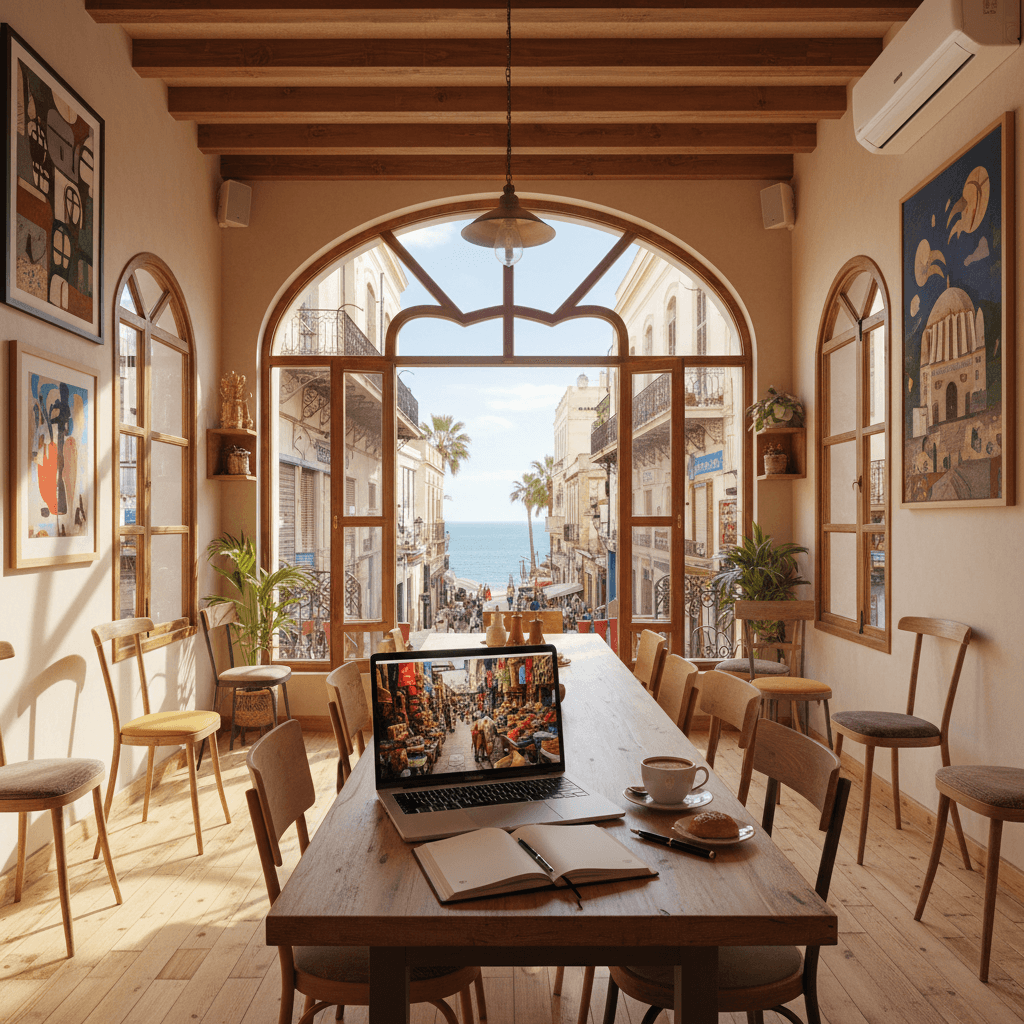
Oran feels coastal, stubborn and a little rough around the edges. The city has French colonial facades, Arab and Berber rhythms, Spanish echoes and a port that keeps things noisy, smoky and alive, so you get sea air in the morning and honking traffic by lunch. It’s cheaper than most nomad cities, but the tradeoff is real, because the internet can be patchy and the expat crowd is thin.
Most people settle into a moderate pace here. The center is busy, the corniche slows everything down and weirdly, that contrast is part of the charm, you can spend the morning in the Ville Nouvelle, then sit near the water with grilled sardines and hear raï leaking out of a café speaker while the wind carries salt and exhaust.
Not polished. Still appealing.
If you’re coming for value, Oran makes sense. A solo month can land around $725 with a furnished one-bedroom and you can live cheaper if you’re fine with a studio, local buses and plenty of msemen or street food instead of long restaurant dinners. A comfortable setup, honestly, still won’t feel extravagant, so people who want glitzy coworking towers and endless meetups usually get bored fast.
Best Areas to Base Yourself
- Ville Nouvelle: Best for first-timers and solo workers, central, walkable, full of cafés, but it gets loud and crowded.
- Sidi El Houari: Good for tighter budgets and old-city atmosphere, cheap eats and texture everywhere, though the streets can feel maze-like.
- Canastel: Quieter and more polished, with sea views and newer apartments, but rents climb quickly and you’re farther from the action.
The city’s social scene is mixed. Locals are often warm once you’re introduced, but the nomad community is sparse and meeting people usually means showing up repeatedly at the same corniche cafés, coworking spaces like Regus on Boulevard de la Soummam or the occasional raï night. Internet works fine for regular remote work if you test it first, though one bad outage can ruin a deadline in a way that feels very Oran.
Day-to-day life is straightforward if you don’t mind a bit of friction. Taxis and Yassir are handy after dark, the market smells like fish, oranges and diesel and the city has a lived-in confidence that’s more interesting than polished beach-town blandness. If you want glossy and hyper-connected, skip it, but if you want a place with sea views, cheap meals and a personality that doesn’t try too hard, Oran can stick with you.
Oran feels cheap in the ways that matter. A solo renter can get by on about $500 a month if they keep housing simple, eat street food and stick to buses, while a more comfortable setup with a furnished one-bedroom, cafes and the odd taxi lands closer to $800 to $1,200. That spread is real, because rent changes fast once you leave the older core and head toward places like Canastel.
Food is still one of the best bargains. Grilled sardines, msemen and other street bites usually run about 800 DZD, a decent sit-down meal is often 1,500 to 2,500 DZD and a nicer dinner at places like La Comete can climb past 4,000 DZD, which, honestly, starts to feel expensive by Oran standards. The smells tell the story, charcoal, frying oil, salt from the sea, then diesel from the street, all of it hanging in the air.
Typical Monthly Budget
- Budget: About $500, shared housing, buses, cheap eats.
- Mid-range: About $800, studio rent, cafes, some ride-hailing.
- Comfortable: About $1,200, one-bedroom in Canastel, coworking, better dining.
Where Your Money Goes
- Transport: Around 200 DZD a day on local buses, ride-hailing usually sits around 200 to 500 DZD a trip.
- Coworking: Day passes are about 1,000 DZD, monthly hot desks at places like Regus often run 8,000 to 12,000 DZD.
- Utilities and internet: Roughly $50 a month, though the connection can be patchy, frankly, so don’t count on perfect reliability.
Sidi El Houari is the cheapest area, but the streets can feel maze-like and the buildings are rough around the edges. City Center or Ville Nouvelle, is the practical pick for most first-timers, you’re close to cafes, shops and the tramier parts of daily life, though the noise and traffic never really stop. Canastel is cleaner and calmer, yet the extra comfort comes with a higher rent and a longer commute.
Internet is decent enough for normal remote work, but it isn’t something you should trust blindly, weirdly enough, the signal can be fine one hour and flaky the next. Most nomads buy an Ooredoo SIM, then test home WiFi before signing anything, because power cuts and weak routers still happen. That’s Oran, affordable, but not effortless.
Source 1 | Source 2
Nomads
Start in Ville Nouvelle if you want cafés, banks and a real shot at getting work done without crossing half the city. It’s noisy, though, with scooters, car horns and the call to prayer bouncing off old facades and the internet can be, honestly, patchy enough to ruin a video call.
- Best for: First-timers, solo workers, cafe-hoppers
- Rent: Around 30,000 DZD for a studio
- Why go: Central, walkable, easy ride-hailing access
- Watch for: Crowds, late-night noise, weak WiFi in some apartments
If you want cheaper rent and don’t mind a maze, Sidi El Houari is the move. The streets are tight and a bit confusing, there’s grilled fish smoke, old stone and a lot less polish, but the prices drop and the atmosphere feels more lived-in than curated.
Expats
Canastel is where people land when they want space, newer buildings and less chaos. It’s pricier and you’ll be more dependent on taxis or Yassir, but the tradeoff is quieter nights, sea air and apartments that usually feel less battered than central ones.
- Best for: Long stays, couples, professionals
- Rent: 50,000 DZD and up for a studio
- Why go: Modern blocks, better views, calmer streets
- Watch for: Distance from the center, fewer cafés nearby
Mers El Kebir suits expats who care more about views and history than convenience. It’s scenic and a little dramatic, with port traffic and sea wind in the air, but access can be awkward and some areas feel oddly restricted, which gets old fast if you’re commuting daily.
Families
Families usually do best in Canastel, because the streets are calmer and apartments are more likely to have the kind of layout people actually live with. It’s not cheap and school runs can be annoying, but the extra space helps, especially when Oran gets hot and everyone wants cold tile floors and a quiet room.
- Best for: School-age kids, longer rentals, car owners
- Rent: Higher than most of the city
- Why go: Quieter, newer housing, less street clutter
- Watch for: Limited walkability, higher taxi use
Solo Travelers
Ville Nouvelle is the easiest base if you’re alone and want to keep things simple. You can walk to cafés, catch a taxi fast and get to the waterfront or the old center without much planning, then retreat before the streets get too loud and the exhaust hangs in the air.
Skip the idea that the medina is “easy” just because it’s cheap. Sidi El Houari is great for a few nights, but after that the twisted lanes, basic plumbing and uneven lighting can wear you down, especially if you’re carrying luggage and trying not to look lost.
Oran’s internet is workable, just not silky. Fixed broadband averages around 22 Mbps download, mobile around 17 Mbps download and in the center you’ll find plenty of decent enough connections, though a power cut can still wreck your morning. Honestly, you should test WiFi before you sit down with a laptop, because some cafés look nomad-friendly and then the signal dies the second the espresso machine kicks in.
Most nomads end up mixing café work, mobile data and the occasional coworking day. Ooredoo SIMs tend to be the best bet in town for 4G, with starter packs around $10 for 20GB and that’s usually enough to keep Slack, email and calls moving without too much drama. The humidity clings in summer, the sea air can get salty near the corniche and weirdly enough your hotspot can be more reliable than the building WiFi.
Coworking Options
- Regus, Boulevard de la Soummam: The most straightforward professional option, hot desks from around 30,000 DZD a month, day passes around 3,000 DZD and the setup is better if you need quiet calls, a clean desk and fewer distractions.
- Cafés in the center: Good for a few focused hours if you buy drinks regularly, though don’t expect the easygoing laptop culture you’d find in Lisbon or Marrakech, because space can be tight and staff usually prefer turnover.
- Four Points by Sheraton Oran: A solid backup when you need stable WiFi, a proper lobby and air conditioning that actually works, which, surprisingly, makes a bigger difference than people admit during hot afternoons.
The real issue isn’t finding a chair, it’s finding consistency. Oran has a limited coworking scene, so people often rotate between hotel lobbies, cafés and home setups, then grumble when the electricity blips or the router gets overloaded. That said, the city center is your best starting point, because you’re close to cafés, taxis and the kind of foot traffic that keeps places awake instead of sleepy.
If you’re staying a while, keep two backup options ready. Carry a local SIM, save your files offline and don’t trust any single café for an all-day work session, because one bad connection can turn a simple email day into a frustrating hunt for signal. Not fancy. Still, it works if you plan for it.
Oran feels safe enough in the center, though it’s not the kind of place where you can switch your brain off. Daytime is usually fine in Ville Nouvelle, around the corniche and near busy cafes, but petty theft happens, taxi drivers can be pushy and quiet side streets get sketchy fast once the sun drops. Honestly, I’d skip wandering alone after dark in the eastern and southern edges of the city.
Most nomads get around without trouble if they stay alert, keep phones tucked away and use taxis at night. The center has more police presence, which helps, but it doesn’t magically fix the usual big-city annoyances, honking traffic, men staring at your bag and the occasional wallet-check from a crowded bus or market. Frankly, Oran rewards people who stay street-smart.
- Best areas: Ville Nouvelle, the corniche and busy café streets in daylight.
- Avoid: Poorly lit side streets and the far eastern or southern fringes after dark.
- At night: Use Yassir or a regular taxi, don’t rely on walking home.
Healthcare is decent by regional standards, but it isn’t where you go for polished, Western-style service. Urban hospitals can handle routine problems, private clinics are usually better if you can pay and pharmacies are everywhere, so grabbing antibiotics, painkillers or basic first-aid supplies is rarely a headache. The waiting room vibe, weirdly, can feel half chaotic and half calm, with fluorescent lights, plastic chairs and the smell of disinfectant hanging in the air.
If you need help fast, know the numbers, 17 for police and 14 for ambulance. For most travelers, the bigger issue is quality, not access, because serious care may mean a private clinic and you’ll want cash on hand, a phone with battery and travel insurance that actually covers Algeria. Turns out, that last part gets ignored until someone needs stitches or a scan.
- Pharmacies: Easy to find, useful for minor ailments and prescriptions.
- Private clinics: Better bet for faster, cleaner treatment.
- Prepare: Bring insurance, cash and any regular meds.
For everyday safety, use the same common sense you’d use in any port city, keep your bag in front of you, don’t flash cash and avoid late-night solo walks when the streets thin out and the sea air turns cold and damp. Oran’s not dangerous all the time, but it can feel rough around the edges and the city’s charm doesn’t cancel that out.
Oran’s easiest way around is on foot, at least in the center. The Ville Nouvelle is fairly walkable, though the sidewalks can be uneven, scooters buzz past and the smell of grilled fish or diesel can hit you on the same block. The farther you get from the core, the less pleasant it gets, so don’t assume you can stroll everywhere.
For public transport, the city buses are cheap and fairly useful if you’ve got patience. The Oran Bus GPS app helps with real-time tracking, which, surprisingly, makes the whole thing less chaotic than it sounds, but buses can still run late, get crowded and leave you guessing at stops that aren’t always obvious. Not glamorous. Still practical.
Ride-hailing is what most nomads end up using when they’re tired, late or heading somewhere awkward. Yassir is the local go-to and you’ll also see Bolt, Uber and Heetch in use, with typical city rides landing around 200 to 500 DZD depending on distance and traffic. Honestly, that’s often easier than bargaining with a taxi driver who doesn’t feel like using the meter.
Best Way to Get Around by Area
- Ville Nouvelle: Walk first, then use Yassir or buses for longer hops, cafes and sights are close enough that you won’t need a car every hour.
- Sidi El Houari: Expect tight streets and confusing turns, the old medina is best tackled on foot, but bring patience and a charged phone.
- Canastel: Taxis and ride-hailing make more sense here, because the area’s spread out and you’ll get tired of long walks fast.
- Mers El Kebir: Great for views, awkward for transit, so plan ahead, especially if you’re trying to dodge military restrictions and sparse bus service.
There aren’t many bike or scooter rental options, so don’t count on zipping around on wheels like you would in some Mediterranean cities. The roads can feel rough, the traffic horns are constant and crossing a wide street in the heat can leave you sweaty before lunch. For airport runs, a Yassir or taxi from Ahmed Ben Bella Airport to the center usually costs around 2,000 DZD and takes 20 to 30 minutes, depending on traffic and the mood of the road.
At night, be pickier. Stick to busy streets, especially around the center and the corniche and take a taxi if you’re heading somewhere dim or far out, because once the shops shut, some blocks feel empty and a bit gritty, with only passing headlights and the call to prayer bouncing off the buildings.
French gets you surprisingly far in Oran, Arabic gets you everywhere and English, honestly, is mostly for hotels, a few cafes and the odd younger professional who studied abroad. If you can order coffee in Darija and ask a taxi driver to slow down in French, you’ll have a much easier time than relying on translation apps alone. The city sounds busy, with horn blasts, market chatter and calls to prayer drifting through side streets, so people tend to speak fast and assume you’re following along.
Most nomads pick up a small survival kit of phrases, then lean on Google Translate offline when the conversation gets messy. That works fine for menus, directions and rent negotiations, though it gets awkward when the battery dies or the other person talks over the phone speaker. Frankly, that happens a lot and the fix is usually patience, a smile and writing numbers down instead of arguing them out loud.
Languages You’ll Hear
- Darija Arabic: The everyday language on the street, in taxis and at markets.
- French: Common in business, apartments, banking and older neighborhoods.
- English: Limited, though some hotel staff and younger locals speak it.
A few phrases go a long way. Say Sa7a for hello, Sba7 elkhir for good morning and Chukran for thanks and people usually warm up fast. Weirdly, even a slightly mangled attempt gets better results than perfect English spoken too quickly, because locals can hear you’re making the effort.
How Communication Works
- Texting: WhatsApp is the easiest way to arrange apartments, rides and meetups.
- Directions: People give landmarks, not exact addresses, so ask for the cafe, pharmacy or mosque nearby.
- Taxi chats: Keep it simple, use short French phrases and confirm the fare before you get in.
Renting an apartment is the place where language matters most, because listings are often vague and the details get handled face to face. A landlord might switch between French and Darija in the same sentence and if you’re unsure, get the rent, deposit and utility costs written out before you leave. The same goes for SIM cards and bank errands, where slow, clear speech beats confidence every time, because one misunderstood number can turn into a half-hour headache.
People are generally helpful, though they won’t always slow down for you. Speak plainly, keep your phone charged and don’t be shy about asking someone to repeat themselves, especially in noisy places near the port or the central market where metal shutters clatter and scooters weave past your shoulder.
Weather & Best Time to Visit
Oran runs on a Mediterranean rhythm, with hot, dry summers, mild winters and a sea breeze that helps more than you'd think. Summer gets properly sticky, especially in the center where exhaust hangs in the air and the pavement throws heat back at you, so July and August can feel brutal by mid-afternoon.
March to June and September to November are the sweet spots. Days usually sit in the 25 to 31°C range, which is warm enough for beach time but still decent for walking the Corniche, grabbing coffee in Ville Nouvelle or wandering Sidi El Houari without feeling like you're melting.
Winter is manageable, though January can bring cool rain, grey skies and damp cold that creeps into old apartments with bad insulation. It's not miserable, just a bit raw and honestly the hardest part is that the humidity makes 20°C feel chillier than the number suggests.
What Each Season Feels Like
- Spring: Best overall. The air smells cleaner, jasmine starts showing up and the city feels lively without the summer crush.
- Summer: Hot. Really hot. If you're here in July or August, plan work early, beach time late and avoid pointless errands in the noon sun.
- Autumn: Probably the easiest season for nomads, with warm sea water, softer light and fewer weather-related excuses to stay indoors.
- Winter: Mild by European standards, but rain does show up and the streets can get slick, noisy and a little grim.
If you're timing a longer stay, aim for April, May, October or early November. Those months give you the best mix of beach weather, usable temperatures and lower stress, because you can actually leave the house at 2 p.m. without regretting your life choices.
December through February works if you don't mind rain and the occasional cold snap and the city is calmer then, which some expats prefer. Summer is for people who like strong sun, late nights and sweating through a shirt before lunch, which, surprisingly, some do.
Quick Month Guide
- January: About 20°C highs, 15°C lows, with wetter days and a quieter pace.
- July: Around 34°C highs, dry air and relentless sun.
- November: Warm but less harsh, with more rain and softer evenings.
My take, skip peak summer unless you're chasing the beach and don't mind the heat. The best version of Oran is the one with open windows, sea air and café terraces full of people arguing over mint tea while the call to prayer drifts across the rooftops.
Oran is easy on the wallet, but it can be irritating in small, daily ways. Cash still matters more than most visitors expect and internet can be spotty enough to make a video call feel like a gamble, honestly.
Bring USD or EUR and exchange it locally when you can, because foreign cards don't always cooperate at ATMs and Wise can be hit-or-miss. SIM cards from Ooredoo, Djezzy or Mobilis are easy to grab at the airport for about $10 starter credit, then you can top up as needed, which usually beats hunting for decent hotel WiFi.
Where to stay depends on how much hassle you can tolerate. City Center is the safest bet for first-timers, with cafes, taxis and errands close by, while Sidi El Houari is cheaper but feels like a maze of narrow streets, peeling walls and sudden dead ends, so don't expect an easy arrival after dark.
If you want a more polished setup, Canastel has newer apartments and sea views, though rents climb fast and you'll need rides more often. Airbnb works for short stays, Facebook housing groups still turn up decent leads and local listings like Rentberry can help, but short-term landlords usually expect a bit of haggling and a little patience goes a long way.
Money and transport
- Daily budget: Street food and buses can keep you near $500 a month.
- Comfortable budget: Around $800 gets you a studio, cafes and ride-hailing.
- Taxi habits: Keep small bills handy, drivers often don't want the change drama.
- Ride apps: Yassir is the local favorite, with Bolt, Uber and Heetch also around.
Buses are cheap but slow and traffic near the center can be maddening, with horns, exhaust and scooters cutting through the noise. For airport runs, a taxi or Yassir usually costs about 2,000 DZD and that price feels fair when you're tired and dragging bags through the heat.
Day-to-day life runs on courtesy. Say hello, take the tea, use your right hand and don't take photos around military areas, because people will notice. The day trips are good, though, especially Mers El Kebir for the coast and Tlemcen if you want a break from Oran's concrete and noise.
Frequently asked questions
How much does it cost to live in Oran as a digital nomad?
How fast is the internet in Oran?
Which neighborhood is best for digital nomads in Oran?
Is Canastel a good area to stay in Oran?
How much do studio apartments cost in Oran?
What is the best mobile SIM for internet in Oran?
Is Oran safe for solo travelers and remote workers?
Need visa and immigration info for Algeria?
🇩🇿 View Algeria Country GuideOff the Radar
Pioneer territory