Odense
🇩🇰 Denmark
The Fairy-Tale Capital with a Tech Heart
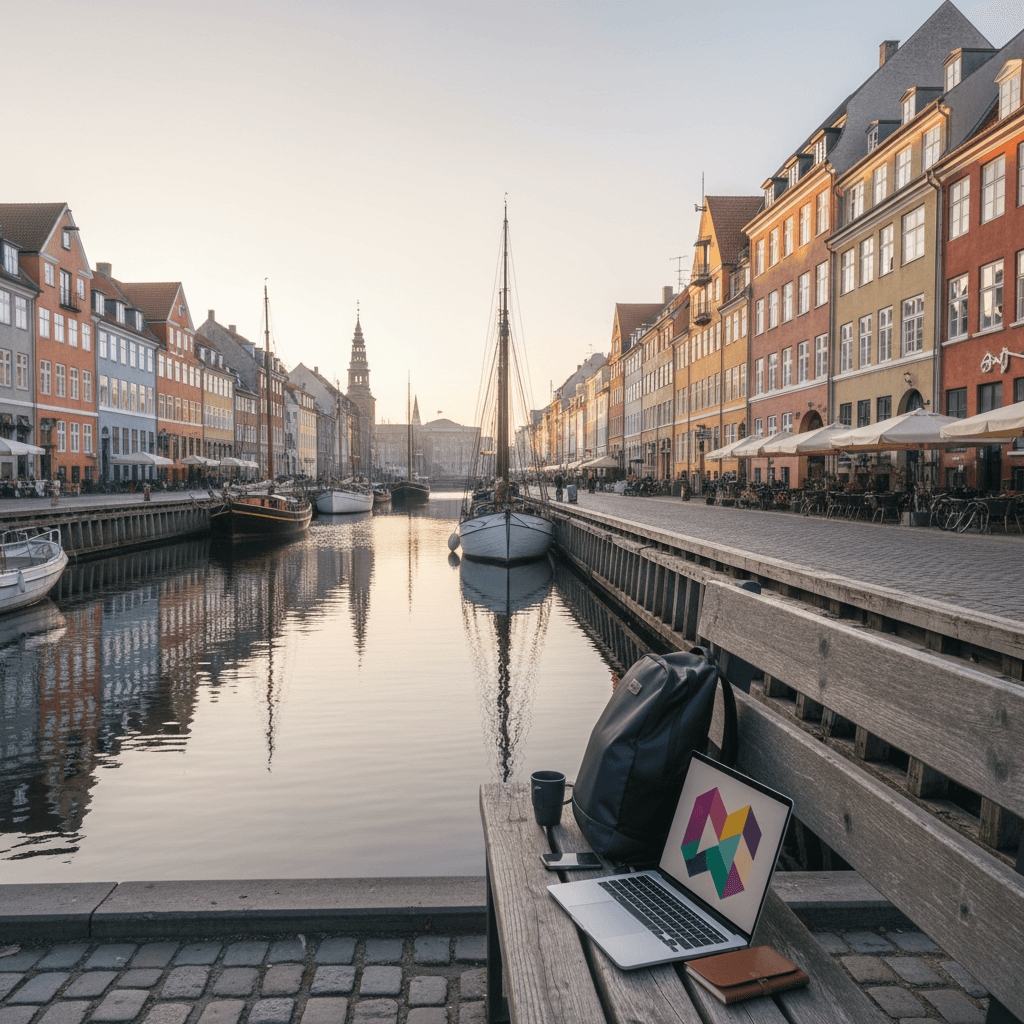
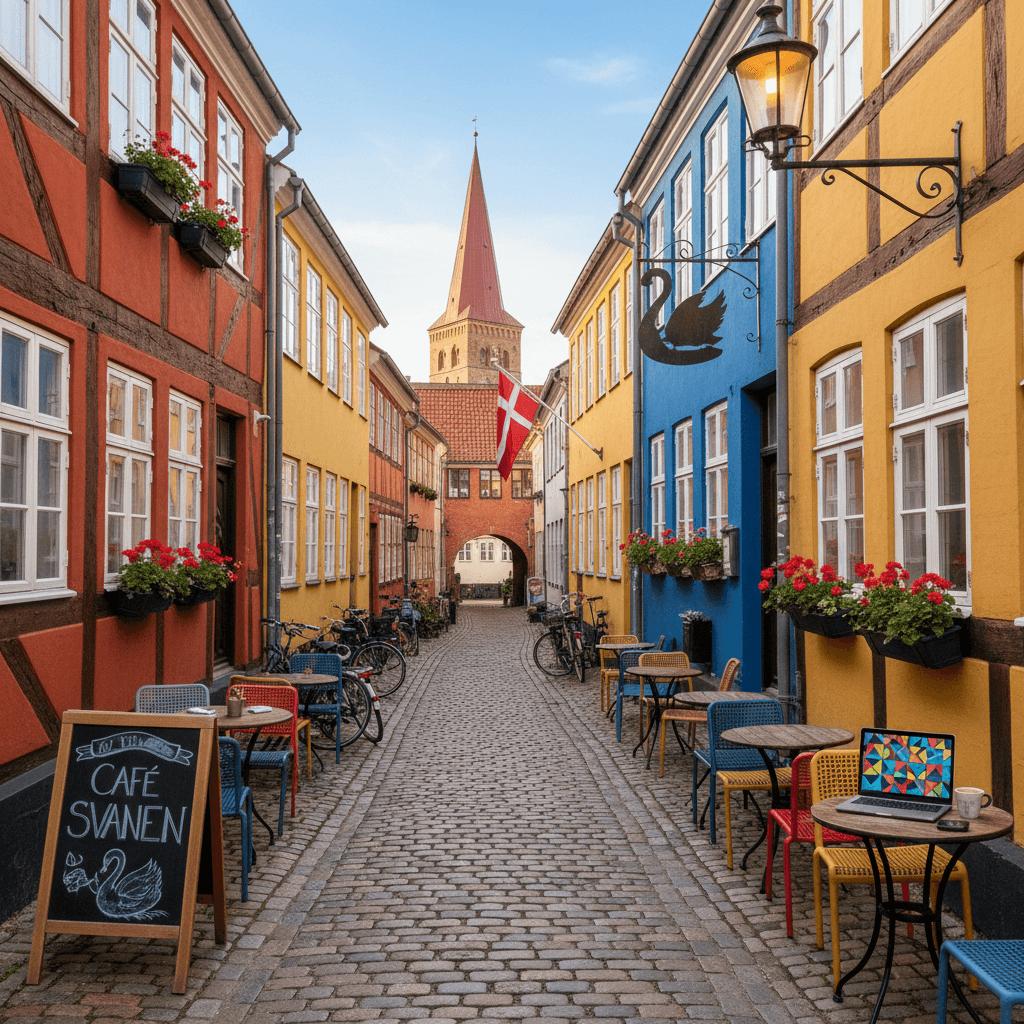
Odense doesn't scream for your attention like Copenhagen. Instead, it pulls you in with a quiet, cobblestoned charm that feels like living inside a Hans Christian Andersen story, which makes sense, given it's his birthplace. For nomads, the vibe here is distinctly "hygge" meets "high-tech." You'll find yourself working from a 19th-century cafe one hour and discussing robotics at a university-linked hub the next.
The city has a slower, more deliberate pace of life. It's the kind of place where people actually stop at red lights on their bikes and the air feels crisp and clean. While it's Denmark's third-largest city, it feels remarkably compact and manageable. Most nomads find the work-life balance here is less of a goal and more of a default setting. You aren't fighting crowds or noise; you're just getting things done so you can enjoy a sunset by the harbor.
The Financial Reality
Let's be real: Denmark is expensive. Odense is cheaper than the capital, but you still need a healthy bankroll to live comfortably. Most digital nomads suggest a monthly budget of $2,500 to $3,500. If you're on a tighter leash, you can survive on $2,000, but you'll be cooking at home and skipping the craft beer bars.
Estimated Monthly Costs:
- Studio/1BR Rent: 8,000 to 12,000 DKK ($1,150 to $1,750). The market is tight, so start your search early on BoligPortal or DBA.
- Coworking: 2,000 to 3,000 DKK ($290 to $435) for a dedicated desk.
- Food & Drink: A casual meal is about 150 DKK ($22), while a high-end dinner can easily top 400 DKK ($58).
- Transport: A monthly pass is roughly 400 DKK ($58), though most people just pay for a Donkey Republic bike rental.
Where to Plant Your Flag
Odense is small enough that you can bike across it in 20 minutes, but each pocket has a different energy. Expats usually gravitate toward the center, while those on a budget look slightly further out.
- Central Odense: This is where the magic is. It's historic, walkable, and packed with cafes like Brandts. It's the most expensive area, but you're steps away from everything.
- University Area (OU): Located south of the center, this area is crawling with students and researchers. It has a younger, more international feel and the food options are often more affordable and diverse.
- Vollsmose: Often cited as the "budget" option. It's a bit further out and has a grittier reputation by Danish standards, though it's still safer than most major US or UK cities.
Connectivity and Workflow
The infrastructure here is flawless. You'll get some of the fastest internet in Europe, and public Wi-Fi is rarely a headache. While dedicated coworking spaces aren't on every corner, the cafe culture is very laptop-friendly. Places like the Brandts cultural center offer a great atmosphere for deep work. If you need a professional setup, look for innovation hubs near the university that cater to the city's growing robotics and tech sector.
For your mobile needs, grab a SIM from Lebara or Telenor. You can get a solid data plan for about 200 DKK ($29) per month. Most nomads just use an eSIM like Airalo for the first few days until they can get a local physical card.
The Social Fabric
Danes can be famously private, but they're incredibly helpful and their English is nearly perfect. You won't struggle to navigate daily life, though learning a few words like "Tak" (thanks) goes a long way. The social scene is low-key. Instead of wild clubbing, think cozy pubs, community dinners, and outdoor festivals during the summer months.
The weather is the only real "con." From June to August, the city is glorious with 20 degree Celsius (68 degree Fahrenheit) days and sun that stays up until 10 PM. However, the winters are dark, wet, and grey. If you're visiting between November and March, bring a very high-quality raincoat and prepare to spend a lot of time in candle-lit cafes.
The Reality of the Danish Price Tag
Living in Odense serves up a classic Scandinavian paradox. It is significantly more affordable than the skyrocketing prices of Copenhagen, yet it remains one of the more expensive stops on the global nomad circuit. Most nomads find that a monthly budget of US$3,000 is the sweet spot for a comfortable lifestyle without constantly checking their banking app.
If you are on a tighter leash, you can scrape by on US$2,000 to US$2,500, but this usually means living further out in the suburbs and swapping restaurant meals for grocery runs at Netto or Rema 1000. For those who want the full experience, including a central apartment and weekend trips to the Fyn archipelago, plan to spend US$3,500 or more.
Breaking Down the Monthly Totals
- Housing: Expect to pay between 8,000 and 10,000 DKK (US$1,150 to US$1,450) for a modest studio in the center. If you want more space or a high end finish near the Brandts Klitgaard area, prices easily climb past 14,000 DKK (US$2,000).
- Food and Drink: A quick falafel or street food snack will run you about 50 DKK (US$7). A casual dinner for two sits around 300 to 400 DKK (US$44 to US$58), while a high end meal at a spot like Under Uret can go much higher.
- Transportation: A monthly pass for the bus and light rail is roughly 400 DKK (US$58). However, most expats recommend just renting a bike through Donkey Republic for about 100 DKK a day or buying a used one to save long term.
- Connectivity: A local SIM with a generous data package from Lebara or Telenor costs about 200 DKK (US$29) per month.
Where to Plant Your Flag
The neighborhood you choose dictates your daily overhead. Odense is compact, so you are rarely more than a fifteen minute bike ride from anything, but the vibe varies wildly between districts.
Central Odense (City Center)
- Rent: 10,000 to 14,000+ DKK
- Best for: Nomads who want to be steps away from cafes, the train station, and the historic Hans Christian Andersen quarter.
- The Tradeoff: It is the most expensive area and can get crowded with tourists during the summer peak.
University Area (OU Campus)
- Rent: 8,000 to 11,000 DKK
- Best for: Solo travelers looking for a younger crowd and cheaper, student friendly eateries.
- The Tradeoff: It gets very quiet during university holidays, which might feel isolating if you are looking for a social buzz.
Vollsmose
- Rent: 6,000 to 8,000 DKK
- Best for: Extreme budget hunters who don't mind a longer commute.
- The Tradeoff: It has a bit of an edgier reputation and lacks the fairytale charm found in the rest of the city.
Smart Spending Tips
The rental market is notoriously tight, so locals suggest starting your search early on platforms like BoligPortal or DBA. Avoid using traditional taxis if you can help it; they are eye wateringly expensive. Instead, lean into the local bike culture or use the Odense Letbane light rail system.
When it comes to dining out, your wallet will thank you for sticking to the "Daily Special" (Dagens Ret) often found in local pubs. Cards are accepted everywhere, even for the smallest purchases, so you can leave the physical cash at home. Most nomads use fintech apps like Wise or Revolut to avoid the conversion fees that traditional Danish banks often tack on.
For Solo Nomads and Creative Souls: Central Odense
If you want to be in the thick of it, look no further than the blocks surrounding Brandts Klitgaard. This area is the city's cultural heart, where cobblestone streets meet modern art galleries. It's the most walkable part of town, brimming with cafes in the Brandts area where you can get through a few hours of deep work without being bothered.
The vibe here is historic meets hip. You'll find the Hans Christian Andersen Museum nearby, which lends a fairy tale aesthetic to your daily commute. While it's the most touristy pocket, it has the highest concentration of English speakers and social hubs. Expect to pay a premium for the location, with studio rents often landing between 8000 and 10000 DKK (roughly $1150 to $1450).
- Best Coworking: Innovative spaces near the university or laptop-friendly cafes in the Latin Quarter.
- Top Spot: The Brandts cultural center for networking and art.
- Pros: Unbeatable walkability, high energy, and the best coffee shops in the city.
- Cons: Small apartments and higher noise levels during summer festivals.
For Long-term Expats and Professionals: Odense C
Odense C serves as the primary transport hub and commercial core. It's less about the "vibe" and more about efficiency. Expats choose this area because it puts the Odense Letbane (light rail) and the main train station at your doorstep, making weekend trips to Copenhagen or the Fyn archipelago effortless. It's a practical choice if you're working for one of the local robotics firms or tech startups.
The housing stock here is a mix of older apartments and newer builds. You'll have easy access to local supermarkets for daily needs. Rents for a comfortable one-bedroom can climb toward 14000 DKK ($2000), but you save money by not needing a car or even a monthly transport pass if you work nearby.
- Daily Life: Proximity to the Kongens Have (King's Garden) for morning runs.
- Convenience: Direct access to the FynBus network and the airport train.
- Social Scene: Traditional pubs and mid-range dining that cater to a local, professional crowd.
For Students and Budget-Conscious Travelers: The University Area (OU Campus)
Located slightly south of the city center, the area around Odense University is where you'll find the youngest demographic. It's a fantastic spot for nomads who want to tap into a community without the high price tag of the historic center. The food scene here is more international and affordable, with falafel and quick bites starting around 50 DKK ($7).
The atmosphere is dictated by the academic calendar. It's buzzing during the semester and quiet during the summer. This is arguably the best place to find shared housing or "kollegium" style living. While it's a bit of a trek to the historic sites, the bike infrastructure is so good that you can reach the city center in about 15 minutes on two wheels.
- Work Space: The university library and surrounding campus hubs offer excellent, free high-speed internet.
- Cost: Housing is generally 15% to 20% cheaper than in Central Odense.
- Transport: Use the Donkey Republic app to snag a rental bike for about 100 DKK ($14) a day.
For Families and Nature Lovers: The Green Suburbs
While Vollsmose is often cited as the budget option, most families prefer the quieter residential pockets on the outskirts that offer more square footage and proximity to parks. Odense is famously family-friendly, and the further you get from the train station, the more "hygge" life becomes. You'll find playgrounds, safe bike paths, and world-class healthcare facilities like Odense University Hospital within easy reach.
Safety is a major draw here. Aside from exercising basic caution in Vollsmose at night, the city is incredibly secure. Families often prioritize being near the Odense Zoo or the various forest trails. You'll likely need to navigate BoligPortal or DBA.dk early to snag a multi-bedroom house, as the rental market is notoriously tight.
- Safety: Very high, with low crime and excellent air quality.
- Rent: Larger 2 or 3-bedroom apartments start around 14000 DKK ($2000).
- Vibe: Relaxed, community-oriented, and very quiet after 8:00 PM.
The Pulse of Connectivity
You won't have to hunt for a signal in Odense. Denmark consistently ranks among the world's leaders for internet speeds, and this fairy tale city is no exception. Whether you're tucked into a corner of a historic timber framed building or sitting in a modern university hub, you'll likely find symmetrical fiber speeds that make video calls and heavy uploads a breeze. Most central cafes offer free, reliable WiFi, though it's polite to keep the coffee flowing if you're staying for a few hours.
For mobile data, local SIM cards are affordable and easy to grab. Telenor, 3, and Lebara are the go to providers. You can pick up a 10GB to 20GB plan for around 200 DKK (roughly $29). If you prefer a digital setup, Airalo offers eSIMs for about $15 that provide plenty of data for a short stay. Coverage is seamless even when you're riding the light rail or cycling through the green belts on the outskirts of town.
Where to Get Work Done
Odense doesn't have the massive "coworking factory" vibe you'll find in Berlin or Lisbon. Instead, the scene is more intimate and often tied to the city's innovation and tech sectors. Most nomads gravitate toward the area around Brandts Klædefabrik or the University of Southern Denmark (SDU). These spots offer a mix of academic energy and professional focus.
- Coworking Rates: Daily passes usually hover around 200 to 300 DKK ($29 to $43). If you're staying for a month, expect to pay between 2,000 and 4,000 DKK ($290 to $580) for a dedicated desk.
- Startup Hubs: Look for spaces near the harbor or the university campus. These areas are increasingly popular with tech nomads and local entrepreneurs.
- Public Libraries: The Odense Central Library near the train station is a fantastic, free alternative. It's quiet, modern, and has excellent WiFi, though it's better for focused solo work than loud meetings.
Laptop Friendly Cafes
If you prefer the hum of a coffee grinder to a quiet office, Odense has a growing cafe culture that accommodates the remote workforce. While some smaller spots in the historic center have "no laptop" policies during busy weekend brunches, many are welcoming during the week. Brandts is a local favorite, offering a creative atmosphere that feels more like a community hub than just a coffee shop.
Expats recommend checking out the cafes near the Odense Letbane stops. Since the light rail is so efficient, you can easily hop between different neighborhoods to find a vibe that fits your mood. Just remember that Danish etiquette prizes quiet, so keep your headphones on and your voice low during calls.
Practical Connectivity Tips
While the city is incredibly digital, it's a good idea to have your banking apps ready before you arrive. Denmark is nearly cashless; you'll use your card or phone for everything from a 50 DKK falafel in Vollsmose to your monthly 400 DKK transit pass. Nomads typically use Revolut or Wise to avoid the steep conversion fees of traditional banks.
If you're planning a long term stay, finding an apartment with internet included is standard, but always double check the router placement. The thick stone walls in some of the older buildings in Central Odense can be a nightmare for WiFi signals. Most travelers suggest asking for a speed test screenshot before signing a lease on BoligPortal or DBA.
Safety in the Fairytale City
Odense is one of those rare places where you can truly let your guard down. It feels more like a collection of interconnected villages than a major urban hub, and the safety statistics back that up. Most nomads find they can walk home alone at any hour without a second thought, and the general vibe is one of high trust and community care.
While violent crime is almost non-existent for travelers, petty theft like bike stealing is the most common annoyance. If you are renting a bike via Donkey Republic or buying a second-hand one on DBA.dk, invest in a heavy-duty lock. It is the gold standard for security here. The only area that locals and expats suggest being a bit more mindful in is Vollsmose. While it is not "dangerous" by international standards, it has a slightly edgier reputation, and it is best to avoid wandering through its outskirts alone late at night.
The streets are incredibly well-lit, and the Odense Letbane light rail provides a safe, reliable way to get across town after dark. If you ever find yourself in a pinch, the emergency number is 112. For non-urgent police matters, you can dial 114.
World-Class Healthcare
Denmark's healthcare system is legendary, and Odense is home to the Odense University Hospital (OUH), one of the largest and most advanced medical facilities in Northern Europe. The quality of care is exceptional, but how you access it depends on your residency status.
- EU/EEA Citizens: Your European Health Insurance Card (EHIC) covers you for necessary medical treatment under the same conditions as locals.
- Non-EU Nomads: You will need private travel or international health insurance. Without a CPR number (the Danish social security ID), you'll be expected to pay upfront for non-emergency visits.
- Long-term Expats: If you secure a work permit and a CPR number, you'll get a "Yellow Card" (Sundhedskort), which gives you access to free primary care and hospital visits.
For minor ailments, look for an Apotek (pharmacy). They are dotted throughout the city center, especially near the Odense Station. Pharmacists here are highly trained, speak perfect English, and can often give better advice for a cold or flu than a quick Google search. If you need a doctor outside of normal business hours, you'll need to call the Lægevagt (after-hours doctor) before showing up at the clinic.
Environmental and Food Safety
You don't need to worry about buying bottled water here. The tap water in Odense is some of the cleanest in the world, often sourced from deep underground reserves. It is crisp, cold, and free. Likewise, food safety standards in Denmark are rigorous. Whether you are grabbing a 50 DKK falafel in the student district or sitting down for a more formal meal, the hygiene standards are consistently high.
The air quality is another major perk for nomads. Between the massive green spaces like Munke Mose and the city's obsession with cycling, the air stays fresh. It is a healthy environment that encourages you to stay active, which is probably why you'll see locals jogging through the parks even when the temperature dips toward freezing in January.
The Two-Wheel Rule
In Odense, your bike isn't just a mode of transport; it's your primary identity. The city is designed for cyclists first, with dedicated lanes that feel safer than the sidewalks. Most nomads rely on Donkey Republic, an app-based rental service that lets you pick up orange bikes scattered across the city for about 100 DKK per day. If you're staying for a month or more, skip the daily rate and buy a used bike on DBA.dk or Facebook Marketplace for around 500 to 800 DKK; you can usually sell it for the same price when you leave.
The city center is compact and largely pedestrianized. You can walk from the Hans Christian Andersen Museum to the Brandts Klitgaard art area in under fifteen minutes. Just keep an eye on the bike lanes when you're on foot. Local etiquette is strict, so always signal with your hand before stopping or turning, or you'll likely get a polite but firm lecture from a passing local.
The Letbane and FynBus
When the Danish weather turns sideways, the Odense Letbane (light rail) is your best friend. It’s sleek, silent, and cuts right through the heart of the city, connecting the central station to the university (SDU) and the hospital. A single trip will cost you about 24 DKK, but it's much smarter to use the Rejsekort card or app. It’s the national transit payment system that drops your fare significantly based on distance.
For neighborhoods the light rail doesn't reach, the FynBus network fills the gaps. A monthly pass generally runs between 400 and 600 DKK, which is a solid investment if you’re living in a more affordable suburb like Vollsmose but working in a central cafe. The buses are punctual to a fault, so don't expect them to wait if you're running thirty seconds late.
Arriving and Leaving
Odense has its own airport, but it's mostly for small charters. You'll almost certainly fly into Copenhagen Kastrup (CPH). Don't bother with a rental car or a complicated bus route. There’s a direct train from the airport terminal that pulls into Odense Station in about 90 to 120 minutes. A one-way ticket costs roughly 150 to 200 DKK.
Pro tip for nomads: buy your train tickets via the DSB app a few days in advance. Look for Orange tickets, which are heavily discounted fares for specific time slots. You can sometimes snag a seat for 90 DKK if you're flexible with your departure time.
Taxis and Ride-Hailing
While Uber and Bolt operate in Denmark, they function more like traditional taxi services due to local regulations, meaning they aren't the budget-friendly hacks they are in other countries. A short ten-minute ride across town can easily set you back 150 DKK. Most expats recommend saving taxis for late-night airport runs or heavy grocery hauls. For everything else, stick to the light rail or your own two legs.
- Monthly Transport Pass: 400 to 600 DKK
- Bike Rental (Daily): 100 DKK
- Train to Copenhagen: 150 to 300 DKK
- Key Apps: Rejsekort, DSB, Donkey Republic
The English Advantage
You won't have much trouble getting your point across in Odense. Danes are consistently ranked among the best non-native English speakers in the world, and in a university city like this, that proficiency is even more pronounced. Whether you're ordering a 50 DKK falafel in the city center or discussing a project at a tech meetup, you'll find that almost everyone under 60 speaks nearly flawless English.
Most nomads find they can live here for months without ever learning more than a few words of Danish. That said, the locals appreciate it when you try. While the grammar is relatively straightforward, the pronunciation is notoriously tricky, often described as speaking with a hot potato in your mouth. Getting a few basics down will definitely help you break the ice at the pub.
Key Phrases to Know
- Hej: Hello (pronounced like "hi"). It is the universal greeting here.
- Tak: Thanks. You will hear this constantly. Mange tak means many thanks.
- Undskyld: Excuse me or sorry. Useful when you're accidentally standing in the middle of a busy bike lane.
- Skål: Cheers. Absolute necessity if you're heading out to the bars around Brandts Klædefabrik.
- Vi ses: See you later.
Digital Communication and Apps
The digital infrastructure in Odense is world class. You'll find high speed Wi-Fi in almost every cafe, and the mobile coverage rarely drops a bar, even when you're cycling out toward the university outskirts. Most expats recommend picking up a local SIM or an eSIM to keep costs down.
- Mobile Providers: Telenor, 3, and Lebara are the big players. A 20GB data plan usually runs around 200 DKK per month.
- Airalo: If you prefer the eSIM route, you can grab a 20GB package for roughly 200-250 DKK.
- Google Translate: The app handles Danish text very well, especially the camera feature for translating grocery labels or signs.
- Rejseplanen: This is the go-to app for local transport. It's available in English and is much more accurate than Google Maps for the light rail and bus schedules.
Social Nuances
Danish communication is direct and punctual. If you've arranged to meet someone at 2:00 PM, show up at 2:00 PM. Being late is often seen as disrespectful of the other person's time. In a professional or coworking setting, don't be surprised by the lack of small talk; people tend to get straight to the point.
There is also a strong sense of equality in how people speak to one another. You won't find much use for formal titles here. Whether you're talking to a barista or a CEO, a simple "Hej" and using their first name is the standard. Travelers often say that while Danes might seem reserved at first, they're incredibly helpful once you initiate the conversation.
Staying Connected
If you're looking to meet other English speakers, the "Denmark Digital Nomads" groups on Facebook are active. For a more local vibe, check out the cultural events at the Brandts center. Since it's a student heavy city, there's a constant stream of international meetups and English language events, especially during the warmer months from June to August.
The Seasonal Rhythm
Odense operates on a distinct seasonal pulse. Because the city relies heavily on its outdoor spaces, pedestrian streets, and cycling paths, the weather will dictate about 70 percent of your social life. If you're looking for that fairytale atmosphere you see in travel brochures, timing is everything.
Peak Season: June to August
This is when the city truly wakes up. Locals swap their heavy wool coats for light linens, and the cafe culture around Brandts Klædefabrik spills out onto the sidewalks. You can expect temperatures to hover between 20°C and 25°C (68°F to 77°F), which is perfect for working from a park bench or cycling out to the university campus without breaking a sweat.
- The Draw: Daylight is your biggest asset. In mid-summer, the sun doesn't set until nearly 10:00 PM. This gives you plenty of "after-office" hours to explore the local fjords or the historic center.
- Atmosphere: The city feels younger and more energetic. It's the best time for networking at outdoor events or meeting other nomads at the cultural hubs.
- The Trade-off: This is the most expensive time for short-term rentals. While Odense is cheaper than Copenhagen, the tight housing market gets even tighter in the summer.
The Shoulder Seasons: May and September
Many experienced expats prefer these months. May brings the first real blooms to the city's many green spaces, while September offers crisp air and beautiful autumn colors. Temperatures usually sit around 12°C to 16°C (54°F to 61°F). You'll need a solid light jacket, but the crowds are thinner and the "hygge" vibe starts to kick in without the biting cold of winter.
The Low Season: October to March
If you aren't a fan of grey skies, the Danish winter can be a challenge. January and February are the toughest months, with temperatures frequently dropping to 0°C (32°F). It’s not just the cold; it’s the damp wind and the fact that the sun disappears by 3:30 PM. Rainfall is frequent during this period, so a high-quality raincoat isn't optional, it's a survival tool.
- The Pros: Renting a room or finding a long-term sublet is slightly easier. It's also the peak season for indoor cozying, where you’ll find the local cafes filled with people enjoying coffee by candlelight.
- The Cons: Seasonal depression is real here. Most nomads find they need to supplement with Vitamin D and make a conscious effort to join indoor communities or gyms to stay social.
What to Pack
The "maritime climate" is just a fancy way of saying the weather changes its mind every twenty minutes. Even in the height of July, a sudden rain shower can roll in from the coast. Most nomads recommend a layering system. You'll want a windproof shell for cycling, a sturdy pair of waterproof shoes, and a decent sweater regardless of the month.
Quick Climate Breakdown
- Best for Work-Life Balance: June to August. Low rainfall, 22°C (72°F) average highs, and maximum daylight.
- Best for Budgeting: November to February. Higher rainfall, 3°C (37°F) average highs, but potentially lower prices on mid-range accommodation.
- Rainy Season: October through March. This is when the grey "mizzle" (mist-drizzle) becomes a permanent fixture of the Odense skyline.
Odense isn't trying to be Copenhagen, and that's exactly why nomads are starting to flock here. It's a city where you can cycle across town in 20 minutes, grab a world class coffee, and work with some of the fastest internet in Europe without the frantic pace of a capital city. While it's more affordable than its big sister to the east, Denmark's high cost of living still applies. You'll want to budget between $2,500 and $3,500 USD per month to live comfortably.
The Cost of Living Breakdown
- Housing: A central studio or one bedroom apartment typically runs between 8,000 and 12,000 DKK ($1,150 to $1,750 USD). The market is tight, so most expats recommend starting your search months in advance on BoligPortal or DBA.
- Food and Drink: A quick falafel or street food snack is around 50 DKK ($7 USD), while a casual dinner with a beer will hit 250 DKK ($36 USD). If you're heading to a local favorite like Under Uret for traditional smørrebrød, expect to pay more for the quality.
- Connectivity: Mobile data is cheap and reliable. A local SIM from Lebara or an eSIM via Airalo with 20GB of data costs roughly 100 to 200 DKK ($15 to $29 USD).
Where to Set Up Base
Most nomads stick to Central Odense (Odense C). It's the heart of the action, close to the Brandts cultural area and the train station. You'll find the best cafes for laptop work here, though rents are at their peak. It's walkable, charming, and puts you right in the middle of the city's university energy.
The University Area (OU campus) is another solid choice if you want a younger, more academic vibe. It's generally quieter during the summer months but offers more affordable eateries. If you're on a strict budget, Vollsmose has the lowest rents in the city, but it's a suburban area that lacks the historic charm of the center and is often cited by locals as less safe after dark.
Working and Getting Around
Coworking is still a growing scene in Odense. While dedicated spaces exist near the university, many nomads prefer the "cafe office" route. Brandts is a popular spot for its creative atmosphere. For a more professional setup, expect to pay around 200 to 300 DKK ($29 to $43 USD) for a day pass at local tech hubs.
You don't need a car here. The Odense Letbane (light rail) and local buses are efficient, but the bike is king. Most travelers use the Donkey Republic app to rent wheels for about 100 DKK ($14 USD) a day. If you're staying a month, a public transport pass costs about 400 to 600 DKK ($58 to $87 USD) and covers your needs perfectly.
Safety, Health, and Language
Odense is incredibly safe, even for solo travelers. The air is clean, the tap water is better than bottled, and the general vibe is one of "hygge" and mutual trust. If you're from the EU, your EHIC card covers healthcare; otherwise, make sure you have private insurance to access the excellent facilities at Odense University Hospital.
Don't sweat the language barrier. Almost everyone under the age of 60 speaks near perfect English. While learning a few Danish words like "Tak" (thanks) or "Hej" (hello) is appreciated, you'll never struggle to order a coffee or ask for directions. Just remember that Danes value punctuality and directness. If you meet a local for a drink, don't be late.
When to Visit
The sweet spot is June through August. You'll get 17 hours of daylight and temperatures around 22°C (72°F). Winters are a different beast. January and February are dark, windy, and hover just above freezing. If you visit then, do what the locals do: lean into the indoor life, light some candles, and stay caffeinated.
Need visa and immigration info for Denmark?
🇩🇰 View Denmark Country GuideEasy Landing
Settle in, no stress
Monthly Budget Estimates
More cities in Denmark

Aarhus
🇩🇰 Denmark
Aalborg
🇩🇰 Denmark
Esbjerg
🇩🇰 Denmark