Nosara
🇨🇷 Costa Rica
The Spirit of the Nicoya Peninsula
Nosara isn't your typical beach town. While other Costa Rican hubs have leaned into high rise development and neon nightlife, Nosara has spent decades fighting to keep the jungle exactly where it belongs: right up against the sand. You won't find paved boulevards or massive resorts here. Instead, you'll find a community that prioritizes the sunrise surf and the sunset meditation over the traditional 9 to 5 grind.
The vibe is a sophisticated blend of high end wellness and rugged adventure. It's a place where you'll see a tech founder on a $5,000 carbon fiber surfboard grabbing a $7 casado at Soda Rosi’s. It feels intentional. People don't just end up here by accident; they come to Nosara to escape the noise and reconnect with a slower, more deliberate pace of life.
The Nomad Reality Check
Living here requires a certain level of grit that the polished Instagram photos don't always show. The roads are notorious, often little more than dusty or muddy tracks depending on the season. You'll likely spend your first week nursing a sore back from the potholes and wondering why your internet dropped during a tropical downpour. Most nomads quickly learn to carry a backup eSIM from Kolbi or Claro to stay connected when the local grid decides to take a siesta.
Expats and long term travelers often describe the "Nosara Tax." Because of its remote location on the Nicoya Peninsula, prices for groceries, fuel, and housing sit about 20% to 50% higher than in the Central Valley. You're paying for the privilege of breathing air that smells like salt and jasmine, and for the community of entrepreneurs and creatives who have made this jungle their office.
Where You'll Spend Your Time
The geography of the town is spread out, making your choice of neighborhood the most important decision you'll make. Most digital nomads gravitate toward Playa Guiones because it's the only area where you can realistically walk between a coworking space, a cafe, and the surf breaks.
- Playa Guiones: This is the heartbeat of the nomad scene. It’s where you’ll find Selina for coworking and the highest concentration of laptop friendly cafes. It’s expensive, but the convenience of being able to surf at 6:00 AM and be on a Zoom call by 8:30 AM is hard to beat.
- Playa Pelada: Located just north, this area is quieter and feels more "local." It’s perfect for those who want to avoid the Guiones bubble, though you’ll absolutely need a 4x4 or a quad to get around.
- Nosara Village: This is the actual town center, located inland. It’s where the locals live and where you’ll find better prices on groceries and hardware, but it lacks the coastal breeze and the immediate beach access nomads usually crave.
The Emotional Draw
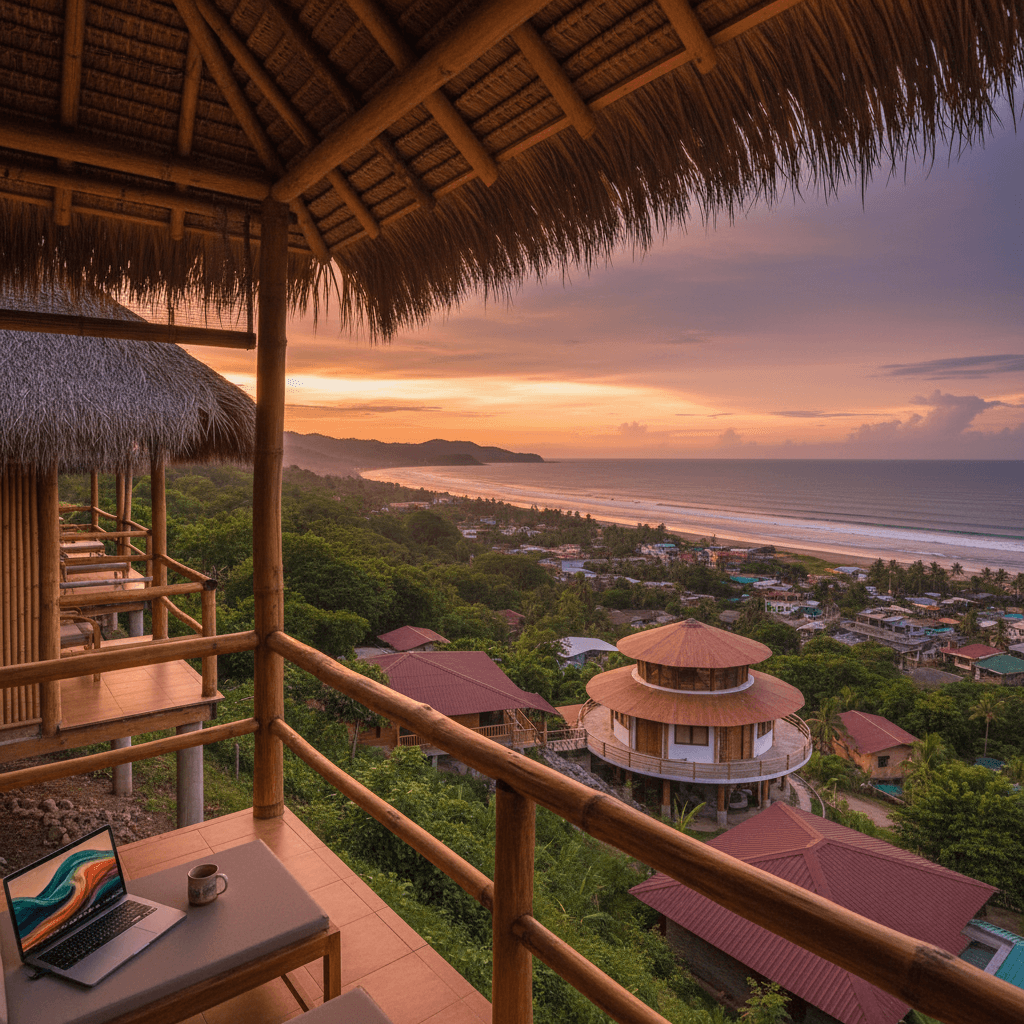
There is a specific feeling that hits you after about three days in Nosara. It’s the moment you stop checking your watch and start timing your day by the tide charts. Travelers often say the town has a way of stripping away unnecessary stress. You might start your day with a yoga session at Bodhi Tree, spend the afternoon working from a shaded patio, and end it at La Luna watching the sun dip below the horizon with a group of people you met only two days ago.
It’s a place of contradictions. It is simultaneously one of the most expensive places in Central America and one of the most rugged. It attracts some of the world’s most successful people, yet everyone is covered in the same layer of grey Guanacaste dust. If you can handle the infrastructure quirks and the $3,000+ monthly budget, you’ll find a community that is deeply protective of its peace and incredibly welcoming to those who share the same respect for the land.
The Price of Paradise
Living in Nosara isn't cheap. In fact, it's one of the most expensive pockets in Costa Rica. Because the town is remote and the roads are famously rugged, everything from a gallon of milk to a liter of gas comes with a premium. Most nomads find they need at least $3,000 per month to live comfortably here, which coincidentally aligns with the income requirements for the country's digital nomad visa.
If you're on a tighter budget of $1,500 to $2,500, you'll likely be looking at shared housing or modest studios on the outskirts of Playa Guiones. Mid-range living usually sits between $2,500 and $4,000, while those wanting ocean-view villas in the Bodhi Beach area can easily spend $4,000 or more every month.
Housing and Rent
Rent will be your biggest line item. The market is dominated by short-term vacation rentals, so finding a long-term deal requires some hustle on local Facebook groups like Nosara Rentals or through word-of-mouth at the surf breaks.
- Playa Guiones (Central): Expect to pay $1,200 to $2,000 for a standard one-bedroom. You're paying for the ability to walk to the surf and the main coworking hubs.
- Playa Pelada: A bit more secluded and rugged. Rents here are slightly lower, but you'll absolutely need a 4x4 or a quad to get around.
- Nosara Village: Located inland, this is where you'll find more "Tico" prices. It's less touristy, but the commute to the beach through the dust can be a grind.
Eating and Drinking
Your food costs depend entirely on how much you embrace the local "Sodas." These small, family-run spots serve up casados (traditional plates with rice, beans, and protein) for about $6 to $10. Soda Rosi’s is a local favorite for a filling lunch that won't break the bank.
If you prefer the expat-oriented cafes in Guiones, a smoothie and avocado toast will run you $15 to $20. Dinner at an upscale spot like Restaurante La Luna can easily hit $40 per person once you factor in a cocktail and the 10% service charge. Groceries at the local mercados are expensive because of the transport costs to the peninsula; expect to pay US prices or higher for imported goods like almond milk or specialty cheeses.
Transport and Connectivity
Don't underestimate the cost of moving around. The roads are unpaved and turn into muddy rivers during the rainy season. Most nomads recommend a $20 to $40 per day scooter or quad rental if you aren't ready to commit to a $50 per day 4x4 vehicle rental.
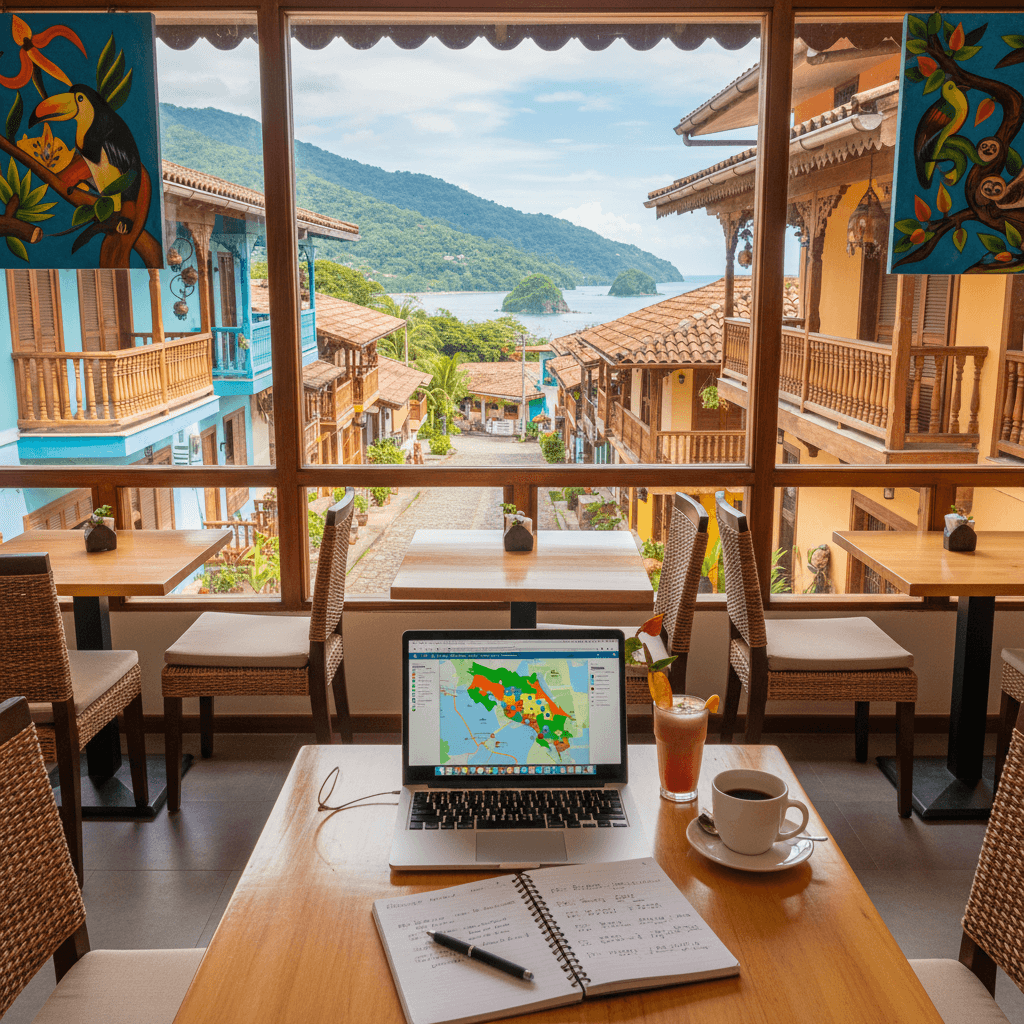
For work, a desk at a space like Selina costs about $10 to $20 for a day pass or $100 to $200 for a monthly membership. While many cafes have decent WiFi, the power can be finicky when the rains hit in October and November. Travelers often buy a Kolbi or Claro eSIM for about $20 as a backup hotspot to ensure they don't drop off a Zoom call during a tropical downpour.
Health and Wellness
The "wellness tax" is real in Nosara. While the beach is free, a single yoga class at one of the high-end retreats usually costs around $20. For healthcare, there are local clinics for minor issues, but for anything serious, you'll be heading to Nicoya or Tamarindo. The digital nomad visa requires you to have health insurance, which typically adds another $100 or more to your monthly overhead.
For Digital Nomads: Playa Guiones
If you're coming to Nosara to work, Playa Guiones is where you'll spend 90% of your time. It's the only neighborhood with a walkable core, though you'll still want a bike or a scooter for the dusty outer stretches. This is the pulse of the local nomad scene, packed with surf schools, high end cafes, and the most reliable infrastructure in the area.
- The Vibe: Busy but relaxed. You'll see people carrying surfboards under one arm and MacBooks under the other.
- Work Spots: Most nomads head to Selina for a dedicated desk, but the cafe culture is strong. You can easily spend an afternoon working from the breezy patios near the main beach entrance.
- Connectivity: This area has the best access to fiber optic internet, though Kolbi or Claro eSIMs are a must for backup during the rainy season.
- Monthly Rent: Expect to pay between $1,200 and $2,000 for a central one bedroom.
For Expats and Long Term Residents: Nosara Proper & Bodhi Beach
Expats looking for a more permanent "Pura Vida" lifestyle usually drift toward the original Nosara village or the area around Bodhi Beach. It feels less like a tourist hub and more like a community. It's quieter, greener, and offers better access to the nature trails that make this part of the Nicoya Peninsula famous.
- The Vibe: Wellness focused and residential. It's less about the "scene" and more about the jungle.
- Practicality: You are further from the main amenities, so a 4x4 vehicle is non negotiable here. The roads get rough, especially between May and November.
- Dining: You'll find more authentic local spots like Soda Rosi’s, where a $7 casado provides a welcome break from the higher prices in Guiones.
- Monthly Rent: Prices vary wildly, but comfortable family houses or villas often start at $2,000 and climb quickly for ocean views.
For Solo Travelers and Adventurers: Playa Pelada
Just north of Guiones, Playa Pelada is the choice for those who want to escape the crowds and don't mind a bit of isolation. It's famous for its sunsets and more secluded surf breaks. If you're traveling solo and want to disconnect, this is the spot, but be prepared for a quieter social life compared to the Guiones hub.
- The Vibe: Raw and rugged. It’s where you go to watch the sunset at Restaurante La Luna with a $25 Mediterranean dinner after a day of chasing waves.
- Transportation: There is no public transport here. You'll need to budget at least $20 to $40 a day for a scooter or ATV to get into town for groceries or coworking.
- Social Scene: Low key beach bars replace the organized nomad meetups. It’s easier to meet locals and long term travelers here than short term tourists.
- Monthly Rent: Slightly more affordable than central Guiones, with studios sometimes available for $800 to $1,200 if you look on local Facebook groups.
For Families: South Guiones and Pelada Edges
Families often choose the fringes of the main beach zones to find larger properties with pools and gated security. The pace is slow, and the proximity to the Nosara surf academy and various yoga retreats makes it easy to keep everyone active. Parents usually appreciate the safety of the area, as petty crime is low and the community is very protective of its tranquil reputation.
- The Vibe: Safe, active, and outdoorsy.
- Education & Play: Most family life revolves around the beach and the jungle. The lack of "city" distractions is the main draw.
- Cost of Living: A family of four should budget at least $4,000 to $5,000 a month to live comfortably, including a car rental and a larger home.
- Monthly Rent: Large family rentals typically start at $2,500 for anything modern with decent WiFi.
Connectivity in the Jungle
Working from Nosara requires a specific mindset. You aren't in a high tech hub like Medellin or Mexico City; you're in a coastal jungle where the infrastructure is constantly wrestling with the elements. Standard fiber optic connections from Kolbi or Claro usually deliver between 20 and 50 Mbps, which is plenty for Zoom calls and uploading content, provided the weather behaves.
During the rainy season from May to November, power outages are a reality. Most long term nomads here treat a backup mobile hotspot as a requirement rather than a luxury. You can grab a local physical SIM or an eSIM from Airalo for about $10 to $30 a month. Having that 4G backup on your phone will save your professional life when a tropical storm knocks out the local grid for an hour.
Dedicated Coworking Spaces
The coworking scene in Nosara is intimate and community focused. You won't find massive corporate offices, but you will find spaces designed for people who want to surf at 6:00 AM and be at their desks by 9:00 AM.
- Selina Nosara: Located in the heart of Playa Guiones, this is the primary hub for the nomad community. It offers stable high speed internet, hot desks, and private phone booths for quiet calls. Day passes usually run between $10 and $20, while monthly memberships cost roughly $100 to $200. It’s the best place to meet other entrepreneurs and find out about weekend beach bonfires.
- The Gilded Iguana: While primarily a hotel and surf club, it’s a popular spot for nomads who need a professional atmosphere. The WiFi is reliable and the seating is comfortable for longer sessions, though it’s more of a "work friendly" venue than a dedicated coworking office.
The Cafe Culture
If you prefer the hum of a coffee shop over a quiet office, Playa Guiones has several spots where nobody will glare at you for opening a laptop. The "laptop nomad" culture is deeply ingrained here, and as long as you keep the coffee and snacks flowing, you're welcome to stay a while.
- Organico Bakery: Expats often recommend this spot for a quick morning work session. It’s central, the pastries are excellent, and the WiFi is generally consistent enough for light tasks.
- Soda Rosi’s: If you need a break from the "digital nomad" bubble, head here for a $6 to $10 casado. The internet isn't the draw, but it’s a great place to reset between deep work blocks.
Practical Tech Tips
Since Nosara is spread out and the roads are notoriously rough, think about your commute before you book a desk. If you're staying in Playa Pelada, you'll definitely need a bike or a 4x4 to get to the coworking hubs in Guiones. Many nomads find that renting a place with "guaranteed fiber" is worth the extra $200 a month in rent just to avoid the daily trek on dusty trails.
Always check if your accommodation has a battery backup for the router. If they don't, it’s a cheap investment to buy a small UPS at a shop in Nicoya. It keeps your internet alive during those brief flickers in the power supply that would otherwise drop you from a client presentation.
Staying Safe in the Jungle
Nosara is widely considered one of the safest pockets in the Nicoya Peninsula. The community is tight knit, and because the town lacks a traditional "center," you won't find the typical gritty areas associated with larger hubs like Tamarindo or San Jose. Most nomads feel perfectly comfortable walking between beach paths and cafes during the day.
That said, petty theft is the most common headache for expats. "Smash and grabs" from rental cars at beach parking lots happen, especially at Playa Pelada or the more secluded ends of Playa Guiones. Locals recommend never leaving a bag in your car, even if it's locked and you're only gone for a ten minute sunset surf. At your rental, keep your gates closed and electronics out of sight from the windows. It’s mostly a crime of opportunity rather than anything violent.
Walking at night requires a bit more planning. Since Nosara has no streetlights to protect the local turtle nesting grounds, the roads get pitch black. It’s not a matter of crime as much as it is safety from traffic and wildlife. If you're heading home from a late dinner at La Luna, use a high powered flashlight or call a taxi. Most travelers use the MANZI app or local WhatsApp groups to find reliable drivers after dark.
Healthcare and Medical Services
For a remote surf town, Nosara is surprisingly well equipped for minor issues. There are several private clinics in the Playa Guiones area that cater specifically to the expat and nomad community. Local clinics like Paradise Medical and Nosara Urgent Care are the go to spots for everything from stitches and ear infections to travel vaccinations. Expect to pay around $80 to $150 for a standard consultation if you don't have local insurance.
For anything serious, you'll need to head out of town. The nearest major public hospital is in Nicoya, which is about a 60 to 90 minute drive depending on how washed out the dirt roads are. If you have premium international insurance, many expats prefer the private hospitals in Liberia or San Jose for major surgeries or specialized care. Emergency services can be reached via 911, but response times in the jungle can be slow; many residents keep the direct numbers for local private ambulances saved in their phones.
Pharmacies and Wellness
You’ll find well stocked farmacias in the main commercial stretches. They can handle most basic prescriptions and over the counter needs like high grade sunblock or antihistamines. If you rely on specific maintenance medication, it’s smart to bring a three month supply, as specialized brands can be hard to track down in the peninsula.
The wellness culture here is a major safety net for your health. Most nomads find they’re in the best shape of their lives here because the lifestyle revolves around movement. Between the world class yoga at Bodhi Tree and the daily surf sessions, the community focus is very much on prevention and holistic health.
Insurance Requirements
If you are applying for the Costa Rica Digital Nomad Visa, you are legally required to carry health insurance that covers you for the duration of your stay. The policy must include coverage for medical expenses in Costa Rica. Most nomads opt for international providers like SafetyWing or Genki, which typically cost around $45 to $100 per month and meet the government's criteria. Even if you're just visiting for a month, having a policy that covers medical evacuation is highly recommended given Nosara’s remote location.
- Emergency Number: 911
- Local Clinics: Paradise Medical, Nosara Urgent Care
- Pharmacy Cost: $10 to $30 for common meds
- Nearest Hospital: Nicoya (approx. 1.5 hours)
- Water Safety: Tap water in Nosara is generally safe in the main Guiones area, but many nomads stick to filtered water to avoid "traveler's stomach" during their first week.
The Reality of the Roads
Getting around Nosara is an adventure in itself, and usually a dusty one. Unlike the paved highways you'll find in San Jose, the roads here are primarily unpaved dirt and gravel. During the dry season from December to April, expect clouds of dust; during the green season, prepare for mud and deep potholes. Because of this terrain, your choice of wheels will define your experience here.
Choosing Your Ride
Most nomads quickly realize that a standard sedan just won't cut it. If you plan on exploring beyond the main surf break, you'll need something with clearance.
- 4x4 Vehicles: This is the gold standard for comfort and safety. Expect to pay $50 or more per day. It's the only way to reliably reach spots like Playa Pelada or the mountain trails without a headache.
- ATVs and Scooters: These are incredibly popular for ziping between Playa Guiones and local cafes. Scooters run about $20 to $40 daily. They're great for parking, but keep in mind that riding a scooter on loose gravel takes some skill.
- Bicycles: If you're staying right in the Guiones core, a beach cruiser is a solid, eco-friendly choice for $5 to $10 a day. Just be prepared for a workout if you head toward the hills.
Ride-Hailing and Taxis
Don't count on Uber here. While the app technically exists, drivers are scarce and wait times are often infinite. Instead, locals and long-termers use local shuttle apps like Nosara Shuttle or services such as GypsyCab and Terratour. For traditional taxis, expect to pay a "tourist premium." A short five-minute hop can easily cost $10 to $30, so it's always better to negotiate the price before you hop in.
Public Transit and Shuttles
Public buses are infrequent and mostly serve locals commuting to Nicoya or Samara. Tickets are cheap, usually $5 to $10, but the schedules are more of a suggestion than a rule. For getting into town from the airport, most nomads skip the bus and book a shared shuttle.
- From Liberia (LIR): Most travelers take a shuttle for $50 to $100. It's a 2 to 3 hour trek depending on how many stops the driver makes.
- Private Transfers: If you're traveling with a group or a lot of surf gear, a private van will run you $150 or more.
Is it Walkable?
The "walkability" of Nosara depends entirely on your neighborhood. If you're based in the central Playa Guiones hub near the surf shops and Selina, you can get by on foot for your daily coffee and surf sessions. However, the town is spread out. If you're staying in Playa Pelada or the quieter Bodhi Beach area, walking to the main nomad hangouts becomes a long, hot trek under the tropical sun. Most expats recommend having at least a bicycle or a seasonal scooter rental to avoid being stranded when the afternoon rains hit.
Navigating Like a Local
Addresses in Nosara don't really use house numbers. You'll often hear directions like "100 meters north of the big Guanacaste tree." Download Waze before you arrive; it's much more accurate than Google Maps in Costa Rica for navigating the shifting road conditions and finding tucked-away cafes. If you're driving yourself, always keep an eye out for howler monkeys or iguanas crossing the road, especially at dusk.
The Pura Vida Dialect
While Spanish is the official language, the local "Tico" dialect is defined by a relaxed, friendly cadence that mirrors the surf culture. You'll hear the phrase Pura Vida used as a hello, a goodbye, a way to say everything's great, or even a shrug when the power goes out during a rainstorm. It’s more than a greeting; it’s the social currency of the Nicoya Peninsula.
Most nomads find the language barrier in Nosara to be almost non-existent. Because of the heavy concentration of international expats and yoga retreats, English proficiency is incredibly high. In central Playa Guiones, roughly 80% of staff in cafes like those near the Selina coworking space or upscale spots like La Luna speak fluent English. You can easily navigate a month here without knowing much Spanish, though locals always appreciate the effort of a "buenos días."
Practical Communication Tools
Outside the main tourist hubs or when heading into Nosara town for groceries, a little Spanish goes a long way. Most travelers rely on a few specific tools to keep things moving:
- Google Translate: Download the Spanish pack for offline use. It’s a lifesaver when you’re deep in the jungle and lose cell service.
- WhatsApp: This is the primary way to communicate with everyone from your Airbnb host to the local "Manzi" driver. Don’t expect many businesses to answer a standard phone call; send a text instead.
- Spanish Phrases: Focus on ¿Cuánto cuesta? (How much?) and La cuenta, por favor (The bill, please) for smoother interactions at local sodas like Soda Rosi’s.
Staying Connected
Reliable communication requires more than just words; you need a stable data connection. While fiber optic internet is becoming more common in Playa Guiones, the frequent afternoon storms during the green season can cause outages. Most nomads recommend having a backup plan.
- Local SIM Cards: Kolbi and Claro are the top choices. You can grab a SIM at the airport or in local supermarkets for $10 to $30 for a month of unlimited data. Kolbi generally offers better coverage in the more remote jungle areas around Playa Pelada.
- eSIMs: If your phone supports it, apps like Airalo allow you to set up a data plan before you even land. Expect to pay around $10 to $20 for a decent starting package.
- Coworking Culture: If your rental’s WiFi feels sluggish, the community usually migrates to Selina or local cafes. These spots function as unofficial communication hubs where you can network and get the latest tips on road conditions or local events.
Social Etiquette
Communication in Nosara is famously laid back. Things often run on "Tico time," meaning a meeting scheduled for 2:00 PM might actually start at 2:15 PM. Expats recommend leaning into this rather than fighting it. When interacting with locals, a polite greeting before jumping into a request is expected. It’s common to ask ¿Cómo está? (How are you?) before ordering your coffee or asking for directions. This small gesture of respect goes a long way in a tight knit community that values its tranquility as much as its visitors.
The Seasonal Rhythm
Life in Nosara is dictated by the sun and the rain. With over 250 sunny days a year, you are almost guaranteed perfect beach weather if you time your stay correctly. Most nomads find the climate here split into two distinct personalities: the dusty, social dry season and the lush, quiet rainy season.
Dry Season: December to April
This is peak Nosara. The skies are consistently blue, and temperatures hover between 25°C and 32°C (77°F to 90°F). It is the best time for surfing at Playa Guiones because the offshore winds keep the waves clean. You will find the community at its most active, with plenty of meetups at Selina or sunset gatherings at Restaurante La Luna.
The downside? The dirt roads turn into dust clouds. Expats often call it "the dust season," and you will see locals wearing buffs or masks while riding ATVs. Prices for rentals also skyrocket during this window, often hitting $2,000 or more for a central studio in Guiones.
Green Season: May to August
Many long term nomads actually prefer this middle ground. The landscape turns a brilliant, deep green almost overnight. You will usually get sunny mornings followed by a predictable, heavy downpour in the late afternoon. It is a great routine for deep work; you surf or practice yoga early, then settle into a coworking space while the rain cools everything down.
- Temperatures: A slightly cooler 24°C to 30°C.
- Perks: Lower prices on Airbnbs and fewer crowds at the surf breaks.
- Internet: Be aware that heavy storms can occasionally cause power blips. Most travelers recommend having a Kolbi or Claro eSIM as a backup hotspot.
The "Big Rain": September to November
If you are looking for a productive work environment, October and November can be challenging. This is when the Nicoya Peninsula sees its heaviest rainfall. Some local businesses shut down for renovations, and the unpaved roads can become muddy and difficult to navigate without a 4x4 vehicle.
Travelers often say this is the time to head elsewhere unless you truly want total isolation. While it is the cheapest time to live here, the humidity is intense and the mosquitoes are out in force. If you do stay, make sure your rental has high quality "Bodhi Beach" style roofing and reliable drainage.
The Sweet Spot
If you want the best balance of weather and community without the absolute peak prices of New Year's, aim for March or April. The water is warm, the social scene is thriving, and you'll get those iconic Pacific sunsets every single night. For those on a tighter budget, May and June offer the best value before the heaviest rains arrive in the autumn.
Quick Climate Snapshot
- Hottest Months: March and April (expect 32°C+).
- Rainiest Months: October and November.
- Best Surf Window: December through April for consistency.
- Peak Prices: December 15th to January 15th.
Connectivity and Tech Setup
While the Nosara jungle vibe feels off the grid, your work life doesn't have to be. Most nomads rely on Kolbi or Claro for local service. You can grab a physical SIM at the airport, but many expats now use Airalo for an immediate eSIM setup. Expect speeds between 20 and 50 Mbps in the Guiones hub, though heavy tropical rains can occasionally knock out the power. Having a backup hotspot is a smart move if you have back to back meetings.
For a dedicated workspace, Selina is the main player in Playa Guiones. It acts as the social heartbeat for the nomad scene, offering day passes for $10 to $20 and monthly memberships around $100 to $200. If you prefer a laptop and coffee setup, the local cafe culture is very welcoming to remote workers, provided you're buying more than just one espresso.
Money and Local Costs
Nosara is one of the pricier pockets of Costa Rica. You'll want to budget significantly more than you would for San Jose or even some parts of Guanacaste. Living comfortably here usually requires a monthly income of at least $3,000, which coincidentally aligns with the requirements for the digital nomad visa.
- Housing: A central studio in Playa Guiones will run you $1,200 to $2,000. If you're on a tighter budget, look toward the edges of town or shared houses for closer to $800.
- Eating Out: A meal at a local "soda" like Soda Rosi’s costs about $6 to $10 for a hearty casado. For a night out at Restaurante La Luna, expect to pay $20 to $40 per person.
- Groceries: Imported goods are expensive. Shop local markets for produce to keep your weekly bill under $100.
Getting Around the Dirt Roads
The roads in Nosara are notoriously rugged and dusty. Public transport is almost non-existent for daily needs, so you'll need your own wheels. Walking is only viable if you live in the very heart of Playa Guiones. For everyone else, a 4x4 vehicle is the gold standard, though rentals can exceed $50 a day.
Many long term residents opt for scooters ($20 to $40 per day) or rugged electric bikes. If you need a quick lift, the MANZI app is the local answer to Uber, though availability fluctuates. For arrival, most people fly into Liberia (LIR) and take a $50 to $100 shuttle for the three hour trek to town.
Health and Safety
Nosara is generally very safe, but it's not immune to petty theft. The most common issue is "smash and grabs" from parked cars at surf spots. Never leave your laptop or passport in a vehicle, even for a quick sunset session. At night, stick to main paths and carry a flashlight, mostly to avoid tripping on uneven terrain or spotting local wildlife.
For medical needs, local pharmacies handle minor ailments and can often give expert advice. There are small clinics in town for basics, but for anything serious, you'll be heading an hour away to Nicoya. If you are here on the nomad visa, remember that you are required to maintain health insurance that covers you locally, typically costing around $100 a month.
The Pura Vida Mindset
Integration is easy if you embrace the slow pace. English is spoken by nearly 80 percent of people in the service industry around Guiones, but learning basic Spanish phrases goes a long way with the locals. Tipping is usually 10 percent, which is often already included in your restaurant bill as a service charge. Most importantly, respect the environment. Nosara takes its "green" reputation seriously, so avoid single use plastics and stick to the marked trails to protect the nesting turtles and local monkeys.
Need visa and immigration info for Costa Rica?
🇨🇷 View Costa Rica Country GuideHidden Gem
Worth the effort
Monthly Budget Estimates
More cities in Costa Rica
Liberia
🇨🇷 Costa Rica
Alajuela
🇨🇷 Costa Rica
Heredia
🇨🇷 Costa Rica