Nice
🇫🇷 France
The Riviera Rhythm
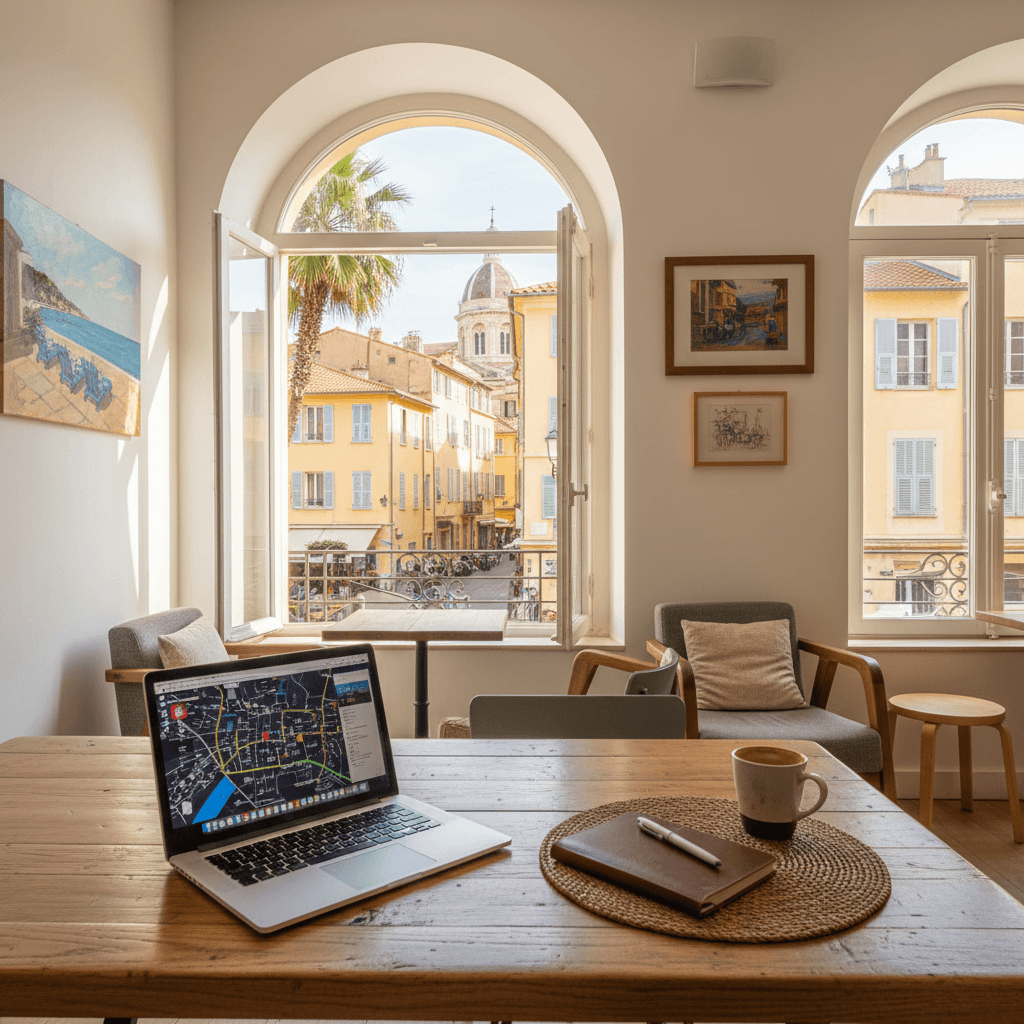
Nice hits that sweet spot between a polished European city and a sun-drenched Mediterranean escape. It doesn't feel like a frantic tech hub or a sleepy seaside village; instead, it offers a balanced lifestyle where your morning starts with a espresso in Vieux Nice and your workday ends with a swim off the Promenade des Anglais. The air smells like sea salt and jasmine, and the light has a specific golden quality that has drawn artists here for centuries.
Most nomads find that Nice rewards those who appreciate the slower pace of the South of France. It’s a place where you'll likely trade your third cup of office coffee for a sunset glass of rosé. While it lacks the gritty, 24/7 hustle of Berlin or London, it provides a functional, high-speed infrastructure that makes remote work surprisingly seamless, provided you know where to set up your laptop.
The Local Vibe
The city has a dual personality. On one hand, it's the gateway to the glitzy French Riviera, filled with luxury hotels and upscale bistros. On the other, it's a deeply local Provencal city with narrow, winding alleys and bustling markets like Cours Saleya. You'll see expats jogging along the coast alongside locals carrying fresh socca, a chickpea pancake that's a staple of the Niçois diet.
The social scene is approachable but leans toward outdoor activity. You’re more likely to meet people during a weekend hike to Èze or over a game of pétanque than at a formal networking event. There is a sense of effortless living here that can be infectious, though you might find the early closing times of local cafes a bit of a culture shock if you're used to late night work sessions.
What to Expect for Your Budget
Nice isn't the cheapest destination in Europe, but it's manageable if you avoid the tourist traps directly on the water. Expats usually categorize the cost of living into three main tiers:
- Budget: €1,500 to €2,000 per month. This usually involves a shared apartment or a small studio further from the beach, with most meals cooked at home or sourced from street food stalls.
- Mid-range: €2,500 to €3,500 per month. This is the sweet spot for most nomads. It covers a private 1BR apartment in a central area, regular dining at local bistros, and a coworking membership.
- Comfortable: €4,000+ per month. This allows for a prime apartment with a sea view, frequent upscale dining on the Promenade, and weekend trips to nearby spots like Cannes or Monaco.
The Neighborhood Breakdown
Where you stay will define your experience. Nice is remarkably walkable, but each pocket has a distinct energy.
Vieux Nice (Old Town)
- Best For: First-timers and solo travelers who want to be in the heart of the action.
- The Draw: It's incredibly atmospheric with colorful buildings, markets, and endless cafes. You're steps from the beach.
- The Downside: It can get very noisy at night and apartments are often in older buildings without elevators.
Promenade des Anglais Area
- Best For: Families and those who prioritize a morning view.
- The Draw: Iconic scenery, wide bike paths, and proximity to Jardin Albert I.
- The Downside: High rents and a very touristy feel during the peak summer months.
Port Lympia
- Best For: Long-term expats and those seeking a trendy, local feel.
- The Draw: Great seafood, a slightly more sophisticated nightlife, and less crowded than the Old Town.
- The Downside: A bit further from the main train station if you plan on frequent day trips.
Working in the City
Internet speeds are excellent, often hitting 200 Mbps, making video calls a breeze. However, Nice doesn't have a massive "laptop cafe" culture. Many smaller spots prefer you don't linger for hours. Copenhagen Coffee Lab is the gold standard for nomads, offering reliable WiFi and plenty of space from 7am to 6:30pm. If you need to grind through a long project, coworking spaces like those found near the port or the Nice Ville station are your best bet, with day passes typically ranging from €20 to €30.
While there isn't a specific digital nomad visa for France yet, EU citizens can move in freely. Others typically use the long-stay visitor visa options, which require proof of income and a promise not to work for French employers. It's a small administrative hurdle for the chance to call the Mediterranean your backyard.
Living on the French Riviera isn't as bank-breaking as the movies make it out to be, but you'll definitely feel the "Mediterranean tax" compared to places like Lisbon or Palermo. For most nomads, the cost of living in Nice is a trade-off. You're paying for that turquoise water and high-speed infrastructure, balanced out by affordable local markets and a world-class public transport system.
The Monthly Budget Tiers
Expect to spend according to your lifestyle. Most remote workers fall into these three brackets:
- Budget (€1,500 to €2,000): This requires a bit of hustle. You'll likely be in a shared apartment or a tiny studio further from the water, eating plenty of €5 socca from Cours Saleya and keeping your nights out to a minimum.
- Mid-range (€2,500 to €3,500): This is the sweet spot. You can afford a decent one-bedroom apartment in Vieux Nice, eat at local bistros a few times a week, and keep a dedicated desk at a coworking space.
- Comfortable (€4,000+): This gets you a prime spot overlooking the Promenade des Anglais, frequent dinners at upscale seafront restaurants, and weekend trips to Cannes or Monaco without checking your bank balance.
Housing and Accommodation
Rent is your biggest hurdle. A standard studio or one-bedroom in central areas like Vieux Nice or the Port usually runs between €800 and €1,500 per month. If you're staying long-term, locals recommend checking Leboncoin.fr for better deals than you'll find on international platforms. For those who want flexibility without the paperwork, the Adagio Aparthotel is a popular choice among the nomad community, even if it carries a slight premium for the convenience.
Food and Dining
One of the best things about Nice is that you can eat like royalty on a budget if you shop like a local. The markets are packed with fresh produce, and street food is a staple. A plate of socca or a pan bagnat will only set you back €5 to €10.
When you're heading out for a proper meal, a mid-range bistro in the Old Town typically costs €15 to €25 for a main course. If you decide to dine right on the beach with a view of the sunset, expect to pay €40 or more. Expats often suggest sticking to the side streets away from the main tourist drags to find the best value for your money.
Working and Connectivity
Nice is well-connected with average internet speeds hitting 200 Mbps. While the city lacks an abundance of laptop-friendly cafes, the ones that do exist are reliable. Copenhagen Coffee Lab is the top pick for nomads because of its spacious layout and solid WiFi. If you prefer a professional environment, coworking spaces like those found via digitalnomads.world cost between €200 and €400 per month. A day pass usually lands around €20 to €30.
Transport and Extras
You won't need a car here. The Lignes d'Azur tram and bus network is fantastic, costing just €1.50 per ride or a very reasonable €45 [9] for a monthly pass. This even includes the 20-minute tram ride from the Nice Côte d'Azur airport to the city center. For data, many travelers use RAPIDeSIM for an easy eSIM setup, though grabbing a local Orange or Free SIM card is often cheaper for longer stays, usually costing between €10 and €30 for a hefty data package.
Summary of Costs
- One-Bedroom Apartment: €800 to €1,500 per month
- Monthly Coworking Desk: €200 to €400
- Monthly Transport Pass: €45 [9]
- Local Beer or Glass of Wine: €5 to €8
- Mid-range Dinner for Two: €50 to €70
For Nomads and Solo Travelers
If you want to be in the thick of the action, Vieux Nice (Old Town) is your base. It is a maze of narrow, colorful streets packed with markets like Cours Saleya, where you can grab a €5 bag of socca for a quick lunch between calls. Most nomads love the energy here because you are steps away from the beach and the Promenade des Anglais, though the nightlife can get loud and apartments are often older with steep stairs.
For those who need a reliable work routine, the area near Nice Ville Station is surprisingly practical. It lacks the seaside charm of the Old Town, but it's central and gives you easy access to the Starbucks or Copenhagen Coffee Lab. Expats often recommend this spot for short stays because the train makes day trips to Cannes or Villefranche-sur-Mer effortless. Expect to pay between €800 and €1,500 for a decent studio in these central zones.
- Vibe: High energy, historic, and social.
- Work Hubs: Copenhagen Coffee Lab (7am to 6:30pm) and local coworking spaces like those found on digitalnomads.world.
- Top Tip: Wear sturdy shoes for the pebble beaches and the cobblestones of the Old Town.
For Expats and Long-Term Residents
The Promenade des Anglais area is the classic choice for a more polished lifestyle. It offers incredible sea views and proximity to Jardin Albert I, making it ideal for morning runs or sunset walks. While it feels touristy during the day, the residential blocks behind the main strip are quieter and house many long term expats who enjoy the bike paths and luxury amenities.
Living here puts you near the Lignes d'Azur tram, which costs just €1.50 per ride or €30 for a monthly pass. Many expats prefer the "Comfortable" budget tier, spending €4,000 or more per month to secure prime real estate and enjoy the upscale bistros along the water. It's a more polished experience than the gritty charm of the station area.
- Vibe: Scenic, breezy, and slightly more expensive.
- Rent: Usually at the higher end of the €1,500 range for 1BR units.
- Social Scene: Active expat groups on Facebook and InterNations often meet for drinks at seafront bars.
For Families and Quiet Seekers
If the urban hustle of central Nice feels too intense, Villefranche-sur-Mer is a top recommendation from the nomad community. It is a short, scenic train ride away and offers a much calmer atmosphere with sandy beaches that are easier on the kids than Nice's pebbles. It feels like a village rather than a city, though you will have fewer dedicated workspaces.
Families often choose this area for the safety and the slower pace of life. You'll find plenty of hiking trails nearby and a more community focused environment. The trade off is that you'll likely need to commute into Nice for coworking hubs or larger networking events, as the local cafe culture is more about espresso and less about laptops.
- Vibe: Peaceful, coastal village with family friendly beaches.
- Transport: Quick rail access to Nice center for work or shopping.
- Dining: Mid range bistros in the €15 to €25 range for a solid lunch.
Neighborhood Comparison at a Glance
- Vieux Nice: Best for social butterflies and market lovers. High noise, high charm.
- Nice Ville Station: Best for commuters and those on a budget. Low scenery, high convenience.
- Promenade des Anglais: Best for luxury seekers and runners. High cost, incredible views.
- Villefranche-sur-Mer: Best for families and peace. Low noise, requires a commute.
Connectivity and Speed
You won't have to worry about dropping off a Zoom call while working from the Riviera. Nice boasts impressive internet infrastructure with average speeds hitting 200 Mbps. Fiber optic connections are standard in most modern apartments and coworking hubs, making it a reliable base for developers, designers, or anyone handling heavy data loads.
For mobile data, most nomads skip the physical SIM card hunt and grab a RAPIDeSIM before landing. If you prefer a local contract, head to an Orange or Free Mobile shop in the city center. You can usually find unlimited data plans ranging from €10 to €30, which is a steal compared to North American or UK prices. Just keep your passport handy for registration.
Top Coworking Spaces
While Nice doesn't have a coworking space on every corner like Lisbon or Bali, the options available are professional and well equipped. Expect to pay around €35 for a day pass, or €200 to €400 for a monthly hot desk. These hubs are your best bet for ergonomic chairs and a community that isn't just tourists checking TripAdvisor.
- Les Satellites: A favorite for its community focus and central location. It's great for networking with local entrepreneurs and other remote workers.
- La Verrière: Known for its beautiful, bright interior and quiet atmosphere. It's a bit more upscale and perfect for deep work sessions.
- Joy&a: A hybrid space that feels a bit more modern and design forward, often attracting the creative crowd.
Laptop-Friendly Cafes
Finding a place to work from your laptop in Nice requires some strategy. The local cafe culture leans toward socializing over espresso rather than camping out with a MacBook for four hours. Many smaller spots in Vieux Nice have limited seating and might ask you to pack up during the lunch rush.
For a guaranteed seat and reliable WiFi, Copenhagen Coffee Lab is the gold standard for nomads. It opens at 7:00 am, has a spacious bakery vibe, and the staff won't side-eye you for staying a while. The WiFi password is usually "morecoffee?".
If you need to work later into the evening, the Starbucks near Nice Ville station is a solid fallback. It's open until 7:00 pm and doesn't require a password. Columbus Café & Co is another reliable option with a cozy, bookish atmosphere, though it gets quite crowded after 10:00 am, so arrive early to snag a table near a power outlet.
Remote Work Reality Check
Most expats recommend sticking to the morning for cafe work. By midday, the terraces fill up with diners, and the noise levels spike. If you have a day of back to back meetings, you'll definitely want to book a day pass at a dedicated coworking space or stay in your apartment. The Vieux Nice area is charming but can be noisy; if you're sensitive to sound during calls, look for accommodation in the Port or Musiciens neighborhoods instead.
Overall, the balance here is excellent. You can hammer out a full day of work with high speed internet and be on the Promenade des Anglais for a sunset swim five minutes after closing your laptop. It's a functional, modern city that just happens to be on the edge of the Mediterranean.
Keeping Safe on the Riviera
Nice maintains a reputation as one of the safer major cities in France, particularly in the areas where nomads and expats tend to congregate. You'll generally feel comfortable walking the Promenade des Anglais or the winding streets of Vieux Nice well into the evening. Violent crime is rare, but like any high traffic Mediterranean destination, petty theft is the primary concern. Pickpockets are active in crowded spots like the Cours Saleya market, so keep your bag zipped and your phone off the table while you're enjoying your socca.
Expats usually advise against hanging out on isolated stretches of the beach after dark. While the main waterfront is well lit and social, the darker corners can occasionally attract opportunistic characters. There aren't any specific "no go" zones that will ruin your trip, but the area around the Nice Ville Station can feel a bit gritty late at night. Stick to the main thoroughfares and use common sense, especially if you're carrying expensive laptop gear.
- Emergency Number: Dial 112 for all emergency services. It's the standard across the EU and operators usually speak English.
- Night Safety: Stick to well lit areas like Place Masséna and the main tram lines after midnight.
- Personal Belongings: Use a crossbody bag in markets and never leave your tech unattended in cafes like Copenhagen Coffee Lab.
Healthcare and Wellness
France has one of the best healthcare systems in the world, and Nice is a major hub for medical excellence. If you're an EU citizen, your EHIC or GHIC card will cover most of your needs. For Americans and other non EU nomads, you'll need solid travel insurance to avoid out of pocket costs, though even "expensive" private rates here often feel reasonable compared to US prices.
The city's public hospital system, CHU de Nice, provides high quality care. For non emergencies, you'll find plenty of English speaking doctors in the city center. Most nomads use the Doctolib app to book appointments; it's the gold standard in France for finding specialists and seeing their availability in real time. You can filter for practitioners who speak English, which saves a lot of stress when you're feeling under the weather.
- Pharmacies: Look for the bright green neon crosses. They're everywhere and pharmacists in France are highly trained; they can often give medical advice for minor ailments without you needing to see a doctor.
- Late Night Care: There's always at least one "pharmacie de garde" open in the city on a rotation for late night or Sunday needs.
- Cost: A standard GP visit typically costs around €25 to €30, though specialists will be higher.
Wellness in Nice is naturally tied to the outdoors. Most locals and expats skip the gym in favor of the 7km stretch of the Promenade for running or cycling. If you're heading into the water, remember that the beaches here are pebbly. Most long term residents recommend buying a pair of €10 mesh water shoes from a local shop to save your feet when getting in and out of the turquoise water.
Practical Health Contacts
- Hôpital Pasteur (CHU de Nice): The main public hospital for emergencies and specialized care.
- SOS Médecins: A great service if you need a doctor to come to your apartment or for an urgent after hours consultation.
The Pulse of the Riviera: Trams and Trains
Nice is one of those rare cities where you can actually ditch the car without feeling stranded. The public transit system, Lignes d'Azur, is the backbone of the city. It's clean, efficient, and surprisingly cheap. Most nomads grab a monthly pass for around €45 [9], though a single ride will only set you back €1.50.
The tram lines are the real stars here. Line 2 is a lifesaver for arrivals, connecting Nice Côte d'Azur Airport directly to the city center in about 20 minutes for the price of a standard ticket. If you're staying near Vieux Nice or the Port, the tram will likely be your primary mode of transport. It runs frequently and saves you from the headache of navigating the narrow, one way streets of the Old Town.
Exploring on Foot and Two Wheels
If your step count is a priority, you've picked the right spot. The city core is incredibly walkable. You can wander from the colorful markets of Cours Saleya to the luxury boutiques near Jardin Albert I in fifteen minutes. The Promenade des Anglais stretches for 7km along the coast, providing a flat, scenic path that's perfect for a morning run or a sunset stroll.
For those who want to move a bit faster, the Promenade has dedicated bike lanes. You'll see plenty of locals and expats on rental bikes or electric scooters. It's the most efficient way to get from the Airport area down to the Quai des États-Unis without getting stuck in the coastal traffic that tends to peak during the summer months.
Regional Rail and Day Trips
One of the biggest perks of living in Nice is the TER regional train system. The main hub, Nice Ville Station, connects you to the rest of the Côte d'Azur with ease. Nomads often use these trains to scout out quieter work spots or weekend escapes. You can reach the sandy beaches of Villefranche-sur-Mer in under 10 minutes, or head to Cannes or Monaco in about 30 minutes.
- Nice to Villefranche-sur-Mer: 7 minutes, approx. €2
- Nice to Monaco: 20-25 minutes, approx. €4.50
- Nice to Cannes: 35 minutes, approx. €7
Apps and Ride-Hailing
While the trains and trams are great, they don't run all night. If you're out late in Vieux Nice, you'll want Uber or Bolt on your phone. Both apps are active here and generally more affordable than the traditional white taxis you'll find at stands. For longer trips or if you're looking to head into the hills of Èze, many expats recommend BlaBlaCar. It's a popular carpooling app in France that's much cheaper than a private driver and a great way to meet locals.
Practical Transit Tips
- Download the Lignes d'Azur mobile app to buy tickets and check real time schedules.
- Always validate your ticket when boarding the tram; inspectors are common and the fines are steep.
- If you're heading to the airport, the tram is almost always faster than a car during rush hour.
- Wear comfortable shoes with grip; the pebble beaches and limestone streets of the Old Town can be slippery when wet.
Navigating the Local Lingo
While Nice is a major international hub, don't expect everyone to be fluent in English the moment you step off the Promenade des Anglais. French is the heartbeat of the city, and the local culture places a high value on the effort to speak it. In tourist heavy areas like Vieux Nice, the train stations, and high end hotels, you will get by just fine with English. However, once you head into residential neighborhoods or smaller local bistros, proficiency drops off quickly.
Most nomads find that a little effort goes a long way. Starting every interaction with a polite "Bonjour" is a non negotiable social rule in France. If you dive straight into English without a greeting, you might find the service becomes noticeably cooler. A simple "Parlez-vous anglais?" (Do you speak English?) before switching languages is considered basic etiquette and will usually earn you a much more helpful response.
Essential Phrases for Your Toolkit
You don't need to be fluent to thrive here, but memorizing a few key phrases will make your daily life much smoother. Expats recommend keeping these on hand for markets like Cours Saleya or when ordering your morning socca:
- Bonjour: Hello (Use this religiously until sunset)
- Bonsoir: Good evening
- Merci: Thank you
- S'il vous plaît: Please
- L'addition, s'il vous plaît: The bill, please
- Je ne comprends pas: I don't understand
Digital Tools and Communication
For those moments when your high school French fails you, technology is your best friend. Most travelers rely on the Google Translate app, and it is highly recommended to download the French language pack for offline use. This is particularly handy when reading menus that aren't translated or deciphering signs at the Nice Ville station.
Staying connected is rarely an issue in Nice. For data, many nomads skip the physical SIM card hunt and use RAPIDeSIM for immediate access. If you prefer a local provider, Orange and Free offer affordable prepaid options at the airport or in shops around the city center. You can usually find unlimited data plans ranging from €10 to €30, which is a steal compared to roaming fees.
Social Integration and Networking
If you are looking to connect with other English speakers, the nomad community in Nice is active and welcoming. You will find plenty of activity on Facebook groups and Meetup, where people organize everything from beach volleyball on the pebbles to co-working sessions at Copenhagen Coffee Lab. These groups are excellent resources for finding apartment leads or getting advice on local bureaucracy.
While the locals might seem reserved at first, the Mediterranean influence makes the Niçois generally more laid back than their Parisian counterparts. If you make a habit of visiting the same cafe or bakery, you will likely find that "bonjour" eventually turns into a friendly chat about the weather or the best hiking trails in Villefranche-sur-Mer.
The Sweet Spot: When to Plan Your Stay
Nice enjoys a classic Mediterranean climate that keeps things relatively mild year round, but there is a distinct "goldilocks" window for digital nomads. Most seasoned travelers point to early June as the absolute prime time to be here. You'll catch daily highs around 25°C (77°F), the seawater is finally warm enough for a post-work dip, and you'll beat the peak July crowds.
If you miss the June window, September and October are the runner-up favorites. The summer heat begins to break, the sea retains its warmth, and the Promenade des Anglais becomes much easier to navigate on a bike or scooter once the peak tourist season winds down. You'll still get a solid 8 to 10 hours of sunshine daily to fuel those afternoon outdoor work sessions.
The Seasonal Breakdown
- Summer (July to August): It gets hot, often hovering around 30°C (86°F) or higher. While the beach vibe is at its peak, the city is packed, and rental prices for central studios in Vieux Nice can skyrocket. If you don't mind the humidity and the noise, it's great for socializing, but focused work in small cafes can be a struggle during the heat of the day.
- Shoulder Season (April to May, September to October): These are the most productive months for nomads. Temperatures sit comfortably between 18°C and 22°C. It's perfect for hiking up to Castle Hill or taking the train to Villefranche-sur-Mer without breaking a sweat.
- Winter (November to March): Nice doesn't get "cold" by northern standards, but it does get damp. January sees highs of 13°C (55°F) and about 70mm of rain. Many nomads find the city a bit sleepy during these months, though it's the cheapest time to snag a long-term apartment deal via Leboncoin or Airbnb.
Monthly Climate Expectations
To help you pack your tech bag and wardrobe, here is what the typical year looks like in terms of averages and rainfall.
January (The Coolest Month)
- Average High: 13°C (55°F)
- Rainy Days: 8 days
- Nomad Perspective: Bring a solid jacket and stick to indoor coworking hubs like Copenhagen Coffee Lab to stay productive.
June (The Peak Month)
- Average High: 25°C (77°F)
- Rainy Days: 4-6 days
- Nomad Perspective: This is the best balance of weather and lifestyle. You can work from the beach or the Jardin Albert I parks comfortably.
October (The Rainiest Month)
- Average High: 21°C (70°F)
- Rainy Days: 7 to 9 days
- Nomad Perspective: Great temperatures but carry an umbrella. The city sees about 60 rainy days annually, and a good chunk of them happen in late autumn.
Practical Weather Tips
If you're planning to work outside, remember that the Mediterranean sun is surprisingly strong. Even in May, you'll want a screen with high nit brightness if you're sitting at a cafe on the Promenade. Most expats recommend buying a pair of sturdy mesh beach shoes; the famous beaches here are pebbles, not sand, and they get incredibly hot by midday in July and August.
For those staying through the winter, check that your rental has proper heating. Many older buildings in Vieux Nice are designed to stay cool in the summer but can feel drafty and damp during the 70mm rainfall stretches in January. While the sun shines for about 2,700 hours a year here, the winter humidity is real.
Getting Around the Riviera
Nice is one of those rare cities where you can actually ditch the car without regret. The Lignes d'Azur tram system is the backbone of the city; it's clean, frequent, and will get you from the airport to the center in about 20 minutes for just €1.50. If you're staying a while, grab a monthly pass for €30 to save the hassle of individual tickets.
The city core is remarkably walkable. You can trek the 7km length of the Promenade des Anglais on foot or rent a blue bike from the various stations along the waterfront. For trips further afield, like a quick afternoon in Cannes or Villefranche-sur-Mer, the local TER trains are your best friend. Most nomads use BlaBlaCar for longer weekend trips to save cash and meet locals.
Budgeting for the South of France
Nice isn't cheap, but it's more manageable than Paris. You should budget based on your lifestyle tier:
- Budget (€1,500 to €2,000/month): This covers a shared apartment or a small studio further from the water, mostly eating street food like €5 socca from the Cours Saleya markets.
- Mid-range (€2,500 to €3,500/month): The sweet spot for most expats. You'll get a nice 1BR in Vieux Nice and can afford several dinners at mid-range bistros in the Old Town, where meals run €15 to €25.
- Comfortable (€4,000+/month): This is for those who want sea views on the Promenade and frequent dinners at upscale seafront spots where plates start at €40.
Connectivity and Remote Work
The internet is generally excellent, with speeds often hitting 200 Mbps. However, the "cafe work" culture is a bit tricky. Many local spots are tiny and expect you to put the laptop away during lunch hours. Most remote workers head to Copenhagen Coffee Lab; it's spacious, has a solid bakery vibe, and stays open until 6:30pm. If you need a late-night session, the Starbucks near Nice Ville station is the reliable fallback until 7pm.
For a more professional setup, coworking spaces like those found via digitalnomads.world cost between €200 and €400 a month. For data, skip the pricey roaming and grab a RAPIDeSIM or a local SIM from Orange or Free at the airport. You can usually find unlimited data plans for €10 to €30.
Safety and Health
Nice is quite safe, though you should keep your wits about you in crowded markets to avoid pickpockets. Stick to the well-lit areas of the Promenade and Old Town after dark. Expats generally suggest avoiding isolated stretches of the beach late at night. If you get sick, the public hospital system, specifically CHU de Nice, is top-tier. Pharmacies are everywhere and easy to spot by their neon green crosses; many stay open late for emergencies.
Local Customs and Language
English is common in tourist hubs and the main train stations, but it drops off quickly once you head into residential neighborhoods. Always start every interaction with a "Bonjour"; it's considered rude to dive straight into a question without a greeting. Tipping isn't mandatory like in the US, but leaving 5% to 10% at a cafe is a nice gesture for good service.
If you're heading to the beach, remember that Nice has pebbles, not sand. Experienced travelers always pack a pair of beach shoes to avoid a painful walk into the water. For banking, most nomads stick with Wise or Revolut to avoid the high fees of traditional French banks.
Best Times to Visit
Early June is the goldilocks zone. The weather sits comfortably between 20°C and 25°C, the rain is minimal, and the summer crowds haven't fully descended. Winters are mild but can be gray and rainy, which isn't ideal if you're moving here for the outdoor lifestyle. Most people find that 8 to 10 hours of daily sunshine during the warmer months makes the higher summer rents worth it.
Need visa and immigration info for France?
🇫🇷 View France Country GuideEasy Landing
Settle in, no stress
Monthly Budget Estimates
More cities in France
Rennes
🇫🇷 France
Bordeaux
🇫🇷 France
Paris
🇫🇷 France