Nha Trang
🇻🇳 Vietnam
The Coastal Slow-Down
Nha Trang occupies a unique space in the Vietnamese nomad circuit. It doesn't have the frantic, high-octane energy of Saigon or the polished, digital-first infrastructure of Da Nang. Instead, it offers a sun-drenched, slightly gritty, and unapologetically relaxed lifestyle. It's the kind of place where you'll see remote workers answering emails in flip-flops at 10:00 AM before heading to the beach for a midday swim.
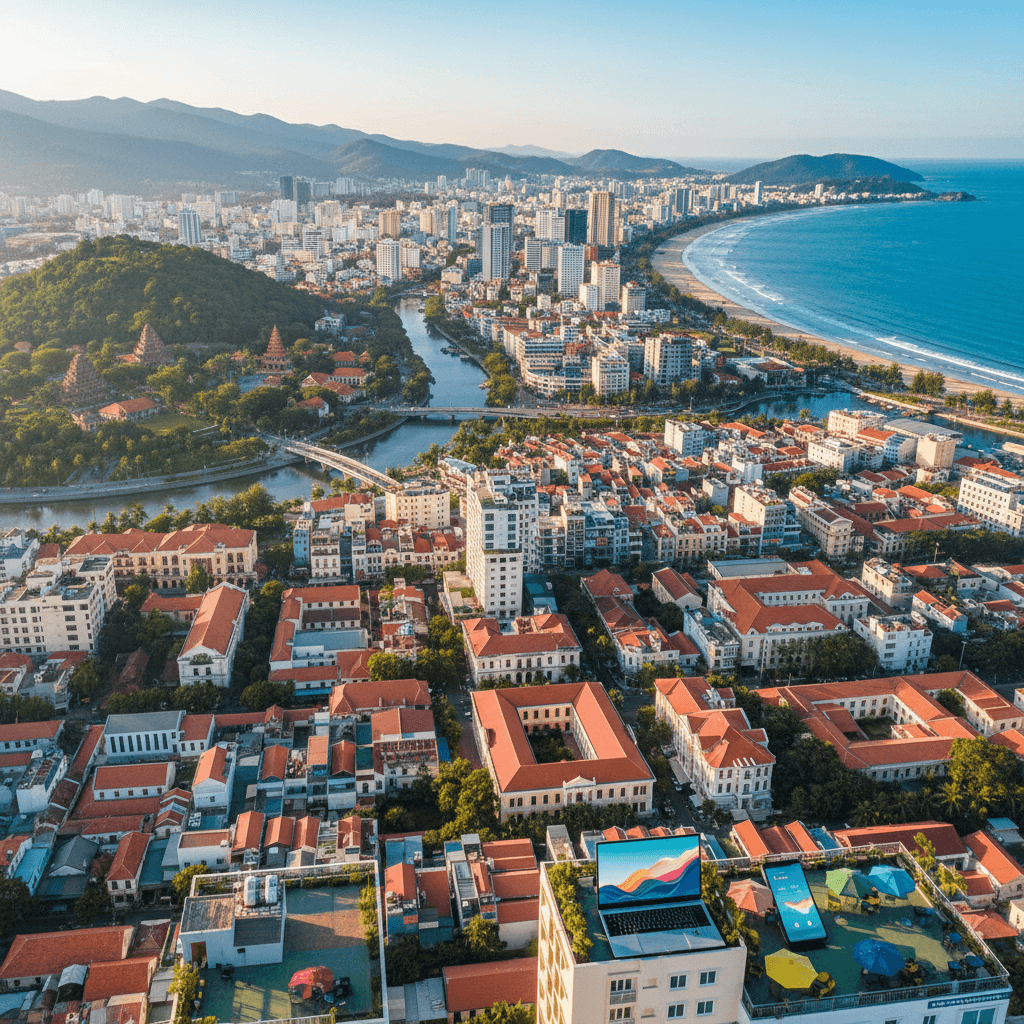
The city stretches along a massive, crescent-shaped bay, and your experience here is almost entirely defined by your proximity to the water. While it's a major tourist hub, the vibe shifts dramatically depending on where you plant your feet. You'll find a heavy presence of Russian and Chinese travelers, which gives the city a more international, albeit sometimes transient, feel compared to the traditional charm of Hanoi or Hoi An.
The Daily Grind and Flow
Expats usually describe life here as "easy." You aren't fighting traffic for an hour to get to a meeting. Most things you need are within a 10-minute motorbike ride. The internet is surprisingly robust, often hitting 50 Mbps to 100 Mbps in modern apartments, making it a reliable spot for those who live on Zoom calls.
However, many nomads treat Nha Trang as a "seasonal base" rather than a forever home. It's perfect for a three-month stint to save money and enjoy the ocean, but the community can feel a bit thin if you're looking for deep professional networking. The nightlife is loud and centered around beachfront clubs like Sailing Club or Louisiane Brewhouse, which is great for a weekend blowout but can feel repetitive for long-termers.
The Highs and Lows
- The Weather: It's glorious for most of the year, but the rainy season from October to December can be intense, with heavy flooding occasionally turning streets into small rivers.
- The Cost: This is one of the most affordable coastal cities in Southeast Asia. You can live a very comfortable life on $800 to $1,000 a month, which is a major draw for those just starting their nomad journey.
- The Crowd: Expect a mix of retirees, backpackers, and a small but tight-knit group of remote workers. It's less "tech-bro" and more "surf-chill."
Budgeting for the Beach Life
Your money goes incredibly far here, especially if you step away from the front-row tourist menus on Tran Phu Street. Most nomads find that their biggest expense is a high-end apartment with a sea view, which is still a bargain compared to Western standards.
Monthly Cost Breakdown
- Budget Lifestyle ($500 to $700): You'll stay in a local neighborhood like Vinh Nguon, eat mostly $3 street food like Bun Cha or Banh Mi, and rent a basic studio for around $250.
- Mid-Range Lifestyle ($800 to $1,200): This gets you a 1-bedroom apartment in the city center for $350, a monthly pass at a coworking space like Toong, and regular dinners at mid-range spots where a meal costs about $12.
- Luxury Lifestyle ($1,500+): You're looking at a premium beachfront high-rise for $600, daily gym sessions, and frequenting upscale spots like Ana Beach House.
The Emotional Reality
Living in Nha Trang feels like being on a permanent working holiday. There's a specific joy in finishing a project and being on the sand five minutes later. But be prepared for the "tourist fatigue." Because the city relies so heavily on vacationers, you might occasionally feel like a guest in your own neighborhood. Most expats find that the best way to beat this is to head north of the city center, near Cho Dam Market, where the local culture feels more permanent and the smiles feel a little more personal.
Nha Trang hits that sweet spot for digital nomads who want the beach lifestyle without the Bali price tag. While it isn't as dirt cheap as it was five years ago, it remains one of the most affordable coastal hubs in Southeast Asia. You can live a very comfortable life here for less than the cost of a studio apartment in most Western cities.
The Monthly Budget Breakdown
Your total spend depends heavily on how much you prioritize a sea view. Most nomads find they fall into one of three budget tiers:
- The Budget Traveler ($490 to $700): This covers a basic studio or a room in a local guesthouse, sticking mostly to street food like Banh Mi or Com Tam, and using a bicycle or walking to get around.
- The Mid-Range Nomad ($800 to $1,000): This is the sweet spot. It gets you a modern 1-bedroom apartment in the city center, a mix of local spots and western cafes, a gym membership, and a monthly coworking pass.
- The Comfortable Expat ($1,500+): At this level, you're looking at a high floor, beachfront apartment with a pool, frequent dinners at upscale seafood spots, and weekend trips to nearby islands or Da Lat.
Housing and Accommodation
Rent is your biggest variable. If you're looking for a studio in the center, expect to pay between $200 and $350. For those who want to wake up to the sound of waves, a 1-bedroom beachfront apartment usually runs between $500 and $650.
Expats often recommend looking north of the city center or in the Vinh Nguon area for better deals. If you're staying for more than three months, don't book everything on Airbnb. Rent something for a week, then walk around and call the numbers on the "For Rent" signs. Negotiating a 6-month lease can often drop your monthly rent by 20% to 30%.
Food and Drink
Eating out is often cheaper than cooking for yourself if you stick to local spots. A local street meal will cost you about $3, while a dinner at a mid-range restaurant sits around $12. If you're craving home comforts, a coffee at a specialty cafe like Iced Coffee Simply Original costs about $1.50 to $2.
For groceries, local markets are great for produce, but for imported goods, you'll head to Lotte Mart or WinMart. Expect to spend about $50 a week if you like having Western snacks and dairy in the fridge.
Transport and Connectivity
Most people get around using Grab. A Grab bike starts at just $0.70 for the first kilometer, making it the fastest way to zip through traffic. If you prefer your own wheels, a monthly motorbike rental is roughly $60.
Staying connected is incredibly cheap. A SIM card with unlimited 4G data from Viettel or Vinaphone costs about $9 to $11 a month. If you need a professional environment, a monthly coworking pass at spots like Toong or Nomad Hub will set you back $80 to $120, though many nomads just work from cafes to save on costs.
Utilities and Extras
Don't forget to budget for electricity, especially in the summer. Running the AC 24/7 can easily add $60 to $80 to your monthly bill. On the plus side, a public bus ride is only $0.20, and a cold beer at a local bia hoi is often less than a dollar, which helps balance things out.
For Digital Nomads: Lộc Thọ and North of Center
If you're landing in Nha Trang with a laptop and a need for reliable fiber optic, Lộc Thọ is the default choice. It's the city's pulse, sitting right between the golden sands of Tran Phu Beach and the old town. You'll find the highest concentration of work friendly spots like Toong Coworking and Nomad Hub here. The vibe is decidedly international, and you're never more than a five minute walk from a flat white at Iced Coffee Simply Original.
The trade off for being in the heart of the action is the price tag. Expect to pay between $350 and $500 for a decent one bedroom apartment. It can get noisy with the tourist crowds, especially during the peak months of June through August. If the central bustle feels too intense, many nomads head just north of the city center near Cho Dam Market. It’s a sweet spot that balances beach access with a more grounded local food scene and slightly lower rents.
- Average Rent: $350 to $500 for a modern studio
- Vibe: Fast paced, social, and very walkable
- Best for: Networking, short term stays, and beach proximity
For Long Term Expats: Vĩnh Ngươn and Northern Suburbs
Expats who've stayed in Vietnam for a while often drift away from the Tran Phu tourist strip toward Vĩnh Ngươn. This area feels like the "real" Nha Trang. It’s a residential stronghold where you'll shop at traditional wet markets rather than high end malls. The community is tight knit, though you'll definitely want to brush up on your Vietnamese or have a translation app ready, as English is less common here than in the center.
Living here significantly slashes your overhead. You can find comfortable apartments for $250 to $350 a month. It’s quieter and offers a genuine sense of belonging, but you’ll likely need to rent a motorbike for about $60 a month to get around, as it’s not as pedestrian friendly as the tourist zones. The local eateries here are a highlight, offering authentic bowls of Bun Cha for about $3.
- Average Rent: $250 to $350
- Vibe: Authentic, quiet, and budget friendly
- Best for: Cultural immersion and long term stability
For Families: An Viên and the North Coast
Families usually find the chaotic energy of central Nha Trang a bit much for daily life. An Viên, located at the southern tip of the city near the cable car station, is an exclusive gated community that feels world’s away from the scooter traffic. It’s filled with private villas and high end apartments, offering a serene environment and much cleaner air. It’s safe, paved, and perfect for morning strolls with a stroller.
The downside is the isolation. You won't find many "cheap eats" inside An Viên, and you'll be reliant on Grab cars to get to the international schools or major supermarkets. Rents here start at $500 and can climb quickly for beachfront villas. For a middle ground, the area north of the Cai River offers a quieter coastal lifestyle with modern complexes like the Muong Thanh apartments, which are popular with expat families for their views and proximity to the quieter ends of the beach.
- Average Rent: $500 to $1,500+
- Vibe: Secure, upscale, and peaceful
- Best for: Privacy, safety, and those with a higher budget
For Solo Travelers: The Tran Phu Strip
If you're in town for a few weeks and want to meet people, stay as close to Tran Phu Street as possible. This is where the social infrastructure is built. You’ll be surrounded by hostels, boutique hotels, and late night bars like Sailing Club or Louisiane Brewhouse. It’s the easiest place to find a dive buddy or a group for a boat tour.
Solo travelers often prefer the convenience of being able to walk everywhere. You can grab a $1.50 coffee at Cuppa Coffee, work for a few hours, and then hit the beach without ever needing a taxi. While it’s the most "touristy" part of town, it’s also where you’ll find the most English speakers and organized social events.
- Average Rent: $30 per night for Airbnbs or $400 monthly for serviced rooms
- Vibe: Energetic, transient, and social
- Best for: Meeting people and easy logistics
Internet Speed and Reliability
Nha Trang has stepped up its game recently. You aren't going to struggle with video calls or large uploads here. Most modern apartments and cafes pull in speeds between 20 and 50 Mbps, while dedicated workspaces often have fiber lines reaching 100 to 200 Mbps. It is rare to find a place that doesn't have stable WiFi, though it is always smart to have a backup for those occasional local power blips.
The infrastructure is solid enough that you can work from almost anywhere in the city center. Whether you are tucked away in a quiet alley cafe or high up in a beachfront condo, the connection usually holds steady. Most nomads find that a local 4G SIM card provides a seamless hotspot experience if the building's router ever acts up.
Coworking Spaces
If you need a professional environment to stay productive, the city has dedicated spots that cater specifically to the remote crowd. Expect to pay between $80 and $120 for a monthly pass, or around $10 to $15 if you just need a desk for the day.
- Toong Coworking Space: This is the most "corporate" and polished option in town. It is central, icy cold with the air conditioning, and perfect if you have back to back meetings where you need a professional backdrop.
The Cafe Working Scene
Nha Trang has a massive cafe culture, and locals are very used to seeing people with laptops. You can sit for three hours over a $1.50 coffee and nobody will give you a second glance. Most places have plenty of power outlets, though it is always polite to buy a second drink if you are staying for the whole afternoon.
Iced Coffee Simply Original is a staple for a reason. It is modern, the WiFi is snappy, and they have plenty of table space. If you prefer a more unique atmosphere, Rainforest Cafe looks like a giant treehouse and is a favorite for nomads who want a breezy, relaxed environment. For a more standard, reliable setup, Highlands Coffee at Vincom Plaza offers a professional feel and is open late. Cuppa Coffee and Bonjour Cafe are also solid bets for strong brews and stable connections.
Mobile Data and SIM Cards
Don't rely solely on WiFi. Getting a local SIM is cheap and takes about five minutes. You can grab one at Cam Ranh International Airport (CXR) when you land. Look for the Vinaphone desk if you arrive late, as they often have 24 hour service. If you miss it at the airport, any convenience store in the city can set you up.
- Viettel: Generally considered the gold standard for coverage, especially if you plan on taking day trips into the mountains or more remote beaches.
- Vinaphone & Mobifone: Both are excellent in the city and slightly cheaper than Viettel.
- Costs: A SIM card itself is about $2.50 to $2.80. Unlimited 4G data plans usually run between $9 and $11 per month.
Most expats recommend Viettel because the signal penetrates the thick concrete walls of apartment buildings better than the others. It makes for a perfect backup if your home internet has a bad day.
Nha Trang is generally a safe and welcoming place for foreigners, but like any tourist heavy coastal city, it has its own set of quirks you need to watch out for. Most people who live here for a few months never run into serious trouble, though you'll definitely want to keep your wits about you when you're walking along the beach or riding through traffic.
General Safety and Petty Crime
The city feels secure, even at night, but petty crime is the most common headache. Bag snatching by thieves on motorbikes does happen, especially on Tran Phu Street and the darker sections of the beach. Keep your phone tucked away when you're near the road and wear your bag across your body rather than over one shoulder.
Most nomads recommend being cautious with your belongings at the beach. If you're going for a swim alone, don't leave your phone, wallet, or MacBook sitting on your towel. Use one of the lockers at the beach clubs like Sailing Club or Louisiane Brewhouse, or just leave the valuables at your apartment. If you do run into trouble, the local police station is on Hung Vuong Street, but don't expect much English to be spoken there without a translator.
Road Safety and Transport
Traffic is the biggest physical risk you'll face. The flow of motorbikes can look like organized chaos, and the "right of way" is usually determined by whoever is larger. If you're renting a scooter for $60 a month, wear a helmet and make sure you have a valid International Driving Permit. If you aren't confident on two wheels, stick to the Grab app. It’s cheap, transparent, and eliminates the "tourist tax" sometimes attempted by street taxis.
Healthcare Facilities
For minor issues like "Bali Belly" (or the Vietnam equivalent), most expats head to local pharmacies. You'll find them on almost every corner, and they often sell antibiotics and specialized meds over the counter without a prescription. For anything more serious, you have a few reliable options:
- VK Hospital: Located in the city center, this is often the first stop for expats. It has a dedicated international department where the staff speaks decent English.
- Vinmec International Hospital: This is the premium choice. It's modern, looks like a five-star hotel, and follows international standards. Expect to pay more here, but it's the best place for emergencies or specialized consultations.
- Nha Trang General Hospital: The main public facility. It's much cheaper but can be crowded and difficult to navigate if you don't speak Vietnamese. Save this for absolute emergencies if you're near the north side of town.
Health Tips for Long Term Stays
The sun in Nha Trang is brutal, especially between 11:00 AM and 3:00 PM. Heat exhaustion is a common reason nomads end up in the clinic. Drink bottled water only; the tap water isn't safe for consumption, though it's fine for brushing your teeth. A large 19 liter jug of purified water for your apartment usually costs about $2 to $3 delivered.
Mosquito borne illnesses like Dengue Fever pop up occasionally, particularly during the rainy season from September to December. Use repellent if you're hanging out in garden cafes or areas with standing water. Most apartments in the high rise buildings like Muong Thanh are high enough to avoid the bugs, but it's something to keep in mind if you're staying in a ground floor villa in An Vien.
Emergency Contacts and Apps
- Ambulance: 115
- Police: 113
- Fire: 114
- Grab: Essential for safe transport and food delivery if you're feeling unwell.
- Zalo: The primary communication app in Vietnam; many doctors and clinics use this for appointments.
Before you arrive, ensure your health insurance specifically covers motorbike accidents, as many standard policies have exclusions for unlicensed riders. Most long term expats use providers like SafetyWing or Luma, which are well recognized by the local private hospitals.
Getting around Nha Trang is a breeze compared to the chaotic sprawl of Ho Chi Minh City. The city is relatively compact, especially if you're staying in the Lộc Thọ or Vĩnh Phước areas. You'll find that most daily errands, beach trips, and coffee runs are manageable on foot, though the tropical heat might make you reach for an app sooner than you'd expect.
Ride-Hailing & Apps
If you haven't already, download Grab before you land. It's the undisputed king of transport here. It's transparent, removes the need to haggle, and saves you from the "tourist tax" often applied to street hails. Most nomads prefer Grab Bike for quick solo trips because it's faster in traffic and incredibly cheap, usually costing around $0.70 for the first kilometer and pennies after that.
- Grab Car: Expect to pay about $0.70 per kilometer. It's the best choice if you're carrying groceries or heading out for dinner in a group.
- Xanh SM: This is a newer, popular alternative using electric cars and bikes. The cars are clean, the drivers are professional, and the prices are competitive with Grab.
- InDrive: Some locals use this to bid on prices, but for most expats, Grab remains the most reliable for safety and ease of use.
Motorbike Rentals
For those staying longer than a week, renting your own wheels is the ultimate freedom move. It allows you to explore the northern coastline or head to the waterfalls without relying on a driver. A standard 125cc scooter like a Honda AirBlade or Vision typically costs between $120,000 and $150,000 VND ($5 to $6) per day. If you're staying a month, you can negotiate this down to about $60 to $80 per month.
Be aware that traffic rules are more like suggestions here. If you aren't experienced on a bike, Nha Trang's roundabouts aren't the place to learn. Always wear a helmet, keep your phone in a secure mount rather than your hand, and ensure you have an International Driving Permit (IDP) to stay on the right side of the local police.
Public Buses & Taxis
Nha Trang has a decent public bus system, though it's mostly used by locals and students. The blue and white buses are air-conditioned and cost roughly $0.20 to $0.40 per ride. They're great for a cheap trip to VinWonders or the Ba Ho Waterfalls, but the routes can be confusing for newcomers.
Traditional taxis like Mai Linh (green) and Vinasun (white and red) are still everywhere. They use meters, so they're generally trustworthy. Just make sure the driver flips the meter on as soon as you get in. These are handy at 3:00 AM when ride-hailing apps might have fewer drivers available.
Getting to and from Cam Ranh Airport (CXR)
The airport is about 30 kilometers south of the city center, a drive that takes 45 to 60 minutes along a scenic coastal road. You have three main options:
- Airport Bus: The most budget-friendly choice at around $2.50 (60,000 VND). It drops you off near the old airport site in the city center.
- Grab/Taxi: A private ride will set you back between $12 and $18 (300,000 to 450,000 VND). Many hotels offer a fixed-rate shuttle for a similar price, which is often easier after a long flight.
- Private Transfer: Booking through a site like Klook or a local travel agent often secures a newer car and a driver waiting with your name on a sign for about $15.
Walking and Cycling
The Tran Phu promenade is a dream for walkers and joggers, especially in the early morning or after sunset. However, crossing the street is an art form. The trick is to walk at a slow, steady pace; the motorbike riders will calculate your trajectory and swerve around you. Whatever you do, don't stop suddenly or run. Some guesthouses offer free bicycles, which are perfect for exploring the flat streets of the tourist center, but keep an eye on where you park them to avoid "parking fees" from local vendors.
The Language Mix
Nha Trang feels a bit different from the rest of Vietnam because of its unique tourism history. While Vietnamese is the primary language, you'll notice a heavy presence of Russian and Chinese signage alongside English. Because the city has been a major hub for international travelers for decades, most people working in the service industry, hotels, and tourist districts like Lộc Thọ speak enough English to handle your daily needs.
If you're sticking to the main beach strip or hanging out at nomad hubs like Nomad Hub or Toong, you can get by with zero Vietnamese. However, the further you wander into residential pockets like Vĩnh Ngươn or the Cho Dam Market area, the more you'll need to rely on translation apps and basic phrases. Locals appreciate the effort, and even a simple "Cảm ơn" (thank you) goes a long way in building rapport with your favorite Banh Mi vendor.
Digital Communication and Essential Apps
Living here as a nomad is significantly easier if you download a few key apps before you arrive. Communication isn't just about speaking; it's about how you interact with the city's infrastructure.
- Grab: This is your lifeline. Not only for getting around on a bike or in a car, but for communicating with drivers. The app has a built in translation feature in the chat, so you can tell your driver exactly where you're standing without needing to speak a word of Vietnamese.
- Zalo: This is the "WhatsApp of Vietnam." If you're renting an apartment for a few months or dealing with a local landlord, they'll almost certainly want to communicate via Zalo. It's free, reliable, and most business owners use it for customer service.
- Google Translate: Use the camera feature for menus at local "com binh dan" (rice plate) shops. It's not perfect, but it helps you distinguish between pork, beef, and more adventurous proteins.
- Shopee & ShopeeFood: For getting supplies or meals delivered. Like Grab, these apps handle the heavy lifting of translation for you.
The Russian and Chinese Influence
It's a common surprise for newcomers to see menus written in Cyrillic before English. For years, Nha Trang was the top destination for Russian vacationers. You'll still find many shopkeepers who are more fluent in Russian than English. If you happen to speak some Russian, you'll actually find it surprisingly useful in the tourist center. Similarly, Mandarin is widely understood in larger hotels and upscale seafood restaurants along the northern coast.
Practical Tips for Expats
When you're dealing with official business, like extending a visa or visiting a hospital like Vinmec International Hospital, English levels are generally high. For more complex tasks like long term apartment contracts, nomads often recommend bringing a local friend or using a reputable agent to ensure nothing is lost in translation.
Most long termers find that the "language barrier" is more of a "language speed bump." People in Nha Trang are generally patient and used to foreigners. If you're struggling to explain something, a smile and a quick search on your phone usually solves the problem. If you plan to stay more than 3 months, consider joining a local language exchange meetup. They're common in the cafes near Tran Phu Street and are a great way to meet locals who want to practice their English while teaching you the basics of Vietnamese tones.
Key Phrases for Your First Week
- Xin chào: Hello (pronounced "seen chow")
- Cảm ơn: Thank you (pronounced "gahm un")
- Bao nhiêu?: How much? (pronounced "bow nyew")
- Tính tiền: Check, please (pronounced "teen tyen")
- Không cay: Not spicy (essential for some!)
Nha Trang is a city defined by its relationship with the sun. While much of Vietnam deals with heavy humidity and gray skies, this coastal stretch enjoys a microclimate that keeps it drier and brighter for most of the year. Still, timing your stay is the difference between working from a sun-drenched balcony and watching the street turn into a river during a monsoon downpour.
The Golden Window: February to May
If you want the absolute best version of Nha Trang, aim for the spring months. This is the sweet spot where the heavy rains of late autumn are a distant memory, but the sweltering heat of summer hasn't arrived yet. Temperatures usually hover around 26°C to 28°C (79°F to 82°F), making it comfortable enough to walk to a coworking space like Toong or Nomad Hub without needing a second shower by the time you arrive.
The water is at its clearest during these months, which is why the diving community and snorkeling tours are most active now. It's the best time for digital nomads who want an active lifestyle after they log off for the day.
The Summer Sizzle: June to August
Summer is peak season for domestic tourism and travelers from across Asia. The city gets crowded, and prices for short term rentals in Lộc Thọ can spike. It gets hot, often climbing above 32°C (90°F) with high humidity. You'll find yourself relying heavily on air conditioning, which can bump your monthly utility bill up to $80 or $100 if you aren't careful.
Expats usually shift their schedules during this time, hitting the beach at 5:00 AM with the locals or waiting until after 5:00 PM when the sun dips behind the mountains. If you hate crowds and heat, this is the time to head north to Da Lat or Da Nang instead.
The Wet Season: September to December
Nha Trang's rainy season hits later than the rest of the country. While Saigon or Hanoi might be drying out in October, Nha Trang is just getting started. November and December are the wettest months, often seeing heavy, persistent rain and the occasional typhoon. It's not just a quick afternoon shower; it can rain for days on end, which leads to localized flooding in areas like Vĩnh Ngươn.
The perks of visiting during the "off" season include:
- Cheaper Rent: Monthly rates for beachfront apartments can drop by 20% to 30%.
- Quiet Cafés: Popular spots like Rainforest Café or Iced Coffee Simply Original are much easier to find a seat in.
- Local Vibe: The tourist noise dies down, and you get a better sense of the city's actual pulse.
Quick Weather & Timing Reference
- Best Overall Weather: February to May. Clear skies, calm seas, and manageable heat.
- Hottest Months: June to August. Expect 30°C+ days and crowded beaches.
- Rainy Season: September to December. November is historically the peak for rainfall.
- Tet (Lunar New Year): Usually falls in late January or February. The city shuts down for about a week, and prices for everything from Grab rides to food can double.
Most nomads find that a three month stay starting in February provides the perfect balance of great weather and stable prices. You'll miss the typhoons of the late year and escape before the summer heat becomes oppressive.
Getting Around
Nha Trang is a walkable city if you stay in the Lộc Thọ area, but you'll need wheels to see the best of it. Most nomads rely on Grab, the regional version of Uber. It's incredibly cheap, with a bike ride across town costing about $0.70 to $1.50 and cars rarely exceeding $5.00 for local trips. If you're staying for a month or more, renting a motorbike is the way to go. Expect to pay around $60 per month for a standard Yamaha or Honda. Just be ready for the traffic; it's chaotic, though not quite as intense as Saigon.
For those who prefer public transit, the local blue and yellow buses are a steal at $0.20 per ride. They're surprisingly reliable and can take you all the way to the northern beaches or the airport if you're on a strict budget. To get from Cam Ranh International Airport (CXR) to the city center, skip the expensive private transfers and grab the Dat Moi airport shuttle for about $2.50.
Visa Requirements
Vietnam's visa policy has become much more nomad friendly recently. Most travelers opt for the 90 day e-visa, which you can apply for online. It usually costs around $50-$115 for 90-day e-visa depending on entries and processing speed. Processing takes about 3 to 5 business days, but it's smart to apply at least two weeks before you fly.
Expats living here long term often do "visa runs" to nearby countries like Cambodia or Thailand to reset their stay. While there's no specific digital nomad visa yet, the 90 day window is usually enough for most remote workers to decide if they want to linger or move on to Da Nang.
Safety and Local Etiquette
Nha Trang is generally very safe, but petty theft is the one thing to watch for. Bag snatching by passing motorbikes happens occasionally on the beachfront. Keep your phone tucked away when you're near the curb and wear your backpack on both shoulders. If you're heading to the beach for a swim, don't leave your phone or wallet unattended on the sand; pay a few cents for a chair rental and have the attendant keep an eye on your gear.
Culturally, the city is laid back but still observes Vietnamese norms. Dress modestly when visiting temples like Po Nagar Cham Towers, meaning your shoulders and knees should be covered. In the city, beachwear is fine for the sand, but throw on a shirt before heading into a cafe or supermarket. Tipping isn't mandatory in Vietnam, but rounding up the bill at a nice restaurant or leaving 20,000 to 50,000 VND for a massage is always appreciated.
Health and Medical Care
For minor issues, local pharmacies are everywhere and pharmacists can often recommend treatments in basic English. If you need a hospital, expats generally head to Vinmec International Hospital. It's modern, clean, and has English speaking staff. A standard consultation will run you about $30 to $50, which is why most nomads still carry travel insurance like SafetyWing or World Nomads.
The tap water isn't safe to drink. Most apartments provide large 20 liter water jugs for a couple of dollars. For dental work, Nha Trang is a popular spot for "dental tourism" because the quality is high and the prices are a fraction of what you'd pay in the West. Viet Han Dental Clinic is a common recommendation among the local expat community.
Best Time to Visit
The sweet spot for Nha Trang is February through May. The weather is dry, the skies are clear, and the humidity hasn't reached its peak yet. Summer (June to August) gets incredibly hot and crowded with domestic tourists. If you can, avoid the rainy season from October to December. It doesn't just drizzle; it pours, and the sea becomes too rough for swimming, turning the turquoise water a murky brown.
- Peak Season: January to August (Sunny and dry)
- Rainy Season: September to December (Frequent storms)
- Tet Holiday: Late January or February (Many shops close for a week)
Need visa and immigration info for Vietnam?
🇻🇳 View Vietnam Country GuideEasy Landing
Settle in, no stress
Monthly Budget Estimates
More cities in Vietnam
Ho Chi Minh City
🇻🇳 Vietnam
Ha Long City
🇻🇳 Vietnam
Vung Tau
🇻🇳 Vietnam