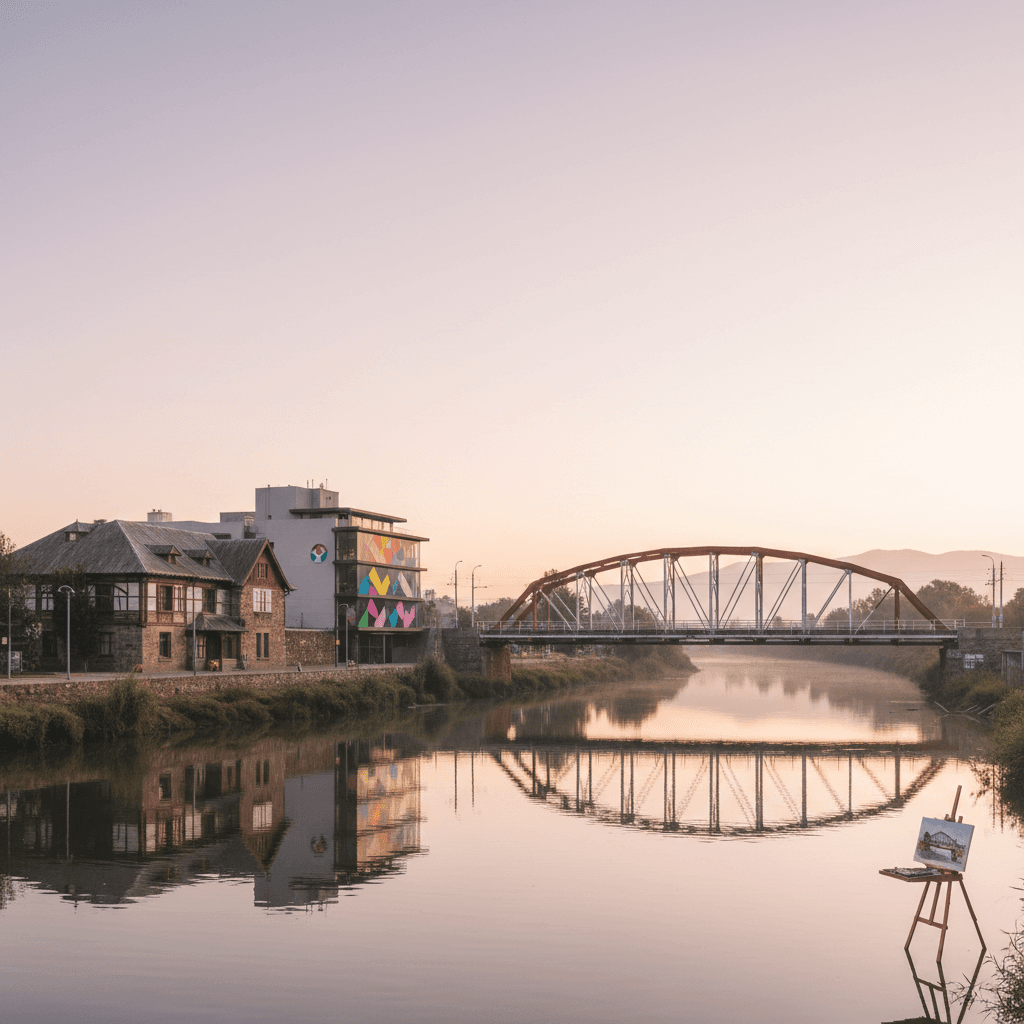
Neuquén
🇦🇷 Argentina
The Vibe: Patagonia’s Practical Hub
If you are looking for the frantic energy of Buenos Aires, you won't find it here. Neuquén is a city built on utility and a slow, steady pace. It serves as the gateway to the wilder parts of Patagonia, but it feels more like a modern, mid sized administrative center than a rugged mountain outpost. Most nomads who land here are looking for a quiet home base where they can knock out deep work during the week and escape to the Andes or local wineries on the weekend.
The atmosphere is unpretentious and family oriented. You will see people sipping mate in the parks along the Limay River or grabbing a late dinner at a local parrilla. It is a place where life happens at 9:00 PM over a steak and a glass of Malbec. While the nomad community is small, there is a certain charm in being one of the few foreigners in town. You will need a bit of Spanish to get by, but the locals are generally welcoming to those who make the effort.
Cost of Living
One of the biggest draws is the price tag. You can live a very comfortable life here for a fraction of what you would spend in North America or Europe. Most digital nomads find that a budget of $2,542 per month covers a high end lifestyle, including a nice apartment and frequent dining out.
- Budget ($1,500): Focuses on shared housing, local empanada spots for $3 to $5 a meal, and using the public bus system.
- Mid-range ($2,000): Includes a private one bedroom apartment in the center, daily cafe visits, and a dedicated coworking membership.
- Comfortable ($3,000+): Covers a luxury flat, frequent rideshares, and high end dining where a steak dinner might run $25 or more.
Where to Set Up Camp
Since Neuquén is relatively compact, your choice of neighborhood dictates your daily rhythm. Most solo travelers and remote workers stick to the central areas to stay close to the better internet connections and coffee culture.
Centro (Downtown)
- Rent: $400 to $600 for a modern studio.
- Pros: Best walkability, highest concentration of cafes with reliable Wi-Fi, and easy access to shops.
- Cons: Can feel a bit noisy during the workday; higher rent than the outskirts.
The Riverfront (Paseo de la Costa)
- Rent: $350 to $500 for residential units.
- Pros: Incredible access to green spaces and the Limay River; great for runners and nature lovers.
- Cons: You will likely need to rely on Uber or DiDi to get into the city center for social events.
Connectivity and Work
The internet in Neuquén is surprisingly robust, averaging around 143 Mbps. This makes it one of the more reliable spots in Argentina for video calls and heavy uploads. While you won't find the massive coworking hubs of larger cities, spaces like Malón Coworking or regional hubs provide a professional environment for about $100 to $200 a month.
Cafe culture is a strong 7/10. You can easily spend an afternoon working from a corner table with a "café con leche." Just make sure to have a Holafly eSIM ready as a backup, which usually costs between $20 and $50 depending on your data needs. Power reliability is solid, so you won't find yourself hunting for a generator during a deadline.
Getting Around and Staying Safe
The city is fairly walkable, scoring about a 65/100 for pedestrian friendliness. For longer trips, the public bus is a steal at roughly $0.50 per ride. If you are coming from the airport, a ride-hail app like Uber or a local taxi will get you to the center in about 20 minutes for under $20.
Safety is rarely a major concern here, especially compared to the bigger metros. Patagonia has a reputation for being secure, though you should still use common sense at night. Healthcare is accessible, with plenty of pharmacies and private clinics like those found in most mid sized Argentine cities. If you have an emergency, dial 107 for an ambulance or 101 for the police.
The Social Landscape
The biggest challenge for nomads is the social scene. With a community rating of 3/10, you won't find daily meetups or digital nomad mixers. You have to be proactive. Join local Facebook groups or strike up conversations at the riverside parks. The nightlife is decent but peaks late; don't expect bars to get moving until well after midnight. For a change of pace, the 180 day Digital Nomad Visa is a great path if you can show an income of $2,500, giving you plenty of time to integrate into the local rhythm.
The Bottom Line
Living in Neuquen is a study in Patagonian pragmatism. It isn't the rock-bottom bargain you might find in some northern provinces, but it offers a significantly higher quality of life for your dollar than Buenos Aires or popular hubs like Bariloche. Most digital nomads find they can live comfortably here for around $2,542 per month, though your mileage will vary depending on how much you lean into the local steak and wine scene.
The city operates on a tiered cost structure that rewards those who live like locals. If you're sticking to a budget of $1,500, you'll likely be looking at shared housing and a diet heavy on empanadas and street food. Stepping up to $2,000 secures a private one bedroom apartment in the center and regular visits to the city's solid mid-range grills. For those with $3,000 or more to spend, Neuquen feels like luxury, covering upscale riverside dining and frequent rideshares.
Housing and Neighborhoods
Rent is your biggest variable. In the Centro (Downtown), where most nomads gravitate for the proximity to cafes and coworking vibes, a modern studio or one bedroom usually runs between $400 and $600. It's the most walkable part of town, though it carries the highest price tag and the most noise.
- Centro: Best for solo travelers. You pay a premium for amenities and reliable transit, but you'll save on transport costs.
- Residential Outskirts: Better for families or those staying long-term. Prices drop to $300 to $500, but you'll feel isolated without a car.
- Riverside Areas: Perfect for nature lovers. It's quieter and greener, though the nomad community is almost non-existent in these pockets.
Expats usually find their feet using platforms like Airbnb for the first month, then scouring Facebook groups or local sites like Olx to find better long-term rates. Keep in mind that the Argentina Digital Nomad Visa requires proof of income around $2,500 per month, which aligns perfectly with a comfortable lifestyle here.
Eating and Socializing
Neuquen has a surprisingly sophisticated food scene. You can grab quick street food or a pack of empanadas for $3 to $5. A standard meal at a mid-range restaurant will set you back about $10 to $15, while a high-end dinner with Patagonian wine usually starts at $25.
The social scene is more about coffee and afternoon mate than wild clubbing. Expect to spend about $100 to $200 a month if you want a dedicated desk at a coworking space. If you prefer the cafe crawl, the city's coffee culture is strong, though you'll want a Holafly eSIM (roughly $20 to $50) to ensure you aren't always hunting for a Wi-Fi password.
Getting Around
The city is reasonably walkable, scoring a 65 out of 100 on most scales. Public buses are the budget choice at roughly $0.50 per ride. For convenience, most expats use Uber or DiDi, with typical cross-town trips costing between $5 and $10. If you're arriving at Neuquen Airport (NQN), a ride to the city center takes about 20 minutes and costs $10 to $20. For weekend escapes to the mountains or nearby wineries, budget about $5 a day for occasional bike rentals or look into regional bus lines that head into the Andes for a few dollars.
For Digital Nomads: Centro
If you are coming to Neuquen to work, you will want to park yourself in the Centro (Downtown) district. This is the heartbeat of the city where the 143 Mbps internet is most reliable and the cafe culture is strongest. It is a compact area that makes up for the city's average walkability score of 65/100 by putting everything you need within a ten block radius.
Most nomads gravitate toward the apartments near Avenida Argentina. You will be close to local hubs like the Impact Hub style coworking spaces where desk rentals hover between $100 and $200 per month. For a mid range lifestyle here, expect to budget around $2,000 a month, which covers a central one bedroom apartment and plenty of meals at the city's solid 7/10 rated restaurants.
- Rent: $700 to $1000 for a modern studio or 1BR.
- Vibe: Practical, efficient, and filled with coffee shops for laptop work.
- Best for: Reliable WiFi, networking, and easy access to public buses.
For Solo Travelers and Nature Lovers: Paseo de la Costa
For those who prioritize a morning run over a central commute, the area near the Limay River and the Paseo de la Costa is the place to be. Neuquen shines when it comes to green spaces, and this neighborhood offers the best access to the waterfront trails. It is quieter than the city center, but the trade off is a much higher quality of life if you enjoy the outdoors.
Solo travelers often find the community here a bit thin, as the nomad scene is still developing with a 3/10 community rating. However, the proximity to the river makes it easy to meet locals during the evening "mate" ritual. You will likely rely on ride hailing apps like Uber or DiDi to get into the center, which usually costs between $5 and $10 per trip.
- Rent: $800 to $1100 for apartments with better views.
- Vibe: Relaxed, scenic, and active.
- Best for: Runners, cyclists, and anyone who wants to escape the urban heat.
For Expats and Long Term Residents: Alta Barda
Expats looking for a more permanent feel often look toward the northern residential hills like Alta Barda. This area feels more like a traditional neighborhood and less like a transit zone. It is safer, cleaner, and offers a break from the 28°C summer heat found in the concrete heavy downtown core.
Living here requires a bit more planning since you are further from the main amenities. Most residents in this tier opt for a "Comfortable" budget of $3,000 or more, allowing for private transport and larger living spaces. It is a great spot if you are applying for the 180 day Digital Nomad Visa and need a quiet base to prove your $2,500 monthly income requirement.
- Rent: $300 to $500 for larger, older houses or quiet apartments.
- Vibe: Suburban, quiet, and very local.
- Best for: Peace and quiet, lower rent, and long term stays.
For Families: Santa Genoveva
Santa Genoveva is widely considered one of the most prestigious and family friendly pockets of the city. It strikes a balance between being close to the Centro amenities and having the safety and quiet that parents look for. The streets are lined with trees, and the 7/10 street cleanliness rating is most apparent in these residential blocks.
Families will appreciate being near the better private clinics and schools. While the nightlife in Neuquen is a bit tame at a 6/10, this neighborhood is perfect for those who prefer a nice dinner at 9:00 PM followed by a quiet walk home. If you are moving with a family, a budget of $3,000+ ensures a high end apartment and frequent rideshares to navigate the city comfortably.
- Rent: $600 to $900 for multi bedroom units.
- Vibe: Upscale, safe, and family oriented.
- Best for: Safety, proximity to parks, and high end dining.
Connectivity and Speed
Neuquén might feel like a quiet Patagonian outpost, but its digital infrastructure tells a different story. You'll find surprisingly robust internet speeds here, with averages hovering around 143 Mbps. This makes the city a reliable base for heavy Zoom users or developers who need to push large chunks of code without the lag often found in smaller mountain towns.
Most apartments in the central district come equipped with fiber optic connections. Power reliability is high, so you won't deal with the frequent blackouts that plague other parts of South America. If you're planning to work from your rental, just double check that your host hasn't capped the speed at a lower tier.
Coworking Spaces and Community
The coworking scene in Neuquén is functional and professional, though it lacks the high energy social buzz of Buenos Aires. You can expect to pay between $100 and $200 per month for a dedicated desk. While major international chains haven't fully saturated the market yet, local players provide the basics: ergonomic chairs, air conditioning, and decent coffee.
- Malón Coworking: These regional style spaces offer the most modern amenities you'll find in the city, providing a reliable environment for remote work.
- Local Business Centers: Often found near the city center, these are quieter and cater more to local professionals than digital nomads.
The nomad community here is still in its infancy, currently rated about a 3 out of 10 for social density. You won't find a different meetup every night. Instead, most remote workers connect through Argentina wide Facebook groups or by striking up conversations at the few high end coffee shops in the downtown core.
The Cafe Office Culture
Neuquén has a strong cafe culture, and most shop owners are happy to let you linger over a cortado for a few hours. The WiFi in these spots is generally reliable enough for light tasks, though for important meetings, sticking to a coworking space is the safer bet. Locals take their coffee seriously, so the quality is high even if the "work from cafe" trend is still catching on.
Most nomads recommend the shops near the central parks or the downtown business district. These areas have the best walkability and the highest concentration of laptop friendly tables. Just be prepared for the afternoon siesta; some smaller spots might close for a few hours mid day, though larger chains and modern cafes usually stay open.
Mobile Data and SIM Cards
Don't rely solely on public WiFi. For a seamless experience, expats recommend grabbing a local SIM or an eSIM before you arrive. It's the best way to stay connected while exploring the nearby river walks or heading out for a weekend in the Andes.
- Holafly eSIM: The easiest "set it and forget it" option. You'll pay between $20 and $50 per month depending on your data needs. It works as soon as you land.
- Personal or Movistar: If you're staying longer than a month, getting a local physical SIM is cheaper. You'll need your passport to register at a flagship store.
- Data Coverage: 4G is consistent throughout the city, though it drops off quickly once you head into the rural Patagonian steppe.
Practical Costs for Remote Workers
Budgeting for your setup in Neuquén is straightforward. Since the city is more affordable than Western hubs, your "office" overhead remains low. A mid range lifestyle here usually totals around $2,000 per month, which leaves plenty of room for a high quality workspace and a comfortable apartment.
- Monthly Coworking: $100 to $200 for a full time membership.
- Daily Pass: $10 to $15 for occasional users.
- Coffee and a snack: $4 to $6 at a mid range cafe.
- Home Internet: Usually included in your $400 to $600 monthly rent for a central studio.
Staying Safe in Neuquen
Neuquen is generally considered one of the safer urban hubs in Argentina. It lacks the frantic energy of Buenos Aires, which translates to a lower rate of petty crime, though you should still keep your wits about you. Most nomads feel comfortable walking the central streets during the day, but it is smart to stick to well lit areas once the sun goes down. Local residents suggest avoiding isolated spots near the river or the outskirts late at night if you are solo.
The city feels lived in and practical. Street cleanliness is high, and the public spaces are well maintained. If you run into trouble, the local police can be reached by dialing 101. For medical emergencies, dial 107 to reach an ambulance. While serious incidents involving expats are rare, it is common practice to keep your phone and wallet tucked away rather than sitting on a cafe table, just like in any mid sized city.
- Emergency Police: 101
- Medical Emergencies: 107
- Safety Tip: Use ride hailing apps like Uber or DiDi for late night trips rather than walking long distances.
- Travel Insurance: Most long term travelers recommend a plan that covers medical evacuation, as specialized care might require a trip to the capital.
Healthcare Services
The healthcare system in Neuquen is reliable for most routine needs and minor emergencies. You will find a mix of public hospitals and private clinics. Most expats prefer private facilities because they often have shorter wait times and modern equipment. If you have a digital nomad visa or private international insurance, you will likely be visiting clinics in the downtown area.
Pharmacies are everywhere and are easy to spot by their illuminated green crosses. Many basic medications that require a prescription in the US or Europe are available over the counter here, though you should always consult with the pharmacist first. For anything specialized, keep in mind that English proficiency among medical staff is hit or miss. Having a translation app like Google Translate with an offline Spanish pack is a lifesaver during a doctor visit.
Health & Wellness Requirements
If you are applying for the Argentina Digital Nomad Visa, which allows for a 180 day stay, you must prove you have health insurance that covers you within the country. This is a standard part of the application process along with proving an income of at least $2,500 per month. The local tap water is generally safe to drink, but many nomads prefer bottled or filtered water for the taste, especially when first arriving.
- Private Clinics: Look for facilities in the Centro area for the fastest service.
- Pharmacies: Widely available; look for "Farmacia" signs.
- Vaccinations: No specific shots are required for Neuquen, but stay up to date on routine boosters.
- Air Quality: Generally excellent, though it can get quite dusty and windy during the spring months.
Daily Wellbeing
The dry Patagonian climate is a major plus for your health, but the sun is stronger than you might expect. Locals recommend high SPF sunscreen even on cooler days. If you find the wind and dry air irritating your skin or eyes, local pharmacies stock plenty of hydrating drops and creams. Overall, the pace of life here is conducive to a healthy lifestyle, with easy access to the Limay River parks for jogging and cycling to clear your head after a work session.
Navigating Neuquén
Neuquén isn't a city that demands a complex transit strategy. It’s a practical, mid-sized hub where the layout is relatively flat and the traffic is manageable compared to the chaos of Buenos Aires. Most nomads find that while the city isn't perfectly walkable, the core areas are compact enough that you won't spend your life in the back of a car.
The city's walkability score sits around 65/100. If you base yourself in the Downtown (Centro) area, you'll be within a ten to fifteen minute stroll of most coworking spots, cafes, and grocery stores. However, if you're heading toward the riverfront or the residential outskirts for some nature, you'll need wheels.
Public Buses and the SUBE Card
The local bus system is the backbone of Neuquén’s transit. It’s efficient and generally costs between $1.00 to $1.50 per ride. To use the buses, you’ll need a SUBE card, the same rechargeable smart card used throughout Argentina. You can pick these up at local kiosks (look for the blue SUBE stickers in shop windows) and top them up with cash.
Expats recommend downloading the Cuándo Pasa app or using Google Maps to track routes. While the buses are reliable, they can get crowded during the afternoon siesta rush when everyone is heading home or back to work. If you're traveling to nearby towns in the valley for winery tours, intercity buses depart regularly from the main terminal (ETON) on the western side of the city.
Ride-Hailing and Taxis
When you don't feel like navigating the bus routes, ride-hailing is the go-to. Uber and DiDi both operate here, though availability can fluctuate depending on the time of day. A typical cross-city trip usually lands between $5 and $10.
- Taxis and Remises: You'll see traditional taxis (yellow) and remises (private car services) everywhere. They’re metered and generally safe. Many locals prefer remises for pre-booked trips to the airport.
- Safety Tip: Most drivers don't carry much change, so try to have smaller bills if you aren't paying through an app.
Cycling and Scooters
Neuquén has been making strides in becoming more bike-friendly, especially near the Paseo de la Costa. This riverfront area is perfect for cycling, but the infrastructure in the deep city center can be a bit fragmented. You can find bike or scooter rentals through apps like Muvo, which typically cost around $5 for a day of use. It’s a great way to explore the green spaces, but be cautious of drivers who aren't always used to sharing the lane with cyclists.
Getting to and from the Airport
Neuquén Airport (NQN) is conveniently close to the action. It's only about 15 to 20 minutes from the city center. A taxi or ride-hail from the terminal to your apartment will cost between $10 and $20. There isn't a dedicated luxury airport shuttle, so most travelers just grab a car at the curb or book an Uber upon landing. If you're on a strict budget, some local bus lines pass near the airport, but it's a hassle with luggage.
The Cost of Movement
Transport is one of the most affordable parts of living here. Even if you rely heavily on private cars, your monthly spend is unlikely to put a dent in a $2,500 budget.
- Bus Ride: $1.00 - $1.50
- Short Taxi Trip: $5
- Daily Bike Rental: $5
- Airport Transfer: $15
Most nomads find that a mix of walking the Centro and using ride-hailing for evening outings or river trips provides the best balance of convenience and cost. The city is manageable enough that you'll feel like a local within your first week of navigating the streets.
The Language Landscape
In Neuquén, Spanish is the undisputed king. Unlike the tourist corridors of Bariloche or the international hub of Buenos Aires, this is a working Patagonian city where English remains a rarity. You'll find a smattering of English speakers in high-end hotels or among the younger tech crowd, but for daily life, you're going to need the basics. Most nomads find that a translation app with an offline mode, like Google Translate, is a lifesaver for grocery runs and pharmacy visits.
The local accent is generally clearer than the thick, Italian-influenced "Rioplatense" Spanish found in the capital. People here speak at a slightly more manageable pace, though they still use the "voseo" (using vos instead of tú). This makes Neuquén a fantastic place to actually learn the language because you're forced to use it, and locals are typically patient with learners.
Key Phrases for the Daily Grind
Since you won't be able to rely on English for most transactions, keep these phrases in your back pocket. They'll get you through about 90% of your daily interactions:
- ¿Tenés Wi-Fi?: Do you have Wi-Fi? (Crucial for cafe hopping).
- ¿Cuánto cuesta?: How much does it cost?
- La cuenta, por favor: The bill, please.
- ¿Dónde está...?: Where is...?
- No hablo mucho español: I don't speak much Spanish.
Staying Connected
Communication isn't just about what you say; it's about staying online. Neuquén actually punches above its weight here with average speeds of around 100 Mbps. For your phone, expats recommend skipping the hassle of local brick-and-mortar shops if you have a compatible device. A Holafly eSIM is the easiest path, costing between $20 and $50 for a month of data depending on your needs. It lets you skip the paperwork that often comes with getting a local SIM as a non-resident.
If you prefer a local physical SIM, look for Claro or Personal kiosks. You'll need your passport, and you'll likely have to visit a pharmacy or a "kiosco" to top up your credit, a process locals call "cargar crédito." For messaging, WhatsApp is the universal standard. Whether you're booking a table at a restaurant or talking to a landlord about a studio apartment, don't bother calling; just send a voice note or a text.
Social Communication and Etiquette
The social vibe in Neuquén is practical and family-oriented. Since the nomad community is small, rated around a 3/10 for density, you won't find many "digital nomad meetups" on every corner. Instead, communication happens in the 7/10 rated cafe scene or at the green spaces along the river. Expats often join Argentina-wide Facebook groups to find others in the region, as the local expat scene is quite intimate.
One thing to master is the timing of communication. If you're trying to reach a local business or a landlord, keep in mind the "siesta" hours. Many spots close between 1:00 PM and 4:30 PM, reopening late into the evening. Dinners usually don't start until 9:00 PM or later, so if you're looking for social interaction, don't head out too early. Showing up for a meal at 7:00 PM is a surefire way to be the only person in the room.
Navigating Officialdom
If you're applying for the 180-day Digital Nomad Visa, communication becomes a bit more formal. You'll need to show proof of income around $2,500 per month. Most of this process is handled through official government portals, which are almost entirely in Spanish. If your language skills aren't up to par, this is the one time travelers recommend hiring a local fixer or using a heavy-duty browser translator to ensure you don't miss a deadline or a document requirement.
The Patagonian Sweet Spot
Neuquén doesn't experience the bone chilling extremes you might associate with deep southern Patagonia. Instead, it enjoys a semi arid climate that keeps things dry and manageable for most of the year. If you're coming from the humidity of Buenos Aires, the crisp, clear air here will be a welcome change of pace for your lungs and your laptop.
Most nomads find the sweet spot for a visit falls between December and March. During these summer months, daily highs hover around 28°C to 30°C. It's the perfect window for finishing a morning deep work session and heading out to the riverbanks or nearby parks for a late afternoon picnic. The sun stays up late, giving you plenty of daylight to explore the surrounding wineries or hiking trails after the workday ends.
Seasonal Breakdown
- Summer (December to February): This is peak season. Expect dry heat and plenty of sunshine. It's the best time for outdoor enthusiasts, though you'll want to ensure your accommodation has decent cooling.
- Autumn (March to May): The temperatures begin to dip into the 15°C to 20°C range. The wind can pick up, but the changing colors in the valley make it a beautiful, quiet time for focused work.
- Winter (June to August): It gets chilly, with highs often struggling to pass 10°C or 15°C. While it rarely snows heavily in the city itself, the damp cold and wind mean you'll be spending most of your time in cafes or coworking spaces.
- Spring (September to November): A transitional period where the weather is unpredictable. You might get a 25°C day followed by a brisk, windy afternoon. It's affordable and uncrowded, making it a solid choice for budget conscious travelers.
When to Book
If your goal is to maximize the Patagonian lifestyle, aim for a January arrival. You'll catch the city at its liveliest, even if the "nightlife" here is more about long dinners and craft beers than clubbing. The dry heat makes the 28°C average feel much more comfortable than the same temperature in a coastal city.
Expats recommend avoiding the dead of winter in July unless you're using Neuquén strictly as a low cost base to reach the ski resorts further west. The city can feel a bit grey during these months, and the lack of a massive expat community means social options dwindle when everyone stays indoors to avoid the wind.
Practical Climate Tips
- The Wind Factor: In Neuquén, the wind is a permanent resident. Even on a sunny day, a sudden gust can drop the perceived temperature quickly. Always keep a light windbreaker in your bag.
- Hydration is Key: Because the air is so dry, you'll find yourself reaching for water more often than usual. It's great for your hair and skin compared to humid climates, but keep a bottle on your desk.
- Rainfall: You won't need to worry much about rain ruining your plans. Rainfall is minimal year round, so you can leave the heavy umbrella at home.
Ultimately, the best time to visit is whenever you want to trade the chaos of a metropolis for a steady, sun drenched pace of life. For the typical nomad, December through March offers the most reliable weather for balancing a 40 hour work week with the rugged beauty of the region.
Budget and Living Costs
Living in Neuquén is a breath of fresh air for your wallet, especially if you are coming from North America or Europe. You can live a very comfortable lifestyle here for about $2,542 a month, which covers a private apartment, plenty of dining out, and a dedicated desk at a coworking space. If you are on a tighter budget, you can get by on $1,500 by sharing housing and sticking to the city's excellent street food scene.
- Budget ($1,500): Shared housing, public buses, and heavy rotation of $3 to $5 empanadas.
- Mid-range ($2,000): A private one bedroom in the center, a mix of home cooking and $15 restaurant meals, plus a coworking membership.
- Comfortable ($3,000+): A high end apartment, daily rideshares, and frequenting the city’s upscale $25+ dining spots.
Where to Plant Your Flag
The city is compact, so choosing a neighborhood depends mostly on how much you value peace versus proximity to a flat white. Most nomads gravitate toward Centro (Downtown). It is the most walkable part of the city and keeps you close to the best cafes and the few coworking hubs available. You will pay a bit more here, usually between $400 and $600 for a studio or one bedroom, but the convenience is worth it.
If you prefer a view of the water, look for spots near the Limay River. These areas offer incredible access to green spaces and running paths, though you will likely need a bike or a ride hailing app to get into the heart of the city for work. For those staying long term, the residential outskirts are much quieter and cheaper, with rents dipping as low as $300, but the lack of a "nomad vibe" can feel a bit isolating.
Internet and Productive Spaces
Work wise, Neuquén punches above its weight. The internet is surprisingly snappy, averaging 143 Mbps, which is plenty for heavy video calls or uploading large files. While you won't find a coworking space on every corner like in Palermo, Buenos Aires, there are reliable regional hubs where a desk goes for $100 to $200 a month. Most locals and travelers use Holafly eSIMs for mobile data, which cost between $20 and $50 depending on your plan.
The cafe culture is strong here. You will find plenty of spots with solid WiFi and a high tolerance for laptops. Just remember that the local pace is slower; don't expect lightning fast service during the afternoon siesta hours.
Getting Around
Neuquén is relatively easy to navigate. A bus ride is a steal at about $0.50, and they cover most of the city effectively. For late nights or when you are in a rush, Uber and DiDi are the go to apps. A typical trip across town will set you back $5 to $10. If you are flying in, the Neuquén Airport (NQN) is only about 20 minutes from the center. A taxi or rideshare from the terminal usually costs between $10 and $20.
Health and Logistics
Healthcare in the city is reliable, with a mix of public and private hospitals that handle routine issues and emergencies well. Pharmacies are everywhere, but it is wise to have your own travel insurance for peace of mind. In an emergency, dial 107 for an ambulance or 101 for the police.
English isn't widely spoken once you step out of the main tourist hotels, so keep Google Translate handy. Learning a few basics like "¿Cuánto cuesta?" (How much?) will go a long way. Also, keep in mind that Argentina now offers a Digital Nomad Visa. It lasts for 180 days and is renewable, provided you can show a monthly income of at least $2,500. It is a great way to stay legal while enjoying the Patagonian lifestyle.
The Social Scene
Building a community here takes a bit of effort. The nomad scene is small, so you won't find the massive meetup groups you see in larger hubs. Your best bet is joining Argentina wide expat groups on Facebook or strike up a conversation at the local climbing gym or riverside parks. Locals are generally friendly and family oriented, but they eat late. Do not expect to see a restaurant get busy before 9:00 PM. Sharing a mate tea is the ultimate local icebreaker, so if someone offers you a sip, take it as a sign you are being welcomed into the fold.
Need visa and immigration info for Argentina?
🇦🇷 View Argentina Country GuideHidden Gem
Worth the effort