Naga City
🇵🇭 Philippines
The Spirit of the Bicol Heartland
Naga City isn't your typical Philippine postcard. You won't find the turquoise-water obsession of Siargao or the glass-and-steel grind of Makati here. Instead, Naga offers a grounded, soulful alternative. It feels like a university town that grew up without losing its provincial heart. There is a specific rhythm to life here, driven by the spicy kick of Bicolano cuisine and a deep-seated devotion to local tradition, most notably the massive Peñafrancia festival every September.
For nomads, the draw is the balance between "real life" and adventure. You can spend your morning working from a quiet cafe in the city center and your afternoon soaking in the hot springs at the foot of Mt. Isarog. It is significantly more affordable than the tourist hubs, though you trade away some of the polished infrastructure found in bigger cities. If you can handle the occasional power flicker and the slower pace of the "Bahala na" lifestyle, Naga rewards you with a community that feels genuinely welcoming rather than just transactional.
Cost of Living Breakdown
Your pesos go much further here than in Manila or Cebu. Most nomads find they can live comfortably on $1,200 to $1,800 per month without trying too hard to save.
- Budget Lifestyle ($800 to $1,200/mo): You will likely stay in a studio in residential areas like San Jose for around ₱10,000 to ₱15,000. Meals at street stalls or local "carinderias" cost about ₱50 to ₱100, and you will rely on ₱12 jeepney rides to get around.
- Mid-Range Lifestyle ($1,200 to $1,800/mo): A modern 1-bedroom in Pacol or the Centro area runs ₱20,000 to ₱30,000. You can eat out at nice spots like Small Talk Cafe for ₱300 and use Grab for most trips.
- High-End Lifestyle ($1,800+/mo): Luxury rentals in gated communities or top-tier condos can exceed ₱40,000. You will be dining at upscale hotels and likely renting a private vehicle or scooter for weekend trips to the Caramoan Islands.
Where to Plant Your Flag
Naga is compact, but each pocket has a different energy. Centro is the heart of the action. It is walkable and puts you within striking distance of the best cafes and the university crowd. The downside is the noise and the afternoon humidity trapped between buildings. Most nomads prefer this area for the reliable access to fiber internet in newer buildings.
If you want more breathing room, look toward Pacol or the area surrounding Ateneo de Naga University. These neighborhoods are greener, quieter, and feel safer for solo evening walks. You will be further from the nightlife, but the air is cooler and the views of the mountain are better. San Jose is the go-to for long-termers on a strict budget, though it requires a bit more effort to commute into the city for social events.
Connectivity and Productivity
Internet is the main hurdle in Naga. While fiber is becoming standard in Centro condos, it can be spotty during the rainy season. Most expats recommend a "dual-SIM" strategy, carrying both Globe and Smart backups. An unlimited data plan usually costs around ₱999 per month and is a life-saver when the local WiFi decides to take a nap.
The coworking scene is still emerging. You won't find the massive hubs of Manila, but the cafe culture is strong. Local favorites like Small Talk Cafe serve as the unofficial offices for local creatives. The Ateneo de Naga campus area also has pockets of productivity where you can find decent speeds and a desk for the day for about ₱200 to ₱400.
Practical Realities
Safety is rarely a concern here. Naga consistently ranks as one of the safer cities in the Philippines, sharing a similar reputation to Davao. Healthcare is solid for the region, with Naga Medical Center handling most needs, and Mercury Drug stores are on almost every major corner. For getting around, Grab is your best friend for reliability, but learning the local tricycle routes is the key to feeling like a local. If you are staying long-term, the Digital Nomad Visa launched in 2025 is the smoothest path, requiring proof of remote income and private health insurance.
Socially, the city is low-key. Nightlife centers around the bars near SM City Naga, but the best way to meet people is through Facebook groups or at the mountain trailheads on Saturday mornings. English proficiency is incredibly high, so you will have no trouble negotiating rent or making friends at the bar. Just remember to pack a high-quality power bank; the Bicol region is beautiful, but the power grid can be temperamental during typhoon season from June to October.
The Price of Bicolano Life
Naga City is the ultimate "middle ground" for nomads who find Manila too chaotic and Siargao too expensive. It’s a university town at heart, which means prices stay anchored to a local student budget rather than inflated tourist rates. You can expect your monthly expenses to sit about 30% to 40% lower than they would in Cebu or Makati.
Most remote workers find they can live comfortably on $1,200 to $1,500 per month. This covers a modern apartment, daily cafe visits, and frequent weekend trips to the nearby mountains or coast. If you’re on a tighter grind, $800 is doable if you stick to local carinderias (eateries) and modest housing in neighborhoods like San Jose.
Monthly Budget Breakdowns
The Budget Nomad (approx. ₱50,000 / $850)
- Housing: ₱12,000 for a basic studio or room in a shared house.
- Food: ₱15,000 by eating at local stalls (₱60 to ₱100 per meal).
- Transport: ₱3,000 using jeepneys and local trikes.
- Internet: ₱2,000 for a high tier mobile data plan and occasional cafe coffee.
The Mid-Range Professional (approx. ₱85,000 / $1,450)
- Housing: ₱25,000 for a 1-bedroom apartment in a newer building near Centro.
- Food: ₱25,000 mixing home cooking with dinners at spots like Small Talk Cafe.
- Transport: ₱8,000 using Grab or hiring private cars for errands.
- Coworking: ₱7,000 for a dedicated desk or daily passes at local hubs.
Key Living Costs
Eating out is where Naga really shines. A plate of spicy Bicol Express at a street stall costs about ₱80, while a high end dinner for two at a nice bistro rarely crosses the ₱1,500 mark. If you're a coffee shop worker, a latte is usually around ₱140 to ₱180.
Utilities can be a wild card. Electricity is notoriously pricey across the Philippines. If you run your air conditioning 24/7 to beat the humidity, expect your bill to jump by ₱4,000 to ₱6,000. Most nomads recommend choosing an apartment with good natural ventilation or just using the AC at night to keep costs down.
Logistics and Connectivity
Since Naga isn't a massive nomad hub yet, you won't find a coworking space on every corner. Most people set up shop in cafes near Ateneo de Naga University or SM City Naga. Fiber internet is available in most central apartments, but it's smart to have a backup. Grab a Globe or Smart SIM for about ₱50 and load it with a "PowerSurf" or "Magic Data" plan for roughly ₱500 to ₱1,000 a month. This ensures you stay online when the local grid decides to take a break.
For getting around, the Grab app is your best friend for cars, but the local experience involves the tricycle. A short trip across town usually costs ₱20 to ₱50. If you’re planning to stay for a few months, look into a scooter rental, which typically runs about ₱300 per day, though you can often negotiate a monthly rate of ₱6,000 with locals.
The Digital Nomad Visa
If you're planning to make Naga your base for the long haul, the Philippine Digital Nomad Visa is the way to go. Launched in 2025, it allows you to stay for 12 months with the option to renew for another year. You'll need to show proof of remote income (at least $24,000 annually) and have valid health insurance. It’s a much better alternative to the traditional "visa run" every few months.
Naga City doesn't usually make the front page of digital nomad blogs, but that's exactly why it appeals to a certain type of remote worker. It's a mid sized university hub where the cost of living stays low and the Bicolano hospitality stays high. You won't find the polished skyscraper vibe of Manila's BGC here. Instead, you get a city that feels like a large town, where the spicy scent of Bicol Express wafts from local eateries and Mount Isarog looms on the horizon.
The city's layout is relatively compact, but where you park your laptop depends on how much you value peace versus proximity to a decent latte. While the 2025 Digital Nomad Visa has made long term stays easier, the infrastructure is still catching up. Most expats recommend staying close to the city center to ensure you have access to the most reliable fiber internet connections.
Best for Nomads and Remote Workers: Centro
If you're here to work, Centro is your best bet. This is the city's heartbeat, anchored by Ateneo de Naga University. You'll be within walking distance of the most reliable cafes and the few emerging coworking spots. It's the most walkable part of town, though you'll have to deal with the constant hum of tricycles and jeepneys.
- Rent: Expect to pay ₱20,000 to ₱30,000 for a decent 1BR apartment or a modern condo unit.
- Vibe: High energy, student heavy, and very convenient.
- Connectivity: This is where you'll find the best fiber coverage. Cafes like Cartel Deli or those near the university are popular for afternoon sessions.
- Pros: Everything is accessible; best food options; highest concentration of English speakers.
- Cons: Noisy; traffic can get congested during rush hour; air quality is lower than the outskirts.
Best for Expats and Long Termers: Magsaysay District
Magsaysay Avenue is the "lifestyle" strip of Naga. It caters to a crowd that wants a bit more comfort and nightlife. Most expats gravitate here because it balances residential quiet with easy access to the city's best bars and international dining. It's more polished than Centro but still feels authentically local.
- Rent: ₱25,000 to ₱35,000 for a mid range house or upscale apartment.
- Vibe: Social and trendy. This is where you go for a craft beer or a late night meal after a long workday.
- Food: A mix of local Bicolano spots and westernized bistros. Meals here usually run ₱200 to ₱500.
- Pros: Best social scene; safer feel; better quality housing.
- Cons: Slightly more expensive; requires a tricycle or Grab to get to the main markets.
Best for Families: Pacol and San Felipe
For those traveling with a family or just looking for a backyard, the uphill neighborhoods like Pacol are the way to go. These areas sit at the foot of Mount Isarog, offering cooler breezes and a significant break from the city heat. It's a suburban environment where kids can actually play outside.
- Rent: ₱15,000 to ₱25,000 for a multi bedroom house in a gated subdivision.
- Vibe: Quiet, green, and residential.
- Transport: You'll likely want to rent a scooter or car. A monthly rental usually costs around ₱6,000.
- Pros: Much quieter; cleaner air; close to nature trails and hot springs.
- Cons: Internet can be hit or miss; long commute to the city center; very limited food delivery options.
Best for Solo Travelers on a Budget: San Jose
If you're looking to stretch your dollars as far as they'll go, San Jose offers a gritty, authentic look at Naga life. It's mostly residential and lacks the "nomad" amenities found in Centro, but the prices are unbeatable. It's a great spot if you're comfortable using GCash for everything and navigating the local jeepney routes.
- Rent: You can find basic studios for ₱10,000 to ₱15,000.
- Food: Street food and local "carinderias" will feed you for under ₱100 per meal.
- Vibe: Very local and unpretentious.
- Pros: Extremely affordable; deep immersion in Bicolano culture.
- Cons: Frequent power fluctuations; spotty WiFi; very few people speak fluent English compared to the university areas.
Regardless of where you land, pick up a local Globe or Smart SIM immediately. Most nomads find that having a backup data signal is the only way to survive the occasional brownouts or ISP hiccups that happen during the rainy season from June to October. If you need a break from the screen, the Caramoan Islands are a few hours away for a weekend reset.
Connectivity Realities
Naga City is still flying under the radar compared to Philippines heavyweights like Siargao or Makati. While you won't find a massive community of remote workers here yet, the infrastructure is surprisingly capable if you know where to look. Fiber internet is the standard for most modern condos and houses in the Centro and Magsaysay areas, typically hitting speeds between 30Mbps and 100Mbps.
The biggest hurdle isn't speed, it's stability. Like much of the Bicol region, Naga is prone to power interruptions, especially during the typhoon season from June to October. Most seasoned nomads here treat a high capacity power bank and a secondary data source as mandatory kit. If the house WiFi drops, you'll want to have both Globe and Smart SIM cards ready. A monthly unlimited data promo usually runs around ₱999 ($17) and acts as a reliable failover.
Coworking Spaces and Work-Friendly Cafes
You won't find the sprawling, multi floor coworking hubs common in Manila, but the local scene is growing around the university crowds. Ateneo de Naga and the surrounding streets are your best bet for finding a desk. These spaces are often more functional than flashy, catering to students and local entrepreneurs who require the air conditioning and reliable backup power that home rentals sometimes lack.
Mobile Data and Digital Tools
Digital nomads in Naga rely heavily on GCash or Maya for almost every transaction. From paying for your spicy Bicol Express at a local eatery to topping up your data, these apps are the lifeblood of the local economy. Most expats recommend using Wise to transfer funds into these local wallets to avoid the high fees at physical ATMs, which can sometimes run out of cash during festival weekends like Peñafrancia in September.
For getting around between work sessions, Grab is the most reliable app for cars, though the local tri-mobiles are faster for short hops across the city. A typical ride within the city core rarely exceeds ₱50 to ₱100. If you need to stay productive while moving, the 5G coverage from Smart is generally more robust in the downtown area, while Globe often performs better as you head toward the foothills of Mt. Isarog.
Digital Nomad Visa and Logistics
The Philippines recently streamlined the process for remote workers with a specific digital nomad visa. This allows for a 12 month stay, which can be renewed for another year. To qualify, you'll need to show proof of an annual income of at least $24,000 earned from employers outside the Philippines. You also need to maintain valid health insurance for the duration of your stay.
If you're just testing the waters, the standard 30 day tourist visa is easily extendable at the Bureau of Immigration office. This gives you plenty of time to scout neighborhoods like Pacol for quieter, long term rentals. Most nomads find that a budget of $1,200 to $1,800 per month allows for a very comfortable lifestyle here, including a private apartment, daily cafe visits, and weekend trips to the nearby Caramoan Islands.
Staying Safe in the Heart of Bicol
Naga City feels significantly more relaxed than the frantic pace of Manila or Cebu. Most nomads find the city generally safe, often comparing its security to Davao. It lacks the aggressive solicitation found in major tourist hubs, but you should still keep your wits about you. Petty theft is rare but possible, so don't leave your laptop unattended in cafes or your phone sitting out on a table in high traffic areas.
The Centro district is busy and well lit, making it comfortable for walking even after the sun goes down. However, expats recommend avoiding the quieter outskirts or poorly lit residential streets late at night. If you're out late at a bar near SM City Naga, it's smarter to use a ride hailing app rather than wandering into unfamiliar neighborhoods. Local police are visible and generally helpful, but they don't see many westerners, so expect a bit of curious attention rather than hostility.
- Emergency Number: Dial 911 for immediate assistance.
- Local Apps: Keep Grab installed for tracked, safe rides home.
- Common Sense: Avoid wearing flashy jewelry or carrying large stacks of cash in public markets.
Healthcare Facilities and Standards
If you get sick, you aren't stranded. Naga is the medical hub for the Bicol region, meaning it has better facilities than the nearby beach towns or mountain areas. Naga City Hospital and Bicol Medical Center are the main public options, but they can be crowded and slow. Most digital nomads and expats head to private facilities like NICC Doctors Hospital or Mother Seton Hospital for faster service and more modern equipment.
For minor issues like a stomach bug or a skin rash, you'll find a Mercury Drug or Watsons pharmacy on almost every major corner. They are well stocked with familiar brands, though you'll need a local prescription for anything stronger than basic painkillers or antihistamines. Most doctors speak excellent English, so explaining your symptoms won't be a struggle.
Health Insurance and the Nomad Visa
If you're applying for the Philippine digital nomad visa, which began rolling out in 2025, having private health insurance is a non negotiable requirement. Even if you're just visiting on a standard tourist visa, local hospitals usually expect upfront payment or a solid guarantee from an international insurer before admitting you.
- Private Consultation: Expect to pay ₱500 to ₱1,000 for a walk in visit at a private clinic.
- Dental Care: High quality and very affordable; a standard cleaning usually costs around ₱1,000 to ₱1,500.
- Water Safety: Never drink the tap water. Stick to bottled water or the large blue 5 gallon jugs delivered to most apartments for about ₱35 to ₱50.
Environmental Health and Safety
The biggest safety concern in Naga isn't crime, it's the weather. The region is a bit of a magnet for typhoons, particularly between June and October. During these months, heavy rain can lead to localized flooding and power outages. It's a good idea to have a sturdy power bank and a small emergency kit with a flashlight. Most modern condos and coworking setups in the city center have backup generators, but it's always worth asking your landlord about their "brownout" plan before you sign a lease.
Air quality is generally better than in Manila, though the Centro area can get a bit smoky from jeepney exhaust during rush hour. If you have sensitive lungs, staying closer to the Pacol area near the base of Mt. Isarog offers much fresher air and a cooler breeze.
The Daily Commute
Naga isn't a massive metropolis, so you won't deal with the soul crushing gridlock of Manila. It's a compact city where the rhythm of life is dictated by the hum of tricycles and the colorful flow of jeepneys. Most nomads find that getting from a morning coffee session in Centro to a late afternoon hike near Mt. Isarog is surprisingly straightforward, provided you know which wheels to hail.
For short hops within the city, tricycles are the undisputed kings of the road. You'll see these sidecar motorcycles everywhere. A standard ride within the downtown core usually costs between ₱20 and ₱50. If you're heading further out to residential spots like Pacol, expect to pay a bit more. It's always smart to confirm the fare before you hop in to avoid any "foreigner tax" surprises at the end of the trip.
Public Transit and Apps
If you want the authentic Bicolano experience, jump on a jeepney. They follow set routes and are incredibly cheap, with fares starting around ₱12. They're perfect for getting to SM City Naga or the Ateneo de Naga area. While they don't have air conditioning, the open windows provide a breeze that makes the heat manageable.
For those who prefer a more private, climate controlled experience, Grab is your best friend. The app works reliably here, much like it does in Cebu or Davao. A typical car ride across town will set you back ₱100 to ₱200. It's the safest bet if you're carrying a laptop bag or heading out for a nicer dinner in the evening. Most expats recommend keeping GCash or Maya loaded on your phone, as many drivers now prefer digital payments over hunting for small change.
Longer Stays and Two Wheels
If you're planning to stick around for a few months, renting a scooter is a game changer. It gives you the freedom to explore the outskirts without haggling for every ride. Local rentals usually go for about ₱300 per day, though you can often negotiate a monthly rate of ₱5,000 to ₱7,000 if you're staying long term. Just be aware that Philippine roads can be unpredictable; wearing a helmet isn't just a legal requirement, it's common sense.
- Pili Airport (DPL): Located about 20 minutes from the city center. A taxi or Grab to your accommodation will cost roughly ₱300.
- Manila Connection: If you're skipping the flight, air-conditioned sleeper buses run the 12 hour route from Manila for about ₱1,000 to ₱1,500.
- Walkability: The Centro district is quite walkable, especially around the university and the cathedral, but the midday sun is brutal. Save your walking for the early morning or after 5:00 PM.
Regional Travel
Naga serves as the perfect base for exploring the wider Bicol region. The central bus terminal is the hub for vans and buses heading to the Caramoan Islands or the surfing spots in Bagasbas. Travelers often say the van rides are faster but can be a bit cramped, so if you've got long legs, aim for the larger buses. For weekend trips to nearby nature parks, hiring a private driver for the day is a popular move among nomad groups, usually costing around ₱2,500 to ₱3,500 including fuel.
The Local Tongue
In Naga, you'll hear a rhythmic, melodic language called Bikol. It's the primary tongue of the Bicol Region, and while it shares some roots with Tagalog, it’s distinct enough that even Manila locals might feel a bit lost. Fortunately, you won't need to be a polyglot to get around. Naga is a major university hub, anchored by institutions like Ateneo de Naga, which means the English proficiency here is exceptionally high. Most locals are bilingual or even trilingual, switching effortlessly between Bikol, Tagalog, and English.
You can expect menus, street signs, and official documents to be in English. Whether you're ordering a spicy Bicol Express at Small Talk Cafe or negotiating a monthly rate for an apartment in Centro, English will carry you through 95 percent of your interactions. That said, throwing out a few Bikol words is the fastest way to earn a smile and a "local price" at the public market.
- Dios marhay na aga: Good morning
- Salamat: Thank you (Same as Tagalog)
- Gurano ini?: How much is this?
- Namit!: Delicious!
Staying Connected
Internet reliability is the biggest hurdle for anyone working remotely in Naga. While fiber optic connections are becoming standard in newer condos and upscale residential areas like Pacol, the infrastructure can be temperamental. Power outages, or "brownouts," happen occasionally, and they usually take the Wi-Fi down with them. Most nomads here follow a "dual-SIM" rule, carrying both a Globe and a Smart SIM card to ensure they can tether to a mobile hotspot if the primary line fails.
For a reliable workspace, look for cafes with a proven track record. While the city doesn't have the massive coworking hubs you'll find in Makati or Cebu, student-friendly spots near the universities often have decent speeds. Expect to pay around ₱150 to ₱300 for a coffee and a few hours of bandwidth. If you're staying long-term, aim for a rental that explicitly offers a "converge" or "PLDT Home Fibr" connection, as these usually clock in between 20Mbps and 50Mbps.
Digital Essentials
Communication isn't just about talking; it's about the apps that keep the city running. If you're moving here, download these immediately:
- Messenger: Practically everyone in the Philippines uses Facebook Messenger. It’s the primary way to contact landlords, book a table at a restaurant, or chat with new friends.
- Viber: Often used for more official business or community group chats in specific neighborhoods.
- GCash or Maya: These are the lifeblood of local commerce. You can use them to pay at 7-Eleven, settle your bill at a carinderia, or send money to a coworker.
- Grab: Essential for booking cars or ordering food. It's much easier than trying to explain your location to a driver over the phone.
Cultural Nuances
Bicolanos are known for being incredibly hospitable and soft-spoken. You'll find that communication is often indirect. If someone says "maybe" or "we'll see," it’s frequently a polite way of saying no. This is part of the "smooth interpersonal relations" culture common across the Philippines. Patience is a requirement, not a suggestion. Things move at a provincial pace here, so if your internet goes down or a meeting starts ten minutes late, a calm "Bahala na" (come what may) attitude will serve you better than frustration.
If you're here during the Peñafrancia Festival in September, expect the city to be packed and the cellular networks to be congested. During this time, data speeds can crawl to a halt because of the sheer volume of people. Plan your deadlines accordingly and maybe take that week off to enjoy the festivities instead of trying to hop on a Zoom call.
The Tropical Rhythm
Naga City operates on a distinct tropical beat. Unlike the year round humidity of Manila, Naga feels the influence of Mt. Isarog, which can bring a slight breeze to the higher elevation neighborhoods. You'll generally find temperatures hovering between 25°C and 32°C. It's warm, occasionally sticky, and requires a wardrobe of breathable linen and a reliable pair of flip flops.
The city doesn't have a traditional four season cycle. Instead, your life will be dictated by the wet and dry periods. Most nomads find the distinction between "hot and dry" and "wet and windy" becomes the main factor in planning weekend trips to the Caramoan Islands or hikes up the volcano.
The Golden Window: December to April
If you're looking for peak productivity and outdoor adventure, aim for the window between December and April. This is the dry season, and it's easily the best time to be in Bicol. The air is slightly cooler in December and January, making it comfortable to walk around the Centro district without breaking a sweat.
By March and April, the heat cranks up. This is the Philippine summer. It's the perfect time for diving or visiting the nearby beaches, but you'll want to ensure your Airbnb or condo in Pacol has a high quality air conditioning unit. Expect blue skies, consistent sunshine, and very little disruption to the power grid, which can sometimes struggle during heavy storms.
The Rainy Season: June to October
The rains typically arrive in June and hang around through October. This period coincides with the Pacific typhoon season. Since Naga is located on the Bicol Peninsula, it often sits directly in the path of storms rolling in from the ocean. Travelers often say that while the rain provides a nice break from the heat, the potential for power outages and spotty internet increases significantly.
July, August, and September see the heaviest rainfall. If you're a nomad who relies on a stable connection for 24/7 client calls, this is the time to invest in a heavy duty power bank and a backup Starlink or 5G pocket WiFi from Globe or Smart. On the plus side, the surrounding landscape turns an incredible, lush green, and the waterfalls at the foot of Mt. Isarog are at their most impressive.
The Peñafrancia Factor
There is one exception to the weather rules: September. Despite being in the heart of the rainy season, this is when the Peñafrancia Festival takes place. It's one of the largest Marian pilgrimages in Asia. The city's population swells by hundreds of thousands.
Expats recommend either leaning into the chaos or heading out of town during the festivities. Prices for short term rentals skyrocket, traffic in the Centro becomes a standstill, and cafes are packed. If you enjoy cultural immersion and don't mind the crowds, it's an unforgettable experience. If you need quiet and fast WiFi to hit a deadline, September might be the month to work from a different city.
Seasonal Breakdown
- January to April: The sweet spot. Low rainfall and manageable heat. Ideal for exploring the city and surrounding nature.
- May: The hottest month. Temperatures often climb above 33°C. Stay near the AC and drink plenty of buko juice.
- June to October: Typhoon season. Expect heavy afternoon downpours and occasional tropical storms. Keep your devices charged.
- November to December: The transition. The rain begins to taper off, and the "Amihan" (cool northeast wind) starts to blow, making the evenings quite pleasant.
What to Pack
Because the weather is unpredictable during the shoulder months, locals suggest the "Bicol Starter Pack." This includes a sturdy umbrella, a dry bag for your laptop and electronics, and a light jacket for air conditioned malls or bus rides to Manila. Most nomads find that a pair of quick dry shorts and high quality sandals are the daily uniform regardless of the month.
The Nomad Lowdown
Naga City is the Bicol Region's quiet overachiever. It doesn't have the surf-town hype of Siargao or the skyscraper density of Makati, but it wins people over with a mix of university energy and provincial chill. Most nomads find the pace here refreshing, though you'll need to pack a power bank and a backup SIM card to handle the occasional brownout or spotty WiFi signal that still plagues smaller Philippine cities.
Cost of Living
Your pesos go significantly further here than in Manila or Cebu. You can live a very comfortable life on $1,200 to $1,800 a month, while budget-conscious travelers often get by on less than $1,000.
- Budget Lifestyle: Expect to pay ₱10,000 to ₱15,000 for a studio in residential areas like San Jose. You'll eat mostly at carinderias (local eateries) for ₱100 a meal and use jeepneys for ₱12 a ride.
- Mid-Range Lifestyle: A modern 1BR near the city center or the Ateneo area runs ₱20,000 to ₱30,000. You'll likely spend ₱300 per meal at cafes and rely on Grab for transport.
- Coworking & Data: Budget about ₱5,000 monthly for a mix of cafe hopping and a solid data plan.
Where to Set Up Base
Naga is compact, but your choice of neighborhood dictates your daily stress levels regarding traffic and noise.
- Centro (Downtown): This is the heart of the action. You're steps away from SM City Naga and the best cafes. It's walkable and convenient, but the noise from trikes and traffic can be intense during the day.
- Pacol and the Ateneo Area: Favored by expats and long-termers. It's quieter, greener, and feels safer for evening walks. The downside is you're a ₱150 Grab ride away from the main social hubs.
- Magsaysay Avenue: This is the nightlife and dining strip. If you want to be near the best restaurants like Small Talk Cafe or the weekend bars, look for apartments in the small streets branching off this main road.
Internet and Connectivity
Reliable fiber is becoming standard in newer condos and hotels, usually hitting speeds of 20 to 50Mbps. However, it's not foolproof. Smart and Globe are the two major players; expats recommend having a dual-SIM setup so you can toggle between them when one tower goes wonky. A ₱999 monthly unlimited data promo is the standard "insurance policy" for remote workers here.
Coworking spaces are still catching up. You won't find the massive hubs typical of Bali, so most nomads gravitate to cafes near the universities. Look for spots with a "study hall" vibe, where students hang out for hours. They usually have the most reliable outlets and cooling.
Getting Around
The tricycle is the king of the road here. Expect to pay ₱20 to ₱50 for short hops around the city. For longer distances or when the heat is too much, Grab is reliable and affordable. If you're staying more than a month, renting a scooter for about ₱300 a day gives you the freedom to explore the foothills of Mt. Isarog without haggling over fares.
Health and Safety
Naga is widely considered one of the safer cities in the Philippines. It has a "big small town" feel where people generally look out for one another. For medical needs, the Naga City Hospital and various private clinics provide decent care, though for anything major, you'd likely head back to Manila. If you're applying for the new Digital Nomad Visa, remember that private health insurance is a mandatory part of the application.
Weather and Timing
Bicol is known for being in the "typhoon belt," so timing your stay is everything. The wet season from June to October can bring heavy rains that knock out the power. The sweet spot is December through April, when the air is slightly cooler and the skies are clear. If you're here in September, be prepared for massive crowds during the Peñafrancia Festival; it's a cultural spectacle, but prices spike and the city grinds to a halt.
Practical Essentials
- Fintech: Download GCash immediately. It's used for everything from street food to paying your rent.
- Visa: The 2025 nomad visa allows for 1 to 2 year stays. You'll need proof of $24,000 annual remote income.
- Language: English is the medium of instruction in schools, so you'll have zero trouble communicating. A simple "Salamat" (Thank you) goes a long way with the locals.
Need visa and immigration info for Philippines?
🇵🇭 View Philippines Country GuideEasy Landing
Settle in, no stress
Monthly Budget Estimates
More cities in Philippines
Legazpi City
🇵🇭 Philippines
Pasig (Ortigas)
🇵🇭 Philippines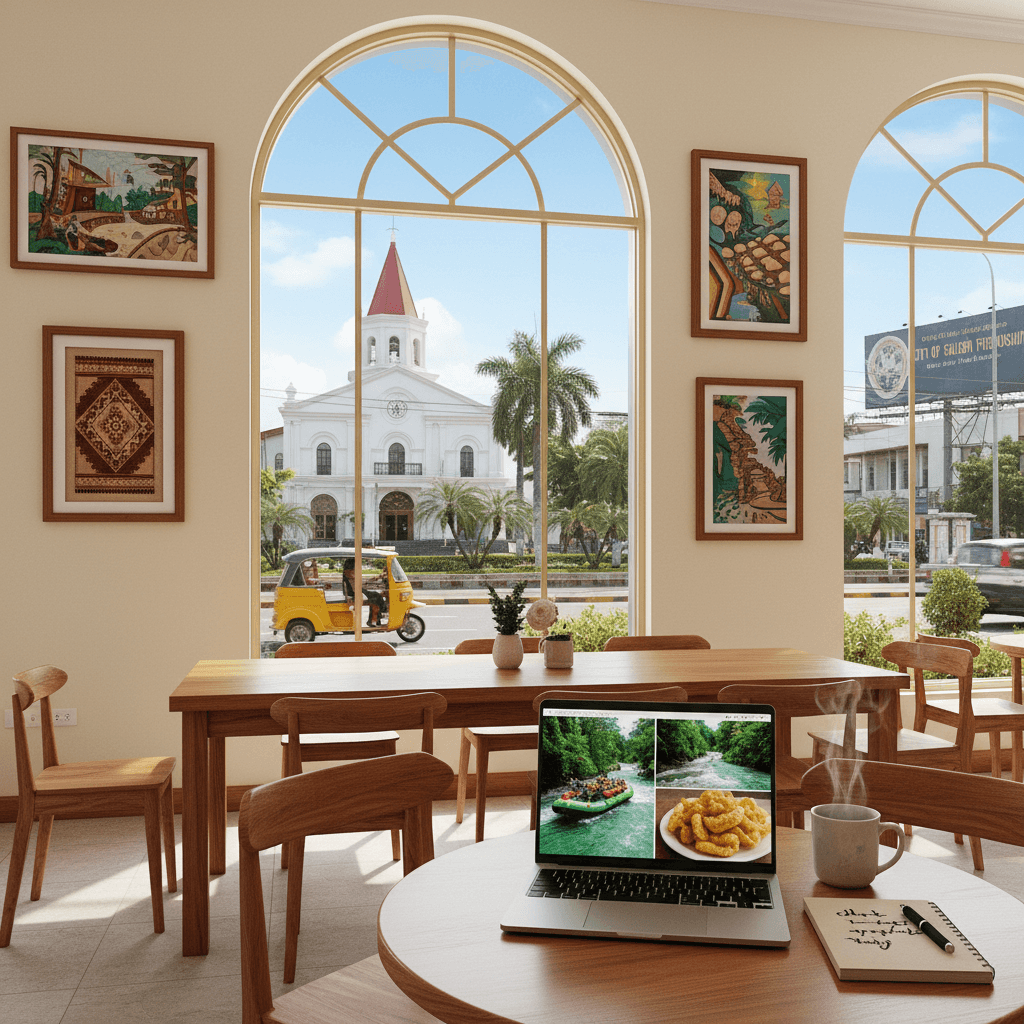
Cagayan de Oro
🇵🇭 Philippines