Nafplio
🇬🇷 Greece
The Vibe: Greece’s First Capital as Your Desktop
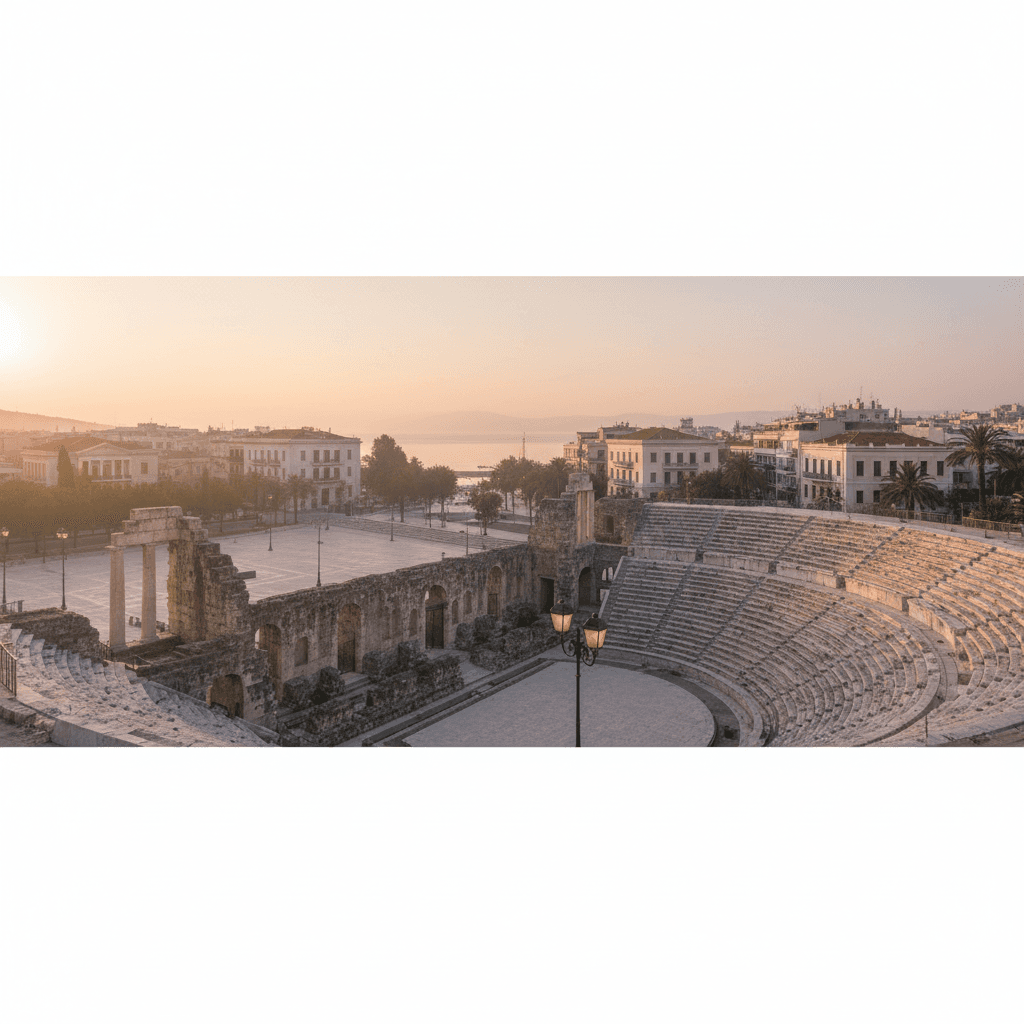
Nafplio doesn't scream for your attention like Athens or Mykonos. Instead, it pulls you in with a quiet, romantic confidence. As the first capital of modern Greece, it carries a sense of history that feels lived in rather than preserved behind glass. You’ll find yourself working from marble paved squares under the shadow of the Palamidi Fortress, with the scent of jasmine and sea salt hitting you every time the breeze shifts. It is a place where the morning commute is a walk past neoclassical mansions and the "office" is often a waterfront cafe overlooking the Bourtzi castle floating in the bay.
The pace here is decidedly slow. It is a town built for the "Siga Siga" (slowly, slowly) lifestyle. For nomads, this means a significant shift from the frantic energy of major hubs. You won’t find a massive tech community or sprawling coworking warehouses here; instead, you’ll find a tight knit group of expats and locals who value a long lunch and a swim at Arvanitia Beach over a networking mixer. It is the ideal spot if you’re looking to actually finish that project while maintaining a high quality of life on a reasonable budget.
The Cost of Living Breakdown
While prices across Greece have ticked upward, Nafplio remains remarkably accessible compared to Western Europe or the more famous islands. Most nomads find they can live comfortably here for a fraction of what they’d spend in a major city.
- Budget Tier (€800 to €1,200/month): This covers a modest apartment or shared housing, plenty of street food like €4 gyros, and using the local bus system.
- Mid-range Tier (€1,500 to €2,000/month): This is the sweet spot for most. It secures a private 1 bedroom studio, daily cafe visits, and regular dinners at local tavernas where a meal for two usually lands between €30 and €50.
- Comfortable Tier (€2,500+/month): This allows for a premium apartment in the Old Town, frequent fine dining featuring local specialties like trachanas pasta, and weekend car rentals for exploring the Peloponnese.
Where to Plant Your Flag
Nafplio is compact enough that you can walk across the main areas in twenty minutes, but each pocket has a different energy.
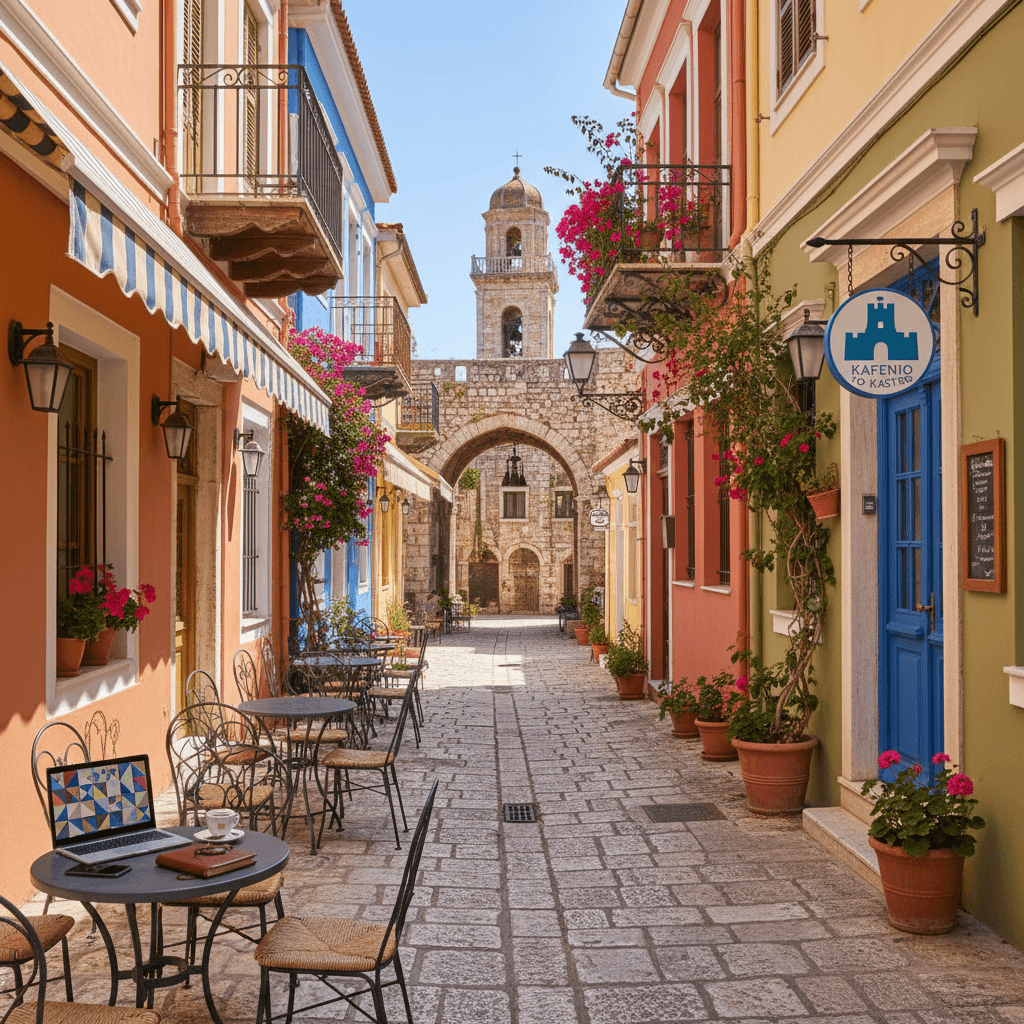
- The Old Town: This is the heart of the action. It’s where the romantic alleys and pink bougainvillea live. It’s perfect for nomads who want to be steps away from every cafe and museum, though short term rentals here can be pricier and a bit noisier during the summer weekends.
- Arvanitia and the Port: Ideal for those who need to see the water to feel productive. You’ll find more modern apartments slightly set back from the harbor, offering a quieter environment for deep work while keeping the coastal paths within reach.
- Tolo and Karathona: These are technically beach extensions a few kilometers out. They are great for families or nomads who want a "resort" feel with lower rent. You’ll need a scooter or bike to get into the center, but having Karathona Beach as your backyard is a massive perk.
Connectivity and Practicalities
The internet infrastructure is surprisingly solid. Most cafes and rentals offer speeds between 50Mbps and 200Mbps, which is plenty for video calls. While dedicated coworking spaces are rare, the cafe culture is welcoming. You can grab a €3 freddo espresso and stay for hours at spots along the promenade without anyone rushing you out. For mobile data, skip the international roaming and grab a local SIM from Cosmote or Vodafone for about €20 for a month of heavy data usage.
Getting around is best done on foot. The town is a pedestrian’s dream, especially the Arvanitia Promenade. If you want to head to Athens, the bus is about €13 and takes roughly two hours. For daily life, you won't need a car, but a scooter rental for €15 a day is worth it for exploring the nearby ruins of Epidaurus or Mycenae on your days off.
The Social Landscape
Nafplio is safe, welcoming, and very English friendly. You’ll find that most locals, especially the younger crowd in the service industry, speak excellent English. The social scene is centered around the evening Volta (stroll). People gather at the waterfront or in Syntagma Square as the sun goes down. While there aren't many "nomad specific" meetups, it’s easy to strike up a conversation at the beach or in the smaller wine bars in the Old Town. It’s a town that rewards the extroverted; if you show up at the same cafe three days in a row, you’re no longer a stranger, you’re a regular.
The Price of Paradise
Nafplio is one of those rare spots where you get the aesthetic of a high end Mediterranean getaway without the eye watering prices of Santorini or Mykonos. Most nomads find they can live a very comfortable life here for significantly less than they would spend in Western Europe or North America. If you are coming from Athens, you will notice your euros stretch a bit further, especially when it comes to long term rentals and the daily cost of a seaside lifestyle.
For a solo traveler, monthly budgets generally fall into three tiers:
- Budget: €800 to €1,200. This covers a room in a shared apartment or a modest studio further from the center, plenty of street food like €4 gyros, and reliance on the local KTEL buses.
- Mid-range: €1,500 to €2,000. This is the sweet spot for most remote workers. It buys you a private one-bedroom apartment, daily cafe sessions, and several dinners out at local tavernas each week.
- Comfortable: €2,500+. You will be looking at premium rentals in the Old Town, frequent seafood dinners, and perhaps a car rental for weekend trips to the ancient theater of Epidaurus.
Housing and Neighborhoods
Finding a place to stay usually starts with Spitogatos, the go to Greek real estate site. While short term Airbnb prices spike in the summer, long term leases for one-bedroom apartments can be found for €500 to €700 if you look slightly outside the historic core.
The Old Town is the most sought after area. It is packed with Venetian architecture and bougainvillea, keeping you within walking distance of everything. It is pricier and can get loud during the tourist season, but the convenience for work and socializing is unmatched. If you want something quieter and more affordable, look toward Arvanitia or the neighborhoods near the port. For those who prefer a beach village vibe, Tolo is about 15 minutes away and offers plenty of apartments that cater to expats and families.
Daily Expenses and Connectivity
Eating out is a highlight of the Peloponnese, and it won't break the bank. A mid-range taverna meal with wine usually runs between €15 and €25 per person. You will likely spend a lot of time in cafes; a freddo espresso costs about €3 to €5, and most shop owners are happy to let you work for a few hours. While there aren't many dedicated coworking hubs yet, the local cafe culture is welcoming to laptops.
Internet speeds are generally reliable, with fiber connections reaching 50 to 200Mbps in most central areas. For mobile data, expats recommend picking up a SIM from Cosmote or Vodafone. You can get an unlimited data plan for roughly €20 per month, which is great for using your phone as a hotspot at the beach.
Transport and Logistics
Nafplio is an incredibly walkable town. You likely won't need a car for daily life unless you are living in the outer beach suburbs. For getting around the region, the KTEL bus is the primary option. A ticket to Athens costs about €13 and takes roughly two hours. If you want more freedom, local shops rent scooters and bikes for €10 to €20 a day, which is the best way to reach Karathona Beach.
Banking is straightforward with Wise or Revolut, and contactless payment is accepted almost everywhere, from the smallest bakery to the local pharmacy. For healthcare, the Nafplio General Hospital handles basic needs and emergencies, and the town is filled with high quality pharmacies that can help with minor ailments.
Practical Spending Breakdown
- One-bedroom apartment: €500 to €800 per month depending on location.
- Street food (Gyros/Souvlaki): €3 to €5.
- Taverna dinner for two: €35 to €50.
- Monthly SIM card: €10 to €20.
- Coffee: €2.50 to €5.
- Bus to Athens: €13.
For Digital Nomads
If you're coming to Nafplio to work, the Old Town is your home base. It's the heart of the city's social life, packed with neoclassical buildings and narrow alleys that stay shaded during the hot afternoon sun. Most nomads gravitate toward the cafes along the waterfront or the tucked away spots near Syntagma Square. The vibe here is social but quiet enough to actually get through your inbox.
Internet speeds are generally reliable, with many cafes offering fiber connections reaching up to 200Mbps. You'll likely spend your days at cozy cafes where a €3 to €5 freddo espresso buys you an afternoon of desk time. While there isn't a massive dedicated coworking hub yet, the local cafe culture is very welcoming to laptops.
- Rent: Expect to pay €500 to €900 for a decent one bedroom apartment if you book through local sites like Spitogatos.
- Vibe: Historic, walkable, and very social.
- Daily Life: You can walk from your desk to the Arvanitia Promenade for a sunset stroll in under five minutes.
For Solo Travelers
The Port Area and Arvanitia neighborhood is the best bet for those traveling alone who want a mix of nature and accessibility. It sits right at the edge of the historic center, offering easier access to the coastal paths and the beach. It’s slightly quieter than the middle of the Old Town, which is a relief if you want to avoid the heaviest tourist foot traffic.
Safety is a non issue here. You can walk these streets comfortably at any hour, and the compact nature of the neighborhood makes it easy to meet people at the local tavernas. Most solo travelers find that the bars along the promenade provide a low key way to mingle without the pressure of a high energy club scene.
- Pros: Immediate access to Arvanitia Beach and the lighthouse walk.
- Cons: Some parts are hilly, so be prepared for a bit of a climb back to your room.
- Social: Great for meeting others at beachside grills or during a hike up the 999 steps to Palamidi Castle.
For Families
Families usually find the Beach Extensions like Tolo or the area near Karathona more practical. These spots are about a 10 to 15 minute drive or bus ride from the city center, but they offer much more space for the money. The beaches here have shallow, calm waters that are perfect for kids, and the apartments often come with small gardens or larger kitchens.
Living out here feels more like a traditional Greek vacation. You'll have easy access to family run tavernas serving homemade pasta and trachanas. It's quieter at night, which is a plus for parents, though you'll likely want to rent a car or a scooter for €10 to €20 a day to get into the main town for sightseeing.
- Rent: Family sized apartments can be found for €800 to €1,200 per month depending on the season.
- Atmosphere: Relaxed, beach focused, and very safe for children.
- Amenities: Better access to larger supermarkets and parking than the cramped Old Town.
For Expats
Long term expats often settle in the newer residential areas just outside the historic walls or in the village of Tolo. These neighborhoods offer a more "real life" feel away from the souvenir shops. You'll find better prices on groceries and long term rentals, and you're closer to the local General Hospital and administrative offices.
The expat community is small but tight knit. Most communication happens in local Facebook groups or over long lunches at tavernas. Since English proficiency is high, integrating is relatively easy, though learning basic Greek phrases like "Yia sou" or "Efharisto" goes a long way with the neighbors. For those on a Digital Nomad Visa, these residential pockets provide the stability needed for a multi month stay.
- Monthly Budget: A comfortable lifestyle here costs around €1,500 to €2,000, covering a private studio, frequent dining out, and transport.
- Connectivity: Easy bus links to Athens for €13 if you need a big city fix.
- Best for: Those looking for a slow pace of life and a permanent Mediterranean base.
Connectivity and Speeds
Nafplio might feel like a step back in time with its Venetian alleys, but its digital infrastructure is firmly in the present. Most apartments and cafes in the center are hooked up to fiber networks, with speeds typically ranging from 50Mbps to 200Mbps. It is reliable enough for heavy video conferencing or uploading large files, though older stone buildings in the Old Town can sometimes act as Faraday cages for Wi-Fi signals. If you are booking an Airbnb, always ask for a speed test screenshot before committing.
For mobile data, you should pick up a local SIM card immediately. Cosmote is the gold standard for coverage in the Peloponnese, followed closely by Vodafone and Nova. You can find these at kiosks or dedicated shops in the newer part of town. Expect to pay around €10 to €20 for a monthly package with a generous data allowance, often including unlimited data during summer promotional periods.
Coworking and Work Culture
Nafplio does not have the massive, corporate coworking hubs you will find in Athens. Instead, the "office" culture here is decentralized and social. Most nomads gravitate toward the town's legendary cafe scene. Working from a seaside table with a view of the Bourtzi Castle is the standard Tuesday morning routine here.
- Cafe Culture: Greeks treat coffee like a slow ritual. You can sit for hours with a single €3 or €4 Freddo Espresso without anyone rushing you out.
- The Port Area: The cafes along the waterfront promenade offer the best breeze and plenty of outdoor seating. While they are great for emails, the glare from the sun and the lack of power outlets can be a challenge.
- Old Town Alleys: Tucked away spots like local bakeries offer a quieter, more shaded environment. These are better for deep work sessions where you need to focus.
If you need a more formal setup, there are smaller, localized workspaces and community hubs starting to pop up. Many nomads also find that the public library or hotel lobbies in the Arvanitia area provide a quiet refuge when the tourist crowds get too loud in the afternoons.
Practical Remote Work Tips
Power outages are rare but can happen during heavy summer storms or peak heatwaves. It is smart to keep a power bank charged and your phone tethering ready. Most cafes will have the Wi-Fi password printed on the receipt or displayed near the bar. If you plan on working from a taverna during lunch, it is polite to ask "Boro na doulepso ligo?" (Can I work for a bit?) before pulling out your laptop, though most staff are incredibly accommodating.
- Daily Costs: Budget €10 to €20 per day if you are hopping between cafes and buying lunch.
- Best Time to Work: Early mornings (7:00 AM to 11:00 AM) are peaceful before the day-trippers arrive from Athens.
- The Midday Break: Follow the local lead and take a break between 2:00 PM and 5:00 PM when the sun is strongest and the town slows down. It is the perfect time for a swim at Arvanitia Beach.
For those staying long-term, the Greece Digital Nomad Visa is a great pathway for non-EU citizens. You will need to prove a monthly income of at least €4,000. Having this permit makes it much easier to sign for official home internet contracts, which can offer even higher speeds than the standard tourist rentals.
Nafplio is one of those rare places where you can actually let your guard down. Unlike the frantic energy of Athens or the tourist-heavy cruise ports of the islands, this former capital maintains a dignified, low-stress atmosphere. It is consistently ranked as one of the safest destinations in Greece, making it a top choice for solo digital nomads and women travelers who want to wander historic alleys late at night without looking over their shoulder.
Personal Safety and Local Vibes
Street crime is almost non-existent here. You'll often see locals leaving their cafe tables unattended to take a phone call or ducking into a shop while leaving a bike unlocked nearby. While you should always use common sense with your laptop and passport, the "scam culture" found in larger European hubs hasn't really taken root here. Most nomads find that the biggest safety "risk" is simply the uneven cobblestones in the Old Town or the steep, slippery steps leading up to the Palamidi Castle. Wear shoes with good grip if you're planning to explore the fortifications.
There are no "no-go" zones or neighborhoods to avoid. Even the darker corners of the Arvanitia Promenade are frequented by local joggers and couples well into the evening. If you're staying in the newer parts of town or out toward Tolo, the streets remain well-lit and populated. The local police presence is subtle but effective, and the community is tight-knit enough that people tend to look out for one another.
Healthcare Infrastructure
For a town of its size, Nafplio is well-equipped to handle medical needs. The Nafplio General Hospital serves the local population and can handle most emergencies and standard medical issues. It meets EU standards, though for highly specialized surgeries or complex long-term care, residents sometimes head to Athens, which is about a 90-minute drive away.
- Emergency Services: Dial 112 for the general European emergency line or 166 specifically for an ambulance.
- Pharmacies (Farmakeio): You'll recognize them by the bright green crosses. Greek pharmacists are highly trained and can often provide consultations for minor ailments like respiratory infections or skin issues, saving you a trip to the doctor.
- English Proficiency: Almost all doctors and pharmacists in the city center speak excellent English, so you won't need a translator to explain your symptoms.
Health Insurance for Nomads
If you're in Nafplio on the Greece Digital Nomad Visa, you'll need to prove you have private health insurance that covers you for the duration of your stay. For those just passing through, a standard travel insurance policy like SafetyWing or World Nomads works fine at local private clinics. If you are an EU citizen, your EHIC card will grant you access to the public healthcare system for necessary treatments, though many expats still prefer private clinics for faster service and more modern amenities.
Water and Wellness
The tap water in Nafplio is generally considered safe for showering and brushing your teeth, but most long-term residents and nomads prefer to buy bottled water or use a filter for drinking due to the high mineral content. It doesn't taste great, and the heavy minerals can be tough on your stomach if you aren't used to them. On the wellness front, the town is a natural gym. Between the 999 steps to Palamidi and the swimming at Karathona Beach, staying active is easy and free. The air quality is excellent, thanks to the coastal breeze and the lack of heavy industry in the Argolis region.
Nafplio is the kind of place where your step count will skyrocket without you even trying. The town is built for wandering, particularly the Old Town, which is almost entirely pedestrianized. Between the narrow marble alleys and the wide waterfront promenade, most nomads find they don't need a vehicle for day to day life.
On Your Own Two Feet
Walking is the primary mode of transport here. You can traverse the entire historic center in about 15 to 20 minutes. The Arvanitia Promenade is a local favorite for a morning "commute" to a seaside cafe; it's a paved path that hugs the cliffs between the town and the beach. If you're feeling ambitious, the 999 steps up to Palamidi Castle provide a brutal but beautiful workout, though most expats recommend taking a taxi up and walking back down to save your knees.
Public Transit and Regional Busses
While there isn't a metro or a complex city bus network, the KTEL Argolidas bus station is the central hub for getting out of town. It's located right near the park at the entrance of the Old Town.
- To Athens: Busses run frequently, taking about 2 hours for a ticket price of roughly €13 to €15.
- To Local Beaches: During the summer, dedicated shuttles run to Karathona and Tolo for a few euros.
- To Ancient Sites: You can catch direct busses to Epidaurus or Mycenae for day trips, usually costing under €10 round trip.
Taxis and Ridesharing
Don't bother looking for Uber or Bolt here; those apps really only function in Athens. Instead, you'll find the local taxi stand near the harbor or Syntagma Square. Taxis are unmetered for short hops within the city, usually charging a flat rate of €5 to €8. If you need a transfer from Athens International Airport, expect to pay between €130 and €160 for a private driver, though many nomads prefer the €15 X93 bus to the Kifisos station followed by a KTEL bus to save money.
Wheels for Hire
If you want more freedom to explore the Argolis region, renting a scooter or a bicycle is the way to go. Several shops near the port offer mountain bikes and city cruisers for about €10 to €15 per day. For those planning to stay long term in Tolo or the outskirts, a small car rental is helpful for grocery runs. You can usually find local deals for €25 to €40 per day during the shoulder season, though prices spike significantly in July and August.
Parking Realities
If you do choose to rent a car, be warned that the Old Town is a nightmare for parking. Most residents and savvy nomads use the large free public lot by the port. It's a five minute walk to the center and saves you from getting stuck in the tiny, one way streets of the upper town where parking spots are guarded like family heirlooms.
The Local Lingo
In Nafplio, Greek is the heart of every conversation. While the alphabet might look intimidating at first, you'll find the local language carries a musical quality that matches the town's relaxed pace. Because Nafplio was the first capital of Greece and remains a favorite weekend escape for Athenians, the locals are used to interacting with a mix of visitors and long term residents.
Getting by with English is surprisingly easy here. In the Old Town, staff at cafes, tavernas, and boutiques are usually fluent. Most younger Greeks and students speak excellent English, so you won't struggle to order your morning freddo espresso or negotiate a monthly rate for an apartment. However, as you move toward the residential areas or visit the local street markets, the language barrier gets slightly thicker. Learning a few basics goes a long way in building rapport with the shopkeepers who will eventually know your name.
Essential Phrases to Know
While you can survive on English alone, Greeks are famously hospitable to those who make an effort. Use these daily to break the ice:
- Yia sou: Hello (informal) or Goodbye. It is the Swiss Army knife of Greek greetings.
- Efharisto: Thank you. You will say this constantly after every meal.
- Parakalo: Please or You are welcome.
- Né / Ohi: Yes / No. Be careful here, as "Né" sounds like "No" to English speakers.
- Poso kani? How much does it cost? Use this at the farmer's markets.
- Kalimera: Good morning. Use this until about 2:00 PM.
Digital Tools and Translation
For more complex interactions, like discussing a lease for a €500 studio or visiting the General Hospital, Google Translate is your best friend. Download the Greek language pack for offline use so you can translate menus or signs even if your data signal dips near the castle walls. Most nomads also find the camera translation feature helpful for reading labels at the grocery store.
The Social Connection
Communication in Nafplio isn't just about the words; it's about the timing. Life happens over long, lingering meals and coffee dates that can last three hours. If you're looking to meet people, the local Facebook groups for expats in Greece are helpful, though Nafplio's specific nomad community is smaller than what you'll find in Athens. Most social networking happens organically at Arvanitia Beach or in the cafes along the waterfront promenade.
Staying Connected
To keep your apps running, grab a local SIM card as soon as you arrive. Cosmote generally offers the best coverage in the Peloponnese, followed by Vodafone and Nova. You can pick up a starter kit at a kiosk or a branded store for about €10. For about €20 a month, you can usually land a plan with unlimited data, which is perfect for tethering if you decide to work from a park bench overlooking the Bourtzi Castle. If you use Wise or Revolut, you'll find that contactless payment is accepted almost everywhere, though keeping a few Euros in cash is smart for small purchases at the kiosks.
The Sweet Spot: When to Land in Nafplio
Nafplio is a year round town, but for digital nomads, the timing of your arrival dictates the entire vibe of your stay. Because it sits on the Argolic Gulf, the climate is classic Mediterranean: bone dry, sun drenched summers and mild, slightly moody winters. Most travelers find the shoulder seasons, May to June and September to October, to be the absolute goldilocks zone for productivity and exploration.
During these months, you get the best of the Peloponnese without the suffocating heat or the weekend crowds from Athens. The mercury sits comfortably between 18°C and 26°C. You can easily work from a seaside cafe in the Old Town with just a light breeze, then head to Arvanitia beach for a swim at 5:00 PM without needing to hide under an umbrella all day.
Summer: Peak Sun and Socializing
If your version of "work-life balance" involves maximum time in the water, July and August are your months. Temperatures frequently climb to 30°C or 32°C, and the town takes on a high energy, festive atmosphere. This is when the nearby beaches like Karathona and Tolo really come alive.
- The Heat: It gets intense. Expect to rely on air conditioning from noon until 4:00 PM.
- The Crowds: Nafplio is a favorite for Athenians. Weekends in July can make the narrow alleys of the Old Town feel a bit cramped.
- The Perks: Every taverna is open late, the water is like a warm bath, and the outdoor cinema culture is at its peak.
Winter: The Quiet Season
From November through March, Nafplio sheds its tourist skin. It becomes a quiet, reflective place that appeals to writers or nomads on a deadline who want zero distractions. It rarely gets "cold" by Northern European standards, with daytime highs averaging 12°C to 15°C, but the humidity from the sea can make it feel crisp.
Rainfall picks up during this period, peaking around 100mm per month in December and January. While some beach focused businesses close down, the core of the town remains functional. You'll find the locals reclaiming the cafes, and the price of mid term apartment rentals often drops significantly if you negotiate directly with owners during the off season.
A Quick Seasonal Snapshot
- Best for Swimming: July to September. The water stays warm well into the autumn.
- Best for Hiking: March to May. The climb up the 913 steps to Palamidi Castle is much more manageable when the wildflowers are blooming and the sun isn't beating down.
- Rainiest Months: November and December. Keep a sturdy umbrella handy for those walks along the port.
- Budget Friendly Window: January and February. You'll find the lowest rates on platforms like Spitogatos, though you might need to hunt for a place with decent heating.
Most expats recommend arriving in late August. You catch the tail end of the summer energy, but you're perfectly positioned to enjoy the calm, clear days of September, which many locals consider the most beautiful month of the year in the Peloponnese.
Living Costs and Budgeting
Nafplio is remarkably easy on the wallet compared to Western European hubs or even Athens. Most nomads find they can live comfortably here for €1,500 to €2,000 a month. If you're on a tighter budget, you can get by on €800 to €1,200 by sticking to local tavernas and shared housing.
- Housing: Long term rentals found via Spitogatos can drop as low as €500 for a one bedroom apartment, though short term stays in the Old Town will cost significantly more.
- Food: A quick gyro on the street runs about €3 to €5. A sit down dinner with wine at a mid range taverna usually lands between €15 and €25 per person.
- Transportation: The town is small enough that your transport budget will mostly be zero, unless you're taking the €13 bus to Athens or renting a scooter for €15 a day to reach distant beaches.
The Best Neighborhoods
The Old Town is the heart of the action. It's where you'll find the iconic red tiled roofs and narrow alleys. It's the most convenient spot for solo travelers because everything is walkable, though it can get a bit loud with tourists during the peak summer months.
For a quieter pace, look toward the Arvanitia or port areas. You'll be closer to the coastal paths and the beach, which is perfect if your morning routine involves a swim before opening your laptop. If you have a car or don't mind a short bike ride, Tolo or Karathona offer more spacious, modern apartments that are popular with families and long term expats.
Internet and Productive Spaces
While Nafplio doesn't have a massive "coworking scene" like Lisbon or Bali, the infrastructure is solid. You can expect fiber speeds between 50 and 200Mbps in most modern rentals. High quality cafes dominate the work culture here; nomads often spend their afternoons at seaside spots with an iced coffee for €3.
For mobile data, grab a SIM card from Cosmote or Vodafone at a local kiosk. You can usually get an unlimited data package for about €20 a month. It's reliable enough to use as a hotspot if your Airbnb Wi-Fi ever flickers during a storm.
Getting Around and Safety
You won't need a car if you stay in the center. The town is incredibly safe, and walking home alone at midnight is common practice. There aren't any "bad" neighborhoods to worry about. For trips to the ruins at Mycenae or Epidaurus, the local KTEL buses are cheap and reliable.
If you're arriving from the airport in Athens, the drive takes about 90 minutes. A private transfer costs around €100, but the bus is a fraction of that at €15. Once you're in town, local bike rentals are the best way to explore the coastline without breaking a sweat.
Practical Logistics
English proficiency is very high here, especially among younger people and shop owners. Still, learning a few phrases like Yia sou (hello) and Efharisto (thank you) goes a long way with the locals. For banking, Revolut and Wise cards are accepted almost everywhere, but keep some cash on hand for small purchases at kiosks.
The weather is best from May to October. July and August can get quite hot, with temperatures hitting 32°C, so make sure your accommodation has working air conditioning. The winter months from December to February are quiet and rainy, which might feel a bit too isolated for some, but it's the best time to find deep discounts on housing.
If you're a non EU citizen, you can look into the Greece Digital Nomad Visa. You'll need to prove a monthly income of at least €4,000 and apply through a Greek consulate before you arrive or at the Ministry of Migration once you're on the ground.
Need visa and immigration info for Greece?
🇬🇷 View Greece Country GuideEasy Landing
Settle in, no stress
Monthly Budget Estimates
More cities in Greece
Thessaloniki
🇬🇷 Greece
Ermoupoli
🇬🇷 Greece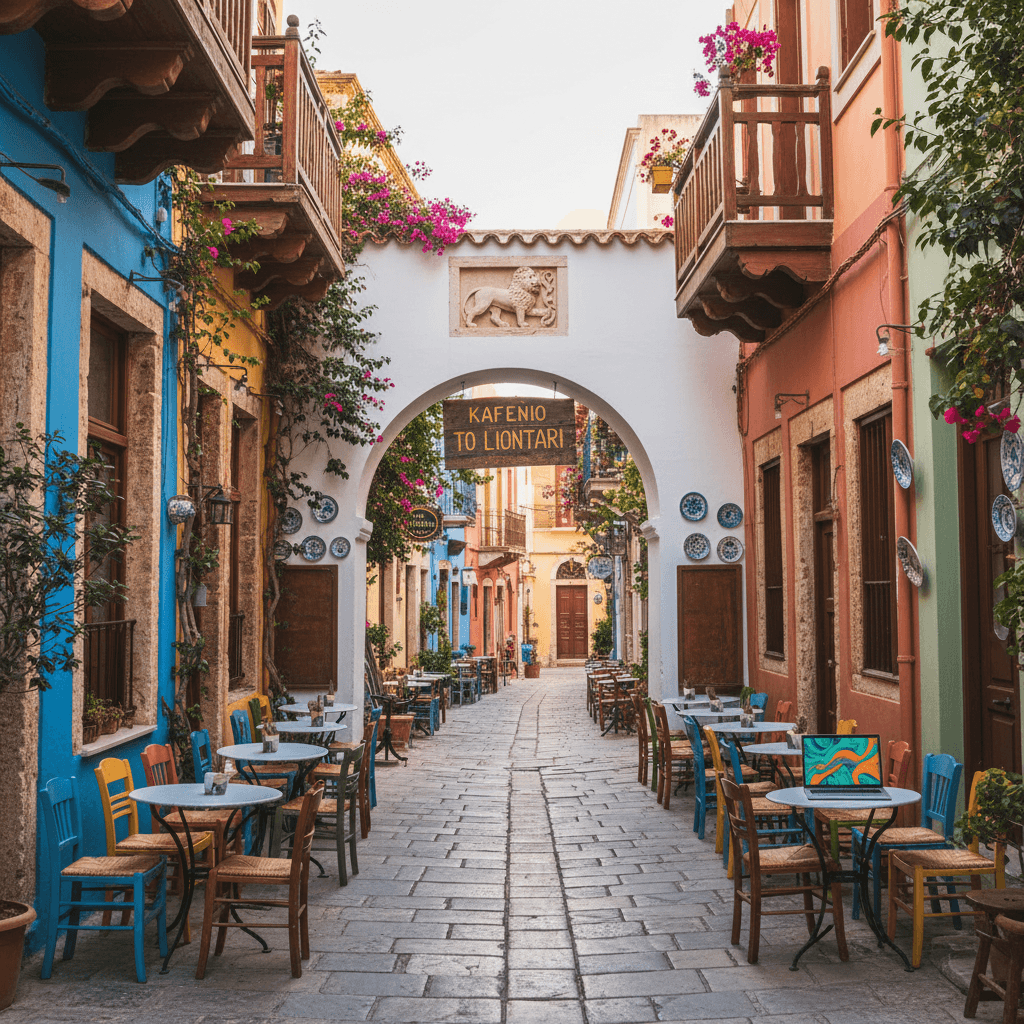
Chania
🇬🇷 Greece