Monteverde
🇨🇷 Costa Rica
The High Altitude Vibe
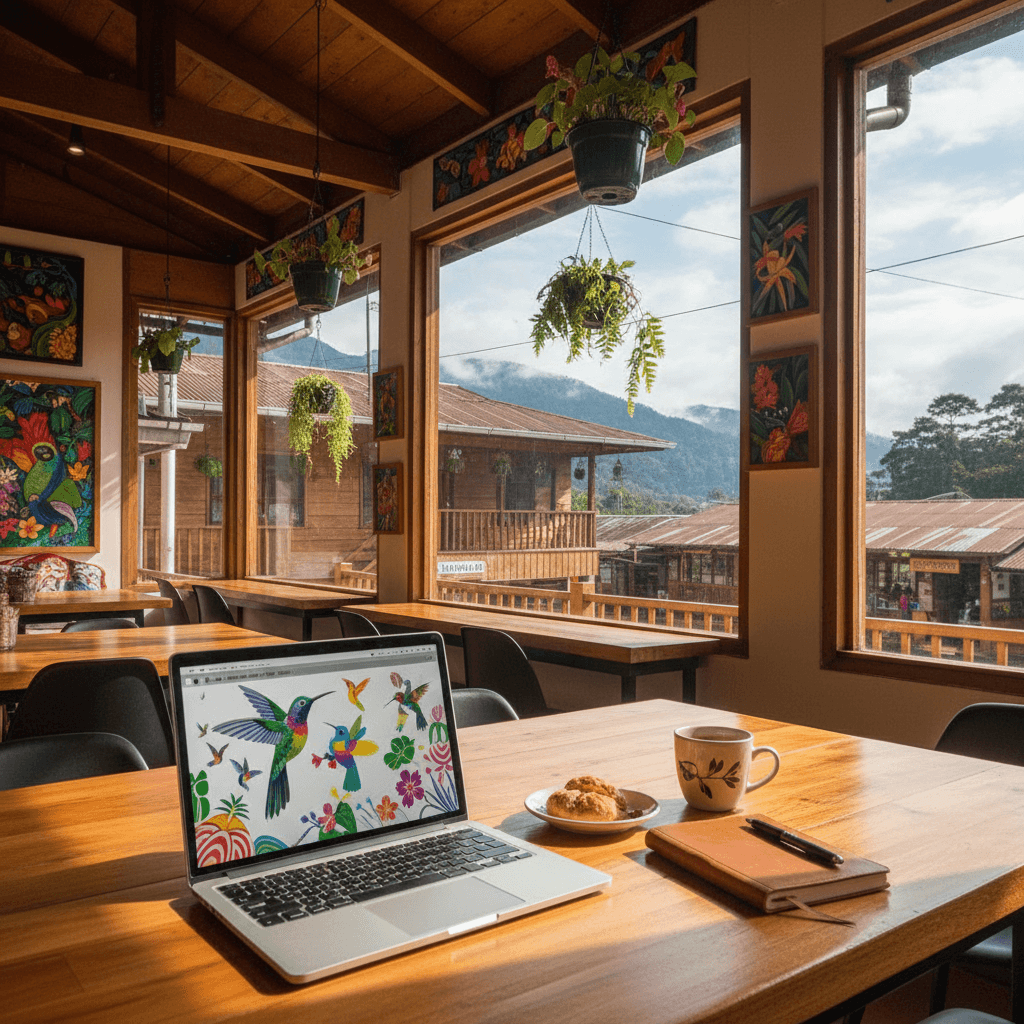
If you're tired of the sticky, humid heat of the Costa Rican coast, Monteverde is the cool, misty reset you need. Perched high in the Tilarán Mountains, this isn't your typical tropical beach town. It feels more like a cozy alpine village that happens to be wrapped in a lush, emerald cloud forest. The air is crisp, the pace is slow, and the atmosphere is deeply centered on nature and sustainability.
The personality of Monteverde is defined by its quietude. You won't find a pulsing nightlife or neon lights here. Instead, evenings are spent around fire pits or sharing a beer at a hostel bar. It's a place where the sound of the wind through the trees and the calls of exotic birds replace the roar of traffic. Nomads who thrive here are usually the ones looking to trade party culture for morning hikes and deep focus sessions surrounded by greenery.
Cost of Living
Monteverde is relatively affordable compared to high-end beach hubs like Nosara, but it requires a bit of planning. Most nomads find that a monthly budget of $1,500 covers the basics if you're staying in shared housing and eating locally. For a more mid-range lifestyle with a private apartment and consistent dining out, expect to spend around $2,500. If you want a luxury villa with sweeping views of the Gulf of Nicoya, your budget should start at $3,500.
- Studio or 1BR Rent: $500 to $800 per month in Santa Elena.
- Daily Coworking: $10 to $20 at spots like Selina.
- Local Meals: $5 to $10 at "sodas" (small local eateries).
- Mid-range Dining: $15 to $25 per person.
The Neighborhood Layout
The region is small, but where you park your laptop matters for your daily logistics. Most of the action happens in Santa Elena. This is the town’s heartbeat where you’ll find the grocery stores, banks, and most of the cafes. It’s highly walkable and has a charming, rugged feel. Expats and solo travelers usually stick to this area because it’s where the community gathers.
If you prefer total isolation, the area surrounding the Monteverde Cloud Forest Reserve is stunning. It’s much quieter and puts you right at the trailhead of the world’s most famous hiking paths. However, it’s more expensive and you’ll feel stranded without a car or a healthy budget for taxis, as it's several kilometers from the main town services.
Connectivity and Productivity
Working from the mountains comes with its own set of quirks. Internet speeds average 50-100 Mbps or higher, though variable in remote areas, which is plenty for video calls and heavy uploads, but the altitude and occasional mountain storms can make the connection flicker. Most productive nomads head straight to Selina Monteverde. It’s the gold standard for coworking in the area, offering ergonomic chairs, jungle views, and a reliable backup generator. For a more casual setup, the coffee shops in Santa Elena provide a great atmosphere, though you should always have a local SIM card from Kolbi or Claro as a hotspot backup.
Getting Around and Staying Safe
You don't need a car if you stay in the center of Santa Elena. The town is compact enough to navigate on foot, though the hills will give your legs a serious workout. For longer trips to the adventure parks like Extremo Monteverde, shared shuttles are the way to go, usually costing between $5 and $10. If you're coming from San Jose or Liberia, expect a 3 to 4 hour shuttle ride that costs about $30 to $50.
Safety is rarely a concern here. It’s a tight-knit community where people look out for one another. Standard travel common sense applies, like not leaving your laptop visible in a car, but generally, solo travelers feel very secure walking around during the day. For any health needs, Santa Elena has local pharmacies and basic clinics, but for anything serious, you'd need to head down the mountain to San Jose.
Social Life and Culture
The social scene is built on shared experiences rather than organized events. You’ll meet people while zip-lining through the canopy or during a sunset yoga session. The mantra here is Pura Vida in its truest form: simple, respectful, and connected to the environment. If you want to find the nomad crowd, check out the Monteverde Digital Nomads Facebook group or head to the fire pits at the local hostels on a Friday night. It’s a place for meaningful conversations rather than loud music, making it the perfect sanctuary for the introspective remote worker.
The Bottom Line
Living in Monteverde is a breath of fresh air, literally and financially, compared to the pricey beach towns of Guanacaste. While Costa Rica has a reputation for being the most expensive country in Central America, this mountain enclave remains accessible if you shop where the locals do and avoid the high end tourist traps. You'll trade air conditioning costs for a slightly higher grocery bill, as many goods have to be hauled up the steep mountain roads to Santa Elena.
Most digital nomads find they can live comfortably on a mid range budget of $2,500 per month. This covers a private one bedroom apartment, frequent meals out at local sodas, and a dedicated desk at a coworking space. If you're willing to share a house and stick to street food, you can squeeze by on $1,500. For those seeking the high life in a private villa with cloud forest views, expect to budget $3,500 or more.
Monthly Budget Breakdown
- Housing (Studio/1BR): $500 to $800 per month. Prices fluctuate based on proximity to the Santa Elena town center.
- Coworking: $10 to $20 per day or roughly $250 for a monthly pass at spots like Selina.
- Groceries: $300 to $400 per month. Shopping at the local feria (farmers market) saves significant cash.
- Dining Out: $5 to $8 for a "casado" (traditional plate) at a local soda; $20+ for dinner at upscale spots in town.
- Transport: $50 to $100 per month. The town is walkable, so you'll mostly spend on occasional shuttles or taxis when it rains.
Housing and Neighborhoods
Santa Elena is the heartbeat of the region. It's where you'll find the highest concentration of apartments, supermarkets, and banks. Most nomads settle here because you don't need a car to get to work or grab a beer. Rent for a decent one bedroom apartment usually sits around $600, though you can find cheaper gems on Facebook Marketplace if you're patient.
If you prefer silence over convenience, the area near the Monteverde Cloud Forest Reserve offers stunning views and a deeper connection to nature. It's pricier and more isolated, so you'll likely need to budget for a quad bike or frequent taxis. Families often prefer this area for the peace, but solo travelers might find it a bit lonely after the sun goes down.
Internet and Connectivity
Reliable internet used to be a gamble at this altitude, but things have stabilized. You can expect average speeds of 10 Mbps, which handles Zoom calls and standard uploads just fine. However, the mountain mist and wind can occasionally cause flickers in the connection.
Selina Monteverde is the go to hub for anyone needing a professional setup. They offer ergonomic chairs and the most stable WiFi in the area for about $10 to $20 a day. For a more casual vibe, the coffee shops in Santa Elena are great for an hour or two of light work, provided you have a backup hotspot. Grab a local SIM card from Kolbi or Claro for about $10 to ensure you stay connected during power dips.
Practical Expenses
Getting around is surprisingly cheap if you have sturdy boots. Santa Elena is compact and highly walkable. When you need to leave town, shared shuttles to San Jose or Liberia cost between $30 and $50. Within the town limits, short taxi rides or shared shuttles typically run between $5 and $10.
Healthcare is accessible but basic. Santa Elena has several pharmacies and small clinics for minor issues. For anything serious, you'll need to head to San Jose, which is a three hour drive. Most expats recommend carrying private travel insurance like SafetyWing to cover any unexpected mountain mishaps or emergency transfers.
The Nomad Hub: Santa Elena
If you want to be within walking distance of your morning coffee and a reliable desk, Santa Elena is the only place to be. It serves as the commercial heart of the region, packed into a few compact blocks where you can handle all your errands on foot. Most nomads settle here because it is the only neighborhood where you can find a consistent community of remote workers without needing a 4x4 vehicle.
- Rent: $500 to $800 for a studio or one bedroom apartment.
- Vibe: Social, convenient, and slightly touristy but charming.
- Best for: Digital nomads, solo travelers, and anyone without a car.
The social scene revolves around Selina Monteverde. It's the primary coworking spot in town, offering ergonomic chairs and jungle views for about $10 to $20 a day. While the altitude can make the internet a bit temperamental, the 10 Mbps speeds are usually enough for Zoom calls. When you aren't working, you'll likely be grabbing a $5 casado at a local soda or meeting people over craft beers in the town center.
The Expat Retreat: Monteverde Proper
Further up the hill toward the Reserve, the atmosphere shifts from "backpacker hub" to "quiet mountain retreat." Expats who plan to stay for six months or more often prefer this area for the peace and the cooler, misty air. It's much more spread out, so you'll likely want to use the inDrive app or rent a scooter for $5 to $10 a day to get into town for groceries.
- Rent: $900 to $1,500 for larger, private homes or villas.
- Vibe: Serene, misty, and immersed in nature.
- Best for: Long term expats and couples who value privacy.
Living here means trading convenience for incredible biodiversity. You'll wake up to the sound of howler monkeys rather than delivery bikes. Most residents here rely on local Kolbi or Claro SIM cards for backup data, as the thick cloud cover and trees can occasionally interfere with home WiFi signals. It's the kind of place where you host dinner parties and fire pit hangouts rather than looking for a club.
The Family Escape: Cloud Forest Reserve Area
Families looking for an educational and active environment tend to gravitate toward the lodgings near the Monteverde Cloud Forest Reserve. This area is less of a traditional neighborhood and more of a collection of eco lodges and spacious rentals tucked into the forest. It's safe, quiet, and puts you right at the doorstep of world class hiking trails and zip lining at Extremo Monteverde Park.
- Rent: $1,200+ for family sized rentals or high end lodges.
- Vibe: Educational, active, and quiet at night.
- Best for: Families and nature enthusiasts.
The main drawback here is the distance from Santa Elena's amenities. You'll spend about $5 to $10 per ride on shuttles if you don't have your own wheels. However, for parents, the trade off is a backyard that doubles as a biological classroom. Dining options are pricier here, with mid range restaurants charging $15 to $20 per meal, so most families opt to cook at home and shop at the Banco Nacional area supermarkets in town.
Solo Travelers and Social Seekers
If you're arriving alone and want an instant social life, stick to the perimeter of Santa Elena near the football field. This area keeps you close to the action without the noise of the very center. You can find shared housing or hostel privates that bring your monthly budget down to around $1,500 if you eat at local spots and use the shared kitchens.
Solo travelers often find that the lack of nightlife is made up for by the communal culture. Whether it's a yoga class at Selina or a group night hike, it's remarkably easy to meet people. Just keep a light rain jacket and a flashlight handy; the streets get dark early and the October rains are no joke.
Connectivity in the Clouds
Working from Monteverde means trading the high speed fiber optic cables of San Jose for a more rugged, atmospheric setup. While the town has modernized quickly, the altitude and frequent mist can occasionally interfere with signals. You can expect average speeds of 50-100 Mbps download/upload, sufficient for most remote work. It is more than enough for Slack, emails, and standard video calls, but you might want to avoid scheduling heavy data uploads during a tropical downpour.
Reliability varies by where you stay. In the heart of Santa Elena, the connection is generally stable. However, if you choose a remote cabin on the edge of the Cloud Forest Reserve, you are at the mercy of the terrain. Most nomads find that having a backup plan is the only way to work stress free here.
Best Coworking Spaces
The nomad scene revolves almost entirely around Socialtel Monteverde (formerly Selina). It is the undisputed hub for remote workers in the area, offering a dedicated coworking space with ergonomic chairs and a community vibe that is hard to find elsewhere in town. It is not just about the desk; it is about the jungle views and the people you meet by the fire pit after hours.
- Socialtel Monteverde (formerly Selina): Daily passes typically run between $10 and $20; verify current coworking availability. The facility includes a shared kitchen, a pool, and yoga deck, making it easy to transition from deep work to relaxation.
- Cafe Culture: If you prefer a more casual environment, Santa Elena has a handful of coffee shops where you can tuck into a corner for an hour or two. Just be sure to buy a few rounds of local coffee to keep the staff happy.
Mobile Data and SIM Cards
Since WiFi can be temperamental, a local SIM card is your best friend. It acts as a vital safety net for when the power blinks or the router decides to take a nap. Coverage is surprisingly good across the main town hub, though it drops off quickly once you head into the deep forest trails.
- Kolbi: This is the state run provider and generally offers the best coverage in mountainous, rural areas like Monteverde.
- Claro: A solid alternative with competitive data packages. You can pick up a starter SIM for about $10 to $20 at small shops in Santa Elena.
- eSIMs: For those who want to hit the ground running, Airalo or similar apps work here, though they are usually more expensive than buying a physical card from a local vendor.
Practical Tips for Productivity
The biggest challenge to your workflow in Monteverde isn't the internet; it's the temptation to go outside. Travelers often say the "Pura Vida" pace makes it hard to stay glued to a screen. To stay productive, try to front load your work early in the morning. The rainy season, which runs from May to November, often brings heavy afternoon showers, which is actually the perfect time to hunker down in a cafe while the mist rolls past the window.
If you have high stakes meetings, always test your connection thirty minutes prior. Most nomads recommend using Wise or Revolut for managing your finances while here, as they offer better exchange rates when paying for your coworking membership or grabbing a meal at a local soda. For long term stays, keep an eye on Facebook groups like Monteverde Digital Nomads to find housing leads that specifically mention verified internet speeds.
Stay Safe in the Clouds
Monteverde feels more like a tight-knit mountain village than a typical tourist trap. Most nomads find it incredibly safe, even when walking through the central streets of Santa Elena after a late work session. Violent crime is rare here, and the community looks out for one another. It's the kind of place where you can breathe easy while carrying your laptop between cafes.
That said, the standard rules of the road apply. While you aren't likely to face any aggression, petty theft can happen if you leave valuables unattended on a hiking trail or in a parked car. Expats recommend keeping your gear in sight at all times, especially at busy trailheads near the Cloud Forest Reserve. If you're out late at the local bars or fire pits, it's smarter to walk with a friend or call a local taxi rather than wandering into the darker, unlit outskirts of town alone.
- Emergency Services: Dial 911 for any immediate police, fire, or medical needs.
- Solo Travel: Travelers often say they feel more secure here than in San Jose or the coastal party towns. The vibe is focused on nature and early mornings, which naturally keeps the peace.
- Personal Safety: Stick to well-lit areas in Santa Elena after dark. If your accommodation is on a steep, unpaved road outside of town, use the inDrive app or a local radio taxi to get home.
Healthcare and Medical Services
For a small town, Monteverde is well-equipped for day-to-day health needs. You'll find several farmacias and small private clinics in the heart of Santa Elena that can handle minor illnesses, infections, or small injuries from a hiking mishap. The pharmacists are often very knowledgeable and can provide over-the-counter solutions for common mountain ailments like altitude headaches or seasonal allergies.
If you run into something more serious, keep in mind that local facilities are basic. For specialized care, surgeries, or major emergencies, you'll need to head to San Jose. The capital is about a 3-hour drive away and houses world-class hospitals like CIMA or Clinica Biblica. Most nomads carry international health insurance that covers medical evacuation just in case a mountain emergency requires a quick trip to the city.
- Pharmacies: Multiple spots in Santa Elena carry standard prescriptions and first-aid supplies.
- Local Clinics: Best for minor stitches, flu symptoms, or lab work.
- Major Hospitals: Located in San Jose, roughly 140km away.
- Water Quality: The tap water in Monteverde is generally considered safe to drink, though many long-term expats still prefer using a filter or buying large jugs to be 100% sure.
Environmental Hazards
The biggest "safety" risks in Monteverde usually come from Mother Nature rather than people. The terrain is steep and the weather can flip in an instant. If you're heading out for a solo hike, always tell someone your route. The mist in the cloud forest can get thick enough to disorient even experienced hikers, and the trails can become slippery during the heavy rains of October.
You should also keep an eye on the road conditions. If you're renting a scooter or bike for $5 to $10 a day, be wary of potholes and loose gravel on the hills. During the rainy season from May to November, afternoon downpours can turn dirt roads into mud slides. Wear layers to avoid hypothermia in the higher altitudes, as temperatures can drop to 15°C (59°F) quite suddenly when the sun goes down.
The Walkability Factor
If you're staying in Santa Elena, the main town hub, your own two feet will be your primary mode of transport. The town core is only a few blocks wide, making it easy to hit the grocery store, grab a coffee at a local cafe, or walk to Selina Monteverde for a deep work session. It is hilly, so expect a bit of a calf workout, but the cool mountain air makes walking much more pleasant than the sweltering heat of the coast.
Most nomads find they don't need a car for daily life in the center. However, the roads can be steep and occasionally muddy during the rainy season from May to November, so bring sturdy shoes with good grip. If you choose a rental on the outskirts or near the Monteverde Cloud Forest Reserve, you'll feel isolated without wheels since there isn't a robust local bus system within the town limits.
Shuttles and Long Distance
For getting in and out of the mountains, shared shuttles are the gold standard. They are reliable, relatively comfortable, and much safer than trying to navigate the winding, often unpaved mountain roads yourself in a tiny rental car. You can expect to pay between $30 and $50 for a shuttle from San Jose or Liberia airports. The trip usually takes 3 to 4 hours depending on the weather and road conditions.
For shorter hops between nearby towns or specific attractions, shared shuttles operate for about $5 to $10 per ride. These are easy to book through your hostel or via the front desk at Selina. If you're heading to Extremo Monteverde Park for zip-lining, most tour operators include their own transportation, so always check if a pickup is included before you book a separate ride.
Ride-Hailing and Local Apps
Don't expect to open Uber and find a car waiting around the corner. Ride-hailing is extremely limited here. If you need a private ride, travelers recommend using the inDrive app, where you can negotiate the fare with the driver. It is more common in this region than other apps, but even then, availability can be spotty during the off-hours. For local trips where walking isn't an option, you can usually find official red taxis near the town square in Santa Elena.
Two-Wheeled Travel
If you want more freedom without the high cost of a car rental, you can find bike or scooter rentals in town. Prices generally hover between $5 and $10 per day. While a bike is great for staying active, keep in mind that the terrain is punishing. If you aren't an experienced cyclist, a scooter is a much better bet for exploring the scenic overlooks and quieter backroads without burning out. Just be cautious of the potholes and gravel patches that are common on the roads leading out of the main village.
Practical Transport Summary
- Airport Shuttle: $30 to $50 from San Jose or Liberia.
- Local Shuttle: $5 to $10 for shared rides to nearby spots.
- Scooter Rental: Around $10 per day for local exploring.
- Walking: Free and the best way to navigate Santa Elena.
- Top Tip: Book your return shuttle to the airport at least 48 hours in advance, especially during the dry season from December to April, as seats fill up fast with departing tourists.
The Pura Vida Philosophy
In Monteverde, language is less about grammar and more about an attitude. You'll hear the phrase Pura Vida dozens of times a day. While it literally translates to pure life, locals use it as a greeting, a goodbye, a way to say everything is cool, or even a shrug when the mountain mist turns into a downpour. It is the heart of communication here, and adopting it early will help you blend into the local rhythm.
Spanish is the primary language in the cloud forest, but Monteverde has a unique linguistic history. The area was partly settled by Quaker families from the United States in the 1950s, which established a long standing connection with English speakers. Today, because the economy revolves almost entirely around eco tourism and research, English proficiency is quite high among staff at hotels, tour agencies, and the popular cafes in Santa Elena.
Navigating Daily Interactions
Most nomads find they can get by with English for the basics, but having some Spanish goes a long way when you step off the main tourist path. If you are shopping for groceries at local supermarkets like Super Compro (if open) or alternatives like MegaSuper or chatting with a taxi driver, a little effort is respected. Locals are generally patient and friendly, often happy to help you practice your conjugations over a coffee.
For tech support, download Google Translate for offline use. It is particularly helpful for reading menus or signs when you are deep in the Monteverde Cloud Forest Reserve and lose your signal. If you want to level up your skills, check the community boards at Selina Monteverde; travelers often organize informal language exchanges or can point you toward local tutors who offer private lessons for around $15 to $20 an hour.
Digital Connectivity and Slang
WhatsApp is the undisputed king of communication in Costa Rica. Whether you are booking a zip lining tour at Extremo Monteverde Park or messaging a landlord about a studio in Santa Elena, you will need it. Most local businesses don't rely on email; they expect a quick text. You'll also notice people using "Tico" to refer to Costa Rican men and "Tica" for women, which is a term of pride you'll hear constantly in casual conversation.
Essential Phrasebook
- ¿Cuánto cuesta? (How much does it cost?): Use this at the farmers markets or small shops where prices aren't always labeled.
- Con gusto: You'll hear this instead of "de nada" for "you're welcome." It means "with pleasure" and reflects the local politeness.
- ¡Qué chiva!: A local way to say "How cool!" Great for when you finally spot a Quetzal in the trees.
- Una harina: Slang for money. While "dinero" works, using local slang can sometimes get you a friendlier smile.
- ¿Pura vida?: When said with a rising intonation, it means "How's it going?" or "Are you okay?"
Staying Connected
Since you are living at a high altitude where the clouds literally roll through your living room, cell signals can be finicky. Most expats recommend grabbing a local SIM card immediately rather than relying on international roaming. You can find Kolbi or Claro starter kits at small shops in the center of town for about $10 to $20. Kolbi often has the best coverage in rural, mountainous pockets, which is vital if you plan on hiking while staying on call for work.
Reliable communication also depends on your data plan. Travelers often say that while Santa Elena has decent 4G, the signal drops off quickly as you move toward the more remote lodges. If you are planning a long term stay, look for housing that specifically mentions fiber optic internet, as the older copper lines struggle during the heavy rains of October.
The Microclimate Reality
Monteverde isn't your typical tropical destination. While the rest of Costa Rica is often sweltering, this mountain town sits high in the Tilaran Mountain Range, wrapped in a perpetual mist. You'll trade your flip-flops for hiking boots and your tank tops for a solid rain shell. Temperatures stay remarkably consistent throughout the year, usually hovering between 15°C and 22°C (59°F to 72°F). It is the kind of place where you'll want a sweater for your morning coffee and a light jacket for your evening walk to dinner in Santa Elena.
The humidity is high, which keeps the cloud forest lush and green, but it also means your laundry might take an extra day to dry. Nomads who stay here long-term often mention that the cool air is a massive boost for productivity. You aren't fighting the afternoon heat exhaustion found in Tamarindo or Santa Teresa; instead, the crisp air keeps you sharp while you're tucked away in the coworking space at Selina.
The Dry Season: December to April
This is arguably the best time to plant your flag in Monteverde. The sun comes out more frequently, and the trails in the Monteverde Cloud Forest Reserve are much easier to manage. You'll get those iconic, clear views of the Nicoya Peninsula in the distance, especially during the late afternoon.
- The Vibe: The town is at its most social. Santa Elena feels alive with travelers and expats meeting up for post-hike drinks.
- The Trade-off: Prices for short-term rentals can spike, and the popular trails get crowded. If you're looking for a private studio in the $800 range, book well in advance.
- The "Windy" Factor: Locals call the start of the year the "windy season." Strong gusts can whistle through the mountains, which is exhilarating but can occasionally cause minor power flickers in more remote rentals.
The Green Season: May to November
Don't let the "rainy season" label scare you off. For many digital nomads, this is actually a preferred time to visit. The forest is at its most vibrant, and the mist creates a moody, atmospheric environment that is perfect for deep work. Usually, the mornings are clear and sunny, giving you a window to hit the ziplines at Extremo Monteverde Park before the clouds roll in.
Rain typically starts in the early afternoon, often as a heavy downpour that lasts a couple of hours. It is the perfect excuse to hunker down in a cafe with your laptop. October is the wettest month and the only time of year when the rain might truly dampen your plans. During this peak, some smaller businesses take a break, and the mountain roads can get a bit muddy and adventurous.
When to Visit for the Best Value
If you want the best of both worlds, aim for the shoulder months of May, June, or November. You'll dodge the highest tourist prices but still get plenty of sunny intervals. During these months, you can often find better deals on mid-range housing, sometimes dropping closer to $500 or $600 for a decent monthly stay.
Regardless of when you arrive, the weather is unpredictable. It can be sunny, raining, and misty all within the span of sixty minutes. Most nomads here live by one simple rule: always carry a waterproof backpack for your laptop. The mountain doesn't care about your Zoom schedule, but as long as you're prepared, the "Pura Vida" lifestyle is easy to maintain even in a downpour.
Survival Basics
Monteverde is a breath of fresh air compared to the sweltering Guanacaste coast. You're trading beach towels for rain shells and flip-flops for hiking boots. The vibe here is quiet and focused. Most nomads settle in Santa Elena, which is the functional heart of the region. It's a small hub where you can walk to almost everything you need within fifteen minutes. If you stay further out toward the Monteverde Cloud Forest Reserve, you'll get incredible views and silence, but you'll be reliant on taxis or a rental car to get your groceries.
The local culture revolves around Pura Vida, which isn't just a slogan for t-shirts. It means things move slowly. Don't expect lightning-fast service at a soda (local eatery) or a high-stress environment. People greet each other on the street, and there's a strong emphasis on environmental preservation. Respecting the trails and keeping the town clean will go a long way in making friends with the locals.
Cost of Living
While Costa Rica isn't the cheapest destination in Central America, Monteverde is manageable if you avoid the high-end eco-lodges. Most nomads find that a monthly budget of $2,500 allows for a comfortable lifestyle, including a private apartment and frequent meals out. If you're willing to share a house and cook at home, you can squeeze by on $1,500.
- Studio or 1BR Rent: Expect to pay between $500 and $800 in Santa Elena. Prices jump significantly if you want a view of the Gulf of Nicoya.
- Daily Coworking: $10 to $20 depending on the pass.
- Local Meals: A plate of gallo pinto or a casado at a local soda costs $5 to $8.
- Mid-range Dining: A nice dinner with a drink in town usually lands between $15 and $25.
Connectivity and Workspace
Internet in the mountains can be temperamental. While 10 Mbps is common, the altitude and frequent mist can cause occasional drops. For the most reliable setup, Selina Monteverde is the go-to. It's more than just a hostel; the coworking space is ergonomic and usually has the most stable connection in the area. Plus, the jungle views from the desks are hard to beat.
For mobile data, grab a SIM card from Kolbi or Claro at a shop in Santa Elena. You can get a starter kit with a decent data package for $10 to $20. It's a smart backup for when the clouds get too thick and the WiFi starts to struggle. If you prefer working from cafes, Santa Elena has a handful of quiet coffee shops, but they aren't always equipped for four-hour Zoom marathons.
Getting Around
If you stay in Santa Elena, your feet are your best asset. The town is compact and hilly, so you'll get a workout just running errands. There isn't a traditional bus system for getting around town, but shared shuttles are the standard for longer trips. A shuttle to San Jose or Liberia usually costs $30 to $50 and takes about 3 to 4 hours.
For quick trips to trailheads or nearby parks, use the inDrive app or local taxis. If you want more freedom, you can rent a scooter or bike in town for about $5 to $10 a day, though the steep roads can be intimidating for beginners. For those arriving from the airport, it's best to book a shuttle in advance through your accommodation rather than trying to negotiate a cab on the fly.
Weather and Packing
The climate is the biggest surprise for most visitors. It's cool and misty year-round, with temperatures hovering between 15°C and 22°C (59°F to 72°F). You'll want layers. Even in the dry season, which runs from December to April, the wind can be biting. The rainy season hits its peak in October, when heavy afternoon downpours are a daily occurrence. Always carry a waterproof jacket, even if the sun is out when you leave your apartment.
Health and Safety
Monteverde is remarkably safe. Violent crime is rare, and the community is tight-knit. Solo travelers generally feel comfortable walking around Santa Elena, though it's always smart to avoid unlit paths after dark. For healthcare, there are basic clinics and pharmacies in the center of town for minor issues. If anything serious happens, you'll likely need to head to San Jose, which is about three hours away. Make sure your travel insurance covers medical evacuations just in case.
Social Life
Don't come here looking for nightclubs. The "nightlife" usually consists of craft beers by a fire pit or a few drinks at a hostel bar. Socializing happens mostly during the day on hiking trails or at the coworking space. Check Facebook groups like Monteverde Digital Nomads to see if there are any meetups planned. Most people meet through shared activities like zip-lining at Extremo Monteverde Park or bird-watching tours. It's an easy place to find a community if you're into nature and early mornings.
Need visa and immigration info for Costa Rica?
🇨🇷 View Costa Rica Country GuideHidden Gem
Worth the effort