Medan
🇮🇩 Indonesia
Medan is the grit and the glory of Sumatra served on a plastic plate. It is not Bali, and it is not trying to be. For digital nomads and expats heading here in 2025 or 2026, the draw is an unapologetically raw urban experience where the cost of living is rock bottom and the food is arguably the best in Indonesia. You come here for the $900 a month lifestyle and the proximity to orangutans in Bukit Lawang, but you stay for the chaos that somehow works.
The Vibe: Authentic and Unfiltered
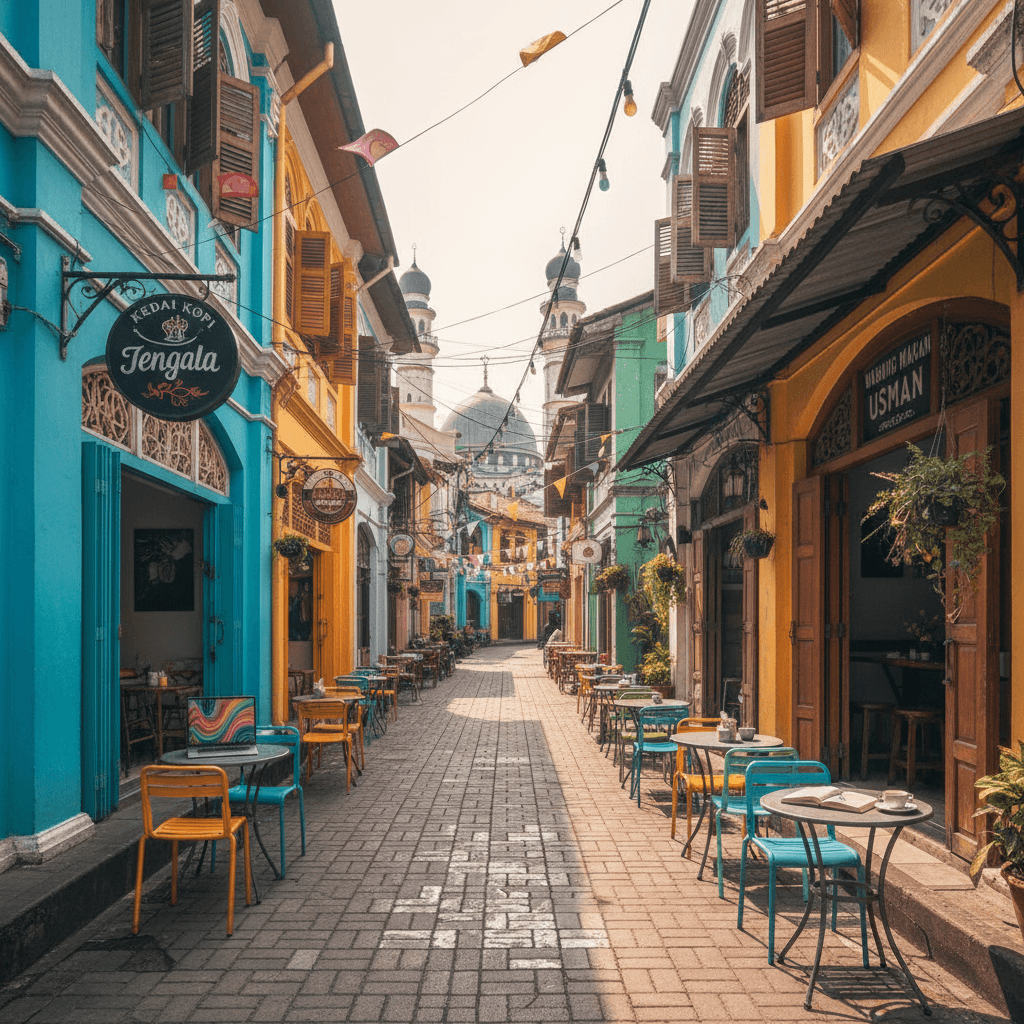
Living in Medan feels like being inside a giant, humid kitchen. The air smells of durian, diesel, and cloves. It is a massive melting pot of Batak, Chinese, Indian, and Malay cultures, which means you can find a Hindu temple next to a sprawling mosque and a dim sum spot on the same block. It is fast paced and loud. You will deal with crumbling sidewalks and traffic that follows its own set of physics, but the locals are incredibly welcoming once you break the ice.
Most nomads find the city a bit of a shock at first. The internet averages around 23 Mbps, and the walkability is near zero. However, if you are tired of the "nomad bubble" in places like Canggu, Medan offers a refreshing lack of pretension. It is a place for those who want to see Indonesia without the tourist filters.
Cost of Living
Your money goes incredibly far here. A $500 to $700 monthly budget covers the basics for a frugal traveler, while $900 or more gets you a lifestyle that feels genuinely upscale.
- Housing: A studio in central areas like Polonia runs about $385. If you look toward the suburbs like Tasbi, you can find houses for $220 to $500.
- Food: Street food like nasi goreng or Petai Chicken King costs $1 to $2. A nice meal at a place like Gaboh Burger is around $5, while a high end steak at Penthouse on 19th will be $10 plus.
- Lifestyle: A Grab ride across town is usually $1. Mobile data is cheap, with 10GB for about $8, and a beer will set you back $2.
Where to Set Up Base
Polonia and Medan Baru
This is the heart of the action. It is close to the old airport and packed with offices, cafes, and apartments. It is noisy and congested, but it is the most convenient spot for solo nomads who want everything within a quick Grab ride.
Taman Setia Budi (Tasbi)
Expats with families often gravitate here. It is a gated community with better security, malls, and hospitals nearby. The trade off is the heavy traffic during peak hours when you try to head into the city center.
Cemara Asri
This is a self contained world with its own shops and recreation areas. It is quieter and feels more organized, though the commute to the center can be a grind.
Work and Connectivity
Do not expect lightning fast fiber everywhere. Reliable WiFi is the biggest hurdle in Medan. For serious video calls, expats recommend Regus Forum Nine, where a hot desk is about $17 a day. Clapham Collective is another solid option for around $300 a month. If you prefer cafes, Caffe Bene is a decent fallback, but always have a Telkomsel SIM card with a 25GB plan as a backup. You can grab one at the airport or any Indomaret for about $9.
Navigation and Safety
Forget walking. The heat and the lack of pavements make it impossible. Everyone uses Grab or Gojek for both cars and motorbikes. For getting to and from Kualanamu International Airport, the airport train is the most reliable way to skip the gridlock. It runs about 12 times a day directly to Medan Station.
Safety is generally fine during the day, but travelers often say to avoid wandering into dark alleys or narrow streets alone at night. Stick to ride hailing apps instead of flagging random taxis. For medical needs, RSUP H. Adam Malik and Royal Prima are the go to hospitals with 24/7 emergency services. If things get urgent, dial 112.
Practical Realities
Medan is equatorial, so expect it to be 30°C (86°F) and humid every single day. The rain is heaviest from September to December, so June through August is usually the sweet spot for visiting. While English is common in malls and hotels, learning basic Indonesian phrases like "Terima kasih" (thank you) goes a long way. This is a cash heavy society, so keep your Wise card handy for ATM withdrawals, but expect to pay for most street food and small shops in Rupiah.
The Price of Authenticity
Medan is the place you go when you're tired of the "digital nomad bubble" in Bali and want to see how Indonesia actually functions. It is loud, humid, and chaotic, but your bank account will love it. Most nomads find they can live comfortably here for under $900 a month, a figure that covers a modern apartment, daily cafe visits, and plenty of weekend trips to the Sumatran jungle.
If you are on a strict budget, you can get by on $500 to $700 by sticking to local guesthouses and the incredible street food scene. Those looking for a more Westernized lifestyle, including gated communities and high end dining, should budget $900 to $1,200. It is a cash heavy society, so keep your Wise card handy for ATM withdrawals, though Grab and Gojek handle most of your daily transactions digitally.
Housing and Neighborhoods
Where you live in Medan dictates your quality of life, mostly because the traffic is notoriously difficult. Expats and nomads usually gravitate toward a few specific hubs:
- Polonia and Medan Baru: This is the heart of the action. It is close to the old airport and packed with offices, malls, and eateries. You can find a studio or one bedroom apartment here for around $385. It is noisy, but you'll save hours on transit.
- Taman Setia Budi (Tasbi): A favorite for families and long term expats. It offers gated security and easy access to hospitals and international schools. Expect to pay between $220 and $500 (Rp 3.5 to 8 million) for local style housing.
- Cemara Asri: A self contained world with its own shops and recreation areas. It is safer and quieter, though the commute to the city center can be a headache during peak hours.
- Royal Sumatra: If you want greenery and a golf course, this is it. It is serene and great for retirees, though the nightlife is nonexistent.
Daily Expenses
Food is where Medan shines, both in variety and price. You can grab a plate of nasi goreng or Petai Chicken from a street vendor for $1 to $2. Mid range restaurants usually cost between $2 and $5. If you're celebrating, upscale spots like Penthouse on 19th will run you $10 or more for a steak dinner.
- Coffee and Beer: A local beer is roughly $2, while a specialty coffee at a place like Caffe Bene is comparable to Western prices.
- Transport: A typical Grab ride across town is about $1. It is the most reliable way to get around since the city isn't walkable.
- Connectivity: A 10GB mobile data plan costs about $8. We recommend Telkomsel for the best coverage, especially if you plan to head to Lake Toba or Bukit Lawang.
Productivity and Internet
The internet is Medan's biggest hurdle. Average speeds hover around 9 Mbps, which is fine for emails but frustrating for heavy video calls. Most nomads rely on coworking spaces rather than hotel WiFi. Regus Forum Nine is the premium option, offering hot desks for about $17 a day or $106 a month. For a more community focused vibe, Clapham Collective is the go to spot, though it carries a higher monthly price tag of roughly $300.
Healthcare and Safety
The city is generally safe during the day, but travelers often advise against walking alone in dimly lit central areas at night. Stick to Grab or Bluebird taxis rather than flagging down random cars. For medical needs, Royal Prima and RSUP H. Adam Malik are the most reliable facilities. Both have 24/7 emergency services and specialists who often speak some English. Pharmacies like Apotek K-24 are open all night for basic needs.
The Social Scene
Don't expect a massive nomad community. Socializing here happens over food or in small expat groups like InterNations Medan. Nightlife is low key, centered around spots like O'Flahertys. Most people spend their weekends escaping the city heat for the cooler air of the highlands or trekking to see orangutans in the rainforest, which is easily accessible via a $1 airport train or a hired driver.
For Nomads and Solo Adventurers: Polonia and Medan Baru
If you want to be where the action is, Polonia and Medan Baru are your best bets. This central hub is the closest you will get to a walkable lifestyle in Medan, though you will still be dodging motorbikes. It is the city's commercial heartbeat, packed with coffee shops, malls, and the most reliable apartments for short term stays.
- Rent: Expect to pay around $385 for a decent 1BR studio or modern apartment.
- Vibe: Urban, loud, and convenient. You are never more than a few minutes from a Grab ride or a late night bite.
- Work: This area hosts the best workspaces. Regus Forum Nine offers hot desks for about $17 a day, while Clapham Collective is the go to for a more community focused environment at roughly $300 a month.
- Pro Tip: Stick to Caffe Bene if you need a backup spot with decent WiFi, but always carry a Telkomsel SIM with a 25GB plan as a hotspot because the local fiber can be temperamental.
For Expats and Long Termers: Taman Setia Budi (Tasbi)
Tasbi is the gold standard for anyone staying longer than a month. It is a massive gated community that feels like a city within a city. Expats love it because it trades the chaotic street noise of the center for paved lanes and actual greenery. It is much safer for evening walks, which is a rare luxury in Medan.
- Rent: Prices are lower than the center, ranging from $220 to $500 (Rp 3.5 to 8M) for larger homes.
- Vibe: Secure, suburban, and family friendly. You will find hospitals, international schools, and decent grocery stores right on your doorstep.
- Dining: You are close to local favorites like RM Bintang Bawal for authentic seafood.
- The Catch: The commute into the city center during peak hours is brutal. If you work remotely, stay put; if you have meetings downtown, leave early.
For Families and Quiet Seekers: Cemara Asri and Johor
If you are moving with a family or just want to escape the "Medan madness," look toward Cemara Asri or the Citra Garden area in Johor. Cemara Asri is famous for its self contained ecosystem, featuring its own lakes, parks, and even a bird sanctuary. It is one of the few places where you can actually see kids playing outside.
- Cemara Asri: Known for incredible Chinese Indonesian food and a relaxed, community feel. It is a bit of a trek from the city center, but many residents rarely feel the need to leave the neighborhood.
- Johor/Citra Garden: This area is south of the center and offers spacious, modern housing. It is significantly quieter and greener than Polonia.
- Cost: Budget around $700 to $900 for a comfortable mid range lifestyle including a multi bedroom house and frequent dining out.
For Retirees and Luxury Seekers: Royal Sumatra
For those with a higher budget who prioritize serenity over nightlife, Royal Sumatra is the premier choice. It is built around a golf course and offers the cleanest air in the region. It feels worlds away from the 9 Mbps average internet speeds and exhaust fumes of the inner city.
- Highlights: High end security, pristine nature trails, and a very private atmosphere.
- Downside: You will be reliant on Grab or a private driver for everything. There is zero nightlife here, so you will be heading into the city for spots like O'Flahertys or The Penthouse on 19th.
- Budget: A comfortable life here starts at $900+ per month, which is still a bargain compared to similar setups in Bali or Jakarta.
The Reality of Staying Connected
If you are planning to run high stakes Zoom calls from a poolside lounge in Medan, you might want to adjust your expectations. With an average speed of around 23 Mbps, the local internet can feel like a throwback to a decade ago. It is inconsistent and often relies on the stability of the city power grid, which has its own moods. Most digital nomads find that relying solely on hotel or cafe WiFi is a recipe for frustration.
The smartest move is to treat your mobile data as your primary connection and the local WiFi as a backup. You will want to grab a local SIM card immediately. Telkomsel is the gold standard here for coverage, especially if you plan on taking weekend trips to Bukit Lawang or Lake Toba. Expect to pay around $20 for a 25GB tourist pack. You can find these at the airport, but you will get better rates at an Indomaret or Alfamart convenience store in the city. XL and Indosat are cheaper alternatives, often around $7 for 20GB, but their signal can be spotty once you leave the urban center.
Top Coworking Spots
Because the home internet in many budget rentals is hit or miss, professional coworking spaces are more of a necessity than a luxury in Medan. These spots offer the most stable fiber connections and, just as importantly, backup generators for when the tropical storms knock out the power.
- Regus Forum Nine: This is the corporate heavy hitter located in the heart of the city. It is polished, quiet, and reliable. A hot desk goes for about IDR 290,000 ($17) per day, or you can lock in a dedicated desk for roughly $106 a month. It is the best choice if you have a week of heavy uploading ahead of you.
- Clapham Collective: This is the local favorite for a more creative, community driven vibe. It feels less like an office and more like a hub for entrepreneurs. While it is pricier for long term memberships at around $300 a month, the networking opportunities with local Indonesian startups are worth the premium.
Cafe Culture and Light Work
Medan has a deep love for coffee, but not every coffee shop is "laptop friendly." The local scene is loud and social, which is great for people watching but tough for deep focus. If you need to get a few hours of light admin work done, travelers often head to a reliable cafe chain like local spots. It is one of the few spots where the staff won't mind you lingering over a latte while you clear your inbox.
When scouting for your own "work cafe," look for places in Polonia or Medan Baru. These areas cater to the office crowd and students, so they are more likely to have decent routers and accessible power outlets. Just remember that "high speed" in a Medan cafe usually means enough bandwidth for Spotify and email, not 4K video editing.
Practical Connectivity Tips
- Power Up: Power surges are common. Invest in a good surge protector if you are plugging in expensive gear at your rental.
- Double Up: Many expats carry two SIM cards from different providers. If Telkomsel goes down in your neighborhood, XL might still be humming along.
- Check the Router: Before signing a monthly lease on an Airbnb or a studio in Tasbi, ask the host for a Speedtest screenshot. Don't take "good WiFi" at face value.
- Off Peak Hours: If you have massive files to sync, try doing it late at night or very early in the morning when the local network load is lighter.
Staying Safe in the Chaos
Medan is generally a safe city for foreigners, but its chaotic energy requires a bit of street smarts. Most expats and nomads find that the biggest "threat" isn't crime, but the city's infrastructure. Sidewalks are often non-existent or blocked, making walking a contact sport with traffic. Stick to ride-hailing apps like Grab or Gojek rather than flagging down random taxis. It's safer, the price is fixed, and you won't have to struggle with a language barrier regarding directions.
Petty theft like bag snatching can happen, particularly in crowded areas or if you're walking alone at night in the city center. Keep your phone tucked away when you're near the street, as motorbikes have been known to swipe devices from unsuspecting pedestrians. Women traveling solo should be extra cautious in narrow, dimly lit alleys. If you need to get home late, a $1 Grab ride is always the smarter move. Avoid hanging around government buildings if you see a protest forming; while they're usually peaceful, the traffic gridlock they cause is a nightmare you don't want to be stuck in.
Healthcare Infrastructure
If you get sick, Medan has a handful of facilities that expats regularly use. Royal Prima on Jalan Sampul is a popular choice because they have a wide range of specialists and are used to dealing with more complex cases. Another reliable option is RSUP H. Adam Malik on Jalan Bunga Lau, which operates a 24/7 emergency room. While patient safety standards are improving, keep in mind that for very serious surgeries or specialized long-term care, many expats still choose to take the short flight to Penang or Singapore.
For minor ailments, pharmacies (known locally as Apotek) are everywhere. Apotek K-24 is a reliable chain that stays open 24 hours, which is a lifesaver if you're hit with a sudden bout of "Medan belly" from the street food. Most pharmacists speak enough English to help with basic meds, but having Google Translate ready is always helpful. In a true emergency, you can dial 112, but don't expect the response times you might see in Europe or the US.
Health Precautions and Environment
Air quality can be a genuine concern here, especially during the dry season when agricultural burning in the region kicks up. If you have asthma or respiratory issues, it is worth checking the AQI levels before planning a long day outdoors. Most nomads find that staying in greener, gated neighborhoods like Taman Setia Budi (Tasbi) or Royal Sumatra helps escape the worst of the urban smog and noise.
- Tap Water: Do not drink it. Even locals boil it first, but as a traveler, you should stick to bottled water or large 19-liter Gallon jugs for your apartment.
- Vaccinations: Ensure you are up to date on Hepatitis A and Typhoid, as these are common in areas with diverse street food scenes.
- Insurance: Make sure your policy covers medical evacuation to Singapore just in case.
- Mosquitoes: Dengue is present in North Sumatra. Use repellent if you're hanging out in garden cafes or staying near the greener outskirts like Johor.
Emergency Contacts for Your Phone
- General Emergency: 112
- Ambulance: 118
- Police: 110
- Royal Prima Hospital: +62 61 88813111
Medan is a city that moves at its own pace, and that pace is usually dictated by the gridlock of cars and motorbikes. If you are coming from walkable European cities or even parts of Bali, the lack of sidewalks and the intense humidity will be a shock. You won't find many people strolling the streets here; it is a city designed for wheels, not feet.
Ride-Hailing: Your Daily Lifeline
The easiest way to navigate the chaos is through Grab or Gojek. These apps are non-negotiable for anyone staying more than a day. Most nomads prefer Grab because the interface is English-friendly and the pricing is transparent. A typical car ride across the city will rarely set you back more than $1 to $2. If you are in a rush and don't mind the exhaust, hopping on the back of a motorbike (GrabBike) is the fastest way to weave through the legendary afternoon traffic.
- Grab/Gojek Car: Best for air conditioning and safety during tropical downpours.
- Motorbike Taxis: The only way to beat the 5:00 PM rush in Polonia or Medan Baru.
- Bluebird Taxis: Reliable and metered, though usually slightly more expensive than ride-sharing apps.
Airport Transfers
Getting from Kualanamu International Airport to the city center is surprisingly efficient compared to the rest of the local infrastructure. The Airport Train is the gold standard here. It runs about 12 times a day and drops you right at Medan Station in the heart of the city. It is clean, punctual, and avoids the highway traffic entirely. If you have heavy luggage, a Grab or a Bluebird taxi is your next best bet. Expect a fixed fare or a metered ride that takes anywhere from 45 to 90 minutes depending on the time of day.
Public Transport and Local Quirks
While there are local buses, they aren't particularly intuitive for expats or short-term travelers. You might see the Trans Metro Deli buses, which are modern and air-conditioned, but the routes are limited. For a more "authentic" experience, you can try a Sudako (the local minivans), but unless you speak a bit of Bahasa and know exactly where you are going, they can be confusing. Most long-term residents suggest sticking to digital hailing for the sake of sanity and safety.
Walking and Micromobility
Expect to treat walking as a sport rather than a leisure activity. Between the broken pavement, the heat, and the 80% humidity, you will likely be drenched in sweat within ten minutes. There is no widespread bike-sharing or scooter rental scene in Medan yet. If you are staying in a gated community like Taman Setia Budi (Tasbi) or Cemara Asri, you can enjoy a morning jog or a bike ride within the complex, but once you exit those gates, the car is king.
Regional Travel
Medan serves as the primary jump-off point for Sumatra's bigger adventures. If you are heading to Lake Toba or the orangutan sanctuaries in Bukit Lawang, you will likely be looking at private drivers or shared "travel" vans. A private car to Bukit Lawang is the preferred move for nomads, usually booked through WhatsApp or local guesthouses. For Mount Sibayak hikes, many travelers take a Grab or a public bus to Berastagi, which is about two hours away if the roads are clear.
- Airport Train: The fastest way to the city center.
- Kualanamu to Medan Station: Approximately $5 to $7 per ticket.
- Intercity Vans: Essential for reaching nature spots like Lake Toba.
The Linguistic Landscape
In Medan, language is a reflection of the city's chaotic, multicultural soul. While Bahasa Indonesia is the official tongue used in government and media, you'll mostly hear a local dialect of Malay mixed with heavy influences from Batak, Hokkien, and Tamil. It's fast, rhythmic, and often louder than what you'll experience in Java or Bali.
Don't expect high levels of English proficiency here. Outside of high end malls like Sun Plaza or upscale hotels in Polonia, English is rarely spoken fluently. Most nomads find that while hotel staff and younger university students might have a basic grasp, the aunties selling 15,000 IDR nasi goreng on the street likely won't. You'll need a bit of patience and a translation app to get by.
Communication Essentials
Getting a local SIM card is the first thing you should do after landing at Kualanamu International Airport. While the airport kiosks charge a premium, it saves you the headache of finding a registered vendor later. Telkomsel is the gold standard for coverage, especially if you plan on taking weekend trips to Bukit Lawang or Lake Toba where other networks often fail.
- Telkomsel Tourist Prepaid: Around IDR 330,000 ($21) for 25GB valid for 30 days.
- XL Axiata or Indosat: Often cheaper, around 110,000 IDR ($7) for 20GB, but better suited for city use only.
- Registration: You must bring your passport to the shop. Indonesian law requires IMEI registration for foreign phones staying longer than 90 days, so keep that in mind for long term stays.
Digital Connectivity Challenges
If your job involves heavy video conferencing, Medan will test your nerves. The city's average fixed line speed hovers around 9 Mbps. Most expats recommend against relying on "free cafe WiFi" for anything more than sending emails or Slack messages. If you're staying in Taman Setia Budi (Tasbi) or Medan Baru, check that your provider is IndiHome or Biznet, as these are generally the most stable.
For serious work, head to dedicated spaces. Regus Forum Nine is the corporate choice at about 290,000 IDR ($17) per day, while Clapham Collective offers a more community focused vibe for around $300 a month. Most nomads use their phone's 4G hotspot as a backup, as mobile data is often faster than the local WiFi.
Navigating Daily Interactions
Indonesians are incredibly social and polite. Using a few local words goes a long way in building rapport with vendors and Grab drivers. Google Translate is your best friend here; use the camera feature to read menus at local warungs that don't have English translations. Travelers often find that even a clumsy "Terima kasih" (thank you) earns a massive smile and better service.
When it comes to apps, your phone should be loaded with Grab and Gojek. Both apps are available in English and are the primary way to communicate with drivers. They have built in chat translators, which is a lifesaver when a driver is trying to tell you they're stuck in Medan Baru traffic or can't find your specific alleyway.
Key Phrases for Your Pocket
- Berapa harganya? (How much is this?): Use this at markets like Pajak Ikan.
- Pedas / Tidak pedas: (Spicy / Not spicy): Critical for ordering street food if you aren't ready for Sumatran heat.
- Minta bill: (Can I have the bill?): Standard for cafes and restaurants.
- Sama-sama: (You're welcome): The standard response to "Terima kasih."
The Equatorial Reality
Medan doesn't really have seasons in the traditional sense. Since it sits almost directly on the equator, you're looking at a steady 29 to 32°C (84 to 90°F) year round. It's the kind of heat that feels heavy the moment you step out of an air-conditioned lobby, usually paired with humidity levels that rarely dip below 80 percent. If you're planning to get work done, you'll want to prioritize a place with reliable AC, as the midday sun makes outdoor laptops sessions nearly impossible.
Rain is a constant companion here. Even in the so called dry months, you should expect a heavy afternoon downpour at least once every few days. Most nomads find that the weather dictates their schedule; you do your exploring or errands in the morning and settle into a coworking space like Clapham Collective by 2 PM before the clouds break.
When to Book Your Stay
If you have the flexibility, aim for June, July, or August. This is the sweet spot for Sumatra. While it's still hot, these months see significantly less rainfall, making it the best time for weekend trips to Lake Toba or trekking to see orangutans in Bukit Lawang. You'll get more clear days for photography and fewer flooded streets, which is a major plus given Medan's struggle with drainage during storms.
February and March are also decent windows for a visit. The rainfall averages around 133mm to 150mm, which is about as dry as this region gets. Expats living in neighborhoods like Polonia usually use this time to enjoy the local cafe scene before the heavier monsoon clouds return.
The Monsoon Peak
You might want to think twice about arriving between September and December. This is the heart of the rainy season, with November typically being the wettest month, seeing upwards of 278mm of rain. During this peak, it rains almost every single day, often for hours at a time.
Travelers often find that the city's infrastructure struggles during these months. Traffic, which is already a headache in the center, slows to a crawl, and Grab prices for cars usually spike due to high demand. If you're a digital nomad who relies on being out and about, the final three months of the year can feel a bit isolating as you'll be spending most of your time indoors.
Seasonal Packing Essentials
- Breathable Fabrics: Stick to linen or moisture wicking tech gear. Heavy denim is a mistake you'll only make once in 90 percent humidity.
- Quality Rain Gear: A flimsy umbrella won't last long in a Sumatran storm. Most locals rely on heavy duty ponchos, especially if they're hopping on the back of a Gojek bike.
- Indoor Layers: It sounds counterintuitive, but malls, cinemas, and upscale offices like Regus Forum Nine often crank the AC to freezing levels. Always have a light hoodie in your bag.
- Footwear: Choose shoes that handle water well. Medan's sidewalks are uneven and puddles can be deceptively deep after a flash storm.
Air Quality Considerations
Beyond just the rain and heat, it's smart to keep an eye on the burning season in neighboring regions. Occasionally, between August and October, smoke from agricultural clearing can drift over the city. While it isn't a problem every year, those with respiratory sensitivities should check air quality apps before committing to a long term stay during the late summer months.
The Medan Reality Check
Medan isn't for everyone. It's a loud, gritty, and unapologetically authentic Indonesian metropolis that trades Bali's manicured aesthetics for raw character and some of the best food in Southeast Asia. Most nomads find the ultra low cost of living, often under $900 a month for a comfortable lifestyle, a fair trade for the city's notorious traffic and patchy 9 Mbps average internet speeds.
You'll likely spend your days dodging motorbikes and hunting down the perfect bowl of Soto Medan. It's a place where you'll need a bit of patience and a Grab account to survive, but the rewards are deep cultural immersion and a gateway to Sumatra’s wild jungles.
Where to Plant Your Flag
Choosing the right neighborhood is the difference between a productive stay and hours wasted in gridlock. Expats and digital nomads generally gravitate toward these areas:
- Polonia and Medan Baru: This is the heartbeat for solo nomads. It's close to the old airport, packed with offices, and has the highest concentration of cafes and apartments. You'll pay around $385 for a central studio, though you'll have to deal with constant urban noise.
- Taman Setia Budi (Tasbi): A favorite for families and long term expats. It's a gated community with its own hospitals and malls. It's much safer and quieter, though the commute into the city center during peak hours is brutal.
- Cemara Asri: A self contained world on the outskirts. It’s famous for its food court and bird sanctuary. It feels like a small town within a city, but it's a long haul if you need to be in the center daily.
- Johor and Citra Garden: If you want more space and a bit of greenery, look south. Rents here are lower, ranging from $220 to $500 for larger homes, making it ideal for those who work from home and don't mind the distance.
Connectivity and Workspace
Don't rely on your Airbnb's WiFi for important video calls. The infrastructure is still catching up, so you'll want a backup plan. Grab a Telkomsel Tourist SIM at the airport or an Indomaret; 25GB will cost you about $9 and offers the most reliable coverage.
For serious work, head to Regus Forum Nine. A hot desk goes for about $17 a day, or you can grab a monthly spot for roughly $106. Clapham Collective is the other major player, favored by the local startup scene. If you prefer cafes, Caffe Bene is a reliable standby, though the city's coffee culture is more about the beans than the bandwidth.
Money and Daily Expenses
Medan is incredibly kind to your wallet. You can eat like a king on a street food budget of $1 to $2 per meal. Even a high end steak at Penthouse on 19th will only set you back about $10.
- Budget Tier ($500 to $700/month): Shared housing, local markets, and motorbike Grabs.
- Mid Range ($700 to $900/month): A private 1BR studio, a mix of cafes and street food, and a dedicated coworking desk.
- Comfortable ($900+/month): A house in a gated community like Royal Sumatra, frequent upscale dining, and weekend trips to Lake Toba.
Cash is still king here. While malls and big restaurants take cards, you'll need Indonesian Rupiah (IDR) for everything else. Use Wise for transfers and stick to major bank ATMs like BCA or Mandiri to withdraw cash, usually in IDR 1,200,000 increments.
Getting Around
Walking is rarely an option due to the 32°C (90°F) heat and lack of sidewalks. Download Grab and Gojek immediately. A car or motorbike trip across town rarely exceeds $1. For airport transfers, the Kualanamu Airport Train is the fastest way to hit the city center and avoid the two hour highway crawl.
Health and Safety
Medan is generally safe, but use common sense. Use Grab over hailing random taxis on the street, especially at night. For medical needs, RSUP H. Adam Malik and Royal Prima are the go to hospitals for expats. Most pharmacies, like Apotek K-24, are open 24 hours and are well stocked for minor ailments.
Local Etiquette
The culture is a mix of Malay, Chinese, Indian, and Batak influences. Dress modestly when visiting mosques and always remove your shoes before entering someone's home. Use your right hand for eating or shaking hands, as the left is traditionally considered unclean. A small tip of about 7.5% is appreciated in restaurants but not strictly required.
Need visa and immigration info for Indonesia?
🇮🇩 View Indonesia Country GuideOff the Radar
Pioneer territory
Monthly Budget Estimates
More cities in Indonesia
Ubud
🇮🇩 Indonesia
Balikpapan
🇮🇩 Indonesia
Yogyakarta
🇮🇩 Indonesia