Mar del Plata
🇦🇷 Argentina
The Atlantic Soul of Argentina
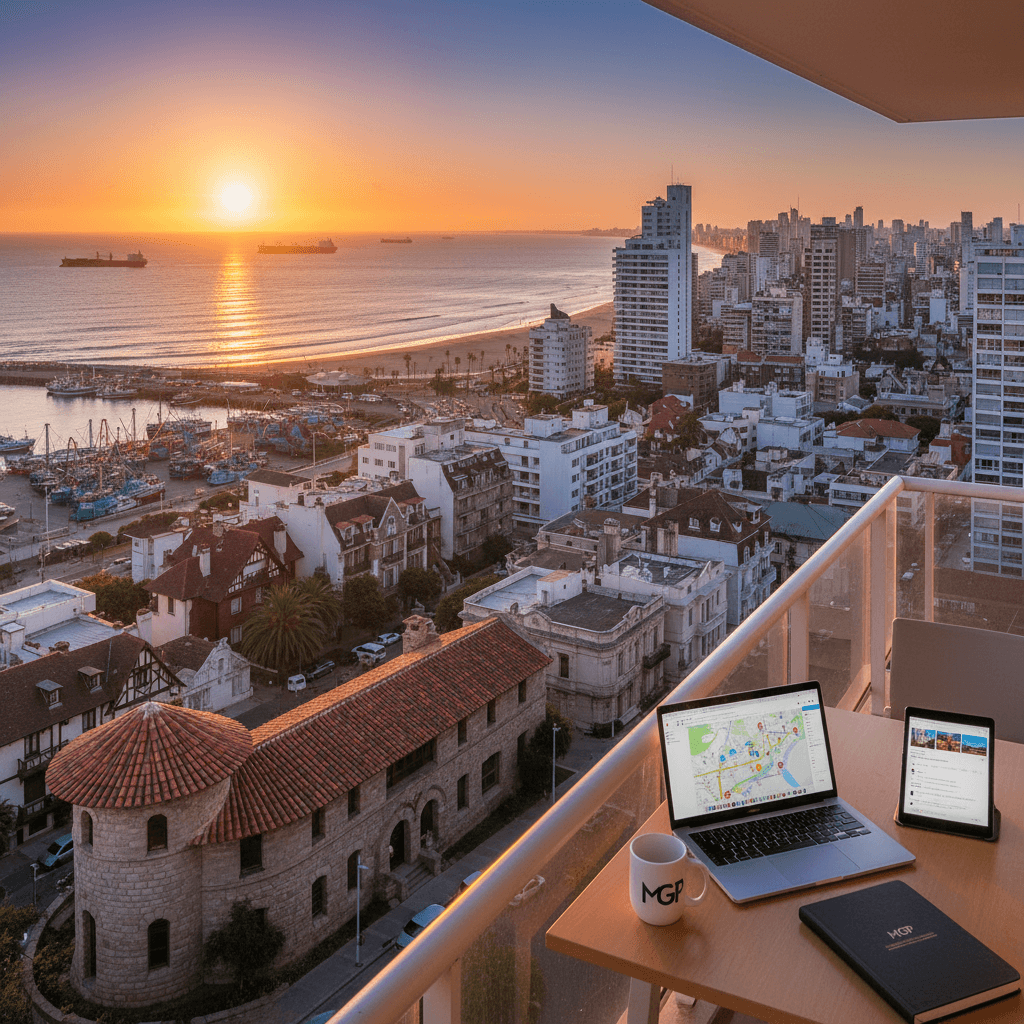
Mar del Plata, or "La Feliz" as the locals call it, is a city of two faces. During the summer months of December to February, it transforms into a high energy coastal hub where half of Buenos Aires seems to relocate for the sun. But for the digital nomad, the real magic happens during the shoulder seasons of March to May or September to November. This is when the city breathes. You get the dramatic Atlantic coastline, the smell of salt air, and wide open beaches without the crushing crowds.
What sets this place apart from other South American beach towns is its urban backbone. You aren't just sitting in a hut with a laptop; you're working from sophisticated cafes like Coco Café Mdp or Di Mero Espresso, surrounded by grand stone architecture and a local culture that takes its coffee and seafood seriously. It feels lived in and authentic, offering a work by the sea lifestyle that's far more affordable than Uruguay or Brazil, with a monthly cost of living averaging around $1,300.
The Daily Flow
Life here revolves around the costanera, the long coastal walkway that snakes along the cliffs and beaches. Most nomads start their day with a walk or a quick surf session at Playa Varese before heading to a coworking space. The community is growing, and you'll usually find the remote work crowd at Indie Coworking or Ayana Coworking. Membership runs between $60 and $110 a month, and it's the best way to bypass the sometimes spotty home internet speeds, which typically average 70-100 Mbps.
While English proficiency is moderate, you'll find that people in the cafe and tech scenes are patient and helpful. It's a city that rewards those who try a little Spanish. By sunset, the vibe shifts to the breweries and seafood spots. There's an emotional groundedness here; it's less about "hustle culture" and more about finding a rhythm between a deep work session and a long, slow dinner of fresh calamari or a traditional parrillada.
Where to Plant Your Flag
Choosing the right neighborhood changes your entire experience. Most nomads stick to the central and beachfront areas for the sheer convenience of being able to walk everywhere.
- Central & Beachfront (Near Playa Bristol): This is the heart of the action. You're steps from the ocean and the best cafes. Rent: $280 to $500 for a studio. It's lively and convenient, though it gets loud during the peak summer weeks.
- Playa Varese & Puerto: A bit more refined and quieter. It's great if you prefer scenic morning jogs and a family friendly atmosphere. Rent: $400 to $600. Public transport is a bit thinner here, so you might rely more on Uber or DiDi.
- Southern Outskirts: If you're on a tight budget and don't mind a commute, the areas toward the Miramar route are much cheaper. Rent: Under $300. It's beautiful and rugged, but you'll feel isolated without a car.
The Bottom Line on Costs
Argentina's economy is famously fluid, but Mar del Plata remains a bargain for those earning in stronger currencies. Here is how the monthly budget typically breaks down for different lifestyles:
Budget Nomad
- Total: $500 to $840
- Rent: $280
- Meals: $160 (focusing on street food like $7 empanadas)
- Coworking: $60
Mid-Range Nomad
- Total: $800 to $1,300
- Rent: $400
- Meals: $200 (mix of cooking and mid-range dining)
- Coworking: $90
Comfortable Nomad
- Total: $1,300 to $2,200
- Rent: $500+ (prime beachfront views)
- Meals: $220+ (regularly dining at upscale seafood spots)
- Extras: $110 for premium coworking and weekend trips to Miramar
Safety is generally a non issue in the main tourist and beach zones, though healthcare is a bit more limited than in Buenos Aires. If you need a doctor, most expats suggest heading to the private clinics or pharmacies for minor issues. For everything else, the 101 police line or 107 for an ambulance are the numbers to know. It's a city that feels safe, salt of the earth, and surprisingly ready for the remote work era.
The Nomad’s Bottom Line
Living in Mar del Plata is a masterclass in coastal affordability. While Buenos Aires often grabs the headlines, this seaside city offers a similar lifestyle for a fraction of the price. Most nomads find they can live comfortably on about $1,300 a month, though you can definitely get by on $800 if you’re savvy with local markets and stick to the off-season. It’s a place where your dollars or euros stretch far, especially if you’re earning in a stronger currency.
One thing to keep in mind is the local economy. Most residents earn around $900-1,000 a month, so as a remote worker, you’ll have significant purchasing power. Card payments are common at larger supermarkets and modern cafes like Coco Café Mdp, but keeping some pesos on hand for smaller empanada shops or street food is always a smart move.
Monthly Budget Breakdowns
Your lifestyle here depends entirely on how much you want to lean into the "resort" side of the city. Here is how the costs typically shake out for different styles of travel:
- The Budget Nomad ($500 to $840): This covers a basic studio apartment further from the shore, cooking most meals at home with occasional $7 street food, and using the bus system for about $7 a month. You’ll likely skip the dedicated office and work from your kitchen table or free library spots.
- The Mid-Range Professional ($800 to $1,300): This is the sweet spot. You can snag a nice 1BR near the center for $400, eat out a few times a week for about $200 a month, and pay $90 for a desk at Ayana Coworking.
- The Comfortable Expat ($1,300 to $2,200): This tier allows for a high-end apartment with ocean views, daily dinners at seafood spots or parrilladas, frequent Ubers, and a premium membership at Indie Coworking for $110.
Housing and Neighborhoods
Rent is your biggest variable. If you arrive during the height of summer in January, expect prices to double. Smart travelers often arrive in March when the weather is still beautiful but the crowds have vanished and landlords are eager to negotiate long-term stays.
Central and Beachfront
- Rent: $450 to $600 for a modern 1BR.
- Vibe: You’re steps from Playa Bristol and the Rambla. It’s walkable and full of energy, though it can get noisy on weekends.
Playa Varese and Puerto
- Rent: $350 to $500.
- Vibe: A bit more residential and quieter. It’s a favorite for expats who want a morning coastal walk without the downtown chaos.
Outskirts and Miramar Route
- Rent: $280 to $350.
- Vibe: Very affordable but you’ll feel isolated without a car. It’s scenic and rugged, perfect if you really want to disconnect.
Practical Daily Expenses
Beyond rent, your daily "burn rate" stays low. A meal at a mid-range restaurant usually runs between $10 and $15, while a quick snack of empanadas or a choripán will only set you back about $7. If you’re brewing your own coffee, you’ll save a lot, but a latte at Di Mero Espresso is an affordable luxury that comes with reliable WiFi.
Transport is notably cheap. A monthly pass for the bus system is roughly $10, though many nomads prefer using Uber or DiDi to get around quickly. For digital needs, most people grab a Holafly eSIM for immediate data, though setting up a local SIM is cheaper if you’re staying more than a month. Just be prepared for internet speeds that hover between 13 and 58 Mbps; it’s enough for Zoom, but maybe not for uploading 4K video files all day.
For Digital Nomads and Solo Travelers
If you want to be where the action is, the Central and Beachfront area near Playa Bristol or the Rambla is your best bet. This is the heart of the city's cafe culture, where you can grab a table at Coco Café Mdp or Di Mero Espresso and find reliable WiFi alongside a solid espresso. You'll be within walking distance of almost everything, which is a major plus since the city isn't particularly bike friendly.
Most nomads gravitate toward this area for the social scene and the proximity to Indie Coworking and Ayana Coworking. These hubs are where the community gathers, and memberships usually run between $60 and $110 per month. Living here puts you right on the coast for midday walks, though you should prepare for thick crowds and higher rents during the peak summer months of December through February.
- Estimated Rent: $400 to $500 for a central studio.
- Vibe: High energy, walkable, and social.
- Best for: Networking, surfing after work, and those without a car.
For Expats and Long-Term Residents
The area around Playa Varese and the Puerto district offers a more grounded, residential feel. It's far enough from the main tourist drag to escape the heaviest noise but close enough to enjoy the coastal views. Expats often prefer this zone because it feels more like a neighborhood and less like a vacation resort. The seafood around the port is the freshest in the city, and the pace of life slows down significantly once you move a few blocks inland.
Public transport can be a bit thin here, so many long termers rely on Uber or DiDi to get around. It's a great spot if you're looking for a mid-range lifestyle, with total monthly costs hovering around $1,300 for a comfortable setup. You'll find more locals and fewer transient tourists, making it easier to practice your Spanish and settle into a routine.
- Estimated Rent: $350 to $450 for a one bedroom apartment.
- Vibe: Coastal, authentic, and slightly quieter.
- Best for: Those staying 3+ months who want a local community.
For Families
Families usually find their rhythm in the quieter pockets near Playa Varese or by taking short trips out to Miramar. While Miramar is technically a separate town about 50 minutes away via Ruta 11, it's a favorite for those with kids because of its wide beaches and scenic cliffs. Within Mar del Plata, the residential streets behind the main coastal road offer larger apartments and proximity to parks.
Safety is generally high in these areas, and the air quality is excellent. While the local hospitals aren't quite at the level of those in Buenos Aires, pharmacies are everywhere and the environment is very kid friendly. The off season, particularly March through May, is the sweet spot for families to enjoy the city without the chaotic summer surge.
- Estimated Rent: $500+ for larger multi-room units.
- Vibe: Safe, spacious, and relaxed.
- Best for: Parents looking for a peaceful beach lifestyle and outdoor activities.
For Budget Travelers
If you're looking to keep your monthly spend closer to $800, look toward the Outskirts or the southern route toward Miramar. Rents drop significantly once you move away from the primary beach zones. You can find basic housing for as low as $280 a month if you're willing to commute. These areas are much less walkable, so you'll likely need to factor in $10 a month for bus fare or budget for ride hailing apps.
You won't find many coworking spaces out here, so you'll be relying on home internet, which typically ranges from 13 to 58 Mbps. It's a trade off, but for those who prioritize scenery and silence over cafe hopping, the southern cliffs offer a beautiful and affordable backdrop.
- Estimated Rent: $280 to $350 for modest local housing.
- Vibe: Rural, rugged, and very affordable.
- Best for: Budget conscious nomads and those who prefer nature over nightlife.
Connectivity Overview
Mar del Plata offers a reliable but modest digital infrastructure. While you won't find the lightning fast fiber speeds of Buenos Aires here, the city provides enough bandwidth for video calls and heavy cloud work. Expect download speeds averaging 70-100 Mbps. Mobile coverage is excellent throughout the city center and beachfront, so your phone will usually serve as a solid backup hotspot if the cafe WiFi dips.
For your phone, most nomads skip the hassle of local stores and use a Holafly eSIM. It's the most convenient way to get data immediately upon arrival. If you're staying longer, picking up a local SIM from a provider like Claro or Movistar will save you money, as data packages are quite affordable in Argentina.
Top Coworking Spaces
The nomad community tends to cluster around two main hubs that offer more than just a desk. These spaces are where you'll meet other remote workers and get invited to weekend coastal trips or late night parrilladas.
- Indie Coworking: This is arguably the most popular spot for international travelers. It has a great community vibe and hosts regular meetups. Monthly memberships usually run between $60 and $90.
- Ayana Coworking: A professional and sleek environment that appeals to those who need deep focus. It's slightly more expensive, with monthly rates hitting around $110, but the reliability and networking opportunities make it worth the premium.
Laptop-Friendly Cafes
If you prefer the hum of a coffee shop over a structured office, Mar del Plata has a thriving cafe culture. The locals are used to people lingering over a cortado with a laptop, especially during the quieter off-season months.
- Coco Café Mdp: Located near the central beach areas, this spot is a favorite for its reliable WiFi and excellent pastries. It can get crowded on weekends, so aim for a weekday morning.
- Di Mero Espresso: Known among the nomad crowd for having some of the most stable internet in the city. The coffee is high quality, and the staff won't rush you out the door.
- La Fonte D'Oro: A classic local chain. While it's more corporate, the larger branches usually have plenty of space and decent connectivity for a quick hour of emails.
Practical Tips for Remote Work
Seasonality is the biggest factor for your work life here. During the high season from December to February, the city swells with millions of tourists. Cafes become noisy, and bandwidth can get stretched thin in beachfront neighborhoods. Most nomads recommend visiting during the shoulder seasons, specifically March to May or September to November. During these months, the weather stays mild, the cafes are quiet, and the internet is much more stable.
Power outages are rare but can happen during summer heatwaves. If your work is deadline dependent, staying in a central apartment or near one of the major coworking hubs is your best bet, as these areas are prioritized for utility repairs. Always ask your Airbnb host for a screenshot of a speed test before booking, specifically asking for the upload speed if you do a lot of video conferencing.
Safety on the Coast
Mar del Plata generally feels safe and relaxed, especially compared to the frantic energy of Buenos Aires. Most nomads find the city welcoming, particularly in the central coastal districts and around the popular beaches like Playa Bristol or Playa Varese. During the summer high season from December to February, the streets stay lively well into the night, which adds a layer of "eyes on the street" security.
That said, it's a city of around 700,000 people, so you should keep your wits about you. Stick to well lit tourist and beach zones if you're out after dark. While there aren't specific "no go" zones highlighted by the community, the outskirts can feel a bit isolated. Expats recommend staying closer to the Rambla or the coworking hubs if you plan on walking home late from a cafe session.
Petty theft like phone snatching can happen in crowded areas, especially when the summer tourists descend. Keep your belongings close at Coco Café Mdp or when lounging on the sand. One specific quirk here is food safety; while the seafood is excellent, travelers often suggest being cautious with street food vendors to avoid a ruined weekend. Stick to established spots for your empanadas and parrilladas.
Healthcare Realities
The healthcare situation in Mar del Plata is functional but has its limits. While you'll find plenty of pharmacies on almost every corner for minor ailments, the hospital infrastructure isn't as robust as what you'd find in the capital. Local facilities can handle emergencies, but for specialized care or complex procedures, many nomads prefer heading back to Buenos Aires.
Most digital nomads rely on private insurance or travel policies like SafetyWing or World Nomads. Private clinics usually offer a higher standard of care and shorter wait times than public options. If you need a doctor, expect to pay out of pocket and file for reimbursement later, though prices are generally affordable for those earning in USD.
Emergency Contacts
Keep these numbers saved in your phone just in case. High speed internet might be patchy, but the emergency lines are reliable.
- Ambulance / Medical Emergencies: Dial 107
- Police: Dial 101
- General Emergencies: Dial 911
Air Quality and Environment
One of the biggest perks of working from Mar del Plata is the air quality. The constant Atlantic breeze keeps the city feeling fresh, which is a massive upgrade if you're coming from a smoggy metropolis. It’s one of the reasons the "work by the sea" lifestyle is taking off here. Just be prepared for the wind; during the winter months of June to August, those coastal gusts can be biting, so pack a solid windbreaker if you're staying through the off season.
Practical Health Tips
- Pharmacies: Look for the "Farmacia" signs; they are widespread and many are open 24/7 on a rotating basis.
- Water: While tap water is generally considered safe in major Argentine cities, many nomads stick to bottled or filtered water to be safe.
- Language: Most medical staff will speak Spanish. Having a translation app like Google Translate with an offline mode is a lifesaver if your Spanish is still at the "Hola" stage.
Getting Around Mar del Plata
Mar del Plata is a city built for the coast. If you've snagged an apartment in the central beach districts or near the Rambla, you'll find that your own two feet are your best asset. The city is surprisingly walkable along the shoreline, where wide sidewalks connect the main beaches like Playa Bristol and Playa Varese to the local cafe scene. Most nomads find that staying central allows them to hop between Indie Coworking and the beach without ever needing a vehicle.
When you need to cover more ground, the bus system is the local lifeline. You'll see the colorful "colectivos" crisscrossing the city constantly. While the network is extensive, it can feel a bit limited if you're trying to reach the further outskirts or the Puerto area quickly. Expect to pay roughly $7 to $10 for a full month of transit, making it an incredibly budget-friendly way to live like a local. Just be prepared for some serious crowding during the peak summer months of December through February.
For those times when the bus feels too slow or you're heading home late at night, ride-hailing is the way to go. Uber and DiDi are both active here and widely used by the expat community. It's generally safer and more transparent than hailing a random cab on the street, especially if your Spanish is still a work in progress. If you're arriving at Astor Piazzolla International Airport, a taxi or app-based ride will get you to the city center in about 20 to 30 minutes.
If you're planning on staying a while, here's how the transport options break down:
- Walking: High in central and beachfront areas; the best way to enjoy the sea breeze.
- Buses: Affordable at $7 to $10 monthly, but can be slow and packed in high season.
- Ride-Hailing: Uber and DiDi are reliable and the preferred choice for nighttime safety.
- Biking: You'll find rentals near the beaches, but the city isn't particularly bike-friendly once you move away from the coastal paths.
Exploring Beyond the City
One of the perks of Mar del Plata is its proximity to other coastal escapes. Many travelers recommend taking a day trip to Miramar, which is about a 50-minute drive south. The route along the cliffs is stunning, and Miramar offers a much quieter, family-friendly vibe compared to the Mar del Plata hustle. You can easily rent a car for the day or check local bus schedules for a cheap coastal commute.
While the city is generally safe, stick to the well-lit tourist and beach zones if you're out after dark. Most nomads feel comfortable navigating the main drags, but like any city of around 700,000 people, it pays to stay aware of your surroundings. If you're heading to the outskirts for cheaper rent, just keep in mind that you'll likely spend those savings on extra Uber rides, as public transport becomes much more sporadic the further you get from the water.
The Local Lingo
In Mar del Plata, you'll be immersed in the melodic, rhythmic flow of Rioplatense Spanish. This isn't the textbook Spanish you might have learned in school; it's characterized by the "sh" sound for double Ls and Ys, and the use of "vos" instead of "tú." While the city is a major tourist hub, don't expect everyone to be fluent in English. Most nomads find that while younger staff at trendy spots like Coco Café Mdp or Di Mero Espresso speak enough English to get by, a basic grasp of Spanish goes a long way in everyday interactions.
Expats recommend learning the local slang, known as lunfardo, if you want to truly connect with the "Mardel" crowd. You'll hear people use "che" to get someone's attention or "joya" to say something is great. If you're heading to Indie Coworking or Ayana Coworking, you'll likely meet a mix of locals and internationals where English proficiency is higher, but having a translation app ready for the local grocery store or a taxi ride is a smart move.
Communication Tools and Connectivity
Staying connected is relatively straightforward, though internet speeds aren't going to break any records. You can expect download speeds averaging 70-100 Mbps. This is plenty for standard Zoom calls and remote work, but if you're uploading massive video files, you might want to tether to your mobile data as a backup. Mobile coverage across the city is generally solid, especially in the central coastal areas and near the popular beaches like Playa Varese.
For your phone setup, travelers often suggest skipping the hassle of local shops and using a Holafly eSIM. It's a data-focused solution that gets you online the moment you land. If you prefer a local physical SIM, look for providers like Personal or Movistar. For getting around and communicating with locals, download these apps before you arrive:
- Google Translate: Download the Spanish pack for offline use. It's a lifesaver when you're trying to read a menu at a traditional parrillada.
- WhatsApp: This is the universal communication tool in Argentina. Business bookings, doctor appointments, and social meetups all happen here.
- Uber or DiDi: These are widely used for ride-hailing, and the in-app chat features usually have built-in translation.
Helpful Phrases for Nomads
You don't need to be fluent to have a great experience, but showing effort wins a lot of points with the locals. Here are a few phrases you'll actually use while working and living by the sea:
- "¿Hay buen Wi-Fi acá?" (Is there good Wi-Fi here?)
- "¿Dónde está el coworking?" (Where is the coworking space?)
- "Factura, por favor" (The bill, please. Note: "Factura" also means pastry in Argentina, so context is everything!)
- "¿Me cobrás?" (Can I pay? Used commonly in cafes when you want to settle up quickly.)
- "Buen día" (Good morning. Use this every time you enter a shop or elevator.)
Navigating Social Nuances
Communication in Mar del Plata is often warm and informal. It's common for people to greet each other with a single kiss on the right cheek, even in semi-professional settings. When you're out at a restaurant, a 10% tip is the standard gesture of thanks, though it's usually paid in cash even if you use a card for the meal. If you're struggling with the language, just be patient. The "Marplatenses" are generally laid back, especially during the off-season months of March to May, and they'll appreciate any attempt you make to speak their tongue.
The Seasonal Rhythm
Mar del Plata is a city of two faces. During the peak summer months of December through February, the population swells as half of Argentina seems to descend on the coast. Temperatures hit 25-30°C (77-86°F), the beaches at Playa Bristol get packed shoulder-to-shoulder, and the energy is high. While it's great for social butterflies, most nomads find the noise and spiked short-term rental prices a bit much for a focused work schedule.
The sweet spot for remote work is the shoulder season, specifically March to May and September to November. During these months, the weather stays mild, hovering between 15-22°C (59-72°F). You'll get plenty of sunny afternoons for coastal walks or a post-work coffee at Di Mero Espresso without the tourist crowds. It's the best time to snag a monthly apartment deal for $300 to $500 while still enjoying the outdoor lifestyle.
Winter on the Coast
Winter runs from June to August and it's a different beast entirely. Temperatures drop to around 8-14°C (46-57°F), and the Atlantic wind can be biting. It gets rainy and grey, which might suit you if you're looking for deep-work hibernation, but the city feels much sleepier. If you choose a winter stay, make sure your accommodation has decent heating; many older coastal apartments aren't well-insulated for the damp cold.
What to Pack and When to Go
Because the weather is oceanic, it can be unpredictable. Even in the height of summer, a cool breeze often rolls in off the ocean at night, so you'll always want a light jacket or a "buzo" (hoodie) handy. If you're coming for the surf, the water stays pretty chilly year-round, so a good 3/2mm or 4/3mm wetsuit is a requirement rather than a suggestion.
- High Season (Dec-Feb): Best for nightlife and beach parties. Expect $1,300+ monthly costs and crowded coworking spaces like Indie Coworking.
- Shoulder Season (Mar-May, Sept-Nov): Best for nomads. Prices stabilize, the weather is perfect for walking, and cafes like Coco Café Mdp have plenty of room for your laptop.
- Low Season (Jun-Aug): Best for budget travelers. You can find the lowest rents of the year, though you'll be trading beach days for windy, atmospheric walks along the Rambla.
Climate Breakdown
The city doesn't have a distinct "dry" or "wet" season, as rain is scattered throughout the year. However, late autumn tends to be slightly dampest. Most travelers say the wind is the most consistent factor; it's what keeps the air quality high but can make a 15°C day feel much colder than it looks on paper. Plan your arrival for March if you want to catch the tail end of the warmth without the January chaos.
Survival Basics
Mar del Plata operates on a coastal rhythm that shifts dramatically with the seasons. Most nomads find the city most liveable during the shoulder months of March to May and September to November. During these windows, you get mild temperatures between 15°C and 22°C without the crushing crowds of the summer high season. If you arrive between December and February, expect packed beaches and higher rental prices as half of Buenos Aires descends on the coast.
The local economy is cash-friendly, but card acceptance is high in most cafes and supermarkets. You should budget around $1,300 per month for a comfortable lifestyle. While locals often live on closer to $900-1,000, your costs will likely sit higher due to short-term rentals and coworking memberships. Use apps like Uber or DiDi to get around, as the bus system can be a bit of a headache for newcomers to figure out.
Budgeting Your Stay
Your biggest variable will be housing. A decent studio or one-bedroom apartment generally runs between $280 and $500. If you are looking to save, the outskirts near the route to Miramar offer lower prices, though you will sacrifice walkability. For a mid-range experience, expect to spend:
- Rent: $400 for a central apartment.
- Food: $200, mixing home cooking with frequent empanada runs.
- Coworking: $90 for a dedicated desk.
- Transport: $10 for occasional bus rides and short Uber trips.
Where to Set Up Shop
Most digital nomads gravitate toward the Central and Beachfront areas near Playa Bristol. It is the most walkable part of the city, putting you within steps of Coco Café Mdp, a favorite for those who like to work with a view. The downside is the noise, especially during the summer months.
For a quieter vibe, look into Playa Varese or the Puerto area. These neighborhoods are popular with expats and families because they feel more residential. The trade-off is that public transport is more limited here, so you might find yourself relying on ride-hailing apps more often. If you are on a strict budget, the Outskirts offer scenic drives and cheaper rent, but you will definitely need a car or a bike to get anything done.
Connectivity and Coworking
Internet speeds in Mar del Plata aren't lightning-fast, typically hovering between 13 and 58 Mbps. It is enough for Zoom calls, but you might feel the lag if you are uploading heavy video files. For a stable connection and a community feel, head to Indie Coworking or Ayana Coworking. Memberships there range from $60 to $110 per month and are the best places to meet other remote workers.
For a more casual work day, Di Mero Espresso is known for reliable WiFi and great coffee. To stay connected on the move, travelers recommend grabbing a Holafly eSIM before you land, though local physical SIM cards are cheaper if you have the patience to visit a shop in person.
Health and Safety
The city is generally safe, especially in the main tourist and beach zones. Like any urban center, stick to well-lit areas at night and keep an eye on your belongings at crowded beaches. Healthcare is the one area where Mar del Plata lags behind Buenos Aires. While pharmacies are on every corner, the hospitals are limited. Most expats suggest heading to the capital for anything beyond basic medical needs. In an emergency, dial 101 for police or 107 for an ambulance.
Language and Local Life
Spanish is the primary language, and while you will find moderate English proficiency in the tourist hubs, knowing a few phrases goes a long way. Use "Factura, por favor" when you want the bill at a cafe, and "buen día" is the standard greeting for everyone you meet. Download an offline version of Google Translate to help with menus and street signs.
When you need a break from the screen, take the 50-minute drive south to Miramar. It is famous for its coastal cliffs and more relaxed beaches. It is a perfect day trip to escape the city energy and clear your head before Monday rolls around again.
Need visa and immigration info for Argentina?
🇦🇷 View Argentina Country GuideEasy Landing
Settle in, no stress
Monthly Budget Estimates
More cities in Argentina
San Martín de los Andes
🇦🇷 Argentina
Villa La Angostura
🇦🇷 Argentina
La Plata
🇦🇷 Argentina