Malacca City
🇲🇾 Malaysia
The Vibe: Heritage Meets High-Speed
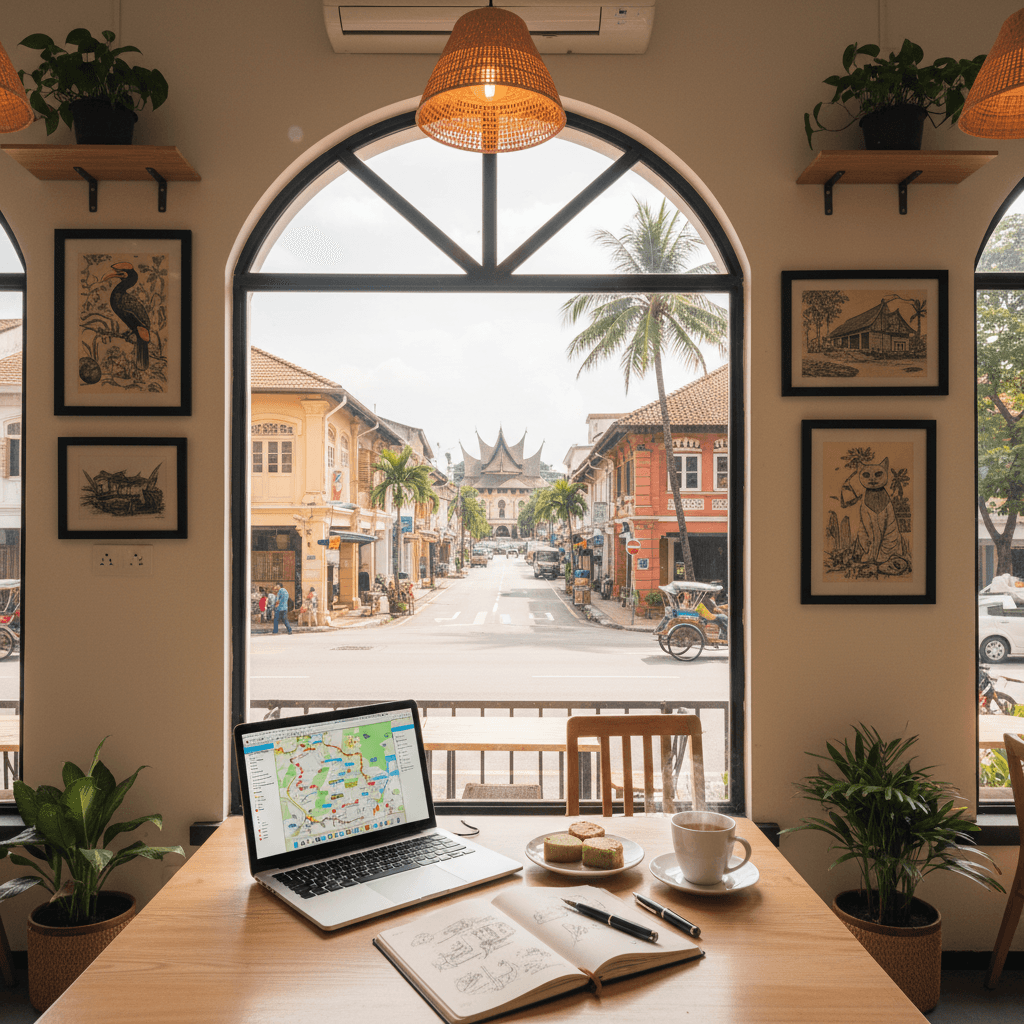
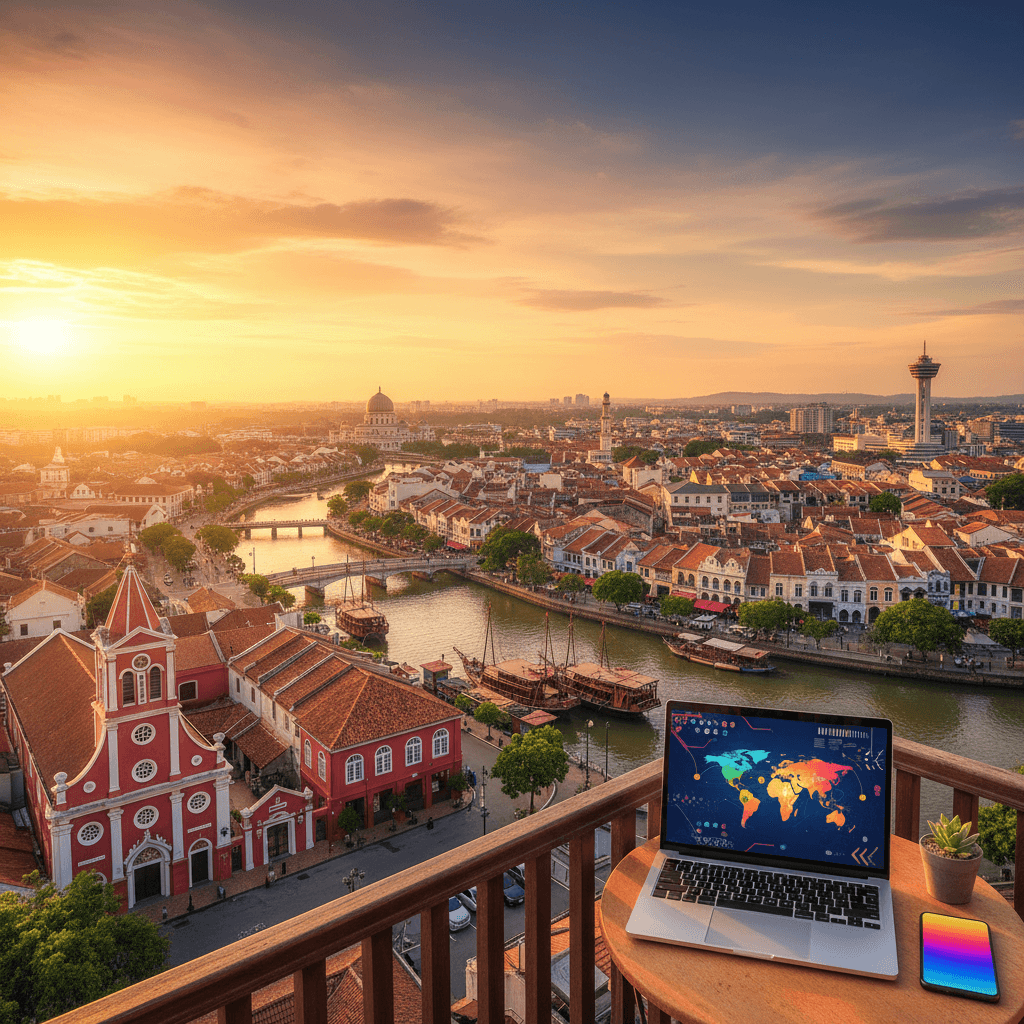
Malacca feels like a city that finally figured out how to slow down without falling behind. While Kuala Lumpur is a frantic push toward the future, Malacca is content to let you work from a 200 year old shophouse while enjoying fiber-optic speeds. It is a place where the scent of shrimp paste and grilled satay drifts through colonial alleys, and the sound of the call to prayer mingles with the hum of air conditioners in modern coworking hubs.
For nomads, the appeal is the lack of friction. You can wake up in a sleek condo in Kota Laksmana, walk to a cafe for a $2.37 cappuccino, and spend your afternoon working in a UNESCO World Heritage zone. It is significantly more affordable than Singapore or Bangkok, often running 40% cheaper than its southern neighbor. You aren't just saving money here; you're buying a lifestyle that feels grounded and textured rather than sterile.
The Cost of Living
The math in Malacca is incredibly friendly. Most remote workers find they can live a high-quality life on roughly $800 to $1,200 per month. If you are on a tighter budget, you can get by on $600 if you stick to street food and shared housing. Here is how the monthly numbers usually shake out:
- Housing: A private studio or 1BR in the city center typically costs between $227 and $325. If you head to the suburbs, a massive 3BR unit can be found for around $238.
- Daily Sustenance: A local lunch at a hawker stall is about $2.38. Even a fancy three-course dinner for two at a mid-range spot rarely crosses the $20 mark.
- Utilities & Tech: High-speed internet averages $30.40 a month, while basic utilities for a single person hover around $28.
Where to Plant Your Flag
Choosing a neighborhood depends on whether you want the "old world" charm or "new world" convenience. Expats and long-term nomads usually gravitate toward Kota Laksmana or Ujong Pasir. These areas have the best infrastructure, the newest apartment complexes, and the easiest access to grocery stores and gyms.
If you want to be in the thick of the history, Chinatown near Jonker Street is the place to be. It is louder and more tourist-heavy, but the atmosphere is unmatched. For those who need a quieter, more residential feel, Ayer Keroh offers more green space, while Klebang Besar is the go-to for anyone who needs to be near the coast. Many nomads specifically look for the Straits Garden Suites area because the units are notoriously work-friendly with solid furniture and reliable connections.
Connectivity and Coffee
The digital infrastructure is catching up to the city's popularity. Spaces at Metrasquare in Ayer Keroh is the heavy hitter for professional setups, offering meeting rooms and full office amenities. If you prefer a more casual vibe, HQ Melaka provides business-grade WiFi and breakout areas that feel less corporate.
The cafe culture is where Malacca really shines. The Daily Fix on Jonker Street is a staple for a reason, though it gets busy on weekends. Geographer Cafe is another classic where you'll likely run into other travelers. For mobile data, grab a SIM from Maxis or Digi for about $15 a month to ensure you have a hotspot backup.
Getting Around and Staying Safe
The historic core is very walkable, but for everything else, you will want the Grab app. It is the most reliable way to get around, though AirAsia Ride is a good backup. If you are feeling adventurous, Beam e-scooters are scattered around the city and cost about RM20 ($4.50) for a full day of riding.
Safety is rarely a concern here. The crime rate is low, and the healthcare is surprisingly elite. Oriental Melaka Straits Medical Centre consistently ranks as one of the best hospitals in the country. A quick visit to a doctor will only set you back about $20, and almost all medical staff speak excellent English. It is the kind of place where you can focus on your work and your travels without looking over your shoulder.
The Bottom Line: What to Expect
Malacca is easily one of the most budget friendly hubs in Southeast Asia right now. Most digital nomads find they can live a very high quality life here for about $800 to $1,200 per month. That covers a modern one bedroom apartment, eating out twice a day, and plenty of weekend trips. If you are on a tighter budget, you can get by on $600 by sticking to local food stalls and shared housing, while $1,500 puts you in the luxury bracket with a high end condo and frequent upscale dining.
Housing and Rent
Rent will be your biggest variable, but even the "expensive" areas feel like a bargain compared to Kuala Lumpur or Singapore. Most expats recommend looking in Ujong Pasir or Kota Laksmana for the best balance of local life and modern infrastructure. If you want something turnkey, the Straits Garden Suites area is a favorite for remote workers because the units usually come with work friendly furniture and solid internet already set up.
- Studio or 1BR in the city center: Expect to pay between $227 and $325 per month.
- 3BR apartment in the center: These usually go for around $585, making them great for families or groups.
- Suburban 3BR houses: If you head to areas like Ayer Keroh, prices drop significantly, often starting as low as $238.
Dining and Groceries
The food scene is where Malacca really shines. You can eat incredibly well without ever touching a stove. A typical lunch at a street stall or a local kopitiam will cost you about $2.38. If you are heading out for a nicer three course dinner with a partner at a mid range spot, you are looking at roughly $19.10 for both of you.
- Street food meal: $2.38
- Cappuccino at a specialty cafe: $2.37
- Upscale dinner for two: $25.00+
- Local beer (0.5L): Prices vary, but expect to pay a premium compared to food due to taxes.
Utilities and Connectivity
Reliable internet is becoming the norm in Malacca, especially in newer developments. A standard 50 Mbps home connection costs about $30.40 per month. For your phone, grab a SIM from Maxis or Celcom; data packages are cheap, usually ranging from $5 to $15 depending on how much 5G you need.
Basic utilities for a single person in a standard apartment, including electricity and water, usually hover around $28. Keep in mind that heavy air conditioning use in the tropical heat can push this number higher quickly.
Transport and Health
The historic center is very walkable, but for longer trips, most nomads rely on Grab. It is reliable and cheap, with an 8km ride costing about $7.05. If you prefer public transit, the Panorama Melaka buses are a steal at $0.47 per ride, and they now accept contactless payments like Apple Pay.
Healthcare is top tier and surprisingly affordable. A visit to a GP typically costs around $20.40. For anything serious, the Oriental Melaka Straits Medical Centre (OMSMC) is the gold standard in the region, known for its short wait times and excellent English speaking staff.
Monthly Budget Summary
- Budget Tier ($400 to $600): Shared rooms, heavy focus on hawker centers, and using the bus or walking.
- Mid Range Tier ($800 to $1,200): Private 1BR apartment, mix of cafes and local food, and regular Grab rides.
- Comfortable Tier ($1,500+): Luxury condo in a prime location, daily restaurant dining, and a dedicated coworking membership.
For Digital Nomads: Kota Laksamana and Ujong Pasir
If you're landing in Malacca to work, Kota Laksamana is the neighborhood to beat. It sits just west of the historic center, meaning you're a ten minute walk from the action but far enough away to avoid the weekend tourist crowds. Nomads gravitate here because the internet infrastructure is the most reliable in the city. You'll find plenty of modern apartments, specifically the Straits Garden Suites area, which is a favorite for remote workers who need ergonomic furniture and high speed WiFi. Expect to pay between $227 and $325 for a solid studio or one bedroom apartment.
Ujong Pasir is the other top contender for the laptop lifestyle. It has more of a local, residential feel but stays connected to the digital world. It's famous for its Portuguese Settlement and incredible seafood, making it the go to spot for nomads who want a "neighborhood" vibe rather than a tourist experience. Most expats recommend this area if you want to be near the water while staying within a $18 monthly transport pass distance from the city center.
For Expats and Long Termers: Ayer Keroh
For those planning to stay six months or longer, Ayer Keroh is where you'll find actual peace and quiet. It's located further inland, away from the humid coastal breeze and the chaos of Jonker Street. This is a leafy, suburban district with much larger living spaces. You can snag a 3BR house here for as little as $238, which is a steal compared to the $585 you'd pay for a similar size in the city center.
The trade off is that you'll likely need a car or a Grab account to get around, as it's less walkable than the heritage zone. However, it's home to Spaces (Metrasquare), one of the best serviced offices in the region. It's also closer to the Oriental Melaka Straits Medical Centre, which expats frequently praise for its world class facilities and English speaking staff.
For Solo Travelers and History Buffs: Chinatown (Jonker Street)
If you're only in town for a few weeks and want to be in the thick of it, Chinatown is the place to be. Living here feels like stepping back into the 15th century, with narrow shophouses, ancient temples, and the smell of Nyonya laksa everywhere. It's the most walkable part of Malacca, and you won't need anything more than your own two feet and the occasional $1 water taxi ride to see the sights.
Solo travelers love the social scene here. You can grab a $2.37 cappuccino at The Daily Fix or head to Geographer Cafe to meet other travelers. Just be aware that Friday and Saturday nights get loud. The night market brings thousands of visitors, so if you're sensitive to noise, look for a guesthouse on a side street like Jalan Hang Lekiu rather than directly on Jonker Street.
For Coastal Seekers: Klebang Besar
Klebang is Malacca's answer to beach living. While it's not a white sand paradise like Langkawi, it offers a distinct coastal charm that's hard to find elsewhere in the city. It's popular with digital nomads who prioritize a sunset view over being near a coworking space. You'll find plenty of high rise condos here that offer views of the Melaka Straits.
The food scene here is legendary, specifically the Klebang Coconut Shake, which is a local rite of passage. It's a bit of a trek from the UNESCO zone, but with Grab rides costing roughly $7.05 for an 8km trip, it's still very accessible. It's the best choice for those who want to feel like they're on a permanent vacation while still being able to hop into town for a $19.10 three course dinner at Salud Tapas.
Connectivity and Speeds
Malacca is shedding its reputation as a sleepy heritage town and catching up to Kuala Lumpur's digital infrastructure. Most modern apartments in Kota Laksmana and Ujong Pasir now come equipped with fiber optic connections. You can expect residential speeds to hover around 50 Mbps to 100 Mbps, which is plenty for seamless Zoom calls and heavy uploads. If you're staying in a heritage shophouse near Jonker Street, the thick stone walls can sometimes mess with your signal, so it's always smart to ask for a speed test before signing a lease.
A monthly home internet subscription usually runs about $30.40. For backup, local SIM cards are cheap and reliable. Most nomads grab a card from Maxis (Hotlink), Celcom, or Digi. You can get a solid data package for $5 to $15 a month. Coverage is excellent throughout the city center, though it can dip slightly if you head out toward the quieter parts of Ayer Keroh.
Top Coworking Spaces
While Malacca doesn't have the sheer volume of spaces you'll find in Bali or Chiang Mai, the options available are professional and well-equipped. They're less about the "digital nomad party" vibe and more about getting actual work done.
- Spaces (Metrasquare): This is the heavy hitter in Ayer Keroh. It's a polished, corporate-style environment on the 2nd floor of Block A. You get business-grade WiFi, meeting rooms with proper AV tech, and a professional reception. It's the best pick if you have client meetings or need a quiet, air-conditioned sanctuary away from the tourist crowds.
- Davinci Meeting Rooms: If you just need a professional spot for a few hours, this is your best bet. Prices start around $3.00 per hour, making it one of the most affordable ways to access high-speed internet and presentation tools in the city.
The Cafe Office Scene
Malacca has a legendary cafe culture. If you prefer the hum of a coffee machine to the silence of an office, you'll be spoiled for choice. Just keep in mind that on weekends, the popular spots in the UNESCO zone get packed with tourists from Singapore and KL, so that's the time to retreat to a dedicated coworking space.
- The Daily Fix: Located at 55 Jalan Hang Jebat, this place is famous for its pandan pancakes and vintage aesthetic. It's cozy and has decent WiFi, but it's better for light admin work than a marathon coding session.
- Geographer Cafe: A staple on Jonker Street. It's breezy, open-air, and has been a landing pad for travelers for decades. It's a great spot to catch up on emails while people-watching, though the lack of AC might be a dealbreaker during the midday heat.
- Straits Garden Suites: Many nomads choose to stay here specifically because the apartments are designed with remote work in mind, featuring ergonomic furniture and stable, private connections that beat out most public cafes.
Practical Tips for Remote Workers
Most nomads find that a hybrid approach works best here. Use the morning for deep work at a coworking space like Spaces, then move to a cafe in Chinatown for the afternoon. If you're planning on a long-term stay, look for "Time" or "Unifi" internet providers in your rental agreement, as these are the gold standards for stability in Malaysia. Also, download the Beam app; their e-scooters are the easiest way to hop between your apartment and your favorite workspace without breaking a sweat in the tropical humidity.
Staying Safe on the Ground
Malacca is one of those rare cities where you can actually let your guard down. Most expats and nomads find the safety levels here significantly better than in larger hubs like Kuala Lumpur or Johor Bahru. Violent crime is extremely rare. The most common issues you'll hear about are petty opportunistic thefts like bag snatching, usually in high traffic areas like Jonker Street or around the Red Square. Just keep your bag on the side away from the road when walking near traffic.
Walking home at night in neighborhoods like Kota Laksmana or Ujong Pasir feels secure, though street lighting can be patchy in older residential alleys. If you're out late, it's smarter to call a Grab rather than walking long distances through unlit areas. Female solo travelers frequently report feeling comfortable here, noting that locals are generally respectful and helpful if you look lost.
One thing to watch out for isn't people, but the infrastructure. Sidewalks in the historic district are often uneven or non-existent. You'll frequently find yourself walking on the edge of the road, so keep an eye on the traffic, especially the colorful, loud trishaws that tend to swerve for photos.
World Class Medical Care
Malaysia is a global destination for medical tourism, and Malacca sits right at the heart of that reputation. If you get sick, skip the public clinics and head straight to a private hospital. The quality of care is top tier, wait times are short, and almost every doctor speaks fluent English, having often trained in the UK, Australia, or the US.
The Oriental Melaka Straits Medical Centre (OMSMC) is the gold standard in the region. It recently ranked among the top three hospitals in the entire country for 2025. It's equipped with advanced technology and feels more like a hotel than a clinic. Other reliable options include Mahkota Medical Centre, which is conveniently located right in the city center near the major malls.
Healthcare Costs and Logistics
Healthcare here is remarkably affordable if you're earning in USD or Euros. You don't need to navigate a complex bureaucracy to see a specialist; you can often just walk in or book a next day appointment. Most private facilities accept international insurance, but you'll usually pay upfront and claim it back later. Keep your receipts and a copy of the medical report.
- GP Consultation: Expect to pay around $20.40 for a standard visit.
- Specialist Visit: Usually ranges between $30 and $60 excluding tests.
- Pharmacies: Chains like Watson’s and Guardian are everywhere. For more specialized medication, look for local pharmacists who are often very knowledgeable and can provide over the counter advice for minor ailments.
- Emergency Services: Dial 999 for immediate help, though for non life threatening issues, taking a Grab to the OMSMC emergency room is often faster than waiting for an ambulance.
Practical Tips for Nomads
The tap water in Malacca is technically treated, but nobody drinks it straight. Most long term rentals come with a filtration system, or you can buy large 5 gallon jugs for a few dollars. It's also worth noting that the tropical sun is intense. Heat exhaustion is a more common "safety" issue for nomads than crime is. Stay hydrated and try to schedule your outdoor explorations before 11 AM or after 4 PM.
Navigating the Streets
Malacca's historic core is a dream for walkers, but once you step outside the UNESCO zone, you'll need a strategy. The city isn't built on a grid, so getting from a coworking space in Ayer Keroh back to your apartment in Kota Laksmana requires a bit of planning. Most nomads find that a mix of ride-hailing and the occasional river breeze is the best way to keep cool and stay on schedule.
Ride-Hailing and Taxis
Grab is the undisputed king here. It's the most reliable way to get around, especially when the afternoon heat kicks in. Fares are predictable because they're fixed upfront; a typical 8km trip will set you back about $7.05. If Grab is surging, AirAsia Ride is a solid backup app to have on your phone, though you might wait a few minutes longer for a driver to accept the fare.
- Local Taxis: You can still flag down traditional taxis at stands near the malls or the red clock tower. Be prepared to negotiate, as many drivers prefer a flat rate over the meter.
- Payment: While Grab is linked to your card, keep some small Ringgit notes handy for older taxi drivers who still prefer cash.
Public Buses and the Water Taxi
The local bus system, Panorama Melaka, is surprisingly modern. You don't have to worry about hunting for exact change anymore; the buses now accept debit cards, credit cards, and mobile wallets like Apple Pay and Google Pay. A single ticket typically costs around RM2-3 per ride, and a monthly pass costs about $18 if you're planning to be a frequent rider.
For a more scenic commute, the water taxi is a favorite for travelers and expats living near the riverbanks. It operates daily from 9 AM to 11 PM. It costs RM1 per segment, or you can ride the full route for RM8. It's less of a high speed transit option and more of a way to enjoy the city views without the traffic.
Two-Wheeled Travel
Malacca is becoming increasingly bike-friendly with dedicated lanes popping up in newer districts. You can rent a bicycle for around RM20 per day to explore the back alleys of Chinatown. If you prefer a bit of motor power, Beam e-scooters are scattered throughout the central areas. They're perfect for short hops between cafes. Pro tip: use the promo code Bv1ei to snag RM2.50 in free credit when you sign up.
Walkability and Foot Traffic
In neighborhoods like Jonker Street and the heritage district, your feet are your best asset. These areas are dense and often congested with cars, making walking much faster than driving. Just keep an eye on the pavement; the historic Five Foot Ways offer shade from the sun but can have uneven tiles or sudden steps. Most nomads recommend doing your heavy walking before 11 AM or after 5 PM to avoid the peak humidity.
Practical Transportation Costs
- Local Bus Ticket: RM2-3
- Monthly Transport Pass: $18.00
- Standard Taxi/Grab (8km): $7.05
- Daily Scooter Rental: $4.50 (RM20)
While Malaysia is officially a multilingual nation, the linguistic landscape in Malacca is a unique blend of colonial history and modern diversity. You'll primarily hear Bahasa Malaysia (the national language), English, and various Chinese dialects like Hokkien and Mandarin. In the historic Portuguese Settlement, you might even catch the rare sounds of Kristang, a creole language that's survived for centuries.
The English Factor
English is widely spoken in the tourism industry and within the business districts. Most nomads find that they can get by easily in the city center, especially at popular spots like The Daily Fix or Geographer Cafe. Staff at private hospitals like Oriental Melaka Straits Medical Centre are typically fluent in English, which makes navigating healthcare much less stressful than in other regional hubs.
However, once you venture into local residential areas or smaller "warungs" (family run eateries), English proficiency drops. Long term expats recommend learning a few basic phrases in Bahasa Malaysia. It's not just about utility; locals genuinely appreciate the effort, and it often leads to better service or a friendlier conversation at the night markets.
Key Phrases for Your Toolkit
- Terima Kasih: Thank you (pronounced 'te-ree-mah ka-seh')
- Sama-sama: You're welcome
- Berapa?: How much? (useful for those market stalls without price tags)
- Makan: Eat (you'll use this one a lot)
- Pedas: Spicy (vital if you aren't ready for Malacca's heat level)
- Boleh: Can / Possible (the most versatile word in the country)
Digital Communication and Apps
Staying connected is relatively cheap and straightforward. Most travelers pick up a local SIM card immediately upon arrival. The big three providers are Maxis, Celcom, and Digi. You can expect to pay between $5 and $15 per month for a solid data plan. Coverage is excellent in the city center and neighborhoods like Kota Laksmana, though it can get patchy if you're exploring the more remote parts of the coastline.
For daily logistics, WhatsApp is the king of communication here. Whether you're messaging a landlord about a studio in Straits Garden Suites or booking a table at Bulldog Malacca, almost everyone uses it. If you're using ride-hailing apps like Grab or AirAsia Ride, the built-in translation features are helpful, but most drivers in the city have a functional grasp of English for basic directions.
Social Etiquette and Nuance
Malaccans are generally polite and indirect in their communication style. It's common to hear "Manglish," which is English infused with Malay and Chinese grammar and exclamations like "lah" or "can mah?" Don't worry about being perfectly formal. A relaxed, friendly approach works best. If you're struggling to be understood, keep your sentences short and avoid heavy slang. Most nomads find that a smile and a "Terima Kasih" go a long way in making local connections.
The Sweet Spot: When to Visit
Malacca sits in a tropical sweet spot, but the humidity is no joke. Most nomads and expats agree that the best window to arrive is between December and February. During these months, the weather is slightly cooler and the skies stay clear, making those long walks through the UNESCO heritage zone much more bearable. You'll avoid the heaviest monsoon rains, though in this part of the world, a quick afternoon downpour is always a possibility.
If you prefer to avoid the crowds, aim for the shoulder months of March to May. The heat picks up during this time, but the tourist foot traffic on Jonker Street thins out significantly. You'll find it easier to snag a table at The Daily Fix or Wild Coriander without a long wait. Just be prepared for temperatures to hover around 32°C (90°F) with high humidity, so make sure your apartment in Kota Laksmana or Ujong Pasir has reliable air conditioning.
Understanding the Seasonal Rhythm
Malacca doesn't have traditional seasons, it has "wet" and "very wet." The Southwest Monsoon hits from May to September, while the Northeast Monsoon runs from October to March. Because Malacca is shielded by the Sumatran mountains, it doesn't get hit as hard as the east coast of Malaysia, but October and November are notoriously soggy. If you're planning to rely on a Beam e-scooter or the Water Taxi for your daily commute, keep a sturdy umbrella or a rain poncho handy during these months.
Festivals and Peak Times
The city transforms during major holidays, which can be a double edged sword for remote workers. Chinese New Year (usually in January or February) and Hari Raya are massive celebrations. The city glows with lanterns and decorations, but prices for short term rentals can spike, and traffic becomes a standstill. Expats often suggest staying put during these weeks or heading to a quieter suburb like Ayer Keroh to avoid the chaos.
Weekends are another story entirely. Every Friday through Sunday, the Jonker Walk Night Market kicks off. The city swells with travelers from Kuala Lumpur and Singapore. If you value peace and quiet for a Friday afternoon deep work session, you might want to retreat to a professional coworking space like Spaces at Metrasquare rather than a cafe in the city center. Most nomads find that Tuesday through Thursday is the "golden zone" for enjoying the city's best restaurants and attractions without the lines.
Climate Quick Facts
- Hottest Months: March and April, with highs often reaching 33°C (91°F).
- Rainiest Months: October and November, expect frequent afternoon thunderstorms.
- Coolest Months: December and January, where evening breezes make outdoor dining at Monterios much more comfortable.
- Average Sea Temperature: A consistent 28°C to 30°C year round for those staying near Klebang Besar.
For those planning a long term stay, the heat is manageable if you flip your schedule. Do your walking and errands before 10:00 AM or after 5:00 PM. During the midday heat, follow the lead of the locals: find a spot with a strong ceiling fan or good AC, grab a $2.37 cappuccino, and get your laptop work done.
Connectivity and Workspaces
Malacca is catching up fast with its digital infrastructure. While you might run into the occasional dead zone in older heritage buildings, most modern developments and cafes offer speeds that can handle video calls without a hitch. Expats generally recommend Maxis or Celcom for local SIM cards; you can grab a decent data plan for between $5 and $15 a month to keep as a hotspot backup.
For a dedicated office environment, Spaces at Metrasquare in Ayer Keroh is the top pick. It is a professional setup with high speed internet and proper meeting rooms. If you are looking for something more flexible and central, HQ Melaka provides business grade WiFi and those all important breakout areas for when you need a screen break. If you just need a desk for a few hours, Davinci Meeting Rooms offers spots starting around $3.00 an hour.
The cafe working scene is where Malacca really shines. The Daily Fix on Jonker Street is a nomad favorite for its atmosphere, though it gets crowded on weekends. Geographer Cafe is another staple where you will likely run into other remote workers. Just keep an eye on your battery, as power outlets can be hit or miss in the older shops.
Getting Around the City
The historic center is very walkable, but the tropical heat means you will eventually need wheels. Grab is the go to app here. It is reliable and cheap, with an 8km ride costing roughly $7.05. AirAsia Ride is a solid alternative if Grab prices surge, though wait times can be longer.
- Public Buses: Panorama Melaka buses cover most of the city. You can pay with cash, but they also accept Apple Pay and Google Pay. A single ticket is only $0.47.
- E-Scooters: Keep an eye out for Beam scooters. They are great for short hops between neighborhoods. Use a promo code like Bv1ei to get some free credit when you start.
- Water Taxi: It runs from 9 AM to 11 PM. At RM1 per segment, it is a scenic way to skip traffic if you are moving along the river.
- Biking: Many hostels and shops rent bikes for about RM20 a day. Stick to the designated cycling lanes when you can.
Safety and Medical Care
Malacca is remarkably safe. Most travelers feel comfortable walking around at night, especially in well lit areas like Chinatown or Kota Laksmana. Petty theft is rare, but use common sense in crowded markets. If you need a doctor, the private healthcare here is excellent and often better than what you will find back home.
Oriental Melaka Straits Medical Centre (OMSMC) is the top choice for expats. It is highly rated for patient safety and modern tech. Most of the staff speak perfect English, and a standard consultation will set you back about $20.40. For emergencies, dial 999. Most international insurance plans are accepted at private hospitals, and you can usually get an appointment the same day or the next.
Money and Budgeting
Your money goes incredibly far here. A mid range life in Malacca costs about $800 to $1,200 a month, which covers a private apartment and plenty of meals out. If you are on a tight budget, you can get by on $400 to $600 by sticking to street food and shared housing.
Monthly Cost Breakdown
- Studio Apartment (City Center): $227 to $325
- 3BR Apartment (Suburbs): $238
- High Speed Internet (50+ Mbps): $30.40
- Monthly Transport Pass: $18
- Street Food Meal: $2.38
- Cappuccino: $2.37
- Mid-range Dinner for Two: $19.10
Most nomads find that Ujong Pasir and Kota Laksmana offer the best value for long term stays. They are close enough to the action but have the modern infrastructure that the older heritage buildings sometimes lack.
Need visa and immigration info for Malaysia?
🇲🇾 View Malaysia Country GuideEasy Landing
Settle in, no stress
Monthly Budget Estimates
More cities in Malaysia
Miri
🇲🇾 Malaysia
Canggu (Batu Ferringhi/Penang)
🇲🇾 Malaysia
Putrajaya
🇲🇾 Malaysia