Makati
🇵🇭 Philippines
The Business Heart with a Neighborhood Soul
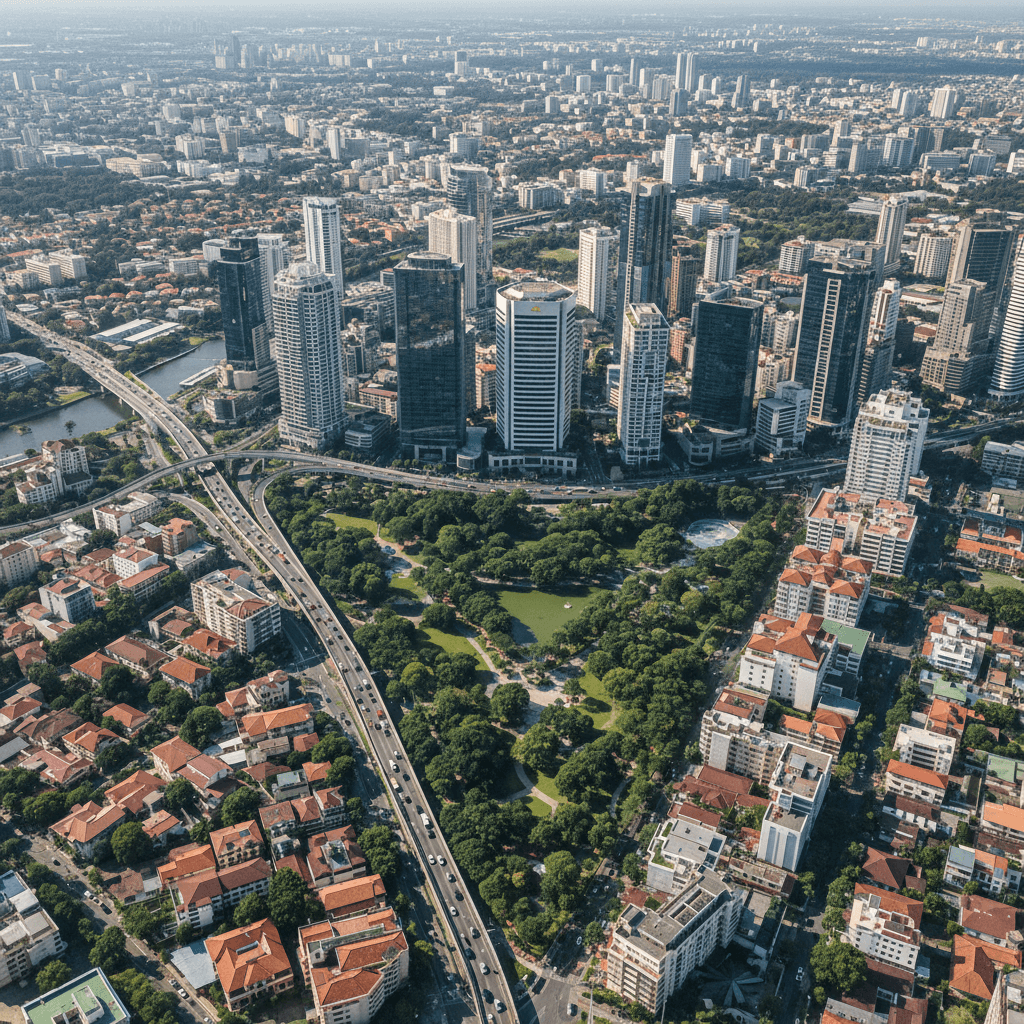
If you arrive in Makati expecting the chaotic, tricycle filled streets often associated with Manila, you are in for a surprise. This is the Philippines' polished financial engine, where glass skyscrapers reflect the tropical sun and the air feels charged with a corporate, high stakes energy. It is a place built for efficiency, commerce, and global connectivity, making it the most seamless landing pad in the country for anyone working on a laptop.
The vibe here is a unique blend of high end professionalism and unexpected greenery. One minute you are walking past the headquarters of a multi billion dollar bank, and the next, you are tucked away in a quiet, tree lined street in Salcedo Village where the only sound is the clinking of coffee cups. It is denser and more expensive than Chiang Mai or Ho Chi Minh, but you are paying for the infrastructure. For nomads who can't afford a dropped Zoom call, Makati provides a level of stability that is hard to find elsewhere in the archipelago.
Life in the Villages
Most expats and digital nomads gravitate toward the "villages," which are actually walkable, upscale sub districts rather than gated communities. Salcedo and Legazpi are the gold standard. They feel like a tropical version of London's Canary Wharf or a mini Singapore. You'll find wide sidewalks, manicured parks, and some of the best third wave coffee shops in Southeast Asia. On Saturdays, the Salcedo Community Market becomes the social anchor of the neighborhood, where you can grab gourmet local food and mingle with the people who keep the city running.
If the villages feel a bit too sterile, Poblacion offers the grit and soul. Once a sleepy red light district, it has transformed into a maze of rooftop bars, hole in the wall ramen shops, and creative spaces. It is where the city lets its hair down after the markets close. It is louder, more crowded, and significantly more colorful, serving as the perfect counterweight to the buttoned up business district just a few blocks away.
The Reality of the Grind
Living here means making peace with the traffic. While the villages themselves are highly walkable, leaving them during rush hour is a test of patience. Most nomads rely on Grab to get around, which usually costs between $3 and $7 per trip, though the "time cost" is often higher than the peso cost. The city moves at a hectic pace, and the humidity can be intense, often hovering between 28°C and 32°C. You’ll quickly learn that life revolves around air conditioned sanctuaries, whether that’s a coworking space like WeRemote or the massive, interconnected mall complexes of Greenbelt and Glorietta.
What really sets Makati apart is the networking potential. You aren't just surrounded by other backpackers; you are sitting next to venture capitalists, tech founders, and Filipino entrepreneurs. There is a palpable sense of ambition here. While the monthly cost of living typically sits between $1,500 and $2,000 for a comfortable lifestyle, the trade off is access to reliable fiber optic internet, with averages around 10-50 Mbps depending on provider and location. It is a city for those who want to work hard and live well, without the friction of more rugged destinations.
The Financial Breakdown
- Monthly Budget: Expect to spend $1,560 to $1,700 for a mid range nomad lifestyle including a nice condo.
- Studio Rent: $600 to $900 in prime areas like Salcedo or Legazpi.
- Daily Coworking: Roughly $15 at spots like WeRemote, or as low as $0.50 (25 pesos) for basic access at Night Owl Work Café.
- Dining out: $1 to $2 for street snacks; $5 to $9 for a solid meal at a place like Cartel Coffee Deli; $15+ for high end dining in Greenbelt.
Ultimately, Makati is about balance. You get the warmth and hospitality the Philippines is famous for, wrapped in a package of modern convenience. It is the kind of place where you can spend your morning closing deals over fiber optic internet and your evening drinking craft beer in a neon lit Poblacion alleyway, all while feeling like you are at the center of the action.
The Price of Premium Convenience
Makati isn't the cheapest spot in Southeast Asia, but it offers a specific kind of urban efficiency that's hard to find elsewhere in the Philippines. Most digital nomads find they need between $1,550 and $2,000 per month to live well here. While you can scrape by on $1,200 if you're frugal, you'll likely end up in a tiny studio far from the central business district. If you want a modern condo with a gym, pool, and high speed fiber, expect to pay for the privilege.
Expats generally agree that the extra cost is a trade off for reliability. You're paying for 35Mbps+ internet speeds and a level of safety that allows for late night walks between bars and coworking spaces. It's more expensive than Chiang Mai or Da Nang, but it feels significantly more professional and polished.
Housing and Rent
Your biggest expense will be rent. Prices vary wildly depending on which "village" you choose. Legazpi and Salcedo are the gold standards for remote workers who want a quiet, walkable neighborhood.
- Salcedo and Legazpi Villages: A decent 1BR or modern studio usually runs between $550 and $750 per month. These areas are packed with coffee shops and are very secure.
- Poblacion: This is the nightlife heart of the city. You can find older apartments for $450 to $600, though it gets loud on weekends.
- BGC (Bonifacio Global City): Just a short ride away, this is the most "westernized" area. Expect to pay $800+ for a premium high rise unit.
Eating and Drinking
Food costs depend entirely on how much you enjoy air conditioning. If you eat like a local at small "turo-turo" stalls, a meal costs about $1.50 to $2.00. However, most nomads gravitate toward the mid range cafes in the villages.
- Casual Dining: Places like Cartel Coffee Deli or various spots in Legazpi Village charge roughly $6 to $10 for a solid lunch and a latte.
- Upscale Meals: Dinner at the Greenbelt or Glorietta malls will set you back $15 to $25 per person, especially if you're ordering cocktails or imported wine.
- Groceries: A weekly shop for one person at Rustan’s or SM Marketplace usually costs around $50 to $70, with imported goods like cheese or berries carrying a heavy premium.
Connectivity and Workspace
Since the Philippines isn't known for great public infrastructure, paying for a dedicated workspace is a common line item in a nomad's budget. Reliable electricity and backup generators are standard in Makati’s major buildings, which is a huge plus during typhoon season.
- Coworking Memberships: WeRemote is a popular professional choice at about $15 for a day pass. For those on a tighter budget, Nomads Hub offers monthly access for around $85.
- The Pay-Per-Hour Model: Night Owl Work Cafe is a local favorite where you can grab a spot for as low as 25 pesos (less than $0.50) per hour, making it great for quick tasks.
- Mobile Data: A local SIM from Globe or Smart with a heavy data package costs about $15 to $20 per month. It's a mandatory backup for when the occasional local outage hits.
Transportation
Walking is free, and in Salcedo or Legazpi, it’s actually pleasant. For anything further, you'll be using apps. Travelers almost universally recommend staying off the crowded jeepneys and buses if you have a laptop with you.
- Grab (Ride-Hailing): This is the essential app for the city. A typical 15 minute trip costs between $3 and $6. Be prepared for "surge pricing" during the afternoon rains when prices can double.
- Angkas/JoyRide: If you're brave enough to hop on the back of a motorcycle taxi, you'll pay about $1.50 to $3.00 to zip through gridlocked traffic.
For Nomads and Remote Pros: Salcedo and Legazpi Villages
If you want the most seamless work-life transition in Manila, these twin villages are where you'll end up. They feel less like a chaotic Southeast Asian capital and more like a manicured corporate sanctuary. The streets are walkable, shaded by old trees, and patrolled by private security, making it the safest pocket for anyone carrying a $2,000 MacBook from cafe to cafe.
Most nomads aim for Salcedo Village if they want a slightly more residential, quiet vibe, or Legazpi Village to be closer to the high-end Greenbelt malls. You'll find the best fiber-optic infrastructure here. Places like Cartel Coffee Deli are staples for a morning brew, while WeRemote provides a professional desk for about $8 a day. Expect to pay between $500 and $700 for a decent studio condo. The big draw here is the weekend markets, specifically the Salcedo Saturday Market, where you can grab local organic produce or artisanal Filipino meals for ₱300 to ₱500.
For Expats and Long-Term Residents: BGC (Bonifacio Global City)
Technically just across the border in Taguig but inextricably linked to the Makati lifestyle, BGC is the choice for those who want a "bubble" experience. It is the most modern district in the country, designed with a grid layout, underground power lines, and zero jeepneys. It’s where the multinational crowd lives, offering a polished environment that feels closer to Singapore than Manila.
Expats recommend BGC for its high concentration of international schools, luxury high-rises, and flagship stores. Rent is at a premium here, often hitting $1,000+ for prime locations near High Street. For work, Night Owl Work Café is a popular local alternative to traditional offices, charging as little as ₱25 per hour. The main downside is the "BGC Tax," you'll pay more for everything from a San Miguel beer to a Grab ride, but for many, the lack of traffic noise and the abundance of green parks make it worth the extra spend.
For Nightlife Lovers and Solo Travelers: Poblacion
Poblacion is Makati's "backpacker-turned-hipster" district. It’s gritty, energetic, and lacks the corporate polish of the villages, which is exactly why younger travelers love it. This is the heart of the city's creative scene, filled with rooftop bars, speakeasies, and some of the best fusion food in the country. It’s the place to stay if you want to meet people quickly and don't mind a bit of street noise at 2:00 AM.
While some pockets can still feel a little seedy, the gentrification is moving fast. You can find boutique hostels and older apartments that are significantly cheaper than Salcedo. It’s a social goldmine where you can grab a ₱100 street taco and a cheap beer before heading to a high-end cocktail lounge. Solo travelers often base themselves here to be within walking distance of the Makati Avenue action without the sterile feel of a business hotel.
Choosing Based on Your Needs
- Salcedo/Legazpi: Best for focus, reliable 35Mbps+ internet, and proximity to networking events.
- BGC: Best for families or those with a $2,500+ monthly budget who want maximum comfort and safety.
- Poblacion: Best for social butterflies, budget-conscious solo travelers, and anyone who prioritizes a craft beer over a quiet night's sleep.
Regardless of where you land, the Grab app will be your lifeline. A trip between these neighborhoods usually costs between ₱200 and ₱400, though prices spike during the rainy season from June to November. Most seasoned residents suggest living as close to your primary workspace as possible to avoid the infamous Manila gridlock.
Digital Infrastructure
If you have worked from other parts of Southeast Asia, you know the internet can be a gamble. Makati is the exception to the rule in the Philippines. Because it serves as the country's financial engine, the fiber optic infrastructure here is the most robust you will find. Speeds are typically 10-50 Mbps in business areas, sufficient for most remote work, including video calls or uploading large files.
That said, don't rely solely on your Airbnb WiFi. Local power outages or "service maintenance" can happen. Most experienced remote workers carry a backup. Grab a local Globe or Smart SIM card at the airport or any 7-Eleven. If your phone supports it, an eSIM like Holafly is a seamless way to get data the second you land. For daily transactions and small data promos, download the GCash app; it is the unofficial national currency for everything from street food to phone credit.
Top Coworking Spaces
The coworking scene in Makati is professional and polished. You won't find many "barefoot beach vibes" here; it is more about ergonomic chairs and networking with entrepreneurs and VCs.
- WeRemote: This is the heavy hitter for serious professionals. At roughly $15 per day, it is not the cheapest, but the community is top tier and the desks are built for long shifts.
The Café Culture
If you prefer the hum of a coffee shop, stick to Salcedo and Legazpi Villages. These neighborhoods are highly walkable and packed with laptop friendly spots. Cartel Coffee Deli is a staple for the nomad crowd. The coffee is excellent and the food menu is solid, though some travelers note that certain tables are designated as no WiFi zones to keep the "laptop lingerers" moving. It is a great spot for deep work if you have an offline task or a pre-loaded hotspot.
Most cafés in these villages expect you to buy a fresh drink every two hours if you are taking up a table. It is a fair trade for the air conditioning, which is often set to "arctic" levels. Always bring a light sweater or hoodie, even if it is 32°C outside.
Connectivity Tips
- Reliability: Stick to high rise condos in the main business district for the best fiber connections. Older buildings in Poblacion can be hit or miss.
- Peak Hours: Internet speeds might dip slightly during the tropical storms of the rainy season, typically June through November.
- Data Costs: Prepaid data is affordable. You can get a massive data bucket for under $20 that will last you a month.
Expats generally recommend having two different networks, a Globe SIM and a Smart SIM, just in case one tower goes down in your specific area. It is a small price to pay for total peace of mind while you are on the clock.
Staying Safe in the Financial Hub
Makati is arguably the safest pocket of Metro Manila, largely because it functions as the country's economic engine. The Central Business District (CBD), particularly Legazpi Village and Salcedo Village, feels more like Singapore or Sydney than a typical Southeast Asian capital. You'll notice a heavy security presence at mall entrances, office towers, and even residential condos. This isn't necessarily a sign of danger, but rather a standard local protocol that keeps pettty crime remarkably low in these zones.
Most nomads find they can walk around these villages comfortably at night. However, the vibe changes as you move toward the edges of Poblacion. While it's the go-to spot for craft beer and late-night eats, some backstreets are poorly lit and can feel a bit seedier. Stick to the main drags like Kalayaan Avenue or Makati Avenue when moving between bars. Travelers often recommend using Grab for door-to-door transport after dark, even for short distances, just to avoid any wrong turns into unfamiliar neighborhoods.
- Street Smarts: Keep your phone tucked away when walking near main roads to avoid "snatch-and-grab" incidents by passing motorbikes.
- Security Checks: Expect to have your bags briefly inspected by guards when entering Greenbelt or Glorietta malls. It's a five-second formality you'll quickly get used to.
- Emergency Contact: Dial 911 for immediate police or medical assistance, though response times can be hampered by the city's notorious traffic.
World-Class Healthcare and Facilities
If you get sick in the Philippines, Makati is exactly where you want to be. The city is home to Makati Medical Center, a premier hospital that meets international standards. Many of the doctors here trained in the US or Europe, and English is the primary language for all medical staff. Expats frequently praise the facility for its efficiency, though you should expect to pay a premium compared to public clinics.
For minor issues like a stubborn stomach bug or a sinus infection, you don't need a full hospital visit. You'll find Mercury Drug or Watsons pharmacies on almost every corner and inside every mall. They are well-stocked with familiar global brands, and many have pharmacists on-site who can offer basic advice. If you need a quick consultation, "Maxicare" or "Primary Care" clinics located in malls like Glorietta offer walk-in services for a few hundred pesos.
Health Tips for the Long-Term Nomad
The biggest health hurdles for newcomers aren't tropical diseases, but rather the air quality and the water. The AQI in Makati often hovers between 70 and 119, which is considered moderate pollution. If you have asthma or sensitive lungs, you might feel the "Manila cough" after a few days of walking near the jeepney routes. Staying inside the pedestrian-friendly village cores helps, as they have significantly more greenery and less bus traffic.
- Hydration: Never drink the tap water. Most condos provide large 5-gallon purified water jugs for around ₱50 per refill. Always ask for "service water" in restaurants, which is filtered and safe.
- Insurance: While local costs are lower than in the US, a major procedure at Makati Med can still run into thousands of dollars. Most nomads use SafetyWing or Genki to cover their stay here.
- Common Costs: A standard GP consultation usually costs between ₱800 and ₱1,500 ($14 to $27), while specialist visits might start at ₱2,500.
Overall, as long as you stay aware of your surroundings and keep your insurance active, Makati offers a very soft landing. The combination of private security and high-end medical infrastructure makes it one of the most low-stress bases for remote work in Asia.
The Reality of the Makati Grind
If you're coming from Bangkok or Ho Chi Minh, the first thing you'll notice about Makati is that it doesn't just have traffic; it has a lifestyle built around avoiding it. The city is the financial heart of the Philippines, which means the infrastructure is solid, but the roads are often a standstill. Most expats and nomads live by a simple rule: if you can't walk there in 15 minutes, you'd better have a good podcast ready.
Mastering the Apps
Forget trying to hail a white taxi on the street during rush hour or a tropical downpour. You'll just end up frustrated. In Makati, Grab is the undisputed king of transport. It's the primary ride-hailing app, and while it's more expensive than local options, it's the only way to ensure a fixed price and air conditioning. Expect to pay between ₱200 and ₱400 ($3 to $7) for most trips within the city or to nearby BGC.
For those who want to skip the four-wheel gridlock altogether, JoyRide and Angkas are the local motorcycle taxi apps. They're faster, cheaper, and definitely for the more adventurous. It's the quickest way to zip between Salcedo Village and Poblacion when the main arteries like Ayala Avenue are backed up. Just be prepared for the heat and the occasional exhaust fumes.
Walking the Villages
The best way to experience Makati is on foot, specifically within the "villages." Legazpi and Salcedo are designed with a level of walkability you won't find in the rest of Metro Manila. There are elevated walkways and underpasses connecting the major malls like Greenbelt and Glorietta, allowing you to cross the busiest intersections without ever touching the pavement. It's a lifesaver during the humid afternoons or the sudden monsoon rains from June to November.
Public Transport and Airport Runs
While the MRT and LRT trains exist, they're notoriously packed and not particularly nomad-friendly if you're carrying a laptop bag. Jeepneys are a cultural staple and incredibly cheap at around ₱13, but they lack AC and can be confusing for newcomers. Most remote workers stick to walking within their neighborhood and using Grab for everything else.
Getting to and from Ninoy Aquino International Airport (NAIA) is surprisingly quick if you time it right. Without traffic, the drive to Makati takes about 15 to 20 minutes via the Skyway. If you land during the 5:00 PM rush, however, that same trip can easily stretch to over an hour. Always use the Grab booth at the arrival terminal rather than the "coupon taxis" to avoid getting overcharged.
Transport Quick Guide
- Grab Car: The most reliable way to get around. Prices vary by demand but usually land between ₱200 and ₱500.
- Angkas/JoyRide: Motorcycle taxis for beating the traffic. Professional, helmet-provided, and much faster than cars.
- Walking: Use the elevated walkway system starting at Dela Rosa Street to reach the malls and MRT stations sweat-free.
- Biking: While BGC has decent bike lanes, Makati is still catching up. Stick to the parks or quiet village streets like Leviste or Radia.
The local consensus is simple: base yourself where you work. If you're spending your days at WeRemote or Nomads Hub, find a condo in the same village. Minimizing your commute isn't just a convenience here; it's the key to maintaining your sanity in one of Southeast Asia's densest urban hubs.
The English Advantage
If you've bounced around Southeast Asia, you'll find Makati a breath of fresh air when it comes to communication. English isn't just a second language here; it's the primary medium for business, law, and higher education. You can walk into a high-end mall like Greenbelt or a local pharmacy and expect the staff to be completely fluent. Most nomads find they don't hit the "language wall" that often crops up in places like Bangkok or Ho Chi Minh City.
The local dialect is Tagalog, but in the corporate corridors of the Central Business District, you'll mostly hear "Taglish," a seamless blend of Tagalog and English. It's common for locals to switch between the two mid-sentence. Don't worry about being left out of the loop; if a group sees you're struggling, they’ll almost always pivot to full English to keep you in the conversation.
Key Phrases to Know
While you can survive 100% on English, learning a few local words goes a long way in building rapport with Grab drivers or street food vendors. It shows you're not just passing through. Here are the basics locals appreciate:
- Salamat: Thank you. Add "po" at the end (Salamat po) to be extra polite to elders or service staff.
- Magkano?: How much? Use this at the weekend markets in Salcedo Village.
- Para: Stop. You'll use this if you're brave enough to try a Jeepney and need to get off.
- Ingat: Take care. It's a common way to say goodbye.
Staying Connected
In Makati, your smartphone is your lifeline. The city relies heavily on two major apps for daily survival: Grab for transport and food delivery, and GCash or Maya for digital payments. Most expats recommend setting these up immediately. While cash is still king in smaller stalls, almost every cafe in Legazpi Village accepts digital wallets.
For data, don't rely on your home roaming plan unless you want a massive bill. The two main providers are Globe and Smart. You can grab a 5G SIM card at the airport or any 7-Eleven for about ₱40 to ₱100. If you have an unlocked phone, an eSIM from Holafly is a popular choice for nomads who want to hit the ground running without hunting for a physical card. Expect to pay around $15 to $20 for a solid monthly data pack that handles video calls and Slack without sweating.
The Social Nuance
One thing travelers often notice is the "Yes" culture. Filipinos are incredibly polite and generally dislike confrontation. Sometimes a "Yes" might actually mean "I’m not sure" or "I don't want to say no." If you're giving instructions to a courier or discussing a project at a coworking space like WeRemote, it’s smart to double-check details or ask open-ended questions to ensure everyone is on the same page.
Networking is surprisingly easy here. Since everyone speaks English, you can strike up a conversation at Cartel Coffee Deli or Night Owl Work Cafe without any friction. The community is open, and you'll find that locals are often just as curious about your travels as you are about their city.
The Tropical Reality
Living in Makati means embracing a tropical climate where the thermometer rarely dips below 24°C (75°F) and frequently climbs toward 35°C (95°F). It is humid, sticky, and bright. Most nomads find that their daily schedule revolves around air conditioning; you move from your AC-cooled condo in Salcedo Village to an AC-cooled Grab car, ending up in an AC-cooled coworking space like WeRemote.
Pollution is a factor here too. With an average AQI around 40-70, often Good to Moderate, the air quality is generally manageable. If you are sensitive to smog, you might prefer staying indoors during the peak afternoon heat when the city’s exhaust is at its heaviest.
The Golden Window: December to February
If you have the flexibility to choose your arrival date, aim for the window between December and February. This is the sweet spot. The humidity drops slightly, the skies stay clear, and the temperature hovers around a comfortable 28°C to 30°C. Travelers often say this is the only time of year when walking between Greenbelt and Glorietta malls feels pleasant rather than like a fitness challenge.
The city also comes alive during the holidays. Makati’s Ayala Triangle Gardens hosts impressive light shows, and the festive energy in the business district is infectious. Just keep in mind that because the weather is so good, this is peak season. You might pay a slight premium for short term serviced apartments in Legazpi Village during these months.
The Heat Wave: March to May
As March rolls in, the heat intensifies. This is the Philippine summer. Temperatures regularly hit 35°C, and the sun is intense. Expats recommend staying hydrated and planning your outdoor errands for early morning or after sunset. This is the perfect time to use Makati as a base for weekend trips to cooler spots like Tagaytay or to catch a quick flight to the beaches of Palawan to escape the urban heat trap.
The Monsoon Season: June to November
The rainy season formally kicks off in June, with the heaviest downpours usually hitting between July and October. This isn't just a light afternoon mist; these are tropical deluges that can cause localized flooding in certain parts of Metro Manila. While Makati’s central business district has better drainage than most areas, the real issue is traffic. A thirty minute commute can easily turn into two hours the moment the first raindrop hits the pavement.
Typhoons are a reality during this window. Most modern condos and coworking hubs like Nomads Hub are equipped with backup generators, so your internet connection usually stays stable even if the weather gets wild outside. If you are a digital nomad who thrives on a "hermit" workflow, the rainy season can actually be quite productive since you won't feel the FOMO of missing out on outdoor activities.
Seasonal Breakdown at a Glance
- Dry Season (December to May): Best for exploring, walking the villages, and rooftop drinks in Poblacion. Low rain risk.
- Rainy Season (June to November): High risk of typhoons and heavy flooding. Expect 27°C to 32°C temperatures but significantly higher humidity.
- Peak Heat (March to May): Intense sun and temperatures up to 35°C. Best for those who love the heat or plan to spend most days in a climate controlled office.
For most remote workers, the January to March period offers the best balance of manageable weather and vibrant city life. You’ll avoid the worst of the floods and the most oppressive heat, making it much easier to enjoy the walkable parks and cafe culture that make Makati the top choice for expats in the Philippines.
Connectivity and Tech Setup
You can't work in Makati without a solid data plan. While fiber optic internet in the villages is excellent, you need a backup for when you're on the move. Most nomads pick up a Globe or Smart prepaid SIM card at the airport or any mall. For a more seamless experience, an eSIM like Holafly works well if you're hopping between countries.
For day to day transactions, download GCash or Maya immediately. These fintech apps are the lifeblood of the city. You can use them for everything from paying at a 7-Eleven to settling your bill at Cartel Coffee Deli. Most expats find that while credit cards work in big malls, these digital wallets save you when a card terminal is "down."
Navigating the Streets
The golden rule of Makati is that traffic is a beast you can't tame. If you have a meeting across town, leave 45 minutes earlier than you think you should. Forget the buses and jeepneys for work commutes; they're crowded and lack air conditioning. Instead, rely on Grab. It's the primary ride hailing app here and usually costs between ₱200 and ₱400 for a typical trip within the city.
If you're staying in Salcedo or Legazpi Village, your best bet is walking. These areas are designed with pedestrians in mind, featuring elevated walkways and underpasses that connect to the Greenbelt and Glorietta malls. It's the only part of Metro Manila where you can actually enjoy a morning stroll without dodging constant gridlock.
Health and Safety Realities
Makati is arguably the safest pocket of the country for foreigners. The business district has its own private security force on top of the local police. That said, stay alert on the fringes of Poblacion at night. It's a fun area for drinks, but the side streets can get a bit dim. If you're ever in a pinch, Makati Medical Center is a world class facility located right in the heart of the city; it's where most expats go for everything from routine checkups to emergencies.
Managing Your Budget
Living here isn't as cheap as Chiang Mai, but your money still goes a long way if you're smart. A comfortable lifestyle usually sits around $1,600 to $2,000 a month. Here is a breakdown of what to expect:
- Housing: Expect to pay $500 to $700 for a modern studio in a high rise condo with a pool and gym.
- Coworking: A day pass at WeRemote is about $15, while Nomads Hub offers monthly memberships for around $85.
- Dining: You can grab a quick meal for $2 at a local eatery, but a nice dinner in Greenbelt will run you $15 or more.
Cultural Nuances
Filipinos are incredibly welcoming, but you'll encounter the "Bahala na" philosophy eventually. It roughly translates to "come what may." If a delivery is late or a meeting gets rescheduled last minute, people tend to go with the flow rather than stress out. Adopting a bit of that patience will make your stay much more pleasant. Also, tipping isn't strictly mandatory like in the US, but adding 10% at upscale restaurants where a service charge isn't already included is standard practice among the expat community.
Weather and Timing
The heat is consistent, usually hovering between 28°C and 32°C. The real factor is the rain. From June to November, the city gets hit with heavy downpours that can cause localized flooding. If you have the choice, aim to arrive between December and May. The weather is drier, the humidity is slightly lower, and the city feels much more manageable for exploring on foot.
Need visa and immigration info for Philippines?
🇵🇭 View Philippines Country GuideNomad Haven
Your home away from home
Monthly Budget Estimates
More cities in Philippines
Legazpi City
🇵🇭 Philippines
Naga City
🇵🇭 Philippines
Pasig (Ortigas)
🇵🇭 Philippines