Maastricht
🇳🇱 Netherlands
The Continental Outlier
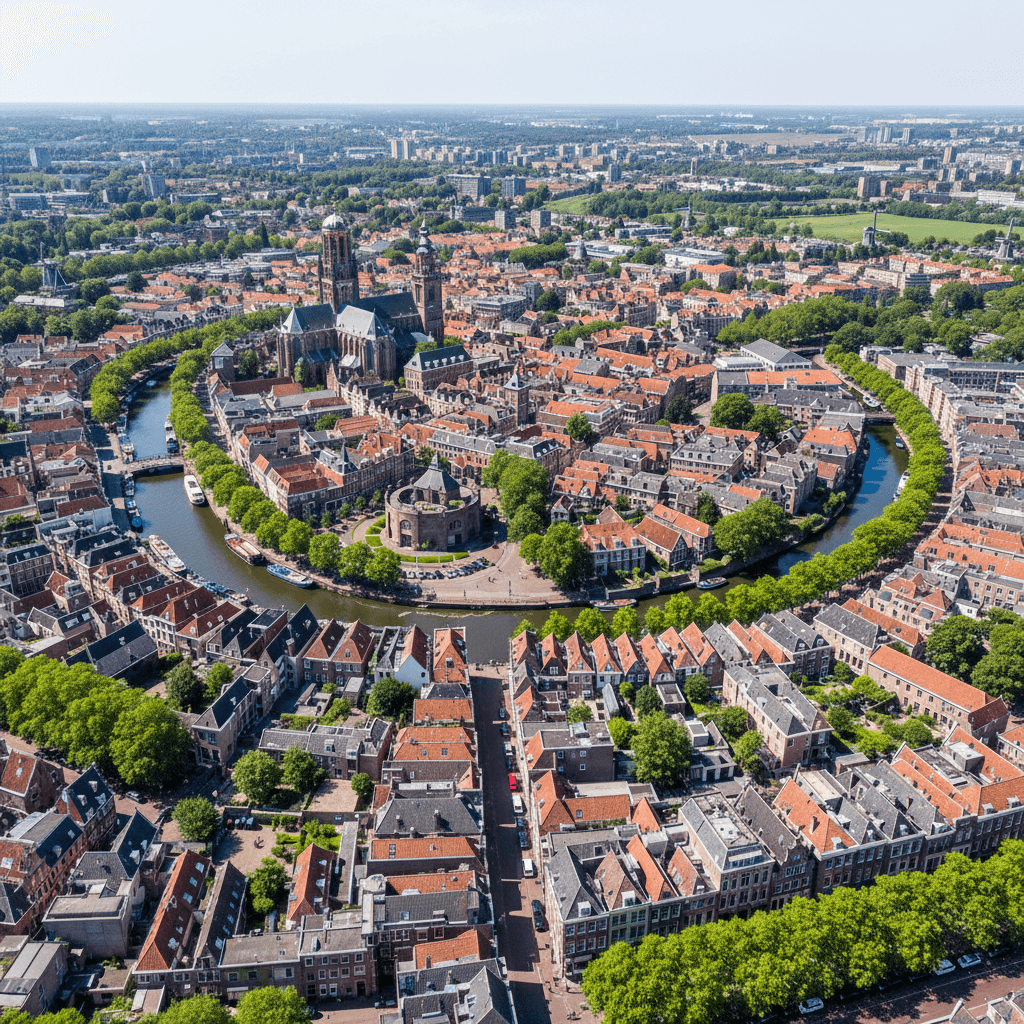
Maastricht feels like a secret the rest of the Netherlands is keeping from the world. While Amsterdam and Rotterdam lean into their canal house aesthetics and industrial grit, Maastricht looks toward the rolling hills of the south and the borders of Belgium and Germany. It is arguably the most "un-Dutch" city in the country. You won't find the typical flat horizons here; instead, you get limestone caves, cobblestone alleys, and a sophisticated, Burgundian pace of life that feels more like a French village than a northern European hub.
For nomads, the vibe is refined but accessible. It is a university town at its heart, which keeps the energy young and the English proficiency incredibly high. You'll spend your mornings working from a converted Gothic church and your afternoons cycling through the Jekerquartier, where the sound of the river provides a constant backdrop to your Zoom calls. It is a place for people who want the efficiency of Dutch infrastructure without the frantic tourist crowds of the Randstad.
A Culture of "Gezelligheid"
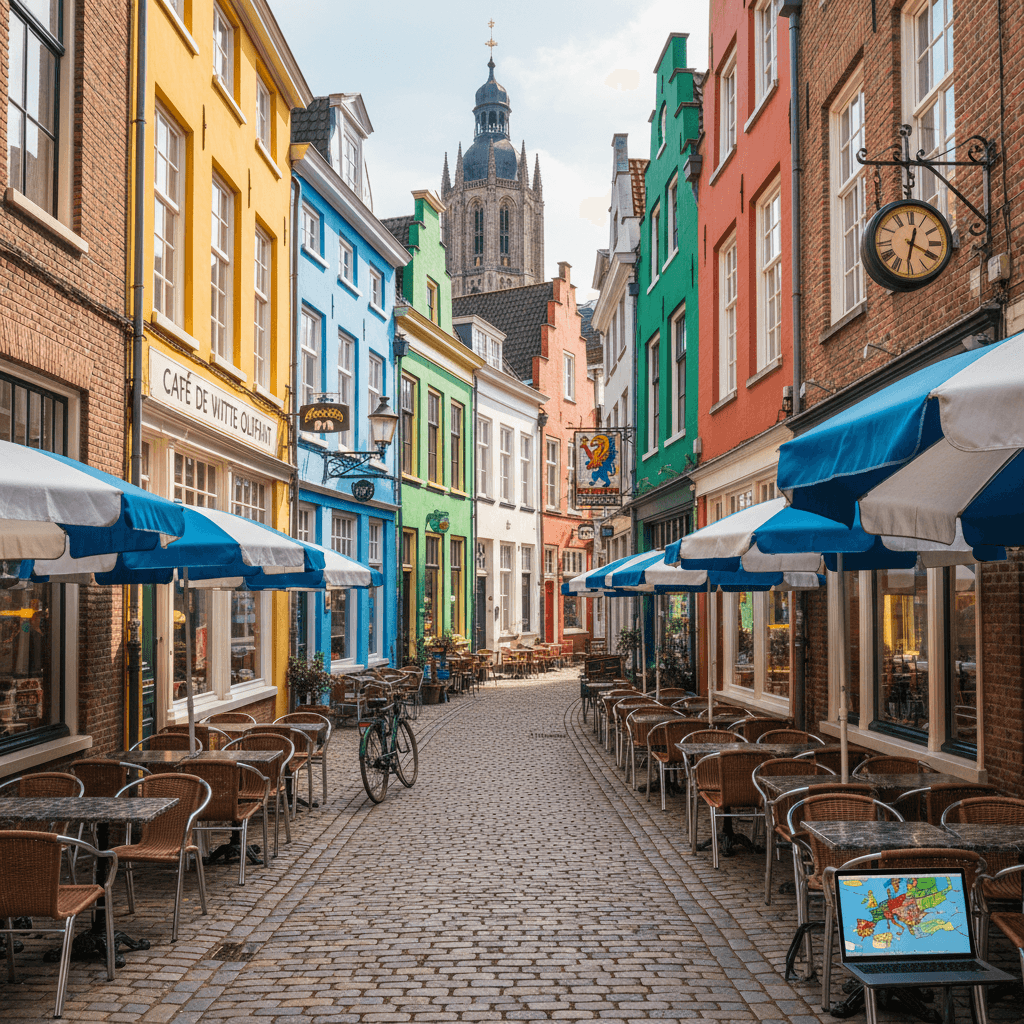
The local philosophy centers on "Vlaai" and "Gezelligheid." The former is a local fruit tart you'll find at every bakery, and the latter is that untranslatable Dutch word for coziness and social connection. People here take their leisure time seriously. You'll notice the terraces at Vrijthof square are packed even on a Tuesday afternoon. It is an infectious atmosphere that encourages you to close your laptop at 5:00 PM and actually enjoy the evening.
Expats often mention that while the Dutch are known for being direct, the people in Maastricht have a softer, more southern hospitality. There is a distinct "Limburg" pride here. You aren't just in the Netherlands; you're in a crossroads where three cultures meet. It is common to hear a mix of Dutch, French, and German while waiting for your coffee at Alley Cat Bikes & Coffee.
Logistics and Living
Living here is a lesson in high-quality convenience. The city is compact enough that you'll never need a car. Most nomads rely on a second-hand bike or the Arriva bus network to get around. While the Netherlands doesn't have a specific digital nomad visa, the city is very welcoming to those on the Self-Employed Residence Permit or EU citizens taking advantage of the fast-track BSN registration at the Expat Centre Maastricht Region. They can often get your paperwork sorted in 1 to 2 weeks, which is a dream compared to the months of waiting in larger capitals.
- The Work Environment: Expect ultra-fast internet with speeds often exceeding 100 Mbps in most rentals.
- The Social Scene: It is heavily influenced by the Maastricht University crowd, meaning there are plenty of affordable bars and international meetups.
- The Cost: While cheaper than Amsterdam, it isn't a "budget" destination. You should budget around $2,500-$3,000 per month for a comfortable lifestyle including a central studio and eating out.
Why Nomads Choose Maastricht
The "why" is simple: balance. You get the stability of a Tier 1 European country with the charm of a medieval town. You can be in Brussels, Cologne, or Luxembourg in under two hours by train, making it a perfect base for exploring Western Europe. Most travelers find that after a week of walking the Roman walls and crossing the Sint Servaasbrug, the city starts to feel like home. It is a place that rewards slow living and deep focus, away from the digital nomad "hubs" that have become caricatures of themselves.
Maastricht sits at the southern tip of the Netherlands, squeezed between Belgium and Germany. Because of its unique geography and the presence of a top-tier international university, the cost of living here feels different than in the Randstad hubs like Amsterdam or Rotterdam. It is a bit more affordable, but you are still looking at a monthly budget of around $3,000 to live comfortably as a nomad. The city offers a high standard of living, though the lack of a specific digital nomad visa means most non-EU citizens will need to look into the Self-Employed Residence Permit if they plan to stay long-term.
Monthly Housing and Neighborhoods
Rent is your biggest expense. The market is tight because of the student population, so it pays to look early. Most expats and remote workers gravitate toward a few specific areas.
- Wyck: This is the trendy district right by the train station. It is full of boutiques and high-end cafes. Expect to pay between $1,400 and $1,800 for a furnished one-bedroom apartment.
- Jekerkwartier: Often called the Latin Quarter, this area is historic and beautiful. Prices are similar to Wyck, usually starting around $1,500 for something with character.
- Céramique: If you prefer modern builds and floor-to-ceiling windows, this is your spot. It is quieter and more residential, with rents averaging $1,300 to $1,600.
- Scharn and Wittevrouwenveld: These areas are a short bike ride from the center and offer better value. You can often find studios or small apartments here for $1,000 to $1,200.
Connectivity and Coworking
The Netherlands has some of the fastest internet in Europe, and Maastricht is no exception. You will find fiber optic speeds in most apartments and reliable 5G across the city. If you need a dedicated desk, there are a few solid options.
- The Social Hub: Located in the old Sphinx factory, this is the go-to for nomads. A monthly coworking membership usually runs between $150 and $250, and it includes access to a gym and community events.
- Mosae Forum: There are flexible office spaces here used by local freelancers. Day passes typically cost around $25 to $35.
- Coffee Shops: While "coffeeshop" means something else in the Netherlands, Maastricht has plenty of actual cafes like Alley Cat Bikes & Coffee or Koffie bij Joost en Maartje where you can work for the price of a $4.50 latte.
Daily Expenses and Lifestyle
Groceries are manageable if you shop at chains like Albert Heijn or Jumbo, but the local markets are where you save money. The market at Market Square on Wednesdays and Fridays is perfect for fresh produce and local cheese.
- Groceries: Budget about $400 to $500 per month for a single person.
- Dining out: A casual dinner with a drink will cost about $30. A high-end three-course meal in Wyck will set you back $70 or more.
- Transportation: Everyone bikes here. You can buy a decent second-hand bike for $100 to $150. For public transport, an OV-chipkaart is a must. A bus ride across town is about $2.50, and a train to Utrecht or Amsterdam is roughly $30 one way.
- Utilities: If your rent isn't "all-in," budget around $150 to $200 for electricity, heating, and water, especially with recent price fluctuations.
One major perk of Maastricht is the Expat Centre. They offer fast-track BSN registration, which is the social security number you need for everything from getting a phone contract to opening a bank account. Most nomads find the support here much more accessible than in the larger Dutch cities.
For Digital Nomads: Wyck
If you want to be where the action is, Wyck is your best bet. Located right between the central train station and the Meuse river, this neighborhood has shaken off its old industrial reputation to become the city's trendiest hub. It is the most convenient spot for those who need to hop on a train to Brussels or Amsterdam for mid-week meetings.
The vibe here is polished but energetic. You will find most of the city's specialty coffee shops and boutique hotels concentrated in these few blocks. For work sessions, nomads usually gravitate toward AliHubba or the lobby of The Social Hub, where a day pass typically runs around €15 to €20. The streets are lined with independent shops and high-end delis, making it easy to grab a quick, quality lunch between calls.
- Average Studio Rent: €1,100 to €1,400
- Atmosphere: Trendy, fast-paced, and international
- Top Spot: Stadsbrouwerij Maastricht for a post-work craft beer by the water
For Expats and Professionals: Jekerkwartier
Often called the Latin Quarter of Maastricht, Jekerkwartier is where you go for that classic European aesthetic. It is nestled against the old city walls and features winding streams and medieval architecture. This area is a favorite for researchers at the university and international professionals who want a quieter, more historic environment without sacrificing proximity to the center.
Living here feels like being in a village within a city. You are steps away from the Stadspark, which is perfect for a morning run or a picnic. While the cobblestones aren't the most bike-friendly, the walkability is unmatched. The dining scene here is more refined, focusing on French-influenced bistros and quiet wine bars rather than loud nightlife.
- Average 1-Bedroom Apartment: €1,300 to €1,600
- Atmosphere: Academic, historic, and serene
- Top Spot: Bisschopsmolen, a working watermill and bakery
For Families: Scharn and Heer
Located on the eastern edge of the city, Scharn and Heer offer the space and greenery that central Maastricht lacks. These neighborhoods are the primary choice for families due to their proximity to the United World College Maastricht and several high-quality local schools. The housing stock here consists of larger semi-detached houses and modern builds with actual backyards.
The commute to the city center is a flat, 10-minute bike ride, but you have your own local shopping centers so you don't have to head into the tourist crowds for groceries. It is a practical area where neighbors actually know each other. You'll find plenty of playgrounds and sports clubs, making it the most seamless transition for those relocating with children.
- Average 3-Bedroom House: €1,800 to €2,500
- Atmosphere: Residential, safe, and suburban
- Top Spot: Groene Loper, a long park built over a highway tunnel for walking and cycling
For Solo Travelers and Students: City Center (Binnenstad)
If you are in Maastricht for a shorter stint and want to maximize your social life, stay in the Binnenstad. This area surrounds the Vrijthof and Markt squares. It is the heart of the city's festival culture, especially during Carnival in February. You are never more than five minutes away from a bar, a museum, or a bus stop.
Solo travelers enjoy the density of the center because it is impossible to feel isolated. The downside is the noise from late-night revelers and the premium you pay for smaller square footage. Most apartments here are converted historic buildings with steep, narrow stairs, so pack light. It is the most expensive area per square meter, but you save money on transport because everything is at your doorstep.
- Short-term Room Rental: €800 to €1,100
- Atmosphere: Energetic, touristy, and social
- Top Spot: Boekhandel Dominicanen, a world-famous bookstore located inside a 13th-century church
Connecting in the Deep South
The Netherlands boasts one of the most advanced digital infrastructures in Europe, and Maastricht is no exception. You can expect fiber optic speeds to be the standard rather than the luxury here. Most short term rentals and apartments in the Wyck or Jekerkwartier neighborhoods come equipped with 100 Mbps to 1 Gbps connections. If you find yourself working from a cafe, the public WiFi is generally stable enough for Zoom calls, though it's always smart to have a local SIM as a backup.
Mobile coverage is nearly flawless across the city. Providers like KPN and Odido offer 5G that blankets the entire center. Most nomads pick up a prepaid SIM or a monthly contract for around €25 to €35, which usually includes unlimited data. This is particularly handy if you decide to work from the parks along the Maas river on a sunny afternoon.
Top Coworking Spots
Maastricht has a more intimate coworking scene compared to the massive hubs in Amsterdam or Rotterdam. It feels more like a community and less like a corporate factory. You'll find a mix of university students, researchers, and international freelancers sharing these spaces.
- The Social Hub (formerly TSH Collab): Located in the trendy Sphinxkwartier, this is the most popular spot for nomads. It's built into an old ceramics factory and has a very modern, industrial vibe. A flexible desk here typically runs about €150 per month, while a day pass is around €20.
- Regus Maastricht City Centre: Situated right by the central station, this is the go to for those who need a more professional, quiet environment. It's a bit pricier and more corporate, with monthly memberships starting around €250.
- Muziekgieterij: While primarily a music venue, the surrounding creative hub often hosts freelancers and creative types. It's less of a traditional office and more of a collaborative ecosystem for the artsy crowd.
Laptop Friendly Cafes
If you prefer the hum of a coffee machine to the silence of an office, Maastricht has plenty of spots that won't give you the side eye for staying a few hours. Just remember the local etiquette: don't occupy a four person table during the lunch rush, and keep the coffee orders flowing.
- Coffeelovers: There are several locations, but the one inside the Dominicanen bookstore (a converted 13th century church) is iconic. It's better for quick tasks than a full eight hour shift, mostly because you'll be distracted by the architecture.
- Koffie bij Joost en Maartje: A cozy spot in the Jekerkwartier with great WiFi and a relaxed atmosphere. It's a favorite for expats who want a quiet corner to knock out some emails.
- Bandito Espresso: Located near the University buildings, this place has a high turnover of students and researchers. The WiFi is fast, and the prices are a bit more budget friendly than the tourist heavy squares.
Cost and Logistics
Budgeting for your "office" costs in Maastricht is straightforward. If you're mixing cafe days with a dedicated coworking membership, plan to spend about €300 to €450 per month on workspace and connectivity. This includes your phone plan, a part time desk membership, and the occasional €4.50 flat white.
Most spaces are open from 9:00 AM to 6:00 PM, though The Social Hub offers 24/7 access for permanent desk residents. If you're working for a US based company, keep in mind that the city gets very quiet after 7:00 PM. You'll likely be finishing your late night shifts from your apartment, as very few cafes or coworking spaces stay open late into the evening.
Staying Safe in the Deep South
Maastricht is consistently ranked as one of the safest cities in the Netherlands. Because it feels more like a large, sophisticated village than a sprawling metropolis, you won't find the same level of grit or petty crime common in Amsterdam or Rotterdam. Most nomads feel perfectly comfortable walking through the cobblestone streets of the Binnenstad or Wyck at 2:00 AM. Violent crime is extremely rare here; your biggest worry will likely be a bicycle thief if you forget to double-lock your frame to a permanent post.
The city has a heavy student presence due to Maastricht University, which means the streets stay lively and well-lit. While the Brusselsepoort area sometimes gets a reputation for being slightly "rougher" by local standards, it is still incredibly safe compared to almost any major US or UK neighborhood. If you're biking home after a few beers at De Falstaff, just keep an eye out for the uneven cobblestones and steep curbs. They are a much bigger threat to your safety than the locals are.
For any immediate emergencies, the number to dial is 112. This connects you to police, fire, and ambulance services. If you need a cop for something non-urgent, like reporting a stolen bike or a noise complaint, call 0900-8844 instead. It keeps the emergency lines open for people who actually need them.
Navigating the Healthcare System
The Dutch healthcare system is world-class, but it operates on a very specific set of rules. If you are staying longer than four months and register for your BSN (Burgerservicenummer) at the Expat Centre Maastricht Region, you are legally required to take out Dutch private insurance. This usually costs around €145 to €165 per month. If you're just passing through for a few weeks, your international travel insurance or EHIC card will suffice for urgent care.
Your first point of contact for any health issue is the Huisarts (General Practitioner). You cannot simply walk into a hospital for a minor ailment. You must register with a local doctor near your apartment as soon as you arrive. Most expats recommend the International Health Centre Maastricht because the staff is accustomed to dealing with foreigners and the administrative hurdles that come with international insurance. They speak perfect English and can refer you to specialists if needed.
- Hospital: Maastricht UMC+ (MUMC) is the primary medical center, located in the Randwyck district. It is a top-tier teaching hospital with a 24-hour emergency room.
- Pharmacies: Look for an Apotheek for prescriptions. For over-the-counter meds like ibuprofen or cold relief, head to a Kruidvat or Etos.
- After-hours Care: If you get sick on a weekend, call the Huisartsenpost at 043-387 77 77. They provide non-emergency medical help when regular clinics are closed.
Water and Environmental Health
You can skip the bottled water entirely. Tap water in Maastricht is some of the cleanest in Europe, sourced from local springs and filtered to high standards. It is perfectly safe to drink and tastes better than most bottled brands. If you're out and about, look for the public "Join the Pipe" refill stations scattered around the city center to stay hydrated for free.
One thing to watch out for in the spring and summer is the oak processionary caterpillar. These critters live in the oak trees lining the city's parks and bike paths. Their microscopic hairs can cause nasty skin rashes and respiratory irritation. The city council usually puts up warning signs in affected areas; if you see a red ribbon tied around a tree, keep your distance.
Maastricht is a compact city where your feet and two wheels are your best friends. Unlike the sprawled out Dutch hubs to the north, this city is tight and navigable, meaning you can get from a morning coffee in Wyck to a late afternoon work session in the Sphinxkwartier in about 10 minutes. The layout is incredibly nomad friendly, but you need to know how the local systems mesh to avoid overspending on transit.
The Bicycle Culture
In Maastricht, the bike is king. Most locals and students use the Swapfiets service, which gives you a blue-tired bike for a monthly subscription of around €20 to €25. It’s the smartest move for nomads staying a month or longer because maintenance is included; if your chain pops or you get a flat, they swap the bike for a new one within 24 hours.
The city is divided by the Maas river, but the Sint Servaasbrug and the Hoge Brug make crossing easy. Just remember that the cobblestones in the old center can be brutal on thin tires. Always use the designated bike parking racks near the Vrijthof or the Market, otherwise, the municipality might "clip" your bike and take it to the depot, which costs €25 to recover.
Public Transport and the OV-chipkaart
The Netherlands uses a unified payment system called the OV-chipkaart. While you can now tap in and out with your contactless credit card or phone using OVpay, frequent travelers usually prefer a personalized card to load monthly discounts. A single bus trip within the city usually costs between €2 and €4 depending on the distance.
- Arriva Buses: These run the local routes. They are punctual and clean. The Maastricht Citybus is particularly useful for getting from the main station to the university areas.
- Trains: Maastricht has three stations. Maastricht Centraal is your main hub, while Maastricht Randwyck serves the hospital and business district. Maastricht Noord is mostly for commuters.
- NS App: This is a non-negotiable download. It gives real-time platform changes and allows you to buy digital tickets if you don't want to use the tap-to-pay system.
Walking and Taxis
If you live in the Jekerkwartier or Wyck, you probably won't use the bus at all. Most of the city's highlights are within a 20-minute walk of each other. The city is very safe at night, so walking home from a bar in Platielstraat is common practice.
Taxis are expensive and generally reserved for late-night trips to the airport or when you're hauling luggage. A short 5-minute ride will likely set you back €15 to €20. Uber operates here, but the fleet is small, so wait times can be longer than in Amsterdam or Rotterdam. Most nomads stick to the local Taxi Royal service if they need a reliable booking.
Regional Connections
One of the best parts about being based here is the proximity to other countries. You can take a 30-minute train to Liege, Belgium for about €10, or catch a bus to Aachen, Germany for roughly €6. The Arriva RE18 train, also known as the LIMAX, connects Maastricht directly to Aachen in about 55 minutes, making international day trips a standard part of the weekend routine.
For longer distances, the Intercity trains to Amsterdam or Utrecht depart twice an hour. A round trip to Amsterdam takes about 2.5 hours each way and costs around €60 without a discount card. If you plan on exploring the country, expats recommend the Dal Voordeel subscription, which costs about €5 per month and gives you 40% off all train travel during off-peak hours.
Getting by with English
You'll find that Maastricht is incredibly easy to navigate if you speak English. Because the city sits right at the intersection of the Netherlands, Belgium, and Germany, the locals are used to switching between languages mid sentence. Most residents speak near perfect English, and you won't have any trouble ordering coffee at Coffeelovers or discussing your lease with a local landlord.
The presence of Maastricht University plays a huge role here. With nearly half of the student population coming from abroad, the city functions as a multilingual hub. In neighborhoods like Wyck or the Jekerkwartier, English is often the default language in cafes and shops. You'll rarely encounter a "language barrier" in the traditional sense, though the locals always appreciate a quick greeting in the native tongue.
The Local Dialect: Maastrichts
While Dutch is the official language, you'll hear a distinct rhythmic tongue called Mestreechs when you're hanging out at local spots like Cafe Sjiek. It's a Limburgish dialect that sounds a bit more melodic and "southern" than the hard G sounds you'll hear in Amsterdam. It's a point of local pride, but don't worry about learning it. Even native Dutch speakers from the north sometimes struggle to follow a thick Maastricht accent.
If you want to win some points with the locals, try using these basics:
- Hoi: Hello (Informal)
- Asjeblieft: Please / Here you go
- Dankjewel: Thank you
- Hoi hoi: A common way to say goodbye
- Mestreech: How the locals pronounce Maastricht
Digital Communication and Connectivity
Staying connected is rarely an issue in the Netherlands. The country consistently ranks among the top in Europe for internet speeds. You can expect mobile download speeds to hover around 100 to 150 Mbps on 5G networks. Most nomads pick up a local SIM or eSIM from providers like KPN or Odido. A prepaid plan with 10GB of data usually costs around €25 to €35.
Public WiFi is everywhere, but it's often "closed" in smaller boutiques, meaning you'll need to ask for a password. If you're working from a space like The Social Hub, the connection is typically fiber optic and rock solid. For daily logistics, make sure you have WhatsApp installed. It's the primary way everyone communicates here, from business owners to your landlord.
Navigating Officialdom
While daily life is English friendly, official government documents from the Gemeente (municipality) will almost always arrive in Dutch. If you're heading to the Expat Centre Maastricht Region for your BSN registration, the staff will speak English fluently, but the paperwork might still be in the national language. Digital nomads often use the Google Lens app to translate physical mail on the fly. It's a lifesaver for reading utility bills or letters from the tax office.
For navigating the city, 9292 is the gold standard app for public transport, and it's available in English. It'll give you real time updates on buses and trains leaving from Maastricht Centraal. Most expats also rely on Buienradar to check the rain forecast, which is a national obsession. If the app says you have a 10 minute dry window to bike to your coworking space, you take it.
The Seasonal Rhythm
Maastricht doesn't follow the typical sun drenched Mediterranean calendar. Instead, it offers a distinct four season experience where the city's personality shifts with the light. Most nomads find the sweet spot for a visit falls between May and September. During these months, the temperatures hover between 18°C and 23°C (64°F to 73°F), making the city's famous terrace culture come alive.
The Vrijthof and Onze Lieve Vrouweplein squares fill with tables and chairs as soon as the first spring rays hit. If you're planning to work from outdoor cafes, this is your window. Rainfall is fairly consistent year round, so you'll want a lightweight waterproof jacket even in July. It's rarely a downpour that lasts all day; it's more of a passing drizzle that locals mostly ignore while cycling.
Summer Highs and Festival Vibes
July and August are the warmest months, occasionally peaking around 28°C (82°F). This is also when the city feels most international. The Andre Rieu concerts in July transform the center into a massive open air theater, which is great for atmosphere but can make finding a quiet spot to take a Zoom call a bit tricky. If you're looking for peak productivity, June and September offer the best balance of reliable weather and manageable crowds.
September is particularly special because of the grape harvest in the nearby Jeker Valley. Maastricht is one of the few places in the Netherlands with a legitimate wine scene, and the mild autumn air makes for perfect weekend treks through the vineyards.
Winter and the Carnival Pivot
Winter in Maastricht is chilly and damp, with temperatures often sitting between 1°C and 6°C (34°F to 43°F). While it's not the best time for exploring on foot, the city becomes incredibly cozy. The "Magisch Maastricht" Christmas market in December is a major draw, turning the Vrijthof into a winter village with an ice rink and plenty of gluhwein.
The real highlight of the cold season is Carnaval, which usually lands in February or early March. For three days, the city effectively shuts down for a massive, colorful street party. Don't expect to get much work done during this week; most local businesses close, and the noise levels in the center are through the roof. If you're not joining the festivities, it's a good time to plan a short trip elsewhere.
Best Time for Your Wallet
If you're watching your budget, aim for the shoulder seasons of late March to April or October to November. Accommodation prices in the Wyck neighborhood or near the University district tend to drop outside of the peak summer months and major festival dates. You'll still get decent daylight hours and the cafes will be less crowded, giving you more freedom to linger over a coffee with your laptop.
- Peak Season: June to August (Warm, lively, most expensive)
- Shoulder Season: April to May and September to October (Mild weather, better housing deals)
- Off Peak: November to March (Cold, dark, but very "gezellig" or cozy)
- Event Alert: TEFAF Art Fair in March (Hotel prices skyrocket)
Most expats recommend arriving in late August. You'll catch the end of the summer weather, settle in just as the student population returns to give the city its energy, and have a few months to explore the Limburg hills before the winter gloom sets in.
Visas and the BSN Process
The Netherlands doesn't have a specific digital nomad visa, so if you're coming from outside the EU or EEA, you'll likely need to look into the Self-Employed Residence Permit. This involves a points-based system that can be quite rigorous. For those planning a shorter stint, you can work remotely on a standard 90-day Schengen entry as long as your primary employer is outside the country.
If you stay longer than four months, you'll need a Burgerservicenummer (BSN). Maastricht is actually one of the easiest places to handle this. The Expat Centre Maastricht Region offers specialized support for internationals, and you can usually snag an appointment within one to two weeks. They offer a fast-track service that skips much of the bureaucracy you'd find in Amsterdam or Rotterdam.
Cost of Living Breakdown
Living in Maastricht is slightly more affordable than the Randstad cities, but it's still the Netherlands, so your budget needs to be realistic. Most nomads find they need roughly $3,000 per month to live comfortably here.
- Studio Apartment: Expect to pay between $1,100 and $1,600 depending on how close you are to the Vrijthof.
- Coworking Desk: A dedicated spot usually runs between $250 and $400 monthly.
- Daily Expenses: A quick lunch out is about $15, while a high-end dinner will set you back $50 or more.
- Coffee: A standard oat milk latte is around $4.50.
Internet and Connectivity
The digital infrastructure here is world-class. You'll find ultra-fast fiber optics across the city center, and mobile coverage sits at a solid 99%. Public WiFi is common in cafes around the Wyck neighborhood, and speeds rarely dip below 100 Mbps. If you need a professional setup, look into local hubs like The Social Hub (formerly TSH) or smaller creative studios near the Sphinxkwartier. While prices for a day pass can be steep, the reliability is worth it for those back-to-back Zoom calls.
Getting Around
Maastricht is incredibly compact and walkable. Most expats recommend skipping the car entirely. The city is built for bikes, and you can rent one through Swapfiets for a flat monthly fee of about $22.
For longer trips, the NS train system is your best friend. You can reach Liege, Belgium, in about 30 minutes or Aachen, Germany, in under an hour. Download the 9292 app for real-time transit updates and the NS app for booking train tickets. It's much cheaper to get an OV-chipkaart and load it with credit than to buy individual paper tickets every time you ride.
Health and Safety
This is one of the safest cities in Europe. You'll feel comfortable walking through the Jekerkwartier at midnight without a second thought. For healthcare, the Maastricht University Medical Center (MUMC+) is a top-tier facility with English-speaking staff. Just remember that if you're staying long-term, Dutch health insurance is mandatory and costs about $140 per month. For short stays, ensure your travel insurance covers private clinics, as the local "Huisarts" (GP) system requires registration.
Local Etiquette
The Dutch are famous for their directness, which some newcomers mistake for rudeness. It's actually just efficiency. In Maastricht, there's a slightly softer, "Burgundian" vibe compared to the north. People take their lunch breaks seriously, and "Borrel" (after-work drinks with snacks like bitterballen) is a non-negotiable social ritual. If you're invited to one, show up on time; punctuality is a big deal here.
Need visa and immigration info for Netherlands?
🇳🇱 View Netherlands Country GuideEasy Landing
Settle in, no stress
Monthly Budget Estimates
More cities in Netherlands
Groningen
🇳🇱 Netherlands
Delft
🇳🇱 Netherlands
Rotterdam
🇳🇱 Netherlands