Limerick
🇮🇪 Ireland
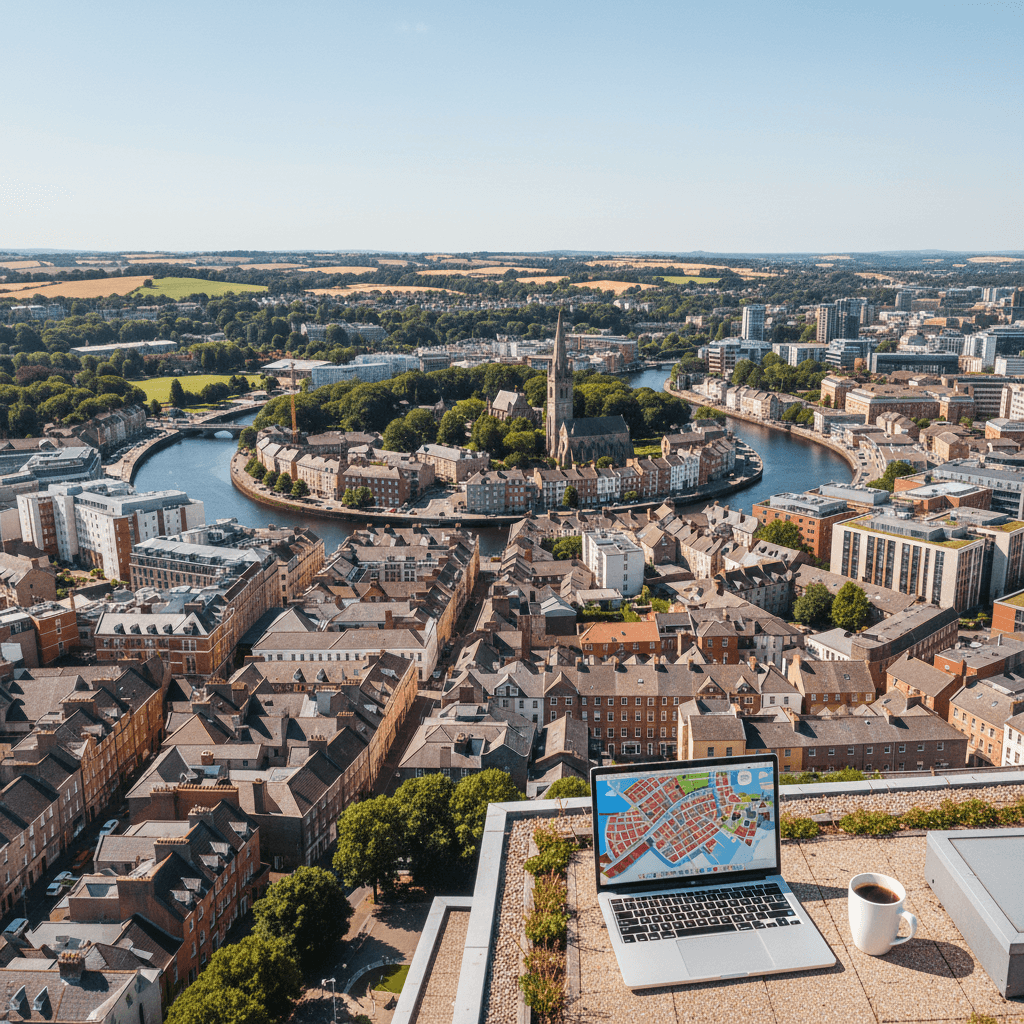
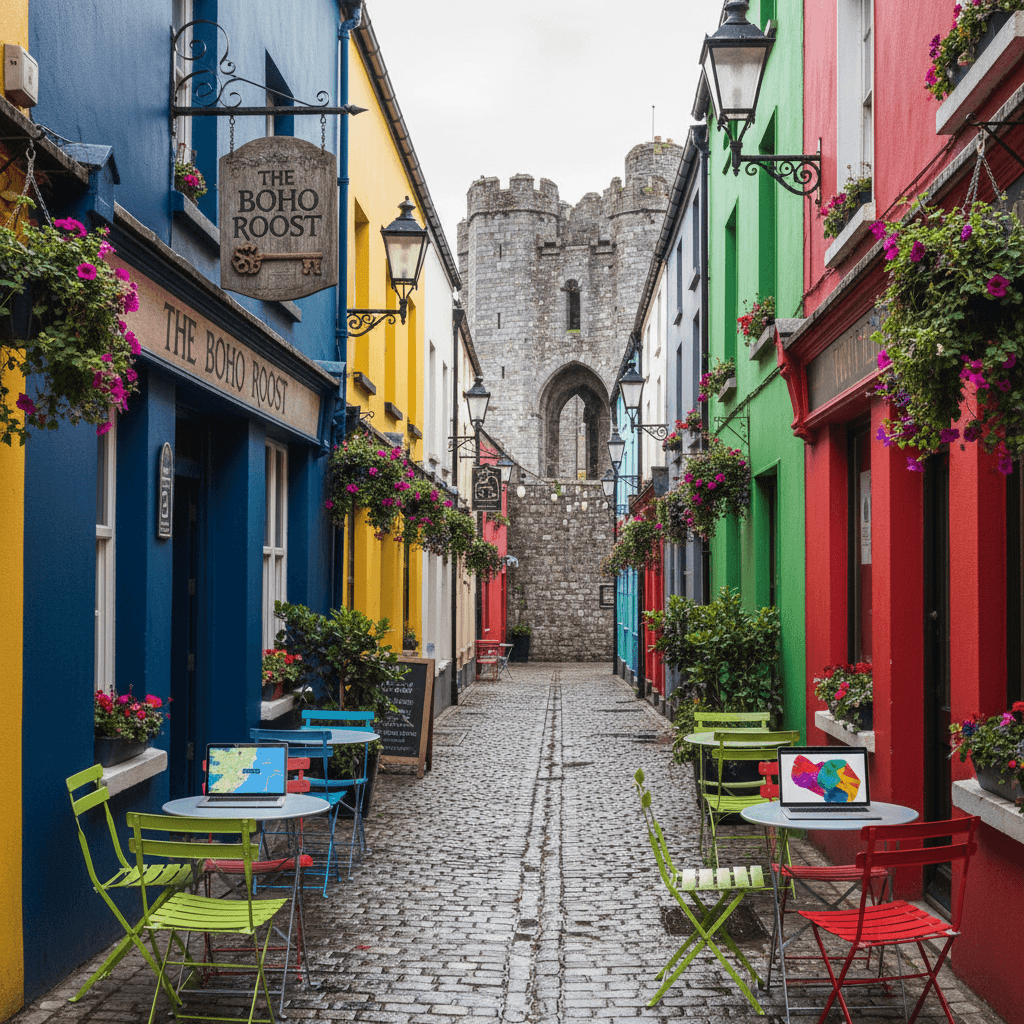
Limerick doesn’t try to dazzle you on first meet and that’s part of the appeal. It feels lived-in, a little rough around the edges and more local than polished, with Georgian streets, the River Shannon sliding through the middle and the odd burst of street art or live music drifting out of a pub door.
The city has a steady, practical energy. You’ll hear bus brakes hiss on O’Connell Street, rain tapping on windows and students spilling out near the University of Limerick, while the smell of coffee, chips and wet stone hangs around the centre after a shower.
Most nomads who settle here do it for three reasons: the rent is lower than Dublin, the internet’s solid and people are usually friendly without making a fuss about it. It’s also close enough to feel connected, but small enough that you start recognizing baristas, shop staff and the same faces at the weekend market.
That said, Limerick isn’t for anyone chasing nonstop nightlife or a heavy international scene. Some evenings are quiet to the point of emptiness and the weather can be a drag, with grey skies, damp air and that persistent Irish drizzle that gets into your shoes.
- Best for: Remote workers, long-stay travelers and expats who want a cheaper Irish base with an actual local feel.
- Less ideal for: People who want big-city nightlife, a huge expat crowd or endless restaurant choice.
- Day-to-day vibe: Calm, walkable in the centre and noticeably slower once you move out toward the suburbs.
City Centre is the obvious starting point if you want cafes, bars and culture within walking distance. O’Connell Street and Sarsfield Street give you the most action, while Castletroy and Raheen feel more suburban, quieter and easier if you’re staying longer. Corbally and Ballyneety are better value, though you’ll probably need a bus or a car more often.
The city’s personality comes through at night. Dolan’s fills up with music, the pubs are warm and noisy and the whole place can feel friendly in a blunt, unshowy way that a lot of visitors end up liking more than they expected.
Limerick isn’t cheap by European standards, but it’s a lot easier on the wallet than Dublin. A single person can get by on about €2,414 ($2,611) a month, though that number moves fast once you factor in rent. The city’s biggest cost shock is housing, especially if you’re signing a new lease instead of renewing one.
Rent is the budget killer. In the city centre, a one-bedroom apartment usually runs €1,375 to €1,600 ($1,490 to $1,734). Two-bed places land around €1,600 to €2,108 ($1,734 to $2,284) and a three-bedroom house can hit €1,900 to €2,300 ($2,059 to $2,492). New tenancy rents are often about 33.5% higher than existing ones, so long-term stays and a bit of patience can save real money.
What daily life costs
- Groceries: €350 to €550 ($379 to $596) a month, with Lidl and Aldi usually the cheapest.
- Casual meals: €8 to €15 ($9 to $16) for takeaways and quick bites.
- Mid-range restaurants: €15 to €25 ($16 to $27) per person.
- Higher-end dining: €25 to €50+ ($27 to $54+) per person.
- Public transport pass: About €60 ($65) a month.
Neighborhood choice changes the math fast. City Centre gives you the best walkability, but you’ll pay for it and hear the noise, especially late at night around O'Connell Street and Sarsfield Street. Castletroy, Corbally and Ballyneety are usually 10% to 20% cheaper, quieter and a lot less handy if you like stepping out for a drink or a coffee without planning a bus ride.
Work and connectivity aren’t the problem here. Limerick has strong internet, with average speeds around 150 Mbps in many areas and fiber is common in newer buildings and central apartments. Coworking space usually costs €15 to €30 ($16 to $33) a day for a hot desk or €200 to €400 ($217 to $434) a month for a dedicated desk.
Where the money goes for nomads
- Budget month: €1,300 to €1,800 ($1,408 to $1,951), usually with shared housing and simple meals.
- Mid-range month: €1,800 to €2,500 ($1,951 to $2,710), for a one-bed, mixed dining and some extras.
- Comfortable month: €2,500 to €3,500+ ($2,710 to $3,793+), if you want your own place and eat out often.
The city works well for a practical, no-fuss lifestyle, but rent can sting if you arrive unprepared. Most expats say the trick is to lock in housing first, then build the rest of the budget around whatever’s left.
Limerick works best if you match the neighborhood to your routine. The city centre gives you the shortest walk to cafés, bars and the river, while the suburbs trade that convenience for quieter streets, bigger homes and a bit less noise from late-night taxi horns and weekend spillover.
For nomads and solo travelers
Stick to the city centre, especially around O'Connell Street and Sarsfield Street. This is where you’ll find the easiest café setup, decent foot traffic and the best chance of living without a car. It can be noisy, though, with club music, delivery vans and the odd shouting match drifting up after midnight.
- Rent: Highest in the city, with 1-bed apartments often around €1,375 to €1,600 ($1,490 to $1,733)
- Best for: Walkability, coworking, nightlife and quick access to King John's Castle and St. Mary's Cathedral
- Trade-off: Less parking, more weekend noise and a pricier grocery run if you’re buying small and often
For expats and longer stays
Castletroy and Raheen make the most sense if you want a quieter base without feeling stranded. These areas are popular with professionals and people settling in for a few months, thanks to larger houses, better parking and easy access to the University of Limerick. You’ll hear less of the city centre racket, but you’ll need a bike, a car or a solid bus habit.
- Rent: Usually cheaper than the centre, often 10% to 20% less
- Best for: Longer leases, extra space and a more settled residential feel
- Trade-off: Fewer bars and cafés, plus more time spent getting into town
For families
Corbally and Ballyneety are the safer bets if you’ve got kids or just want more room without paying city-centre prices. They feel suburban in the real sense, with parks, schools and less foot traffic. The downside is simple, you won’t be popping out for a spontaneous dinner or late pint without thinking about transport.
- Rent: Better value than central Limerick, especially for houses
- Best for: Green space, schools and a calmer daily rhythm
- Trade-off: Limited nightlife and weaker café culture, so it’s not great if you want everything on the doorstep
If you want the liveliest version of the city, stay central. If you want space and less hassle, head out to the suburbs. Most people who stay in Limerick for more than a few weeks end up choosing convenience or quiet, because you rarely get both at the same price.
Limerick’s internet is better than the city’s old reputation suggests. In the centre, fiber connections are common, mobile coverage is strong and average speeds are solid enough for video calls, uploads and full workdays without much drama. The only real annoyance is that Irish weather can knock the mood around, with grey light, steady rain and the occasional patchy signal if you’re out by the edges of town.
For most nomads, the sweet spot is a place with reliable Wi-Fi and a backup SIM. Vodafone Ireland, 3 Ireland, Eir and Lyca Mobile all have a presence here and you can buy physical SIM cards in Tesco and mobile shops around the city. If you’d rather skip the shop run, eSIMs from Holafly, Roamless, Airalo and Saily are easy to set up before you land.
Best coworking options
- Regus Limerick: Best if you want polished meeting rooms, lounge space and predictable Wi-Fi. It’s pricier, but it feels like proper office space rather than a temporary fix.
- Spaces Limerick City: Good for flexible, professional working days and people who like a more corporate setup. Handy if you’re meeting clients and don’t want café noise in the background.
- Davinci Meeting Rooms, Castletroy: A solid pick for lower-friction office rental outside the centre, with decent internet and straightforward pricing.
Hot desks usually run about €15 to €30 a day, while dedicated desks tend to land around €200 to €400 a month. That’s reasonable for Ireland, though not exactly cheap if you’re staying long term and only need a desk a few days a week.
Cafés that work well for laptop days
- Story Café: Popular with laptop workers, with Wi-Fi and enough seating to make a morning session comfortable.
- Stormy Teacup: More relaxed, good for shorter work blocks and coffee breaks between calls.
- O’Connell Street cafés: Best bet if you want foot traffic, easy walk-ins and a central base between errands.
Most cafés in Limerick are fine with laptop use as long as you buy something and don’t camp out forever. The city centre is the easiest place to work casually, especially around O’Connell Street and Sarsfield Street, where you’ve got coffee, lunch and backup power outlets within a few minutes’ walk.
One practical move: keep both Wi-Fi and mobile data ready. It saves you from the small but maddening moments, like a call dropping right as the espresso machine hisses and the room fills with steam, noise and the smell of burnt coffee.
Limerick feels pretty safe in the parts most visitors actually use, especially the city centre, O'Connell Street, the Milk Market area and the better-kept residential streets around Castletroy and Corbally. You’ll still want the usual city habits, though. Keep your phone zipped away near empty bus stops, don’t wander through quiet lanes after a late pub night and trust your gut if a street feels off.
The rougher moments here are usually petty, not dramatic, more the odd drunk argument outside a bar, a bit of shouting near closing time or a bored-looking street scene after midnight. Rain makes everything slick and dark, the river air can feel damp and cold and some side streets empty out fast once the shops shut. Most nomads find the city manageable, but nobody calls it perfectly polished.
Where to be more careful
- City centre late at night: Fine when it’s busy, but stick to well-lit routes around O'Connell Street, Bedford Row and the main pub strips.
- Isolated river paths after dark: Pleasant by day, quiet and a bit eerie once the foot traffic drops.
- Outer suburbs without a car: Not unsafe, just less convenient and you’ll feel it if buses are thin or you’re walking in the rain.
Healthcare is straightforward enough. University Hospital Limerick is the main public hospital for the region and pharmacies are everywhere in the city centre and suburbs. If you need something simple, a local pharmacist will often sort it faster than a GP appointment, especially for minor infections, allergy meds or advice on over-the-counter treatment.
For anything urgent, call 999 or 112. For less serious issues, your GP is the first stop, though walk-in options can be patchy and waiting times can be annoying. Ireland’s healthcare system is mixed public and private, so travel insurance is a smart move even for short stays.
Practical healthcare tips
- University Hospital Limerick: Main emergency and inpatient hospital for the area.
- Pharmacies: Easy to find in city centre streets, shopping centres and residential districts.
- Insurance: Bring travel insurance and EU visitors should carry an EHIC.
- Medication: Bring prescriptions in original packaging, because replacing them can mean a GP visit first.
If you’re staying longer, register with a local GP early. That saves a lot of hassle later, especially when you’re sick, cold and trying to explain symptoms in a waiting room that smells faintly of disinfectant and wet wool.
Limerick is easy to live with if you don’t mind a little rain and the occasional bus delay. The centre is compact, so a lot of daily life happens on foot, especially around O’Connell Street, Sarsfield Street and the riverfront. Cross the Shannon on a wet morning and you’ll get the full Irish soundtrack, tyres hissing on slick roads, bus brakes squealing and wind coming off the water.
Public transport is decent by Irish regional-city standards. Bus Éireann runs the main network, with regular services linking the city centre, University of Limerick and outer areas like Castletroy and Raheen. A monthly pass costs about €60 ($65), which is fair if you’re commuting most days, though the timetable can feel thin outside peak hours.
For short hops, taxis are easy enough to find near the centre and major hotels, but they’re not cheap for everyday use. Most nomads in Limerick end up mixing buses, walking and the bike-share system rather than relying on cabs.
Best ways to move around
- Walking: Best for the city centre, especially if you’re staying near King John’s Castle, the river or the main shopping streets.
- Bus: The practical choice for Castletroy, Raheen and University of Limerick.
- Bike share: Coca-Cola Zero Bikes is handy for quick trips, though the weather can make cycling feel a bit grim.
- Taxi: Useful late at night or when the rain turns properly miserable.
Cycling works well enough, but Limerick isn’t flat in every direction and traffic can be awkward at busy junctions. If you’re riding in winter, expect cold air, wet pavements and a lot of grit sprayed up from the road. It’s manageable, just not glamorous.
If you’re staying longer, consider housing based on how often you’ll need to move around. The city centre is the easiest place to live without a car, while Castletroy and Raheen are more comfortable if you don’t mind bus trips or driving. Corbally and Ballyneety are cheaper and quieter, but you’ll spend more time getting into town for work, cafes or a night out.
For airport runs and intercity travel, Limerick is well connected by coach and rail through the wider region, though not from the city centre itself. The practical rule is simple, stay central if you want to walk, live suburban if you want space and don’t expect Dublin-style transit frequency.
Limerick is easy enough on the ears if you can handle Irish pace and a bit of weather. People speak quickly, local slang pops up fast and the rain has a way of turning every street corner into a damp, echoey space, with bus brakes hissing and shop doors banging open against the wind. Most locals are patient with visitors, though they won’t slow down forever for you.
English is the everyday language and you’ll get by fine with no Irish at all. Still, you’ll see Irish on signs, at schools and in some public notices, so the city feels bilingual in a quiet, practical way rather than performative. If you want a few useful words, Dia dhuit for hello and go raibh maith agat for thank you go a long way.
For day-to-day life, plain English is best. Shop staff, baristas and landlords usually prefer direct questions, so ask for what you need without dressing it up. If you’re looking for an apartment, need a GP appointment or want to sort a SIM card, clarity beats charm every time.
What people actually sound like
- Locals: Warm, fast and sometimes hard to catch the first time around, especially if someone’s from outside the city centre.
- Students and younger workers: Very easy to understand, with plenty of Dublin and wider Irish slang mixed in.
- Service staff: Straightforward and efficient, especially in busy cafes near O'Connell Street and around the University of Limerick.
Phone and online communication are both painless. Ireland uses English-language apps and banking systems and most places reply by email faster than by phone if you’re dealing with rentals, coworking or utilities. That said, a lot of local businesses still prefer a quick call, especially for bookings and last-minute changes.
If you’re staying longer, keep your tone direct but friendly. People in Limerick usually respond well to a simple "Hi, just checking..." message and they’ll appreciate it if you’re on time, don’t overcomplicate things and confirm plans in writing. Missed calls and vague messages are common annoyances, so get details pinned down early.
Quick communication tips
- Phone numbers: Save local contacts with the Irish country code if you’re using eSIM or roaming.
- Email: Fine for housing, coworking and admin, though replies can be slow on weekends.
- Politeness: Use "please" and "thanks" often, but keep requests short and clear.
For visitors, the main thing isn't to overthink it. Limerick isn’t a place where you need perfect phrasing, just decent manners and a willingness to repeat yourself once or twice over the sound of traffic, chatter and the occasional gale off the Shannon.
Limerick’s weather is classic west-of-Ireland weather: damp, changeable and rarely dramatic in the way people imagine Ireland to be. Expect mild winters, cool summers and a steady supply of rain that can arrive as a fine mist, then turn into a proper soaking 20 minutes later. The wind off the Shannon can feel raw, especially on open streets near the river.
For most visitors, the sweet spot is late spring through early autumn, roughly May to September. You’ll get longer daylight, greener walks and a better chance of dry spells for wandering King John’s Castle, the Milk Market and the riverside paths without having your jacket on and off all day. July and August are the warmest months, but they’re still moderate by European standards.
Best times by travel style
- April to June: Good balance of mild weather, fewer crowds and decent daylight. Cafes and pubs feel lively without being packed.
- July and August: Best for the longest evenings and outdoor plans, though showers still show up often and accommodation can be pricier.
- September to early October: A strong choice if you want softer weather, lower tourist traffic and crisp evenings that smell like wet stone and chimney smoke.
- November to February: Grey, short days and plenty of rain. Fine if you don’t mind spending more time indoors, but the gloom can drag.
If you’re moving to Limerick, pack like someone who’s been caught out before, because you probably will be. A waterproof jacket, waterproof shoes and layers matter more than a heavy coat, since the weather shifts fast and indoor heating can make places feel stuffy, then the second you step outside the air feels cold again.
Summer isn’t hot. Daytime highs usually sit in the mid-teens to low 20s Celsius, so outdoor seating is pleasant when the sun appears, but you’ll still want a light layer after dark. Winters are cool rather than freezing, with frost showing up now and then, though the real annoyance is the damp that gets into everything.
For digital nomads and longer stays, autumn is underrated. The city’s pace settles down, rents may be a little easier to find than in peak summer and coworking spaces like Regus Limerick and Spaces feel less busy. If you don’t mind a few grey mornings and the sound of rain tapping windows, you’ll probably find the city easier to live in than to romanticize.
Limerick is easy to live in if you like a city that feels practical rather than polished. The centre is compact, so you can walk to coffee, the river and most errands, but the weather will test your patience. Rain comes in sideways, pavements stay slick and the wind off the Shannon can bite through a thin jacket in minutes.
Money and day-to-day costs
Rents are the part that stings. A one-bedroom in the city centre usually runs about €1,375 to €1,600 ($1,489 to $1,731), while suburbs like Corbally, Ballyneety and Castletroy tend to be 10% to 20% cheaper. New leases are often much pricier than existing ones, so if you find a decent place, try to hold onto it.
- Groceries: Budget about €350 to €550 ($379 to $596) a month if you shop at Lidl or Aldi.
- Meals out: Expect €8 to €15 ($9 to $16) for casual food and €15 to €25 ($16 to $27) for a midrange restaurant.
- Transport: A monthly bus pass is about €60 ($65).
- Coworking: Hot desks usually cost €15 to €30 ($16 to $33) a day, with monthly desks from €200 to €400 ($216 to $433).
Where to stay
City Centre is the safest bet for most short stays. You’ll be close to O'Connell Street, Sarsfield Street, King John's Castle and the best coworking cafes, though weekend noise can drift up from the pubs. Castletroy and Raheen are calmer and better for longer stays, but they feel more suburban and less walkable.
Corbally and Ballyneety make sense if you want a bit more space and don’t mind buses or a car. They’re quieter, greener and easier on the budget, but you won’t be popping out for a late pint or a spontaneous dinner without planning ahead.
Internet, SIMs and work setup
The internet is a real strength here. Fibre is common, 4G is reliable and 5G keeps expanding, so most nomads won’t have trouble working from home or in a cafe. For coworking, look at Regus Limerick, Spaces and Davinci Meeting Rooms in Castletroy. Story Café and Stormy Teacup are solid for laptop sessions if you buy a coffee and don’t overstay your welcome.
- SIMs: Vodafone Ireland, 3 Ireland, Eir and Lyca Mobile are easy to find.
- eSIMs: Holafly, Roamless, Airalo and Saily all work well for short stays.
- Best value: Lyca Mobile is handy if you want pay-as-you-go flexibility.
Safety and healthcare
Limerick feels generally safe in the centre and in established residential areas, but don’t get lazy late at night. Empty streets, dark corners and a drunk crowd near closing time are still the usual trouble spots. For medical care, University Hospital Limerick is the main public hospital and pharmacies are easy to find across the city.
Keep 999 and 112 saved in your phone. If you’re from the EU, bring your European Health Insurance Card and buy travel insurance either way. It’s one of those places where being prepared saves a lot of hassle when the weather turns grim or you need a prescription fast.
Frequently asked questions
Is Limerick a good city for digital nomads?
How much does rent cost in Limerick city centre?
How much money do I need to live in Limerick for a month?
Which Limerick neighborhood is best for remote workers?
Which Limerick neighborhoods are quieter and cheaper than the city centre?
How good is the internet in Limerick?
Where can I work from in Limerick besides my apartment?
Need visa and immigration info for Ireland?
🇮🇪 View Ireland Country GuideEasy Landing
Settle in, no stress
Monthly Budget Estimates
More cities in Ireland
Waterford
🇮🇪 Ireland
Galway
🇮🇪 Ireland
Sligo
🇮🇪 Ireland