Limassol
🇨🇾 Cyprus
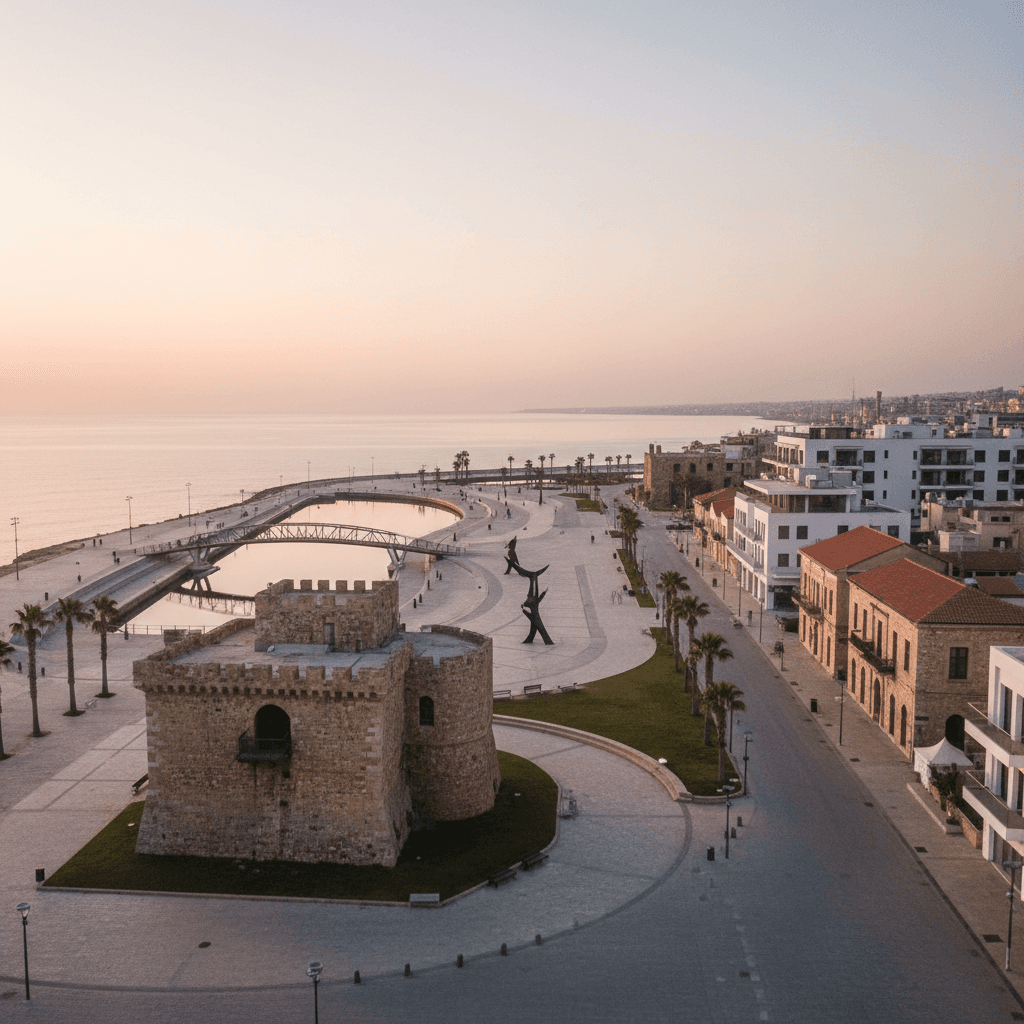
Limassol doesn't feel like a typical Mediterranean escape. It's got the sea, sure, the smell of salt and sunscreen drifting off the promenade on a July afternoon, but it's also got a skyline of cranes and glass towers, a marina full of superyachts and a coffee shop where you'll overhear Russian, Lebanese Arabic and English all within five minutes. It's a genuinely international city, not a resort town that tolerates remote workers.
That mix is, honestly, what separates it from every other sun-and-sand nomad destination. There's a real urban pulse here. Locals actually live and work in the city, expats have built proper communities and the social scene doesn't evaporate in October when the tourists leave. Most nomads find they slot in faster than expected, the promenade cafes and coworking spaces do a lot of the heavy lifting socially.
Still, it's not all smooth sailing. Limassol is expensive, more so than most people budget for before they arrive. Mid-range living runs €2,500 to €3,500 a month once you factor in a decent apartment, food and getting around without losing your mind on infrequent buses. Public transport is, frankly, an afterthought outside of the main coastal route, so you're either relying on Bolt or renting a car, which adds up fast.
The weather is a genuine selling point for most of the year. May through October is warm, dry and easy, the kind of heat that feels good rather than oppressive. August is brutal though, 33°C with nowhere to hide if your apartment doesn't have solid air conditioning. Winters are mild but rainy, December especially and the city turns quieter in a way that some nomads love and others find deflating.
What you're really getting in Limassol is a city that works hard and plays hard, turns out that combination is pretty rare. The food is excellent, the nightlife in the Old Town is legitimately fun and the sense of safety walking around at night is something you don't take for granted once you've lived somewhere that doesn't have it. It's not cheap, it's not quiet and it's not trying to be anything other than what it's. For a lot of nomads, that's exactly the point.
Limassol isn't cheap. That's the first thing nomads figure out, usually after their first rent search leaves them staring blankly at listings for €1,400 studios. Cyprus has a relatively low tax rate and a sunny lifestyle, but the cost of living here punches closer to Western Europe than most people expect.
Rent is, honestly, the biggest hit. A one-bedroom outside the center, think Germasogeia or Mesa Geitonia, runs €800 to €1,500 a month and anything near the waterfront or city center climbs to €1,800 fast. Landlords know what they've got, don't expect much negotiating room in peak season.
Food is where you can actually control the damage. A gyros or souvlaki wrap from a street spot costs €4 to €6, a sit-down meal at a decent taverna runs €20 to €40 and if you're taking someone to a mid-range restaurant with wine and meze, budget €75 minimum for two. Upscale dining, which Limassol has plenty of, easily clears €100.
Here's a rough breakdown by lifestyle tier:
- Budget (€1,800/month): Shared housing or a cheap studio, cooking most meals at home, EMEL buses at €40/month for transport
- Mid-range (€2,800/month): A one-bedroom in Germasogeia, eating out a few times a week, Bolt rides instead of buses, occasional coworking day passes
- Comfortable (€4,500/month): A proper apartment near the marina, coworking membership at Regus or Rentadesk, regular restaurant meals, zero compromises
Coworking, turns out, adds up faster than people plan for. Regus dedicated desk from ~€300-400/month depending on contract, SOHO Central charges €25 a day, so most nomads mix a monthly membership with cafe work to keep costs down. Ibsen Tea and Coffee House is a solid free-WiFi option when you don't need a dedicated desk.
Transport is cheap if you use the buses, frustrating if you don't. The €40 monthly EMEL pass covers the coastal route 30 well, but evening service is thin, which is why most mid-range nomads end up spending €80 to €150 a month on Bolt rides to fill the gaps.
The honest summary: Limassol rewards people who plan ahead and punishes those who don't. Find your apartment before you arrive, lock in a coworking deal early and you'll land comfortably in that €2,500 to €3,000 range.
Limassol doesn't have one "right" neighborhood. Where you land depends entirely on what you're there to do and picking wrong means overpaying for the wrong vibe.
For Digital Nomads: Germasogeia
Most nomads end up here and honestly, it makes sense. Germasogeia sits close enough to the beach that you can smell the salt air from a cafe terrace, but it's not so tourist-saturated that you can't find a quiet spot to actually work. Coworking options are nearby, rent runs €1,000,1,500 for a decent one-bedroom and the Bolt rides into the city center are short enough that you won't resent them.
Summers get crowded, prices spike, it's genuinely annoying if you're trying to lock down an apartment in July. Book early or accept paying a premium.
For Expats and Affluent Nomads: Limassol Marina and Agios Tychonas
If budget isn't the concern, this is, turns out, the most polished stretch of the city. The marina itself is modern and walkable, the apartments are well-finished and you're surrounded by people who've made the same long-term bet on Cyprus. Rent starts high and goes higher, expect €1,800 and up for anything worth living in. It's not for everyone, but expats who've settled here rarely leave.
For Families: Mesa Geitonia and Panthea
Quieter. More residential. Mesa Geitonia and Panthea don't have the sea views or the nightlife, but they've got good schools, shopping malls within walking distance and rents that won't wreck your monthly budget. Families with kids consistently rate this area for its safety and low-key pace, which is exactly what you want when you're not trying to commute through tourist traffic with a stroller.
For Solo Travelers: Old Town
Old Town is walkable, loud and weirdly charming once you adjust to the noise. Anexartisias Street has the shopping, the bars stay busy most nights and you'll meet people without really trying. That said, petty theft is more common here than anywhere else in Limassol, keep your bag close in crowded spots. It's the right base for a short stay, not a six-month lease.
Skip the marina if you're on a budget. Skip Old Town if you need quiet mornings. Everything else is negotiable.
Limassol's internet is, honestly, better than you'd expect for a Mediterranean city this size. Speeds range from around 11 Mbps on a bad cafe day to well over 100 Mbps at a proper coworking space, which is more than enough for video calls, large uploads and everything else remote work throws at you. Most nomads don't run into connectivity problems here, it's not that kind of place.
For SIM cards, grab a Primetel tourist SIM at the airport or any phone shop in town. It's €20 for 250GB over 20 days, which covers your first few weeks while you sort out longer-term plans. Cyta and Epic both offer monthly plans running €10 to €35 for 60 to 350GB, depending on how much data you actually burn through.
The coworking scene is smaller than you'd find in Lisbon or Chiang Mai, but it works. Top options:
- SOHO Central: Drop-in friendly at €25/day, no commitment required
- Regus Limassol: Corporate and polished, starts around €419/month, suits you if you need a proper business address
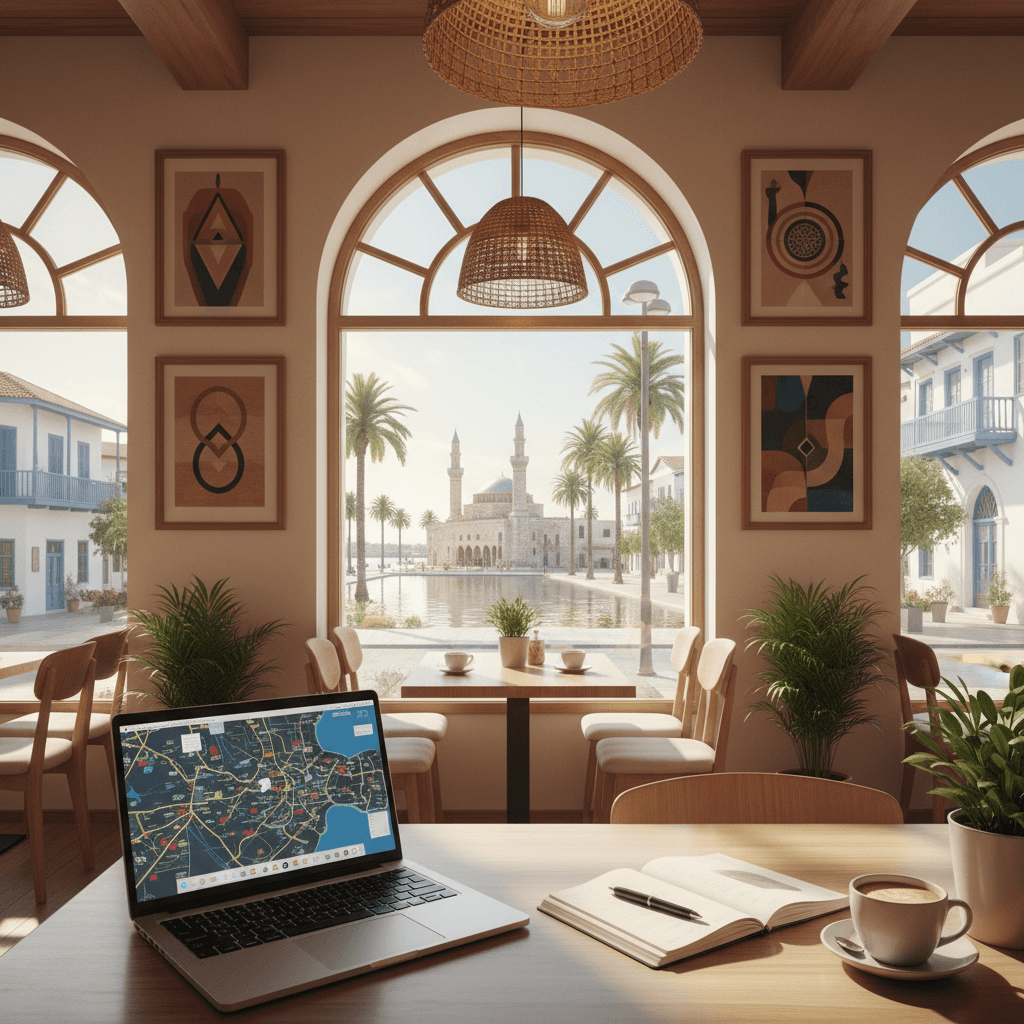
If you'd rather skip the coworking fees, cafes do pick up the slack. Ibsen Tea & Coffee House is a favourite, turns out the WiFi there's genuinely reliable and nobody rushes you out after an hour. The smell of fresh coffee, the low hum of conversation, the sea breeze drifting in if you grab a window seat, it's a decent place to grind through a morning of work.
One honest caveat: coworking here isn't cheap. At €300 to €500 a month for a desk, it adds a real chunk to your budget, especially when Limassol's rents are already biting. Most nomads weigh that cost carefully, some split their time between a cafe setup and a day pass or two per week at SOHO Central to keep expenses down without losing access to a professional space when they need one.
The infrastructure works. It just costs you for the privilege.
Limassol is, honestly, one of the safer cities you'll find in the Mediterranean. Crime is low, you can walk the promenade at midnight without a second thought and locals are genuinely friendly rather than performatively so. That said, the Old Town area near Anexartisias Street sees enough tourist foot traffic that pickpockets do operate there, keep your phone in a front pocket and don't leave bags unattended at outdoor cafes.
One geographic note worth flagging: don't wander toward the UN buffer zone near Nicosia. It's not a local concern in Limassol itself, but nomads who rent cars and explore the island sometimes stumble into restricted areas without realizing it, that's an uncomfortable conversation you don't want to have.
For healthcare, the picture is mixed. Ygia Polyclinic is the go-to for private care, English-speaking doctors, shorter waits and a noticeably cleaner experience than the public system. Limassol General Hospital has undergone recent upgrades including pediatric and outpatient facilities, but it can feel slow and bureaucratic if you're not in crisis. Most expats and nomads default to private clinics for anything non-emergency, costs are reasonable compared to Western Europe, a GP visit typically runs €50-80.
Pharmacies are everywhere. Turns out you're rarely more than a few blocks from one in any central neighborhood, they're well-stocked and pharmacists often speak solid English, so minor ailments are easy to handle without a doctor visit at all.
Emergency numbers to save before you need them:
- General emergency: 112
- Ambulance/Police: 199
- Ygia Polyclinic: Private hospital, Germasogeia area
- Limassol General Hospital: Public, central location
Travel insurance is non-negotiable here, frankly. Cyprus has a public health system EU residents can access, but if you're a non-EU nomad without coverage, a single private hospital stay could cost more than a month's rent. Sort it before you land.
Overall, Limassol doesn't demand much vigilance. Stay aware in crowded tourist spots, carry basic insurance and keep Ygia's number handy. That's really all there's to it.
Limassol doesn't have great public transport. That's just the reality. The EMEL bus network covers the main coastal corridor reasonably well, route 30 runs along the seafront and connects most of the areas nomads actually care about, but service drops off sharply in the evenings and you'll be waiting a long time if you miss the last run. A single ticket is €2, a monthly pass is €40, it's fine for daytime errands but don't count on it for a late dinner in the Old Town.
Most nomads, honestly, end up relying on Bolt. Uber doesn't operate here, Bolt is your app and it works well enough that you'll stop thinking about it after the first week. Rides around the city typically run €5-10, airport transfers from Larnaca are €30-50 depending on traffic and time of day, the 45-minute drive can stretch longer in summer when the A1 gets congested with trucks and tourists.
Taxis exist but the pricing is, frankly, annoying. Meters start around €7 and add roughly €3.10 per mile, so for anything beyond a short hop you're better off with Bolt. Street taxis near the Old Town sometimes quote flat rates, that's rarely in your favor.
The promenade is genuinely walkable. If you're staying in Germasogeia or near the Marina, you can cover a lot of ground on foot, the seafront path smells of salt and sunscreen in summer and is almost eerily quiet on January mornings. Bike and scooter rentals are available through various local apps and shops, turns out it's one of the better ways to get between neighborhoods without dealing with parking, which is its own headache in the center.
- Bus (EMEL): €2/trip or €40/month pass; reliable daytime, limited evenings
- Bolt: Main ride-hailing app; €5-10 for city trips
- Taxis: €7 start + ~€3.10/mile; skip these for longer rides
- Airport transfer: €30-50 from Larnaca via Bolt or taxi
- Walking/cycling: Promenade and coastal areas are very manageable on foot or bike
Renting a car makes sense if you're planning day trips to Kourion or Paphos, it doesn't make much sense for daily city life given parking stress and costs. Most long-term nomads don't bother.
Greek is the official language and you'll hear it everywhere, from the coffee shop order ahead of you to the landlord's voicemail you can't quite decipher. Turkish is spoken in some communities too. That said, English proficiency in Limassol is, honestly, unusually high for a Mediterranean city of this size and in the tourist areas, coworking spaces and expat-heavy neighborhoods like Germasogeia, you can get through nearly every interaction without a word of Greek.
That doesn't mean you should ignore it entirely. Locals genuinely warm up when you make even a small effort, a "yia sou" when you walk into a shop or an "efharisto" when the waiter drops your meze goes a long way, it signals you're not just passing through. The social payoff is real.
A few phrases worth knowing:
- Hello: Yia sou (informal), Yia sas (formal or groups)
- Thank you: Efharisto
- Please / You're welcome: Parakalo
- Do you speak English?: Milate anglika?
- How much is it?: Poso kani?
- The bill, please: Ton logariasmo, parakalo
Google Translate handles Greek well, the romanization option is useful when you're trying to read a menu that hasn't been translated, which happens more than you'd expect outside the main tourist strips. Download the offline Greek pack before you arrive, turns out data roaming surprises are still a thing if you forget.
Written Greek uses its own alphabet, so street signs and shop names can look completely opaque at first. Most major signage in Limassol is bilingual, still, wandering into a residential neighborhood or a local market means you're reading Greek only. You adapt fast.
Business communication is almost entirely in English and most landlords, coworking staff and service providers speak it fluently. Bureaucratic interactions, like dealing with government offices or utility setups, can get weirdly inconsistent though, some staff are comfortable in English, others aren't, so patience helps more than any phrase book.
The communication barrier here is, frankly, one of the lowest you'll encounter anywhere in Southern Europe. It's not zero, but it's close.
Limassol gets genuinely hot in summer. July and August push 31-34°C (88-93°F) and it's not a dry heat either; the air sits heavy on your skin, the promenade shimmers and anyone who books a cheap, unshaded apartment in August learns that lesson fast. Winters are mild but wetter than most people expect, with December and January bringing up to 102mm of rain and temperatures that drop to around 12°C (54°F) at night, cold enough that you'll want layers.
The rainy season runs December through February, it's not torrential but it's consistent and some weeks you'll get more grey skies than sunshine. That said, winters here are, honestly, pretty livable compared to most of Europe, which is why so many nomads use Limassol as a winter base.
The sweet spot is May through October, when you get dry, warm days between 20-32°C and almost zero rain. September and October are, turns out, the real winners: the tourist crowds thin out, prices drop noticeably, the sea's still warm enough to swim and the city feels like it exhales a little.
Spring (March to May) is underrated. Temperatures are comfortable, wildflowers are out across the hillsides and you can actually walk the promenade in the afternoon without feeling like you're melting into the pavement. Most long-term expats will tell you March is one of the best months to arrive.
- Best months overall: September, October, May
- Best for beach: June through August (hot, dry, crowded)
- Best for budget: November through March (lower rents, fewer tourists)
- Worst month: January (cool, rainy, some businesses run reduced hours)
One thing worth knowing: Limassol's wine festival runs in September, the carnival takes over in February or March depending on the year and summer brings outdoor concerts and beach events almost every weekend. Timing your visit around these can be fun or completely overwhelming if crowds aren't your thing.
Skip July if you're sensitive to heat, it's brutal and the city's packed. Come in October instead, you won't regret it.
Cyprus isn't the cheapest base in Europe, so go in with clear expectations. A SIM card is easy: grab a Primetel or Cyta starter pack at the airport or any phone shop for around €20, which gets you 250GB over 20 days. That's honestly more data than most people use, it covers you while you sort out a longer-term plan from Epic or Cyta (€10,35/month for 60,350GB).
For banking, most nomads use Revolut as their daily driver because it handles euros cleanly and skips the foreign transaction fees. Local ATMs work fine, they're everywhere near the promenade and in Germasogeia.
Finding an apartment takes patience. Don't rely only on Airbnb. Check Bazaraki.cy and Facebook Marketplace first, then ask around at coworking spaces like Rentadesk or Urban Hive because landlords, turns out, often rent to people through word of mouth before listings go public. Start looking at least three to four weeks before you arrive, summer inventory disappears fast and prices spike hard.
Getting around without a car is doable, just annoying. EMEL buses cost €2 a trip or €40 for a monthly pass, route 30 runs along the coast and covers most of what you need, but service drops off sharply after 9pm. Bolt is the real workaround here, it's reliable and cheaper than taxis. Airport transfers from Larnaca run €30,50 and take about 45 minutes, book a Bolt in advance or you'll end up haggling with taxi drivers outside arrivals.
A few customs worth knowing before you sit down anywhere:
- Greetings: Handshakes are standard; locals are warm but not immediately casual.
- Meze dining: Dishes come shared and in waves, don't rush it or ask for everything at once.
- Tipping: 10% at restaurants is the norm, not optional if service was decent.
- Language: English is widely spoken in nomad and tourist areas; "Yia sou" (hello) and "Efharisto" (thank you) go a long way.
For day trips, Kourion ruins and Aphrodite's Rock are genuinely worth the hour's drive west, Paphos makes a solid overnight. Emergencies: dial 112 or 199 and Ygia Polyclinic is the go-to for private healthcare if you don't want to deal with the public hospital wait times.
Need visa and immigration info for Cyprus?
🇨🇾 View Cyprus Country GuideEasy Landing
Settle in, no stress
Monthly Budget Estimates
More cities in Cyprus
Nicosia
🇨🇾 Cyprus
Paphos
🇨🇾 Cyprus