Lima
🇵🇪 Peru
The Gastronomic Soul on the Pacific
Lima is a city of layers, where 500 year old colonial balconies sit just blocks away from glass skyscrapers and sheer oceanfront cliffs. It is a place that feels simultaneously chaotic and deeply sophisticated. While other South American hubs lean into mountain vistas or jungle heat, Lima is defined by the Pacific Ocean and a food scene that makes almost everywhere else on earth feel like an amateur effort.
Most nomads find that their daily rhythm revolves around the Malecón, a six mile stretch of clifftop parks in Miraflores. You'll see paragliders catching the coastal breeze while tech workers sit on benches with 5G hotspots. The vibe is fast paced during the day, particularly in the business districts, but it softens into a social, pisco sour fueled energy as soon as the sun hits the horizon.
The Cost of Living Breakdown
Lima remains one of the most affordable major capitals in the region, especially considering the high quality of life in its safest districts. A comfortable monthly budget sits between $1,100 and $1,500, though you can scrape by on $800 if you opt for coliving and stick to local markets.
- Budget ($800/month): Staying at a spot like Selina Miraflores for $500, eating $3 street ceviche or menu del día lunches, and using the Metropolitano bus for $0.50.
- Mid-range ($1,100/month): A private one bedroom in Miraflores for $600, mixing home cooking with $15 mid-range dinners at Punta Azul, and a $150 membership at Comunal Coworking.
- Comfortable ($1,500+/month): An upscale apartment in San Isidro for $800 to $1,000, frequent $5 Uber rides, and tasting menus at world class spots like Maido for $30 or more.
Where to Plant Your Flag
Choosing a neighborhood in Lima is less about proximity and more about personality. The city is massive, and traffic can be a nightmare, so most expats pick a "bubble" and stay there.
Miraflores
- Best for: First timers and solo travelers.
- The Draw: It is the safest, most modern area with the best infrastructure. You have WeWork, Selina, and Larcomar shopping mall built into a cliff.
- The Trade off: It can feel touristy and it is the most expensive part of town.
Barranco
- Best for: Creatives and nightlife lovers.
- The Draw: This is the bohemian heart of Lima. It is filled with street art, boutique coffee shops like Arabica Espresso Bar, and historic mansions. Many nomads prefer the community feel here over the polish of Miraflores.
- The Trade off: It gets loud on weekends and you need to be a bit more vigilant about your phone after dark.
San Isidro
- Best for: Professionals and families.
- The Draw: This is the financial district. It is quiet, incredibly green (check out El Olivar park), and home to the city's best high end dining.
- The Trade off: It lacks the "soul" of Barranco and can feel a bit corporate.
Productivity and Connection
Internet in the major districts is surprisingly good. Fiber connections often hit 200 Mbps, though nomads warn that Airbnb WiFi can be a gamble. For guaranteed stability, Workósfera and Spaces are reliable hubs. If you prefer the cafe route, Neira Café Lab is a favorite for deep work sessions with excellent Peruvian beans.
Socially, Lima is an easy win. The Digital Nomads Peru Facebook group is active, and there are weekly mixers at Selina or Node coliving. While English is common in Miraflores, learning basic Spanish will change your experience entirely. It is the difference between being a tourist and being invited to a Sunday family lunch.
What to Know Before You Land
The weather is a unique beast. From December to March, it is a sunny paradise with temperatures around 25°C (77°F). From June to August, a thick sea mist called the garúa settles over the city. It doesn't really rain, but it is grey and humid. If you hate the gloom, plan your visit for the southern summer.
Safety requires common sense. Petty theft like phone snatching happens, especially if you're flashing a new iPhone on a street corner. Use Uber or inDrive instead of hailing taxis on the street, and avoid the Historic Center after the sun goes down. If you stay alert and stick to the main nomad hubs, Lima is a smooth, high energy landing spot.
The Price of Living in the Culinary Capital
Lima is one of those rare cities where you can live a high-end lifestyle without the eye-watering price tag of North America or Europe. Most digital nomads find they can live comfortably on $1,100 to $1,500 per month. If you're willing to share a flat or stick to local markets, you can even scrape by on $800, but you'll miss out on the city's famous dining scene.
Rent is your biggest variable. In Miraflores, the go-to neighborhood for most arrivals, a modern one-bedroom apartment usually runs between $400 and $800. Barranco offers a similar price point but with a grittier, artistic flair that younger nomads tend to prefer. If you want the "Manhattan of Lima" experience, San Isidro apartments start around $600 and quickly climb into the thousands for luxury high-rises.
Breaking Down the Budget
To help you plan your monthly burn, here is how the costs typically shake out across three different lifestyle tiers:
- Budget ($800/month): This covers a bed in a coliving space like Selina for roughly $500, eating $3 street ceviche or "menu" lunches, and using the Metropolitano bus system for $0.50 a ride.
- Mid-Range ($1,100/month): You'll get a private apartment in Miraflores for $600, eat out at mid-tier spots like Punta Azul, rely on Ubers for $100 a month, and keep a dedicated desk at a coworking space for $150.
- Comfortable ($1,500/month): This allows for a premium apartment in San Isidro for $800, frequent dinners at world-class spots like Maido, a full-time WeWork membership, and enough left over for weekend flights to Cusco or Arequipa.
Eating and Socializing
Food is where Lima shines, and it's surprisingly affordable. A quick lunch at a local cevicheria will cost you between $2 and $5. If you're heading out for a nice dinner with drinks, expect to pay around $15. Even the high-end tasting menus, which would cost $400 in New York, are often accessible here for $30 to $60.
For groceries, locals recommend Wong or Vivanda for imported goods, though they are pricier. If you want to save, hit the local markets for fresh produce. A $10 to $20 SIM card from Claro or Entel will keep you connected with plenty of data, and most nomads find that $100 a month is more than enough for a very active social life in the bars of Barranco.
Coworking and Connectivity
While fiber internet is now common in major hubs, apartment WiFi can still be hit or miss. Most professionals factor a coworking membership into their budget for peace of mind. WeWork and Comunal are the heavy hitters here, with monthly passes ranging from $100 to $200. If you prefer the cafe route, Arabica Espresso Bar and Neira Café Lab are nomad favorites where the price of a $3 latte buys you a few hours of solid connectivity.
Transport and Practicalities
Getting around is cheap but can be a headache due to Lima's notorious traffic. Uber and inDrive are the safest bets for getting home at night, with most rides within the city costing $3 to $5. For daily commutes, the Metropolitano is efficient at $0.75, though it gets incredibly crowded during rush hour. Many nomads in Miraflores simply rent a Grin scooter for about $1 an hour to cruise along the oceanfront cliffs.
For Digital Nomads
If you're coming to Lima to work, Barranco is the neighborhood you'll likely never want to leave. It's the city's creative heart, filled with street art, restored mansions, and a relentless coffee culture. Most nomads prefer the vibe here over the more corporate areas because it feels lived-in and artistic rather than just a tourist hub. You'll spend your mornings at Arabica Espresso Bar or Neira Café Lab, where the WiFi is usually solid enough for emails, though you'll want a backup plan for heavy Zoom calls.
- Rent: $400 to $800 for a studio or one-bedroom apartment.
- Coworking: Comunal and Workósfera are popular local picks, while Selina offers a built-in community.
- Vibe: Bohemian, walkable, and legendary for its nightlife at spots like Ayahuasca.
The main trade-off in Barranco is the noise. Weekends can get loud, and while it's generally safe, you need to keep your wits about you after dark. If you need 200 Mbps fiber and a more "plug-and-play" lifestyle, Miraflores is the safer, albeit more commercial, bet. It's home to several WeWork locations and the iconic coastal cliffs known as the Malecón.
For Expats and Professionals
San Isidro is where you go when you want peace, quiet, and high-end amenities. It's the financial district, meaning the streets are cleaner, the security is tighter, and the parks are manicured. You won't find many backpackers here; instead, you'll share the sidewalks with diplomats and business executives. It's the best spot if you're looking for a long-term luxury apartment or need to be near top-tier international schools and embassies.
- Rent: $600 to $1,000+ for modern, high-rise living.
- Dining: Home to some of the world's best restaurants, including Maido.
- Pros: Extremely secure, less traffic than Miraflores, and home to Clínica Anglo Americana for healthcare.
The downside is that San Isidro can feel a bit sterile. It lacks the "grit" and character of the coastal neighborhoods, and you'll likely find yourself taking a $3 to $5 Uber to Barranco whenever you want a night out. However, for those who value a "comfortable" $1,500 monthly budget lifestyle, this is the gold standard.
For Solo Travelers
Miraflores is the undisputed landing pad for solo travelers. It's the most "Westernized" part of Lima, making it incredibly easy to navigate even if your Spanish is limited to "Ceviche, por favor." You'll find everything within walking distance: grocery stores, gyms, surf schools, and the Metropolitano bus stations. It's the best place to find a "smooth landing" because the infrastructure is built for foreigners.
- Stay: Look for coliving spaces like Node or Outsite to meet people instantly.
- Safety: Very high police presence, though pickpocketing still happens in crowded areas like Kennedy Park.
- Social: Join the "Digital Nomads Peru" Facebook group or hit up a mixer at Spaces to find your tribe.
While some find Miraflores a bit too touristy, the convenience is hard to beat. You can grab a $5 lunch at a local cevicheria like Punta Azul and then walk five minutes to a world-class shopping center built into a cliff at Larcomar.
For History Buffs and Budget Seekers
The Historic Center (Cercado de Lima) is where you'll find the stunning Plaza de Armas and colonial architecture, but it's generally not recommended for living long-term. It's a great place to visit for a day trip to see the libraries and cathedrals, but it becomes ghost-town quiet and potentially unsafe once the sun goes down. If you're on a strict $800 budget, you might find cheaper rooms here, but the lack of reliable fiber internet and the distance from the coast make it a tough sell for most remote workers.
- Best for: Afternoon tours and photography.
- Avoid: Walking alone late at night or carrying expensive camera gear openly.
- Transport: Take the Metropolitano for $0.50 from Miraflores to get here in about 30 minutes.
The Connectivity Reality
Lima is a city of extremes, and that includes the internet. In neighborhoods like Miraflores and San Isidro, you can easily find fiber optic connections hitting 200 Mbps. However, don't take a landlord's word for it when booking an Airbnb. Residential WiFi is notoriously hit or miss, often dropping out during the afternoon peak. Most nomads treat their home internet as a backup and rely on coworking spaces or high end cafes for serious deep work.
For mobile data, skip the sketchy street vendors and head to a branded Claro or Entel store in a mall. You can grab a SIM card for roughly $10 to $20 that provides enough data for a month of heavy map usage and Slack pings. If you want to hit the ground running, Airalo works well here, though it's pricier than a local physical SIM.
Top Coworking Hubs
The coworking scene is dominated by a few big players and a handful of local favorites. If you have a global membership, WeWork has several locations across the city that offer the most reliable infrastructure and air conditioning, which is a lifesaver during the humid summer months. Monthly hot desk rates usually hover between $100 and $200.
- Comunal Coworking: This is the local heavyweight. It has a more "Lima" feel than the global chains and offers flexible hybrid plans if you don't need a desk every single day.
- Selina Cowork Miraflores: This is the epicenter for the digital nomad community. It's the best place to find a travel buddy or a weekend hiking partner, though it can get a bit loud and social.
- Workósfera: A solid choice for those who want a quieter, more professional environment without the corporate gloss of San Isidro.
- Spaces: Located in the heart of the business district, this is where you go when you have high stakes client calls and need zero distractions.
The Cafe Office Culture
Lima's coffee game is elite, and many cafes are perfectly happy to let you camp out for a few hours if you keep the lattes coming. In Barranco, the vibe is more relaxed and artsy. Arabica Espresso Bar is a nomad staple with reliable speeds and a great atmosphere. Neira Café Lab is better for a quick email catch up while enjoying some of the best beans in Peru.
Over in Miraflores, Café Verde is a consistent favorite for its spacious layout and stable WiFi. Just remember the local etiquette: if the cafe gets crowded during the lunch rush around 1:00 PM, it's polite to pack up or head to a proper coworking space to free up a table for diners.
Practical Comparison by Neighborhood
Your choice of neighborhood dictates your work life balance. Most remote workers end up in one of these three pockets:
Miraflores
- The Vibe: Modern, safe, and very walkable with ocean views.
- Internet: Excellent fiber availability; highest concentration of coworking spaces.
- Cost: Monthly rent for a 1BR averages $400 to $800.
Barranco
- The Vibe: Bohemian, full of street art, and incredible nightlife.
- Internet: Good in cafes, but older buildings can have spotty wiring.
- Cost: Similar to Miraflores, with more "character" apartments available.
San Isidro
- The Vibe: Polished, quiet, and corporate.
- Internet: The most stable in the city; home to major tech hubs.
- Cost: Upscale apartments often start at $800 to $1,000 plus.
If you're staying for more than a week, join the Digital Nomads Peru or Remote Workers Lima Facebook groups. They are active communities where people post speed tests from specific cafes and organize weekly mixers. It's the fastest way to get the password for the latest "it" spot before the rest of the tourists find it.
Lima has shed much of its old reputation for chaos, arriving in 2025 and 2026 as a surprisingly smooth landing spot for remote workers. While the city feels safer than it did a decade ago, staying secure here is less about avoiding danger and more about practicing basic urban street smarts. Most nomads stick to the "bubble" of Miraflores, Barranco, and San Isidro, where private security and police presence are constant.
Street Safety and Crime
Petty theft is the primary concern, specifically phone snatching and pickpocketing. The most common scenario involves "distraction theft" in crowded areas like the Larcomar shopping center or near the Bridge of Sighs in Barranco. Expats recommend keeping your phone out of sight while walking; if you need to check a map, step inside a cafe or shop first.
- Night Travel: Avoid walking between neighborhoods after dark, even if they seem close. Use Uber or inDrive rather than hailing taxis on the street. A ride between Miraflores and Barranco usually costs just $3 to $5 and is significantly safer.
- The Historic Center: While beautiful during the day for a tour of the Plaza de Armas, the area becomes sketchy quickly after sunset. Plan to be back in the southern districts by 6:00 PM.
- Valuables: Leave the expensive jewelry and flashy watches at home. If you're working from a cafe like Arabica or Neira Café Lab, it's generally safe to have your laptop out, but never leave your bag hanging on the back of your chair.
Healthcare and Medical Services
If you have private insurance or a provider like SafetyWing, you'll find the healthcare in Lima's upscale districts to be world class. Many doctors at the top clinics trained in the US or Europe and speak excellent English. For anything beyond a cold, skip the public hospitals and head straight to a private facility.
- Clínica Anglo Americana: Located in San Isidro and Miraflores, this is the gold standard for expats. They offer 24/7 emergency services and have a streamlined process for international insurance.
- Clínica Delgado: Another top tier option in Miraflores known for modern equipment and specialist care.
- Pharmacies: You'll see Inkafarma and Mifarma on almost every corner. Most basic medications are available over the counter for $5 to $10, but always check the expiration dates.
- Emergency Numbers: Dial 105 for the police and 116 for medical emergencies or fire.
Health Tips for New Arrivals
The most common health hurdle for nomads isn't a tropical disease, it's "Lima Belly." Even in high end restaurants, the tap water is a no go. Stick to bottled water for drinking and even for brushing your teeth if you have a sensitive stomach. Most apartments and coliving spaces like Selina or Node provide filtered water dispensers for residents.
If you're planning to head to Cusco or the Sacred Valley after your stint in Lima, don't buy altitude sickness pills until you arrive in Peru. Local pharmacies sell Sorojchi Shots or Acetazolamide much cheaper than you'll find them abroad. Grab some coca tea or candies once you land in the highlands; they're the local go to for a reason.
Moving through Lima is a lesson in patience and strategy. While the city is famous for its gridlock, nomads who stick to the coastal pocket of Miraflores and Barranco rarely feel the burn of the infamous traffic. If you're living and working in these hubs, your daily commute usually involves a breezy walk along the clifftop boardwalk or a quick scooter ride.
Ride-Hailing and Apps
For anything beyond a ten block radius, Uber is the gold standard for safety and reliability. It's affordable, with most rides between the main nomad districts costing $3 to $5. Another popular local choice is inDrive, where you can negotiate the fare directly in the app, though Uber remains the preference for those who want a hands-off experience. Avoid hailing taxis off the street, especially at night, as they don't use meters and security can be hit or miss.
The Metropolitano and Public Transit
When you need to get to the Historic Center without spending two hours in a car, the Metropolitano is your best bet. This rapid transit bus system runs in its own dedicated lane, slicing through the traffic that traps everyone else.
- Cost: About $0.50 to $1 per trip.
- Payment: You'll need to buy a rechargeable card at the station for about $1.50.
- Pro Tip: Avoid the Metropolitano during rush hour (7:00 AM to 9:00 AM and 5:00 PM to 8:00 PM) unless you're comfortable being packed in like a sardine.
You'll also see combis, the hectic colorful minivans darting through lanes. They're incredibly cheap but generally skipped by nomads due to the confusing routes and aggressive driving styles.
Micromobility and Walking
Lima is surprisingly friendly to two wheels if you stay near the ocean. Miraflores has invested heavily in bike paths, and you can rent electric scooters through apps like Grin for roughly $1 per hour. Walking is the preferred way to soak in the Barranco vibe, where the street art and cafes are best discovered on foot. Just keep your phone tucked away while walking near busy intersections to avoid opportunistic snatch-and-grab theft.
Airport Transfers
Getting from Jorge Chávez International Airport to the nomad hubs takes anywhere from 45 minutes to 90 minutes depending on the time of day.
- Uber: Expect to pay $10 to $15. It's the most convenient option, as there's a designated pickup zone.
- Official Taxis: Desks like Taxi Green or Taxi Directo inside the arrivals hall charge a flat rate of about $20. They're the safest "instant" option if you don't want to wait for an app.
- Airport Express Lima: This bus service is a solid budget choice at $8, dropping off at several major hotels in Miraflores.
Regional Travel
Lima serves as the primary gateway for the rest of Peru. For trips to Cusco or Arequipa, domestic flights are frequent and cheap if booked a few weeks out. For coastal trips to places like Paracas, luxury bus lines like Cruz del Sur offer surprisingly comfortable seats that recline almost fully, with tickets starting around $15. Most nomads find these buses more relaxing than dealing with airport security for shorter regional hops.
While Lima is a massive metropolis, you can get by with a surprisingly small vocabulary if you stick to the nomad hubs. In Miraflores and Barranco, most baristas at spots like Arabica Espresso Bar or the staff at WeWork speak enough English to make your daily routine seamless. However, once you step outside the expat bubble or try to haggle for a shorter Uber ride, the language barrier becomes real.
The Local Dialect
Peruvian Spanish is generally considered one of the clearest and easiest to understand in Latin America. Limeños don't have the heavy accent of Argentinians or the rapid-fire speed of Chileans. It's a great place to learn because people are patient, though they do use local slang. You'll hear "ya" for "okay" or "I understand" constantly. If someone calls you "chela," they're offering you a beer. If they say "bacán," they think something is cool.
Digital Essentials
Don't rely on your high school Spanish for technical issues. Most nomads keep Google Translate downloaded for offline use, especially for the camera feature. This is a lifesaver when looking at menus in the Historic Center or reading signs at the Metropolitano bus stations. For long-term stays, it's worth spending a few weeks on Duolingo or hiring a local tutor through Meetup.com groups. Being able to explain your dietary restrictions or asking for the "WiFi contraseña" (WiFi password) in Spanish goes a long way with the locals.
Communication and Networking
Business and social networking in Lima happens on WhatsApp. Whether you're joining a "Remote Workers Lima" group or talking to your landlord, almost 100% of communication is done through the app. If you're looking for community, the Facebook group "Digital Nomads Peru" is the go-to for finding coworking mixers or weekend trips to Paracas.
- English Proficiency: Moderate in Miraflores and San Isidro; low in local markets and transport hubs.
- Key Apps: WhatsApp (essential for everything), Google Translate, SpanishDict.
- Local SIMs: Grab a Claro or Entel card for $10 to $20 to ensure you have data for translation apps on the go.
Practical Phrases for Nomads
You'll find that a few specific phrases make life much easier when you're out and about. "¿Cuánto cuesta?" (How much does it cost?) is vital for street food and markets. "La cuenta, por favor" (The check, please) is what you'll need at Punta Azul or Maido. If you're working from a cafe like Neira Café Lab, asking "¿Hay un enchufe cerca?" (Is there a plug nearby?) is standard nomad protocol.
Most expats recommend learning at least the basics. Even a simple "Hola" and "Gracias" changes the tone of your interactions at the grocery store or with your Uber driver. While you can survive on English alone, your experience in Lima will feel much more integrated if you can handle a five minute conversation about the weather or the food.
The Seasonal Vibe
Lima is a coastal desert city with a split personality. For half the year, it’s a sun-drenched playground for surfers and paragliders. For the other half, it’s draped in a thick, grey mist known as the garúa. Because it sits right on the Pacific, the humidity is always high, which makes the summer heat feel tropical and the winter chill feel much deeper than the thermometer suggests.
Most nomads find that their experience of the city changes entirely based on when they land. If you’re looking for those iconic ocean views from the Miraflores cliffs, timing is everything. Outside of the sunny season, you might go weeks without seeing the sun at all.
The Best Time to Visit: December to March
This is Lima’s prime time. The skies clear up, the sun stays out until late evening, and temperatures hover between 24°C and 26°C (75°F to 79°F). It’s the perfect window for working from a cafe terrace in Barranco or taking a sunset walk along the Malecón.
- January and February are the peak of summer. Expect the beaches to be packed with locals and the city to feel its most energetic.
- This is the best season for foodies. Eating fresh ceviche at a spot like Punta Azul just feels right when the sun is out.
- Prices for Airbnbs can spike during these months, so book your stay in Miraflores or Barranco well in advance.
The Shoulder Season: April, May, and November
If you prefer milder weather without the summer crowds, these months are a solid bet. Temperatures stay comfortable, usually around 22°C (72°F). You'll still get plenty of clear days, though the garúa starts to creep in toward late May.
Expats often recommend this window because the city is quieter, and it’s easier to snag a desk at WeWork or Comunal without the mid-summer rush. It’s also a great time for weekend trips to Paracas or the ruins of Caral since the coastal roads are less congested.
The Grey Season: June to October
This is winter in Lima. While it rarely gets truly cold, with lows around 15°C (59°F), the constant overcast sky and high humidity can feel damp and gloomy. The sun disappears, and a light, misty drizzle becomes the norm.
- June through August are the darkest months. If you struggle with seasonal blues, this might not be the time for a long-term stay.
- On the plus side, this is the cheapest time to live in the city. You can often negotiate better long-term rates on apartments.
- It’s the ideal time to hunker down and get work done. Coworking spaces like Selina become cozy hubs for the nomad community when the beach isn't an option.
What to Pack
Since Lima never hits freezing temperatures but stays humid, your wardrobe needs to be versatile. Locals rarely wear heavy parkas, but they swear by layers. You’ll want a light windbreaker or denim jacket for those misty winter evenings.
If you're visiting during the summer, bring plenty of breathable linen and cotton. Even though it's a city, the vibe in neighborhoods like Barranco is very relaxed. However, if you plan on dining at upscale spots like Maido in San Isidro, pack at least one "smart casual" outfit to fit the corporate-chic crowd.
The Rain Factor
Don't let the "rainy season" labels fool you. Between November and April, the highlands of Peru get heavy rain, but Lima stays dry. It almost never actually rains in the city; it just mists. You won't need an umbrella, but a light waterproof shell is helpful if you plan on walking between meetings in Miraflores during the winter months.
Living in Lima as a nomad is a game of strategy, mostly involving where you plant your laptop and how you handle the traffic. It's a city of contrasts where you can spend $3 on life changing ceviche in the morning and $30 on a world class tasting menu at Maido by night. Most nomads find that a monthly budget between $1,100 and $1,500 buys a very high quality of life, including a private apartment in a safe district and plenty of dining out.
Choosing Your Base
While Lima is massive, the nomad community almost exclusively sticks to three neighborhoods. Your choice here dictates your daily vibe and your commute times.
- Barranco: This is the current favorite for long term stays. It's bohemian, filled with street art, and has a better collection of independent coffee shops like Arabica Espresso Bar. Expect to pay $400 to $800 for a solid apartment.
- Miraflores: The most convenient entry point. It's safe, walkable, and packed with amenities like the Larcomar mall and the Malecon cliffs. Rent stays in the $400 to $800 range, but it feels more touristy than Barranco.
- San Isidro: This is the financial heart. It’s quiet, upscale, and home to the best private clinics and luxury dining. Apartments here start at $600 and quickly climb over $1,000.
Internet and Productive Spaces
Fiber internet is now standard in modern builds, often reaching 200 Mbps. However, older buildings in Barranco can be hit or miss. If your Airbnb WiFi fails, head to WeWork or Comunal. They have multiple locations and reliable backup generators. For a more social atmosphere, Selina Miraflores offers coliving and coworking packages starting around $400 a month.
If you prefer working from cafes, Neira Café Lab and Café Verde are local favorites. They won't mind you staying for a few hours if you're buying coffee, but always have a backup hotspot. Grab a SIM card from Claro or Entel at the airport or in Miraflores for about $10 to $20. It'll give you enough data to tether if the house WiFi drops during a Zoom call.
Daily Logistics and Safety
Getting around is where Lima tests your patience. The traffic is legendary, so try to live where you work. For longer trips, Uber and inDrive are the gold standard. A typical ride across town costs $3 to $5. Avoid hailing taxis on the street, especially at night. For the airport, stick to official airport taxis or Uber, which usually costs about $15 for the hour long trek to Miraflores.
Safety is mostly about common sense. Petty theft is the main concern in tourist heavy areas. Keep your phone out of sight on busy street corners and don't flash expensive gear in the Historic Center after dark. If you need medical care, Clínica Anglo Americana is the top choice for expats; they have English speaking staff and high standards of care.
Money and Formalities
Peru introduced a digital nomad visa in 2023 allowing for a 365 day stay, though many still enter on a standard tourist permit. Always check the latest requirements at Migraciones.pe before flying. For daily spending, Wise and Revolut work at most ATMs, but BCP and Interbank are the most reliable for international cards. Carry some cash for small markets and street food vendors who might not take plastic.
The Seasonal Shift
The weather changes the city's personality entirely. From December to March, it's sunny and perfect for the beach with temps around 25°C. From June to August, the "garúa" fog settles in. It rarely rains hard, but the constant mist and grey skies can be a bit of a downer. If you're here during the winter months, most nomads recommend taking short trips to the mountains or the jungle to find the sun.
- Budget Lifestyle: $800 (Shared housing, street food, public transit)
- Mid-range Lifestyle: $1,100 (Private 1BR, coworking, regular Ubers)
- Comfortable Lifestyle: $1,500+ (Upscale apartment, fine dining, frequent travel)
Need visa and immigration info for Peru?
🇵🇪 View Peru Country GuideNomad Haven
Your home away from home
Monthly Budget Estimates
More cities in Peru
Pisac
🇵🇪 Peru
Huanchaco
🇵🇪 Peru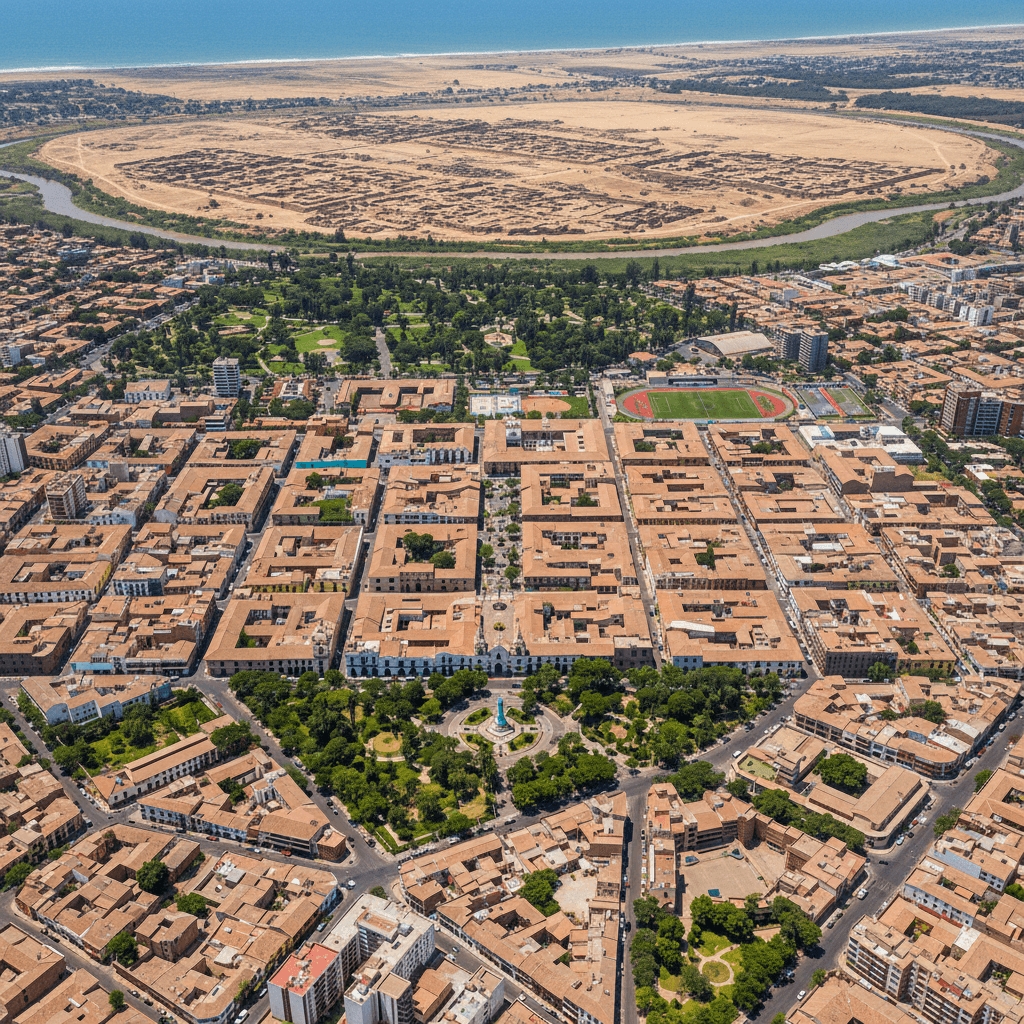
Trujillo
🇵🇪 Peru