Liberia
🇨🇷 Costa Rica
The Gateway to Guanacaste
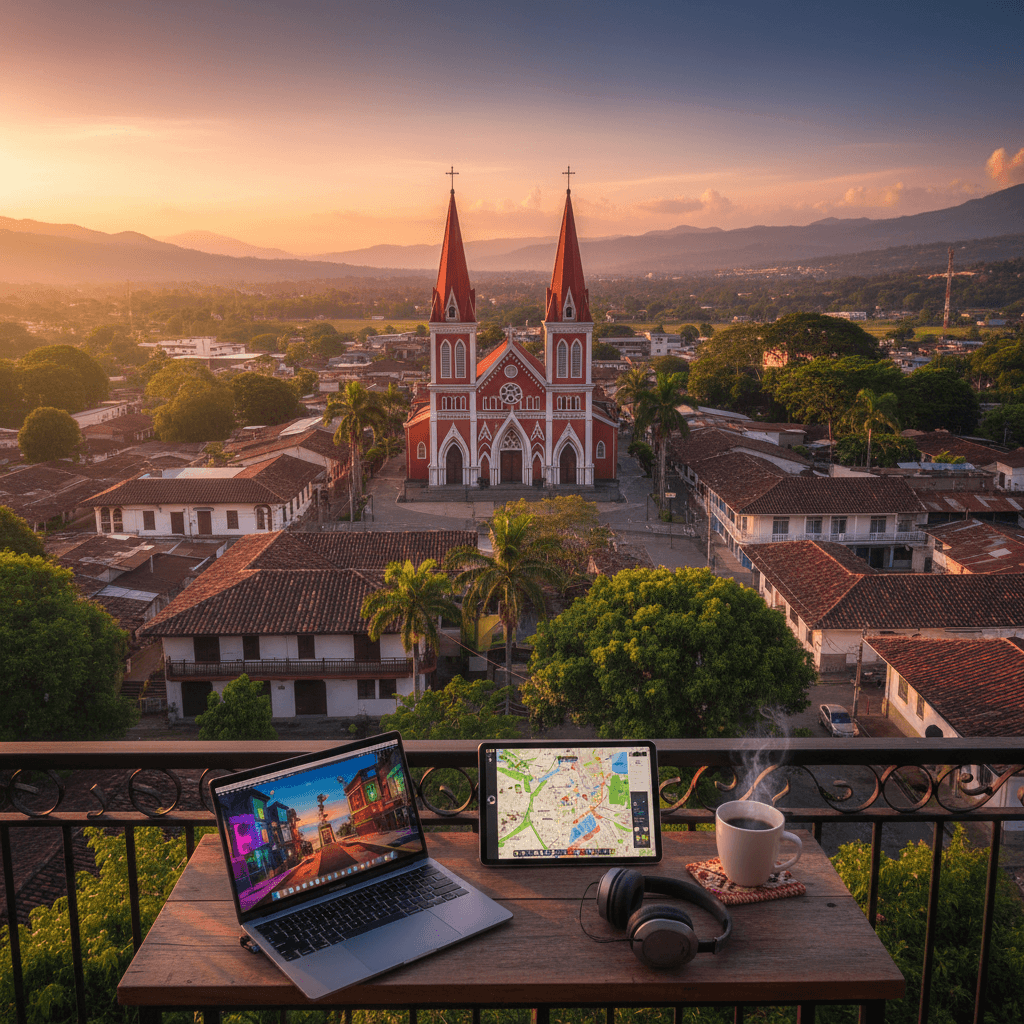
Liberia isn't your typical coastal paradise, and that's exactly why it works for a certain breed of nomad. Known as the "White City" for its historic whitewashed adobe houses, it serves as the functional heart of northwest Costa Rica. While most travelers treat the Daniel Oduber Quirós International Airport (LIR) as a mere pitstop on the way to the beach, staying here gives you a front-row seat to authentic Guanacastecan life without the "tourist tax" found in nearby surf towns.
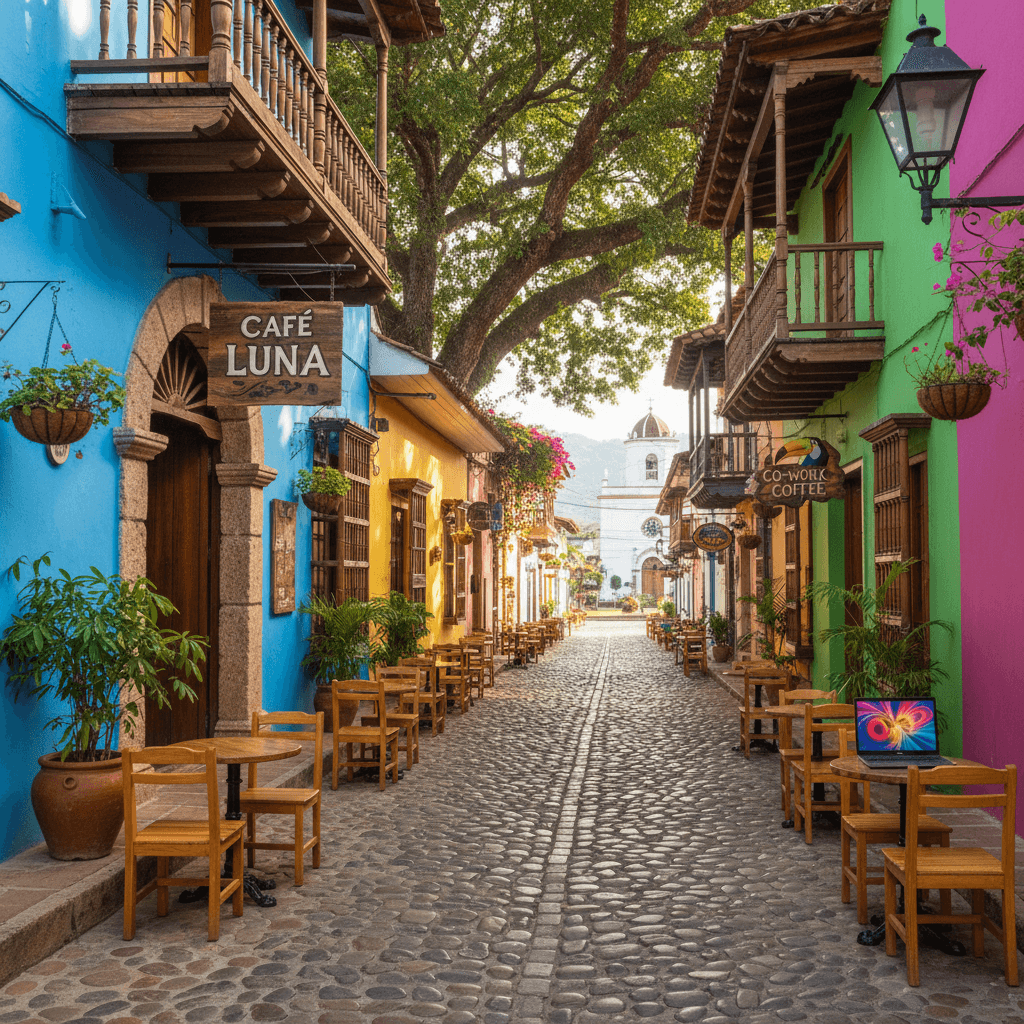
The vibe is decidedly unhurried. You'll see locals gathered in the Parque Central under the shade of massive trees, while the dry, hot air carries the scent of wood-fired tortillas. It’s a place where the Pura Vida philosophy feels less like a marketing slogan and more like a daily requirement. If you prefer a colonial town pace over a 24/7 party scene, Liberia offers a grounded home base with modern infrastructure that many coastal outposts lack.
The Nomad Experience
Living here feels like being part of a real community rather than a transient bubble. Most nomads find that the city offers a "best of both worlds" scenario. You have the reliability of fiber-optic internet and air-conditioned coworking spaces like GuanaWork, but you're only a 30 to 45 minute bus ride from the world class breaks of Playa Hermosa or the volcanic hiking trails of Rincón de la Vieja.
The emotional payoff comes in the evenings. When the midday heat breaks, the city wakes up. Expats and locals mingle at spots like Café Liberia or grab a $3 to $5 plate of gallo pinto at Soda Viquez. It's affordable, approachable, and remarkably easy to navigate. While the nightlife is mellow compared to the neon lights of San José, the social scene is tight-knit, often revolving around weekend expeditions to nearby waterfalls or sunset beers at the coast.
Cost of Living Breakdown
Liberia is one of the most budget-friendly hubs in Costa Rica. You can maintain a high quality of life here for significantly less than you’d spend in Tamarindo or Nosara.
- Budget Tier ($1,500 to $2,000 per month): Best for solo nomads using local buses and eating at sodas. Expect to pay $400 to $600 for a studio in the city center.
- Mid-Range Tier ($2,000 to $3,000 per month): Includes a modern 1-bedroom apartment ($600 to $900), frequent Uber rides, and a mix of home cooking and mid-range dining at places like Restaurante La Cocina de Leila.
- Comfortable Tier ($3,000+ per month): Covers upscale housing ($1,000+), a dedicated desk at a coworking space for $150 a month, and weekend car rentals to explore the province.
Where to Plant Your Flag
Choosing a neighborhood depends on how much "city" you want in your daily life. Most nomads stick to the compact center for walkability.
Centro (Downtown)
- Best for: Walkability and social connection.
- Rent: $400 to $700 for modest studios.
- The Draw: You're steps away from the best cafes, gyms, and the main bus terminal for beach escapes.
Barrio La Victoria
- Best for: Peace, quiet, and long-term stays.
- Rent: $700 to $1,000 for larger family homes.
- The Draw: A leafy, residential feel that’s only a 10 minute walk from the urban core.
Playa Hermosa (Nearby)
- Best for: Those who need the ocean every morning.
- Rent: $800+ for beach proximity.
- The Draw: It’s 15km away but offers a distinct nature focus with easy access back to Liberia’s services.
The Logistics of Life
Connectivity is surprisingly strong. Kolbi and Claro offer 50Mbps home plans for about $50 a month, and prepaid SIM cards are cheap and easy to grab at the airport for around $10. Getting around is simple; Uber is reliable for short hops across town ($5 to $15), while the local bus network is the gold standard for cheap travel to the coast.
Safety is a highlight here. While you should always keep an eye on your belongings in crowded areas or late at night in the center, Guanacaste is generally much safer than the capital. For healthcare, the CIMA Liberia private hospital provides top-tier, English-speaking care that many expats rely on. It’s a town that looks after its own, making it a soft landing for anyone new to the digital nomad lifestyle in 2025.
The Price of Pura Vida
Liberia is widely considered the budget friendly gateway to the Guanacaste region. While coastal towns like Tamarindo or Nosara can drain a bank account quickly, Liberia allows nomads to maintain a high quality of life for a fraction of the cost. Most expats find that their dollars stretch significantly further here, especially when it comes to long term rentals and local dining.
To live comfortably, most solo nomads aim for a monthly budget between $2,000 and $3,000. This range covers a modern one bedroom apartment, regular meals at local sodas, and enough left over for weekend trips to the nearby volcanoes or beaches. If you are sticking to a strict budget, it is possible to get by on $1,500 to $1,800 by living in the city center and relying on public buses.
Typical Monthly Spending
- Budget Nomad ($1,500 to $2,000): You'll likely stay in a studio in Centro for $400 to $600. You'll eat $5 street food meals like gallo pinto and use the local bus system for about $50 a month.
- Mid Range Nomad ($2,000 to $3,000): Expect to pay $600 to $900 for a nicer apartment near beach access points. You'll mix home cooking with $15 restaurant meals and use Uber frequently, spending around $100 on transport.
- High End Living ($3,000+): This covers upscale 1BR units for $1,000 or more, frequent $40 dinners, a dedicated coworking membership at Selina, and a monthly scooter rental for $200.
Housing and Neighborhoods
Rent is your biggest variable. Most nomads use Facebook Marketplace or local groups like Liberia Rentals to find deals, as Airbnb prices often carry a heavy tourist premium. If you want to be where the action is, look at Centro. You can find studios for $400 to $700, and you'll be within walking distance of cafes like Café Liberia.
For a quieter, more residential feel, Barrio La Victoria is a favorite for long term expats. Expect to pay $700 to $1,000 for a larger home. If you crave the ocean, Playa Hermosa is about 15km away. It's beautiful but pricier, with rentals starting at $800 and rising sharply during the dry season from December to April.
Food, Connectivity, and Gear
Eating like a local is the best way to save. A meal at Soda Viquez will cost you about $10, while a high end dinner at Restaurante La Cocina de Leila can easily top $30. Groceries are manageable if you buy local produce at the markets rather than imported goods at the larger supermarkets.
Staying connected is relatively cheap. A prepaid SIM card from Kolbi or Claro costs about $10 for 20GB of data. If your rental doesn't have the 50Mbps speeds you need, a day pass at Selina Liberia or Cowork Guanacaste runs between $10 and $15. Most nomads find the $50 monthly cost for home fiber internet to be very reliable for video calls.
The Digital Nomad Visa
If you plan to stay longer than the visa-free tourist stay (up to 180 days for many passports), the Costa Rican digital nomad visa is a popular route. The Costa Rican digital nomad visa allows you to stay for 1 year, renewable for an additional year (up to 2 years total), if you can prove a monthly income of at least $3,000 USD. While the application involves some paperwork and fees, it grants you the legal right to open a local bank account at Banco Nacional, which can help you avoid the foreign transaction fees that eat into your daily budget.
For Nomads and Solo Travelers
If you want to be where the action is, Centro (Downtown Liberia) is your best bet. Most nomads land here because it's the only neighborhood where you can truly live without a car. It's walkable, packed with local sodas serving $5 gallo pinto, and puts you minutes away from the main tech hubs.
You'll likely spend your working hours at GuanaWork or other verified coworking spaces in the area. These hubs offer the social heart of the nomad scene, providing reliable infrastructure for remote work. For a change of scenery, Café Liberia has reliable WiFi and a colonial atmosphere that beats a sterile office any day.
- Rent: Expect to pay $400 to $700 for a studio or 1BR apartment.
- Vibe: Urban, convenient, and close to the LIR airport for quick weekend escapes.
- Local Tip: Stick to well lit streets at night. While it's generally safe, petty theft can happen in the busier parts of the city center.
For Expats and Long Term Residents
Those staying for six months or longer usually migrate toward Barrio La Victoria. It’s a quiet residential pocket that feels worlds away from the downtown noise, even though it's only a 10 minute walk to the center. You'll find more traditional houses here rather than modern apartments, which appeals to those looking for a authentic Tico lifestyle.
Expats recommend checking Facebook Marketplace or local groups like Liberia Rentals to find the best deals. Since this area is more residential, you'll need to handle your own utilities. Budget about $50 a month for a 50Mbps fiber connection through providers like Kolbi or Claro.
- Rent: Larger 1BR or 2BR homes typically range from $700 to $1,000.
- Vibe: Green, peaceful, and community oriented.
- Pros: Better air quality and less traffic noise than Centro.
For Families and Nature Lovers
If you have kids or just need to be near the water, Playa Hermosa is the top choice. Located about 15km from the city, it’s a favorite for families who want a slower pace and access to the beach. The water is calmer here than at the surfing beaches, making it safer for swimming.
The trade off is the commute. You'll likely want a vehicle, as the local buses are cheap at $1 to $5 but don't always run on a convenient schedule for school runs or grocery trips. During the rainy season from May to November, some of the secondary roads can get muddy, so a 4x4 isn't a bad investment.
- Rent: Beachfront or near beach rentals start around $800 and can climb quickly.
- Vibe: Relaxed, outdoorsy, and scenic.
- Healthcare: You're still within a 20 to 30 minute drive of CIMA Liberia, the top private hospital in the region.
For Socialites and Weekend Warriors
If your idea of a workday ends with a sunset beer and live music, look toward El Coco or Sardinal. Located 20 to 30km from Liberia, these areas cater to the party crowd and active surfers. It’s significantly pricier than the city, but you're paying for the lifestyle.
Most people here use Uber for short trips or rent scooters for around $200 a month to zip between the beach and the bars. It gets crowded on weekends when locals from San José head up to the coast, so be prepared for a bit of a squeeze at the popular spots.
- Rent: Expect to pay $900 or more for a decent 1BR near the water.
- Food: Mid range meals at spots like Soda Viquez will run you about $10, while upscale dining hits $25 per person.
- Vibe: High energy, tourist friendly, and very social.
Connectivity on the Ground
In Liberia, you aren't going to find the hyper-speed fiber optics of Seoul, but the infrastructure is surprisingly robust for a town often dismissed as just a gateway to the beach. Most modern apartments and rentals in the Centro or Barrio La Victoria areas come equipped with 50Mbps to 100Mbps connections. The main providers are Kolbi, Claro, and Tigo. Expect to pay around $50 per month for a reliable home setup.
Power outages do happen, especially during the peak of the rainy season in October when tropical storms roll through. Most seasoned nomads keep a backup power bank and use their phone as a hotspot during these brief blips. For mobile data, grab a prepaid SIM card immediately upon landing at LIR Airport. A $10 starter kit from Kolbi or Claro usually nets you about 20GB of data, which is plenty for Slack and emails while you are scouting the local cafe scene.
Top Coworking Spaces
While Liberia is smaller than San José, it has carved out a dedicated niche for remote workers. You won't have to work from your kitchen table every day unless you want to.
- GuanaWork: If you need a professional, "heads-down" environment, this is the spot. Rates for a half-day pass start at $13. The air conditioning is ice-cold, which is a massive perk given Liberia's reputation as the "White City" because of its intense sun and heat.
Laptop-Friendly Cafes
Sometimes you just need a change of scenery and a solid caffeine hit. Liberia has a growing cafe culture where nobody will give you the side-eye for staying a couple of hours with your laptop.
- Café Liberia: A favorite for its historic architecture and reliable WiFi. The atmosphere is relaxed, and the coffee is some of the best in the province.
- Sodas and Local Spots: While smaller "Sodas" (local diners) like Soda Viquez are great for a $5 lunch, they aren't ideal for Zoom calls. Stick to the specialized coffee shops if you need to stay connected for long stretches.
Digital Nomad Logistics
If you are planning to stay long term, the Costa Rica Digital Nomad Visa is a game changer. It allows you to stay for up to two years if you can prove an income of $3,000 per month. One of the best perks of this visa is the ability to open a local savings account at Banco Nacional, though many nomads simply stick with Wise or Revolut to avoid high ATM fees. Most shops in the city center accept cards, but you will want local Colones for bus rides to Playa Hermosa or buying fruit at the street markets.
For those living the hybrid life, the proximity to the Daniel Oduber Quirós International Airport is the ultimate flex. You can finish a work meeting at 2:00 PM and be at your gate by 3:30 PM for a $15 Uber ride. It makes Liberia one of the most frictionless bases in Central America for people who need to travel frequently for client meetings or visa runs.
Staying Safe in the White City
Liberia is generally considered one of the safer urban hubs in Costa Rica, especially when compared to the grit of San José. Locals and nomads alike enjoy a relaxed atmosphere, but you still need to keep your wits about you. Petty theft, like phone snatching or bag lifting, is the most common headache, particularly in the Centro district after dark.
Most nomads find that walking around during the day is perfectly fine, but once the sun sets, it's smarter to call an Uber or a taxi, even for short distances. Stick to well lit main roads and avoid the darker corners of Barrio La Victoria or the outskirts of the city center late at night. If you're heading out to the bars, keep an eye on your drink and don't leave your laptop bag unattended in a cafe while you use the restroom.
- Emergency Services: Dial 911 for immediate help.
- Tourist Police: Reach them at 2522-1283 if you need to report a non-emergency theft or incident.
- Solo Travelers: Join local Facebook groups like "Digital Nomads Costa Rica" to find buddies for night outings or weekend trips.
Healthcare Infrastructure
One of the biggest perks of basing yourself in Liberia is the proximity to reliable medical care. You aren't stuck in a remote jungle outpost here; you have access to established facilities within the region. For major public healthcare services, the Hospital Enrique D. Jiménez is the primary center in the city. It is a large public hospital capable of handling emergencies and routine care, though wait times can be long and English isn't guaranteed.
For those seeking private options, there are several clinics and medical centers in and around the city center that cater to expats and travelers. Most travelers find that private care is affordable enough for one off visits, often costing between $80 and $150 for a consultation.
Pharmacies and Routine Care
Pharmacies, or farmacias, are everywhere in the city. Farmacia Fischel is a popular chain where you can find most over the counter medications and high end sunscreens. Many pharmacists in Liberia are highly trained and can offer advice on minor ailments like stomach bugs or skin rashes, saving you a trip to the doctor.
- Private Insurance: Most nomads use plans like SafetyWing or World Nomads, which are accepted at many private clinics.
- Prescriptions: Bring your physical prescription from home if you need a specific brand, though many medications are available over the counter here.
- Water Quality: While tap water is generally safe to drink in Liberia, many expats prefer using a filtered pitcher or buying large jugs to avoid the heavy mineral content.
Health Risks to Watch For
The Guanacaste sun is no joke. Dehydration and heat exhaustion are the most frequent health issues for newcomers. Temperatures regularly hit 95°F during the dry season, so carrying a reusable water bottle is non-negotiable. While malaria isn't a major concern in the city, dengue fever can occasionally pop up during the rainy season from May to November. Heavy duty repellent with DEET is your best friend when the mosquitoes come out at dusk.
The Pulse of the City
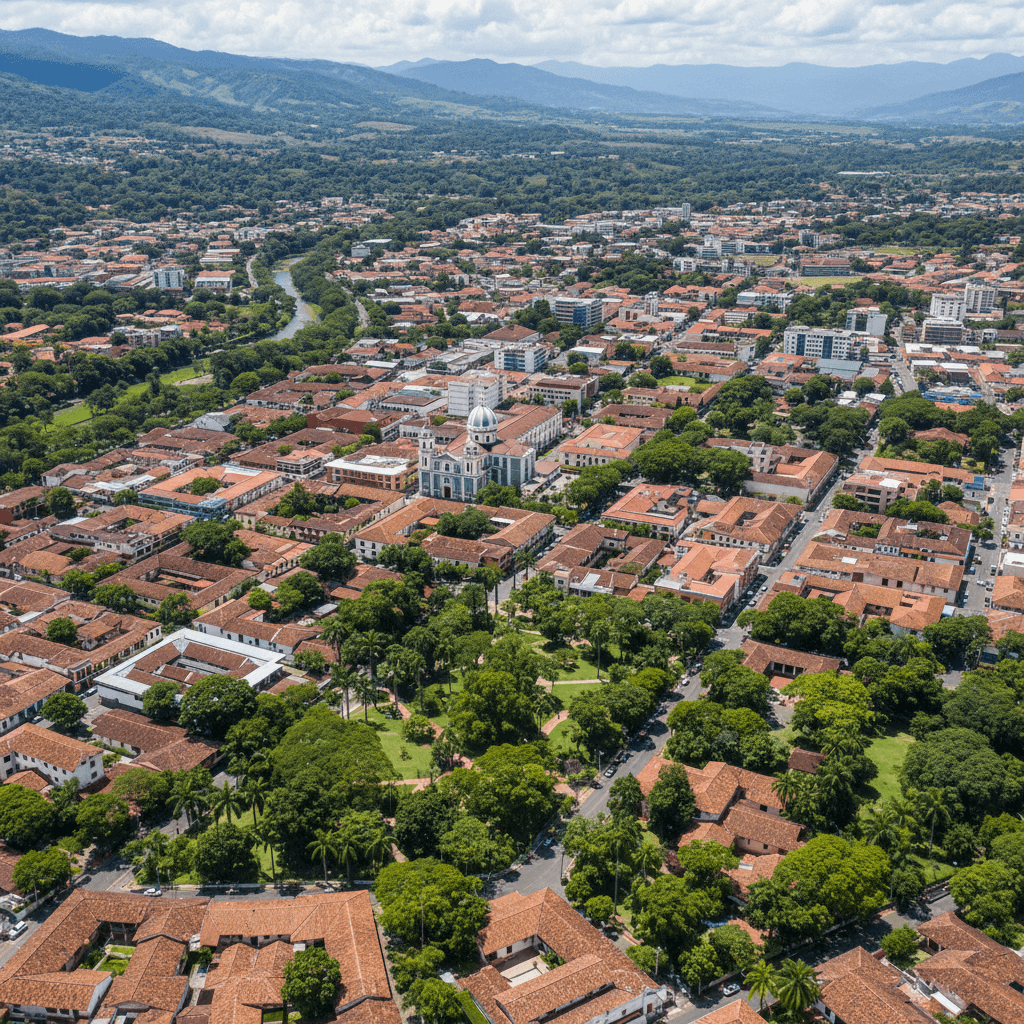
Liberia is a compact, walkable hub that serves as the gateway to Guanacaste. While many travelers rush from the airport straight to the coast, nomads who stick around find a city that's easy to navigate on foot, especially if you're staying in Centro. Most of your daily needs, from the Selina Liberia coworking space to the local farmers market, are within a 15 minute walk. The streets follow a grid, but keep an eye on the pavement; sidewalks can be uneven and are often narrow.
Public Buses: The Budget Lifeline
If you want to live like a local and keep your monthly transport spend around $50, the bus system is your best friend. The main terminal in the city center is the jumping off point for almost everywhere in the province. It's remarkably affordable, with fares typically ranging from $1 to $5 depending on how far you're heading.
- Pulmitan de Libería: These are the big green buses. They run frequently between Liberia and San José, but they're also great for reaching local spots.
- Beach Routes: You can catch direct buses to Playa Hermosa or Playas del Coco. Expect the ride to take about 45 to 60 minutes.
- Pro Tip: Don't expect a digital timetable. Most nomads just head to the terminal and ask for the next departure; the staff is used to helping foreigners.
Ride-Hailing and Taxis
Uber is active and reliable in Liberia, providing a much needed alternative to traditional taxis. It's the go-to for most nomads arriving at Daniel Oduber Quirós International Airport (LIR). A ride from the airport to the city center usually costs between $15 and $25 and takes about 15 minutes. For short trips around town, you'll rarely pay more than $5 to $10.
While Uber is the convenient choice, you'll also see official red taxis. If you go the taxi route, make sure they use the meter, known locally as the maría. Some expats also use the TaxiNica app to book rides, which can be helpful during peak hours when Uber prices surge.
Two-Wheeled Freedom
Because Liberia's traffic can get congested during the afternoon heat, many long term residents opt for scooters or bikes. It's a great way to bridge the gap between the city and the outskirts without the expense of a car. You can find bicycle rentals for around $5 a day, which is perfect for exploring Barrio La Victoria or grabbing a coffee at Café Liberia.
For those staying a month or more, renting a scooter from a local outfit like Moto Rental Liberia is a game changer. Expect to pay about $200 a month. It gives you the flexibility to hit the Rincón de la Vieja trailheads or secret swimming holes on your own schedule without waiting for a bus.
Car Rentals
If you're planning to explore the rugged dirt roads of the Nicoya Peninsula or chase surf breaks at Playa Grande, you'll eventually need a car. All the major international agencies have desks at the airport, but prices aren't cheap. A standard rental usually starts around $40 a day, and that often doesn't include the mandatory local insurance which can double the price.
- Insurance: Costa Rica requires a specific third party liability insurance. Even if your credit card covers collision, you'll still have to pay the government mandated fee.
- Navigation: Download Waze before you arrive. It's significantly more accurate than Google Maps in this part of the country for avoiding potholes and construction.
- Parking: In the city center, look for official lots or spots with a guachiman, an informal parking attendant. It's customary to give them a few hundred colones to keep an eye on your vehicle.
The Pura Vida Lexicon
In Liberia, you'll quickly realize that Pura Vida isn't just a slogan on a souvenir t-shirt. It's the primary linguistic tool for everything from "hello" and "goodbye" to "don't worry about it" and "everything's cool." While Spanish is the official language, the Guanacastecan dialect is famously warm and melodic. Most nomads find that locals are incredibly patient with learners, so don't be afraid to break out your high school Spanish at the local soda.
If your Spanish is currently limited to "hola," you'll still manage quite well in the city center. Liberia serves as the gateway to the Gold Coast, meaning English proficiency is high among staff at the Daniel Oduber Quirós International Airport, major hotels, and medical facilities like CIMA Hospital. In popular digital nomad hubs and local coworking spaces, you can expect a high percentage of the people you meet to be fluent or highly proficient in English.
Language in the Workplace
When you're working out of cafes like Café Liberia, the "office language" is often a mix of English and Spanish. Networking events and Facebook groups like Digital Nomads Costa Rica usually conduct business in English, but knowing a few key phrases will change your experience from a tourist to a resident. Expats recommend learning how to ask ¿Cuánto cuesta? (How much does it cost?) and ¿Dónde está...? (Where is...?) to help with daily errands and market runs.
For those planning a longer stay on the two-year digital nomad visa, investing in a local tutor is a smart move. While apps like Duolingo or Google Translate are great for quick translations at the grocery store, they won't help you navigate the nuances of a lease agreement or a conversation with a local mechanic. Many nomads opt for offline translation packs on their phones, as data can occasionally dip when you're exploring the outskirts near Rincón de la Vieja.
Practical Communication Tips
- Prepaid SIM Cards: Grab a Kolbi or Claro SIM card immediately upon arrival. You can find them at the airport or at kiosks in the city center for about $10, which usually includes 20GB of data.
- Messaging: WhatsApp is the lifeblood of communication here. Whether you're booking a surf lesson at Playa Hermosa or messaging a landlord about a studio in Barrio La Victoria, do it via WhatsApp. Almost no one uses standard SMS.
- Tipping and Etiquette: A 10% service charge is usually included in your bill at sit-down restaurants, but it's common to leave a little extra if the service was great. Communicating your appreciation with a smile and a "gracias" goes a long way in the local culture.
- Translation Apps: Keep Google Translate handy for reading menus at smaller sodas where English translations might not be available. The camera feature is a lifesaver for translating ingredient labels at the supermarket.
Connectivity and Staying Online
Reliable communication depends on your tech setup. Most mid-range rentals in the $600 to $900 range come with 50Mbps fiber optic internet via providers like Liberty or Tigo. If you're heading out to the more remote beach towns for the weekend, travelers often say that Kolbi has the most consistent coverage in rural areas. Having a backup hotspot is a common nomad strategy for those days when the tropical afternoon storms might cause a brief flicker in the local grid.
The Two Seasons of Guanacaste
Liberia sits in the heart of Costa Rica's driest province, which means you'll experience a much more distinct "gold season" and "green season" than you would in the humid jungles of the south or the cloud forests of the Central Valley. Most nomads plan their arrival around the December to April window. This is the dry season, where the sun is relentless and the landscape transforms into a beautiful, arid savanna. Expect daytime highs to hover between 90°F and 95°F, so choosing an apartment in Centro with functioning A/C isn't just a luxury; it's a survival tactic for your afternoon Zoom calls.
The rainy season kicks off in May and runs through November. Don't let the term scare you off. Usually, you'll get bright, sunny mornings perfect for a trip to Playa Hermosa, followed by a predictable, heavy downpour in the late afternoon. These storms are actually a relief, as they drop the temperature to a comfortable 70°F to 85°F and turn the brown hills a brilliant, neon green. If you're looking for lower rent and fewer crowds at the nearby national parks, this is the time to negotiate a mid-term lease.
When to Book Your Flight
If you want the quintessential Guanacaste experience, aim for January through March. The humidity is at its lowest, the sky is a constant deep blue, and the winds (locally called "vientos alisios") provide a natural breeze that makes outdoor coworking at spots like Café Liberia much more pleasant. This is also the peak season for festivals and local "topes" (horse parades), which are a massive part of the culture here.
On the flip side, October is generally considered the "worst" month to visit. It's the peak of the monsoon cycle, and while Liberia's infrastructure is decent, the roads leading to the more remote surf spots can become muddy or flooded. If you're a surfer, you might love the swells during the rainy months, but for the average digital nomad relying on stable travel and dry gear, October can be a bit of a wash.
Weather Breakdown by the Numbers
- Dry Season (December to April): Expect temperatures between 75°F and 95°F. Rainfall is almost non-existent. This is the busiest time for the Daniel Oduber Quir& Quirós International Airport, so expect higher prices for short-term Airbnbs.
- Transition Months (May and June): Temperatures stay around 85°F to 90°F. You'll see the first rains, but they rarely disrupt the workday.
- Peak Rainy Season (September to November): Highs drop to 85°F. This is when you'll find the best deals on long-term stays, often seeing $1,000 apartments drop to $700 or $800.
Most expats recommend packing high-quality linen clothing and a serious pair of polarized sunglasses. The sun in Liberia is intense, especially if you're walking between the downtown coworking spaces and your local soda for lunch. If you're coming during the green season, a lightweight, breathable rain shell is the only gear you'll really need to stay mobile.
Connectivity and Workspace
You won't have much trouble staying online in Liberia. The city has seen a massive infrastructure push lately, and most nomads find that home fiber plans from Kolbi or Claro are plenty fast for video calls, usually hitting 50Mbps for around $50 a month. If you need a dedicated office environment, Selina Liberia is the go to spot. It costs about $15 for a day pass or $150 for the month, and it's where most of the remote work community hangs out.
For a more local feel, Cowork Guanacaste offers desks for $10 to $20 a day. If you prefer working from cafes, Café Liberia has reliable WiFi and excellent coffee. Just make sure to grab a local SIM card as soon as you land. You can pick up a 20GB prepaid starter kit from Claro or Kolbi at the airport for about $10 and top it up through their apps.
Budgeting for the Pura Vida Life
Liberia is significantly more affordable than the coastal tourist traps, but you still need to plan your tiers. Most solo nomads living a mid range lifestyle spend between $2,000 and $3,000 per month.
- The Budget Setup ($1,500 to $2,000): This covers a studio in the city center for $400 to $600, eating at local sodas like Soda Viquez where meals are $3 to $5, and using public buses.
- The Mid Range Setup ($2,000 to $3,000): You can snag a nicer one bedroom for $600 to $900, eat out at places like Restaurante La Cocina de Leila for $25, and rely on Uber for getting around.
- The Comfortable Setup ($3,000+): This gets you an upscale 1BR for $1,000 or more, a dedicated scooter rental for $200 a month, and full coworking memberships.
Safety and Health
Expats generally feel safe here, though petty theft happens in the Centro district, especially after dark. Stick to well lit areas and keep your phone tucked away while walking. For medical needs, CIMA Liberia is the top private hospital with English speaking staff. For smaller issues, Farmacia Fischel is a reliable pharmacy chain found throughout the city. In any serious emergency, dial 911 or contact the tourist police at 2522-1283.
Getting Around
The city center is very walkable, but you'll want wheels to explore the nearby volcanoes and beaches. Uber is active and reliable, with most city rides costing between $5 and $15. If you're heading to the coast, public buses are a steal at $1 to $5 per trip. Many long term residents recommend renting a scooter from Moto Rental Liberia for about $200 a month to avoid the high cost of car rentals, which usually start around $40 a day.
Timing Your Stay
Weather dictates the rhythm of life here. The dry season runs from December to April. You'll get plenty of sun and temperatures between 75 and 95 degrees, but it's also the priciest time to book a rental. The rainy season from May to November brings afternoon downpours, but the landscape turns incredibly green. Avoid October if you can, as it's the peak of the rainy season and some dirt roads to the beaches can become difficult to manage.
Money and Logistics
While ATMs are everywhere, use Wise or Revolut to keep your conversion fees low. If you're staying on a Digital Nomad Visa, which requires proof of $3,000 monthly income, you can actually open a local savings account at Banco Nacional. For housing, skip the expensive hotel sites and check Facebook Groups like Liberia Rentals or talk to local agents at Coldwell Banker to find better long term rates.
Need visa and immigration info for Costa Rica?
🇨🇷 View Costa Rica Country GuideEasy Landing
Settle in, no stress
Monthly Budget Estimates
More cities in Costa Rica
Alajuela
🇨🇷 Costa Rica
Heredia
🇨🇷 Costa Rica
Manuel Antonio
🇨🇷 Costa Rica