León
🇳🇮 Nicaragua
The Intellectual Heart of Nicaragua
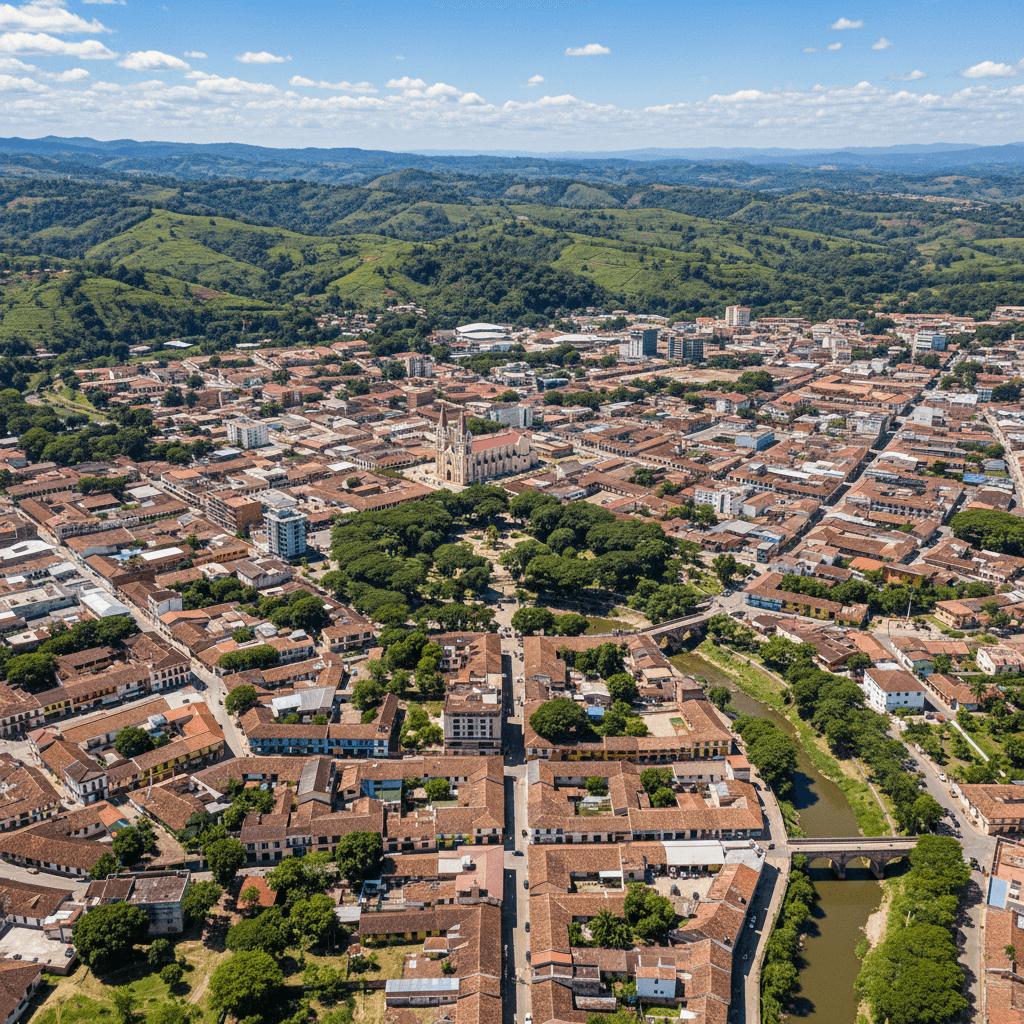
If Granada is Nicaragua’s polished showroom, León is its soul. It is a city of poetry, revolution, and crumbling colonial grandeur that feels lived in rather than staged for tourists. You’ll notice the difference the moment you step onto the sidewalk; the air is thick with the smell of woodsmoke and street food, and the walls are covered in murals detailing the country’s political history. It’s a place for the nomad who prefers a deep focus lifestyle over a party scene.
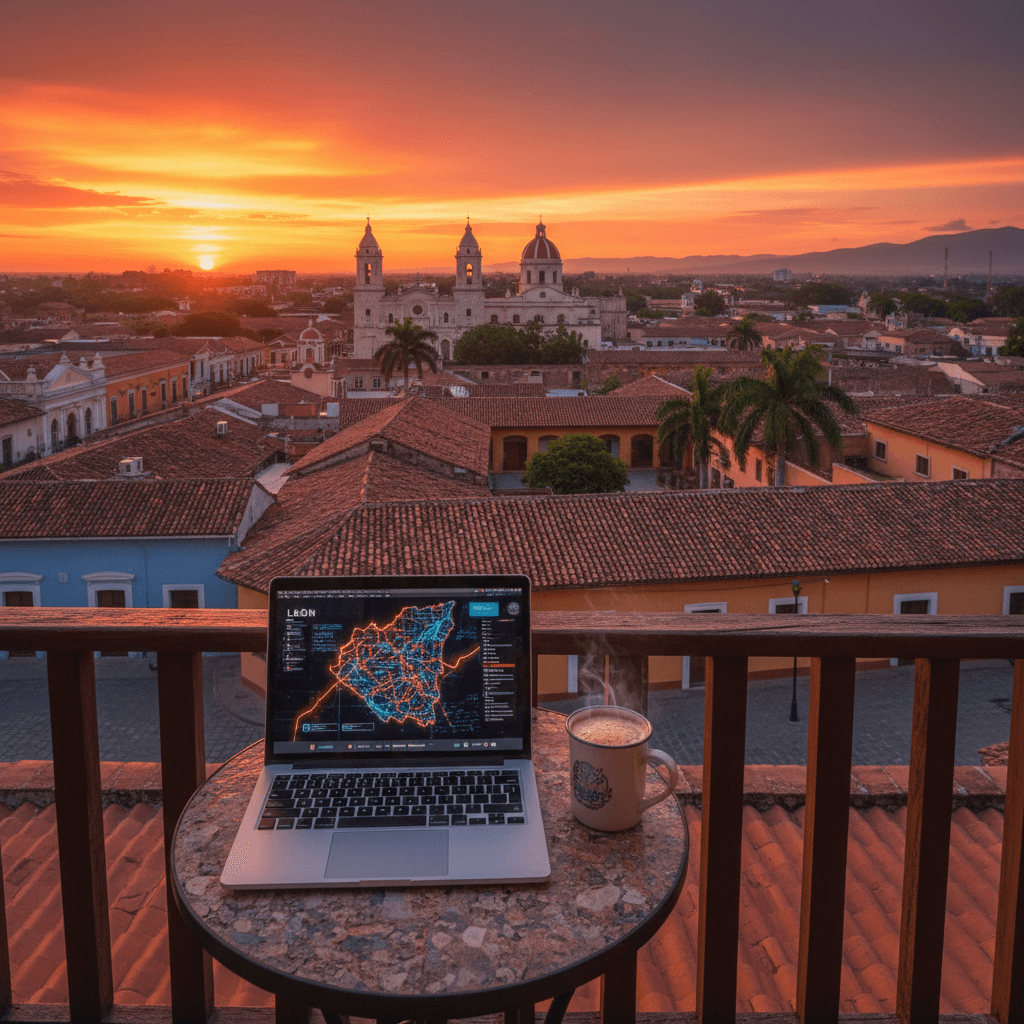
The vibe here is academic and gritty. As a major university hub, León has an intellectual energy that keeps it grounded. You won't find the same level of English proficiency or high end amenities as you might in San Juan del Sur, but you gain an authentic connection to local life. It is the type of city where you spend your mornings working in a breezy courtyard and your afternoons watching the sunset from the roof of the Catedral de León, the largest cathedral in Central America.
What It Costs to Live Here
León remains one of the most affordable hubs for remote workers in 2025. Most expats find they can live comfortably on $1,000 to $1,500 per month, though budget conscious travelers often get by on much less by sticking to local markets and fan only rooms.
- Budget ($800 to $1,000): This covers a basic one bedroom apartment for around $250, groceries from the local market, and plenty of $4 street food meals. You’ll likely be walking everywhere and skipping the air conditioning.
- Mid range ($1,000 to $1,300): At this level, you can afford a furnished colonial style home for $400 and higher utility bills for occasional AC use. You’ll eat at cafes like La Perla and take the occasional $2 taxi.
- Comfortable ($1,500+): This budget allows for a premium apartment with full time AC, frequent upscale dining, and weekend trips to the coast.
The Neighborhood Breakdown
León is a compact, walkable city, but your choice of neighborhood dictates your daily noise levels and heat exposure.
Central León
- Best for: Digital nomads and solo travelers who want to be near the action.
- The Draw: You are steps away from the best cafes and historic sites. Rents are surprisingly low, ranging from $200 to $400 for a one bedroom.
- The Tradeoff: It gets loud, and the concrete traps the afternoon heat.
Suburbs and University Area
- Best for: Families and long term expats seeking quiet.
- The Draw: More green space and family friendly parks. You can find larger two bedroom homes for $300 to $500.
- The Tradeoff: It’s a longer trek to the central coworking spots and popular cafes.
Barrio Sutiava
- Best for: Budget travelers looking for an indigenous, authentic feel.
- The Draw: Extremely affordable housing and a strong sense of community.
- The Tradeoff: Very little English is spoken here, and the infrastructure is more basic.
The Digital Infrastructure
The internet situation in León has stabilized significantly. Most rentals offer reliable cable internet for $30 to $37 per month. Nomads report that speeds from providers like Claro and Tigo are absolutely adequate for Zoom calls and heavy uploads. While dedicated coworking spaces are still sparse, the city is full of "laptop friendly" cafes with shaded courtyards and decent WiFi.
Power is generally reliable, but the heat is your biggest enemy. Between 9:30 AM and 4:00 PM, temperatures often climb into the mid 90s°F. If you aren't paying for air conditioning, you’ll want to time your deep work for the early morning hours. For mobile data, pick up a SIM card at a local kiosk; $10 to $20 usually gets you enough data for a month of backup hotspotting.
Safety and Daily Life
León feels like a community. Locals are famously friendly, and the presence of the university keeps the streets active into the evening. That said, petty theft can happen in crowded markets. Expats generally advise avoiding the outskirts of town after dark and keeping an eye on your phone while in public parks. For healthcare, pharmacies are on every corner, but for anything serious, most nomads head to private clinics for better service.
Getting around is simple. The city center is entirely walkable. If the heat becomes too much, you can hail a taxi for $1 or $2. For longer trips, like a beach day at Las Peñitas or volcano boarding at Cerro Negro, local buses are cheap and frequent, though they require a bit of patience and a basic grasp of Spanish.
The Bottom Line
León is a dream for nomads who want their dollars to stretch without sacrificing a sense of place. It is significantly more affordable than the tourist hubs of Granada or San Juan del Sur, making it a top pick for those staying three months or longer. Most expats find they can live a high quality life here on $1,000 to $1,500 per month.
The city is compact and walkable, so you can largely skip the cost of a car. While the heat is intense, the financial trade-off is hard to beat. You are paying for a lifestyle that prioritizes local markets, colonial charm, and a slower pace of work.
Monthly Budget Tiers
- The Budget Nomad ($800 to $1,000): You'll be staying in a basic one bedroom apartment for around $250, likely in Central León or Barrio Sutiava. This budget covers groceries from local markets, plenty of $4 street food like vigorón, and getting around on foot.
- The Mid-Range Lifestyle ($1,000 to $1,300): This gets you a fully furnished colonial style apartment for about $400. You'll have enough left for $100 in utilities, regular meals at mid-range cafes, and the occasional taxi to escape the afternoon sun.
- The Comfortable Expat ($1,500+): At this level, you can afford a premium home with air conditioning for $500 to $600. You'll be dining at spots like La Perla, using coworking spaces, and taking weekend trips to the coast without checking your bank balance.
Housing and Neighborhoods
Rent is your biggest variable. Most nomads aim for Central León near the Parque Central. It is the heart of the action with the best WiFi access, and you can find studios or small houses between $200 and $400. The architecture is stunning, but be prepared for the heat; thick colonial walls help, but they aren't a substitute for a good fan.
If you want more space for your money, the Suburbs or University Area offers two bedroom homes for $300 to $500. It is quieter and better for families, though you'll be further from the main cafes. For those on a strict budget, Barrio Sutiava offers the most authentic local experience with the lowest rents, though you'll need better Spanish skills to navigate life here.
Day-to-Day Expenses
Eating out is a bargain. A solid meal at a local comedor or a street stall costs between $4 and $10. Even at nicer restaurants, you'll rarely break the bank. If you prefer to cook, a weekly haul of fresh produce from the markets usually runs about $50.
Internet is surprisingly reliable for a city that feels so historic. Expect to pay $30 to $37 per month for a cable connection through providers like Claro or Tigo. Most remote workers find the speeds perfectly adequate for video calls and heavy uploads. For mobile data, you can grab a SIM card at a local kiosk and load it with 10GB for about $10 to $20.
Transportation and Logistics
You'll do most of your exploring on foot. When the 95°F midday heat becomes too much, taxis and local buses are everywhere. A quick ride across town usually costs just $1 or $2. If you want more freedom, bike rentals are available for about $5 a day, and the flat terrain makes cycling easy.
Getting here from the airport in Managua is straightforward. A shuttle or bus takes about two hours and costs between $5 and $10. Once you're settled, banking is easy with ATMs like Banco de América Central widely available, though it's smart to use apps like Wise to keep exchange fees low.
The Nomad Hub: Central León
If you want to be in the thick of it, look no further than the streets surrounding Parque Central. This is the city's intellectual and architectural heart, where colonial facades meet a steady stream of university students and digital nomads. It's the most walkable part of town, meaning you can ditch the taxi and stroll to a cafe for your morning espresso.
- Rent: Expect to pay between $200 and $400 for a furnished one-bedroom apartment. If you want a renovated colonial home with high ceilings, prices can climb to $600.
- The Vibe: High energy and historical. You'll be steps away from the iconic white Cathedral and the best Wi-Fi spots in the city.
- The Trade-off: The heat is no joke here. The concrete traps the sun, so an AC unit is a non-negotiable for most remote workers between 9:30 AM and 4:00 PM.
The Long-Term Expat Choice: Suburbs and University Zones
Expats who settle in León for six months or more often drift toward the quieter northern suburbs and areas near the university campuses. These neighborhoods offer a reprieve from the tourist foot traffic while keeping you close enough to the action for a $1 or $2 taxi ride. It's a more residential feel where you'll actually get to know your neighbors over the garden fence.
- Rent: Larger two-bedroom houses typically range from $300 to $500.
- The Vibe: Leafy, quiet, and family-oriented. There are more small parks and local pulperías (corner stores) where you can grab essentials without the downtown markup.
- The Trade-off: You'll find fewer English speakers here. It's the perfect place to practice your Spanish, but you'll need a translation app like Google Translate to handle your utility bills.
The Budget Seeker: Barrio Sutiava
For solo travelers and nomads on a strict budget, Barrio Sutiava offers an authentic slice of Nicaraguan life. This is one of the oldest indigenous neighborhoods in the country, located west of the city center. It's rugged and lacks the polished look of the colonial core, but it's where your dollar stretches the furthest.
- Rent: Basic rooms or small houses can be found for under $200 if you're willing to live like a local.
- The Vibe: Deeply traditional with a strong sense of community. You'll see horse-drawn carts and local markets selling vigorón for just a few dollars.
- The Trade-off: Infrastructure is basic. Internet speeds might be less consistent than in the center, and you'll definitely want to avoid walking the outskirts alone after dark.
Practical Logistics for All Neighborhoods
Regardless of where you land, a few things remain constant across León. Power is generally reliable for digital work, but the heat is the biggest hurdle. Most nomads find that a $35 monthly cable internet plan from Claro or Tigo provides enough bandwidth for video calls and heavy uploads. If you're working from cafes, look for spots with thick colonial walls and ceiling fans to survive the midday peak.
For groceries and socializing, the central markets and the area around La Perla are the primary meeting grounds. Since there aren't many dedicated coworking spaces, you'll likely find your community in the shaded courtyards of local hostels or university-adjacent cafes. While the city is very safe during the day, expats recommend sticking to well-lit central streets at night and using the local taxi network, which is incredibly affordable and easy to hail.
Staying Connected in the Heat
León isn't your typical high tech hub with glass walled coworking spaces on every corner. It's a city where you'll likely do your best work in a shaded colonial courtyard with a ceiling fan on high. While Nicaragua has a reputation for being rugged, the infrastructure in León has stabilized significantly. Most nomads find the local cable internet surprisingly reliable for video calls and heavy uploads, provided you aren't trying to work during a massive tropical thunderstorm.
You can expect to pay between $30 and $37 per month for a solid home connection. If you're renting a colonial house, always ask the landlord for a speed test before signing. The thick adobe walls that keep the rooms cool are also excellent at blocking WiFi signals, so you might need a mesh system or a long ethernet cable if your desk is far from the router.
Coworking and Cafe Culture
Dedicated coworking spaces in León come and go, so many remote workers rely on the city's growing cafe scene. You won't find the corporate "hot desk" vibe here; it's more about finding a corner in a university cafe or a quiet hotel lobby. The pace of service is notoriously slow, which actually works in your favor. Once you buy a coffee, staff generally leave you alone for hours.
- La Perla: For those days when you need a more professional atmosphere, the lobby or courtyard of this historic hotel provides a quiet, upscale environment.
Mobile Data and Backup Plans
Power outages are less frequent than they used to be, but they still happen, especially during the peak of the rainy season from September to October. Having a backup mobile hotspot is a requirement, not a luxury. Local SIM cards are cheap and easy to find at small kiosks or official stores near Parque Central.
- Claro: Generally offers the most consistent coverage across the city and is the go to for many expats.
- Tigo: A strong alternative that sometimes has better data packages for short term stays.
- Costs: Expect to spend $10 to $20 for a generous data plan of around 10GB.
The Digital Nomad Setup
If you're planning a long term stay, setting up your own space is the most productive route. The cost of living allows for a comfortable lifestyle even on a tighter budget. Most mid range apartments in the $400 to $600 range will already have a connection, but you may want to upgrade the plan if you're a heavy user.
Expats recommend joining Facebook groups like Digital Nomads Nicaragua to get real time updates on which cafes currently have the best speeds. Because the afternoon heat between 9:30 AM and 4:00 PM can be brutal, many nomads structure their day to work early in the morning, take a long "siesta" break during the peak heat, and finish up in the cooler evening hours when the city's intellectual energy really starts to hum.
Street Smarts and Local Safety
León feels more like a lived-in community than a polished tourist bubble. Most nomads find the city generally safe, thanks to a strong university presence and a culture where neighbors actually know each other. You'll likely feel comfortable walking through the colonial center during the day, but the vibe changes after dark. Stick to well lit areas near Parque Central or the main cathedral if you're out late.
Petty theft is the most common headache here. Pickpockets sometimes work the crowded markets or the busy streets around the university during peak hours. Keep your phone tucked away and don't flash expensive camera gear while wandering. Expats generally recommend avoiding the outskirts of town and the Barrio Sutiava area after midnight unless you're in a taxi. If you're staying in a ground floor colonial house, make sure your windows and indoor courtyards are secure before heading out for the night.
- Emergency Contacts: Dial 118 for the police and 132 for an ambulance.
- Solo Travelers: Stick to the central grid where foot traffic is consistent.
- Atmosphere: Expect a "small town" feel where people notice newcomers, which adds an informal layer of security.
Healthcare and Medical Services
For routine issues or minor infections, León is well equipped. Pharmacies are everywhere, and most pharmacists can give remarkably good advice for common tropical ailments or stomach bugs. Prices for basic meds are low, often costing just a few dollars. However, for anything serious, you'll want to skip the public facilities and head straight to a private clinic.
Hospital Escuela Dr. Oscar Danilo Rosales Arguello (HEODRA) is the primary public teaching hospital. It's fine for absolute emergencies, but it stays crowded and the facilities are basic. Most expats and long term nomads prefer private options like AMOCSA. These clinics offer much higher standards of care, shorter wait times, and a better chance of finding a specialist who speaks some English. Even at private clinics, a consultation rarely exceeds $40 to $60.
Managing the Heat
The biggest "health" threat in León isn't a virus; it's the sun. Temperatures regularly hit the mid-90s°F between 9:30 AM and 4:00 PM. Dehydration and heat exhaustion are real risks for those not used to the tropical humidity. Most seasoned nomads schedule their deep work or gym sessions for the early morning and retreat to air conditioned spaces or shaded courtyards during the heat of the afternoon.
Be cautious with tap water. While some locals drink it, most expats stick to bottled or filtered water to avoid parasites. It’s also wise to carry a high SPF sunscreen, as the Nicaraguan sun is unforgiving and quality brands can be surprisingly expensive or hard to find in local shops. If you're heading out for volcano boarding at Cerro Negro, double your usual water intake and wear breathable fabrics to manage the intense dust and heat.
Insurance and Logistics
Since León lacks a high end international hospital, it’s vital to have travel insurance that covers medical evacuation to Managua or even back to your home country for major surgeries. Digital nomad favorites like SafetyWing or Genki are popular choices here because they handle the local nuances of Central American healthcare well. Keep a digital copy of your insurance card on your phone, as private clinics will often ask for proof of coverage or an upfront cash deposit before starting treatment.
The Walkability Factor
León is a dream for nomads who prefer their own two feet to a steering wheel. The colonial core is laid out in a classic grid, making it incredibly easy to navigate once you get your bearings from the Cathedral of León. Most of your daily life, from coffee runs to grocery hauls, will happen within a ten to fifteen block radius. The flat terrain is easy on the legs, though the midday sun is a different story. Between 9:30 AM and 4:00 PM, the heat is intense, so you'll see locals and expats alike sticking to the shaded side of the street or retreating indoors.
Taxis and Local Transport
When the heat gets too much or you're carrying groceries, taxis are the go-to. Unlike other Central American hubs, you won't find Uber or major ride-hailing apps here. You just hail a cab on the street. A standard ride within the city limits usually costs between $1 and $2. It's common practice for drivers to pick up other passengers along the way if they're headed in the same direction, so don't be surprised if you share your ride with a local student or a grandmother. Always confirm the price before you hop in to avoid any "gringo tax" confusion.
For a more local experience, the "camionetas" (pickup trucks with benches) and local buses serve the outskirts. These are dirt cheap, often under $0.50, but they can be cramped and slow. They're great for soaking up the local atmosphere, but less ideal if you're rushing to a Zoom call.
Two-Wheeled Travel
Bicycles are a staple for long-termers. The city is flat, which makes pedaling easy, and you can rent a bike downtown for about $5 a day. If you're staying for a month or more, expats often recommend buying a used bike for around $60 to $80 and selling it before you leave. Scooters are also available for rent if you want to explore the surrounding areas, like the ruins of León Viejo, without relying on bus schedules.
Getting to and From León
Most nomads arrive via Augusto C. Sandino International Airport (MGA) in Managua. From there, you have three main options to reach León:
- Private Shuttle: The most comfortable and direct route. It takes about 1.5 to 2 hours and costs between $30 and $50 depending on your negotiation skills or if you book through a hostel.
- Expresso Bus: These leave from the UCA terminal in Managua. They're microbuses that depart as soon as they're full. It's a bit chaotic but very efficient, costing roughly $2 to $3.
- Chicken Bus: For the boldest budget travelers. These depart from the Mercado Mayoreo. It’s a longer, bumpy ride on an old school bus, costing about $1.50.
Regional Connections
León is a perfect base for day trips or weekend escapes. The Poneloya and Las Peñitas beaches are only about 20 minutes away. You can catch a local bus from the Sutiava market for less than a dollar, or take a taxi for about $10 to $12. If you're looking to head further afield to Granada or San Juan del Sur, most travel agencies around Parque Central offer daily shuttles that take the stress out of navigating multiple bus transfers with your luggage.
The Language Barrier
In León, Spanish is the undisputed king. Unlike the surf camps of San Juan del Sur or the more tourist-aligned streets of Granada, León maintains a deeply authentic Nicaraguan character. This means English proficiency is generally low. While you might find English speakers at boutique hotels or high end cafes near Parque Central, the majority of your daily interactions will happen in Spanish.
Most nomads find the local accent relatively clear compared to other Caribbean-influenced regions, but it can still be fast. People here are famously patient and friendly, especially toward those making a genuine effort to learn. If you're staying for more than a month, consider it an opportunity to sharpen your skills rather than a hurdle to overcome.
Communication Tools and Tech
Don't expect to wing it without a digital safety net. For those who aren't fluent, Google Translate with the offline Spanish dictionary downloaded is a non negotiable tool for grocery shopping or explaining a specific repair to a landlord. For more complex conversations, the camera feature in the app is great for translating menus at local comedores where English versions might not exist.
- WhatsApp: This is the primary way to communicate with everyone from your landlord to your taxi driver. If you don't have it installed, you'll find it nearly impossible to coordinate services or join local expat groups.
- Spanish Dict: Expats often prefer this over Google for more accurate regional nuances and verb conjugations.
- Duolingo or Babbel: Even 15 minutes a day during your morning coffee will significantly improve your quality of life here.
Essential Phrases for Daily Life
Mastering a few local basics goes a long way in building rapport with the Leoneses. Start every interaction with a polite "Buenos días" or "Buenas tardes" before launching into a request. It's a cultural staple that locals value highly.
- ¿Cuánto cuesta?: How much does it cost? Use this at the markets in Barrio Sutiava.
- La cuenta, por favor: The check, please. Service in León is notoriously relaxed, so you'll usually have to ask for the bill.
- ¿Dónde está el baño?: Where is the bathroom?
- ¿Tiene Wi-Fi?: Do you have Wi-Fi? Important for the cafe hopping nomad.
- No pica, por favor: Not spicy, please. Though Nicaraguan food isn't typically blow your head off hot, it's good to know.
Staying Connected
To keep these translation apps working, you'll need a local SIM card immediately upon arrival. The two main providers are Claro and Tigo. Most nomads recommend Claro for better overall coverage within the city limits. You can pick up a SIM card at the airport in Managua or at any small kiosk branded with the company logos in downtown León.
Expect to pay around $10 to $20 for a solid data plan that includes roughly 10GB of data. Topping up is easy; just look for signs that say "recargas" at any corner store or pulpería. For remote work, the city's cable internet is surprisingly reliable at around $30 to $37 per month, but having a mobile hotspot as a backup during the occasional tropical storm is a smart move.
Social Dynamics
While the language gap exists, the community is tight knit. Expats and nomads frequently organize through Facebook groups like Digital Nomads Nicaragua to share tips on the best Spanish tutors or to find English speaking doctors. If you find yourself struggling, head to the university areas. The student population is often more likely to speak some English and is usually eager to practice with foreigners in exchange for a beer or a coffee.
Survival of the Hottest
If you're planning a stint in León, you need to understand one thing immediately: this is one of the hottest cities in Central America. Temperatures consistently hover between the mid-70s and mid-90s°F. While the colonial architecture is stunning, those thick adobe walls can turn into ovens by mid-afternoon. Most nomads find that the window between 9:30 AM and 4:00 PM is best spent indoors under a high-powered fan or, ideally, in an air-conditioned cafe.
The humidity adds another layer to the heat, making the air feel thick. If you aren't used to tropical climates, don't skimp on your accommodation. Expats frequently recommend prioritizing a rental with AC in the bedroom at the very least. You'll pay a premium for it, but your productivity and sleep quality will thank you when the mercury hits 95°F in the shade.
The Golden Window: December to April
The dry season is undoubtedly the best time to plant your flag here. From December through April, you'll get clear blue skies and reliable sunshine every single day. This is the prime window for outdoor activities like volcano boarding down Cerro Negro or taking the short bus ride to the nearby beaches to catch the sunset.
The air is slightly crisper in December and January, providing some much-needed relief from the intense tropical sun. It's the most comfortable time for walking the cobblestone streets of Central León or exploring the Barrio Sutiava without melting. Because this is the peak season, expect to see more fellow travelers in the parks, though León rarely feels as overrun as Granada.
The Green Season: May to November
The rainy season kicks off in May and runs through November. Don't expect a constant drizzle; it's usually characterized by intense, dramatic downpours in the late afternoon or evening. These storms can be a welcome relief, temporarily breaking the heat and turning the surrounding volcanic landscape a brilliant, deep green.
- September and October: These are generally considered the worst months to visit. You'll deal with the peak of the rains and the highest humidity levels, which can make the heat feel suffocating.
- The Veranillo: There is often a brief dry spell in July or August known as the "little summer," which can be a great time for budget-conscious nomads to snag lower rental rates before the rains return in earnest.
- Afternoon Planning: During these months, seasoned nomads learn to get their errands and outdoor workouts done before 2:00 PM to avoid getting caught in a tropical deluge.
Practical Seasonal Tips
León's university-town energy stays fairly consistent, but your daily routine will shift based on the sun. During the hottest months, the city adopts a natural siesta rhythm. You'll notice the streets go quiet in the early afternoon as locals retreat indoors, only to come alive again after 5:00 PM when the air finally begins to cool.
If you're looking for the sweet spot between price and comfort, try arriving in November. You'll catch the tail end of the rains when the dust is settled and the scenery is lush, but you'll beat the peak season price hikes that occasionally hit the nicer colonial rentals in January. Regardless of when you arrive, carry a reusable water bottle and learn to embrace the slow, sweat-drenched pace of life that defines this corner of Nicaragua.
The Cost of Living
León is one of the most budget friendly hubs in Central America, often coming in cheaper than Granada or San Juan del Sur. Most nomads find they can live comfortably on $1,000 to $1,500 per month. If you are on a strict budget, you can get by on $800 by sticking to local markets and basic housing, but most expats opt for the mid range tier to afford a few modern comforts.
- Housing: A furnished studio or one bedroom in the city center typically runs between $200 and $400. If you want a colonial home with more character or a pool, expect to pay $500 to $600.
- Food: You can grab street food like vigorón or nacatamales for $4 to $10. Even mid range restaurants rarely cross the $10 mark for a solid meal.
- Utilities: Electricity is the big variable. Basic water and trash are cheap, but if you run the AC to beat the heat, your bill will jump by $80 to $120.
Where to Set Up Base
The city is highly walkable, so your neighborhood choice dictates your daily noise levels and heat exposure more than your commute. Most newcomers start in Central León near the Parque Central. It is the heart of the action with the best access to cafes and historic architecture. Rent here is affordable, though the streets can be loud and the sun feels more intense against the stone buildings.
For a quieter pace, look toward the University Area or the surrounding suburbs. These spots are popular with long term expats and families because they offer more green space and slightly larger homes for $300 to $500. If you want a truly local experience, Barrio Sutiava offers lower prices and authentic flavor, though you will need better Spanish skills to navigate daily life there.
Staying Connected
The internet in León is surprisingly reliable for a colonial town. Most rentals use cable providers like Claro or Tigo, with monthly plans costing around $30 to $37. Speeds are generally adequate for video calls and standard remote work. If your home connection flickers, nomads often head to university cafes or shaded spots around the central plazas.
For mobile data, pick up a SIM card at a local kiosk for about $10 to $20. This usually covers around 10GB of data, which is perfect for backup. While dedicated coworking spaces are still limited, the "slow service" culture at local cafes actually works in your favor; nobody will rush you out of your seat while you grind through a project.
Practical Logistics
The heat is the biggest hurdle in León. Temperatures frequently climb into the mid 90s between 9:30 AM and 4:00 PM. Plan your deep focus work for the early morning or evening. Most travelers recommend finding an apartment with AC for the bedroom at the very least, as the humidity can make sleep difficult during the peak of the dry season from December to April.
- Transportation: You'll walk most places, but local taxis and buses are available for $1 or $2. Use Banco de América Central ATMs for the best rates and keep a Wise or Revolut card handy to minimize fees.
- Safety: The town feels like a tight knit community, but keep your wits about you in crowded markets to avoid petty theft. Avoid the outskirts of town after dark.
- Healthcare: For minor issues, pharmacies are everywhere and very affordable. For anything serious, expats suggest private clinics over the public Hospital Escuela.
Spanish is the primary language here. While you can navigate tourist spots with English, you'll want Google Translate downloaded for offline use. Learning basic phrases like "¿Cuánto cuesta?" and "Gracias" goes a long way with the locals, who are famously friendly but often speak little English outside the main hotels.
Need visa and immigration info for Nicaragua?
🇳🇮 View Nicaragua Country GuideHidden Gem
Worth the effort
Monthly Budget Estimates
More cities in Nicaragua
Managua
🇳🇮 Nicaragua
San Juan del Sur
🇳🇮 Nicaragua
Popoyo
🇳🇮 Nicaragua