Leiden
🇳🇱 Netherlands
The Vibe: Academic Calm Meets Dutch Tradition
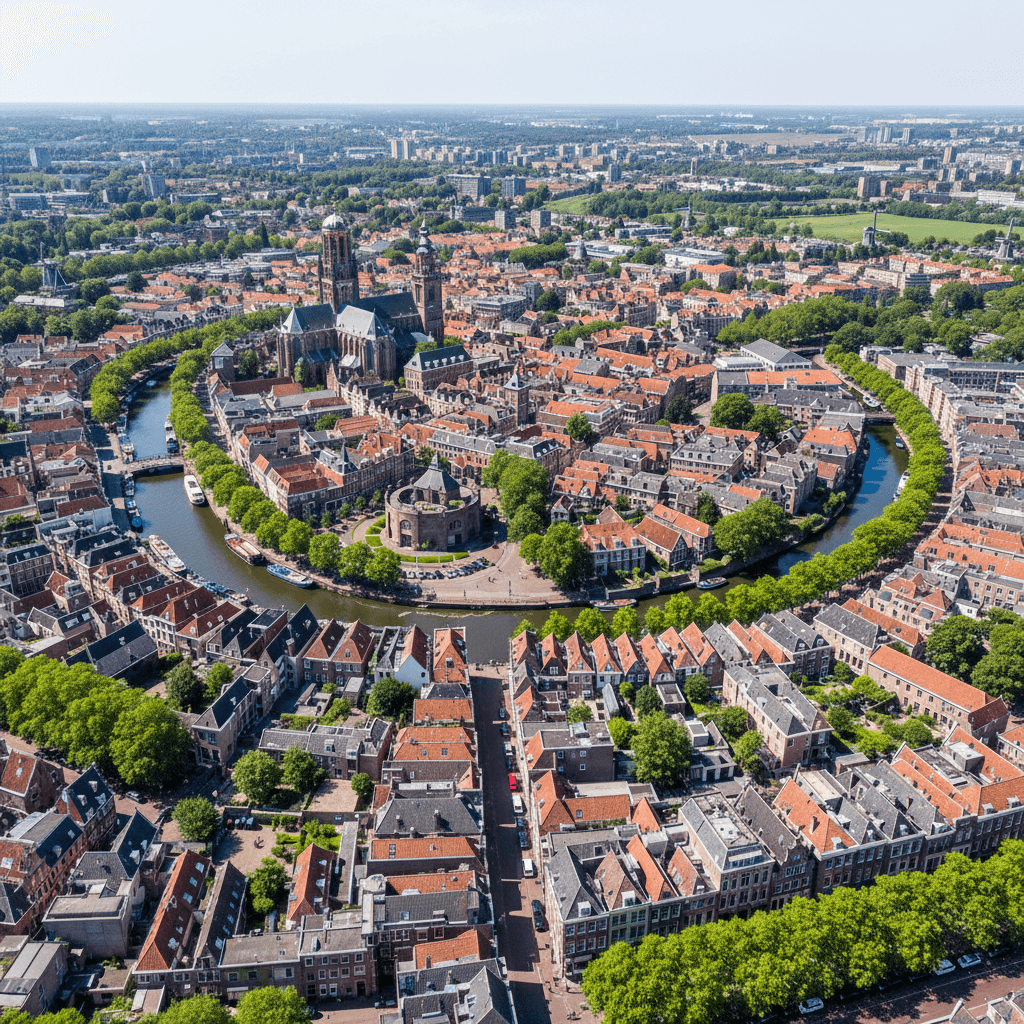
If Amsterdam is a loud, neon-soaked party, Leiden is the quiet, brilliant intellectual sitting in the corner with a craft beer and a centuries-old book. It feels lived-in and authentic. Because it houses the country's oldest university, the city pulses with a youthful, international energy that keeps the 17th-century architecture from feeling like a museum. You'll spend your days dodging student cyclists and your evenings sitting by a canal, watching the light hit the red-brick facades.
For nomads, the experience is defined by a slower, more intentional pace. It is a place where people actually know their neighbors, yet the high English proficiency means you'll never feel like an outsider. The emotional payoff here is the sense of safety and stability. It is the kind of city where you can leave your laptop on a cafe table to use the restroom without a second thought, though the €5,201 average monthly cost for a comfortable nomad lifestyle reminds you that this peace of mind comes with a premium price tag.
The Cost of Living Breakdown
Leiden isn't a budget destination. You are paying for a high quality of life and proximity to the tulip fields of the Bollenstreek. Most nomads find they need a healthy bank balance to enjoy the city without stress.
- Budget Tier (€2,000 to €2,500): This requires a shared house or a tiny studio on the outskirts. You'll be cooking at home, hunting for €5 herring at street stands, and relying entirely on a second-hand bike for transport.
- Mid-Range Tier (€3,000 to €4,000): This covers a one-bedroom apartment outside the immediate center, frequent meals at spots like De Brasserie where mains run around €20, and a monthly €80 public transport pass.
- Comfortable Tier (€5,000+): You'll live in the historic Pieterskwartier, eat at upscale fusion spots like Annie's, and likely commute to Rotterdam for dedicated coworking spaces.
Where to Set Up Base
Leiden is compact, but the neighborhood you choose dictates your daily noise levels. Expats and nomads generally gravitate toward three specific zones.
City Center (Pieterskwartier)
This is the postcard version of the Netherlands. It is walkable, packed with cafes, and steps away from the Museum of Antiquities. Expect to pay €1,500 or more for a one-bedroom. It is vibrant and social, but the narrow streets can get noisy with student nightlife and weekend tourists.
Stationsgebied
Located right by the central train station, this area is perfect if you plan on taking day trips to Amsterdam or Rotterdam. It lacks the historic charm of the center but offers modern apartments and better infrastructure for those who need to move fast. It is a bit more clinical, with more traffic and fewer canals.
Maresingel and Professorenwijk
These are the green, quiet pockets favored by families and long-term expats. It is peaceful and full of parks. While it is further from the bars and museums, the bike-friendly layout means you are never more than ten minutes from the action. It is the best choice if you value deep work and a good night's sleep.
Productivity and Connection
The internet is blazing fast and reliable, averaging 35 Mbps even in basic rentals. However, Leiden is surprisingly thin on dedicated coworking spaces. Most nomads treat the city's cafes and the university library as their offices. If you need a professional environment for networking, many take the 30-minute train to Rotterdam to use StarDock for €20 a day or CIC Rotterdam for €250 a month.
For mobile data, grab a local SIM from KPN or Lebara for about €10 to €20 a month. If you are just passing through, WorldSIM is a reliable backup. Socially, the scene is driven by the university. You won't find many "nomad-only" meetups, so your best bet is joining expat forums or checking the Meetup app for local hobby groups. The Dutch are direct and friendly, but they value their privacy; the best way to break the ice is usually over a beer at a local brown cafe.
Practical Logistics
The weather is a major factor in your experience. May is the undisputed peak, with mild 18°C temperatures and the nearby Keukenhof tulips in full bloom. October through March can be a slog, with frequent rain and grey skies that make the 6°C winter days feel much colder. Always have a raincoat and the Buienradar app ready.
Navigation is easy. Download the NS app for train schedules and Check or Felyx for e-scooter rentals at €0.25 per minute. While everyone speaks English, learning a few phrases like "Dank je" will earn you plenty of smiles. If you stay longer than four months, you'll need to register with the municipality to get your BSN, which is the key to opening local bank accounts with Bunq or Revolut.
Leiden is a postcard-perfect slice of Dutch history, but living here comes with a price tag that reflects its prestige. While it lacks the frantic pace of Amsterdam, your wallet will still feel the pinch of the Randstad premium. Most nomads find that a monthly budget of €5,201 is the sweet spot for a comfortable lifestyle, though you can certainly get by on less if you're willing to embrace the local student lifestyle of biking and home-cooked meals.
The Monthly Breakdown
Expect housing to be your biggest hurdle. The market is tight, and prices reflect the high demand from both the university and the pharmaceutical hub nearby. If you want to be in the thick of it, a studio or one-bedroom in the Pieterskwartier will run you between €1,200 and €1,800. Many expats recommend looking toward the outskirts or the Stationsgebied, where you might find similar spaces for €900 to €1,400, though these often lack the 17th-century charm of the center.
Your daily expenses will vary based on how often you eat out. Here is what to expect for typical costs:
- Budget Tier (€2,000 to €2,500): This assumes you're in shared housing, sticking to herring stands or street food for €5 to €10, and using a bike as your primary transport.
- Mid-range Tier (€3,000 to €4,000): This covers a private apartment outside the center, regular meals at spots like De Brasserie where mains are around €20, and a monthly public transport pass.
- Comfortable Tier (€5,000+): This allows for a central apartment, upscale dinners at Annie's, and the cost of commuting to nearby cities for dedicated workspace.
Work and Connectivity
Leiden is surprisingly light on dedicated coworking spaces for a city of its size. Most remote workers rely on the city's stable internet, averaging over 200 Mbps, and set up shop in library cafes or spots like Bikini Bikini. If you need a professional office environment, you'll likely find yourself on a 30-minute train ride to Rotterdam. Spaces like StarDock or CIC Rotterdam are popular choices, costing about €20 for a day pass or up to €450 for a monthly desk.
For mobile data, travelers often suggest picking up a local SIM from KPN or Lebara. You can get unlimited data for roughly €10 to €20 per month, which is much cheaper than relying on international roaming plans.
Getting Around and Staying Healthy
The city is incredibly compact, making a bike your most valuable asset. You can rent one for about €10 a day, but if you're staying for a month, it's cheaper to buy a used one or use a subscription service like Swapfiets. For longer trips, the OV-chipkaart is your ticket to the national rail system. A train to Schiphol Airport takes just 25 minutes and costs about €10.
Healthcare is top-tier, with the Leiden University Medical Center (LUMC) being one of the best in the country. If you're staying longer than four months, you'll need to register with the municipality to get a BSN (citizen service number), which is required for local health insurance and opening a bank account with Bunq or Revolut. For shorter stays, make sure your private travel insurance is robust, as out-of-pocket costs for specialist visits can be high.
Practical Saving Tips
- Shop at local markets for fresh produce and cheese to avoid the higher prices at supermarkets like Albert Heijn.
- Use the NS app to book train tickets in advance or during off-peak hours for significant discounts.
- Download Felyx or Check for e-scooter rentals when you're too tired to bike; they cost about €0.25 per minute.
- Stick to the "brown cafes" for socializing. They offer a more authentic Dutch experience and are usually cheaper than the trendy cocktail bars near the university.
For Digital Nomads and Solo Travelers: Pieterskwartier (City Center)
If you want to be in the thick of it, the Pieterskwartier is your best bet. It is the historic heart of Leiden, filled with 17th century architecture and narrow alleys that feel like a movie set. Most nomads choose this area because everything is walkable and the cafe culture is perfect for remote work. You can grab a coffee at a local spot and hop on the stable 35 Mbps WiFi that is standard across the city.
- Monthly Rent: Expect to pay €1,500+ for a one bedroom apartment.
- Vibe: Academic, lively, and very social.
- The Downside: It gets noisy on weekends and tourist crowds can thicken during tulip season in May.
Since Leiden lacks dedicated coworking brands, many nomads take the 30 minute train to Rotterdam to use StarDock or CIC Rotterdam. A day pass there runs about €20, but for daily life in the center, you will mostly be working from your rental or library cafes. For a quick lunch, locals recommend the herring stands for a €5 snack, or De Brasserie for a proper €20 meal.
For Expats and Commuters: Stationsgebied
Expats who need to reach Amsterdam or The Hague frequently tend to cluster around the Stationsgebied. It lacks the crooked charm of the old center, but it makes up for it with modern apartments and proximity to the Leiden Centraal station. You can be at Schiphol Airport in 25 minutes for about €10, which is a major perk if you travel often.
- Monthly Rent: Studios and one bedrooms usually range from €1,200 to €1,800.
- Vibe: Efficient, urban, and convenient.
- The Downside: There is more traffic and less of that classic Dutch "gezellig" feeling.
Living here means easy access to supermarkets and gyms. For getting around the rest of the city, expats usually skip the car and use the Felyx or Check apps to grab an e-scooter for €0.25 per minute. It is also the best spot to find newer builds with better insulation, which helps during the wet months from October to March.
For Families and Long-Term Residents: Maresingel and Professorenwijk
If you are bringing the kids or just want some peace and quiet, look toward the Maresingel or the Professorenwijk. These neighborhoods feel much more residential with plenty of green space and parks. It is where you will find the local side of Leiden, away from the student bars. The streets are safe, and the LUMC hospital, one of the best in the country, is nearby if you ever need healthcare.
- Monthly Rent: Larger family homes or outskirts apartments can be found for €900 to €1,400 if you look further out.
- Vibe: Quiet, green, and community oriented.
- The Downside: You will definitely need a bike to get to the center, and the nightlife is nonexistent.
Families appreciate the safety here, as Leiden has very low crime rates. For groceries and household needs, you will find plenty of local shops where English is spoken fluently, though learning a few phrases like "Dank je" goes a long way. Budget at least €80 a month for an OV-chipkaart if you plan on using the bus system to get the kids to school or activities.
The Bottom Line on Costs
Leiden is not a budget destination. A single nomad should plan for a monthly budget of €3,000 to €4,000 to live comfortably in a mid range apartment. If you are looking to save, shared housing can bring costs down to around €2,000, but competition for rooms is fierce. Most people use platforms like Funda.nl or Kamernet.nl to scout for places, but be ready to move fast when a listing pops up.
The Connectivity Reality
Leiden is a university town through and through, which means the infrastructure for staying connected is rock solid. You can expect average WiFi speeds exceeding 200 Mbps across the city. Whether you are working from a canal-side apartment or a local cafe, the connection is rarely an issue. Most nomads find that the stability of the Dutch grid makes it a reliable base for video calls and heavy uploads without the jitter you might find in Southern Europe.
For your mobile data, don't rely on roaming from home. Expats usually recommend picking up a local SIM from KPN, Vodafone, or Lebara. You can get unlimited data plans for roughly €10 to €20 per month. If you are just passing through for a few weeks, WorldSIM is a popular choice among the nomad crowd for quick setup without the paperwork of a long-term Dutch contract.
Coworking and Workspaces
Here is the catch: Leiden doesn't actually have a dedicated, name-brand coworking scene yet. It is a bit of a gap in an otherwise perfect setup. Most remote workers here lean heavily on the city's academic spaces or high-end cafes. The BplusC library locations are popular spots for a few hours of quiet focus, though they lack the networking vibe of a true coworking hub.
If you need a professional office environment with all the bells and whistles, many nomads take advantage of the excellent rail link to Rotterdam. It is only a 30-minute train ride away. Once there, you have access to world-class spaces:
- StarDock: Located in Rotterdam, this spot is great for networking. Day passes go for €20, while a shared desk for the month will run you about €450.
- CIC Rotterdam: This is the heavy hitter for tech and startups. Monthly memberships around €370+ and put you right in the middle of the region's innovation hub.
Digital Nomad Life & Costs
Living the nomad life in Leiden comes with a premium price tag. The city is beautiful and safe, but your budget will feel the squeeze compared to other European hubs. Travelers often say the quality of life justifies the cost, but you need to plan for a monthly spend of at least €5,000 if you want a comfortable, central lifestyle.
Estimated Monthly Budgets:
- Budget Nomad (€2,000 to €2,500): This involves staying in shared housing, sticking to street food like herring stands, and using a bicycle as your primary transport.
- Mid-range Nomad (€3,000 to €4,000): You'll likely live in a 1-bedroom apartment on the outskirts, eat out at mid-range spots like De Brasserie, and use the OV-chipkaart for public transit.
- Comfortable Nomad (€5,000+): This covers a central apartment in the Pieterskwartier, frequent dining at upscale spots like Annie's, and regular coworking memberships.
Practical Logistics
Getting around is effortless if you embrace the local way of life. Renting a bike costs about €10 per day, but if you prefer apps, Felyx and Check offer e-scooters for roughly €0.25 per minute. For longer trips, the NS app is your best friend for monitoring trains to Amsterdam or Schiphol Airport, which is only 25 minutes away.
If you plan on staying longer than 90 days, keep in mind there is no specific digital nomad visa. Most non-EU nomads look into the Self-Employed Permit. If you stay longer than four months, you'll need to register with the municipality to get your BSN, which is the tax number required for opening local bank accounts with Bunq or N26.
A Safe Haven in the Randstad
Leiden is widely considered one of the safest cities in the Netherlands, which is already a high bar to clear. Because it is a university town, the streets stay active with students and locals well into the evening, creating a natural sense of security. Most nomads find they can walk or bike through any neighborhood at 2:00 AM without a second thought. There are no "no-go" zones here, though common sense applies near the Stationsgebied late at night simply because it is a high-traffic transit hub.
The biggest "danger" you will actually face is the bicycle traffic. If you are walking, stay out of the red-paved bike lanes; if you are cycling, follow the rules of the road strictly. Expats often joke that the only crime you will encounter is bike theft. If you buy a bike, spend the extra €30 on a high-quality chain lock and always secure it to a fixed object.
World-Class Medical Care
The healthcare system in Leiden is exceptional, anchored by the Leiden University Medical Center (LUMC). It is a top-rated teaching hospital and one of the best facilities in Europe. For day-to-day issues, your first point of contact is always a Huisarts (General Practitioner). If you are staying long-term and have registered with the municipality to get your BSN (citizen service number), you must sign up with a local GP near your apartment.
For short-term travelers and nomads, the system is still very accessible. Most doctors and nurses speak perfect English, so communication is rarely a barrier. If you have an urgent but non-life-threatening issue outside of business hours, you should call the Huisartsenpost rather than going to the emergency room. They will triages your case over the phone and tell you when to come in.
Pharmacies and Prescriptions
You will notice two types of shops for health needs. A Drogist (like Kruidvat or Etos) sells over-the-counter basics like ibuprofen, cough syrup, and vitamins. For anything requiring a prescription, you need an Apotheek. These are widespread throughout the city center and the Professorenwijk neighborhood. They are highly regulated and will often double-check your history to ensure no drug interactions, which provides an extra layer of safety.
Emergency Contacts and Practical Info
- General Emergencies: Dial 112 for police, fire, or ambulance. This is the EU-wide standard.
- Non-Urgent Police: Dial 0900-8844 for reporting minor issues like a stolen bike or noise complaints.
- Water Safety: The canals are beautiful but deep and cold. Never swim in the canals within the city center; there are designated swimming spots and pools if you want to take a dip.
- Mental Health: Many expats recommend Expat Central or similar networks for English-speaking therapy services, as the transition to Dutch life can be isolating in the rainy winter months.
If you are a digital nomad from outside the EU, remember that you are required to have travel insurance or private health coverage. Once you reside in the Netherlands for more than four months and register as a resident, you are legally obligated to take out Dutch health insurance, which typically costs around €140 to €160 per month. It is a steep price, but it covers almost everything with no hidden surprises.
The Two-Wheel Philosophy
In Leiden, your first order of business is getting a bike. The city is designed around cyclists, with a maze of 17th-century alleys and canal paths that make cars feel like an afterthought. Most locals use Swapfiets for a monthly subscription or buy a second-hand frame to avoid the heartbreak of bike theft. If you are just visiting for a few days, daily rentals usually run around €10.
When you're on two wheels, remember that the Dutch bike lanes are a serious business. Keep to the right, use hand signals for turns, and always yield to pedestrians in the Pieterskwartier. If you need a bit more speed without the sweat, download Felyx or Check. These e-scooter apps are everywhere, costing roughly €0.25 per minute, and they are perfect for ziping from the city center to the quieter Professorenwijk neighborhood.
Mastering the Rails
For anything beyond the city limits, the Dutch rail system is your best friend. Leiden Centraal is a major hub, sitting right on the edge of the Stationsgebied. You can reach Schiphol Airport in 25 minutes for about €10, or be in the heart of Amsterdam in 30 minutes. It makes Leiden a strategic base for nomads who want a quieter home life with easy access to big-city meetings.
The golden rule for public transport here is the OV-chipkaart. While you can now tap in and out with a contactless debit card or phone, getting a personalized chipkaart is better for long stays because it allows you to add discount subscriptions. Use the NS app to check live train times and the 9292 app for door-to-door planning that includes buses and trams. A typical monthly transport budget for a nomad usually hovers around €80.
Walkability and Ride-Hailing
Leiden is remarkably compact. You can walk from the National Museum of Ethnology on one side of town to the botanical gardens on the other in under 20 minutes. Most nomads find they rarely need a bus within the city center because the scenery is too good to miss on foot. The cobblestones can be brutal on your ankles, so leave the fancy shoes at home.
If it is raining or you are heading home late from a bar in the center, Uber and Bolt both operate here. They aren't cheap, though. A ride to the outskirts will likely cost €15 to €25. If you are coming from the airport with heavy luggage, a taxi will set you back about €80, so the train is almost always the smarter move.
Regional Connections
One of the perks of Leiden's location is how easily you can escape to nature. During the peak tulip season in May, special shuttle buses run from the station directly to Keukenhof. If you want to see the coast, a 20-minute bus ride or a 30-minute bike ride gets you to the beaches at Katwijk or Noordwijk. It is a level of connectivity that makes a car feel like a burden rather than a luxury.
- Train to Amsterdam: €10, 30 minutes
- E-scooter (Felyx/Check): €0.25/min
- Bike Rental: €10/day
- Airport Taxi: €80
The Linguistic Landscape
You won't have any trouble getting by in Leiden with just English. Since it's a major university hub, the level of English proficiency is staggering, often cited at over 90%. Most locals will switch to English the second they realize you aren't a native speaker, sometimes even before you've finished your first sentence. While Dutch is the official language, it's perfectly common to hear English, Spanish, or German spoken in the cafes around the Pieterskwartier.
That said, learning a few Dutch basics goes a long way with the locals. Start with "Hallo" for hello and "Dank je" for thank you. If you're looking for a specific landmark, "Waar is...?" (Where is...?) is your best friend. For anything more complex, apps like DeepL or Google Translate are reliable for reading signs or menus that haven't been translated yet.
Communication and Staying Connected
Staying online is rarely an issue here. The Netherlands has some of the fastest and most stable internet in Europe, and Leiden is no exception. You can expect average speeds around 35 Mbps, which is plenty for video calls or uploading large files. Most apartments and even the smaller cafes in the city center offer reliable WiFi for customers.
For your mobile data, don't rely on roaming from home, as it gets expensive fast. Most nomads grab a local SIM card immediately. You have a few solid options:
- KPN or Vodafone: These are the premium providers with the best coverage. Expect to pay between €15 and €25 per month for a decent data package.
- Lebara: A favorite for expats and short term travelers because it's easy to set up and offers affordable monthly SIM-only plans.
- WorldSIM: A good backup if you're hopping between borders and don't want to swap physical cards constantly.
The Social Vibe
Socializing in Leiden is heavily influenced by the Leiden University crowd. It isn't a city of massive nightclubs; instead, the social scene revolves around "borrels" (after work drinks) at bars like De Brasserie or meeting up at the street food stands for a €5 herring snack. Expats often gather at Annie's for its canal side views and Dutch fusion dishes.
If you're looking to network, the nomad community is a bit more fragmented than in Amsterdam. Most people connect through Meetup groups or InterNations. Since Leiden lacks its own dedicated coworking spaces, many remote workers take the 30 minute train to Rotterdam to work at StarDock or CIC Rotterdam. These spots are the real hubs for networking, where day passes go for about €20 and monthly desks start at €250. It's a small commute, but it's where you'll find the most active professional community.
Practical Interactions
Dutch communication is famously direct. Don't mistake it for rudeness; it's just a cultural preference for efficiency. If a waiter or a shopkeeper gives you a blunt answer, they're just being clear. On the flip side, you'll find that people are incredibly helpful if you're lost or need advice on public transport. For moving around, download the NS app for trains and Felyx or Check if you want to use the shared e-scooters that cost about €0.25 per minute. Everything is digital here, so having a charged phone and a local data plan is your most important tool for daily life.
The Seasonal Rhythm
Leiden’s atmosphere shifts dramatically with the light. Because it’s a maritime climate, the weather is famously fickle. You can start your morning with clear blue skies over the Rapenburg canal and find yourself diving into a cafe to avoid a sudden downpour by lunch. Most nomads find the sweet spot for a visit falls between late April and September, when the city truly opens up and the "terraskes" (outdoor terraces) fill with students and locals.
If you’re here for the iconic Dutch experience, May is the undisputed champion. It’s peak tulip season, and Leiden serves as a perfect, quieter base for visiting the Keukenhof gardens just a short bus ride away. The air is mild, averaging around 16°C, and the city’s botanical gardens, the Hortus Botanicus, are in full bloom. It’s the best time to be mobile, as you can bike to the coast or through the flower fields without battling the biting winds of the colder months.
Summer and the High Season
July and August bring the warmest weather, with average highs of 22°C. While this is the busiest time for tourism, Leiden never feels as claustrophobic as Amsterdam. The sun stays up until nearly 10:00 PM, giving you plenty of post-work daylight to explore the 17th-century alleys of the Pieterskwartier. Don't let a sunny forecast fool you into leaving your raincoat at home, as coastal showers can appear at any time.
- June to August: Ideal for canal tours and outdoor dining at spots like Annie’s.
- Packing tip: Layers are your best friend. Even in summer, the breeze off the North Sea can be chilly once the sun dips.
- Event highlight: Lakenfeest in June brings boat parades and concerts to the city center.
The Winter Slump
From November through February, Leiden settles into a quiet, grey period. The days get incredibly short, and temperatures hover between 2°C and 6°C. While the historic center looks beautiful under holiday lights, the persistent drizzle and wind can make the winter months feel long if you’re stuck indoors. Most expats recommend this time of year only if you enjoy a cozy, "gezellig" vibe in wood-paneled pubs or need to hunker down for deep work in a quiet library.
January is often the toughest month, seeing the highest frequency of rain and the lowest temperatures. However, if you’re looking for lower short-term rental prices and a city that belongs entirely to the locals and students, this is when you’ll find it. Just be prepared for grey skies that can last for weeks at a time.
Quick Climate Snapshot
- Best for Tulips: May (Avg high 16°C, lower rainfall at 50mm).
- Best for Socializing: July (Avg 22°C, long evenings).
- Wettest Months: October to March (Expect frequent, light rain).
- Coldest Period: January and February (Lows near 0°C).
Ultimately, if you want the full Leiden experience, aim for late spring. You’ll catch the flower season, the start of the boating culture, and the energetic buzz of the university year before everyone heads off for summer break. If you end up here in the winter, make sure your housing has good heating and invest in a solid pair of waterproof boots for those walks to the LUMC or the train station.
Life in the Key City
Leiden feels like Amsterdam's more intellectual, relaxed younger sibling. It is a town where 17th-century canals meet a massive international student population, creating a vibe that is historic but never feels stagnant. While it lacks the frantic pace of Rotterdam, you will find the cost of living reflects its desirability, with a monthly burn rate for a single nomad often hitting €5,201 when factoring in central housing and lifestyle expenses.
Budgeting for the Dutch Lifestyle
Your biggest hurdle here is housing. Demand is sky-high, and prices follow suit. To keep your finances on track, consider these three tiers of spending:
- Budget (€2,000 to €2,500): This assumes you are in shared housing, eating from herring stands or cooking at home, and using a second-hand bike as your primary transport.
- Mid-range (€3,000 to €4,000): Expect a one-bedroom apartment on the outskirts, regular meals at spots like De Brasserie where mains run around €20, and a mix of biking and public transit.
- Comfortable (€5,000+): This covers a central apartment in the Pieterskwartier, frequent dinners at upscale fusion spots like Annie's, and a dedicated desk in a nearby city.
Where to Plant Your Flag
Leiden is compact enough that you can cycle across it in twenty minutes, but each pocket has a distinct personality.
City Center (Pieterskwartier): This is the heart of the action. It is walkable and packed with cafes, but you will pay a premium. Rent for a one-bedroom often exceeds €1,500, and the student nightlife can get noisy on weekends.
Stationsgebied: Ideal for those who plan to travel often. It is right by the train station and features modern apartments. It lacks the old-world charm of the center but makes up for it in convenience and proximity to shops.
Maresingel/Professorenwijk: Expats with families usually gravitate here. It is green, quiet, and full of parks. The trade-off is a longer commute to the center and very little in the way of late-night entertainment.
Internet and the Workspace Gap
The Dutch internet infrastructure is rock solid. You can expect average speeds around 35 Mbps, which is plenty for video calls. While Leiden has a great cafe culture for casual work, dedicated coworking spaces are surprisingly scarce within the city limits. Many nomads take the 30-minute train to Rotterdam to use StarDock, which costs €20 for a day pass, or CIC Rotterdam, which offers high-end networking for about €250 a month.
For mobile data, skip the airport kiosks. Pick up a local SIM from KPN or Lebara. You can usually get unlimited data for €10 to €20 per month. If you are staying more than four months, you will need to register with the municipality to get a BSN (citizen service number) to open a local bank account with Bunq or similar Dutch providers.
Getting Around
Forget cars. Leiden is built for bikes and feet. You can rent a bike for about €10 a day, or use e-scooter apps like Felyx or Check for roughly €0.25 per minute. For longer trips, the NS app is your best friend. A train to Amsterdam takes 30 minutes and costs between €3 and €5. Always keep an OV-chipkaart topped up for seamless travel across trains, buses, and trams.
Weather and Timing
Timing your visit is everything. May is the sweet spot; the tulips are in full bloom and the weather hits a comfortable 18°C. Winters are a different story. From December to February, expect grey skies, rain, and temperatures hovering around 6°C. If you struggle with short, wet days, avoid the October to March window when rainfall peaks.
Health and Safety
This is one of the safest cities you will ever visit. There are no "no-go" zones, though you should always lock your bike with two different locks to prevent theft. If you need medical help, the Leiden University Medical Center (LUMC) is world-class. For emergencies, dial 112. For anything non-urgent, use 0900-8844 to reach the local police.
Need visa and immigration info for Netherlands?
🇳🇱 View Netherlands Country GuideEasy Landing
Settle in, no stress
Monthly Budget Estimates
More cities in Netherlands
Maastricht
🇳🇱 Netherlands
Groningen
🇳🇱 Netherlands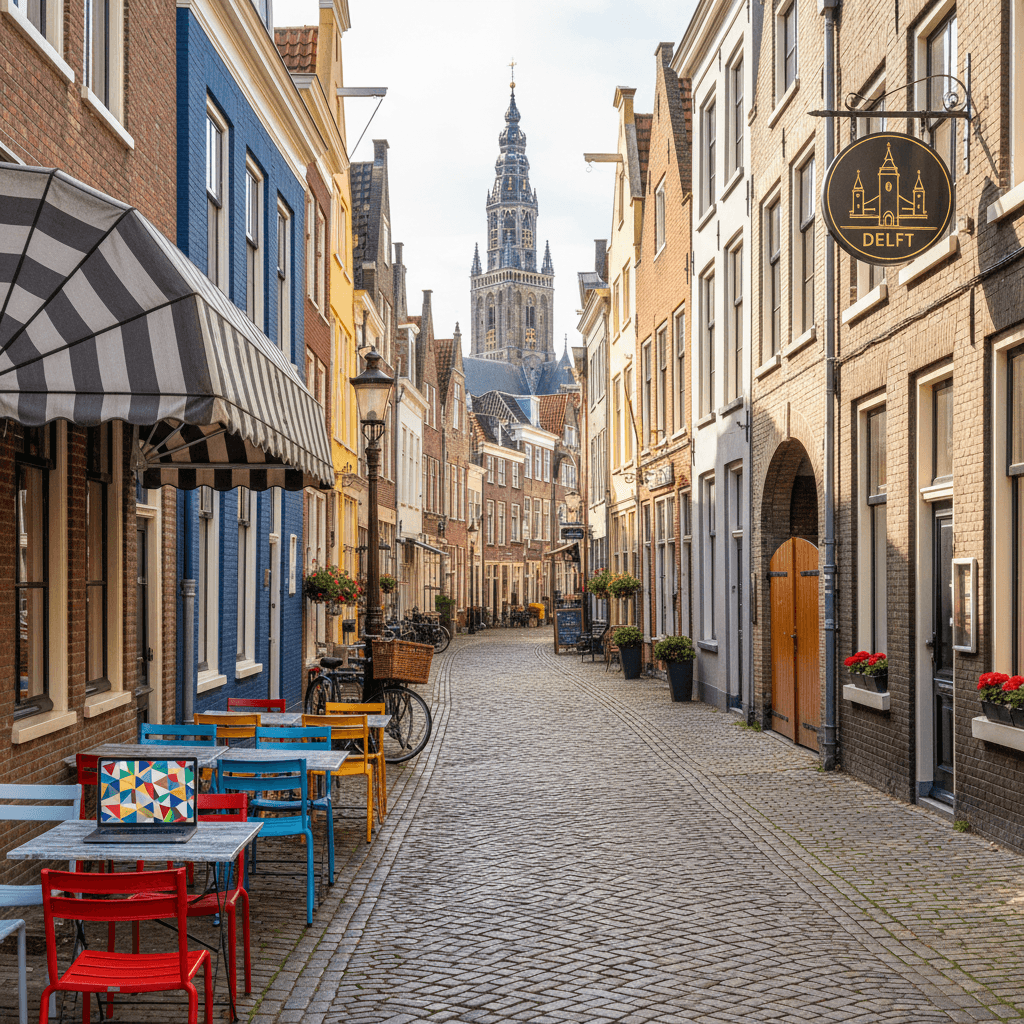
Delft
🇳🇱 Netherlands