Las Terrenas
🇩🇴 Dominican Republic
The European Soul of the Caribbean
Las Terrenas isn't your typical Caribbean resort town. While most beach destinations in the Dominican Republic are defined by massive all inclusive compounds, this corner of the Samaná Peninsula feels like a Mediterranean seaside village that took a wrong turn and ended up in the tropics. It’s a place where you’ll hear French and Italian spoken as often as Spanish, and where the morning air smells like freshly baked pain au chocolat and salty Atlantic spray.
What sets it apart from nomad heavyweights like Tulum or Medellín is the lack of "hustle" culture. There’s no pressure to network at every coffee shop, though networking happens organically over a glass of wine at Punta Popy or during a sunset surf session at Playa Bonita. It’s a town that rewards people who want to work hard for four hours and then completely disappear into a palm forest or a turquoise cove for the rest of the day.
The Daily Rhythm
Life here follows the sun and the tides. Most nomads start their mornings with a strong Dominican coffee and perhaps a pastry from one of the local French bakeries in El Centro. The vibe is decidedly relaxed, but don't mistake that for a lack of infrastructure. You’ll find high speed fiber internet that handles video calls with ease, even if you’re sitting at a wooden table with your toes in the sand at La Fragoneta Beach Coffee Lounge.
By midday, the heat usually pushes people toward the water. The social scene is centered around the beach bars and "chiringuitos" that line the coast. It’s a multinational melting pot where you’ll meet kite surfers from Quebec, tech founders from Berlin, and local artisans all sharing the same stretch of sand. It’s authentic, slightly chaotic in the best way, and far more affordable than most people realize.
What You’ll Love (and What You Won’t)
The draw is the balance. You get the rugged, wild beauty of the Samaná Peninsula, think hidden waterfalls and empty beaches, paired with the comforts of a European lifestyle. You can buy authentic parmesan cheese and imported wine at the local supermarket, then hop on a motoconcho for $2 to head back to your villa. Most nomads find the community here to be one of the most welcoming in the Caribbean because it’s established; people actually live here year round rather than just passing through for a week.
However, it isn't perfect. Power outages happen, and while most modern condos have backups, you’ll want a solid power bank and a local SIM card from Claro or Altice as a fail-safe. If you live outside the main town center in areas like Cosón, you’ll definitely need your own wheels, as the walkability disappears once you leave the paved streets of the center. It’s a "choose your own adventure" type of town: you can live the high life in a $3,000 villa or keep it local and budget friendly for under $1,500 a month.
Neighborhood Snapshots
- El Centro (Town Center): This is the heartbeat of Las Terrenas. It’s loud, colorful, and highly walkable. You’re steps away from the best supermarkets, pharmacies, and the beach. It’s the best spot for solo nomads who want to be in the thick of the action.
- Playa Bonita & Punta Popy: These areas offer a more manicured, vacation feel. They’re perfect for those who prioritize being able to walk from their desk to a surfboard in under sixty seconds. The social scene here is vibrant but slightly more expensive than the town center.
- Cosón: Located a short drive from the main strip, this is where you go for ultimate privacy and luxury. It’s quiet, breathtakingly beautiful, and popular with families or entrepreneurs who need a distraction-free environment.
The Cost of Living Breakdown
Your budget in Las Terrenas can scale significantly depending on how "local" you’re willing to go. A meal at a family run comedor will cost you between $3 and $7, while a high end dinner at a beachfront Italian spot will likely run $20 to $40.
- Budget Tier: $1,200 to $1,800 per month. This usually covers a modest studio in El Centro and a mix of home cooking and local eats.
- Mid-Range: $2,000 to $3,000 per month. This is the sweet spot for most nomads, allowing for a nice one bedroom apartment, frequent dining out, and a scooter rental.
- Comfort Tier: $3,000+ per month. This gets you into the luxury villa territory in Cosón or a premium beachfront condo with all the amenities.
The Three-Tier Lifestyle
Las Terrenas occupies a unique sweet spot in the Caribbean. It is not as dirt-cheap as Southeast Asia, but it offers a significantly higher quality of life than you will find at similar price points in North America or Europe. Most digital nomads find that their monthly burn falls into one of three categories based on how much they prioritize beachfront luxury over local immersion.
- The Budget Nomad ($1,200 to $1,800 USD): This lifestyle involves living in El Centro, eating at local comedores, and using motoconchos for transport. You will have a comfortable studio and plenty of beach time without the high-end price tag.
- The Mid-Range Professional ($2,000 to $3,000 USD): This is the most common bracket for remote workers. It covers a modern one-bedroom apartment, frequent meals at international cafes, a scooter rental, and regular coworking access.
- The High-End Expat ($3,000+ USD): At this level, you are looking at private villas in Cosón or Playa Bonita, a car rental, and upscale dining several nights a week.
Housing and Neighborhoods
Rent is your biggest variable and varies wildly by neighborhood. El Centro is the most practical choice for solo nomads who want to be within walking distance of everything. You can find studios or one-bedroom apartments here for $400 to $900 USD per month. It is authentic and lively, though it lacks the immediate "toes in the sand" doorstep experience of the coast.
If you want the luxury villa experience, Cosón is the premier choice. It is secluded and stunning, but you will pay for the privacy. Expect to shell out $1,500 to $3,000+ USD for a multi-bedroom villa. Since it is tucked away, you will also need to factor in a car rental, which typically runs between $300 and $500 USD monthly.
For those who want a social atmosphere, the areas around Playa Bonita and Punta Popy offer mid-range beachfront condos. These spots are perfect if you want to finish a Zoom call and be on a surfboard in five minutes.
Dining and Groceries
The food scene is where the town's French and Italian influence shines. You can grab a quick, authentic meal at a family-run comedor for $3 to $7 USD. These are staples for nomads looking to keep daily costs down while eating well.
- Mid-range beach cafes: Expect to pay $10 to $15 USD for fresh salads, fruit juices, or a light lunch.
- Upscale beachfront dining: A nice dinner with wine at a top-tier restaurant will cost between $20 and $40 USD.
- Groceries: Local markets are affordable for tropical fruits and seafood, but imported European cheeses or North American snacks will carry a premium price tag.
Connectivity and Logistics
Staying connected is surprisingly affordable, though you should always have a backup plan. Fiber optic internet is common in the center and residential zones, costing between $50 and $80 USD per month for speeds up to 100 Mbps. For those who prefer a dedicated office environment, coworking hubs charge daily rates of $10 to $20 USD and usually provide the peace of mind of a backup generator.
For mobile data, most expats recommend grabbing a prepaid SIM from Claro or Altice. You can get unlimited data plans for $10 to $30 USD per month. It is a smart investment for those days when the local power grid decides to take a siesta.
Transport and Utilities
Getting around is cheap if you do it like a local. A motoconcho (moto-taxi) ride within town usually costs $1 to $3 USD. If you are staying long-term, renting a scooter for $10 to $20 USD a day is the standard way to maintain your freedom without the expense of a car.
Electricity can be a hidden cost if you run air conditioning 24/7. Many nomads report that their utility bills stay manageable by using fans during the day and only turning on the A/C at night. If your rental doesn't include utilities, budget an extra $50 to $100 USD depending on your cooling habits.
The Solo Nomad and First-Timer: El Centro
If you're landing in Las Terrenas for the first time or traveling solo, El Centro is your best bet. It's the heartbeat of the town where the local Dominican rhythm meets the international expat influx. Living here means you're within walking distance of almost everything, from the French bakeries to the local fruit stalls. It's the most practical choice for those who want to avoid the cost of a car rental while staying close to the action.
- Rent: Expect to pay between $400 and $900 USD for a studio or a decent one bedroom apartment.
- Vibe: Urban convenience with an authentic edge. You'll hear bachata from the colmados and the roar of motoconchos, but you're never more than a ten minute stroll from the sand.
- Pros: High walkability, the most affordable grocery options, and easy access to coworking hubs like La Fragoneta.
- Cons: It can get noisy at night, and you won't have that "isolated paradise" feeling.
The Active Professional: Playa Bonita and Punta Popy
For those who want to balance a 9 to 5 with a surfboard, these two beach strips are the gold standard. Playa Bonita is famous for its boardwalk and consistent waves, making it a magnet for "surf nomads." Punta Popy is slightly closer to the main town area and is the go to spot for kitesurfing and social sundowners. Expats here often spend their mornings on Zoom calls and their afternoons in the water.
- Rent: Mid range prices for beachfront condos usually sit between $1,000 and $1,800 USD depending on the season.
- Vibe: Active, social, and breezy. It's where you'll find the "laptop on the beach" crowd at spots like La Fragoneta Beach Coffee Lounge.
- Pros: Direct beach access and a built in community of outdoor enthusiasts.
- Cons: You'll likely want a scooter or a bicycle to get into the main town for cheaper groceries and services.
The Long Term Expat and Entrepreneur: Cosón
If you've moved past the "backpacking" phase and want a slice of luxury, Cosón is the neighborhood of choice. Located a bit further west, it's a stretch of pristine, palm fringed coastline that feels worlds away from the town's center. This is where entrepreneurs and established expats build or rent large villas. It's quiet, exclusive, and arguably the most beautiful beach in the region.
- Rent: High end. Large 3 bedroom villas typically start at $1,500 USD and can easily climb past $3,000 USD per month.
- Vibe: Peaceful and private. It's the kind of place where you host dinner parties rather than go out to bars.
- Pros: Stunning scenery, very little noise pollution, and a feeling of true Caribbean seclusion.
- Cons: You absolutely must have a car. There's very little within walking distance, and a trip to the pharmacy or a major supermarket requires a drive.
Families and Slow Travelers: Las Ballenas
Nestled between the town center and the quieter western beaches, Las Ballenas offers a middle ground that works well for families. The water here is calmer and shallower than at Punta Popy, making it safer for kids. It's a residential area with a mix of villas and gated communities that feel secure and established. Many families find this the perfect spot to settle because it maintains a neighborhood feel while staying close to international schools and clinics.
- Rent: Expect to pay $1,200 to $2,500 USD for family sized homes or larger apartments.
- Vibe: Relaxed and residential. It's less about the party scene and more about long sunset walks and quiet mornings.
- Pros: Calm waters for swimming, proximity to the Sailing Club, and a good balance of peace and accessibility.
- Cons: Prices have stayed high here due to consistent demand from European families.
Connectivity and Speed
Las Terrenas has come a long way from the days of patchy satellite signals. Most rentals in El Centro and the surrounding residential zones now come equipped with fiber optic internet. You can expect speeds of 100+ Mbps for a monthly cost between $50 and $80. This is plenty of bandwidth for Zoom calls, uploading video content, or managing cloud based workflows without much lag.
While the speed is impressive for a beach town, the reliability isn't always 100 percent. Brief power flickers or occasional maintenance outages still happen. Experienced nomads here swear by a "double backup" strategy. Invest in a solid power bank for your laptop and keep a local SIM card ready for tethering. It's the difference between a productive afternoon and a frantic search for a working outlet during a client meeting.
Coworking Spaces and Hubs
If you prefer a structured environment over working from your villa, the town has a few dedicated hubs where you can find A/C, ergonomic chairs, and, most importantly, backup generators. Daily rates usually hover between $10 and $20. These spaces are where the international community really comes together, making it easy to network with French, Italian, and North American entrepreneurs without feeling like you're in a stuffy office.
- The Town Hubs: Several spots in the center offer dedicated desks and high speed backups. These are your best bet for mission critical work days where you can't afford a five minute drop in connection.
- La Fragoneta Beach Coffee Lounge: This is a favorite for those "light" work days. It's a relaxed spot where you can grab a great coffee, use their WiFi, and enjoy the ocean breeze. It's more of a social workspace than a silent office, but the vibes are unmatched.
- Playa Punta Popy Cafes: Many of the beachfront bistros have surprisingly decent WiFi. You'll often see people with laptops open until the sun starts to set and the happy hour crowd takes over.
Mobile Data and SIM Cards
Don't rely solely on your home country's roaming plan; it'll be slow and expensive. Grab a local SIM card as soon as you arrive. Claro and Altice are the two main providers with the best coverage in the Samaná Peninsula. You can pick these up at the airport or at branded stores in town.
For $10 to $30 a month, you can get a prepaid plan with generous or even unlimited data. Claro is often cited by travelers as having slightly better coverage if you plan on exploring the more remote hills or hidden beaches like Playa Cosón. Most modern phones can handle an eSIM, which makes the setup process even faster.
The "Work from Anywhere" Reality
Living here means embracing a specific rhythm. Most nomads find that the best way to work is to front load their tasks in the morning when the air is cooler and the internet is snappiest. By mid afternoon, the tropical heat and the lure of Playa Bonita usually signal it's time to close the laptop.
If your job requires 24/7 "five nines" uptime, you'll need to be proactive. Ask your Airbnb host specifically about "fiber optic" rather than just "high speed internet" and check if the building has a "planta" (generator). In Las Terrenas, a little bit of technical preparation goes a long way toward maintaining that dream Caribbean lifestyle without dropping off the grid.
Personal Safety and Local Vibes
Las Terrenas feels different from the high rise resort zones of Punta Cana. Because of the heavy European influence and the tight knit expat community, the vibe is generally relaxed and secure. Most nomads find that they can walk around El Centro or along the beach paths during the day without a second thought. The community is small enough that faces become familiar quickly, which adds an extra layer of social accountability.
That said, you shouldn't let the tropical breeze completely lower your guard. Petty theft, like phone snatching or bag grabbing, can happen if you leave valuables unattended on the sand while you're surfing at Playa Bonita. Expats generally recommend avoiding long walks on isolated stretches of beach or unlit backroads after dark. If you're heading home late from a beach bar at Punta Popy, call a taxi or use a trusted local driver rather than walking alone through the town edges.
Common sense tips for staying safe include:
- Keep your laptop and expensive gear out of sight when you aren't using them, especially in ground floor apartments.
- Use the safe in your rental for passports and extra cash.
- Stick to well populated areas like the Pueblo de los Pescadores for late night drinks.
- Be cautious on the roads; the biggest safety risk here is actually traffic, specifically the fast moving motoconchos.
Healthcare Facilities and Emergency Care
For a small beach town, the healthcare options are surprisingly reliable for day to day needs. You'll find several well stocked pharmacies in El Centro that carry most standard medications, often without needing a local prescription. For minor ailments, infections, or traveler's stomach, these local pharmacies are your first and easiest stop.
If you need a doctor, there are local clinics in town that handle routine consultations and basic emergencies. For anything serious or specialized, most expats and long term nomads head to the larger hospital in Samaná or even travel to Santo Domingo for private, high end facilities. It is standard practice for international residents to carry private health insurance that includes medical evacuation, just in case a major procedure is required.
Key healthcare facts for your stay:
- Emergency Services: Dial 911 for immediate assistance, though response times can vary depending on your distance from the town center.
- Private Clinics: Expect to pay out of pocket for consultations, usually ranging from $40 to $80 USD, then claim it back from your insurance later.
- Water Safety: Do not drink the tap water. Stick to the large 5 gallon blue jugs (botellones) which cost about $1 to $2 USD and are delivered to your door.
- Vaccinations: While no specific shots are required for entry, staying up to date on Hepatitis A and Typhoid is recommended by most frequent travelers to the region.
Staying Healthy in the Tropics
The biggest health hurdles for nomads in Las Terrenas are usually dehydration and mosquito borne illnesses like Dengue. Since the sun is intense, especially between 11:00 AM and 3:00 PM, keeping up with electrolytes is a must. You can find fresh coconuts for about $1 to $2 USD everywhere, which are a local favorite for staying hydrated.
Mosquitoes are most active at dusk, so if you're working from a beachfront cafe like La Fragoneta, make sure to apply repellent. Most modern villas in areas like Cosón have screens, but if you're staying in a more authentic Dominican style rental in town, using a mosquito net over your bed is a simple way to ensure a peaceful night's sleep.
Getting Around Las Terrenas
The layout of Las Terrenas is a tale of two lifestyles. If you settle in El Centro, you can easily manage on foot. The main strip is packed with French bakeries, local markets, and pharmacies all within a ten minute walk. However, once you start eyeing the surf at Playa Bonita or the secluded villas in Cosón, your transportation strategy needs to change. Most nomads find that while walking works for errands, a set of wheels is the only way to truly unlock the Samaná Peninsula.
Motoconchos and Guaguas
For quick hops across town, the motoconcho is the undisputed king. These motorcycle taxis are everywhere; you just wave one down on the street. A short ride within the town center usually costs between $1 and $3 USD. It is the fastest way to zip through traffic, though it is not for the faint of heart during a tropical downpour.
If you are heading further out toward El Limón or Samaná town, look for the guaguas. These local minibuses are the backbone of Dominican transport. They are incredibly cheap, often costing less than $5 USD for longer routes, but they do not run on a strict schedule. You hop in, squeeze into a seat, and pay the driver or his assistant once you are moving. It is an authentic experience that requires a bit of patience and a basic grasp of Spanish.
Scooter and Bike Rentals
Many long term residents prefer the freedom of their own ride. Scooters and small motorbikes are the standard choice for expats, typically renting for $10 to $20 USD per day, though you can negotiate much better monthly rates if you are staying for a season. Bicycles are also common for cruising the flat coastal roads near Punta Popy, but the humidity and midday sun make them less practical for heavy grocery runs.
Cars and Ride-Hailing
If you are living in Cosón or traveling with a family, a car is a necessity rather than a luxury. The roads connecting the main beaches are well maintained, but the hills can be steep and sandy. Expect to pay between $300 and $500 USD per month for a decent rental. Do not count on Uber here; the app is largely non-functional in this part of the country. Instead, most travelers keep a few trusted local taxi drivers on WhatsApp. It is the most reliable way to secure a ride for a night out or a trip to the airport.
Arrival and Airport Transfers
Getting into town usually happens via El Catey (Samana Airport). It is a smooth 30 to 45 minute drive into Las Terrenas. A private taxi transfer typically costs around $50 USD. If you are flying into Santo Domingo, the drive is about two and a half hours across the scenic Juan Pablo II highway. It is a beautiful route, but be prepared for several tolls along the way if you are driving yourself.
- Motoconcho: Best for quick, cheap town trips ($1 to $3 USD).
- Scooter Rental: Ideal for daily flexibility ($10 to $20 USD daily).
- Guaguas: Best for budget travel between towns (under $5 USD).
- Private Taxis: Safest for airport runs and late nights; book via WhatsApp.
The general consensus among the nomad community is to start with motoconchos for your first week while you get your bearings. Once you know which beach is your favorite, you can decide if you need the horsepower of a quad or the simplicity of a scooter to make the daily commute to the coast.
The Polyglot Pulse of the Samaná Peninsula
Las Terrenas isn't your typical Dominican town. While Spanish is the official language, the streets hum with a unique linguistic cocktail. Because of a deep history of European migration, particularly from France and Italy, you're just as likely to hear a "Bonjour" or "Ciao" as you are a "Hola" when walking into a bakery or cafe in El Centro. This multinational expat community has shaped the town into a place where being a polyglot is almost the default setting.
For digital nomads, this diversity makes the transition much smoother than in more isolated parts of the country. You'll find that many business owners, waiters, and property managers are comfortably trilingual, switching between Spanish, French, and English without missing a beat. Most nomads find they can get by with English in the main tourist hubs and beachfront restaurants, but the experience changes significantly once you step away from the water.
Navigating the Spanish Language
Dominican Spanish is famous for its speed and its tendency to drop the "s" at the end of words. It's rhythmic, loud, and incredibly expressive. If you've studied formal Spanish in school, the local dialect might take a week or two to click. While you can survive El Centro on English alone, learning the basics of Spanish is your ticket to a better price at the local comedores and smoother negotiations with motoconcho drivers.
- The Basics: Locals appreciate the effort. A simple "Buen provecho" (enjoy your meal) or "Todo bien" (all good) goes a long way in building rapport.
- Local Slang: You'll hear "Qué lo qué?" constantly. It's the Dominican equivalent of "What's up?" and is the universal icebreaker in Las Terrenas.
- Language Barriers: Outside of the expat enclaves like Cosón or the high end cafes at Playa Bonita, English proficiency drops off. If you're dealing with local mechanics, hardware stores, or government offices, have a translation app ready or bring a Spanish speaking friend.
Digital Communication and Staying Connected
Staying connected for work is straightforward, though it requires a bit of local knowledge. Fiber optic internet has become the standard in the town center and most modern villas, with speeds often reaching 100 Mbps or higher. However, the physical environment can be a challenge; tropical storms and occasional power fluctuations mean your digital communication strategy needs a backup plan.
Most expats recommend the following setup for reliable communication:
- Local SIM Cards: Don't rely on international roaming. Pick up a prepaid SIM from Claro or Altice. You can usually get a month of unlimited data for $10 to $30 USD. Claro generally has the best coverage if you're heading out to more remote beaches.
- WhatsApp is King: In Las Terrenas, nobody calls a landline and emails often go unanswered for days. Every business, from the local water delivery service to high end real estate agents, operates via WhatsApp. It's how you'll book a surf lesson at Punta Popy or reserve a table at a beachfront bistro.
- Power Backups: Since power outages can happen, travelers often suggest carrying a portable power bank and using your phone as a mobile hotspot if the home Wi-Fi flickers during a Zoom call.
Social Networking and Community Groups
Networking here happens naturally. Because the community is relatively small and concentrated, you'll start seeing the same faces at La Fragoneta Beach Coffee Lounge or during sunset at Playa Punta Popy. There isn't the same "hustle culture" pressure you might find in Tulum or Medellin; instead, communication is relaxed and happens over a coffee or a beer.
To get a head start on the local scene, most nomads join the community Facebook groups or local WhatsApp chats dedicated to Las Terrenas expats. These are the best places to find out about everything from villa rentals to the best time for a group hike to a hidden waterfall. It's a community where people look out for one another, and most questions are answered within minutes by someone who has lived there for a decade.
The Tropical Rhythm
Las Terrenas enjoys a warm, tropical climate year round, with temperatures generally hovering between 24°C and 30°C (75°F to 86°F). Because it sits on the Samaná Peninsula, the town catches refreshing Atlantic breezes that keep the humidity from feeling oppressive, especially compared to the southern coast. You can expect sunny days almost every day, punctuated by brief, intense tropical showers that clear up as quickly as they arrive.
Most nomads find the weather remarkably consistent, though there are subtle shifts in rain patterns and crowds that will dictate when you should book your stay. Whether you are looking for peak social energy or a quiet corner of Playa Bonita to finish a project, timing matters.
High Season: December to April
This is widely considered the best time to visit if you want the most reliable weather. The humidity is at its lowest, the skies are a bright Caribbean blue, and the evenings are cool enough that you might actually want a light sweater for beachfront dinners. This period also coincides with the whale watching season in nearby Samaná Bay, which peaks between January and March.
- The Vibe: The town is at its most social. Cafes like La Fragoneta are packed with French and Italian expats, and the networking scene is most active.
- The Trade-off: Prices for short term rentals in El Centro and luxury villas in Cosón spike. Expect to pay at least 20% to 30% more for accommodation than you would in the summer.
- Surfing: Winter brings the most consistent swells to Playa Bonita and Punta Popy, making it the prime window for surf nomads.
Shoulder Season: May to July
If you prefer a balance of good weather and lower costs, the late spring and early summer months are the sweet spot. The temperature climbs slightly, and you will see more afternoon rain, but the town feels less crowded. Many digital nomads prefer this window because the internet bandwidth feels a bit more stable when there are fewer tourists competing for the local towers.
- Costs: You can often negotiate better monthly rates on 1BR apartments in El Centro, sometimes finding spots for $600 to $800 USD that would be much higher in February.
- Atmosphere: The local Dominican culture shines through more during these months as the tourist footprint shrinks.
The Rainy & Hurricane Season: August to November
The Dominican Republic’s hurricane season officially runs from June to November, but the peak activity for the Samaná Peninsula usually hits between August and October. While direct hits from major hurricanes are rare, you should expect more grey days and significantly higher humidity. This is the time when power outages are most frequent due to storms, so having a power bank and a backup mobile data plan from Claro or Altice is non-negotiable.
- The Logistics: Some restaurants and boutique shops take their annual breaks during September and October. If you have your heart set on specific upscale beachfront spots, check their social media first.
- The Upside: It is the cheapest time to live here. If you are on a budget tier of $1,200 to $1,800 USD per month, your money goes significantly further. The landscape is also at its most lush and green, making trips to local waterfalls particularly spectacular.
Editor’s Pro Tip
Avoid the week of Semana Santa (Holy Week) if you are looking for a quiet work environment. This is the biggest holiday in the Dominican Republic. Thousands of people from Santo Domingo descend on Las Terrenas, prices triple, and the quiet beach town turns into a massive, loud party. Unless you want to spend the week dancing to bachata with a crowd of thousands, it is the one week of the year most long term expats choose to stay inside or head elsewhere.
Connectivity and Workspace
Internet in Las Terrenas has come a long way, but it still requires a bit of strategy. Most apartments in El Centro and modern villas in Playa Bonita offer fiber optic speeds reaching 100+ Mbps. This is plenty for video calls and heavy uploads, though local power grids can be temperamental. Expats usually invest in a high quality power bank for their laptops and keep a local SIM card as a hotspot backup.
For a dedicated work environment, you'll find a few solid options. La Fragoneta Beach Coffee Lounge is a favorite for those who want a view of the water with their caffeine. If you need a more formal setup, local coworking hubs offer daily passes for $10 to $20 USD, usually including air conditioning and backup generators. For mobile data, pick up a Claro or Altice SIM card. You can get unlimited data plans for roughly $10 to $30 USD per month, which is a lifesaver when the neighborhood power goes out for an hour.
Budgeting for the Nomad Life
Your monthly burn rate depends heavily on how much "European" luxury you need. While the town has an authentic Dominican soul, the heavy French and Italian influence means high quality wine and cheese are available, but they'll cost you. Most nomads find they spend between $2,000 and $3,000 USD per month for a comfortable mid-range lifestyle.
- Housing: Expect to pay $400 to $900 USD for a studio or one bedroom in the town center. If you want a multi bedroom villa in Cosón, prices jump to $1,500 to $3,000+ USD.
- Food: Local comedores serve hearty plates of chicken, rice, and beans for $3 to $7 USD. A mid-range dinner at a beachside cafe usually runs $10 to $15 USD, while upscale beachfront dining can hit $40 USD.
- Utilities: High speed fiber internet typically costs between $50 and $80 USD per month.
Getting Around the Peninsula
If you live in El Centro, you can reach the beach, the supermarket, and most cafes on foot. However, Las Terrenas is spread out, and you'll likely want wheels to explore the hidden spots. Motoconchos (motorcycle taxis) are the local lifeline; a quick hop across town usually costs $1 to $3 USD. Just hop on the back and hold on.
For more independence, many long term residents rent scooters or ATVs for about $10 to $20 USD a day. If you're staying out in Cosón or Playa Bonita, a car rental is almost mandatory, costing between $300 and $500 USD monthly. When you first arrive, a taxi from El Catey (Samana Airport) takes about 45 minutes and costs roughly $50 USD.
Safety and Health Essentials
The vibe here is generally relaxed and safe, especially within the tight knit expat communities. Most travelers feel comfortable walking around during the day, though it's smart to avoid unlit beach paths or isolated roads after dark. Petty theft happens, so don't leave your laptop unattended at a beach bar while you go for a swim.
Healthcare is sufficient for the basics. There are several reliable pharmacies in El Centro that stock most common medications. For anything serious, expats typically head to the private clinics in Samaná or Santo Domingo. Make sure your travel insurance covers medical evacuations just in case. For emergencies, the national number is 911, though response times can vary based on your distance from the town center.
Social Life and Integration
Networking happens naturally here over a sunset beer at Playa Punta Popy or after a morning surf session at Playa Bonita. It's a social town but without the frantic "hustle" energy of larger nomad hubs. You'll find plenty of Facebook groups and WhatsApp chats for local meetups, yoga classes, and beach volleyball. Most people find that the mix of French bakeries and Dominican bachata bars creates a social scene that's easy to slide into, whether you're a solo traveler or moving with a partner.
Need visa and immigration info for Dominican Republic?
🇩🇴 View Dominican Republic Country GuideEasy Landing
Settle in, no stress
Monthly Budget Estimates
More cities in Dominican Republic
Cabarete
🇩🇴 Dominican Republic
Punta Cana
🇩🇴 Dominican Republic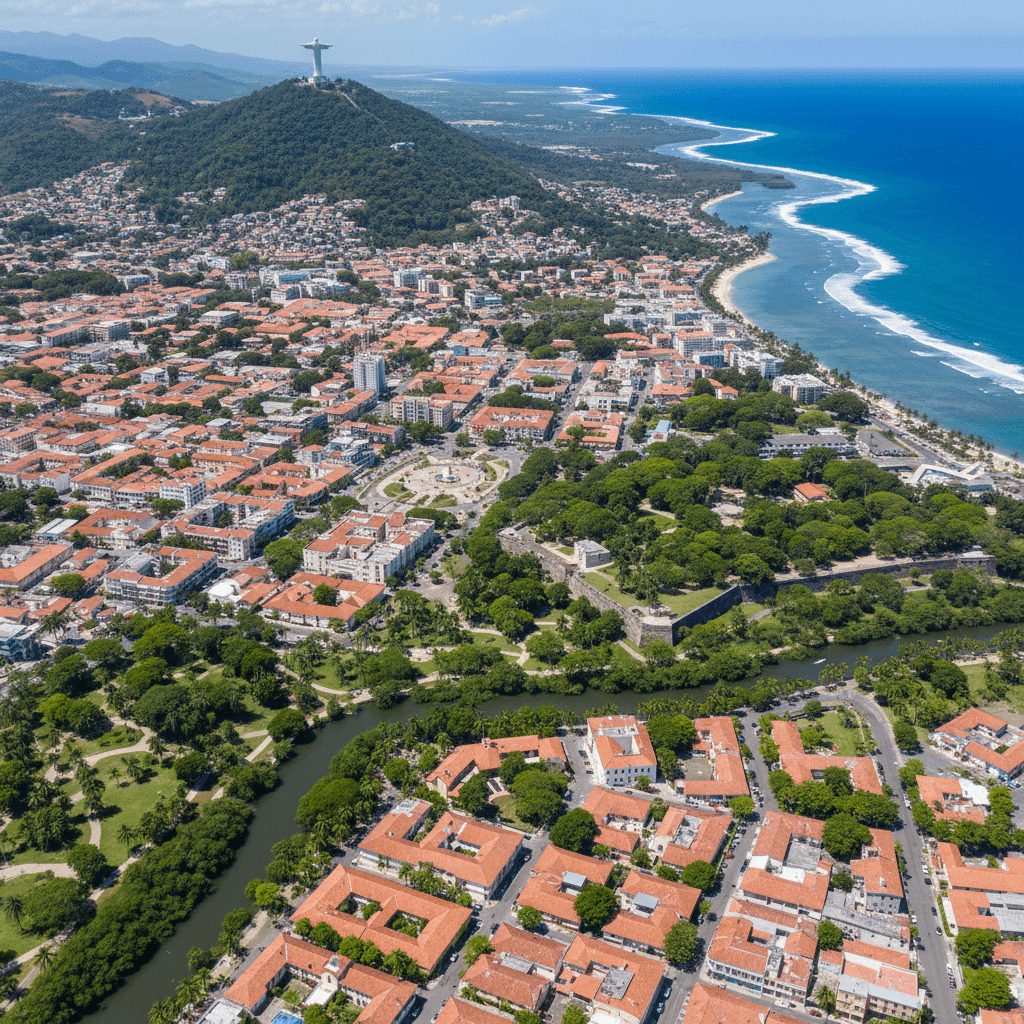
Puerto Plata
🇩🇴 Dominican Republic