Lapu-Lapu City
🇵🇭 Philippines
The Island Buffer
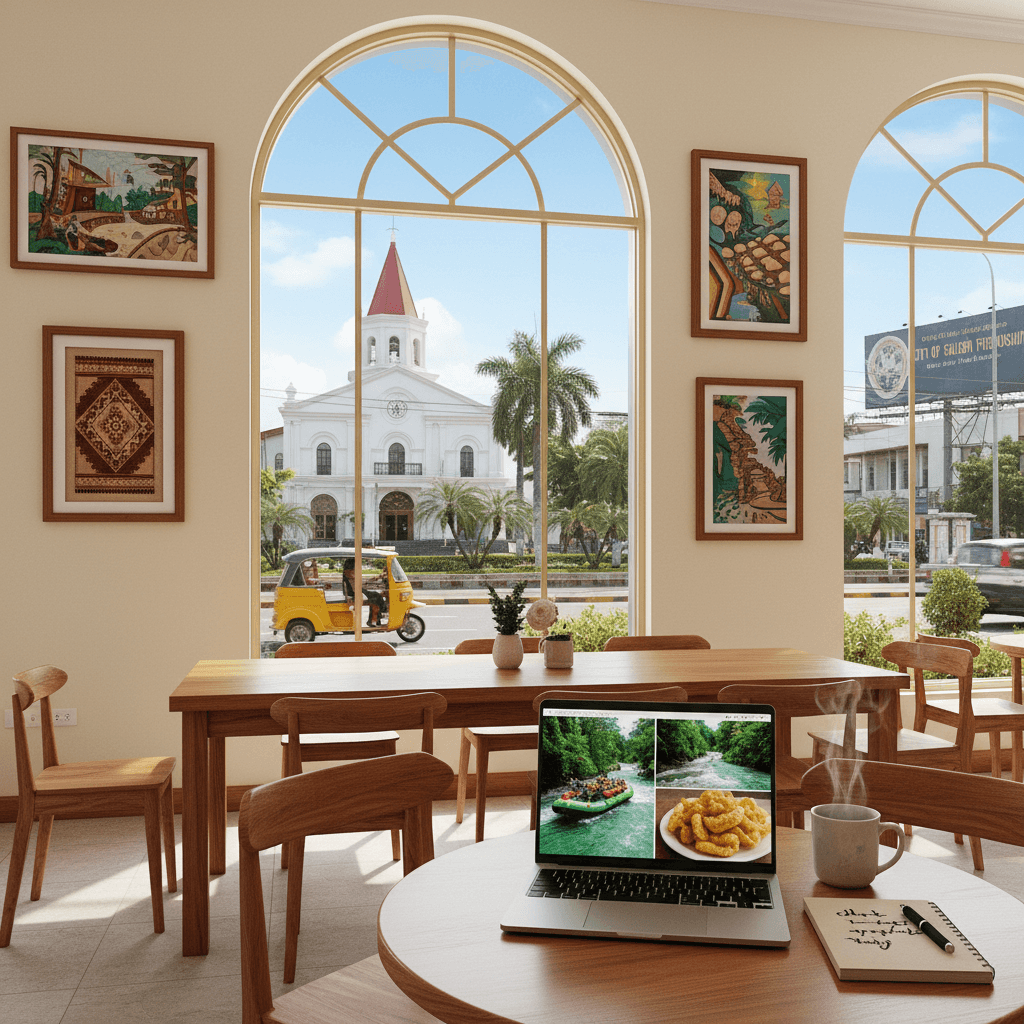
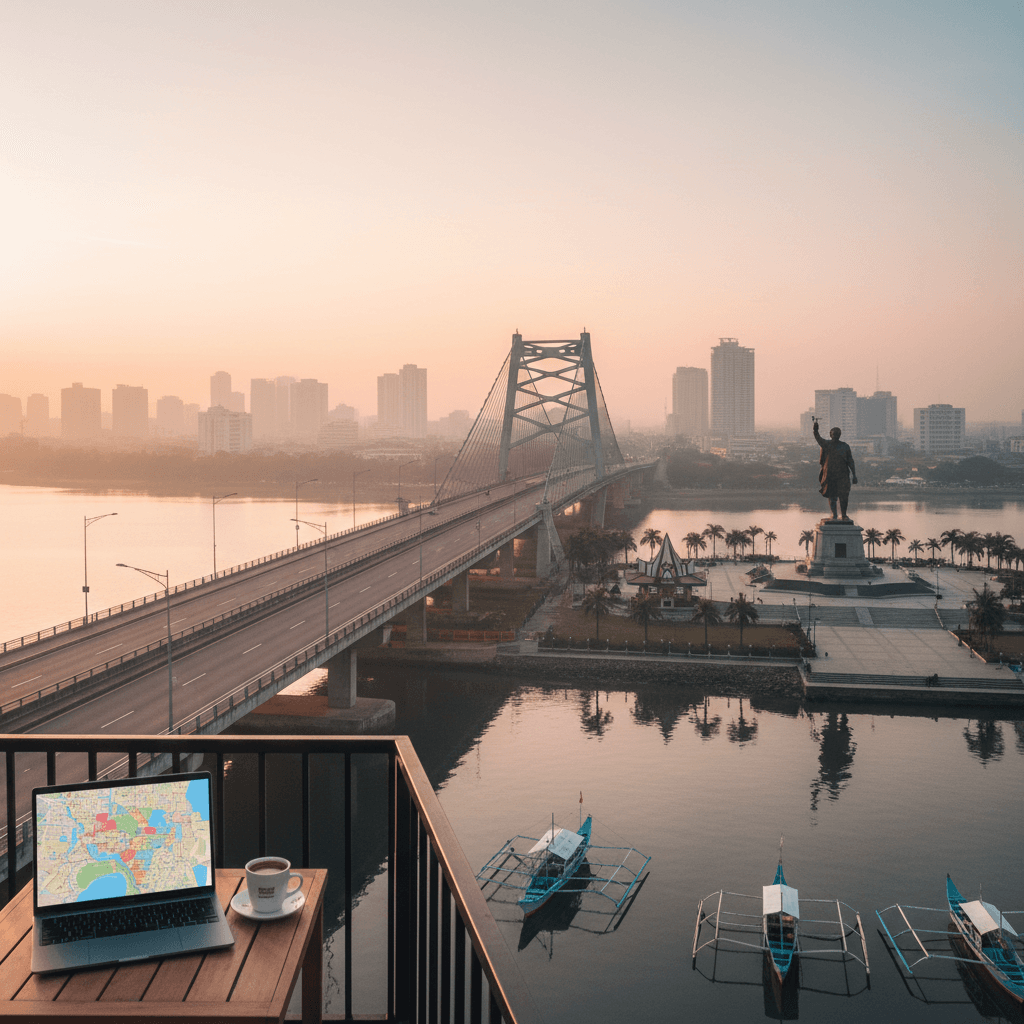
Lapu-Lapu City is where Cebu's high-octane energy slows down just enough to let you breathe. While Cebu City is the concrete heart of the region, Lapu-Lapu is its coastal lungs. It occupies the bulk of Mactan Island, connected to the mainland by three massive bridges, but the vibe here is distinctly more "flip-flops and laptops" than "suits and skyscrapers."
Most nomads come here for the specific balance of infrastructure and island access. You aren't stranded in the middle of nowhere; you're twenty minutes from an international airport and thirty minutes from a major metropolitan hub. Yet, you can finish a Zoom call at 4:00 PM and be on a boat for a sunset dive or a quick swim by 4:30 PM. It’s a hybrid existence that feels less like a grind and more like a permanent working vacation.
The Work-Leisure Split
The city has a split personality that actually works in your favor. On the western side, near the bridges, you have the industrial and economic zones. This is where the business happens. As you move east toward Maribago and Punta Engaño, the skyline shifts from factories to resort towers and palm trees. This is the sweet spot for expats and remote workers.
The local culture is incredibly welcoming, even by Filipino standards. You'll find a community that's used to foreigners but hasn't lost its soul to over-tourism. There’s a gritty, authentic charm to the local markets and jeepney routes that sits right next to high-end gated communities and luxury beach clubs. It’s not uncommon to grab a $2 plate of lechon from a street vendor and eat it while looking at a $300-a-night resort across the street.
The Digital Nomad Reality
Life here isn't perfect, and it requires some tactical planning. The internet can be temperamental if you’re just relying on standard hotel WiFi. Most seasoned travelers here swear by a dual-SIM setup using both Globe and Smart networks to stay tethered. If you need a guaranteed "office" day, spots like Nomads Hub or the Murals Hostel and Café provide that reliable 100 Mbps cushion that makes the lifestyle sustainable.
The cost of living is a major draw. While you can certainly blow a budget at five-star retreats, a comfortable mid-range life here usually sits around $1,500 a month. That buys you a modern condo, plenty of eating out, and weekend island-hopping trips. If you're on a tighter budget, staying in hostels like 1521 or Little Norway can keep your monthly burn under $1,000 without sacrificing the social scene.
What It Feels Like
Living in Lapu-Lapu feels like being in on a secret. While the masses head straight to Boracay or Siargao, you’re positioned in a place that has the malls, the hospitals, and the logistics of a city, but with the salt air of a tropical island. It’s the feeling of drinking a craft coffee at Night Owl Work Café while planning a weekend trip to the Olango Island Wildlife Sanctuary. It’s relaxed, slightly chaotic in the way all Philippine cities are, but ultimately rewarding for those who want the beach without giving up the grid.
- The Pace: Slower than Cebu City, faster than the provinces.
- The Crowd: A mix of diving enthusiasts, tech nomads, and Japanese or Korean expats.
- The Best Part: Being able to live in a resort-style neighborhood for a fraction of Western prices.
- The Challenge: Traffic on the bridges can be brutal during rush hour; time your mainland trips wisely.
Budgeting for the Island Life
Lapu-Lapu City hits a sweet spot for those who want the coastal lifestyle without the premium price tag of places like Boracay or El Nido. Because it shares a border with Cebu City, you get the benefit of competitive pricing on groceries and services, but with the added perk of being able to walk to a dive shop after your morning Zoom calls. Most nomads find they can live quite comfortably here on a fraction of what they would spend in North America or Europe.
For a baseline, a monthly budget of $1,500 puts you in the mid-range sweet spot. This covers a modern one-bedroom condo, regular dining out, and a dedicated desk at a coworking space. If you are on a tighter grind, you can squeeze by on $800 to $1,200 by sticking to hostels like 1521 or Murals and eating at local carinderias. On the flip side, if you want the full resort experience with pool access and daily housekeeping, expect to shell out $2,500 or more.
Accommodation and Rent
Your biggest variable will be how close you want to be to the water. The Maribago and Puntod areas are the most popular for expats because they house the major resorts and beach clubs, but you'll pay a "tourist tax" in the form of higher rents. If you head toward the Mactan Economic Zones, prices drop, though you lose that immediate vacation vibe.
- Budget Hostels: Dorms and basic privates at spots like 1521 Hostel or Little Norway Guesthouse run between $10 and $25 per night.
- Condos and Studios: A modern 1BR in a beach-adjacent complex typically costs between $400 and $800 per month.
- Resort Living: Short-term stays at places like Bluewater Maribago or Solea Mactan can range from $60 to $150 per night, though long-stay discounts are often negotiable if you talk to management directly.
Eating and Drinking
Food is where your budget can really breathe. Local street food like grilled pork skewers or puso (hanging rice) costs between $1 and $3. If you prefer sitting down in an air-conditioned cafe like Night Owl Work Café, a hearty bowl of pasta or a fresh salad will set you back about $5 to $8. Upscale seafood dinners at the major resorts generally start at $15 and go up from there.
Coffee culture is surprisingly strong here. You can grab a solid brew at Murals Hostel for a few dollars, and many nomads use these cafes as their primary office. For groceries, stick to the malls like Gaisano or Savemore for international brands, but hit the local wet markets for the freshest mangoes and seafood at local prices.
Transport and Connectivity
Getting around is cheap if you aren't afraid of a little humidity. The Grab app is the gold standard for safety and transparency; a typical trip across the island usually costs between $2 and $5. For the truly adventurous, public jeepneys are less than $1, though they can be cramped and confusing for newcomers.
Internet is a hidden cost you should plan for. While places like Nomads Hub offer high-speed WiFi for around $85 a month, home connections can be finicky. Most expats recommend a dual-SIM setup using both Globe and Smart. Buying a local SIM and loading it with a month of "unlimited" data usually costs between $10 and $20, providing a necessary backup for those inevitable tropical storms.
Daily Expenses at a Glance
- Coworking Day Pass: ₱25 (about $0.45) at Night Owl or higher for premium hubs.
- Beer at a Beach Bar: $1.50 to $3.00.
- Scooter Rental: $5 to $10 per day for exploring the island.
- Airport Transfer: $5 to $10 via Grab to reach the resort clusters.
For Beach-Obsessed Nomads: Maribago and Puntod
If you came to Mactan Island to work within sight of the ocean, Maribago is your home base. This is the heart of the island's resort culture, but it's surprisingly accessible for remote workers. Most nomads congregate around Murals Hostel and Café, which is famous for its 100 Mbps WiFi and unlimited coffee deals. It's the best spot to meet others who are balancing spreadsheets with sunset beers.
- The Vibe: Relaxed, salty, and social. You'll spend your mornings in a cafe and your afternoons on a boat or at a dive site.
- Rent: Budget around $400 to $800 for a decent studio or condo-hotel unit. Upscale resorts like Bluewater Maribago or Solea Mactan are great for "workcations" but cost significantly more.
- Pros: Immediate sea access and a built-in community of travelers.
- Cons: It isn't very walkable to the main business districts, and the area can feel quite touristy during peak season.
For Long-Term Expats and Business Pros: Mactan Economic Zones
Expats who need reliability over resort vibes usually head toward the areas surrounding the Mactan Economic Zones (MEZ). This neighborhood feels more like a standard city and sits closer to the bridges leading into Cebu City. You're trading the beach for proximity to Cebu IT Park and better infrastructure. It's the most practical choice if you're staying for six months or longer and need a "real life" setup.
- The Vibe: Corporate, modern, and efficient. It's where the island's industry happens.
- Rent: Modern apartments and condos range from $500 to $1,000 a month depending on the building's amenities.
- Coworking: You're close to Nomads Hub, which charges about $85 a month for high-speed internet and a professional lounge.
- Pros: Most reliable utilities on the island and easy access to the airport and major malls.
For Budget-Conscious Solo Travelers: Downtown Lapu-Lapu
Downtown is the place to be if you want an authentic Filipino experience without the resort price tag. It's gritty, loud, and full of life. Many solo travelers start here at 1521 Hostel to keep costs low while they scout the island for a long-term rental. You'll find the cheapest street food here, with local meals often costing between $1 and $3.
- The Vibe: High-energy and local. Expect crowded markets, tricycle noise, and plenty of character.
- Daily Costs: You can easily live on $30 to $40 a day including a private room and three meals.
- Internet: Don't rely on the street WiFi. Most travelers here use Globe or Smart SIM cards as hotspots to stay connected.
- Pros: Extremely affordable and close to the public ferry that goes straight to Cebu City's historic district.
For Families: The Gated Communities and Resort Residences
Families usually look for the gated subdivisions or high-end condo complexes tucked away between the airport and the Maribago coast. These areas offer 24/7 security and much-needed quiet. Expats with kids recommend these spots because they provide a buffer from the island's traffic while staying within a 15-minute drive of international schools and hospitals.
- The Vibe: Quiet, secure, and suburban. It’s the closest you’ll get to a Western-style neighborhood layout.
- Rent: Expect to pay $1,200 to $2,500 for a multi-bedroom house or a premium three-bedroom condo.
- Transport: You'll definitely want to use the Grab app for getting around, as these neighborhoods aren't designed for walking to the grocery store.
- Pros: Safe for kids, private pools, and away from the noise of the main roads.
Connectivity and Speed
Lapu-Lapu City offers a unique trade-off. You get the ocean breeze and resort lifestyle, but you have to be more intentional about your setup than you would be in Cebu City. Fiber connections at major resorts and modern condos generally hit 100 Mbps, which is plenty for video calls and heavy uploads. However, the island's infrastructure can be temperamental during tropical storms or local maintenance.
Most nomads recommend a "belt and braces" approach to connectivity here. Don't rely solely on hotel WiFi. Pick up both a Globe and a Smart SIM card at the airport or a local mall. Having both networks on a dual-SIM phone is the standard move because one often works where the other fails. You can get unlimited data packages for around $10 to $20, providing a reliable hotspot backup if the house internet fluticalates.
Top Coworking Spots
If you need a professional environment to get through a deep-work session, a few standouts cater specifically to the remote crowd. These spaces offer more than just a desk; they're the primary social hubs for meeting other travelers.
- Nomads Hub: This is a favorite for those staying long-term. It costs roughly $85 per month (around 78 Euro). The fee includes high-speed WiFi, a lounge area, and access to a decent food menu. It feels more like a community than a sterile office.
- Night Owl Work Café: For a more casual, budget-friendly vibe, this spot is hard to beat. They charge a nominal fee of about 25 Pesos per day (less than $0.50). It is perfect for light admin work while enjoying a bowl of pasta or a coffee.
- Murals Hostel and Café: Located in the Maribago area, this is a hybrid space. It’s a hostel that doubles as a legitimate workspace with 100 Mbps speeds. They offer office services and unlimited coffee, making it the go-to for solo travelers who want to work and socialize in the same building.
The Café Culture
Working from cafés is common in the resort districts like Maribago and the newer developments near the Mactan Economic Zones. While the local Filipino coffee scene is growing, always check for power outlets before you get settled. Many of the mid-range restaurants and coffee shops are "laptop-friendly" during the day, but they expect you to order a meal or a few drinks if you're staying for several hours.
For a reliable experience, stick to the cafés inside the larger malls or those attached to the boutique resorts. Places like Bluewater Maribago or Solea Mactan have stable enough WiFi in their common areas for casual emails, though they aren't dedicated quiet zones. If you have a critical meeting, head back to a coworking space or your private rental.
Digital Nomad Logistics
Managing your digital life is relatively easy here thanks to local fintech. Most nomads use GCash or Maya for daily transactions. These apps are widespread, from small shops to larger restaurants, reducing the need to carry stacks of cash. For larger payments like monthly rent at a condo-hotel, expect to pay between $400 and $800 for a studio in a nomad-friendly area like Maribago.
If you find the island's pace too slow or the internet too spotty for a specific project, Cebu IT Park is just a short Grab ride away. Many expats living in Lapu-Lapu make the trip to the mainland once or twice a week to utilize the 24/7 coworking centers and high-tier infrastructure there before retreating back to the beach for the weekend.
Staying Safe on Mactan Island
Lapu-Lapu City generally feels safer and more relaxed than the more frantic urban core of Cebu City. Most nomads find the resort areas like Maribago and Puntod to be very secure, as these neighborhoods are accustomed to international visitors. While violent crime targeting foreigners is rare, petty theft like pickpocketing can happen in crowded spots like the Pajo public market or near the Mactan Export Processing Zone (MEPZ). Keep your phone tucked away when you're walking along the main roads.
Walking at night is perfectly fine in well lit resort clusters, but travelers often say it's better to use Grab or a taxi if you're moving between neighborhoods after dark. Street lighting can be inconsistent once you move away from the main commercial strips. If you're heading out to the bars or night markets, just use the same common sense you'd use in any mid sized city. Stick to the busier streets and avoid isolated beach stretches late at night.
One specific safety tip for the island involves the water. While the diving is world class, always check the weather during the rainy season from June to October. Tropical storms can move in fast, making boat trips back from Olango Island or the Hilutungan Channel a bit choppy. Always ensure your boat operator provides life jackets before you head out for a day of island hopping.
Healthcare Facilities and Access
You don't have to worry about being stranded without medical care here. Lapu-Lapu is home to several reliable facilities, including Mactan Doctors' Hospital, which is the go to for most expats and nomads staying on the island. It's centrally located and can handle most emergencies and routine consultations. For more specialized care or major procedures, many expats recommend crossing the bridge to Cebu City to visit Cebu Doctors' University Hospital or Chong Hua Hospital, which are among the best in the country.
- Emergency Number: Dial 911 for immediate assistance.
- Pharmacies: You'll find Mercury Drug and Watsons in almost every mall, like Island Central Mactan or Mactan Marina Mall. They are well stocked with international brands.
- Consultation Costs: A standard visit to a general practitioner usually runs between $10 and $20, though specialist fees will be higher.
- Insurance: Most private hospitals expect upfront payment or a guarantee of payment from your provider. Make sure your digital nomad insurance covers "private" facilities to avoid long wait times at public clinics.
Staying Healthy in the Tropics
The biggest health hurdles for nomads in Lapu-Lapu are usually dehydration and heat exhaustion. The humidity is no joke, especially from March to May when temperatures hit 32°C (90°F) regularly. Drink bottled or filtered water only; most long term rentals and hostels like Murals provide large blue jugs of purified water. Avoid tap water even for brushing your teeth if you have a sensitive stomach.
Mosquito borne illnesses like Dengue occur periodically, particularly during the wetter months. Use a repellent with DEET if you're hanging out in garden cafes or near the mangroves at dusk. If you're planning on staying long term, it's a good idea to keep a digital copy of your immunization records, though no specific boosters beyond standard travel vaccines are usually required for the Philippines.
Useful Apps for Safety and Health
Technology makes staying safe much easier here. Expats heavily rely on Grab for its "Share My Ride" feature, which is much safer than flagging down a random white taxi at 2:00 AM. For health needs, the mWell or Doctor Anywhere apps are great for quick video consultations if you just need a prescription refill and don't want to fight the traffic to get to the hospital. For payments at clinics or pharmacies, GCash is widely accepted and saves you from carrying large amounts of cash.
The Daily Commute
Moving around Lapu-Lapu City is a bit of a balancing act between traditional island transport and modern convenience. Unlike the dense, vertical jungle of Cebu City across the water, Lapu-Lapu is more spread out. You'll find that your choice of transport mostly depends on whether you're staying in the resort heavy Maribago area or the more industrial Mactan Economic Zones.
For most nomads, the Grab app is a lifeline. It’s the most reliable way to get a car with air conditioning, which you’ll definitely want during the humid months between March and May. A typical ride across the city usually costs between $2 and $5. It’s safer and more predictable than hailing a random white taxi on the street, though those are also plentiful and use meters.
Public Transport and Local Flavor
If you want to live like a local or you're on a tighter budget, the jeepneys are the way to go. These colorful, iconic vehicles ply the main arteries of Mactan Island for less than $1 per ride. They can be cramped and dusty, but they’re the most authentic way to get from the downtown area to the beaches. Many expats also use the newer, air conditioned "modern jeepneys" which offer a much more comfortable experience for a slightly higher fare.
For short hops within neighborhoods like Maribago or near the Mactan-Cebu International Airport, try a tricycle. These are motorcycles with sidecars that can squeeze into narrow side streets where cars won't go. Always negotiate the price before you hop in, especially in tourist heavy zones where "foreigner pricing" is common.
- Grab Car: $2 to $5 per trip, best for comfort and safety.
- Jeepneys: Under $1, great for short local hops.
- Taxis: Metered, widely available near malls and the airport.
- Tricycles: Negotiable rates, best for very short distances.
Two Wheels for Freedom
Many long term travelers and digital nomads prefer the autonomy of a scooter. You can rent a reliable bike for around $5 to $10 per day, or even cheaper if you negotiate a monthly rate. This is particularly useful if you're staying at a spot like Murals Hostel and Café but want to head to Nomads Hub or Night Owl Work Café without waiting for a ride. Just be warned that traffic in Lapu-Lapu can get chaotic, and the roads near the economic zones are often packed with large trucks.
Getting to Cebu City
Since Lapu-Lapu is on an island, you'll eventually want to cross over to Cebu City for the bigger malls or specialized coworking spaces. There are three bridges connecting the two. Traffic can be a nightmare during rush hour, turning a 20 minute trip into a 90 minute crawl. Many nomads recommend taking the Cebu-Cordova Link Expressway (CCLEX) if you're coming from the south of Mactan; it’s a stunning architectural feat and much faster, though there is a toll fee.
For a more scenic and often faster route, look for the Metro Ferry. It runs from the Mactan Ferry Terminal near the Hoops Dome to Pier 3 in Cebu City. It’s cheap, avoids the bridge traffic entirely, and gives you a great view of the channel.
Walking and Walkability
Lapu-Lapu isn't a particularly walkable city in the traditional sense. Sidewalks are often narrow or nonexistent once you leave the main resort clusters. However, within specific "pockets" like the Maribago resort strip, you can easily walk between your accommodation, local dive shops, and cafes. If you're staying downtown or near the airport, expect to rely on wheels for almost everything. Travelers often say that choosing your neighborhood based on where you plan to work is the best way to minimize time spent in traffic.
The Linguistic Landscape
You won't have much trouble getting your point across in Lapu-Lapu City. Since it's the gateway to the region via the international airport and a major hub for high-end resorts, the level of English proficiency is exceptionally high. Most locals you'll interact with in the Maribago resort area or the Mactan Economic Zones speak English fluently, or at the very least, with a high degree of functional competence. It's the primary language for business, signage, and menus, so you can easily manage everything from negotiating a scooter rental to discussing WiFi speeds at Nomads Hub without a translator.
The local heartbeat, however, is Cebuano (often called Bisaya). While Tagalog is the national language taught in schools, Cebuano is what you'll hear in the markets and on the jeepneys. Locals are incredibly proud of their dialect and generally prefer it over Tagalog. If you've spent time in Manila, you might notice the "Taglish" blend is less common here; instead, you'll hear a mix of Cebuano and English. Most nomads find that even a tiny effort to use local words goes a long way in building rapport with shopkeepers and Grab drivers.
Key Phrases for Your Pocket
While you can survive on English alone, learning a few Bisaya basics will definitely earn you some smiles. It helps break the "tourist" ice, especially when you're exploring the more local spots in Downtown Lapu-Lapu.
- Salamat: Thank you. (The most important word in your vocabulary).
- Maayong buntag: Good morning.
- Pila kini? How much is this? (Useful for street food or market stalls).
- Palihug: Please.
- Lami! Delicious! (Use this at the BBQ stands).
- Para: Stop. (The universal shout to get off a jeepney).
Communication Tools and Apps
Digital communication is the lifeblood of the city. For your phone, don't rely on international roaming; it's expensive and often sluggish. Most expats recommend a dual-SIM setup using both Globe and Smart. Signal strength can vary block by block, so having both ensures you stay connected if one network dips. You can pick up a SIM at the airport for about $10 to $20 with a generous data package.
For daily logistics, Grab is the gold standard for ride-hailing and food delivery. It removes the need for verbal directions or haggling over prices, which is a relief when you're tired. For payments and local transfers, GCash or Maya are ubiquitous. You can use them to pay at most cafes like Night Owl Work Café or even some smaller vendors. If you do get stuck on a complex translation, Google Translate works well, though its Cebuano database isn't quite as polished as its Tagalog one.
Social Etiquette and Nuance
Communication in the Philippines is generally indirect and very polite. You'll notice locals are incredibly friendly but may be hesitant to say "no" directly to avoid causing "hiya" (shame or embarrassment). If you ask for something and get a vague or non-committal answer, it's often a polite way of saying it's not possible. Travelers often say that a patient, smiling approach works much better than being blunt or demanding.
In the coworking scene, the "bahala na" vibe prevails. It's a relaxed, go-with-the-flow attitude. While business meetings are professional, social interactions are casual. If you want to meet people, the Murals Hostel and Café is a great spot where the community speaks a mix of everything, and the staff are happy to help you practice your Cebuano pronunciation over a coffee.
The Tropical Rhythm
Lapu-Lapu City enjoys a classic tropical climate where the mercury stays steady between 25°C and 32°C (77°F to 90°F) throughout the year. You won't need a sweater here, but you'll definitely need a high-quality umbrella and a solid backup plan for your internet connection when the clouds roll in.
The year is split into two main phases: the dry season and the rainy season. While it's warm enough for a beach day in any month, the humidity and precipitation levels change the vibe of the city significantly. Most nomads find that timing their stay around the local festivals and the clearest skies makes a massive difference in their productivity and social life.
The Sweet Spot: December to April
If you're looking for those postcard-perfect white sand days at Bluewater Maribago or Solea Mactan, this is your window. The air is slightly cooler and much drier, especially from January to March. This is peak season for a reason. The skies are consistently blue, making it the best time for island hopping or taking your laptop to the poolside at Murals Hostel and Café.
Expats usually recommend arriving in early January. You'll catch the tail end of the holiday breeze and be perfectly positioned for the Sinulog Festival in nearby Cebu City. Just keep in mind that since the weather is perfect, prices for short-term resort stays can jump by 20-30%, and the popular coworking spots like Nomads Hub tend to fill up faster.
The Shoulder Season: May and November
May is the hottest month of the year. It's the height of the Philippine summer, and the heat can be intense if you aren't near the coast. If you're staying in the Mactan Economic Zones, you'll be relying heavily on air conditioning, which can bump up your utility costs. However, the water is incredibly flat and clear, which is a dream for divers and snorkelers.
November is a bit of a wildcard. It's the transition month where the rains start to taper off. You might get lucky with a week of sunshine, or you might spend a few days watching tropical downpours from a window at Night Owl Work Café. The upside is that resort rates begin to stabilize before the Christmas rush.
The Rainy Season: June to October
This is when the southwest monsoon, or Habagat, takes over. You should expect heavy, sudden rain showers, usually in the late afternoon or at night. While it rarely rains all day every day, this is also typhoon season. Major storms can cause power flickers or disrupt the patchy microwave internet signals often found in the more remote beach areas.
Travelers on a budget often prefer this time because you can snag luxury resort rooms in Maribago for a fraction of the dry-season price. If you're a "slow nomad" who spends most of their day indoors working anyway, the rainy season isn't a dealbreaker. Just make sure your accommodation has a generator and you have both Globe and Smart SIM cards ready to use as hotspots if the fiber line goes down during a storm.
Quick Seasonal Breakdown
- Best for Beach Lovers: February to April. Expect 30°C days and very little rain.
- Best for Budget Seekers: August to October. You can find mid-range stays for under $1,200 a month.
- Hottest Month: May. Temperatures often hit 34°C with high humidity.
- Wettest Months: July and September. Essential to have a waterproof bag for your tech.
Most long-term residents suggest planning your "deep work" projects for the mid-year rains and saving your island exploration for the first quarter of the year. Whatever month you choose, the water temperature remains a balmy 27°C (80°F), so a morning swim is always on the table.
Connectivity and Tech Prep
Internet in Lapu-Lapu City has improved, but it's still a bit hit or miss once you leave the main resort hubs. Most nomads recommend a dual SIM strategy. Pick up both Globe and Smart SIM cards at Mactan-Cebu International Airport or any local mall. It'll cost about $10 to $20 for a month of heavy data. Having both networks ensures you can hotspot your laptop if one provider's tower goes down during a tropical storm.
For serious deep work, head to Murals Hostel and Cafe. They've got 100 Mbps WiFi and a dedicated setup for remote workers. If you're on a budget, Night Owl Work Cafe is a local favorite. It only costs about 25 pesos (under $0.50) for day access, and they serve decent pasta and bowls to keep you fueled. Nomads Hub is another solid choice if you want a more corporate feel, charging around $85 for a monthly pass that includes unlimited drinks.
Money and Banking
Cash is still king for street food and jeepneys, but the digital economy is moving fast. Download GCash or Maya. These mobile wallets are used everywhere from high end boutiques to small neighborhood sari-sari stores. You can link them to your international cards or top them up at 7-Eleven kiosks.
ATMs are plentiful in the Mactan Economic Zones and inside malls like Gaisano or Island Central Mactan. Stick to bank-affiliated ATMs rather than standalone ones in convenience stores to avoid higher fees. Expats usually suggest keeping a buffer of three to six months of expenses in an accessible account, just in case of banking delays or emergencies.
Getting Around the Island
Don't bother with traditional taxis if you can avoid it. Download the Grab app immediately. A typical trip across the island or over to Cebu City usually runs between $2 and $5. It's safer, the price is fixed, and the cars are air conditioned. For short hops within resort areas like Maribago, you can try a tricycle or a jeepney for less than $1, though it's a bumpy, dusty ride.
If you're staying for a month or more, renting a scooter for $5 to $10 a day is a great way to explore the less touristy parts of the coastline. Just be ready for the chaotic traffic near the bridges connecting Mactan to mainland Cebu. If you're heading to the airport, a Grab will cost about $5 to $10 and take roughly 20 minutes from the main beach resorts.
Health and Safety
Lapu-Lapu is generally safe, especially in the gated condo complexes and resort areas. Standard travel common sense applies; don't flash expensive tech in poorly lit areas at night. For healthcare, you're in a good spot. There are several clinics on the island, and the high quality hospitals in Cebu City are just a bridge away. Most pharmacies are well stocked and located inside the major malls.
Finding a Home
The best strategy for housing is to book an Airbnb or a hostel like 1521 Hostel for your first two weeks. This gives you time to scout neighborhoods in person. Check out Puntod or Maribago if you want that beach lifestyle, or look near the Economic Zones if you prefer being close to modern grocery stores and gyms. Join local Facebook groups for Cebu and Mactan expats; that's where the best long term rental deals are posted. A decent one bedroom condo in a resort area typically ranges from $400 to $800 per month.
Seasonal Timing
The best time to be here is between December and April. The weather is dry, the sea is calm for diving, and the heat is manageable. July through October is typhoon season. While Mactan is somewhat shielded, you should expect heavy rains that can knock out power or slow down the internet for a few hours at a time. If you're here during the rainy season, make sure your accommodation has a backup generator.
Need visa and immigration info for Philippines?
🇵🇭 View Philippines Country GuideEasy Landing
Settle in, no stress
Monthly Budget Estimates
More cities in Philippines
Legazpi City
🇵🇭 Philippines
Naga City
🇵🇭 Philippines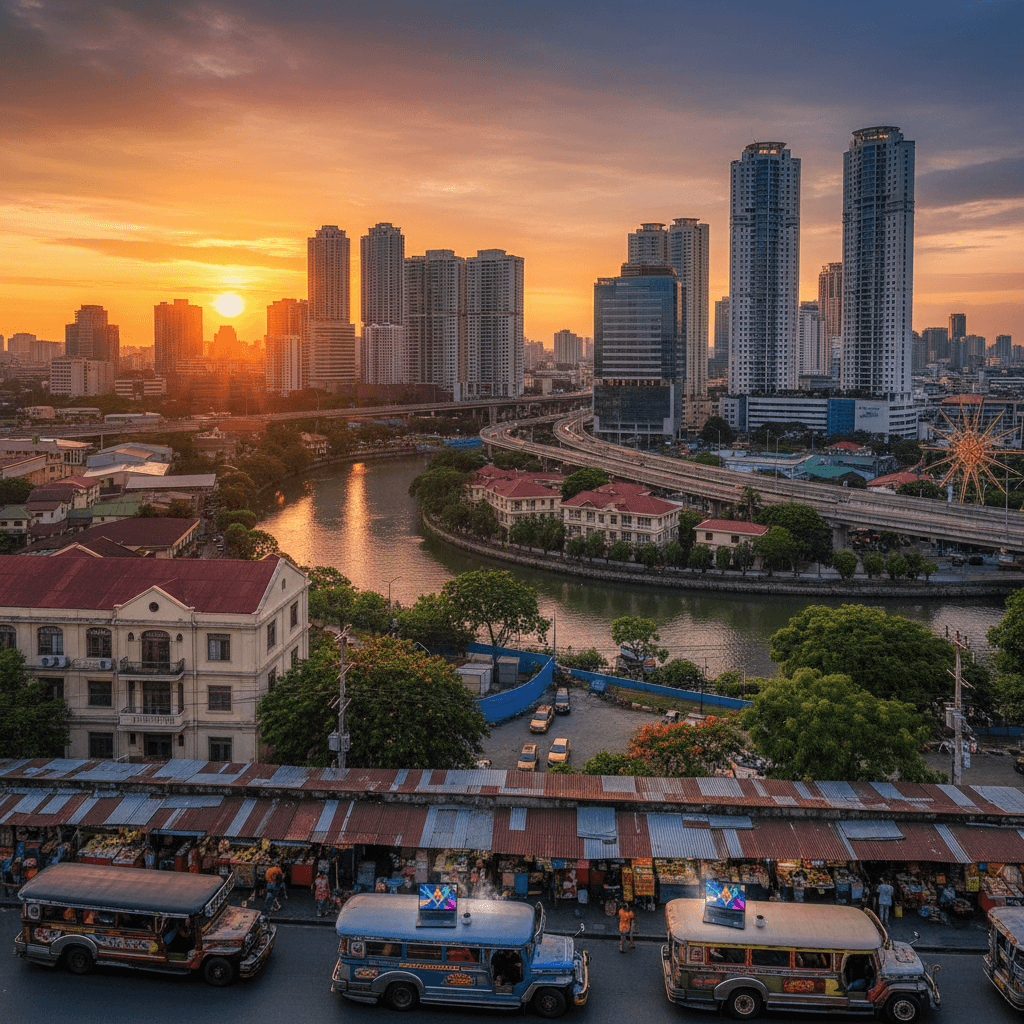
Pasig (Ortigas)
🇵🇭 Philippines