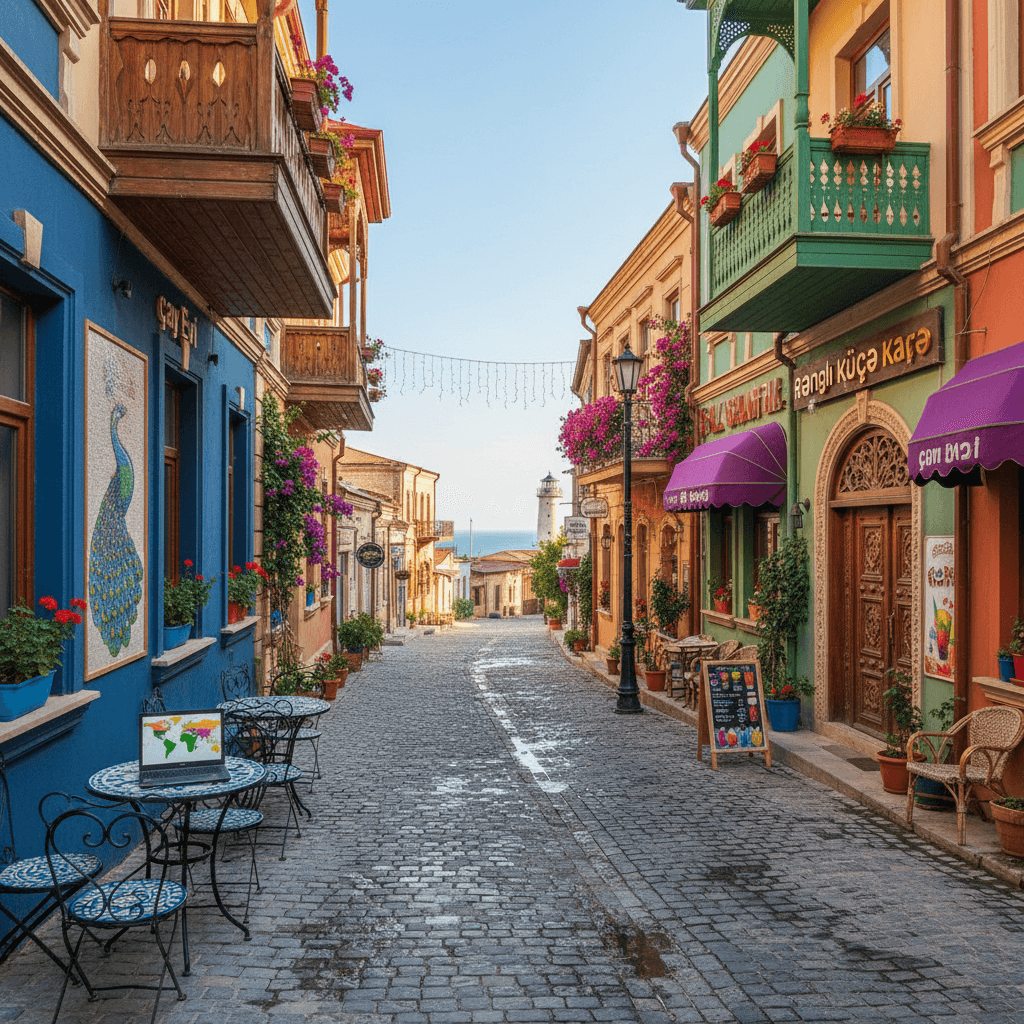
Lankaran
🇦🇿 Azerbaijan
Overview & Vibe
If Baku is Azerbaijan's high-octane answer to Dubai, Lankaran is its deep, restorative exhale. Tucked into the lush southeastern corner of the country, this isn't a place of glass skyscrapers or frantic networking events. Instead, it's a subtropical retreat where the Talysh Mountains meet the iron-rich black sands of the Caspian Sea. You'll find a landscape defined by tea plantations, citrus groves, and the ancient ironwood trees of Hirkan National Park, where the rare Caucasian leopard still roams the shadows.
The vibe here is unapologetically slow. It's a town of samovars and quiet hospitality, where the scent of lemon trees hangs in the humid air. For digital nomads, the draw isn't a pre-packaged expat scene; it's the chance to be a trailblazer in an emerging destination. You're trading the "new Dubai" buzz for a rural pace, where work sessions are fueled by some of the best tea in the world and breaks involve wandering through 18th-century fortresses or the colorful chaos of the local bazaar.
Living here feels like stepping into a greener, more humid version of the Silk Road. You'll likely spend your mornings working from a guesthouse terrace overlooking the sea and your afternoons exploring the Old Prison where Stalin was once held. It’s a strategic, affordable base for those who value nature and authenticity over high-energy urban hubs.
Cost of Living
Lankaran is significantly more affordable than Baku, with most nomads finding their monthly expenses drop by 30% to 50% compared to the capital. It’s a budget-friendly haven where your dollar stretches remarkably far, especially regarding fresh local produce and transport.
- Budget Nomad ($800-$1,200/month): This covers a basic studio in the city center for $150-$250, street food meals for $2-$4, and getting around via local buses.
- Mid-Range ($1,200-$2,000/month): You can secure a comfortable one-bedroom near the beach for $250-$400, eat at mid-range restaurants for $8-$12, and rely on rideshare apps for daily travel.
- High-End ($2,000+/month): This tier allows for modern apartments with sea views for $400+, upscale dining, and private car rentals for weekend mountain excursions.
Neighborhoods
Lankaran is compact and easy to wrap your head around, though it lacks the clearly defined "expat zones" you might see in larger cities. Most visitors choose their base based on their proximity to the water or the mountains.
City Center & Old Port
- Rent: $150-$300 for a modest apartment.
- The Vibe: The heart of the action. You’re within walking distance of the lighthouse, the fortress, and the ancient bazaar.
- Pros: Best access to shops, markets, and the most reliable internet connections.
- Cons: Can be a bit noisier with local traffic and lacks the serenity of the outskirts.
Beach Areas (Kenaramesha)
- Rent: $300-$500 for resort-style stays or modern rentals.
- The Vibe: Relaxed and seasonal. This is where you go for the famous black-sand beaches and wellness retreats.
- Pros: Fresh sea breezes and a holiday atmosphere.
- Cons: Can get crowded in the peak of summer and feels a bit isolated in the winter.
Mountain Outskirts
- Rent: $200-$400 for rural houses or guesthouses.
- The Vibe: Lush, quiet, and incredibly green. Perfect for those who want to be near Hirkan National Park.
- Pros: Unbeatable air quality and immediate access to hiking trails.
- Cons: You'll need a car or a reliable taxi contact to get into town for supplies.
Internet & Working Culture
Azerbaijan has invested heavily in its digital infrastructure, and Lankaran benefits from surprisingly robust internet. You can expect speeds between 50Mbps and 100Mbps in most modern hotels and renovated apartments. While there aren't any dedicated coworking spaces in the city yet, the local tea house culture is welcoming. Locals often spend hours over a single pot of tea, making these spots perfect for casual laptop work.
For a more professional setup, nomads often use Azercell or Nar SIM cards. You can pick these up at the bazaar or in Baku for $5-$15, often with 20GB or more of data. If you need a formal coworking environment, you'll have to head back to Baku, but for most remote tasks, a reliable VPN and a local SIM will see you through.
Logistics & Safety
Getting around is simple and cheap. Bolt and Yandex Go are the dominant ride-hailing apps, with short trips across town costing just $2-$5. If you're feeling adventurous, the overnight train from Baku is a classic experience, costing roughly $10-$20 for a sleeper berth.
Safety is rarely a concern here. Azerbaijanis are famously hospitable, and in a smaller city like Lankaran, locals are often eager to help visitors. The crime rate is very low, and there are no specific areas that nomads need to avoid. For healthcare, the city center has functional pharmacies and basic hospitals, though for anything specialized, a trip to Baku is recommended. Most nomads find that a simple "Salam" and a smile are the only tools they need to navigate daily life smoothly.
The Cost of Living in Lankaran
Lankaran is where your budget finally takes a breather. While Baku leans into its "New Dubai" aspirations with rising prices to match, this southern coastal retreat remains refreshingly affordable. You can expect your daily expenses to sit roughly 30% to 50% lower than in the capital. It is a place where you trade high-end shopping malls for sprawling tea plantations and black-sand beaches, all without draining your bank account.
Monthly Budget Tiers
Most digital nomads find they can live comfortably here on far less than they would in Europe or even Georgia. Here is how the monthly math usually breaks down:
- The Budget Nomad ($800 - $1,200): This covers a simple studio in the city center or a guesthouse near the Old Port for about $150 to $250. You will be eating mostly at the bazaar or local tea houses, where a solid meal costs $2 to $4, and using local buses to get around.
- The Mid-Range Resident ($1,200 - $2,000): This is the sweet spot for most. You can snag a nice one-bedroom apartment near the sea for $250 to $400. It allows for plenty of rideshares, better dining options at around $10 per meal, and weekend trips into the Talysh Mountains.
- The High-Comfort Expat ($2,000+): At this level, you are looking at modern apartments with Caspian views starting at $400. You can afford private drivers for excursions to Hirkan National Park and frequent meals at upscale resort restaurants where dinner hits $30 or more.
Housing and Neighborhoods
Lankaran does not have "expat enclaves" in the traditional sense. Instead, you choose based on your proximity to nature or basic amenities. The City Center near the old fortress and bazaar is the most practical choice for solo travelers. It is walkable, close to the markets, and has the most reliable access to the few cafes suitable for work. Rent here is incredibly low, though the buildings are often older.
If you prefer the sound of the waves, look toward the Beach Areas like Kenaramesha. It is more seasonal and quiet, but the wellness-focused vibe is great for those on a health kick. For a total retreat, the Outskirts near the mountain foothills offer privacy and lush greenery, though you will definitely need a car or a reliable Bolt driver to get into town for supplies.
Food, Connectivity, and Gear
Eating is a highlight here, and it is remarkably cheap. The region is the citrus and tea capital of Azerbaijan. You can spend an entire afternoon in a tea house for a few dollars. Local rice and fresh seafood from the Caspian are staples. For groceries, skip the small shops and head to the central bazaar for the freshest produce at local prices.
Connectivity is surprisingly solid. While there are no dedicated coworking spaces in Lankaran yet, the national internet infrastructure is robust. Most hotels and modern cafes offer speeds between 50Mbps and 100Mbps. For backup, grab a local SIM card from Azercell or Nar. You can get 20GB of data for about $5 to $10, and the 4G coverage is reliable across the city.
Practical Logistics
Moving around the city is easy on the wallet. Bolt and Yandex Go are the dominant apps here, with short rides across town costing between $2 and $5. If you are heading to the mountains or the Ghizil-Agaj Reserve, a private taxi for the day is usually negotiable and affordable. For banking, most nomads use Wise or Revolut to withdraw Manat (AZN) from ATMs, which are plentiful in the city center. Just keep some cash on hand for the bazaar and smaller tea houses where card readers are still a rarity.
Solo Travelers and Nomads
If you are landing in Lankaran to get some work done while soaking up the local atmosphere, the City Center (near the Old Port) is your best bet. This area keeps you within walking distance of the 18th-century mosque, the lighthouse, and the ancient bazaar. It is the most practical choice because it is where you will find the most reliable internet and the few cafes comfortable enough for a laptop session.
- Rent: Budget around $150 to $250 for a studio or a central guesthouse.
- Vibe: Traditional and functional. You are right in the thick of the local markets and the historic Old Prison where Stalin was once held.
- Working Spots: Since dedicated coworking spaces do not exist here yet, nomads usually post up in hotel lobbies or tea houses. Local SIMs from Azercell or Nar are cheap, often around $10 for 20GB, and serve as a vital backup for tethering.
Nature-Loving Expats
For those planning to stay a few months and who value quiet over convenience, the Talysh Mountain Outskirts are the way to go. Living near the edge of Hirkan National Park means you are surrounded by ancient ironwood forests and tea plantations. It is a world away from the dust of the city, though you will definitely need a car or a reliable driver to get around.
- Rent: Expect to pay $300 to $450 for larger, more private properties or modern villas with mountain views.
- Vibe: Deeply rural and lush. This is where you go for leopard spotting, hiking, and total immersion in the regional citrus culture.
- Practicality: Infrastructure is thinner here. You will want to secure a high speed 5G router or ensure your landlord has upgraded the fiber connection before signing a lease.
Families and Wellness Seekers
The Beach Areas, particularly around Kenaramesha to the south, offer a resort-style lifestyle that works well for families. The famous black-sand beaches are right at your doorstep, and the area is known for its peaceful atmosphere. It feels more like a vacation spot than a city, which is perfect if your priority is fresh air and space for kids to run.
- Rent: Mid-range apartments or beach houses typically run $250 to $400 per month.
- Vibe: Relaxed and seasonal. It is lively in the summer but turns into a ghost town during the rainy winter months.
- Transportation: Use Bolt or Yandex Go to get into the city center; rides usually cost between $2 and $5.
Key Living Costs by Tier
Lankaran is significantly more affordable than Baku, with most expats finding their daily expenses drop by nearly 40% once they leave the capital. Here is how the monthly budget usually breaks down:
- Budget: $800 to $1,200. This covers a basic city center studio, eating mostly at the bazaar or local tea houses, and using public buses for transport.
- Mid-range: $1,200 to $2,000. This allows for a nicer 1-bedroom near the sea, frequent rideshares, and dining out at mid-tier restaurants where a meal costs about $8 to $12.
- Comfortable: $2,000+. At this level, you are looking at premium modern rentals, private car hires for trips to the Ghizil-Agaj Reserve, and upscale dining.
Practical Logistics
Getting around is straightforward once you learn the rhythm of the town. The center is walkable, but for anything further, the Bolt app is your best friend. If you are coming from Baku, the southbound train or bus takes about 4 to 6 hours and costs roughly $10 to $20. For your daily caffeine and social fix, the local tea houses are the heart of the community, though they are more about slow conversation than high-speed networking. Most nomads find the local hospitality overwhelming; do not be surprised if a shopkeeper invites you for tea just to practice their three words of English.
Connectivity and Speeds
Lankaran might feel like a sleepy coastal retreat, but its digital infrastructure is surprisingly modern. Thanks to Azerbaijan's national fiber optic push, most guesthouses and hotels in the city center deliver speeds between 50Mbps and 100Mbps. It is reliable enough for Zoom calls and heavy uploads, though you should expect occasional stability dips during the humid summer storms. For a backup, the 5G rollout is still in its infancy here, but 4G coverage is excellent across the town and even reaches into parts of the Hirkan Forest.
Most nomads skip the hotel WiFi and set up a local hotspot immediately. You can grab a SIM card at the local bazaar or authorized shops for $5 to $10. Azercell and Nar are the preferred providers for data coverage. A monthly package with 20GB of data usually costs under $15. If your phone supports it, setting up an eSIM before you arrive is the smoothest way to hit the ground running.
The Coworking Reality
If you are looking for a sleek, glass walled coworking space with ergonomic chairs and networking mixers, you won't find it in Lankaran. This is a trailblazer destination where your "office" is more likely to be a seaside cafe or a traditional tea house. For a dedicated coworking environment, you would need to head back to Baku's hub, but Lankaran offers a different kind of productivity based on quiet and lack of distraction.
The local working culture is casual. You can spend hours at a tea house (Chaykhana) for the price of a $2 pot of tea. While these spots are great for deep work, they aren't ideal for confidential meetings. For a more professional setting, nomads usually gravitate toward the higher end hotels near the Old Port or the beach resorts, which are accustomed to guests on laptops and offer more privacy.
- Best for Focused Work: Boutique hotels in the City Center. They offer the most stable WiFi and quiet lobbies.
- Best for Atmosphere: Tea houses near the 18th century mosque. Great for clearing your inbox while soaking in the local pace.
- Best for Long Sessions: Seaside resorts south of the city. You'll get better views and more comfortable seating, though you may need your own hotspot.
Practical Work Style Tips
Power outlets can be sparse in older establishments, so always carry a fully charged power bank and a multi plug adapter. The standard European two pin plug is what you'll need here. If you need to print documents or scan files, look for the small "Foto" or "Internet Club" shops near the central bazaar; they are cheap and efficient for administrative tasks.
Banking and payments have improved significantly. Most cafes and shops in the center accept Visa and Mastercard, but the tea houses and smaller markets are strictly cash (Manat). Expats recommend using Wise or Revolut for ATM withdrawals to get the best exchange rates. For getting around between work spots, download the Bolt or Yandex Go apps. Rides across town rarely exceed $3, making it easy to hop between your accommodation and a new cafe when you need a change of scenery.
Remote Work Costs
- Monthly SIM with 20GB+ Data: $10 to $15
- Daily Coffee/Tea Budget: $3 to $6
- Daily Desk Rental (Hotel Lobby/Cafe): Free with a purchase
- Mobile Hotspot Speed: 20 to 40Mbps
The lack of a formal nomad "scene" is actually the draw here. You won't be competing for bandwidth with fifty other developers. Instead, you get a peaceful, low cost environment where the local hospitality is genuine and the tea is always fresh. It is a location for the self reliant nomad who values nature and a slower pace over organized networking events.
A Safe Haven on the Caspian
Lankaran is remarkably safe, even by the high standards of Azerbaijan. While Baku has the energy of a major capital, this southern retreat feels like a large village where everyone knows their neighbor. Violent crime is practically unheard of here. Most nomads find that the biggest "danger" is the overwhelming hospitality of the locals, who might insist on sharing tea or fruit from their garden when they realize you're a visitor.
Solo travelers, including women, generally report feeling comfortable walking around the City Center or the Old Port area after dark. There aren't any specific "no-go" zones or dangerous neighborhoods to avoid. You should exercise the usual common sense with your belongings in crowded spots like the Lankaran Bazaar, but petty theft isn't a major concern. If you're out exploring the Hirkan National Park, your primary safety focus should be on the terrain and wildlife rather than people. Stick to marked trails, especially since the dense forests are home to the rare Caucasian leopard.
Healthcare Infrastructure
The healthcare scene in Lankaran is functional for routine issues but limited compared to what you'll find in Baku. For minor ailments, stomach bugs, or basic infections, the city center has several reliable pharmacies (aptek) and small clinics. Most pharmacists are helpful, though you'll definitely need Google Translate to communicate your symptoms since English proficiency is low.
- Emergency Services: Dial 112 for all emergencies. This is a universal number that connects to fire, police, and ambulance services.
- Routine Care: There are public and private facilities near the Old Prison area and the central administrative district. These are fine for a quick consultation or basic blood work.
- Serious Conditions: If you face a significant medical emergency or require specialized surgery, expats recommend heading straight to Baku. The capital is about a 4 to 5 hour drive away and offers international-standard hospitals like the Bona Dea International Hospital.
Wellness and Medical Tourism
Interestingly, Lankaran is becoming a niche spot for wellness. The local hot springs and wellness resorts like those near Lankaran Springs are popular destinations for those seeking thermal water treatments and medically guided relaxation. Many regional travelers come here specifically for the therapeutic properties of the local hot springs, which are said to help with various skin and joint issues. If you're a nomad looking to decompress after a long stint of deep work, a weekend at one of these "sanatorium-style" resorts is an affordable luxury.
Practical Health Tips
While tap water in some parts of Azerbaijan is technically drinkable, most long-term residents stick to bottled or filtered water to avoid any stomach upsets. You'll find 5-liter jugs at any local market for less than $1.50. Also, keep in mind that the humidity in the summer can be intense. If you're working from a cafe or exploring the citrus plantations in July or August, stay hydrated and carry sun protection.
Before you arrive, ensure your travel insurance covers medical evacuation to Baku or your home country. It's a small price to pay for peace of mind when you're living in a more remote, rural setting. Most nomads find that as long as they have their basic prescriptions filled in advance, Lankaran's slow pace and fresh mountain air actually do wonders for their overall health.
Getting Around Lankaran
Lankaran is a compact city where the pace of life matches the slow growth of the surrounding tea plantations. Most of your daily movement will happen within a small radius, especially if you're based near the Old Port or the city center. It’s a place where you can comfortably walk between the ancient bazaar and the lighthouse without breaking a sweat, though you'll want wheels for exploring the black sand beaches or the mountain forests.
Ride-Hailing and Taxis
While Lankaran feels rural, the digital infrastructure is surprisingly modern. Bolt and Yandex Go are the dominant forces here. They're incredibly affordable and save you the hassle of negotiating fares in broken Azerbaijani. A quick trip across town usually costs between $2 and $5. Most nomads find these apps far more reliable than hailing a random car on the street, as the price is locked in before you sit down.
Public Transit and Regional Links
The local bus system is functional but lacks the polish of Baku’s network. Small buses, known as marshrutkas, navigate the main roads and connect the center to the outskirts. For longer hauls, like getting to Lankaran from the capital, the train is a scenic and budget-friendly choice. A ticket from Baku generally runs between $10 and $20, taking about 5 to 6 hours. It’s a slow burn, but the views of the Caspian coastline make the time pass quickly.
Cycling and Two-Wheeled Exploration
If you're staying near the beach zones like Kenaramesha, renting a bike is the way to go. Several hotels and local tour operators offer rentals for around $5 a day. The flat terrain along the coast is perfect for cycling to the ironwood forests or citrus groves. Just be mindful of the traffic in the city center; while drivers are generally respectful, the roads can get congested near the bazaar during peak market hours.
Reaching the Nature Reserves
To visit the heavy hitters like Hirkan National Park or the Ghizil-Agaj Reserve, you'll need a more dedicated transport plan. Since these are roughly 30 to 60 minutes outside the city, many expats recommend hiring a local driver for the day. You can often arrange this through a guesthouse or by chatting with a driver at the main taxi stands near the Old Prison. It’s a flexible way to see the leopard habitats or go birdwatching without worrying about a return trip.
Practical Transit Tips
- Download Offline Maps: English isn't widely spoken by drivers, so having your destination pinned on an offline map is a lifesaver.
- Small Change: If you aren't using an app, always carry small Manat (AZN) bills. Drivers rarely have change for large denominations.
- Airport Transfers: While there is a small local airstrip, most travelers land at Baku (GYD) and take the train or a private car south.
- Walking: The city center is highly walkable, but the humidity in July and August can make even a ten minute stroll feel like a marathon. Plan your walks for the early morning or late evening during summer.
The Local Tongue
In Lankaran, Azerbaijani is the heartbeat of daily life. It is a Turkic language that sounds melodic and shares some DNA with Turkish, so if you have any experience in Istanbul, you will recognize a few words. While Baku is rapidly pivoting toward English, Lankaran remains a place where the local vernacular rules the bazaar and the tea houses. You will find that older residents and those in the service industry are often fluent in Russian, a remnant of the Soviet era that still serves as a handy lingua franca for travelers.
English proficiency is quite low here. You might find a handful of young people or hotel staff who speak basic phrases, but don't expect deep philosophical debates in English over your morning chai. Most nomads find that a friendly smile and a few hand gestures go a long way. Locals are incredibly hospitable and will often go out of their way to understand you, even if it involves a game of charades or calling over a neighbor who knows three words of English.
Survival Phrases
Learning a few Azerbaijani basics isn't just practical; it's a massive respect signal that opens doors. Start with Salam for hello and Sağ ol (pronounced sah-ol) for thank you. If you are shopping at the central bazaar, you will definitely need to ask Neçədir? (How much?). To show you really enjoyed that plate of plov, tell your host Çox ləzzətlidir (It is very delicious).
- Hə / Yox: Yes / No
- Zəhmət olmasa: Please
- Bağışlayın: Excuse me / Sorry
- İngiliscə bilirsiniz?: Do you speak English?
Digital Communication Tools
Since you won't find many English menus or signs once you leave the main resort areas, your smartphone is your best friend. Download the Google Translate offline pack for Azerbaijani before you arrive. The camera translation feature is a lifesaver for deciphering labels at the grocery store or signs at the bus station. For getting around, Bolt and Yandex Go are the dominant apps. They allow you to set your destination digitally, which bypasses the need to explain complex directions to a driver who doesn't speak your language.
For staying connected, expats recommend grabbing a local SIM card immediately. Azercell and Nar are the most reliable providers in the south. You can usually find a starter kit for $5 to $10 that includes upwards of 20GB of data. If your phone supports it, setting up an eSIM before you land is an even smoother way to hit the ground running with 5G or 4G speeds that are surprisingly robust for a sleepy coastal town.
Social Etiquette and Connection
Communication in Lankaran is as much about body language and ritual as it is about words. If someone invites you for tea, say yes. It is the primary way people socialize here. When entering a local home, remember to remove your shoes at the door. While the town is relaxed, it is still traditional, so dressing modestly, especially when visiting the 18th-century mosque or rural villages in the Talysh Mountains, helps ensure positive interactions.
Since there isn't a massive expat community or dedicated coworking hubs, you won't find many formal networking events. Instead, social life happens at the tea plantations and the black sand beaches. If you're looking for other nomads, your best bet is joining Azerbaijan-wide Facebook groups or InterNations, though most people you meet in Lankaran will be locals or domestic travelers from Baku. Don't be surprised if a stranger at the bazaar strikes up a conversation just to be welcoming; it's just the Lankaran way.
The Humid Subtropical Rhythm
Lankaran doesn't follow the same dry, arid rules as Baku. Because it sits between the Caspian Sea and the lush Talysh Mountains, it enjoys a humid subtropical climate that keeps the landscape emerald green year round. You'll notice the air feels heavier and softer here, which is why the region is the heart of Azerbaijan's tea and citrus production. If you're coming from the capital, the drop in temperature and increase in moisture are immediately apparent.
Peak Season: April to June and September to October
For most nomads, the sweet spots are late spring and early autumn. During April, May, and June, the tea plantations are vibrant, and the citrus trees are in bloom. Temperatures hover comfortably between 18°C and 25°C, making it the best time to hike through Hirkan National Park without breaking a sweat. You'll avoid the heavy rains of winter and the stifling humidity of peak summer.
September and October offer a second window of perfection. The Caspian remains warm enough for a dip at the black sand beaches, but the daytime highs settle back down to a manageable 22°C. This is harvest season, so the local bazaars are overflowing with fresh lemons, oranges, and feijoa. It's the most scenic time for photography and outdoor work sessions on a cafe terrace.
The Summer Swelter: July and August
July and August are the hottest months, with averages hitting 29°C, though it often feels hotter due to the high humidity. While the sea breeze provides some relief, this is when the town gets its busiest with local vacationers. If you're sensitive to heat, you might find the "sticky" air a bit much for productivity. Most expats who stay through summer plan their deep work for the early mornings and spend their afternoons in the shaded mountain forests or by the water.
The Rainy Retreat: November to March
Lankaran is the wettest city in Azerbaijan. The rainy season kicks off in November and lasts through March. January is typically the wettest and coolest month, with highs around 9°C and lows dipping to 4°C. While it rarely gets "Siberian cold," the dampness can feel bone-chilling if your accommodation doesn't have solid heating.
- Wettest Month: January, with frequent grey skies and persistent drizzle.
- Snowfall: Rare and usually light, though the nearby Talysh Mountains will wear a white cap for several months.
- Nomad Tip: If you visit in winter, prioritize apartments with "kombi" heating systems rather than just electric space heaters.
Seasonal Packing Essentials
Your packing list depends entirely on the month, but a few items are non-negotiable for this specific microclimate:
- Spring/Autumn: Light layers and a waterproof shell. The weather can shift from sunny to a sudden Caspian squall in thirty minutes.
- Summer: Breathable linen or cotton fabrics. Avoid synthetic materials that don't breathe in high humidity.
- Winter: A high quality raincoat and waterproof boots. The streets in the older parts of town and near the tea plantations can get muddy after a downpour.
- Year-round: Sturdy hiking shoes if you plan to explore the Hirkan Forest or look for the elusive Caucasian leopard.
Monthly Climate Breakdown
- January: 9°C / 4°C. Very wet, quiet, and sleepy. Good for writers seeking isolation.
- April: 18°C / 10°C. Fresh, green, and ideal for exploring the old fortress and bazaar.
- July: 29°C / 22°C. Peak beach season. Humid and lively.
- October: 22°C / 14°C. Golden hour lasts all day. The best balance of price, weather, and crowds.
The Cost of Living
Lankaran is significantly more affordable than Baku, with most nomads finding their monthly expenses drop by 30% to 50% compared to the capital. It is a budget-friendly base where your money goes a long way, especially regarding fresh produce and local transport.
- Budget Tier ($800 to $1,200/month): A basic city center studio usually runs between $150 and $250. You can eat well on street food and local markets for $2 to $4 per meal.
- Mid-Range Tier ($1,200 to $2,000/month): This covers a 1-bedroom apartment near the sea for $250 to $400. Dining at sit-down restaurants typically costs $8 to $12.
- Comfortable Tier ($2,000+/month): For those wanting modern amenities and seaside views, expect to pay $400+ for rent. Private car rentals and upscale dining bring your daily food spend to $30+.
Where to Set Up Base
The city is compact, so you won't find sprawling expat enclaves. Most people choose a neighborhood based on how close they want to be to the forest or the waves.
City Center & Old Port: This is the most practical choice for solo nomads. You are within walking distance of the bazaar, the old fortress, and the 18th-century mosque. It is walkable and lively, though the infrastructure is older.
Kenaramesha & Beach Zones: South of the center, you will find the famous black-sand beaches. It is much quieter here, making it a favorite for families or those on a wellness retreat. Just be aware that WiFi can be spottier in these seasonal resort areas.
The Outskirts: If you are here for the Talysh Mountains or the tea plantations, look for guesthouses near Hirkan National Park. It is remote, so you will need a car, but the air is cool and the hiking trails are right outside your door.
Connectivity and Remote Work
You won't find dedicated coworking spaces like those in Baku. Instead, the local work culture revolves around tea houses and cafes. Most hotels and modern rentals provide reliable speeds between 50Mbps and 100Mbps, which is plenty for video calls.
For mobile data, grab a local SIM from Azercell or Nar. You can find them at the bazaar or small shops in town. Expect to pay about $5 to $15 for a generous data package of 20GB or more. If your phone supports it, eSIMs are an easy way to get connected before you even arrive.
Getting Around
The city center is easy to navigate on foot. For longer trips, Bolt and Yandex Go are the dominant ride-hailing apps. They are incredibly cheap, with short city hops usually costing between $2 and $5. Local buses and trains connect Lankaran to Baku for about $10 to $20, a journey that takes roughly 4 to 6 hours.
If you want to explore the tea plantations or the Ghizil-Agaj Reserve, talk to your hotel about renting a bike or scooter for around $5 a day. For deep mountain treks, hiring a local taxi driver for the day is the standard move.
Health and Safety
Lankaran is remarkably safe. Crime is low, and locals are famously hospitable, often striking up conversations with visitors in the town square. For healthcare, there are functional hospitals and plenty of pharmacies in the city center near the Old Prison area. While they can handle routine issues, head back to Baku for anything specialized or serious. In an emergency, dial 112.
Weather and Timing
Lankaran has a subtropical climate, meaning it stays greener and wetter than the rest of Azerbaijan. The humidity can be intense in the peak of summer, while winters are mild but damp.
- Best Months: April to June and September to October. The weather sits comfortably between 20°C and 25°C, perfect for the beach or the forest.
- Hottest Months: July and August often hit 29°C with high humidity.
- Wettest Period: November through March. January is the coolest month, averaging around 4°C to 9°C.
Practical Essentials
Cash is still king in the markets, so keep Manat (AZN) on hand. ATMs are easy to find, and cards like Wise or Revolut work at most machines. When it comes to local customs, remember that tea is a social ritual here. If someone invites you for tea, it is a genuine gesture of hospitality. Dress modestly when visiting mosques, and always remove your shoes before entering someone's home.
Need visa and immigration info for Azerbaijan?
🇦🇿 View Azerbaijan Country GuideHidden Gem
Worth the effort