Langkawi (Kuah)
🇲🇾 Malaysia
The Island Escape You Didn't Know You Needed
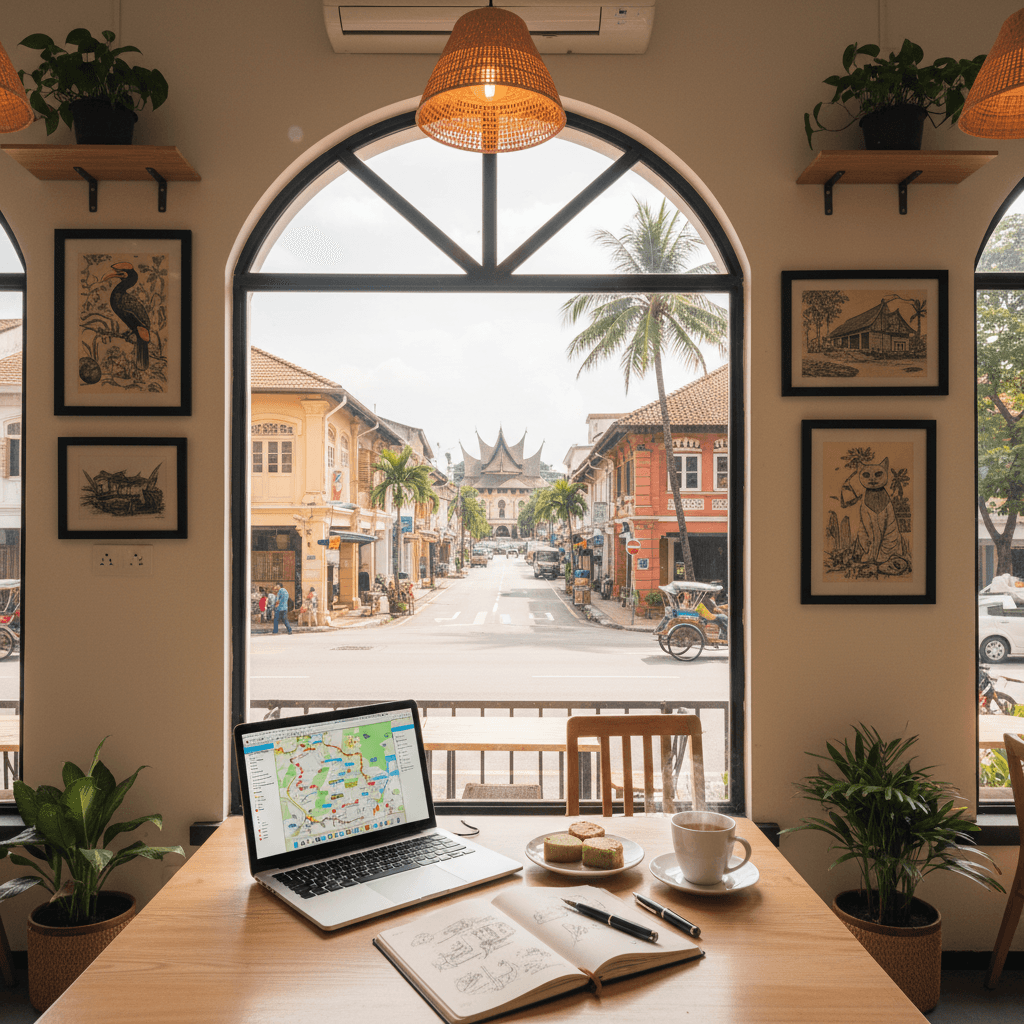
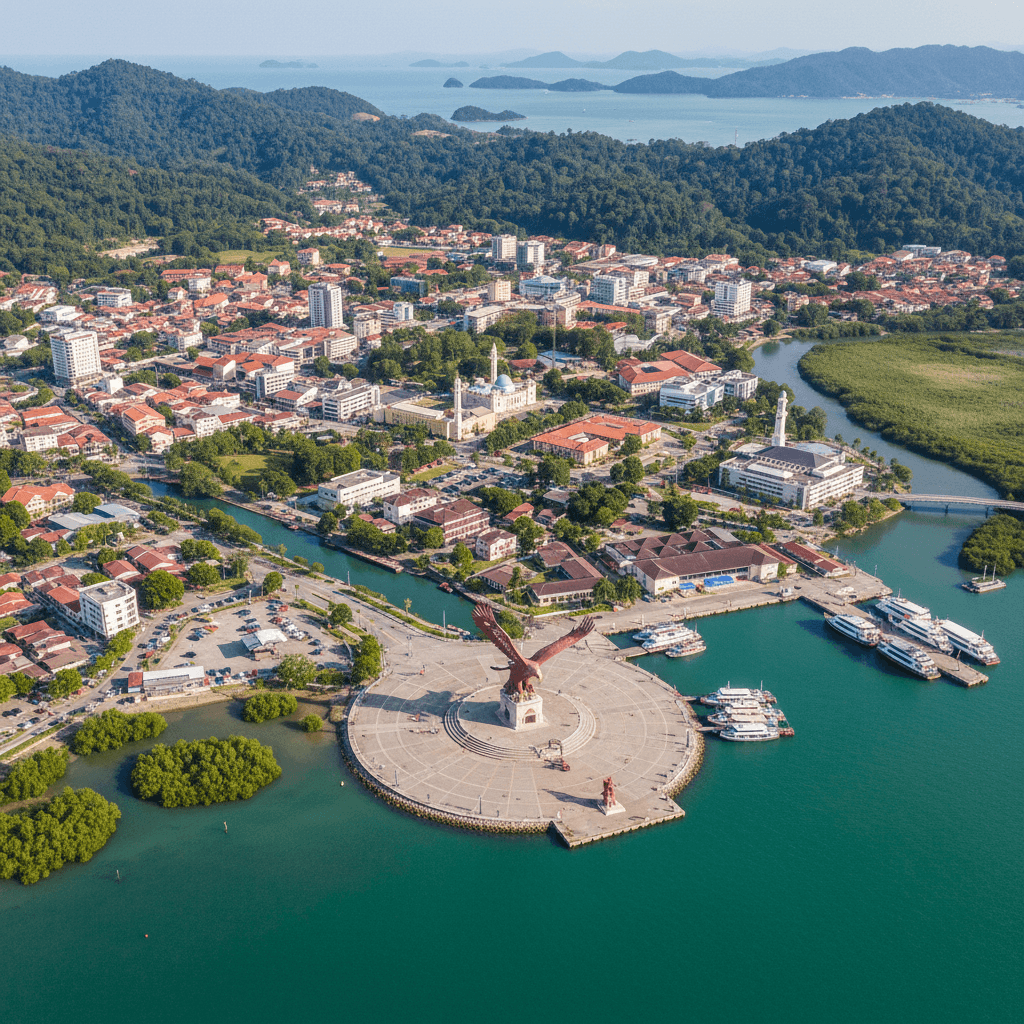
Langkawi feels like the quiet, slightly eccentric cousin of Penang. While George Town thrives on heritage architecture and a frenetic street food scene, Langkawi trades the pavement for a UNESCO Global Geopark designation. It is a place where the rainforest literally meets the sea, and the pace of life slows down to a crawl. You aren't here for high-octane city living; you're here to work with a view of the Andaman Sea and maybe spot a sea eagle during your lunch break.
The vibe is distinctly laid back. Because the island is duty-free, there is a unique social scene centered around yachting and affordable sundowners that you won't find elsewhere in Malaysia. It is rugged, green, and surprisingly unpretentious. Most nomads find that the island’s charm lies in its simplicity. You'll likely spend your mornings at a cafe in Pantai Cenang and your afternoons exploring limestone caves or riding a scooter through emerald paddy fields.
The Nomad Reality Check
Living here requires a bit of a mental shift. If you are coming from a tech hub like Bali or Chiang Mai, Langkawi might feel "under-developed" at first. The nightlife is mellow rather than wild, and the "city" of Kuah feels more like a sleepy administrative center than a metropolitan capital. However, for those who find the digital nomad trail getting a bit too crowded, Langkawi offers a breath of fresh air and a genuine sense of community among the expats who call the marinas home.
The emotional experience of Langkawi is one of decompression. It is the kind of place where you stop checking your watch and start timing your day by the tide or the arrival of the night market. It isn't perfect, the internet can be finicky in the hills and the lack of public transport means you'll need to get comfortable on a motorbike, but the trade-off is a level of peace that's becoming rare in Southeast Asia.
What It Costs to Live the Island Life
Langkawi is remarkably affordable, especially considering its status as a premier tourist destination. Your biggest variable will be how close you want to be to the beach. Here is a breakdown of what to expect for a monthly budget:
- The Budget Nomad: Around $880 per month. This involves staying in Pantai Tengah or Kuah, eating at local mamak stalls for $3 a meal, and skipping the dedicated coworking spaces in favor of local cafes.
- The Mid-Range Resident: Around $1,357 per month. This gets you a comfortable one-bedroom apartment outside the main tourist drag, a dedicated desk at Jetpack Langkawi for $140 a month, and plenty of dinners at mid-range spots where a meal averages $18.
- The High-End Expat: Around $2,430 per month. This covers a premium villa or a high-end condo near the marinas, frequent car rentals, and a lifestyle that leans heavily into the island's upscale dining and sailing scene.
The Neighborhood Breakdown
Choosing where to drop your bags depends entirely on how much "action" you need. Most newcomers gravitate toward the coast, while long-termers often head inland for better value.
- Pantai Cenang: The heartbeat of the island. It is the most walkable area and home to the majority of the nomad infrastructure. If you want to walk from your laptop to the sand in five minutes, this is your spot.
- Kuah: The main town. It lacks a beach but makes up for it with the best local food prices and the famous night markets on Wednesdays and Saturdays. It feels much more like "real" Malaysia.
- Pantai Tengah: Just south of Cenang, it offers a similar vibe but with a bit more breathing room and slightly lower prices for long-term rentals.
- The Marinas: Areas like Telaga Harbour or the southwestern coast are favorites for the sailing crowd. It is quiet, scenic, and feels very "old world" expat.
Ultimately, Langkawi is for the nomad who wants to trade the "hustle" for the "hang." It is a place to recharge, focus on a deep-work project, and enjoy a tropical lifestyle that doesn't break the bank.
Living in Langkawi is a unique financial balancing act. On one hand, you have the island's duty free status, which makes luxuries like alcohol, chocolate, and imported goods significantly cheaper than in Kuala Lumpur or Penang. On the other hand, because it is an island, some fresh produce and specialized services can carry a slight premium. Most digital nomads find they can live a very comfortable life here for anywhere between $1,088 and $1,616 per month.
Monthly Budget Breakdown
Your biggest variable will always be accommodation and how often you choose to eat at "tourist" restaurants versus local spots. Here is how the monthly math usually shakes out for different styles of living:
- The Budget Nomad ($880/mo): This involves staying in a guesthouse or a studio outside the main tourist drag, eating primarily at local Malay stalls or night markets, and skipping the dedicated coworking spaces in favor of your own porch or a quiet cafe.
- Mid-Range Comfort ($1,350/mo): This is the sweet spot for most. It covers a decent one bedroom apartment, a regular desk at Jetpack Langkawi, a scooter rental, and a mix of local food and international dining.
- The High-End Lifestyle ($2,400+/mo): At this level, you are looking at a premium villa or a high floor apartment with a view, dining out at upscale spots in Pantai Cenang every night, and perhaps keeping a car instead of a bike.
Housing and Neighborhoods
Rent varies wildly depending on how close you are to the sand. If you want to be in the heart of the action in Pantai Cenang, expect to pay around $1,000 a month for a modern one bedroom apartment. It is the most expensive area, but you save on transport because everything is walkable.
If you head into Kuah, the island's capital, prices drop significantly. You can often find a solid place for $750 a month. While Kuah lacks a swimming beach, it has the best grocery stores and the most authentic food scene. Expats who stay long term often look toward the marina areas in the southwest, where the vibe is quieter and more community focused. Pro tip: Negotiate your rate directly if you are staying longer than a month. Many Airbnb hosts will slash their prices by 20 to 30 percent for a guaranteed 30 day booking.
Food and Drink
Langkawi is a paradise for people who hate cooking. A plate of Nasi Kandar or a hearty bowl of Laksa at a local spot will only set you back about $3. If you prefer a sit down meal at a mid range restaurant with a view, you are looking at roughly $18. Weekly groceries for the basics like eggs, fruit, and bread usually total around $45. Coffee culture is growing here too, with a solid latte costing about $2.50.
Transport and Connectivity
Since there is no public bus system, you have to factor in wheels. Most nomads rent a scooter for RM10 to RM30 per day, though you can get a better deal on a monthly contract. If you prefer not to drive, Grab is your best friend. It is affordable for short hops, but the costs add up if you are crossing the island daily. For your digital life, a local SIM card with plenty of data is a steal at about $2 a month, while a dedicated coworking membership at Jetpack Langkawi costs roughly $140 a month.
The Duty Free Advantage
It is worth mentioning that Langkawi is one of the few places in Malaysia where "sin taxes" don't apply. While a beer in Kuala Lumpur might be $6 or $7, you can find them here for less than $1 in some shops. If you enjoy a glass of wine or a beer at sunset, this single factor can save you hundreds of dollars over the course of a month compared to other Southeast Asian hubs.
For Social Nomads: Pantai Cenang
If you want to be where the pulse of the island is, Pantai Cenang is your home base. It is the most developed stretch of Langkawi, packed with beach bars, duty free shops, and the highest concentration of fellow remote workers. You won't need a scooter for your daily errands here, as most things are walkable along the main strip. Most nomads find themselves at Jetpack Langkawi during the day, which is the island's premier coworking hub with reliable speeds and a community of regulars.
- The Vibe: High energy, social, and tourist centric.
- Monthly Rent: Expect to pay around $1,000 for a decent one bedroom apartment or a long stay hotel suite.
- Best For: People who hate being alone and want sunset drinks within a five minute walk of their desk.
For Long Term Expats: Kuah Town
Kuah is the island's administrative heart and the most "real" place to live. It lacks a proper swimming beach, but it makes up for it with the best grocery stores, banks, and local eateries. Expats often choose Kuah because the cost of living is significantly lower than the beach zones. You'll find the famous night market here on Wednesdays and Saturdays, where you can grab a full dinner for under $5. It feels less like a holiday and more like a home.
- The Vibe: Local, practical, and convenient.
- Monthly Rent: You can find modern condos for $600 to $750, which is a steal compared to the coast.
- Best For: Those who prioritize budget and local culture over being near the sand.
For Solo Travelers and Budget Seekers: Pantai Tengah
Just south of Cenang and separated by a small headland, Pantai Tengah offers a more chilled out alternative. It is popular with solo travelers who find Cenang too frantic but still want access to good cafes and a social scene. It is home to some of the island's better boutique hostels and mid range guest houses. Travelers often say it feels like the "grown up" version of Cenang, with slightly better international dining options like Hidden Langkawi for evening vibes.
- The Vibe: Relaxed, slightly bohemian, and approachable.
- Monthly Rent: Guest houses and Airbnbs usually land around $750 to $900 for a month.
- Best For: Solo travelers who want a balance of peace and proximity to the action.
For Seclusion Seekers: Pulau Rebak and the Marinas
If you are coming to Langkawi to truly disappear or if you are part of the global yachting community, the areas around the marinas are your best bet. Pulau Rebak is a private island resort that hosts a large number of live aboard sailors and long term residents. It is isolated, meaning you'll need to take a ferry to the main island for supplies, but the silence is unbeatable. Similarly, the southwestern area near the Telaga Harbour offers a high end, secluded lifestyle favored by those with a larger budget.
- The Vibe: Exclusive, quiet, and maritime focused.
- Monthly Rent: High end rentals or resort stays can easily exceed $1,300.
- Best For: Sailors, writers, or anyone looking for total digital detox vibes while still having WiFi.
If you're coming from Kuala Lumpur or Penang, prepare for a reality check. You aren't going to find lightning-fast gigabit fiber at every corner cafe. Internet in Langkawi is best described as "serviceable." You can definitely get your work done, but you'll want a backup plan for those days when the island's infrastructure decides to take a nap.
The Real Deal on WiFi Speeds
Expect average speeds between 17 Mbps and 20 Mbps. While that’s plenty for Slack, emails, and the occasional Zoom call, it can struggle with heavy video editing or massive file uploads. Most mid-range hotels and Airbnbs in Kuah and Cenang provide decent connections, but it’s always smart to ask for a speed test screenshot before booking a long-term stay. If you’re staying in more remote parts of the island or up in the rainforest, don't be surprised if the connection drops during heavy tropical rainstorms.
Top Coworking Spots
Langkawi isn't a massive digital nomad hub like Bali, so the coworking scene is small but tight-knit. It's the kind of place where you'll actually get to know the person sitting next to you.
- Jetpack Langkawi: This is the island’s primary workspace and the heart of the nomad community. It’s located near the beach action in Cenang. It’s reliable, air-conditioned, and has the most stable backup power on the island. Pricing is straightforward: 40 RM per day (about $9 USD), 240 RM per week (around $52 USD), or 650 RM for a full month (roughly $140 USD).
- Travel Kumbang: A solid alternative if you want a different vibe. They offer high-speed internet, wireless printing, and the holy grail of productivity: a nap room. They also keep the free coffee flowing, which is a nice perk for those early morning calls with European or US time zones.
Cafe Culture and Remote Work
Kuah has a growing number of cafes where you can flip open a laptop for an hour or two. Local nomads often frequent spots like Smiling Buffalo or various cafes along the Pantai Cenang strip. However, the "work from cafe" culture isn't as established here as it is in larger cities. Some smaller local joints won't have WiFi at all, and others might have "no laptop" policies during busy lunch hours. Always bring a power bank, as accessible outlets are a luxury, not a guarantee.
Mobile Data: Your Lifeline
Since landline WiFi can be hit or miss, a local SIM card is mandatory. The good news is that mobile data in Malaysia is incredibly cheap. You can pick up a SIM at the airport or any small shop in Kuah for about 10 RM per month (roughly $2 USD) for a basic plan. Major providers like Maxis (Hotlink), Celcom, and Digi all have decent coverage.
- Maxis/Hotlink: Generally considered to have the best coverage across the island, including more rural areas.
- Celcom: A very close second, often better in the mountainous interior.
- Pro Tip: Most nomads use their phone as a hotspot when the hotel WiFi fails. If you’re doing this, grab an "unlimited" data package, which usually costs less than $15 USD for the month.
Overall, Langkawi works for remote professionals who don't mind a bit of "island time" affecting their tech. If your job requires 100% uptime with zero latency, you'll want to stick close to Jetpack or ensure your accommodation has a dedicated fiber line.
Langkawi is one of those rare spots where you can truly let your guard down. Unlike the high energy chaos of Kuala Lumpur or the busy streets of George Town, the island operates on a much softer frequency. Most nomads find it incredibly safe, often feeling comfortable walking home after a late dinner in Kuah or Pantai Cenang. While the vibe is relaxed, being smart about your health and security is still part of the job description for any long term traveler.
Personal Safety and Local Scams
Violent crime is almost unheard of here. You'll mostly deal with the standard "tourist tax" or minor petty theft if you leave a bag unattended on the beach. Expats generally recommend keeping your wits about you in the more crowded areas of Cenang, where opportunistic snatch thefts can happen, though they're rare. If you're renting a scooter, always wear a helmet. Not just for safety, but because local police frequently set up checkpoints and will fine you on the spot.
One unique safety tip for Langkawi: watch out for the monkeys. They aren't just cute photo ops; they're notorious for snatching sunglasses, phones, and snacks. If you're working from a cafe balcony or hiking near the waterfalls, keep your gear zipped up. They're much bolder than the local pickpockets.
Healthcare Facilities
A major RM425 million expansion project is underway to triple capacity from 110 to 330 beds. The project was originally targeted for mid-2025 but completion timing should be verified with the hospital directly. This will eventually bring a much higher standard of specialist care to the island.
For minor ailments, many travelers head to private clinics like Global Doctors in Pantai Cenang. They're used to dealing with expats and tourists, and the staff usually speaks excellent English. If you have a serious medical emergency that requires complex surgery or specialized cardiology, you'll likely be stabilized and then medevaced to Penang or Kuala Lumpur, where the private hospitals are world class.
- Hospital Sultanah Maliha: The main public hospital in Kuah for emergencies.
- Private Clinics: Best for quick consultations, vaccinations, or antibiotics.
- Pharmacies: Widely available in Kuah and Cenang. Most basic meds are cheap and sold over the counter.
Emergency Information
If things go sideways, the number to dial is 999. This covers police, ambulance, and fire services. It's a good idea to have your insurance details saved offline on your phone. Most clinics and the hospital will expect payment upfront, usually via credit card or cash, before they process your insurance claim. Expect to pay around $30 to $50 for a standard private clinic visit including basic medication.
Health Precautions
The biggest health risks here aren't tropical diseases, but dehydration and sun exposure. The Malaysian sun is brutal, especially if you're spending the day on a boat or riding a bike. Tap water is generally not recommended for drinking. Most nomads stick to filtered water or buy large 5 liter jugs from the local grocery stores in Kuah to minimize plastic waste. Dengue fever does pop up occasionally, so keep the mosquito repellent handy during sunset, especially if you're staying near the jungle or standing water.
If you are planning to spend any significant time in Langkawi, you need to accept one reality early on: there is no public bus system. Unlike Kuala Lumpur or Penang, Langkawi is an island where you are responsible for your own mobility. If you don't have your own wheels, you'll likely find yourself feeling stranded in your accommodation or spending a small fortune on Grab rides.
The Go-To: Scooter and Car Rentals
Most nomads and long term travelers opt for a scooter rental. It is the most practical way to zip between Kuah and the beaches of Pantai Cenang. Expect to pay between RM10 and RM30 per day for a decent scooter. The roads are generally well maintained and easy to navigate, though you should watch out for monkeys or water buffalo crossing the road in more rural areas.
If you prefer air conditioning or aren't comfortable on two wheels, car rentals are plentiful. These are especially popular for those staying in the hilly interior or for digital nomads who need to run errands in Kuah during the heat of the day. You can usually find a basic compact car for around RM60 to RM100 per day, with better rates available if you negotiate a monthly deal.
Ride-Hailing and Taxis
The Grab app is your best friend here, but it comes with caveats. In high traffic areas like the airport, Kuah town, and Pantai Cenang, you will find a driver within minutes. However, if you are staying in a secluded villa in the north or a quiet spot in the jungle, availability becomes spotty. Fares are fixed in the app, which saves you the headache of haggling.
Traditional white and red taxis still exist, mostly clustered around the ferry terminal and major resorts. They don't use meters, so you must agree on a price before you get in. Most locals and expats suggest sticking to Grab whenever possible to ensure you are paying the fair market rate.
Walkability and Bicycles
Langkawi is not a walkable island. Outside of the immediate main strips of Pantai Cenang or the commercial blocks of Kuah, sidewalks are rare or non existent. The tropical humidity and sudden afternoon downpours make walking more than ten minutes a sweaty, uncomfortable chore.
Bicycles are available for rent, usually for RM10 to RM30 per day, but they are best reserved for short trips within a specific neighborhood. Unless you are an experienced cyclist comfortable with steep hills and high heat, don't rely on a bike for island wide exploration.
Arrival and Departure
If you are flying into Langkawi International Airport, the easiest way to reach your housing is via Grab. The drive to Pantai Cenang takes about 15 minutes, while getting to Kuah takes closer to 30 minutes. If you are arriving by ferry from the mainland or Thailand, you will land at the Kuah Jetty. There is a dedicated taxi stand there, but opening the Grab app will almost always save you a few Ringgit.
The Local Linguistic Landscape
In Kuah and across Langkawi, you'll find that communication is rarely a barrier. Bahasa Melayu is the official language, but English is woven into the fabric of daily life here. Since the island has been a duty free tourism hub for decades, most locals in the service industry, from Grab drivers to shopkeepers in the Kuah malls, speak English well enough to handle any request.
Expats and long term nomads often find that while they can get by with zero Malay, learning a few phrases goes a long way. Use Terima Kasih for thank you and Sama-sama for you're welcome. It usually earns a wider smile and a warmer reception at the local night markets. In Kuah specifically, which has a significant Chinese Malaysian population, you might also hear Hokkien or Mandarin being spoken in the coffee shops and hardware stores.
Staying Connected
Don't rely on your home roaming plan; it's expensive and often sluggish. As soon as you land at Langkawi International Airport or step off the ferry at the Kuah jetty, grab a local SIM. The big three providers are Maxis (Hotlink), Celcom, and Digi. Most nomads recommend Maxis or Celcom for the most consistent coverage across the island's hilly interior.
Expect to pay around 10 RM for a basic SIM pack, with monthly unlimited data plans typically costing between 35 RM and 60 RM. You'll need your passport for registration. If you're staying in Kuah, there are official service centers for all these brands in the Langkawi Fair Shopping Mall or near the Teow Soon Huat department store, where staff can help you configure your APN settings on the spot.
Digital Nomad Connectivity
While the island vibe is relaxed, the internet speeds can sometimes be a bit too relaxed for heavy users. In Kuah, most modern apartments and hotels have fiber connections, but once you move toward the more rural areas, speeds can drop to 17 to 20 Mbps. This is fine for emails and Slack, but you might experience lag on high definition video calls if the weather is particularly bad.
- Jetpack Langkawi: This is the primary community hub for nomads. It's reliable and offers daily rates around 40 RM or monthly memberships for 650 RM.
- Travel Kumbang: A solid alternative if you need a quiet space with professional amenities like wireless printing and a dedicated nap room.
- Cafe Culture: Many cafes in Kuah are laptop friendly, but always check for a power outlet before you order your latte. Smiling Buffalo and various spots near the waterfront are popular, but WiFi reliability can be hit or miss compared to a dedicated workspace.
Practical Communication Tips
For daily logistics, WhatsApp is the king of communication. Whether you're booking a scooter rental, messaging a landlord, or ordering a cake from a local baker, everyone uses it. Most businesses list their WhatsApp number on their Facebook page or storefront.
When it comes to navigation and transport, the Grab app is your best friend. The interface is in English, and the integrated chat feature has an auto translate function, which makes communicating with your driver effortless even if there is a slight language gap. If you're heading to the Kuah Night Market on a Wednesday or Saturday, just pin the location in the app and you're good to go.
One thing to keep in mind is the local "island time." In more formal settings or government offices in Kuah, communication might be slower than what you're used to in Kuala Lumpur or Penang. Patience is a local currency here. If someone tells you they'll get back to you "tomorrow," don't be surprised if it takes an extra day or two. Just follow up gently on WhatsApp and you'll usually get the result you need.
The Dry Season: Peak Island Life
If you're looking for those postcard-perfect blue skies and calm turquoise waters, aim for the window between December and April. This is Langkawi's dry season, and it's when the island really shines for digital nomads who want to balance work with beach time. You'll get plenty of sunshine and very little rain, making it the best time for island hopping or taking the cable car up Mount Machinchang without worrying about cloud cover ruining the view.
The trade-off for this great weather is the crowd. Since it's peak season, prices for short-term rentals in Pantai Cenang can spike, and you'll find more tourists at the popular spots. If you're planning to stay in Kuah during these months, book your accommodation at least a month in advance to snag a decent monthly rate. Most nomads find the heat manageable during this time, though it can get quite intense in February and March, often hitting 33°C (91°F) or higher.
The Shoulder Months: Finding the Sweet Spot
Many long-term travelers prefer the shoulder months of April to August. The weather is a bit of a gamble, but it's usually a winning one. You'll see occasional afternoon thunderstorms, but they're quick and leave the air feeling much fresher. The island turns incredibly lush and green during this time, and the waterfalls, like Telaga Tujuh, are actually worth visiting because they aren't dried up.
This is also the best time to find deals. You can often negotiate better monthly rates at local guesthouses or find Airbnb discounts of 20% to 30%. The humidity is higher, so you'll definitely want a place with reliable air conditioning if you plan on working from home during the day.
The Monsoon Season: A Quiet Retreat
From September to November, the West Coast monsoon brings heavier rain and choppier seas. It doesn't usually rain all day, every day, but you should expect grey skies and sudden downpours. If your work requires high-speed stability, be aware that heavy storms can occasionally cause brief power flickers or slow down the 17-20 Mbps average internet speeds in more rural parts of the island.
Expats who stay through the monsoon season enjoy the peace and quiet. The night markets in Kuah are less crowded, and the cafes are much better for deep work sessions. Just keep in mind that some water-based activities, like snorkeling trips to Pulau Payar, might be canceled if the sea is too rough.
Key Seasonal Events
- Langkawi International Maritime and Aerospace Exhibition (LIMA): Held every two years (the next is in 2025), usually in May. The island gets packed, prices skyrocket, and it's nearly impossible to find a last-minute room in Kuah or near the airport.
- Ramadan: The dates shift every year. As Langkawi is a predominantly Muslim island, many local eateries in Kuah may be closed during the day, though tourist areas like Cenang remain fully functional.
- Chinese New Year: Usually in January or February, this brings a massive influx of domestic tourists. Expect Grab prices to surge and restaurants to be at capacity.
What to Pack
Langkawi is casual and humid year-round. Stick to lightweight, breathable fabrics. Even in the "cool" season, temperatures rarely drop below 24°C (75°F). If you're a nomad, a waterproof laptop sleeve is a non-negotiable purchase for those sudden tropical bursts, especially if you're getting around on a scooter. Most travelers also recommend keeping a light hoodie for the aggressive air conditioning in Jetpack Langkawi or the local cinemas.
Connectivity and Power
Internet in Kuah is generally reliable for standard office work, but don't expect the lightning speeds you'd find in Kuala Lumpur. Most apartments and cafes offer speeds between 17 and 20 Mbps. If your job involves heavy video editing or constant 4K streaming, you might find it a bit sluggish during peak evening hours.
For a guaranteed stable connection, head to Jetpack Langkawi. It's the island's primary hub for remote workers. A day pass costs about 40 RM, while a monthly membership runs around 650 RM. They've got the basics covered: ergonomic chairs, decent coffee, and a community of people who aren't just there for a holiday. Travel Kumbang is another solid alternative if you need a quiet spot with a nap room for those late-night calls to different time zones.
Pick up a local SIM card at the airport for around 10 RM. Unlimited data plans typically cost 35-60 RM per month with Maxis or Celcom, which offer the best coverage across the island. Just keep a power bank in your bag; the tropical heat tends to drain phone batteries faster when you're using GPS to find your way around.
Getting Around the Island
Langkawi has no public bus system. This is the first thing that catches people off guard. If you're staying in Kuah, you can walk to local eateries and duty-free shops, but for anything else, you'll need wheels. Most nomads rent a scooter for 10 to 30 RM per day. It's the most practical way to weave through traffic and reach the beaches.
If you aren't comfortable on a bike, download the Grab app. It works well in Kuah and the airport area, though drivers can be scarce in the more remote northern parts of the island. For longer stays, many expats just rent a small car to stay dry during the afternoon monsoon rains. Expect to pay more than a scooter, but the air conditioning is often worth the extra cost.
Money and Budgeting
Kuah is the island's commercial heart, so prices here are lower than the tourist traps in Pantai Cenang. You can live quite comfortably on $1,300 to $1,500 per month. A local meal at a hawker stall will only set you back about $3, while a nice dinner for two at a mid-range spot is closer to $18.
- Rent (1-bedroom): Between $750 and $1,000 depending on how modern the building is.
- Groceries: Budget around $45 per week if you shop at local markets.
- Duty-Free: Langkawi is a tax-free island. This makes chocolate, kitchenware, and alcohol significantly cheaper than on the mainland.
Cash is still king at the night markets and smaller family-run cafes. You'll find plenty of ATMs in Kuah, especially near the Langkawi Fair Shopping Mall. Most larger restaurants and coworking spaces accept cards or e-wallets like GrabPay and Touch 'n Go.
Health and Safety
Langkawi is incredibly safe, even for solo travelers. Violent crime is almost unheard of; your biggest worry will likely be cheeky monkeys stealing your snacks at the beach or petty theft if you leave your bag unattended. Use common sense and you'll be fine.
Medical care is centered at Hospital Sultanah Maliha. It's a government facility that's currently undergoing a massive 425 million RM expansion. By late 2026, it will have triple the capacity it does now. For minor issues, pharmacies in Kuah are well-stocked and pharmacists often speak excellent English. They can provide many medications over the counter that would require a prescription back home. Always keep a copy of your travel insurance handy, as hospitals usually expect payment upfront before processing claims.
Need visa and immigration info for Malaysia?
🇲🇾 View Malaysia Country GuideHidden Gem
Worth the effort
Monthly Budget Estimates
More cities in Malaysia
Miri
🇲🇾 Malaysia
Canggu (Batu Ferringhi/Penang)
🇲🇾 Malaysia
Putrajaya
🇲🇾 Malaysia