Labuan Bajo
🇮🇩 Indonesia
The Gateway Vibe
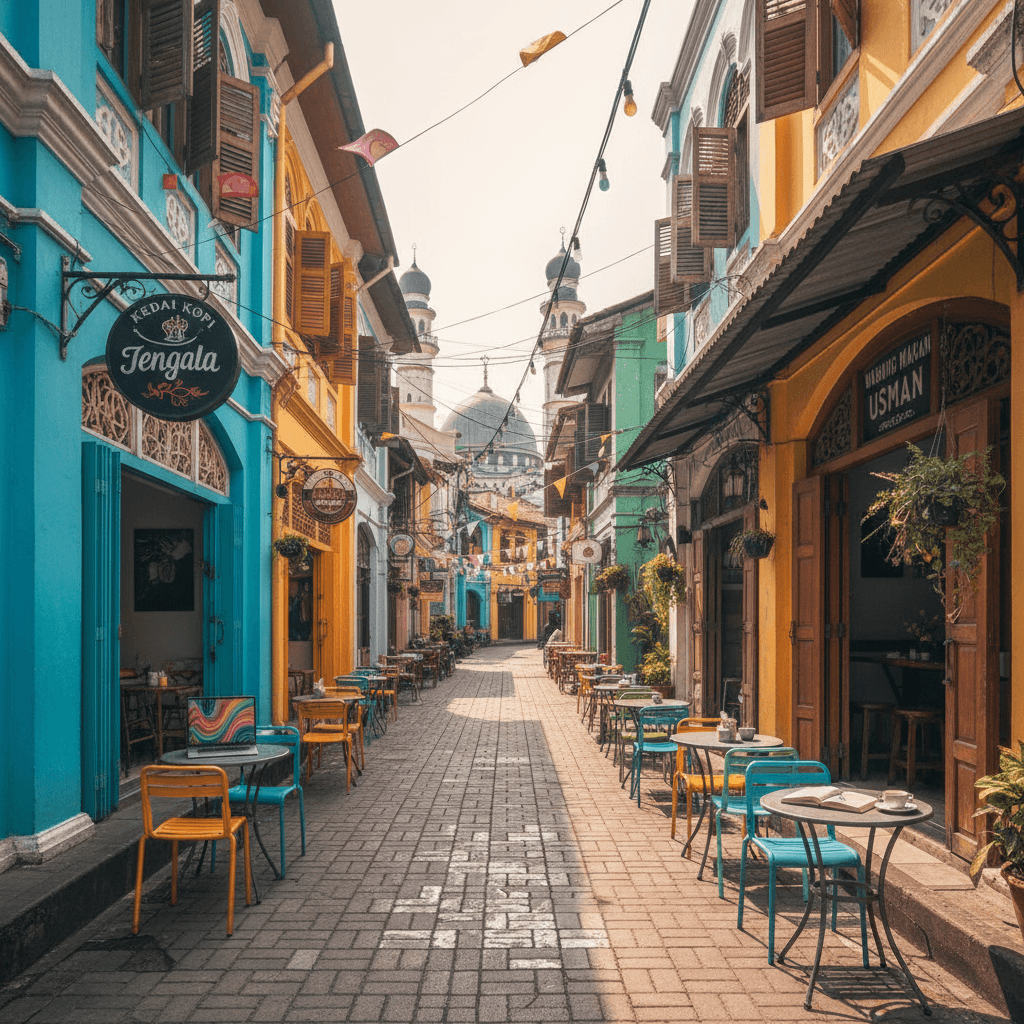
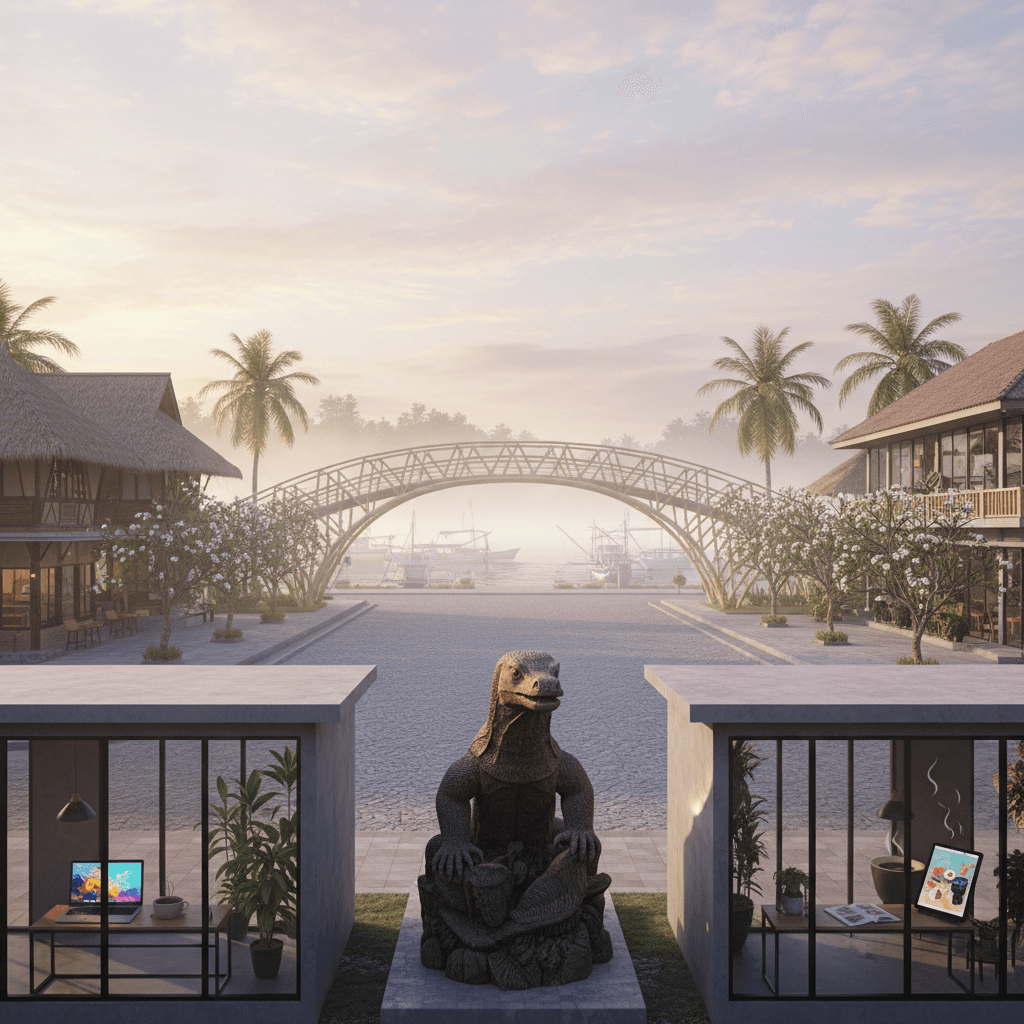
Labuan Bajo is where the rugged wilderness of Flores meets a growing digital nomad scene. It doesn't have the polished, endless infrastructure of Canggu, and that's exactly why people are starting to flock here. You’ll find a raw, tropical energy where the workday ends not with a gym session, but by jumping on a boat or watching the sun sink behind the jagged peaks of Komodo National Park. It’s a town of steep hills, salty air, and a community that values adventure over aesthetics.
The pace is slower here. You’ll spend your mornings in a hillside cafe with a view of the harbor, watching the phinisi boats drift in and out. While the internet is reliable enough for your Zoom calls, the town’s real draw is the immediate access to world class diving and island hopping. It’s a place for nomads who want to trade the sprawling traffic of Bali for a compact, walkable waterfront and a backyard full of manta rays and volcanic islands.
Living Costs & Budgeting
Your budget can stretch quite far here, though prices are creeping up as the harbor area modernizes. Most nomads find that USD 1,100 to 1,800 a month provides a very comfortable lifestyle, including a nice room, daily cafe meals, and a scooter rental.
- Housing: Studio rentals or 1BR apartments via Airbnb in the center usually run between IDR 3 million and 6 million (USD 200 to 400) per month. If you’re looking for luxury near Waecicu Beach, expect to pay significantly more.
- Food: Local warungs serve up meals for IDR 20,000 to 50,000 (USD 1 to 3). Mid-range spots like Bajo Taco are popular for their IDR 100,000 (USD 6) dinners and Tuesday 2-for-1 deals.
- Connectivity: A monthly pass at a coworking space costs between IDR 500,000 and 1.5 million (USD 30 to 100).
Where to Set Up Base
City Center & Waterfront
This is the heart of the action. It's best for solo travelers and nomads who want to walk to their morning coffee or the pharmacy without a 15 minute commute. You get easy access to ATMs, minimarkets, and the newly renovated waterfront promenade. The downside is the noise from the harbor and the lack of a proper swimming beach right at your doorstep.
Waecicu Beach
Located about 10 to 15 minutes north by scooter, this area is the go to for expats and families. It’s quieter, features private beaches, and offers some of the best sunset views in the region. It’s pricier and you’ll feel a bit more isolated from the nomad meetups downtown.
The Town Hills
Budget travelers often head up the hills for cheaper guesthouses. The views are incredible, but the roads are punishingly steep. You’ll definitely need a scooter and some confidence on two wheels to live up here.
Internet & Working Remotely
The WiFi landscape is improving, with speeds typically averaging 10 to 25 Mbps in dedicated workspaces. It’s plenty for standard remote work, but having a backup is a nomad rite of passage here. Pick up a Telkomsel SIM at the airport for about IDR 150,000 (USD 10) to ensure you have a hotspot ready for those inevitable afternoon outages.
For a dedicated office environment, Labuan Bajo Co-Work Hub and The Bajo Workspace are the top picks. They offer ocean views and a steady community of people who actually get work done. If you prefer the cafe route, The Bajo Cafe and Cafe Flores are reliable spots where you won't be the only one with a laptop open.
Getting Around & Staying Safe
The center is walkable, but Labuan Bajo’s hilly terrain means you’ll eventually want wheels. Gojek and Grab are active for quick rides, but most long termers rent a scooter for around IDR 70,000 (USD 5) per day. It gives you the freedom to explore the coastline on your own schedule.
Safety is rarely an issue, as the local community is exceptionally welcoming. Standard precautions apply, like keeping an eye on your bag in crowded areas. For health concerns, Siloam Hospital Labuan Bajo is the primary facility for basic care. Most expats recommend having travel insurance that covers medical evacuation to Bali or Singapore for anything serious, and always keep the mosquito repellent handy to ward off dengue.
The Social Scene
Nightlife is more about cold Bintangs and conversation than thumping clubs. Paradise Bar is the legendary Saturday night spot, staying open until 3am with live music and a mix of locals and travelers. For a more upscale evening, the Meruorah Café et Lobby offers stunning views and a quieter atmosphere. Most social connections happen naturally at the coworking spaces or through local Facebook groups where people organize weekend boat trips to Komodo or Padar Island.
The Bottom Line
Living in Labuan Bajo feels like being on the frontier of Indonesia's next big thing. While it hasn't reached the price peaks of Canggu, the influx of dive tourism and "Komodo fever" means you'll pay a slight premium compared to other parts of Flores. Most nomads find they can live well on a mid-range budget of $1,100 to $1,800 per month. If you're strictly watching your pennies and sticking to local warungs, you can scrape by on $600 to $900, while a high-end lifestyle with resort access will easily clear $2,000.
Housing and Neighborhoods
The rental market is a bit of a mixed bag. You won't find the endless supply of modern villas that Bali offers, but the options are expanding. Most remote workers gravitate toward the City Center or the Waterfront to be near the action. Expect to pay between IDR 3 million and 6 million ($200 to $400) for a decent studio or a one bedroom setup via Airbnb or local connections. It's noisier here, but you're steps away from the best cafes and the harbor.
For those who prefer a quieter life, Waecicu Beach is the expat favorite. It's about 10 to 15 minutes away by scooter and offers stunning sunset views and private beach access. The trade-off is the price and the hilly commute. If you're on a tight budget, the Town Hills offer basic guesthouses and a more local feel, though the steep roads are a workout for your scooter's engine.
Food and Drink
Eating out is one of the highlights here, especially if you love seafood. You can grab a filling meal at a local warung for IDR 20,000 to 50,000 ($1 to $3). For a mid-range night out, Bajo Taco is a staple; their 2-for-1 Tuesday deals are a legendary nomad meetup spot where tacos start around IDR 50,000. If you want to splurge, the Meruorah or other high-end hotel restaurants will run you IDR 300,000 ($20+) for a meal with a view.
Connectivity and Coworking
Internet is the one area where you need a backup plan. While cafe culture is growing, WiFi speeds usually hover between 10 and 25 Mbps. It’s fine for emails and Slack, but video calls can be hit or miss. Savvy nomads always carry a Telkomsel SIM card. You can pick up a 15GB plan for about IDR 100,000 ($7) at the airport or in town shops.
For a steady desk and reliable community, check out these spots:
- The Bajo Workspace: Great ocean views and a solid community vibe for around $50 to $100 a month.
- Labuan Bajo Co-Work Hub: Reliable power and decent AC.
- Flores Digital Nomad Center: A newer addition catering specifically to the remote work crowd.
- The Bajo Cafe: Excellent for a casual afternoon of work with good coffee.
Transport and Logistics
Public transport is practically non-existent, so you'll want to download Gojek or Grab immediately. An ojek (motorcycle taxi) ride across town usually costs IDR 20,000 to 30,000. Most long-termers just rent their own scooter for about IDR 70,000 ($5) per day. It’s the best way to explore the coastline, though you should be comfortable with hilly, winding roads.
For healthcare, Siloam Hospital is the go-to for anything basic. It's modern and clean, but for anything major, travelers generally recommend having insurance that covers medical evacuation to Bali or Singapore. Keep a bottle of mosquito repellent handy at all times; dengue is a real factor here, especially during the rainy season from November to March.
Practical Expenses at a Glance
- Scooter Rental: IDR 70,000 per day / IDR 1.2M per month
- Coworking Membership: IDR 500,000 to 1.5M per month
- Local Beer (Bintang): IDR 35,000 to 50,000
- Airport Transfer: IDR 50,000 to 70,000 via taxi
- Coffee: IDR 25,000 to 45,000 at specialty cafes
Solo Travelers and Digital Nomads
If you want to be where the action is, the City Center and Waterfront area is your best bet. This is the heartbeat of Labuan Bajo, recently renovated with a paved promenade that makes sunset walks much easier. Most nomads set up camp here because it is the only part of town where you can walk to The Bajo Workspace or Flores Digital Nomad Center without breaking a sweat on a steep hill. You are also steps away from the harbor, which is vital since your weekends will likely involve jumping on boats to Komodo National Park.
- The Vibe: Social, convenient, and a bit loud. You will hear boat engines and the call to prayer, but you will also be within walking distance of Bajo Taco and the best night markets.
- Internet: This is the most reliable zone for WiFi, with cafes like The Bajo Cafe offering speeds between 10 to 25 Mbps.
- Cost: Studio rentals on Airbnb usually run between IDR 3 to 6 million (USD 200 to 400) per month.
- Convenience: High. ATMs, pharmacies, and the Siloam Hospital are all concentrated here.
Budget Seekers and Long-Termers
The Town Hills rising up behind the harbor are where you will find the best deals, but you will need a scooter. This area is home to local markets and authentic Flores life. It is significantly quieter than the waterfront, though the terrain is punishingly steep. If you are looking to stay for several months and want to keep your budget toward the USD 600 to 900 range, look for guesthouses tucked away in these ridges.
- The Vibe: Local and residential. You will get a better sense of the community here away from the souvenir shops.
- Transport: A scooter is mandatory. Rentals cost about IDR 70,000 (USD 5) per day. If you aren't comfortable riding, use the Gojek or Grab apps to hail a ride into town for about IDR 20,000.
- Pros: Incredible views of the archipelago from your balcony and much lower rent than the waterfront.
- Cons: Infrastructure is basic. Power outages can happen, and you will likely rely on a Telkomsel SIM card for backup data.
Expats and Families
For those moving with a partner or kids, Waecicu Beach is the preferred choice. Located about 10 to 15 minutes north of the main town by scooter, this area feels like a different world. It is home to upscale resorts like Meruorah and private stretches of sand that the city center lacks. Expats choose this area for the peace and the ability to swim right in front of their accommodation.
- The Vibe: Tranquil luxury. It is the place for people who want the Komodo views without the harbor noise.
- Dining: You will likely eat at hotel restaurants more often, where meals can exceed IDR 300,000 (USD 20), though the quality is significantly higher.
- Cost: Expect a mid-range to comfortable budget of USD 1,100 to 2,000+ per month.
- Safety: Very high, though the roads back to town are dark at night, so most families prefer hiring a driver or using Blue Bird taxis for evening trips.
Practical Living Tips
No matter which neighborhood you choose, Labuan Bajo requires some preparation. Most locals and long term residents recommend carrying cash for the smaller warungs where a meal costs just IDR 20,000 (USD 1.30). While the town is generally safe, nomads suggest getting travel insurance that includes evacuation to Bali for any major medical issues. For daily life, download OVO or Wise to handle digital payments, and always keep a power bank in your bag for those moments when the island grid decides to take a break.
Connectivity Realities
Working from Labuan Bajo is a trade off between world class views and occasionally frustrating speeds. You can expect WiFi to average between 10 and 25 Mbps in the main town area. It is perfectly fine for Slack, emails, and the occasional Zoom call, but you will struggle with large video uploads or high definition streaming. Most nomads here live by one rule: always have a backup.
The local mobile data is surprisingly reliable compared to hotel WiFi. You should pick up a Telkomsel SIM card as soon as you land at the airport or at a shop in the harbor area. A 15GB plan usually costs around IDR 100,000 to 150,000 (USD 7 to 10). If you are a data heavy user, go for the 30GB or 50GB packages. For those who prefer avoiding the physical SIM swap, eSIMs like Airalo work well, though they are generally pricier than local rates.
Top Coworking Spaces
The coworking scene is small but growing, offering a much needed sense of community in a town that can feel like a transient tourist hub. These spaces are the best spots to meet other remote workers and escape the humidity.
- Labuan Bajo Co-Work Hub: This is the go to for many long termers. It offers stable lines and a professional environment for about USD 50 to 100 per month.
- Flores Digital Nomad Center: Great for networking and community events. It has a more social vibe and is a good place to find out about local meetups.
- The Bajo Workspace: Famous for its ocean views. Working while watching the phinisi boats sail into the harbor makes the monthly fee feel like a bargain.
Laptop Friendly Cafes
If you prefer a change of scenery without committing to a membership, the cafe culture in the city center is thriving. Just keep in mind that power outlets can be scarce in the smaller spots, so bring a fully charged battery or a power bank.
- The Bajo Cafe: A favorite for its reliable internet and central location. It gets busy during lunch, so arrive early if you need a prime spot near a plug.
- Cafe Flores: Offers a more relaxed atmosphere and decent coffee. It is a solid choice for an afternoon of deep work.
- Bajo Taco: While it is primarily a restaurant, the vibe is chill enough for some light admin work, especially if you stay for the 2 for 1 Tuesday taco deals.
- Meruorah Lobby Cafe: If you need high end surroundings and a professional atmosphere for a client call, this is the spot. The views are incredible, but expect to pay upscale prices, with drinks often over IDR 100,000.
Digital Nomad Survival Tips
Power outages happen. They are usually brief, but they can kick you off a call at the worst moment. Nomads who stay here for more than a week usually invest in a high capacity power bank and keep their hotspot ready to go. The hilly terrain means that your connection might drop significantly if you stay in the Town Hills area, so if your work requires 100 percent uptime, stick to the City Center or the Waterfront where the infrastructure is more modern.
Most travelers find that the best time for heavy bandwidth tasks is early morning. By mid afternoon, as people return from Komodo boat tours and jump on their devices, speeds can dip. Plan your heavy uploads for 8:00 AM and save your offline tasks for the sunset hours when the town comes alive.
Personal Safety and Local Vibes
Labuan Bajo is remarkably safe compared to many global nomad hubs. The local community is welcoming, and the vibe is more "sleepy fishing village turned diving capital" than high-pressure tourist trap. Violent crime is almost unheard of here. Most nomads feel comfortable walking around the main waterfront and harbor area at night, though the lighting gets a bit spotty once you head into the hills.
Petty theft like bag snatching is rare but not impossible. Use common sense when you are at the bars or leaving your gear on a boat during a day trip. If you are staying in the Town Hills or more remote areas, it is better to take a Gojek or Grab after dark rather than walking the steep, unlit backroads. If you run into any trouble, the tourist police can be reached at 0385-41110, but for general emergencies, the national number is 112.
Healthcare Infrastructure
For a remote outpost in East Nusa Tenggara, the medical situation is better than you might expect. Siloam Hospital Labuan Bajo is the primary facility for nomads and expats. It is located near the airport and handles most routine issues, basic stitches, and diagnostic tests. You can reach them at (0385) 2381900. While it is modern by local standards, it is still a regional hospital.
For anything life-threatening or complex, you will likely need an evacuation to Bali or Singapore. Most long-term residents insist on high-quality travel insurance that specifically covers emergency medical flights. The 118 or 119 ambulance service exists, but in a crisis, most people find it faster to take a taxi or a private car to Siloam.
Staying Healthy in the Tropics
The biggest health threats in Labuan Bajo are usually related to the environment rather than crime. Here is what to keep on your radar:
- Mosquito-borne Illnesses: Dengue fever is a real factor here, especially during the rainy season from November to March. Use a strong repellent and try to stay in places with screened windows or good AC.
- The "Bajo Belly": Like anywhere in Indonesia, keep an eye on water hygiene. Stick to bottled or filtered water and be cautious with ice at smaller street side warungs.
- Sun and Dehydration: The Flores sun is brutal, especially when you are out on a boat in Komodo National Park. Heat exhaustion can sneak up on you while you are focused on the views.
Pharmacies and Supplies
You won't have trouble finding a pharmacy (known locally as an Apotek) in the City Center. They are stocked with the basics like antibiotics, painkillers, and rehydration salts. If you have specific prescription meds, bring a few months' supply with you. While many things are available over the counter, the specific brand or dosage you need might be out of stock for weeks at a time.
Road Safety
If you decide to rent a scooter for IDR 70,000 a day, be honest about your skill level. The terrain in Labuan Bajo is incredibly hilly with sharp turns and occasional gravel patches. Wear a helmet every single time. Many nomads end up with the "Bali Kiss" (exhaust burns or road rash) because they underestimate the steepness of the roads leading up to the Town Hills or out toward Waecicu Beach.
The Scooter Life
In Labuan Bajo, your best friend is a set of two wheels. Most nomads rent a scooter immediately because the town's topography is no joke. While the newly renovated waterfront is great for a sunset stroll, the rest of the town climbs steeply into the hills. You can find rentals for around IDR 70,000 per day, though you can usually negotiate a better rate if you're booking for a month. Just keep an eye out for gravel on the steeper inclines and make sure your brakes are sharp.
If you aren't comfortable driving yourself, the local ojeks (motorcycle taxis) are everywhere. A quick ride across town usually costs between IDR 20,000 and 30,000. It's a fast way to get from a hilltop guesthouse down to a coworking space like The Bajo Workspace without breaking a sweat.
Ride-Hailing and Taxis
The apps you use in Bali work here too, but with a few quirks. Gojek and Grab are available, but the fleet is much smaller. If you need a car for a grocery run or to get to a dinner at Waecicu Beach, it's smart to book 15 to 20 minutes before you actually want to leave. Expect to pay between IDR 50,000 and 100,000 for most trips within the main hub.
For a more traditional experience, Blue Bird metered taxis are the gold standard for reliability. They're particularly useful if you have luggage or are traveling in a small group. You can flag them down in the center or use their app. They're generally considered the safest and most professional option for late-night trips back from Paradise Bar.
Airport Transfers
Komodo Airport is incredibly close to the action, usually just a 10-minute drive. You'll be swamped by drivers the moment you walk out of arrivals. To avoid the stress of haggling, you can use the airport's official taxi desk or pre-book through your hotel. Prices typically hover between IDR 50,000 and 70,000. If you're traveling light, some nomads just grab a Gojek bike for a fraction of that price.
Getting Around the Neighborhoods
The way you move depends heavily on where you've set up your desk. Here is how the logistics break down by area:
- City Center and Harbor: This is the only truly walkable part of town. You can easily hop between the pharmacies, ATMs, and cafes like Bajo Taco on foot.
- Waecicu Beach: Located about 15 minutes north of town, this area is beautiful but isolated. You'll need a scooter or a dedicated driver, as walking along the hilly coastal road isn't practical or particularly safe at night.
- Town Hills: Home to many budget guesthouses, these streets are punishingly steep. Most people living here rely exclusively on scooters or ojeks to avoid the climb in the tropical heat.
Exploring Beyond the Waterfront
If you want to see the sights inland, like the Cunca Wami waterfalls or local Flores villages, hiring a private car and driver for the day is the way to go. This usually runs about IDR 600,000 to 800,000 and gives you the freedom to explore at your own pace. For the islands, you'll be heading to the harbor to join a shared boat trip or charter a private speed boat, which is the only way to reach Komodo National Park and the famous pink beaches.
Getting by in Bahasa
While you can get through a week-long diving trip with just English, staying long-term as a nomad requires a bit more effort. Indonesian, or Bahasa Indonesia, is the primary language used for everything from ordering at local warungs to negotiating scooter rentals. The good news is that it's one of the easiest languages for English speakers to pick up. There are no tenses, no genders, and it uses the Latin alphabet.
In the main tourist hub around the Waterfront and Jalan Soekarno Hatta, English is widely spoken by staff at spots like Bajo Taco or the Meruorah. However, once you head into the Town Hills to visit local markets or deal with traditional guesthouses, the English proficiency drops off quickly. Locals are incredibly welcoming and usually thrilled when a foreigner attempts a few sentences in Bahasa.
Essential Phrases for Your Kit
Most nomads find that a handful of phrases go a long way in building rapport. Start with the basics to show respect:
- Selamat pagi: Good morning
- Terima kasih: Thank you (You'll hear "Sama-sama" in return, meaning "You're welcome")
- Tolong: Please
- Berapa harganya?: How much is this?
- Bisa kurang?: Can you go lower? (Useful for market shopping or long-term rentals)
- Di mana...?: Where is...?
Communication Tools & Apps
Don't rely on your home roaming plan here. It's expensive and often fails when you leave the town center. Most travelers recommend grabbing a Telkomsel SIM card immediately at the airport or a local shop. Expect to pay around IDR 100,000 to 150,000 for 10GB to 15GB of data. If you have a newer phone, eSIMs through Airalo or Holafly are convenient, though they sometimes lack the raw speed of a local physical SIM.
For day-to-day interactions, Google Translate is your best friend. Download the Indonesian dictionary for offline use because data can be spotty when you're exploring the hills or out on a boat. For texting, WhatsApp is the universal standard in Indonesia. Whether you're booking a seat at The Bajo Workspace or messaging a landlord about a studio apartment, it happens over WhatsApp.
Cultural Nuances in Conversation
Communication in Labuan Bajo is generally indirect and polite. Raising your voice or showing outward frustration is seen as losing face and won't get you far. If you're negotiating a monthly rent for a villa in Waecicu, keep the tone light and friendly. A smile does more heavy lifting here than a firm demand.
Nomads often mention that "Jam Karet," or rubber time, is a real factor. If a local tells you they'll meet you at 2:00 PM, it might mean 2:30 PM. It's not meant to be disrespectful; it's just the relaxed pace of Flores life. Embrace the slower rhythm, keep your translation app handy, and you'll find the community opens up to you quite quickly.
The Seasonal Rhythm
Living in Labuan Bajo means living by the sun and the sea. The town experiences a classic tropical split, with temperatures hovering between 23°C and 33°C regardless of the month. While the heat is a constant, the humidity and wind patterns change significantly, dictating when you can comfortably take your laptop to a waterfront cafe or hop on a boat to Komodo National Park.
Most digital nomads plan their stay during the dry season, which runs from April to October. This is when you will get those postcard-perfect blue skies and the most reliable conditions for outdoor work. If you are here for the world-class diving or want to see the Komodo dragons without getting caught in a downpour, aim for the window between May and September. The air is slightly cooler, the seas are calm, and the risk of power outages from storms is at its lowest.
Wet Season Realities
The rainy season kicks off in November and lasts through March, with the heaviest rainfall usually hitting in January and February. While it rarely rains all day, the storms are intense. You can expect sudden, heavy deluges that turn the hilly roads into small streams. This is the quietest time in town, which appeals to some budget-conscious travelers because accommodation prices often drop.
However, the rainy season comes with trade-offs for remote workers. High winds can lead to boat cancellations, meaning your weekend trips to Padar Island might get postponed. More importantly, the humidity can be brutal on electronics, and the occasional lightning storm might knock out the local grid. Most nomads who stay through the wet season recommend keeping a Telkomsel SIM as a backup hotspot and carrying a power bank for your devices.
Best Times for Specific Goals
- For Peak Diving: Visit between June and August. The visibility is at its peak, and the water is refreshing, though these are also the busiest months for tourism.
- For Budget Stays: Look at the shoulder months of October and November. You might catch some rain, but you will have more leverage to negotiate monthly rates on Airbnb or with local guesthouses.
- For Hiking and Views: April and May are ideal. The landscape is still lush and green from the rains, but the trails are dry enough to navigate safely.
Practical Prep for the Climate
The sun in Flores is significantly stronger than in Bali or Jakarta. Even if you are just scooting 10 minutes from the Town Hills to The Bajo Workspace, you will feel the burn. Expats here swear by high-SPF sunscreen and lightweight, breathable fabrics. If you are planning to work from one of the open-air cafes like Bajo Taco, try to get your deep-focus tasks done before the midday heat peaks at 2:00 PM.
Local health experts and long-term residents also suggest being extra vigilant about mosquitoes during the transition between seasons. Dengue is a factor in this part of Indonesia, so keeping repellent handy is just as important as having a stable WiFi connection. Most nomads find that as long as they respect the midday sun and have a backup plan for the occasional tropical storm, Labuan Bajo is a remarkably easy place to settle into a productive routine.
Making the Move
Labuan Bajo is no longer just a pitstop for divers. It has evolved into a legitimate base for remote workers who want to trade Bali's traffic for rugged coastlines and world-class sunsets. While the infrastructure is catching up to the hype, you'll find a community that values nature over high-speed nightlife. Living here requires a bit of flexibility, especially regarding hilly terrain and the occasional power flicker, but the tradeoff is a front-row seat to some of Indonesia's most dramatic landscapes.
Cost of Living
Your budget will stretch much further here than in Canggu or Uluwatu, though prices in the harbor area are rising as more travelers arrive. Most nomads find that $1,100 to $1,800 per month covers a comfortable lifestyle including a nice studio, frequent dining out, and weekend boat trips. If you're on a tighter budget, $600 to $900 is doable if you stick to local warungs and guesthouses in the hills.
- Housing: Expect to pay between IDR 3 million and 6 million ($200 to $400) for a standard studio or one-bedroom in the center. Luxury spots near Waecicu Beach will cost significantly more.
- Food: Local warungs serve meals for IDR 20,000 to 50,000 ($1 to $3). For a mid-range dinner at a spot like Bajo Taco, you'll likely spend around IDR 100,000 to 200,000 ($6 to $13).
- Transport: A scooter rental is the standard expense at about IDR 70,000 ($5) per day.
Where to Set Up Base
Choosing a neighborhood depends on how much you value convenience versus quiet. The town is small, but the steep hills make your choice of location feel very different on a daily basis.
City Center and Waterfront
This is the heart of the action and where most solo nomads land. You're within walking distance of the best cafes, pharmacies, and the harbor for morning tours. It's noisier and lacks a proper beach, but the convenience of having everything at your doorstep is hard to beat.
Waecicu Beach
Located about 10 to 15 minutes north by scooter, this area is favored by families and expats who want a resort feel. It's tranquil with private beaches and incredible sunset views, but you'll be paying a premium for the peace and quiet.
Town Hills
Budget-conscious travelers often head here for cheaper guesthouses. It's close to local markets, though the roads are incredibly steep. You'll definitely need a scooter and some confidence behind the handlebars to live up here.
Internet and Coworking
Reliable internet is the biggest hurdle in Flores. Most cafes offer speeds between 10 and 25 Mbps, which is fine for emails and Slack, but can get spotty if you're trying to stream high-definition video during a storm. Travelers recommend getting a Telkomsel SIM card immediately at the airport; expect to pay around IDR 100,000 to 150,000 ($7 to $10) for a 15GB data package. Always have a backup hotspot ready.
- Labuan Bajo Co-Work Hub: A popular choice for those needing a dedicated desk and a community vibe.
- The Bajo Workspace: Offers great ocean views and monthly memberships between $50 and $100.
- Cafe Flores: A reliable spot for a few hours of work with good coffee and decent WiFi.
Getting Around
Public transport is almost non-existent, so you'll rely on apps and two wheels. Gojek and Grab are active, though it's smart to book ahead for airport runs. A ride from the airport to town usually costs IDR 50,000 to 100,000 and takes less than 10 minutes. For daily errands, use local ojeks (motorcycle taxis) for about IDR 20,000. Walking is possible in the immediate harbor area, but the tropical heat and vertical inclines make scooters the preferred choice for most.
Safety and Health
Labuan Bajo is generally very safe with a low crime rate. The most common issues are minor petty theft or "Bajo Belly" from unwashed produce. For medical needs, Siloam Hospital is the most reliable facility in town. Expats strongly suggest having travel insurance that includes emergency evacuation to Bali or Singapore for anything serious. Also, pack plenty of repellent; dengue is a known risk in the region, especially during the wetter months.
Cultural Etiquette
While the town is used to tourists, the local culture is conservative. Dress modestly when you're not on a boat or at a beach club, particularly when wandering through local villages or near mosques. English is widely understood in tourist hubs, but learning basics like Terima kasih (thank you) and Berapa harga? (how much?) goes a long way with the locals. Most businesses prefer cash, though larger cafes and hotels accept cards or digital payments like OVO and Wise.
Need visa and immigration info for Indonesia?
🇮🇩 View Indonesia Country GuideOff the Radar
Pioneer territory
Monthly Budget Estimates
More cities in Indonesia
Ubud
🇮🇩 Indonesia
Balikpapan
🇮🇩 Indonesia
Yogyakarta
🇮🇩 Indonesia