La Plata
🇦🇷 Argentina
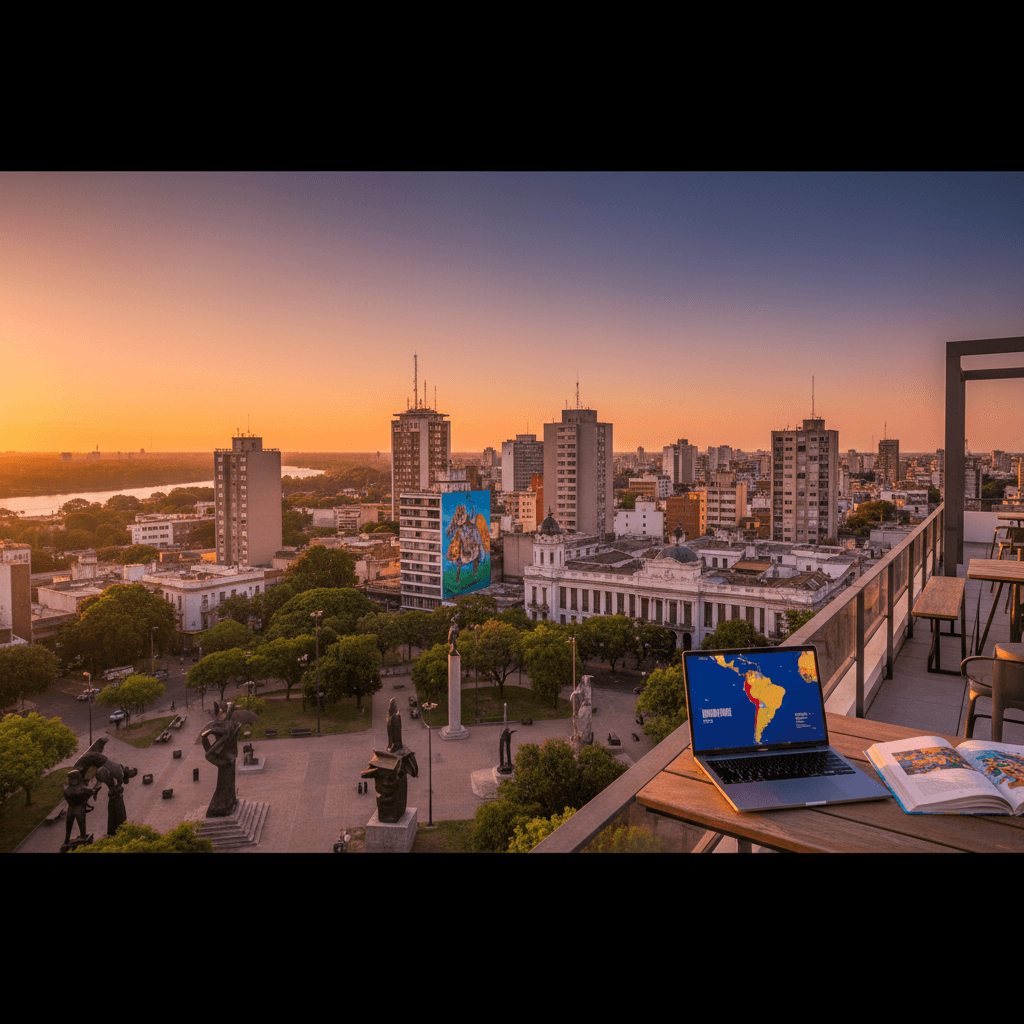
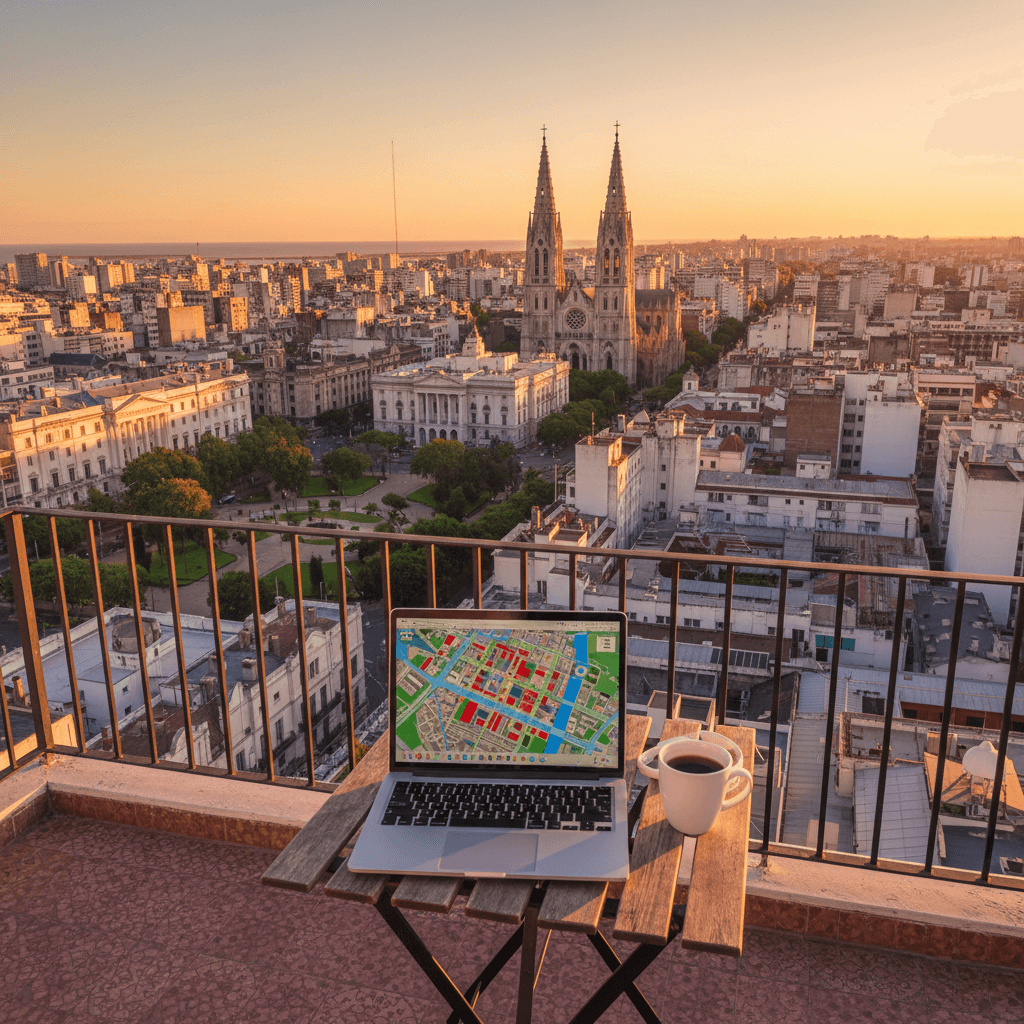
If Buenos Aires is the chaotic, charismatic older sibling that never sleeps, La Plata is the methodical, intellectual cousin who actually has their life together. Just an hour south of the capital, this city feels fundamentally different the moment you arrive. It was the first planned city in South America, laid out in a perfect grid with diagonal avenues that make it look like a motherboard from above. For a nomad, this means you can actually find your way home after a few glasses of Malbec without checking Google Maps every thirty seconds.
The Geometric Soul
The vibe here is defined by the Square of the Forest and the massive, neo-Gothic Cathedral that anchors the central plaza. Because the streets are numbered rather than named, there is a strange, calming logic to the geography. You will spend your afternoons walking through El Bosque, a massive green lung that houses the Natural Science Museum and the city planetarium. It is a university town at its core, which gives the streets a youthful, slightly rebellious energy that contrasts with the rigid, formal architecture of the government buildings.
The emotional experience of La Plata is one of breathing room. While Buenos Aires can feel like it is closing in on you with its noise and heat, La Plata has wide boulevards and a park every few blocks. It is a place where people actually stop to talk to their neighbors, and the pace of life is dictated by the academic calendar of the Universidad Nacional de La Plata rather than the frantic hustle of international finance.
Why Nomads are Moving South
Most remote workers end up here because they want the perks of Argentine culture without the Palermo price tag or the constant sensory overload. You get world class beef at local parrillas and the same late night cafe culture, but with a community that feels more authentic and less like a tourist bubble. It is the kind of place where the barista remembers your order by day three.
- The Grid System: Navigating is effortless once you realize the city is a perfect square with diagonals connecting the corners.
- The Student Energy: With over 100,000 students, the city is packed with affordable craft beer bars, bookstores, and cheap eats.
- Architectural Drama: The Cathedral of La Plata is one of the largest in the world, and its brick facade dominates the skyline, providing a constant North Star for your walks.
- Proximity to the Capital: You can jump on the Costera or Metropol bus and be in the heart of Buenos Aires in about 60 minutes for a few dollars.
The Daily Rhythm
Expect a slower start to the day. The city does not really wake up until 9:00 AM, and the afternoon siesta is still a respected tradition in many local shops. Nomads usually congregate in the cafes around Plaza Moreno or Plaza Paso during the day. As the sun sets, the focus shifts to the diagonal avenues, where the city’s famous craft beer scene comes alive. La Plata was a pioneer in the Argentine craft beer movement, and you will find locals crowding the sidewalks with pints of IPA well into the early morning hours.
Living here feels like being in on a secret. You are close enough to the action of a global megacity, but you are tucked away in a town that values logic, greenery, and a good conversation over a long lunch. It is a city designed for people who like order, but who still want to live in a place that knows how to throw a party when the weekend hits.
The Bottom Line on Budgeting
Living in La Plata offers a distinct financial advantage over its neighbor, Buenos Aires. While it's only an hour away, you'll find that your dollars or euros stretch significantly further here. It's a university town at heart, which naturally keeps prices for food, drinks, and rent pegged to a student budget rather than a tourist one.
The biggest factor in your monthly spend will be how you handle the exchange rate. Like the rest of Argentina, the gap between the official rate and the informal blue rate is massive. If you bring physical cash or use services that track the MEP rate, your purchasing power effectively doubles. Most nomads find they can live a very comfortable, upper middle class lifestyle here for anywhere between $800 and $1,200 USD per month.
Monthly Cost Breakdown
- Studio Apartment in City Center: $350 to $500
- Groceries for one: $150 to $200
- Coworking Desk: $70 to $100
- Dinner for two with wine: $25 to $40
- Gym Membership: $20 to $30
Housing and Neighborhoods
Rent is your most variable expense. Because La Plata isn't a massive tourist hub, you won't find the endless supply of Airbnb lofts that you see in Palermo. Instead, you'll likely be looking at local rentals or temporary furnished apartments. Stick to the area between Plaza Moreno and Plaza San Martin if you want to be within walking distance of everything. This central grid is where the action is, and you'll find plenty of high rise apartments with modern amenities.
If you prefer a quieter vibe with more greenery, look toward the neighborhood near El Bosque. You'll get more square footage for your money there, though you might need to rely more on the city's bus system or a bicycle to get to the better cafes. A decent one bedroom apartment in a safe, central area usually lands around $400 USD when converted at the parallel rate.
Food and Entertainment
Eating out is where La Plata really shines for the budget conscious. Since the city is packed with students from the Universidad Nacional de La Plata, cheap eats are everywhere. You can grab a couple of empanadas or a choripan for just a few dollars. Even at a higher end spot like La Cabrera, a meal that would cost $100 in New York will likely run you closer to $30 here.
Supermarkets like Carrefour or Disco are standard, but the local ferias (street markets) are where you'll find the best prices on produce. If you cook at home and shop like a local, your grocery bill will be remarkably low. Nightlife is equally affordable; a craft beer at a local bar usually costs around $3 to $4, and cinema tickets or museum entries are rarely more than $5.
Transport and Utilities
The city's grid system and numbered streets make it incredibly easy to navigate without ever needing an Uber. Most nomads just walk or use the SUBE card for the local buses, which cost pennies per ride. If you do need to head into Buenos Aires for a weekend, the Costera or Plaza bus is a cheap and frequent option, costing roughly $2 to $3 for a one way trip.
Utilities are generally inexpensive but can be unpredictable. If your rent doesn't include expensas (building fees), make sure to ask about them upfront, as they can add $50 to $80 to your monthly overhead. High speed fiber internet is becoming more common in the center, and a solid 100Mbps plan usually costs around $20 a month. Most cafes won't mind if you linger for a few hours over a cafe con leche, which is a great way to save on coworking fees.
La Plata is often called the City of Diagonals because of its perfectly planned grid. While most people stick to the chaos of Buenos Aires, nomads who move here enjoy a much slower pace of life and significantly lower rent. The city is laid out with numbered streets, so once you understand that every six blocks there is a park or a plaza, you will never get lost. It is a university town at its heart, which means the energy is young, the coffee is cheap, and the wifi is surprisingly reliable in the newer apartment blocks.
For Digital Nomads: North Central (Near Plaza Paso and Plaza Moreno)
If you are working remotely, you want to stay in the northern quadrant of the city center. This area puts you within walking distance of the best cafes and the few dedicated coworking spots like Espacio Weiaut. Staying near Plaza Moreno gives you a front row seat to the massive Gothic cathedral, and the surrounding streets are packed with students and freelancers tapping away on laptops.
- Vibe: Academic, active, and convenient.
- Rent: Expect to pay between $250-$450 USD at blue rate for a furnished one bedroom in a newer building.
- Top Spot: Grab a coffee at a local cafe like Masse Boulangerie when you need a break from your home office.
For Expats and Long-Termers: City Bell
Expats who want to escape the concrete grid often head to City Bell. It is technically a suburb, located about 15 minutes north of the city center by car or train. It feels more like a leafy village than a city. The main drag, Calle Cantilo, is lined with upscale boutiques and some of the best restaurants in the region. It is the place to be if you want a house with a small garden and a parrilla for weekend barbecues.
- Vibe: Upscale, quiet, and green.
- Commute: The Roca Line train connects you to the city center or even all the way to Buenos Aires if you need a big city fix.
- Dining: You will find high end options like Foodie or artisanal bakeries that rival anything in Palermo Soho.
For Families: Near Paseo del Bosque
Families usually gravitate toward the eastern side of the city near the Paseo del Bosque. This is the largest park in La Plata, housing the Natural Science Museum, the Planetarium, and the zoo. Living near Plaza Rivadavia or Plaza España gives you easy access to these green spaces. The streets here are wider and the traffic is less intense than the commercial core near Calle 7 and Calle 8.
- Vibe: Residential and wholesome.
- Activities: Weekends are spent at the lake or watching a football match at the nearby Estudiantes or Gimnasia stadiums.
- Housing: Larger three bedroom apartments or older houses are more common here, often ranging from $600 to $800 USD per month.
For Solo Travelers: The Student District (Calle 1 to Calle 12)
If you are traveling alone and want to meet people, stay in the thick of the student district between the train station and Plaza San Martín. This is the heart of the nightlife scene. You will be surrounded by cervecerías (craft beer bars) and cheap eats. It is loud and can be a bit gritty, but you will never be bored. Most of the social life happens on the sidewalks, especially on Diagonal 74, which is the main artery for bars and social gatherings.
- Vibe: High energy, social, and budget friendly.
- Social Scene: Head to Chachingo or Baum for local craft beer and a chance to chat with locals.
- Budget: You can find basic studios or shared housing for as low as $250 USD a month.
Connectivity and Speed
La Plata is a student city at its core, which means the infrastructure for staying connected is surprisingly robust. While it lacks the sheer volume of fiber optic options you find in Buenos Aires, you can easily find 50 Mbps to 100 Mbps connections in most modern apartments near the University area. Most nomads find that the local provider, Fibertel, is the most reliable bet for a stable home office setup.
If you are planning to work from cafes, the grid layout of the city makes it easy to find spots with decent Wi-Fi. The area around Plaza Moreno is your best bet. You will want to look for the "Telecentro Wi-Fi" hotspots that blanket much of the city center, though these are better for checking emails than hopping on a high stakes Zoom call. For serious work, always ask for the "clave de Wi-Fi" before you order your cortado.
Top Coworking Spaces
The coworking scene in La Plata is more intimate than the massive hubs in Palermo. It feels more like a community of local entrepreneurs and grad students rather than a revolving door of international travelers. This makes it a great place to actually meet locals.
- Espacio Weiaut I: A premier choice for professionals in the city, offering a modern environment with high-speed internet, meeting rooms, and a dedicated community of local workers. It is the go-to spot if you need a reliable backup when your Airbnb Wi-Fi fluctuates.
- Creatribe: A vibrant and collaborative space that caters to a mix of freelancers and small teams. It offers a professional yet welcoming atmosphere with all the necessary amenities for a full day of remote work.
Data and SIM Cards
Do not rely on international roaming here. It is slow and overpriced. As soon as you arrive, head to a "Kiosco" or an official store to grab a local SIM. You have three main choices in the city:
- Personal: Solid coverage within the city limits of La Plata.
- Movistar: A solid second choice with competitive data packages for remote workers.
- Claro: Often the cheapest, but the signal can get spotty if you head toward the outskirts or El Bosque.
Expect to pay around $10 to $15 USD per month for a generous data plan. You can top up your balance using the Mercado Pago app or at any "Pago Fácil" location. Most expats recommend keeping a few thousand pesos on your SIM at all times because public Wi-Fi in the parks can be hit or miss.
Laptop Friendly Cafes
If you prefer the hum of a coffee shop over a sterile office, La Plata has plenty of options. The city is famous for its "diagonal" streets, and many of the best cafes sit right on these intersections, offering great people watching during your breaks.
Masse Boulangerie is a favorite for those who need a few hours of focus time. The tables are large enough for a laptop and a pastry, and the staff usually won't bother you if you stay for a while. Foodie is another reliable option with multiple locations. They have plenty of power outlets and the Wi-Fi is generally fast enough for standard administrative tasks. Just keep in mind that during "merienda" time, around 5:00 PM to 7:00 PM, these places get very loud and crowded with locals.
The Digital Nomad Vibe
You won't find the massive digital nomad meetups here that you see in Buenos Aires. The community is smaller and more fragmented. Most remote workers in La Plata are either locals working for US companies or adventurous expats who wanted a lower cost of living than the capital. To find your people, check out local Facebook groups or just hang out at the communal tables in local coworking hubs. People are generally very friendly and happy to share their tips on the best spots to work in the city.
Keeping Your Wits in the Grid
La Plata is famously laid out like a perfect square grid with numbered streets, which makes it much harder to get lost than in the chaotic alleys of Buenos Aires. That said, the safety vibe here is a bit different than the capital. It is generally quieter, but you still need to keep your guard up against petty theft, particularly phone snatching. Local expats suggest keeping your phone in your pocket while walking near the Plaza Moreno or the Cathedral area, as these high traffic spots are magnets for quick hands.
Most nomads feel perfectly safe during the day, especially in the central districts. However, once the sun goes down, it is best to stick to the well lit avenues like Calle 7 or Avenida 51. If you are heading home late from a bar in the La Loma neighborhood, don't try to save a few bucks by walking. Use a ride sharing app instead. While Uber works here, many locals prefer Cabify or the Didi app because they tend to have better driver vetting in the province.
- Phone Safety: Avoid using your laptop or expensive smartphone at outdoor cafe tables facing the street. Stick to the interior seating.
- Night Travel: Stick to the diagonals. These major thoroughfares are better lit and have more foot traffic than the smaller numbered side streets.
- Home Security: If you are renting an Airbnb, ensure the building has a double entry gate or a totem (a virtual security guard screen), which is common in modern La Plata apartments.
Medical Care and Emergencies
The healthcare system in La Plata is actually one of the city's strong suits, largely because of the prestigious National University of La Plata medical school. You will find that doctors here are highly trained and often speak decent English, though the administrative staff at the front desk likely won't. If you have a minor ailment, you can walk into a Farmacia for basic advice; look for the ones with the "Farmacity" brand for a more retail like experience.
For anything serious, you want to head to a private clinic rather than a public hospital to save yourself hours of waiting. The Hospital Italiano de La Plata is a top choice for expats and nomads. It is a private facility that handles emergencies efficiently and accepts many international travel insurances. Another reliable option is the Instituto de Diagnóstico on Calle 62, which is known for modern equipment and specialist consultations.
Health Logistics for Nomads
- Emergency Number: Dial 107 for public medical emergencies or 911 for police.
- Private Consultations: A walk in visit at a private clinic usually costs between $20 and $40 USD if you are paying out of pocket, though prices fluctuate with the exchange rate.
- Pharmacies: Many are open 24 hours on a rotating basis, known as Farmacias de turno. You can check the signs in any pharmacy window to see which one is open late that night.
The tap water in La Plata is technically drinkable, but it has a very high mineral content that tastes pretty metallic. Most long term residents buy bidones (6 liter jugs) of spring water for drinking and cooking. If you have a sensitive stomach, stick to bottled water to avoid any digestive interruptions to your work week. Also, keep an eye on the mosquitoes during the humid summer months between December and March. Dengue is an occasional concern in the region, so keeping a bottle of "Off!" spray in your bag is a smart move.
The Grid and the Diagonal
La Plata is a dream for anyone who usually gets lost in new cities. It was a planned city, laid out in a perfect square grid where almost every street has a number instead of a name. If you can count, you can navigate. The city is famous for its massive diagonal avenues that cut across the grid, meeting at central plazas every six blocks. While it looks organized on a map, those diagonals can be a bit disorienting at first because they'll spit you out at a different plaza than you expected. Plaza Moreno is the heart of it all, sitting right in the center between the Cathedral and the City Hall.
Walking and Biking
Most nomads living in the center or near Calle 51 find that walking is the best way to get around. The sidewalks are wide, and the city is incredibly flat, which makes it perfect for those who prefer to skip the gym and get their steps in. It takes about 20 to 30 minutes to walk across the main commercial core. If you want to move faster, the city has been slowly expanding its bike lane network. Many long term residents prefer buying a used bike on Facebook Marketplace for around $80 to $120 USD to avoid the hassles of public transport.
Public Buses (Colectivos)
When you need to head to the outskirts or the Estadio Único, the bus system is your go to. Locally, these are called colectivos. You cannot pay with cash; you must have a SUBE card. This is the same rechargeable smart card used in Buenos Aires, so if you're coming from the capital, you're already set. You can buy and top up these cards at most kioscos (small convenience stores) marked with the SUBE logo. A typical ride costs less than $0.50 USD, making it remarkably cheap even by South American standards. Look for the Norte, Este, Sur, and Oeste lines which cover the different quadrants of the city.
The Train to Buenos Aires
The Roca Line train is the lifeline between La Plata and Buenos Aires. It departs from the station at 1 and 44. The journey to Constitución station in BA takes about 70 to 80 minutes. It's a modern, electric service that's generally reliable, though it gets incredibly crowded during morning and evening rush hours. A one way ticket is roughly $2-4 USD with your SUBE card. It's the most cost effective way to head into the capital for a weekend or a nomad meetup, just try to avoid the 5:00 PM to 7:00 PM window if you value your personal space.
Ride Sharing and Taxis
Taxis and Remises (private car services) are everywhere. You can hail a white and green taxi on the street, but most expats prefer using apps for safety and price transparency. While Uber operates in La Plata, Cabify is often more reliable and has better car standards in this specific region. A 15 minute cross town trip usually lands between $3 and $5 USD. If you're out late at night in areas like Diagonal 74 after a few craft beers, stick to the apps rather than wandering around looking for a cab.
Navigation Tips for Nomads
- Download Google Maps Offline: While the grid is simple, the diagonal intersections can sometimes mess with your GPS signal.
- The "Street + Street" Rule: When giving directions to a driver, always say the two intersecting street numbers, like 7 and 50, rather than a specific building number.
- Watch the Tiles: La Plata's sidewalks are notorious for loose tiles that squirt muddy water on your legs after a rainstorm. Locals call them baldosas flojas.
- Download the SUBE App: This allows you to check your balance and see where the nearest recharge points are located.
The Rioplatense Twist
If you have spent any time in Buenos Aires, you will find the speech in La Plata familiar, but with a slightly more relaxed pace. Locals speak Rioplatense Spanish, which is famous for the sh sound when pronouncing double Ls (ll) and Ys. Instead of saying "poyo" for chicken (pollo), you will hear "posho." It takes a few days to get your ears adjusted, but once you do, it becomes second nature.
The most important thing to master is the use of vos instead of tu. This is not just a quirk; it is the standard way of addressing everyone from your barista to a new colleague. You will also notice that people here love their slang, known as lunfardo. While you do not need to be an expert, knowing that guita means money or that che is a universal way to grab someone's attention will help you blend in at the local cafes.
Communication Logistics
Reliable communication starts with a local SIM card, as international roaming rates in Argentina can be brutal. You have three main choices: Personal, Movistar, and Claro. Most nomads find that Personal offers the best overall 4G coverage within the city grid. You can pick up a chip at a kiosko for a few hundred pesos, but you will need to take your passport to an official provider store to get it properly registered and activated.
WhatsApp is the lifeblood of La Plata. It is not just for texting friends; it is how you book a table at a restaurant, schedule a hair appointment, or ask a landlord about an apartment. If a business has a phone number listed, assume they want you to message them on WhatsApp first. Do not bother with traditional voicemail, as most locals will simply ignore it in favor of a voice note.
Language in the Professional Sphere
La Plata is a major university hub, which means the English proficiency level is generally higher than in more rural provinces. Many students and researchers at the Universidad Nacional de La Plata speak at least intermediate English. However, do not expect English to be the default. In everyday interactions at the grocery store or when dealing with government offices, you will need some basic Spanish to get by.
If you are looking to brush up on your skills, there are several informal language exchanges that happen in bars around Plaza Moreno. These are great for meeting locals who are usually very eager to practice their English in exchange for helping you with your Spanish. It is a lower pressure environment than a formal classroom and a great way to build a social circle.
Navigation and the Number System
Communication in La Plata often involves numbers rather than names. Because the city is a perfect grid, people rarely give addresses using street names. Instead of saying "I am at the corner of North and Main," someone will tell you they are at 7 and 50. It sounds robotic at first, but it is incredibly efficient for giving directions to a taxi driver or a delivery person. If you get lost, just remember that the avenues are usually every six streets, which helps you orient yourself without constantly checking your phone.
- Key Phrase: ¿Tenés cambio? (Do you have change?) – still useful in smaller shops.
- Essential App: Cabify or Uber for getting around without needing to explain your destination in complex Spanish.
- Local Tip: Always use the formal usted when speaking to older residents or police officers to show respect.
While the language barrier exists, the people of La Plata are generally patient with foreigners. They appreciate the effort when you try to use their specific dialect. A simple todo bien (all good) or gracias goes a long way in making your daily interactions smoother.
The Sweet Spot: Spring and Fall
La Plata sits in a humid subtropical zone, which means you get four distinct seasons. If you want to avoid the extremes, aim for the shoulder seasons. October and November are arguably the best months to be here. The city is famous for its linden trees, and during the spring, the scent fills the air while the temperatures hover comfortably between 65°F and 75°F (18°C to 24°C). It is the perfect weather for working from a sidewalk cafe or walking the city's unique grid system without breaking a sweat.
The autumn months of late March through May are also a solid bet. The humidity drops, the leaves in El Bosque turn gold, and the air gets crisp but stay pleasant. It is a great time for nomads who prefer a quieter vibe, as the university students are settled into their routines and the summer tourist rush has faded away.
Surviving the Summer Heat
Summer in La Plata, running from December through February, can be a bit of a challenge if you aren't a fan of humidity. Temperatures often climb into the 85°F to 95°F (30°C to 35°C) range. Because the city is relatively close to the Rio de la Plata, the air can feel heavy and thick. Many locals head to the coast during January, which can make the city feel a bit empty. If you are here during this time, make sure your Airbnb has reliable air conditioning, as sleeping without it can be tough during a heatwave.
Winter Chill and Rain
Winter spans from June to August. It rarely drops below freezing, but the dampness makes the 45°F to 55°F (7°C to 13°C) temperatures feel much colder than they actually are. You will want a heavy coat and a scarf, especially for those windy days near the Cathedral. It is also the season where you will see the most gray, overcast days. On the plus side, the city's cafes are incredibly cozy during the winter, and it is the best time to tuck into a heavy Locro stew or a hot chocolate with churros.
Monthly Climate Breakdown
- Spring (September to November): Mild and blooming. Expect highs of 72°F (22°C) and lows of 52°F (11°C). This is prime time for outdoor meetups.
- Summer (December to February): Hot and humid. Highs average 86°F (30°C). Afternoon thunderstorms are common but usually clear up quickly.
- Autumn (March to May): Cool and dry. Highs sit around 68°F (20°C). This is the most stable weather for long term stays.
- Winter (June to August): Highs average 59°F (15°C) with lows near 45°F (7°C). Expect frequent drizzle.
Practical Tips for Timing Your Stay
If you are planning your trip around local events, remember that the city's anniversary is November 19. The central Plaza Moreno turns into a massive party with live music and fireworks, and the weather is usually fantastic. Also, keep in mind that July is the month for winter holidays, so parks and museums like the Museo de La Plata will be packed with families. If you want a productive, quiet work environment, avoid the mid winter school break.
Most nomads find that a 90 day stay starting in October gives you the best of the Argentine spring and the start of the lively summer social season before the January exodus happens. Just remember that rain can happen any time of year, so a light waterproof jacket is a staple for your packing list regardless of when you arrive.
Getting Around the Grid
La Plata is a dream for anyone who usually gets lost in winding European streets. The city was designed as a perfect square with a rigid grid system. Instead of names, almost every street is a number. If you are standing at the intersection of 7 and 50, you know exactly where you are in relation to the central plaza. Diagonals cut across the city to speed up travel, but they can be a bit disorienting at first. Stick to the numbered streets until you get your bearings.
Most nomads find the city incredibly walkable, especially within the central core. If you need to go further, the local bus system uses the SUBE card, the same one used in Buenos Aires. You can buy and top these up at most kioscos (small convenience stores). Uber and Cabify work here, but local taxis are plentiful and often cheaper for short hops across the center.
Connectivity and Workspace
While La Plata doesn't have the massive coworking hubs of Palermo, the student population ensures that high speed internet is standard in most apartments and cafes. Fiber optic connections are becoming the norm, usually through providers like Fibertel or Movistar. If you are scouting an Airbnb, always ask for a screenshot of a speed test; you should expect 50 to 100 Mbps in most modern buildings.
For a dedicated workspace, check out Espacio Weiaut. It is the most reliable spot for a professional environment and networking. If you prefer the "laptop and latte" lifestyle, the area around Plaza Moreno has several cafes with decent Wi-Fi. Just keep in mind that many locals head to the parks in the afternoon, so cafes can get noisy during the post school rush.
Money and Costs
Argentina's economy is famous for its complexity. You will likely hear about the blue dollar, which is the unofficial exchange rate. To get the best value, avoid using ATMs, which charge high fees and use the official rate. Most expats recommend sending yourself money via Western Union and picking up cash in pesos. It sounds like a hassle, but it can effectively double your purchasing power.
- Monthly Rent (One Bedroom): $350 to $550 USD
- Lunch Special (Menú del Día): $6 to $9 USD
- Coworking Monthly Desk: $80 to $120 USD
- Large Beer at a Bar: $3 to $5 USD
Safety and Health
La Plata is generally sleepier and safer than the heart of Buenos Aires, but you still need to be street smart. Petty theft like phone snatching happens, especially in crowded areas or near the train station. Keep your phone in your pocket while walking and don't leave your laptop unattended in cafes. The neighborhoods of Barrio Norte and the area surrounding Plaza Paso are popular with remote workers because they feel more secure at night.
For healthcare, the city is a major medical hub for the province. Private clinics like Instituto Médico Platense offer high quality care. If you have international travel insurance, you will likely be directed to a private facility where wait times are shorter and English speaking staff are more common. Pharmacies are everywhere and can help with minor ailments without a doctor's visit.
Daily Logistics
The city follows the traditional siesta schedule more strictly than the capital. Many smaller shops and businesses close between 1:00 PM and 4:30 PM. Plan your errands for the morning or late evening. For groceries, you will find large supermarkets like Carrefour, but the best produce and meats are always at the local verduleras and carnicerías scattered on every other block.
If you need a break from the grid, the Tren Roca connects La Plata to Buenos Aires. The journey takes about 70 minutes and costs less than a dollar. It is a great way to access the bigger nomad meetups in the capital while enjoying the lower cost of living and quieter pace of La Plata during the week.
Need visa and immigration info for Argentina?
🇦🇷 View Argentina Country GuideEasy Landing
Settle in, no stress
Monthly Budget Estimates
More cities in Argentina
San Martín de los Andes
🇦🇷 Argentina
Villa La Angostura
🇦🇷 Argentina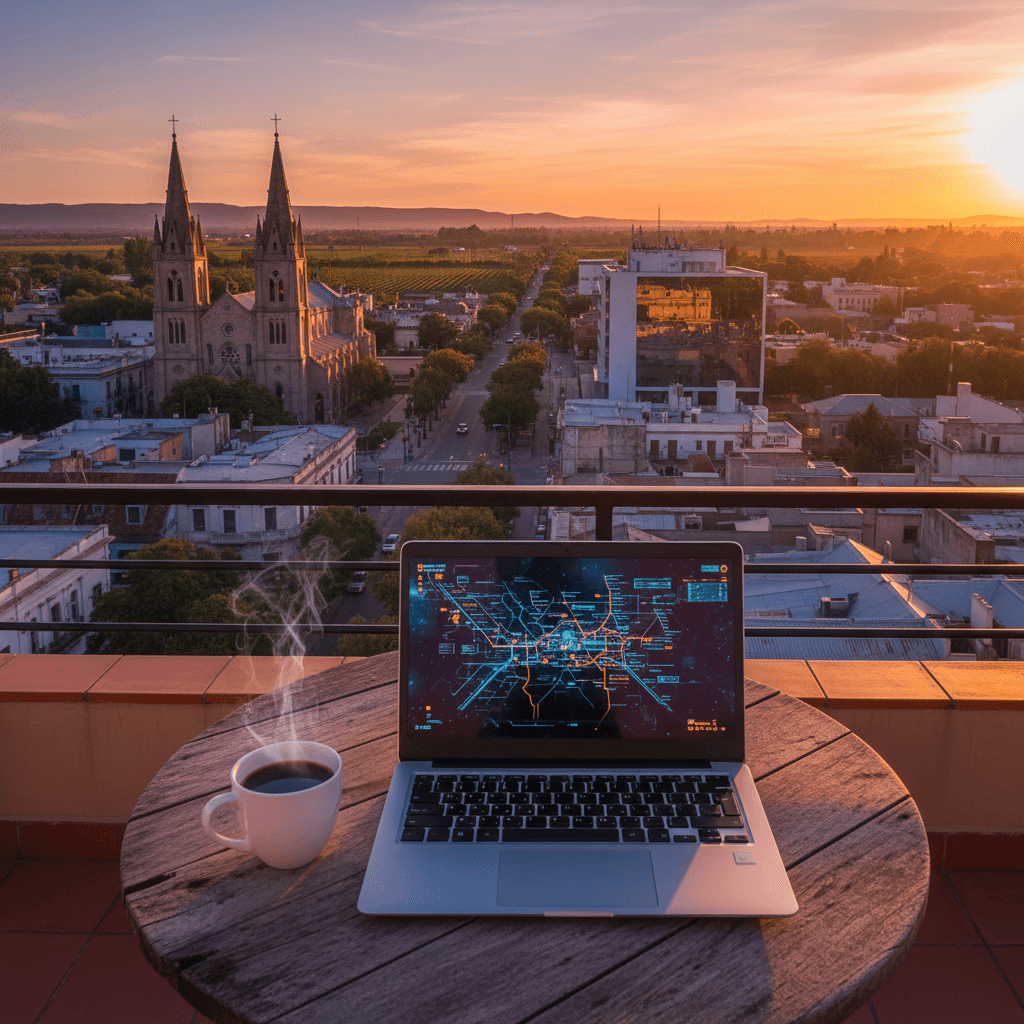
San Rafael
🇦🇷 Argentina