La Massana
🇦🇩 Andorra
The High-Altitude Sanctuary
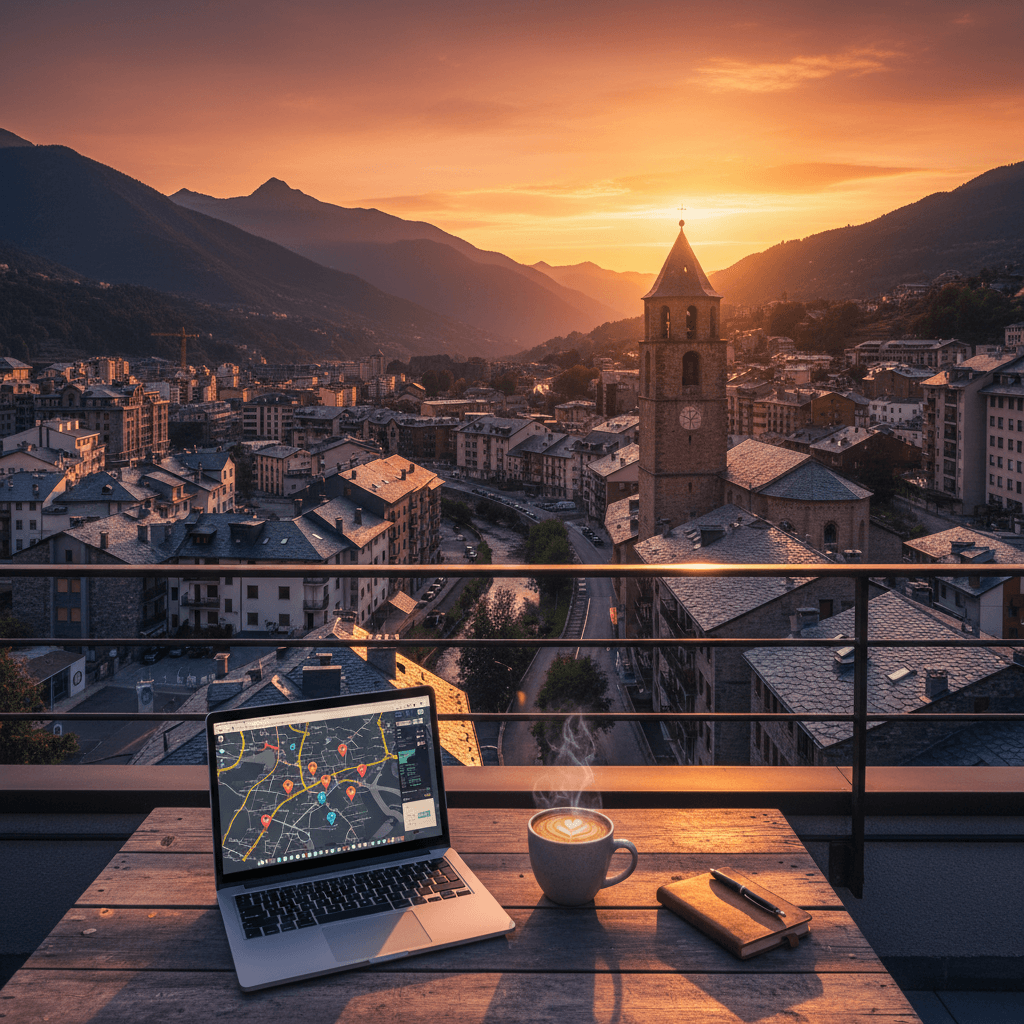
La Massana feels like a deep breath of fresh mountain air for anyone burnt out by the frantic pace of Lisbon or Bali. Tucked away in the northwestern corner of the Pyrenees, this parish trades neon lights for starlit skies and high-rise apartments for stone-walled chalets. It is a place where your morning routine might involve a quick mountain bike descent or a quiet coffee looking out over the Valira del Nord river before you settle into your deep work session.
What sets it apart from the capital, Andorra la Vella, is the immediate sense of space and silence. While it is only a 20 minute drive from the duty-free shops and traffic of the city, La Massana exists in a different gear. It is the kind of place where people know their neighbors and the loudest sound is the wind through the pines. For nomads, it offers a rare combination: the rugged isolation of a mountain retreat backed by some of the fastest fiber optic internet in Europe.
The Nomad Experience
Living here means leaning into a lifestyle of focused productivity and outdoor recovery. Most nomads find that while the social scene is quieter than in larger hubs, the quality of life is exceptionally high. You aren't here for the clubbing; you're here because you want to finish your biggest project while paying a maximum of 10% income tax and spending your weekends hiking the Madriu-Perafita-Claror Valley.
The introduction of the digital nomad residence permit in 2023 has started to shift the demographic, bringing in more remote workers who value safety and stability. Expats often remark on the "bubble" effect; there is virtually no crime, and the streets are safe at any hour. It is a productive sanctuary where the environment encourages a healthy, active routine that is hard to maintain in more urbanized nomad hotspots.
Cost of Living & Logistics
La Massana is significantly more wallet-friendly than the capital, making it the strategic choice for those who want to keep their overhead low without sacrificing comfort. You can expect to pay between €600 and €800 for a decent one-bedroom apartment or studio, whereas you would be looking at €1,200 or more just a few miles down the road.
- Budget (Solo): €1,200 to €1,800 per month. This covers a shared living space, cooking at home, and using the reliable local bus system.
- Mid-range: €2,000 to €3,000 per month. This allows for a private apartment in the parish, regular dining out at local mountain grills, and a dedicated desk at a coworking space.
- Comfortable: €3,500+ per month. This includes a premium chalet-style apartment, frequent skiing or mountain activities, and upscale dining.
The Neighborhood Vibe
The parish is divided into small, distinct pockets that cater to different speeds of life. If you want to be close to the action, the main town of La Massana is your best bet. If you are an avid skier or mountain biker, you'll likely gravitate toward Pal or Arinsal. These areas serve as basecamps for the Vallnord ski resort and offer a more rustic, adventurous atmosphere.
Arinsal, in particular, has a slightly more social feel during the winter months when the pubs fill up with the après-ski crowd. However, if you find yourself craving a more cosmopolitan afternoon, the capital is always within reach for a quick coworking session at Hive Five or a shopping trip. Most travelers recommend having a car if you plan to stay long-term, though the local buses are efficient for getting between the major towns for a few Euros per trip.
The Financial Reality of Mountain Life
Living in La Massana offers a rare sweet spot for the Pyrenees. You get the tax advantages of Andorra without the inflated price tag of the capital, Andorra la Vella. Most digital nomads find that their biggest savings come from the lower rent and the capped 10% income tax, which makes your euro stretch much further than it would in neighboring France or Spain.
While Andorra isn't a "budget" destination in the way Southeast Asia is, La Massana is surprisingly accessible for those who want a high quality of life. Expect to spend between €2,000 and €3,000 per month for a comfortable mid-range lifestyle that includes a private apartment, frequent meals out, and a coworking membership.
Housing and Rent
The real draw of La Massana is the housing market. While you might struggle to find a decent studio in the capital for under €1,200, La Massana and its surrounding villages like Arinsal and Pal are much more forgiving. Local expats recommend looking for "pisos" (apartments) during the shoulder seasons to avoid the winter ski rush.
- Studio or 1BR Apartment: €600 to €800 per month. These are often modern with mountain views.
- Shared Housing: €400 to €550 per month for a room in a larger chalet or apartment.
- Short-term Airbnbs: €1,300+ per month, though prices spike significantly during the December to March ski season.
Eating and Drinking
Groceries are generally affordable because of the low VAT, but eating out can vary. You'll find plenty of "Borda" style restaurants (traditional stone houses) that serve hearty mountain food. If you're on a budget, stick to the "Menu del Dia" at lunch, which is a staple across the parish.
- Quick Meal or Street Food: €5 to €10 for a sandwich or local snack.
- Mid-range Dinner: €15 to €25 for a main course and a glass of wine.
- Upscale Dining: €40+ for a multi-course meal in one of the higher-end hotels or resort areas.
- Monthly Groceries: €300 to €450 for a single person, depending on how much you rely on imported goods.
Connectivity and Working
Internet is rarely an extra cost you need to worry about because fiber optic coverage is standard across the parish. However, if you prefer a professional environment, you'll likely head into the capital for the best facilities. Hive Five in Andorra la Vella is the go-to spot for the nomad community, costing about €150 to €250 for a monthly hot desk. If you stay local in La Massana, many cafes are workstation-friendly as long as you keep the coffee orders coming.
Transportation and Extras
Public transport is efficient and cheap. A bus ride from La Massana to the capital costs between €2 and €5, and the lines are reliable. You won't find Uber here, but the local taxi services are professional, and the parish is small enough that you can walk almost everywhere within the center. For those planning to ski, a season pass is a significant but worthwhile investment, usually ranging from €600 to €900 depending on when you buy it.
Budget Tiers for Solo Nomads
- The Budget Nomad (€1,200 to €1,800): You're likely sharing an apartment in Arinsal, cooking most meals at home, and using the bus to get around. You spend your weekends hiking rather than at the bars.
- The Mid-Range Nomad (€2,000 to €3,000): This is the sweet spot. You have your own 1BR apartment, eat out a few times a week, and maintain a membership at a coworking space or a local gym.
- The Comfortable Nomad (€3,500+): You're living in a high-end apartment or a small chalet, dining at the best spots in the parish, and likely have a car or a premium ski pass for the winter months.
For Digital Nomads: Arinsal
If you're moving to Andorra to take advantage of the 2023 digital nomad residence permit, Arinsal is your best bet. It’s a high altitude village that feels like a dedicated basecamp for remote workers who want to hit the slopes between Zoom calls. While the capital is only a 20 minute drive away, Arinsal keeps you right at the foot of the Vallnord ski station.
The vibe here is focused but social in a rugged way. You'll find plenty of cafes with reliable fiber optic internet, which is standard across the parish. Most nomads find that while there isn't a dedicated coworking space in the village itself, the local bars and hotel lobbies are very welcoming to laptop users during the day. For a more formal office environment, you can commute to Hive Five in nearby Andorra la Vella for about €150 to €250 a month.
- Rent: Expect to pay €600 to €800 for a decent one bedroom apartment.
- Vibe: Active, outdoorsy, and seasonal.
- Connectivity: Full fiber optic coverage with speeds among the fastest in Europe.
For Expats: La Massana Center
Expats looking for long term stability usually gravitate toward the main town of La Massana. It’s the administrative heart of the parish and offers a more "lived-in" feel than the ski resorts. Living here gives you the best access to the low tax benefits of the region while keeping you close to supermarkets, banks, and the Andorra Telecom service centers.
The community here is a mix of Catalan locals and international residents who appreciate the safety and the 10% maximum income tax. It's much quieter than the capital, but you won't feel isolated. The town center is walkable, and the local bus system is incredibly reliable for trips down the valley. Expats recommend this area if you want to avoid the "tourist bubble" while still having access to modern amenities.
- Rent: €700 to €900 for a well located apartment.
- Food: Local mountain bistros serve mid range meals for €15 to €25.
- Pros: Year round services and a more authentic local lifestyle.
For Families: Sispony and Anyós
Families often choose the smaller villages of Sispony or Anyós, located just a few minutes from the town center. These areas are residential, peaceful, and offer more space for your money. They are perfect for those who want a garden or a terrace with views of the Pyrenees. Safety is a non issue here; the crime rate is virtually zero, making it a place where kids can actually play outside without worry.
The proximity to the Madriu Perafita Claror Valley means weekend family hikes are right on your doorstep. While you'll likely want a car for grocery runs and school drop offs, the peace and quiet are worth it. These neighborhoods feel like a retreat from the world, yet you're still connected to the most modern infrastructure in the region.
- Housing: Larger apartments or small houses starting around €1,200.
- Atmosphere: Quiet, safe, and community oriented.
- Education: Easy access to the various international and local school systems in the parish.
For Solo Travelers: Pal and Erts
If you are traveling solo and your main goal is photography or hiking, Pal is one of the most beautiful spots in the country. It’s a preserved medieval village that looks like a postcard. It’s much smaller and more isolated than Arinsal or the town center, so it’s best for those who truly want to unplug and don't mind a bit of solitude.
Erts is another great option for solo stays, acting as a crossroads between the mountain peaks and the town. It’s slightly more affordable and offers a few local pubs where it’s easy to meet people. Solo travelers often find that the social scene is limited to mountain activities, so if you're looking for nightlife, you'll want to head into Andorra la Vella for the evening.
- Rent: Studios can be found for €500 to €700 if you book in the off season.
- Activities: High end mountain biking in the summer and skiing in the winter.
- Transport: Local buses cost about €2 to €5 per ride to get into the main hub.
Connectivity in the Pyrenees
Andorra has pulled off something of a digital miracle in the mountains. Every corner of the country, including the residential pockets of La Massana, is covered by a high speed fiber optic network. It is actually one of the few countries in the world with 100 percent fiber coverage. You can be tucked away in a stone chalet in Arinsal and still pull down speeds that rival most tech hubs in London or Berlin.
Most nomads find the reliability here to be the biggest draw. Power outages are rare, and the internet rarely throttles during peak hours. If you are renting an apartment, chances are the fiber is already installed. If you need to set up a new line, Andorra Telecom is the sole provider. They are efficient, though you will need your residency documents or a local bank account to get a permanent contract sorted.
For mobile data, don't rely on your EU roaming plan. Andorra is not in the EU, and roaming charges here are notoriously predatory, sometimes costing several euros per megabyte. Pick up a local prepaid SIM from Andorra Telecom for about €15 to €30. This will give you enough data to navigate the trails or tether in a pinch without a heart-stopping bill at the end of the month.
Coworking Spaces and Where to Work
While La Massana is the preferred spot for living and sleeping, the dedicated coworking scene is still centered in the capital. Because the two areas are only 15 to 20 minutes apart by bus or car, many nomads commute into the city for a social office environment.
- Hive Five CoWorking: Located in Andorra la Vella, this is the gold standard for the region. It is a modern, bright space with ergonomic chairs and private phone booths. Expect to pay around €25 for a day pass or between €150 and €250 for a monthly desk. It is the best place to meet other remote workers and the occasional local entrepreneur.
- Ingeni Coworking: Another solid option in the capital that offers a more corporate but highly functional vibe. It is great for those who need meeting rooms for client calls.
- Local Libraries: The public library in La Massana is a quiet, free alternative if you just need a desk and basic WiFi for a few hours. It lacks the networking perks of a private club, but it is perfect for deep work.
The Cafe Culture for Nomads
If you prefer the "laptop and a latte" lifestyle, La Massana has plenty of spots where you won't be chased out for opening a MacBook. The vibe is generally relaxed, especially during the shoulder seasons when the ski crowds have thinned out.
Expats recommend Grupetta for a morning work session. The coffee is excellent and the atmosphere is calm enough for light admin work. For something with a bit more energy, Mon Bohemi is a favorite for its healthy food and reliable connection. Just keep in mind that during the height of the ski season in January and February, these places can get loud with tourists, so bring your noise-canceling headphones.
Overall, the infrastructure in La Massana is built for productivity. While you might have to travel a few kilometers for a formal coworking community, the sheer speed and stability of the home internet makes it one of the most underrated remote work bases in Europe.
A Sanctuary of Safety
La Massana is arguably one of the safest places you'll ever live. Crime is so negligible here that locals often leave their cars unlocked while running into a shop, and the "bad neighborhood" simply doesn't exist. For digital nomads who often carry thousands of dollars in tech gear, this provides a level of peace that's hard to find in larger European hubs like Barcelona or Toulouse.
You can walk home through the center of the parish or along the trails in Arinsal at any hour without a second thought. Most residents describe the atmosphere as a small town where everyone looks out for one another. The only real "dangers" you'll face are environmental, specifically during the winter months when heavy snowfall can make mountain driving tricky or hiking trails slippery.
World-Class Healthcare (CASS)
Andorra's healthcare system consistently ranks among the best globally. It's managed by the CASS (Caixa Andorrana de Seguretat Social). If you're moving here on the new digital nomad residence permit, you'll eventually integrate into this system, which operates on a co-pay model. Generally, the system covers 75% to 90% of medical costs, leaving you with very small out-of-pocket expenses for doctor visits or prescriptions.
While La Massana has excellent local clinics and pharmacies for day to day needs, the main hospital, Hospital Nostra Senyora de Meritxell, is located just 15 to 20 minutes away in Escaldes-Engordany. It's a modern facility with English-speaking specialists accustomed to treating the international expat community.
Practical Health Tips for Nomads
- Pharmacies: Look for the "Farmàcia" signs. They are highly regulated and pharmacists here can often give expert advice for minor ailments, saving you a trip to the doctor.
- Emergency Number: Dial 112 for any emergency services. The response times in the parish are impressively fast.
- Mountain Safety: If you're heading out to the Comapedrosa Highlands, always check the local weather forecast first. High-altitude weather changes in minutes, and mountain rescue, while efficient, is something you'd rather avoid.
- Insurance: Until your residency and CASS registration are finalized, nomads recommend maintaining a private international policy like SafetyWing or World Nomads to cover any gaps.
Health Costs at a Glance
- General Practitioner Visit: Approximately €25 to €30 before any reimbursements.
- Specialist Visit: Usually ranges from €50 to €80.
- Standard Prescription: Often costs less than €15 for common antibiotics or treatments.
- Dental Cleaning: Expect to pay around €50 to €70 at local private clinics.
The air quality in the Pyrenees is a massive health perk in itself. Many expats find that their general well-being improves simply by swapping city smog for the crisp mountain air of the valley. It's a "wellness" destination without the pretension, where the lifestyle naturally encourages you to stay active and clear-headed for your work day.
Getting In and Out
Reaching La Massana is a bit of an adventure since Andorra doesn't have its own airport. Most nomads fly into Barcelona-El Prat (BCN) or Toulouse-Blagnac (TLS). Both are roughly 3 hours away by road. You can book a seat on the AndBus or DirectBus coaches, which run several times a day and cost about €35 to €45 for a one way ticket. These buses are comfortable, have WiFi, and drop you off at the central station in Andorra la Vella, where a quick taxi or local bus will get you up the hill to La Massana.
The Local Bus Network
Once you're settled, the Cooperativa Interurbana Andorrana (CIA) bus system is your best friend. The L5 line connects Arinsal and La Massana to the capital, while the L6 line connects Ordino and La Massana to the capital, taking approximately 15-20 minutes. Rides usually cost between €2 and €5 depending on how many zones you cross, but if you're staying for a month or more, buy a rechargeable T-10 card to bring that cost down significantly.
- L5 Line: Connects Arinsal and La Massana to the capital.
- L6 Line: Connects Ordino and La Massana to the capital.
- Night Bus (Bn): Runs on weekends, though it's less frequent, so check the schedule before a late night out.
Walking and Micromobility
The center of La Massana is highly walkable. You can get from your apartment to the supermarket, the pharmacy, and the Vallnord cable car station all within a ten minute stroll. Because the terrain is steep, many expats skip the traditional bicycles and opt for electric mountain bikes or e-scooters. You'll see plenty of locals zip up the inclines on these. Just keep in mind that while the parish center is pedestrian friendly, the roads connecting the smaller villages like Pal or Arinsal are narrow and winding, making them better for cars or experienced cyclists.
Taxis and Ride-Hailing
Don't bother looking for Uber or Cabify here; they don't operate in Andorra. Instead, you'll rely on traditional taxis. You can find them at the main stands near the cable car or call a service like Taxi Andorra. A ride from La Massana to the capital typically runs between €15 and €25 depending on the time of day. It's a reliable service, but it can get pricey if you're using it for daily commutes, so most nomads stick to the bus for routine trips.
Driving and Parking
If you plan on exploring the deeper Pyrenean valleys or hidden hiking trailheads, having a car is a massive advantage. Rental prices are reasonable, but parking in the center of La Massana can be a headache during the peak ski and bike seasons. Look for the large public "Comú" parking lots, which are usually cheaper than street parking. If you're moving here long term, ensure your apartment rental includes a parking spot, as street spaces disappear fast when the snow starts falling.
The Gondola Life
A unique quirk of living here is using the La Massana Gondola as a form of "public transport" during the winter and summer seasons. It whisks you from the center of town straight up to the Pal-Arinsal ski area in minutes. While it's primarily for tourists and skiers, many locals use it to access mountain restaurants or high altitude hiking trails without having to drive the long, winding mountain roads.
The Linguistic Landscape
Andorra is the only country in the world where Catalan is the sole official language. In La Massana, you'll see it on every street sign, menu, and government form. It is the heartbeat of the parish, but don't let that intimidate you. Because of its position wedged between two giants, almost everyone you meet is trilingual, effortlessly switching between Catalan, Spanish, and French.
Spanish is arguably the most common language spoken on the street and in shops. If you have a basic grasp of Spanish, you'll have no trouble getting through your daily routine, from ordering a coffee at a local cafe to chatting with your landlord about your lease. French is also widely understood, particularly given the proximity to the border and the number of visitors coming over from Toulouse.
English Proficiency and the Nomad Experience
English proficiency in La Massana is generally moderate to good, especially within the tourism and tech sectors. In the ski resorts of Arinsal and Pal, English is practically a second language during the winter months. Most shopkeepers and restaurant staff in the center of the parish can handle English inquiries without a hitch.
For digital nomads, the professional environment is quite accommodating. If you're heading into nearby Andorra la Vella to work at Hive Five CoWorking, you'll find that English is the common denominator among the international remote work community. However, for long term expats, learning the basics of Catalan is a major power move. It’s not just about utility; the locals deeply appreciate the effort, and it opens doors to a more authentic social life beyond the expat bubble.
Practical Tools and Communication
While you can get by with hand gestures and a smile, having a few digital tools makes the transition smoother. Google Translate handles Catalan quite well, and it's a lifesaver for translating official documents or mail from the Comú de La Massana. For those looking to actually learn, Duolingo offers a Catalan course (taught through Spanish), or you can look into the free Catalan classes often provided by the Andorran government to encourage integration.
When it comes to staying connected, Andorra Telecom is the only game in town. They provide the fiber optic infrastructure that gives the country its world class internet speeds. You can pick up a prepaid SIM card at their branches or authorized retailers. Most nomads recommend getting a local SIM immediately, as Andorra is not part of the EU roaming zone, and using your home SIM can lead to eye watering roaming charges.
- Bon dia: Good morning (The most common greeting you'll hear).
- Gràcies: Thank you.
- Adéu: Goodbye.
- Si us plau: Please.
- Parleu anglès?: Do you speak English?
Integration and Social Etiquette
Expats often find that while the community is welcoming, the social scene in La Massana is quieter and more reserved than in Spain or France. Communication tends to be direct but polite. If you're trying to meet people, joining local hiking or skiing groups is the best way to break the ice. These groups often communicate via WhatsApp or Telegram, which are the standard messaging apps for everything from business inquiries to social meetups.
If you're planning to stay for the long haul under the digital nomad residence permit, keep in mind that official business with the government will likely require a translator if your Catalan or Spanish isn't up to par. Many nomads hire a local gestor (a mix between an accountant and an administrative fixer) to handle these communications, ensuring nothing gets lost in translation during the residency process.
The Seasonal Cycle
La Massana follows a distinct Pyrenean rhythm that dictates the pace of life for the local nomad community. Since it sits at a higher elevation than the capital, the seasons here feel more pronounced. You can expect crisp mountain air year round, but the vibe shifts dramatically between the snow season and the hiking months.
Winters are cold and dominated by the ski industry, with temperatures typically hovering between -5°C and 5°C from December through March. If you're a winter sports enthusiast, this is your peak season. The Vallnord ski resort is right on your doorstep, and the town fills up with a mix of seasonal workers and powder hounds. Just be prepared for occasional blizzards that can make travel between parishes a bit slow.
Summers provide a refreshing escape from the sweltering heat found in nearby Spain or France. From June to August, you'll see daytime highs of 15°C to 25°C. It’s perfect for working on a balcony without needing air conditioning. The evenings stay cool, often requiring a light jacket even in July.
Best Time for Digital Nomads
For most remote workers, the "sweet spot" months are May, June, and September. During these shoulder seasons, the weather is stable enough for long hikes in the Madriu Perafita Claror Valley, but the crowds are thin and the rental market is less competitive.
- May and June: The mountains turn incredibly green, and the wildflowers are in full bloom. It's the best time for photography and outdoor meetings.
- September: You get clear, blue skies and very comfortable working temperatures. Most travelers have headed home, leaving the cafes quiet for those focused on deep work.
- December to February: Essential for skiers, but be aware that accommodation prices can spike and the town feels much more "touristy" than usual.
When to Avoid
If you aren't a fan of grey skies and rain, you might find October and November a bit gloomy. This is the primary rainy season, and as the autumn colors fade, the town can feel a little sleepy before the first snow falls. Many local businesses take a short break during this period to gear up for the winter rush, so the social scene is at its quietest.
What to Pack
Living in La Massana requires a "layers" mindset. Even in the height of summer, the temperature drops significantly as soon as the sun dips behind the peaks. Nomads here recommend keeping a high quality windbreaker and a pair of sturdy boots nearby at all times. If you're arriving in winter, don't skimp on thermal gear; the wind chill in the parish can be biting when you're walking to a cafe for your morning coffee.
Local expats often suggest checking the Meteo.ad app or website daily. Mountain weather changes fast, and a sunny morning can turn into a thunderstorm by 3:00 PM. Having a reliable weather app is a staple for anyone planning to balance a 40 hour work week with mountain exploration.
Getting Settled and Staying Connected
Andorra is a global leader in connectivity, which is the main reason La Massana works so well for remote work. Every corner of the parish is covered by full fiber optic internet. Most rentals come with speeds that put major European capitals to shame, so you won't need to worry about dropped Zoom calls or slow uploads even when you're tucked away in a mountain chalet.
For a dedicated office environment, many nomads head 15 minutes down the road to Hive Five CoWorking in Andorra la Vella. It costs roughly €150 to €250 per month for a hot desk and gives you a chance to network with the local startup crowd. If you prefer working from cafes, look for spots in the center of La Massana or Arinsal; just keep in mind that mountain cafes are often more about apres ski vibes than laptop culture.
Pick up a local SIM card from Andorra Telecom as soon as you arrive. Since Andorra isn't in the EU, your standard European roaming plans will likely charge you exorbitant rates. You can get a prepaid data SIM for about €15 to €30 to keep you connected while hiking or skiing.
Navigating the Parish
Public transport is surprisingly efficient for a mountain region. The L5 and L6 bus lines connect La Massana to the capital every few minutes for about €2 to €5 per ride. It's a reliable way to get to the shops without worrying about parking.
- Arrival: Most travelers fly into Barcelona (BCN) or Toulouse (TLS). Both are roughly 3 hours away. The Andorra Direct Bus or Novatel coaches run several times a day and cost around €35 for a one way ticket.
- Taxis: There is no Uber or Bolt here. You'll need to call a local taxi or use the Taxi Andorra app.
- Walking: Within the village of La Massana, everything is walkable. However, if you live up the hill in Pal or Arinsal, you'll want a car or a sturdy pair of legs for the steep inclines.
The Logistics of Living
The 2023 Digital Nomad Residence Permit has made staying here long term much easier. It's designed for people who work for companies outside of Andorra and offers a path to residency with a maximum 10% income tax rate. You'll need to prove a clean criminal record and have private health insurance until you're integrated into the CASS (local healthcare) system.
Safety is a non issue. You can walk anywhere at 3:00 AM without a second thought. Local expats often joke that the biggest danger is a stray cow on the road or a heavy snowfall blocking your driveway. For any medical needs, the Nostra Senyora de Meritxell Hospital in the capital is world class and just 10 minutes away.
Language and Local Life
Catalan is the official language, but you'll hear Spanish and French everywhere. English is common in the ski shops and hotels, though learning a few Catalan basics like "Bon dia" (good morning) or "Gràcies" (thanks) goes a long way with the locals.
Life here follows the mountain seasons. From December to March, the town is a playground for skiers, with temperatures hovering between -5°C and 5°C. Summer is the sweet spot for hikers, with crisp air and highs of 25°C. If you're looking for a wild nightlife scene, you might find La Massana too quiet; it's a place for people who'd rather be on a trail at sunrise than in a club at 4:00 AM.
Budget Breakdown
While the capital is getting pricey, La Massana remains a bit more accessible for those on a mid range budget.
- Studio or 1BR Apartment: Expect to pay €600 to €800 per month.
- Groceries: About €300 to €400 per month. Shopping in nearby Spanish towns like La Seu d'Urgell can save you money on fresh produce.
- Dining Out: A mid range meal with wine usually runs €15 to €25.
- Total Monthly Spend: A solo nomad can live comfortably on €2,000 to €3,000, including a few ski passes or mountain bike rentals.
Need visa and immigration info for Andorra?
🇦🇩 View Andorra Country GuideHidden Gem
Worth the effort