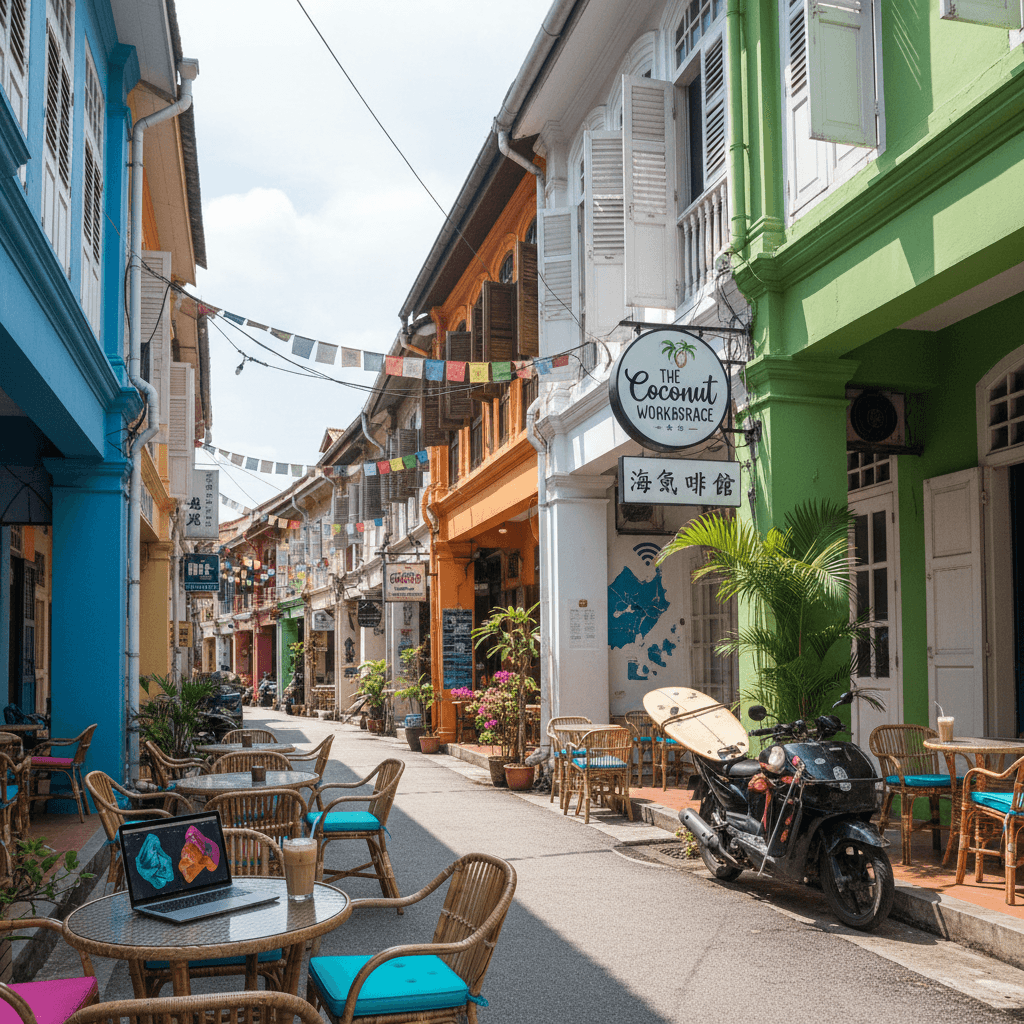
Kuantan
🇲🇾 Malaysia
The East Coast's Slow-Burn Secret
Kuantan isn't the kind of place that tries to impress you with high-speed glitz or a frantic social calendar. While Kuala Lumpur screams and Penang chats, Kuantan hums. It sits on Malaysia's east coast as a gateway to the South China Sea, offering a lifestyle that feels like a deep exhale. For digital nomads, the appeal isn't a pre-packaged community of influencers; it's the chance to live exceptionally well for less than $600 a month while soaking in an atmosphere that is unapologetically local.
The city has a distinct coastal rhythm. You'll see it in the way the afternoon heat sends everyone toward the shade of a cafe or the breeze of the riverfront, only for the streets to wake up as the sun dips. It's a place where "rush hour" is a relative term and where your barista actually remembers your name after two visits. You aren't just another tourist here; you're part of the neighborhood fabric.
The Vibe: Authentic and Unfiltered
If you're looking for a carbon copy of Canggu or Chiang Mai, you won't find it here. Kuantan lacks the polished "nomad infrastructure" of dedicated coworking hubs on every corner. Instead, the working culture happens in places like Kula Cakes or Beanz & Co, where the Wi-Fi is snappy and the mango cheesecake is legendary. It’s a city for the self-directed worker who prefers a quiet afternoon by the Kuantan River over a crowded networking event.
Expats often describe the city as "comfortably sleepy." There is no real nightlife to speak of, at least not in the Western sense of clubs and bars. Evening entertainment usually revolves around a $3 meal at a night market, a slow walk through the Taman Gelora lotus ponds, or catching the sea breeze at Teluk Chempedak. It’s a dry, family-oriented culture that rewards those who enjoy early mornings and nature over late-night parties.
What It Costs to Live Here
The biggest draw for long-term stays is the sheer affordability. Kuantan is one of the cheapest urban centers in Malaysia. Most nomads find they can live a "luxury" lifestyle on a budget that would barely cover a room in London or New York. You can secure a modern 1-bedroom apartment in the city center for between $155 and $276. If you move toward the outskirts, that price can drop as low as $115.
- Daily Food Budget: You can eat like a king for $10 to $15 a day. A hearty plate of Nasi Lemak at a hawker stall is usually $2 to $3, while a nice dinner for two at a mid-range spot like Tjantek will run you about $12.
- Utilities and Connectivity: Unlimited fiber internet averages $26 per month. Electricity and water for a standard apartment usually stay under $20.
- Transport: A Grab ride across town rarely exceeds $5, and a monthly bus pass is only $20.30.
Choosing Your Neighborhood
Each pocket of Kuantan offers a different slice of life. Most remote workers gravitate toward Bandar Indera Mahkota (BIM). It’s the modern heart of the city, home to the KMI Kuantan Medical Centre and the best cluster of cafes. It feels the most "international" and is generally considered the safest and most convenient base for newcomers.
For those who want more soul, Jalan Besar in the city center offers historic shophouses and immediate access to the best street food. If you prefer waking up to the sound of the ocean, Teluk Chempedak is the go-to, though you’ll pay a premium for the view and deal with more weekend foot traffic. Travelers looking for a middle ground often choose Taman Gelora, which sits near the estuary and offers the best green spaces in the city.
The Reality Check
Living here requires a bit of an adjustment. You’ll need the Grab app for almost everything, as the city isn't particularly walkable outside of the immediate downtown core. You’ll also need to be proactive about meeting people. Without a central "nomad hub," social life happens through hobby groups, gyms, or just being a regular at the local coffee shops. It’s a city that asks you to slow down and meet it on its own terms, but for the right person, that’s exactly why it works.
The Lowdown on Local Costs
Kuantan is easily one of the most affordable coastal cities in Southeast Asia. While digital nomads flock to Bali or Chiang Mai, this Malaysian city remains a quiet budget powerhouse. You can live a high quality life here for a fraction of what you would spend in Kuala Lumpur or Penang. Most expats find that their biggest challenge isn't the cost, but rather resisting the urge to eat out for every single meal because it's so cheap.
A single person can live comfortably on about $550 to $680 per month, including rent. If you are really pinching pennies and sticking to local neighborhoods, you could even get that number down toward $335. It's the kind of place where your dollar stretches so far you'll stop checking your bank balance before every dinner.
Housing and Neighborhoods
Rent will be your biggest variable, but even the high end is modest. Most nomads gravitate toward Bandar Indera Mahkota (BIM) because it feels modern and has the best infrastructure. If you want to be near the water, Taman Gelora offers a more scenic, residential vibe.
- City Center Studio: You'll pay between $155 and $276 for a decent one bedroom right in the heart of the action.
- Three Bedroom Apartment: If you need more space or a home office, a large 3BR in the center averages around $302.
- Budget Neighborhoods: Looking outside the immediate center can drop your rent to as low as $115 to $225.
Eating and Drinking
Food is where Kuantan really shines. The city has a massive street food culture that keeps costs incredibly low. You'll find yourself eating at hawker stalls more often than not, simply because the food is better than what you'd cook at home. A solid meal at a local spot usually costs between $2 and $3.
- Mid-range Lunch: A typical set lunch at a cafe or restaurant costs about $2.70.
- Dinner for Two: A nice sit down dinner at a mid-range restaurant will run you around $12 total.
- Upscale Dining: If you're heading to the beach at Teluk Chempedak for a splurge, expect to pay $15 to $25 per person.
- Coffee: A latte at a trendy spot like Kula Cakes or Beanz & Co is usually around $3.
Day to Day Expenses
Utilities and connectivity are reliable and won't break the bank. Most apartments have decent fiber connections, and the 4G/5G coverage across the city is strong. You won't find many dedicated coworking spaces yet, so most remote workers set up in cafes or just work from their apartments.
- Internet: Unlimited home broadband (50 Mbps+) costs roughly $25.60 a month.
- Mobile Data: A prepaid SIM with a generous data plan from Maxis or Celcom is about $13.
- Utilities: Monthly electricity and water for a standard apartment averages $18.20, though this goes up if you run the AC 24/7.
- Fitness: A monthly gym membership is around $28.
- Transport: A Grab ride across town usually costs between $3 and $8. If you're brave enough for the bus, a single ticket is only $0.47.
Healthcare and Wellness
Healthcare in Kuantan is surprisingly high quality. Expats usually head to KMI Kuantan Medical Centre in Bandar Indera Mahkota for anything serious. It's a private hospital with 24 hour service and English speaking staff. A routine visit to a GP will cost you about $22, and basic pharmacy supplies like cold medicine are usually under $4. It's an easy place to stay healthy without needing a massive insurance payout for a simple checkup.
For Digital Nomads: Bandar Indera Mahkota (BIM)
If you're coming to Kuantan to work, BIM is the place you'll likely call home. It's a modern, planned township that feels more like a mini-city than a traditional neighborhood. Most nomads prefer this area because it has the best infrastructure and the most reliable fiber internet connections in town.
You'll find a growing cafe culture here that makes up for the lack of formal coworking spaces. Places like Beanz & Co or Kula Cakes are popular spots where you can set up with a laptop for a few hours. The vibe is professional yet relaxed, and you're likely to bump into other remote workers here.
- Monthly Rent: $155 to $276 for a modern 1BR apartment.
- Connectivity: Best in the city, with speeds often hitting 50+ Mbps.
- Amenities: Home to the KMI Kuantan Medical Centre and several modern shopping clusters.
For Expats & Long-Term Residents: Teluk Chempedak
Expats who want a bit of luxury usually head toward the coast. Teluk Chempedak is the most upscale part of Kuantan, offering a mix of high-end condos and proximity to the beach. It's the most "westernized" part of the city, featuring international chains like Starbucks and McDonald's alongside local seafood spots.
While it's the most expensive area, the trade-off is the view and the air quality. You're steps away from coastal walks and the jungle trekking trails that lead to Teluk Pelindung. It feels less like a city and more like a permanent vacation spot, though you'll need a car or a Grab account to get into the city center for errands.
- Monthly Rent: Expect to pay $300+ for premium residential options.
- Vibe: Touristy on weekends, but peaceful and exclusive during the week.
- Top Perk: Immediate access to the best beaches and evening seaside breezes.
For Families: Taman Gelora
Taman Gelora is the sweet spot for families who want a balance between nature and community. It's a scenic residential pocket near the river estuary. The neighborhood revolves around the Taman Gelora park, which is the city's lungs. Parents love it for the lotus ponds, jogging tracks, and the safe, quiet streets.
The Sunday morning Farmers Market (7 AM to 11 AM) is a local institution here. It's a great place for families to stock up on fresh produce and local snacks while mingling with the neighbors. It feels like a tight-knit community where people actually know each other's names.
- Lifestyle: Very active; you'll see everyone out walking or cycling at sunrise and sunset.
- Cost: Mid-range, with spacious 3BR houses often renting for around $300.
- Atmosphere: Green, quiet, and distinctly local.
For Solo Travelers & Budget Seekers: City Center (Jalan Besar)
Solo travelers looking to stretch their dollars and stay in the heart of the action should look at the historic downtown area around Jalan Besar. This is where you'll find the soul of Kuantan, characterized by old shophouses, street art, and the Kuantan River Esplanade. It's the only part of the city that's truly walkable.
Living here means you're steps away from the best street food and RapidKuantan bus hubs. While the buildings are older and it can get noisy during the day, the convenience is unbeatable. You can grab a meal at a hawker stall for $2 and be at the riverfront for a sunset stroll in minutes.
- Monthly Rent: The cheapest in the city, with older units starting as low as $115.
- Food: Incredible variety of Malay and Chinese street food within a five-minute walk.
- Transport: Best access to the $0.47 bus tickets and the main taxi stands.
Connectivity and Speed
Kuantan might not have the high octane energy of Kuala Lumpur, but its fiber optic backbone is surprisingly solid. Most digital nomads find that the local infrastructure handles Zoom calls and large file uploads without breaking a sweat. You can expect home broadband speeds to hover around 50 Mbps to 100 Mbps, and it's rare to find a cafe or guesthouse that doesn't offer free WiFi as a standard perk.
For a monthly unlimited fiber plan, you'll likely pay between $25 and $45. If you're staying in a modern apartment in Bandar Indera Mahkota, the connection is usually rock solid. In older parts of the city center, it's worth checking the router placement before committing to a long term stay, as thick concrete walls in traditional shophouses can sometimes act as Faraday cages.
Coworking and Remote Work Spots
You won't find a massive selection of dedicated coworking spaces here like you would in Penang. Kuantan is still in the early stages of building a formal nomad scene, so most remote workers adopt a cafe hopping strategy. It's a more DIY approach, but the lack of crowds means you can usually park yourself at a table for a few hours without getting side eyed by the staff.
- Beanz & Co: This is a favorite for many expats. It has a modern, minimalist aesthetic, plenty of power outlets, and reliable WiFi. The coffee is high quality, and the atmosphere stays relatively quiet during weekday mornings.
- Kula Cakes: While famous for its mango cheesecake, this spot has a great backyard vibe. It's better for casual emails or creative brainstorming than intense deep work, but the atmosphere is unbeatable if you want to soak in the local scene.
- Tjantek: Located in the heart of the city, this cafe doubles as a vintage gallery. It's a bit more eclectic and offers a fantastic environment if you're tired of sterile office spaces. Prices are fair, usually around $3 to $5 for a meal and a drink.
- Starbucks (Teluk Chempedak): If you need a guaranteed connection and a familiar setup, the Starbucks at the beach is surprisingly productive. You get the ocean breeze and a reliable 20 Mbps connection, though it gets packed with locals on weekends.
Mobile Data and SIM Cards
Don't rely solely on cafe WiFi. Grab a local SIM card as soon as you arrive to use as a hotspot. The big three providers are Maxis (Hotlink), Celcom, and Digi. Most travelers recommend Maxis for the most consistent coverage across the Pahang region, especially if you plan on taking trips out to the nearby rainforests or secluded beaches.
A prepaid plan with a healthy chunk of data (around 20GB to 40GB) will set you back roughly $13 per month. You can pick these up at the airport, but you'll get better rates at the mobile kiosks inside East Coast Mall or Kuantan City Mall. Just bring your passport for registration, and the staff will usually have you up and running in ten minutes.
The Nomad Community Vibe
Because there isn't a central "nomad hub," social life for remote workers in Kuantan requires a bit of effort. You won't find weekly organized meetups or networking events here yet. Most nomads connect through local Facebook groups or by simply striking up a conversation with the person next to them at a cafe in Bandar Indera Mahkota.
Expats often say that the lack of a formal scene is actually a plus. You're forced to integrate more with the locals, which leads to a more authentic experience. If you're the type of worker who needs a community manager and a scheduled happy hour, you might find Kuantan a bit lonely. But if you're self directed and enjoy a quiet, low cost environment to focus on a big project, it's a perfect fit.
Kuantan offers a level of security that makes it one of the most low stress cities on Malaysia's east coast. While it doesn't have the high energy of Kuala Lumpur, it also lacks the big city grit. Most expats and nomads find the atmosphere here incredibly relaxed, where the biggest "danger" is usually just a heavy tropical downpour or a stray monkey eyeing your snacks at Teluk Chempedak.
Staying Safe on the Ground
The city is generally very safe for solo travelers and digital nomads. You'll notice a strong police presence in Bandar Indera Mahkota, which is widely considered the safest and most modern neighborhood in town. Petty crime is rare, but standard common sense applies. Keep an eye on your phone and wallet in crowded areas like the Taman Gelora Sunday market, and avoid walking alone in poorly lit industrial zones late at night.
If you're out late, skip the walk and use Grab. It's the gold standard for getting home safely. The app provides tracked rides and upfront pricing, usually between $3 and $8 for most cross-town trips. It's far more reliable than trying to flag down a traditional taxi after dark.
Healthcare Infrastructure
The medical care in Kuantan is surprisingly robust for a city of its size. You won't have to travel back to KL for most issues. For anything serious, head straight to KMI Kuantan Medical Centre in Bandar Indera Mahkota. It's a 24 hour private hospital that nomads frequently recommend for its efficiency and English speaking staff. They handle everything from emergency room visits to specialist consultations.
Another top tier option is Aurelius Hospital Pahang. It's a private specialist facility located more centrally. Both of these hospitals are modern, clean, and far more affordable than what you'd find in the US or Europe. A standard doctor's visit usually clocks in around $22.40, and wait times are typically much shorter than at public facilities.
Pharmacies and Everyday Care
For minor ailments like "traveler’s belly" or a common cold, you'll find Poliklinik Ar Razi branches scattered throughout the city. These are great for quick GP consultations without the hospital price tag. Pharmacies are also everywhere, especially inside malls like East Coast Mall or Kuantan City Mall. You can pick up a week's worth of cold medicine for about $3.94 without a prescription.
- Emergency Services: Dial 999 for police, fire, or ambulance.
- Private Care: KMI Kuantan Medical Centre is the go to for 24/7 emergencies.
- Accessibility: Most modern private hospitals are fully wheelchair accessible.
- Payment: Private clinics usually expect payment upfront via credit card or cash, so keep your insurance receipts for reimbursement.
Environmental Awareness
The real safety thing to watch out for is the monsoon season, typically between November and February. Heavy rains can cause localized flooding and make the seas at Teluk Chempedak too dangerous for swimming. Always check the flags on the beach; if it's red, stay out of the water. Additionally, while the tap water is technically treated, most expats stick to filtered or bottled water for drinking to avoid any stomach upsets.
The Local Transit Scene
Kuantan isn't a city where you'll find a sprawling subway system or a grid of light rail. It's a place where life moves at a slower pace, and the transportation reflects that. Most nomads find that while the city is manageable without a car, having a plan for how you'll get from your apartment in Bandar Indera Mahkota to the beach at Teluk Chempedak is vital for a smooth experience.
The primary way to get around if you don't own a vehicle is Grab. It's the king of ride-hailing here and works just as reliably as it does in Kuala Lumpur, though you might wait a few extra minutes during a tropical downpour. A typical trip within the city limits usually sets you back between $3 and $8. It's the go-to choice for expats heading to dinner or getting home after a late session at a cafe.
Public Buses: BAS.MY
If you're on a strict budget or just want to travel like a local, the BAS.MY bus system with fares starting at RM2 ($0.43) per zone is your best bet. If you plan on staying for a few months and using the bus daily, a RM30 ($6.50) monthly unlimited pass is a steal.
- Reliability: Buses are generally clean and air-conditioned, which is a lifesaver in the humidity.
- Frequency: Don't expect Swiss timing. Buses run less frequently than in bigger hubs, so you'll want to check the schedules beforehand rather than just showing up at a stop.
- Major Hubs: Most routes converge at the main terminal downtown, making it the easiest spot to catch a connection.
Airport Transfers
Kuantan Airport (KUA) sits about 15 kilometers outside the city center. You have three main ways to bridge that gap when you first land:
- Grab: This is the most seamless option. You'll get upfront pricing and a direct ride to your door.
- Airport Taxis: These operate on a coupon system. Expect to pay between RM35 and RM45 ($8 to $10) for a trip into town. It takes about 13 minutes if traffic is light.
- Bus Line 100: For the ultra-budget traveler, this bus costs about $0.50 to $1. It takes roughly 20 minutes, but keep in mind you'll still have to get from the bus terminal to your specific accommodation with your luggage.
Walking and Cycling
Is Kuantan walkable? The short answer is: in patches. The historic Jalan Besar area and the city center are great for exploring on foot. You can wander between old shophouses and street food stalls quite easily. However, the city is spread out. Walking from the center to the modern suburbs of Bandar Indera Mahkota isn't practical due to the heat and lack of continuous sidewalks.
For recreation, Taman Gelora is the place to be. Locals and travelers frequent the walking and cycling paths here, especially during the cooler morning hours or right before sunset. While you won't find a city-wide bike-share program, these parks offer a safe space to get some exercise away from the main road traffic.
Driving and Rentals
Many long-term expats eventually decide to rent a scooter or a small car. Having your own wheels opens up the coastline, allowing you to hit spots like Cherating without relying on a schedule. If you choose to drive, remember that Malaysians drive on the left. Traffic in Kuantan is rarely "congested" by global standards, but it can get frantic around school drop-off times and Friday prayers.
Traditional taxis still exist, but they're becoming a rare sight compared to Grab. If you do use one, make sure the driver agrees to use the meter or negotiate a firm price before you pull away from the curb to avoid any awkwardness at the destination.
The Linguistic Landscape
Kuantan is a city where Bahasa Malaysia is the primary language of daily life. Unlike the international hubs of Kuala Lumpur or Penang, you will find a more traditional linguistic environment here. Most locals speak Malay as their first language, often with a distinct Pahang accent that sounds a bit softer and more melodic than the dialect found on the west coast.
English is widely understood in professional settings, hospitals like KMI Kuantan Medical Centre, and larger shopping malls. However, in the local hawker centers or smaller neighborhood shops in areas like Jalan Besar, communication often involves a mix of basic English and plenty of hand gestures. Most expats find that locals are incredibly patient and appreciative when you try to use even a few words of Malay.
Key Languages You will Hear
- Bahasa Malaysia: The national language and the most common way to communicate in shops, markets, and government offices.
- English: Common among younger generations, service staff in Bandar Indera Mahkota, and within the digital nomad community.
- Mandarin and Cantonese: Spoken frequently within the Chinese community, particularly in the business districts and specific restaurants.
- Tamil: Spoken by the local Indian community, especially around the traditional spice shops and temples.
Practical Communication Tips
If you are planning to stay for more than a month, learning basic Malay phrases will transform your experience. Being able to order food or ask for the price at a night market in the local tongue usually results in a warmer smile and sometimes even a better price. It is not about being fluent; it is about showing respect for the local culture.
Digital nomads usually rely on Google Translate for reading menus that lack English translations, though most modern cafes like Beanz & Co have bilingual menus. For written communication with landlords or local services, WhatsApp is the undisputed king. Almost every business transaction, from booking a cleaning service to chatting with a Grab driver, happens over WhatsApp.
Essential Phrasebook for Nomads
You do not need a deep vocabulary to get by, but these basics will help you navigate daily life in Kuantan:
- Terima Kasih: Thank you. You will use this dozens of times a day.
- Sama-sama: You are welcome.
- Berapa?: How much? Use this at the Taman Gelora Farmers Market.
- Makan: To eat. A very important word in a city obsessed with food.
- Pedas: Spicy. If you cannot handle heat, say "Tak nak pedas" (Don't want spicy).
- Boleh: Can / Possible. This is the ultimate "yes" in Malaysia.
Staying Connected
Reliable communication requires a local SIM card. Travelers recommend picking up a Maxis or Celcom card as soon as you arrive. You can find these at the airport or any 7-Eleven. A plan with plenty of data usually costs around $13 per month, which is a steal compared to Western prices. This ensures you can use the Grab app for transport and Google Maps to find those tucked away cafes in the city center.
Most long term residents suggest keeping your phone topped up with credit, as local businesses might call you rather than email. While the internet is generally fast at 50+ Mbps in most apartments, having a mobile hotspot as a backup is a smart move if you have tight deadlines for remote work.
Monsoon Realities and the Dry Season Window
Kuantan follows a tropical rainforest climate, but its position on the East Coast of Peninsular Malaysia means it's heavily dictated by the Northeast Monsoon. From November to February, the city sees significant rainfall, often leading to localized flooding and rough seas. If you're coming here for the beaches at Teluk Chempedak or surfing at Cherating, avoid this window. The water gets murky, and many outdoor activities grind to a halt.
The sweet spot for nomads and long term travelers is between March and September. This is the dry season, characterized by clear blue skies and manageable humidity. June and July are particularly popular as the weather stays consistent, making it the best time to explore the nearby Sungai Pandan Waterfall or take a weekend trip to the Rainbow Waterfall in Sungai Lembing.
Temperature and Humidity
Expect heat year round. Temperatures usually hover between 23°C (73°F) and 33°C (91°F). Humidity is a constant companion here, often sitting above 80 percent. Most expats find that their electricity bill is their biggest variable expense because running the AC isn't really optional during the mid afternoon heat. If you're working from a cafe like Kula Cakes, you'll want to grab a spot inside rather than on the patio after 11 AM.
Month by Month Breakdown
- March to May: The transition period. The heavy rains taper off, and the landscape is incredibly lush. It's a great time for hiking Bukit Pelindung before the heat peaks in the summer.
- June to August: Peak dry season. This is when Kuantan is at its most photogenic. The seas are calm, which is perfect for paddleboarding or visiting the night markets. Expect temperatures to hit 33°C regularly.
- September to October: The weather starts to turn. You'll get more frequent afternoon thunderstorms. It's still very livable, but you'll want to carry an umbrella and keep an eye on the clouds if you're out on a Grab bike.
- November to February: The monsoon peak. While the rain provides a welcome drop in temperature, it can be relentless. Some local businesses may have shorter hours, and the beach stays off limits for swimming due to dangerous currents.
Strategic Planning for Nomads
If you're planning a three month stint, aim for March through June. You'll beat the school holiday crowds that descend on the city in late May and June, and you'll have the best weather for weekend trips. Prices for short term rentals in Bandar Indera Mahkota stay fairly stable year round, but you might find better deals on beachfront guesthouses during the "shoulder" months of March and October when tourism is lower.
Local festivals are another timing factor. If you visit during Ramadan, the food scene changes completely. While some local spots might close during the day, the evening Bazar Ramadan near the Sultan Ahmad Shah State Mosque is a legendary experience for cheap, incredible street food. Just keep in mind that the city gets very quiet during the day, and then incredibly lively after sunset.
Expect to pay around $18 to $25 for a month of utilities if you're conservative with the air conditioning, but during the hottest months of June and July, that can easily double if you're working from home all day. Most digital nomads find that balancing their "deep work" hours with the coolest parts of the day, early morning or late evening, is the best way to stay productive in the tropical heat.
Connectivity and Power
Internet in Kuantan is surprisingly reliable for a city that feels this rural. Most modern apartments in Bandar Indera Mahkota come with fiber connections reaching 100 Mbps or more. If you're staying in a smaller guesthouse, expect speeds closer to 30 to 50 Mbps. Power outages are rare, but it's smart to keep a power bank charged since tropical storms can occasionally cause brief flickers.
For mobile data, Maxis and Celcom have the best coverage across the Pahang region. You can pick up a SIM card at the East Coast Mall for about $13, which usually includes a generous data package. Most nomads use their phone as a hotspot when working from the beach or smaller local cafes.
Money and Banking
Kuantan is very much a cash and QR code society. While malls and mid range restaurants accept credit cards, you'll need Malaysian Ringgit (MYR) for hawker stalls and local markets. Most expats use GrabPay or Touch 'n Go eWallet for daily transactions; these apps are linked to your phone and accepted almost everywhere from 7-Eleven to street food carts.
ATMs are easy to find in the city center. Look for Maybank or CIMB branches, as they generally have the best compatibility with international debit cards. Always choose to be charged in the local currency (MYR) rather than your home currency to avoid terrible conversion rates.
- Daily Budget (Frugal): $15 to $20
- Daily Budget (Mid-range): $35 to $50
- ATM Fee: Usually $0 from the Malaysian side, but check your home bank's policy.
Healthcare and Safety
The city is safe, even for solo travelers at night. The biggest "danger" is usually the lack of sidewalks in certain areas, so watch your step near open monsoon drains. For medical needs, KMI Kuantan Medical Centre is the go-to for expats. It's a private facility where the staff speaks excellent English and a consultation typically costs around $22.
Pharmacies like Watson’s or Guardian are stocked with international brands. You don't need a prescription for many basic medications that might require one back home, and the pharmacists are usually very helpful with minor ailments.
Getting Around
Don't bother with the local buses unless you have plenty of time to kill. They're cheap at $0.50 a ride, but the schedules are more like suggestions. Download Grab before you arrive. It’s the local version of Uber and it’s incredibly affordable. A 15 minute cross town trip usually costs between $3 and $5.
If you're staying longer than a month, many nomads look into renting a small scooter. It’s the best way to reach spots like Teluk Chempedak or the Taman Gelora park without waiting for a driver. Just ensure you have an international driving permit, as local police do occasional checkpoints.
Cultural Etiquette
Kuantan is more conservative than Kuala Lumpur or Penang. While nobody expects visitors to be perfect, dressing modestly when you're away from the beach goes a long way. When visiting government buildings or local markets, try to keep your shoulders and knees covered. During the month of Ramadan, be mindful that many local eateries will be closed during the day, though malls and Chinese owned restaurants stay open as usual.
- Tipping: Not expected, but rounding up the bill or leaving a few Ringgit at a nice restaurant is appreciated.
- Water: Don't drink the tap water. Large 5 gallon jugs are cheap and easy to find at any convenience store.
- Language: Most people in service industries speak basic English, but learning "Terima Kasih" (Thank you) will earn you plenty of smiles.
Need visa and immigration info for Malaysia?
🇲🇾 View Malaysia Country GuideEasy Landing
Settle in, no stress
Monthly Budget Estimates
More cities in Malaysia
Miri
🇲🇾 Malaysia